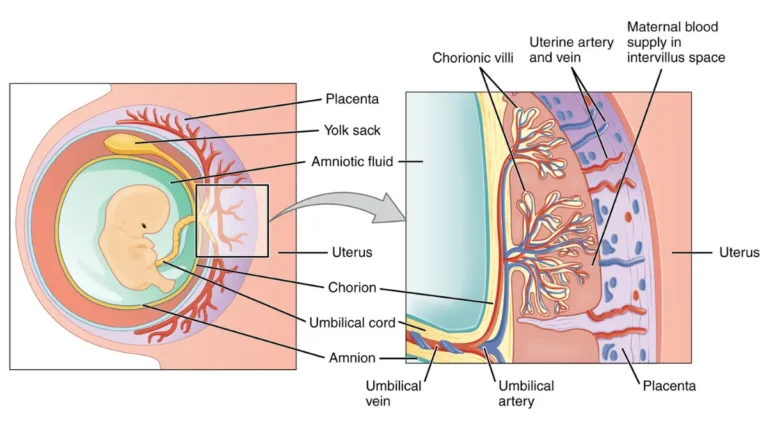
Making sense of a flagged CMP in pregnancy
Your CMP in pregnancy is read against non-pregnant ranges, so a high ALP or low albumin is often expected. Here's what shifts—and what doesn't.

Your CMP in pregnancy is read against non-pregnant ranges, so a high ALP or low albumin is often expected. Here's what shifts—and what doesn't.
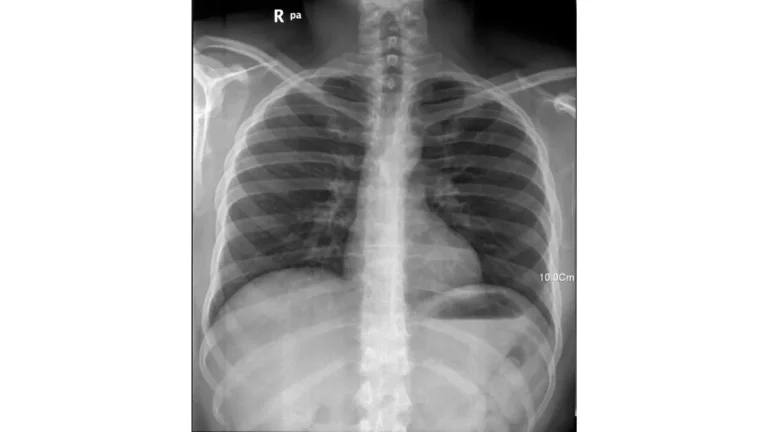
A CMP isn't part of a U.S. immigration physical, and a DOT physical needs no blood test. Here's what each exam actually checks — and how to prepare.
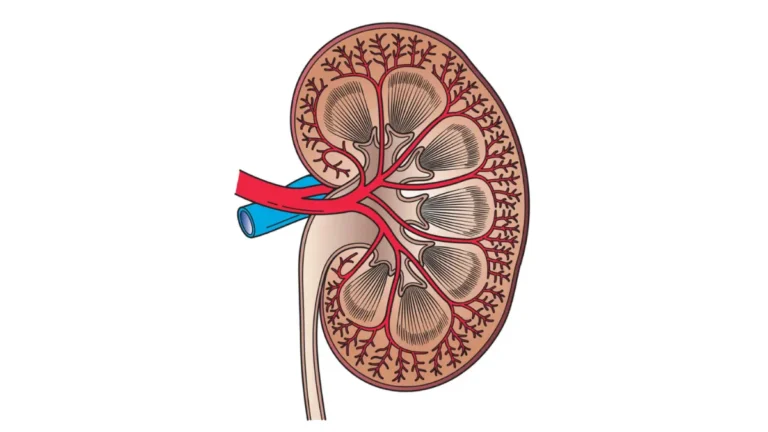
A CMP before surgery isn't automatic—for healthy people having minor surgery, guidelines often advise against it. Here's when it's genuinely needed.
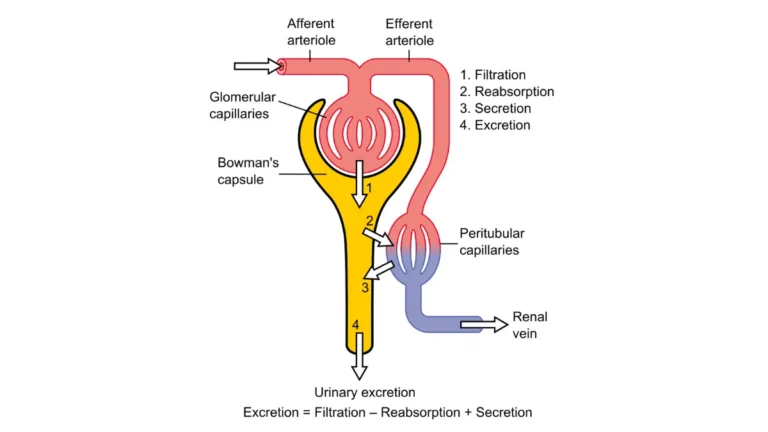
Helping a parent understand blood tests? A flag usually means ask questions, not panic—and older adults get flagged partly due to muscle loss.
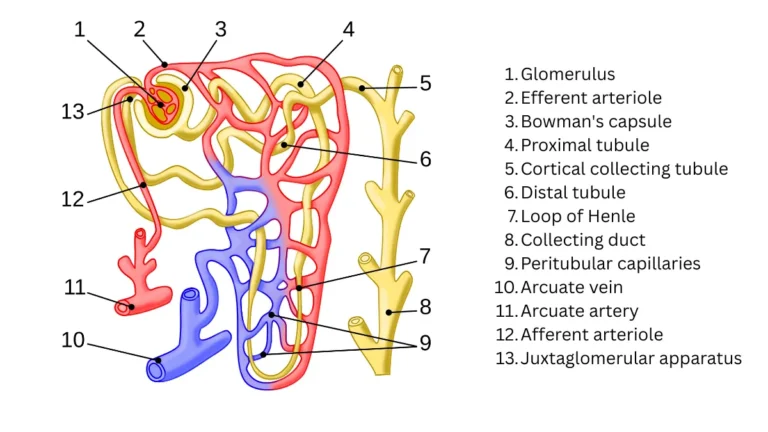
Does your CMP normal range change with age? For most of the 14 values, no—only kidney markers, kids' ALP, and albumin truly shift.
CMP medication monitoring isn't one-size-fits-all—statins are watched for blood sugar, metformin for kidney function, BP drugs for potassium.

Does a CMP show diabetes? Its glucose test can flag it, but a CMP has no A1c — the test that actually confirms a diagnosis. See what the numbers mean.

Can a CMP detect cancer? Not directly—but a result like high calcium can occasionally be a clue worth checking. Here's what your panel really shows.
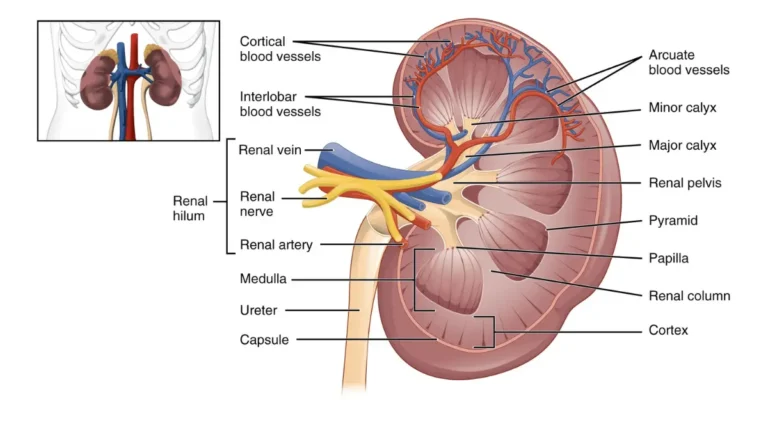
A CMP checks five body systems from one blood draw, flagging diabetes, kidney, and liver disease early. See what it reveals — and what it can't.
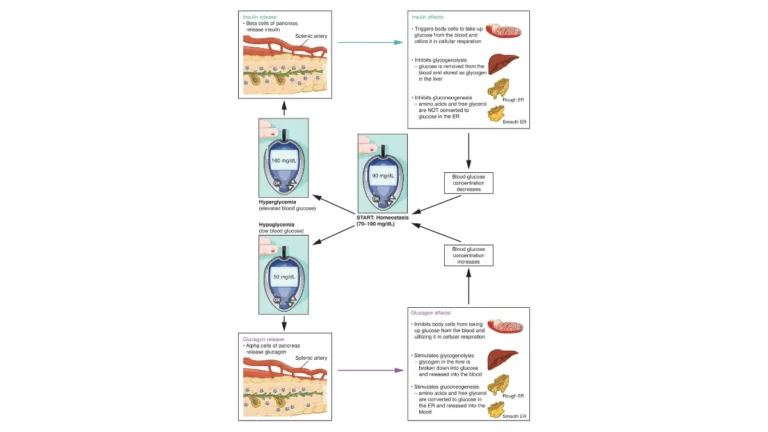
Preventive blood work is often billed as diagnostic—not preventive—which is why a 'free' physical can generate a charge for a routine metabolic panel.
Whether a CMP is covered by insurance hinges on one thing: is it billed as preventive screening or diagnostic testing? Here's how to tell before your bill.