Understanding a High ALT Result on Your Blood Test
High ALT flags liver-cell stress, but how high matters. Here's the graded scale from borderline to massive, what usually causes it, and when it's urgent.

High ALT flags liver-cell stress, but how high matters. Here's the graded scale from borderline to massive, what usually causes it, and when it's urgent.
Reading a comprehensive metabolic panel: doctors read all 14 numbers as a pattern, and 1 in 20 healthy people fall outside a normal range by design.
Your comprehensive metabolic panel normal range spans 14 values, each with its own numbers. See the full chart and what one out-of-range result means.
Total protein and calcium ride on albumin, which binds 40–45% of it. In 22,658 patients, the standard correction was right only 58.7% of the time.
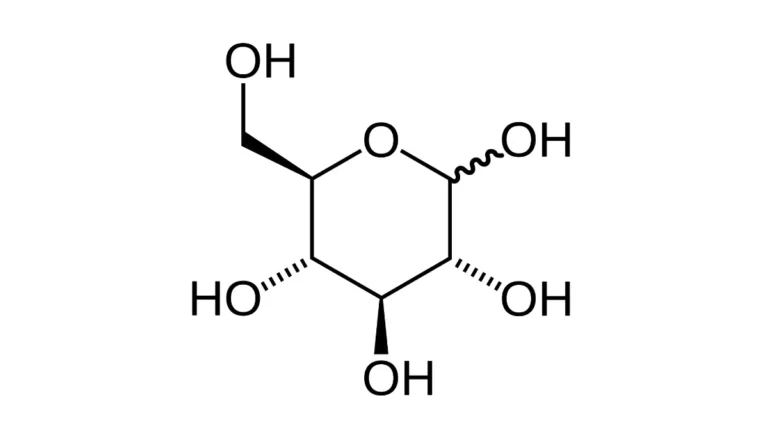
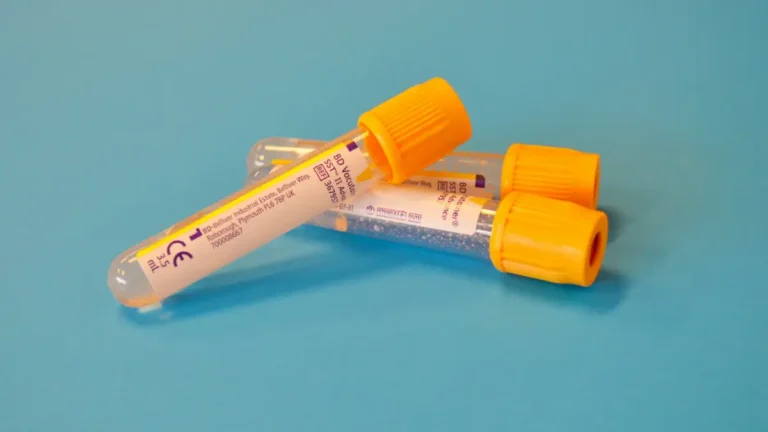
High glucose on a CMP can also read falsely low — glucose falls 5–7% per hour in an unseparated tube. Here's what your number really tells you.
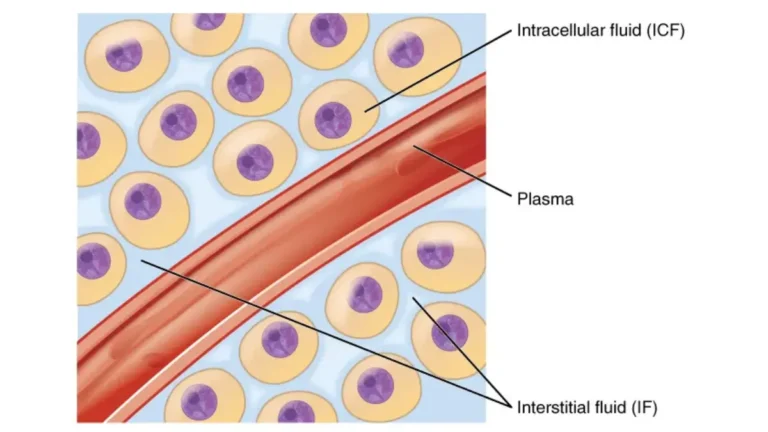
CMP electrolytes hide a quiet problem: a potassium of 3.6 is low by MedlinePlus and normal by another widely used reference. Only your lab's range counts.
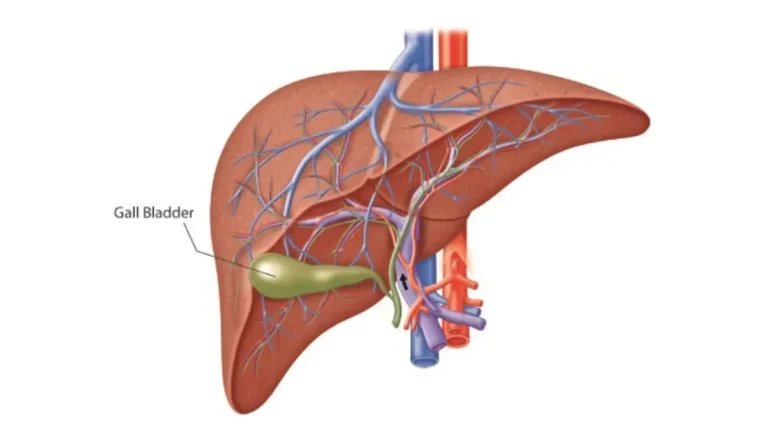
Liver markers on a CMP are read together, never alone. Clinicians classify liver injury by comparing ALT against ALP — and the ratio changes the answer.
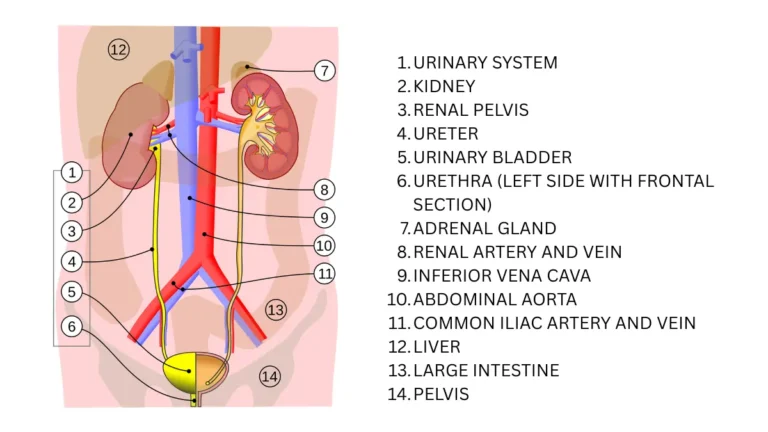
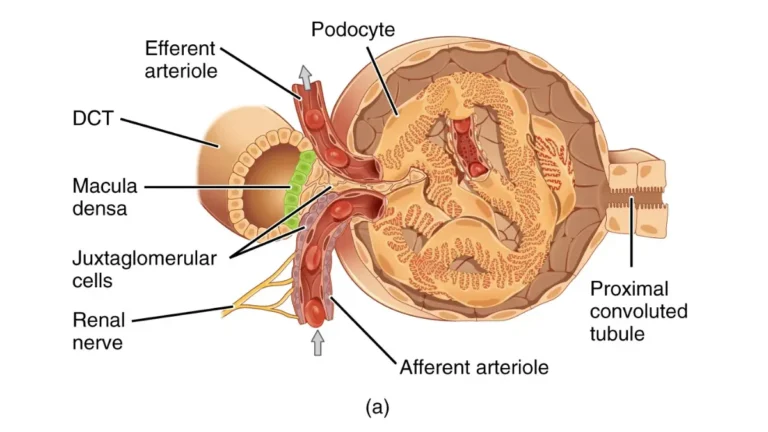
Your CMP checks kidney function with three markers, and BUN alone can rise from simple dehydration. Here is how the three are read together.
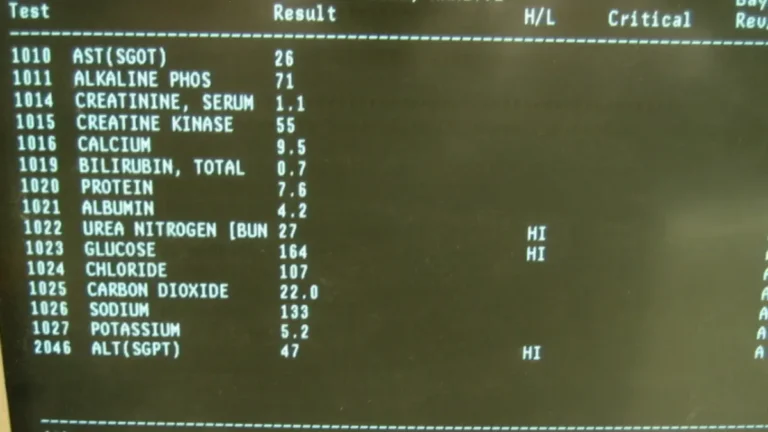
Abnormal CMP results are common and rarely mean disease alone. See what flagged glucose, kidney, and liver values signal—and when to seek care.
Getting ready for a CMP test? Most labs want an 8–12 hour fast and plain water only—here's what to skip and why coffee has to wait.
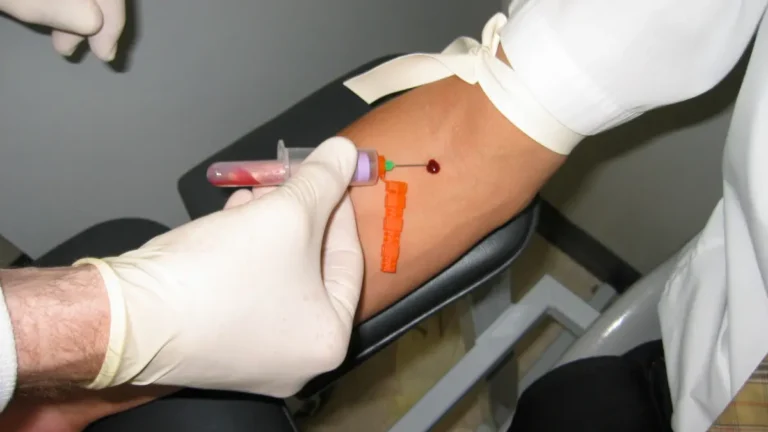
Fasting for a CMP usually means 8 to 12 hours without food, mainly to protect your glucose reading. Here's when it's required—and when it's not.