
On This Page – Quick Medical Summary
Can a CMP detect cancer? The short answer
No. A comprehensive metabolic panel is not designed to screen for or diagnose cancer. It checks your organ function, blood sugar, and electrolytes — not tumor cells or tumor DNA. A few results can occasionally be indirect clues that prompt more testing, but only imaging and a biopsy can actually diagnose cancer.
Where you are right now shapes what you need next. If a value on your panel came back flagged and you typed this question in a rush of worry, the sections on which results can be a clue and why an abnormal CMP is usually not cancer are for you. If your question is really “then what does find cancer in blood?”, skip ahead to the tests built for that job. And if you have a result in hand and want to know your next move, the flagged-result steps below walk it through.
The rest of this guide takes each part calmly, with every figure tied to a named source.
ℹ️ Medical Disclaimer: This article explains what a comprehensive metabolic panel can and cannot show about cancer. It does not diagnose disease, interpret your individual results, or recommend treatment, medication, or screening decisions. A blood result only means something in the context of your full history — consult the clinician who ordered your test, or a board-certified physician, before acting on anything here.
What a CMP is designed to check (and what it isn’t)
A comprehensive metabolic panel is a routine blood test that measures 14 substances to give a snapshot of your body chemistry.
The 14 things a CMP measures
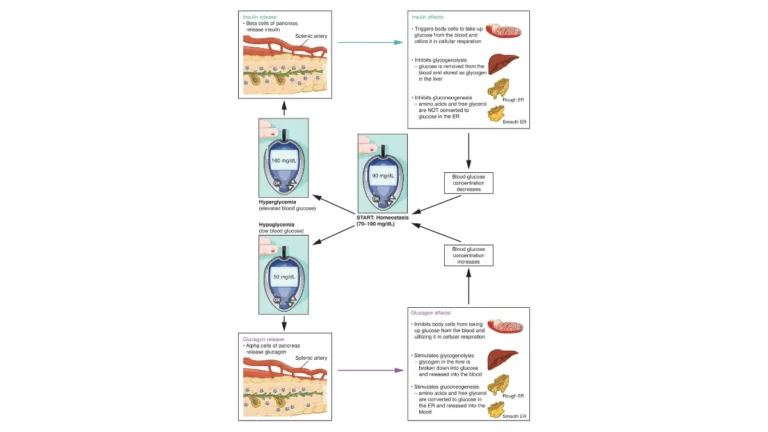
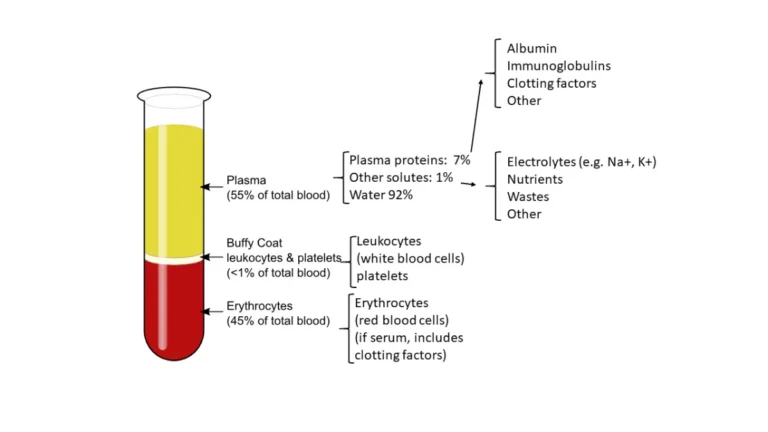
The panel reports your glucose (blood sugar) and calcium, plus a set of electrolytes — sodium, potassium, bicarbonate, and chloride. It also covers kidney markers (BUN and creatinine), two proteins (albumin and total protein), and liver-related values (ALP, ALT, AST, and bilirubin). Together these reflect how your kidneys and liver are working, your blood sugar, and your fluid and acid–base balance, according to MedlinePlus.
For the full marker-by-marker breakdown, see our guide to reading your CMP results.
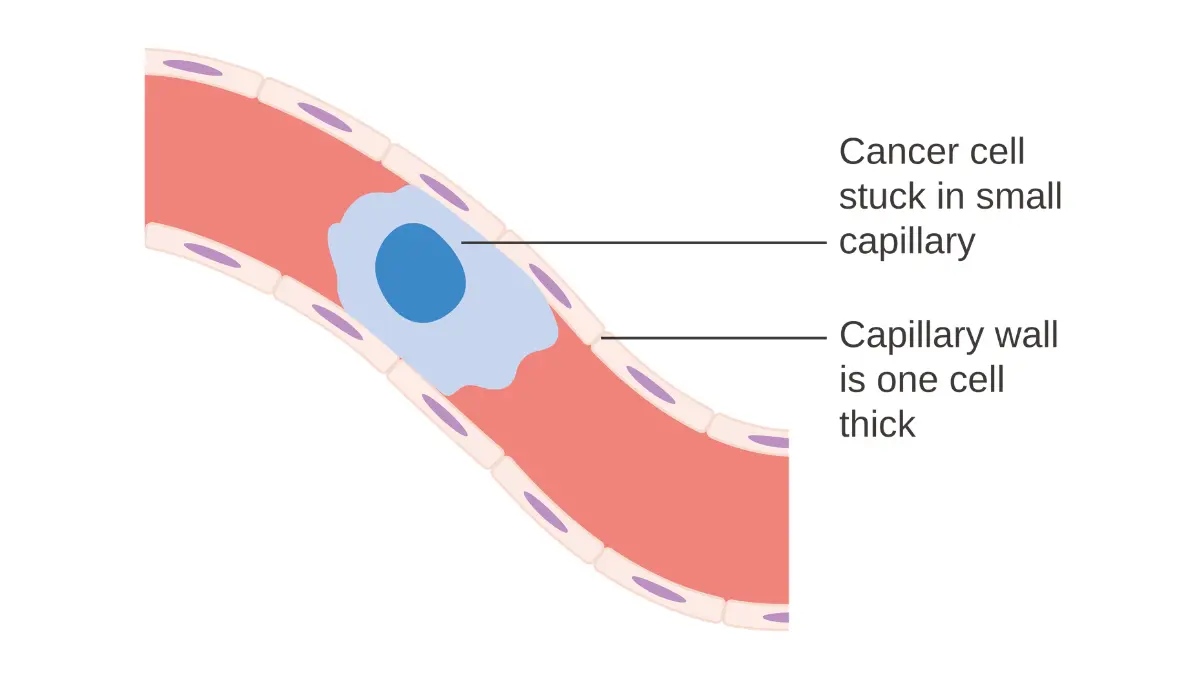
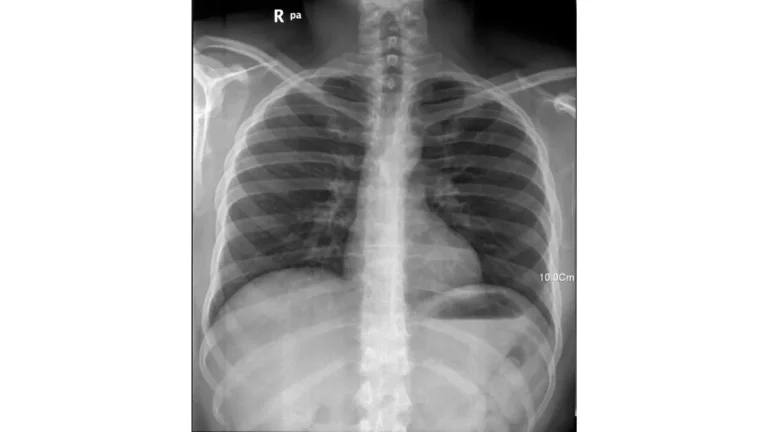
Adapted from Wikimedia Commons Cancer Research UK (CRUK) Collection, licensed under CC BY-SA 4.0.
Why none of them is a cancer test
None of these 14 values measures a tumor directly. A CMP looks at organ chemistry — not tumor markers, circulating tumor DNA, or cancer cells. That’s why it doesn’t appear on any cancer-screening list, and why a result outside the normal range usually means more tests are needed to confirm or rule out a cause, not that you have cancer. If you want to see what this panel is genuinely good at flagging, we cover the conditions a CMP can detect separately.
Which CMP results can be a clue to cancer?
A few CMP values can rise when cancer is present — but each has a more common, non-cancer explanation, so context matters far more than any single number.
High calcium: the strongest clue, but usually not cancer
High blood calcium, or hypercalcemia, is the CMP result most often linked to cancer. Certain cancers — breast, lung, kidney, multiple myeloma, and squamous cell cancers among them — can push calcium up, usually in advanced disease. Even so, the most common cause of high calcium in the general population is a benign parathyroid condition, not cancer, per MedlinePlus. Our page on what high calcium and total protein mean goes deeper on the calcium result itself.
🔬 How It Works: Some tumors release a hormone-like protein called parathyroid hormone-related protein (PTHrP). It mimics your natural parathyroid hormone, pulling calcium out of your bones and into your blood — which is how a cancer elsewhere in the body can show up as a high calcium level.
📊 Clinical Data Point: Hypercalcemia of malignancy affects an estimated 2%–30% of people with cancer, depending on cancer type and stage, and typically appears in advanced disease. — Source: Endocrine Society (Hypercalcemia of Malignancy)
High alkaline phosphatase (ALP): bone or liver signals
Alkaline phosphatase can rise when cancer involves the bones (such as prostate, breast, or lung cancer that has spread) or the liver. Most ALP elevations, though, come from benign causes — healing fractures, Paget’s disease, fatty liver, bile-duct issues, an overactive thyroid, pregnancy, or medications. Our guide to liver markers on a CMP explains ALP, ALT, AST, and bilirubin together.
Abnormal liver enzymes and bilirubin
Raised ALT, AST, or bilirubin can occur with primary liver cancer or cancer that has spread to the liver. Far more often, they reflect common conditions like fatty liver disease, viral hepatitis, alcohol, or medication effects.

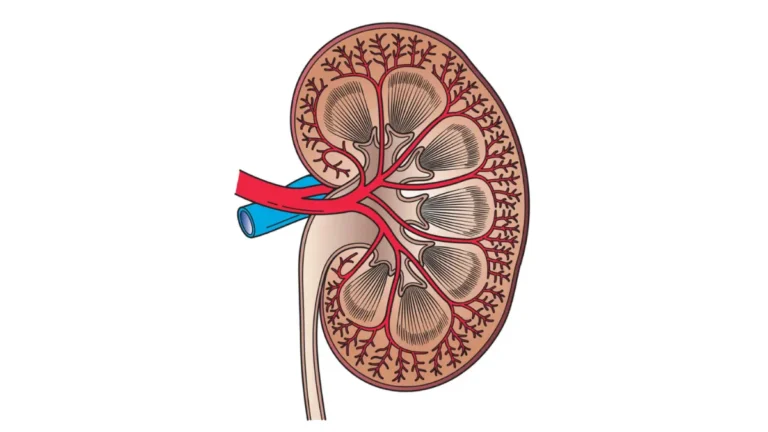
Adapted from Wikimedia Commons BioArt Collection, licensed under CC0 Public Domain.
Low albumin and total protein
Low albumin is non-specific. It can accompany advanced illness, including some cancers, but also liver disease, kidney disease, poor nutrition, or inflammation — so on its own it points nowhere in particular. See what low albumin can mean for the fuller picture.
✅ Patient Action: Ask the provider who ordered your CMP: “Is my flagged value more likely from a benign cause, and what single follow-up test would tell us?” For high calcium, that next test is often a parathyroid hormone (PTH) level.
Why an abnormal CMP is usually not cancer
When one value is flagged, the odds still strongly favor a benign explanation — here’s why that holds, and the one caveat worth keeping.
The most common causes are benign
For high calcium, primary hyperparathyroidism — a small, usually benign overgrowth of a parathyroid gland — is the leading cause in the general population, and these results are often caught early and mild on routine bloodwork. For ALP and liver enzymes, everyday conditions like fatty liver, healing bone, or medications explain most elevations. A flagged CMP is a reason to look closer, not a diagnosis.
📊 Clinical Data Point: The most common cause of a high blood-calcium result in the general population is excess parathyroid hormone from the parathyroid glands — and the growths behind it are usually benign, not cancer. — Source: MedlinePlus (NIH)
🩺 Physician Note: A single out-of-range value on one CMP is not a diagnosis. Clinicians usually repeat or confirm an unexpected result before drawing any conclusion, because lab values fluctuate day to day and sample errors do happen.
But a normal CMP doesn’t rule cancer out
The honest flip side: a normal CMP does not mean you’re cancer-free. Because the panel doesn’t measure tumors, many cancers leave every one of its 14 values in range. That’s why cancer screening uses dedicated tests — and why unexplained symptoms deserve evaluation even when bloodwork looks fine. If your real worry is inherited risk rather than one lab value, our genetic risk assessment tool can help you organize what to discuss.
What blood tests actually check for cancer?
Some blood tests are built to look for cancer — they simply work differently from a CMP.
Tumor markers: PSA, CEA, CA-125, AFP
Tumor markers are substances, often proteins, that can be higher when certain cancers are present. Examples include PSA for prostate cancer, CEA for colorectal cancer, CA-125 for ovarian cancer, and AFP for liver cancer. They can help monitor a known cancer or flag one for investigation, but benign conditions can raise them too, so they aren’t diagnostic on their own, per the National Cancer Institute. You can read more about the PSA blood test by age.
Liquid biopsy and multi-cancer detection tests
Newer blood tests look for fragments of tumor DNA in the bloodstream. In 2024 the FDA approved one such test, Shield, as a screening option for average-risk adults for colorectal cancer.

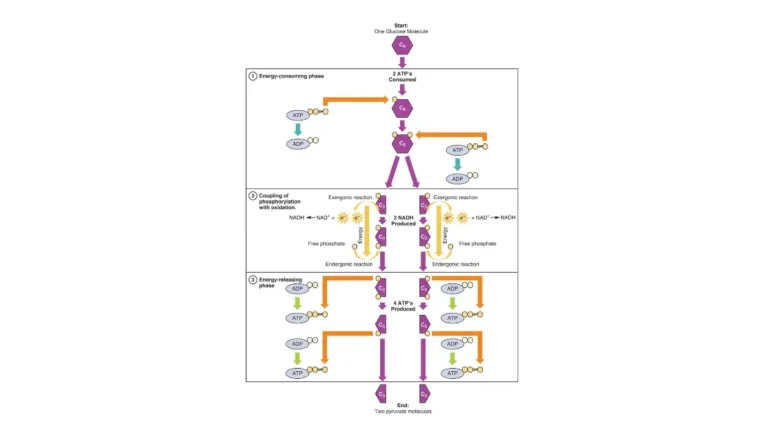
Adapted from Unsplash National Cancer Institute (NCI) Collection, licensed under CC0 Public Domain.
🔬 How It Works: Tumors shed tiny pieces of DNA into the blood. A liquid biopsy or multi-cancer detection test hunts for these cell-free DNA fragments — a signal that can point toward cancer, though it still needs confirmation.
📊 Clinical Data Point: In its approval study, the Shield blood test detected 83% of colorectal cancers found on colonoscopy, but only about 13% of precancerous polyps. — Source: National Cancer Institute, 2024
See how the Shield blood test compares with colonoscopy for the trade-offs.
Why a biopsy still confirms the diagnosis
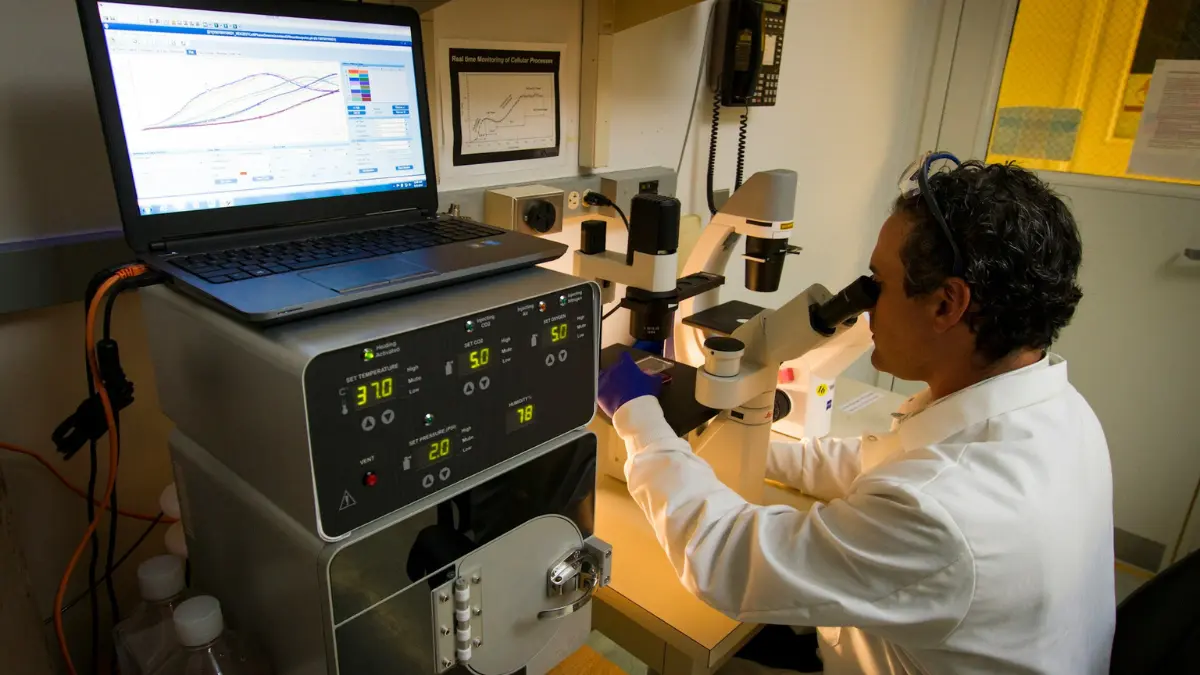
Even purpose-built cancer blood tests don’t close the case. Abnormal lab results are not a sure sign of cancer, and in nearly all cases a diagnosis is confirmed with imaging plus a tissue biopsy, per the National Cancer Institute. The recommended cancer screening tests — mammograms, colonoscopy, Pap tests, and low-dose CT among them — remain the proven tools. Wondering whether the blood count does more? We also cover whether a CBC can detect cancer.
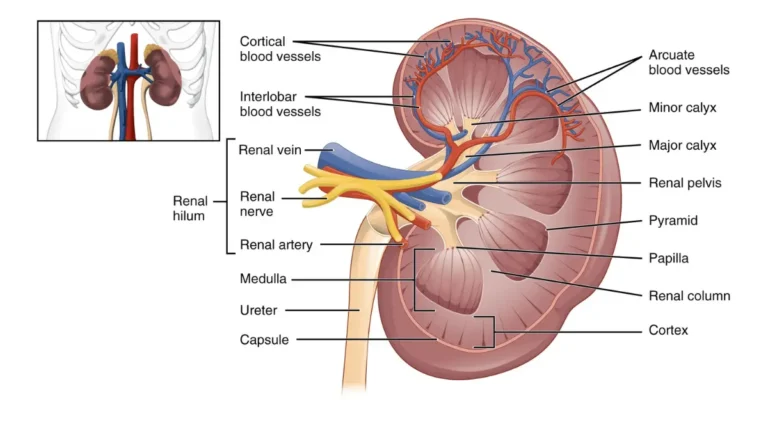
Adapted from Unsplash National Cancer Institute (NCI) Collection, licensed under CC0 Public Domain.
What to do if a CMP result is flagged
A flagged value has a calm, standard path — knowing it helps you take the right next step instead of spiraling.
Steps 1–2: Don’t panic, and note which marker
- Don’t panic. Most flagged CMP values are benign, and a single result rarely tells the whole story.
- Note exactly which value is flagged and by how much. “Slightly high” and “markedly high” lead to very different next steps.
Step 3: Confirm before you conclude
- Expect a repeat or confirmatory test. An unexpected result is often rechecked before anyone acts on it, since values shift and lab errors occur.
Step 4: Follow the marker-specific trail
- Match the follow-up to the marker. High calcium usually leads to a PTH level; high ALP may lead to isoenzyme testing to separate bone from liver; persistent liver-enzyme changes may lead to imaging. Our guide to abnormal CMP results walks these through.
Questions to ask your provider
Start with primary care or internal medicine. An endocrinologist handles confirmed high calcium, and a liver specialist handles ongoing liver-enzyme abnormalities.
✅ Patient Action: Before your visit, write down which value was flagged and its number, then ask: “Which follow-up test will tell us the cause, and how soon is it safe for me to wait?”
When flagged bloodwork plus symptoms need prompt attention
Most flagged results resolve calmly — but a few symptom-plus-lab combinations are worth acting on sooner.
Symptom clusters worth prompt evaluation
Certain symptoms alongside an abnormal CMP deserve a prompt (not panicked) call to your clinician: unexplained weight loss, persistent unexplained bone pain, or yellowing of the skin or eyes with abnormal liver values. These signs are non-specific and usually not cancer — but paired with abnormal labs, they’re a reason to be seen rather than to wait. Reviewing critical CMP values can help you gauge urgency.
Severe high calcium can be a medical emergency
Very high calcium is the one CMP result that can turn urgent on its own.
⚠️ Clinical Warning: Severe hypercalcemia can cause confusion, extreme thirst with frequent urination, vomiting, an irregular heart rhythm, or fainting, and it can become a medical emergency. If these appear alongside a high calcium result, seek medical care promptly rather than waiting for a routine follow-up.
Frequently asked questions about CMP results and cancer
1. Can a comprehensive metabolic panel detect cancer?
No. A comprehensive metabolic panel checks organ function, blood sugar, and electrolytes — not tumors or tumor DNA — so it cannot detect or diagnose cancer. A few results, like high calcium, can occasionally be indirect clues that prompt more testing, but imaging and a biopsy make the diagnosis. If a result is flagged, ask the provider who ordered it what to check next.
2. Does a CMP show if you have cancer?
A CMP doesn’t show whether you have cancer. It measures 14 body-chemistry values reflecting your kidneys, liver, blood sugar, and electrolytes. Some can shift when cancer is present, but each has more common, benign causes, and none confirms cancer — only imaging and a tissue biopsy can. Discuss any abnormal value with your clinician to decide on next steps.
3. What blood tests can detect cancer?
Blood tests built for cancer include tumor markers such as PSA (prostate), CEA (colorectal), CA-125 (ovarian), and AFP (liver), plus newer cell-free-DNA tests like the FDA-approved Shield for colorectal screening. Even these don’t diagnose cancer alone — abnormal results are confirmed with imaging and biopsy. A CMP is not among these cancer-detection tests.
4. Can high calcium on a CMP mean cancer?
It can, but usually doesn’t. In the general population, the most common cause of high calcium is a benign parathyroid condition, not cancer. Some cancers raise calcium, typically in advanced disease. The usual next step is a parathyroid hormone (PTH) test to sort out the cause. Ask your provider whether a PTH level is warranted for you.
5. Can abnormal liver enzymes indicate cancer?
Raised ALT, AST, ALP, or bilirubin can occur with liver cancer or cancer that has spread to the liver, but they far more often reflect fatty liver, hepatitis, alcohol, or medications. On their own they don’t diagnose cancer. Persistent abnormalities usually prompt imaging or repeat testing. Ask your clinician whether your specific pattern needs further evaluation.
6. Can a normal CMP rule out cancer?
No. Because a CMP doesn’t measure tumors, many cancers leave all 14 values in the normal range. A normal panel is reassuring about organ function but doesn’t exclude cancer. That’s why dedicated screening tests exist and why unexplained symptoms deserve evaluation even with normal bloodwork. Ask your clinician which screenings fit your age and risk.
7. What does it mean if my CMP is abnormal?
An abnormal CMP means one or more values fell outside the reference range — most often from a benign or manageable cause, not cancer. It signals that more information is needed, not a diagnosis. Your provider may repeat the test or order a targeted follow-up. Ask which specific value is flagged and what the next confirming test should be.
8. Is a CMP part of cancer screening?
No. A CMP is a routine metabolic and organ-function panel, not a cancer-screening test. Proven cancer screens include mammograms, colonoscopy, Pap and HPV tests, low-dose CT for high-risk smokers, and PSA for prostate cancer. A CMP may be drawn at the same visit for general health, but it doesn’t screen for cancer. Ask your clinician which screenings you’re due for.
9. Can elevated alkaline phosphatase mean cancer?
Elevated alkaline phosphatase (ALP) can appear with cancer in the bones or liver, but most high ALP results come from benign causes — healing fractures, Paget’s disease, fatty liver, bile-duct issues, thyroid problems, pregnancy, or medications. Isoenzyme testing can show whether it’s from bone or liver. Ask your provider whether your ALP result needs that follow-up.
10. What cancers cause high calcium?
Cancers most associated with high blood calcium include breast, lung, and kidney cancers, multiple myeloma, and squamous cell cancers. This usually happens in advanced disease, often because the tumor releases a hormone-like protein (PTHrP) that raises calcium. High calcium far more commonly comes from benign parathyroid disease. Any unexplained high calcium should be evaluated by your clinician.
11. Should I worry about an abnormal CMP result?
Usually not — most abnormal CMP values have benign, treatable explanations, and a single flagged result is not a diagnosis. It does deserve follow-up so the cause can be confirmed. Note which value is off and by how much, and ask your provider what the next test is and how urgently it’s needed. Severe symptoms warrant prompt care.
The bottom line on a CMP and cancer
A comprehensive metabolic panel is a window into how your organs are working — not a cancer test. It can’t diagnose cancer, and it can’t rule it out. A handful of results, most notably high calcium, can occasionally be indirect clues, but the far more likely explanations are benign, and the confirming answers come from targeted follow-up, imaging, and a biopsy.
If a value on your panel is flagged, that’s a prompt to ask a focused question — not to assume the worst. Bring your specific number to the provider who ordered your test, and use our full CMP results guide to make sense of the rest.
✅ Patient Action: Ask the provider who ordered your CMP about the exact marker that’s flagged — what’s most likely for you, and which single test would confirm it.
About this content
How this article was put together: researched from recognised health sources, drafted with the help of AI tools, and edited by hand, with sources linked throughout.

Sameer Patel is the founder and editor of My Medicine Advisor. He is not a doctor or medical professional — before starting this site he worked in banking,…
Medical disclaimer
The content on MyMedicineAdvisor is provided for general informational and educational purposes only and is not a substitute for professional medical advice, diagnosis, or treatment. Health information on this website should not be used to diagnose, treat, cure, or prevent any condition without guidance from a qualified healthcare professional. Always seek the advice of your doctor, physician, or another licensed healthcare provider with any questions you may have regarding a medical condition, symptoms, medications, or treatment decisions.