
On This Page – Quick Medical Summary
The short answer: cells vs. chemistry
A complete blood count (CBC) counts the cells in your blood. A comprehensive metabolic panel (CMP) measures 14 substances that show how your organs and metabolism are working. Often the same tube of blood, drawn the same way — but two very different questions about your health.
Where you land here depends on why you came. If your doctor ordered both tests, the comparison below shows what each one adds. If you got just one, the two explainer sections show what it reveals. Paying out of pocket? Skip to fasting and cost. Worried about a flagged result? The last section covers what a number can — and can’t — tell you.
Neither test is “better.” They answer different questions, which is why clinicians so often order them together for a clear baseline of your overall health.
ℹ️ Medical Disclaimer: This article explains what CBC and CMP blood tests measure, for general education. It does not diagnose conditions, interpret your personal results, or replace advice about medications, procedures, or insurance. Only the clinician who ordered your labs can interpret your results in the context of your symptoms and history — bring specific questions to your primary care provider or the ordering physician.
What a complete blood count (CBC) shows
A CBC looks at the cells circulating in your blood and the proteins inside them. It’s one of the most common blood tests, used at routine checkups and to help explain symptoms like fatigue, fever, or unexplained bruising.
The cells and values a CBC measures
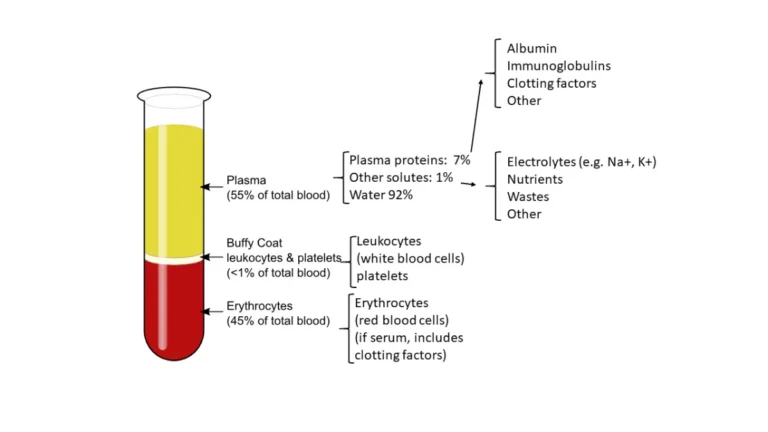
A standard CBC reports your red blood cells, white blood cells, and platelets, plus hemoglobin (the oxygen-carrying protein in red cells) and hematocrit (the share of your blood made up of red cells). It also includes red-cell indices — MCV, MCH, MCHC, and RDW — that describe the size and hemoglobin content of those cells, as outlined in MedlinePlus’s guide to the complete blood count.
What a CBC can help detect
Because it measures the cells themselves, a CBC helps flag anemia (too few or undersized red cells), infection or inflammation (abnormal white-cell counts), and clotting problems (abnormal platelets). Unusual results can also point toward blood disorders and, in some cases, blood cancers.
CBC vs. CBC with differential
A plain CBC counts your total white cells; a CBC with differential breaks that number into the five white-cell types — neutrophils, lymphocytes, monocytes, eosinophils, and basophils. To go value by value, see how to read your CBC results and the full guide to what a complete blood count shows.
🔬 How It Works: Your bone marrow makes five kinds of white blood cell, each responding to a different threat. A differential counts them separately, so a pattern — like elevated neutrophils — hints at what your immune system is reacting to.
What a comprehensive metabolic panel (CMP) shows
A comprehensive metabolic panel measures 14 substances in your blood that reveal how your metabolism and major organs are functioning, according to the National Library of Medicine’s overview of the CMP.
The 14 substances a CMP measures
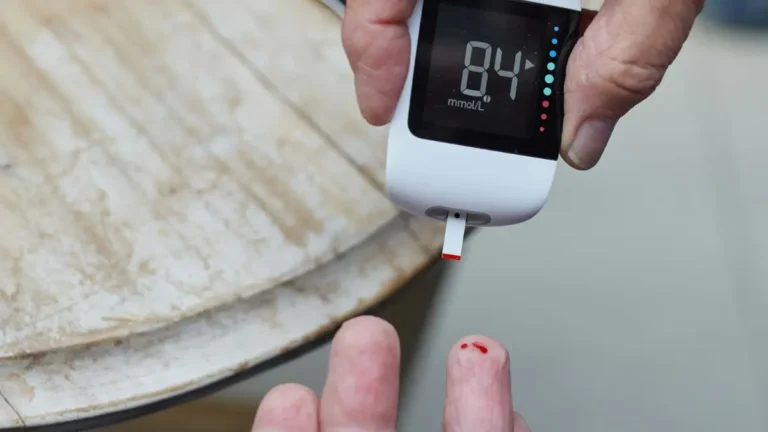
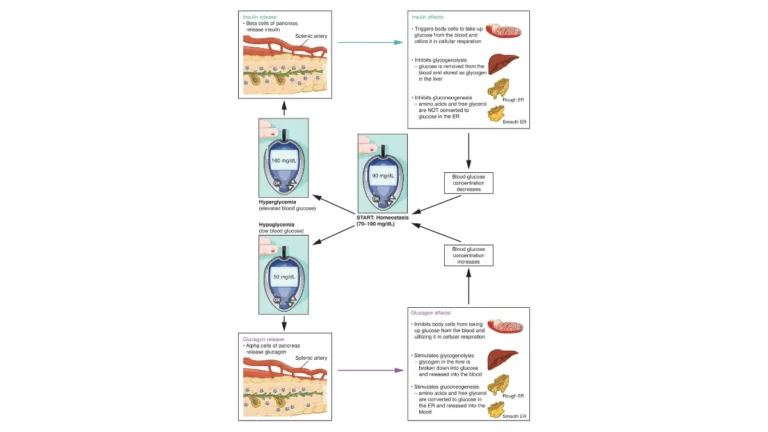
The panel includes glucose (blood sugar); calcium; four electrolytes — sodium, potassium, chloride, and carbon dioxide (bicarbonate); two kidney markers — blood urea nitrogen (BUN) and creatinine; four liver values — ALT, AST, alkaline phosphatase (ALP), and bilirubin; and two proteins — albumin and total protein. Each of the 14 CMP components tells its own small story.
The four systems a CMP checks
Grouped by what they reveal, those values cover blood sugar, fluid and electrolyte balance, kidney function, and liver function — one draw, a broad look at several systems, summarized in your full comprehensive metabolic panel results.
What a CMP can help detect
A CMP helps screen for and monitor conditions such as diabetes, kidney disease, liver disease, and electrolyte imbalances. Values are compared against your lab’s reference ranges — read more on what a high glucose result means and the liver markers ALT, AST, and bilirubin.
🔬 How It Works: ALT and AST are enzymes that normally stay inside liver cells. When those cells are stressed or damaged, they leak into the bloodstream — so higher blood levels can be an early signal your liver needs a closer look.
CBC vs CMP: a side-by-side comparison
Put side by side, the two panels split the work: one reads your blood cells, the other reads your body chemistry.
Comparison at a glance
| Feature | Complete Blood Count (CBC) | Comprehensive Metabolic Panel (CMP) | Key clinical detail |
|---|---|---|---|
| What it measures | Red cells, white cells, platelets, hemoglobin, hematocrit | 14 substances: glucose, electrolytes, kidney and liver markers, proteins | CBC = cells; CMP = chemistry |
| What it screens for | Anemia, infection, blood disorders, some blood cancers | Diabetes, kidney disease, liver disease, electrolyte imbalance | Different organ systems |
| Fasting | Usually none | Often 8–12 hours (for glucose) | Confirm with the ordering office |
| Typical US cash price | About $5–$50 at direct-access labs | About $10–$59 at direct-access labs | Hospital charges run much higher |
Test contents sourced from the U.S. National Library of Medicine (MedlinePlus); price ranges from current US direct-access lab listings, 2026 (see the cost section).
Which test do you actually need?
As a rough guide: a CBC fits questions about blood cells, a CMP fits questions about organ function and metabolism, and both together give a fuller baseline. The ordering clinician makes the final call — and if you’re weighing panel options, here’s how a CMP differs from a basic metabolic panel.
When doctors order a CBC, a CMP, or both
The choice comes down to the question your clinician is trying to answer.
When a CBC is ordered
A CBC is common at routine checkups and when symptoms suggest a blood-cell issue — persistent fatigue, signs of infection, unexplained bruising or bleeding, or suspected anemia.
When a CMP is ordered
A CMP tends to be ordered for symptoms pointing at metabolism or organ function — ongoing nausea, swelling, or changes in urination — and to monitor conditions like diabetes, kidney disease, or liver disease. Unsure whether your symptoms warrant a visit? Our symptom checker can help you think it through.
Why they’re often ordered together
A CBC and a CMP look at entirely different systems, so ordering both is often the fastest route to a complete baseline — not a sign that something is presumed wrong. For vague symptoms or a general checkup, running both in one visit is routine.
✅ Patient Action: Ask the clinician who ordered your bloodwork: “Given my symptoms and history, do I need a CBC, a CMP, or both — and when should we recheck the results?”
How to prepare: fasting, cost, and what to expect
Preparation is simple, and it differs between the two tests.
Do you need to fast for a CBC or CMP?
A CBC alone doesn’t require fasting. A CMP often calls for 8–12 hours of fasting because it includes a glucose measurement — though instructions vary, so follow what the ordering office tells you. If both are drawn together, follow the stricter (CMP) fasting guidance; here’s more on whether you need to fast for a CMP.
🔬 How It Works: Eating raises your blood sugar for a few hours. A fasting glucose reading removes that spike, so the CMP reflects your baseline rather than your last meal — which is why the fasting window matters for that value.
What a CBC and CMP cost
Prices vary widely by where you go. At direct-access or at-home labs in 2026, a CBC often runs from a few dollars up to about $50, and a CMP roughly $10–$60. Hospital outpatient labs typically charge several times more, so it’s worth asking for the cash price up front — see what a CBC test costs for a fuller breakdown.
What the blood draw is like
Both tests use a single blood sample from a vein in your arm and take only a few minutes. A CBC done on its own lets you eat and drink normally beforehand.
What abnormal results can — and can’t — tell you
An out-of-range value is a prompt for a conversation, not a verdict.
An abnormal result is a signal, not a diagnosis
Reference ranges are built from large groups of healthy people, so it’s common for a healthy person to have an occasional value that falls slightly outside the range. Your report flags results as high or low, but only your clinician can interpret them alongside your symptoms, history, and earlier results — a point MedlinePlus makes in its guide to reading lab results.
⚠️ Clinical Warning: A normal CBC or CMP does not rule out cancer or other serious conditions. Routine bloodwork misses most cancers, so never use a normal result to dismiss persistent or worsening symptoms — that judgment belongs to your clinician.

Can a CBC or CMP detect cancer?
Mostly, no — these aren’t cancer screening tests. Leukemia is the main cancer that may show up on a CBC, and abnormal liver or kidney values on a CMP can occasionally point toward a problem worth investigating, but a normal panel doesn’t rule cancer out. If a normal count hasn’t settled your mind, see a normal CBC when you’re still worried about cancer.
✅ Patient Action: If a value is flagged, ask the ordering clinician: “What does this specific result mean in my case, does it need a repeat test, and are there symptoms that should bring me back sooner?”
Frequently asked questions
1. What is the main difference between a CBC and a CMP?
The main difference is what they measure. A complete blood count (CBC) counts the cells in your blood — red cells, white cells, and platelets. A comprehensive metabolic panel (CMP) measures 14 substances showing how your organs and metabolism work. They answer different questions from the same draw.
2. What does a CBC test show?
A CBC test shows the number and size of your blood cells: red cells, white cells, and platelets, plus hemoglobin and hematocrit. A CBC with differential also breaks white cells into five types, helping assess your immune system, oxygen-carrying capacity, and clotting.
3. What are the 14 tests in a CMP?
The 14 tests in a CMP are glucose; calcium; four electrolytes (sodium, potassium, chloride, carbon dioxide); two kidney markers (BUN, creatinine); four liver values (ALT, AST, alkaline phosphatase, bilirubin); and two proteins (albumin, total protein). Together they check blood sugar, fluid balance, and organ function.
4. Are a CBC and CMP usually done together?
Often, yes. A CBC reads your blood cells and a CMP reads your body chemistry, so running both from one draw gives your clinician a broad baseline of your overall health — a common pairing at routine checkups and general symptom work-ups.
5. Do you have to fast for a CBC or a CMP?
A CBC alone usually needs no fasting. A CMP often requires 8–12 hours of fasting because it includes glucose, though instructions vary by provider. If both are drawn together, follow the stricter CMP guidance, and confirm with the office that ordered the test.
6. How much do a CBC and CMP cost without insurance?
Costs vary widely by location. At US direct-access or at-home labs in 2026, a CBC commonly runs from a few dollars up to about $50, and a CMP roughly $10–$60. Hospital labs charge several times more, so ask for the cash price before your draw.
7. Can a CBC or CMP detect cancer?
Mostly, no — a CBC and CMP aren’t cancer screening tests. Leukemia is the main cancer that may appear on a CBC, and abnormal CMP values can occasionally flag a problem, but a normal result doesn’t rule cancer out. Persistent symptoms still need evaluation by your clinician.
8. What conditions can a CBC detect?
A CBC can help detect anemia, infection or inflammation, clotting problems, and various blood disorders through its cell counts. In some cases, unusual results point toward blood cancers such as leukemia, which a clinician would confirm with further testing.
9. What conditions can a CMP detect?
A CMP can help screen for and monitor diabetes (glucose), kidney disease (BUN, creatinine), liver disease (ALT, AST, ALP, bilirubin), and electrolyte imbalances. Out-of-range values need further testing and interpretation by your clinician to know what they mean for you.
10. What does an abnormal CBC or CMP result mean?
It means one value fell outside your lab’s reference range — a signal to look closer, not a diagnosis. Healthy people sometimes have occasional out-of-range values. Your clinician interprets it alongside your symptoms, history, and earlier tests, and decides whether follow-up is needed.
11. How often should I get a CBC and CMP?
There’s no single universal schedule — it depends on your age, health, and any conditions being monitored. Many adults have both as part of a periodic checkup; people managing diabetes, kidney, or liver conditions may need them more often. Your clinician sets the interval.
The bottom line on CBC vs CMP
The distinction is simple once the acronyms clear: a CBC reads the cells in your blood, and a CMP reads your body’s chemistry across 14 substances. One isn’t better than the other — they answer different questions, which is why clinicians so often order them together for a full baseline.
If your results are in hand, the most useful next step is a specific conversation. Bring the exact values that were flagged, and ask the clinician who ordered them what those numbers mean for you and whether any follow-up is needed.
For a marker-by-marker breakdown, the full guide to your comprehensive metabolic panel results walks through what every value means, one at a time.
About this content
How this article was put together: researched from recognised health sources, drafted with the help of AI tools, and edited by hand, with sources linked throughout.

Sameer Patel is the founder and editor of My Medicine Advisor. He is not a doctor or medical professional — before starting this site he worked in banking,…
Medical disclaimer
The content on MyMedicineAdvisor is provided for general informational and educational purposes only and is not a substitute for professional medical advice, diagnosis, or treatment. Health information on this website should not be used to diagnose, treat, cure, or prevent any condition without guidance from a qualified healthcare professional. Always seek the advice of your doctor, physician, or another licensed healthcare provider with any questions you may have regarding a medical condition, symptoms, medications, or treatment decisions.