
On This Page – Quick Medical Summary
Seeing “Potassium — HIGH” flagged on your comprehensive metabolic panel (CMP) is unsettling, especially when you feel completely fine. The honest short answer: a mildly raised result is common, often harmless, and sometimes not even a true reflection of your body’s potassium — while a very high level is a real emergency. This guide shows you which situation you are in.
Read for where you fall:
- Mildly high, no symptoms (roughly 5.1–6.0 mEq/L): the causes and “false alarm” sections matter most.
- On a blood pressure medicine, or living with kidney disease or diabetes: focus on causes and emergencies.
- A very high value, or chest symptoms, marked weakness, or an irregular heartbeat: go straight to the emergency section now.
Hyperkalemia is the medical name for a high blood potassium level, measured on the electrolyte portion of your complete comprehensive metabolic panel results. Most of the time it is caught on a blood test, not by how you feel.
ℹ️ Medical Disclaimer: This article is general health education. It does not diagnose any condition, recommend or adjust any medication, or replace testing and treatment decisions. Interpreting a potassium result, changing a prescription, and deciding whether you need urgent care are decisions to make with a licensed clinician — a primary care physician, a nephrologist, or an emergency provider — who knows your full history. If you have severe symptoms, seek emergency care rather than waiting.
What counts as a high potassium level?
A normal blood potassium level for adults is roughly 3.5 to 5.0 mEq/L, and a level at or above about 6.0 to 6.5 mEq/L is treated as dangerously high and needs urgent care. Between those points, the number alone tells only part of the story.
Normal vs. high: the numbers
Laboratories sort results into broad bands, though exact cutoffs differ slightly between sources.
| Category | Typical level (mEq/L) | What it generally means |
|---|---|---|
| Normal | 3.5–5.0 | Reference range for most adults; varies by lab |
| Mild | 5.1–6.0 | Often no symptoms; the cause is investigated |
| Moderate | 6.1–7.0 | Closer monitoring or treatment; the ECG can change |
| Severe | Above 7.0 | Medical emergency; risk to heart rhythm |
Bands compiled from clinical references (MedlinePlus and StatPearls / NCBI Bookshelf); thresholds vary slightly between sources and labs.
See how each value’s normal range is set on a CMP and how potassium and chloride are read together in the companion guides.
What level is a medical emergency
A result at or above roughly 6.0 to 6.5 mEq/L is generally handled as an emergency, particularly with symptoms or ECG changes.
🩺 Physician Note: A point clinicians stress is that how fast potassium rose matters more than the raw number. Someone with long-standing kidney disease may feel well at a level that would be an emergency in a person whose potassium climbed suddenly.
Why your lab’s range may differ
Ranges are not identical everywhere; some labs report normal up to 5.2 or even 5.5 mEq/L. Read your result against the range on your own report, and see what a potassium blood test measures for why ranges vary.
What are the symptoms of high potassium?
High potassium often causes no symptoms at all, which is why it is usually caught on a blood test rather than by how you feel. When symptoms do appear, they tend to show up only at higher levels.
Possible symptoms include:
- Muscle weakness or a heavy, tired feeling
- Fatigue
- Tingling or numbness
- Nausea
- Palpitations (a fluttering or pounding heartbeat)
- A slow or weak pulse
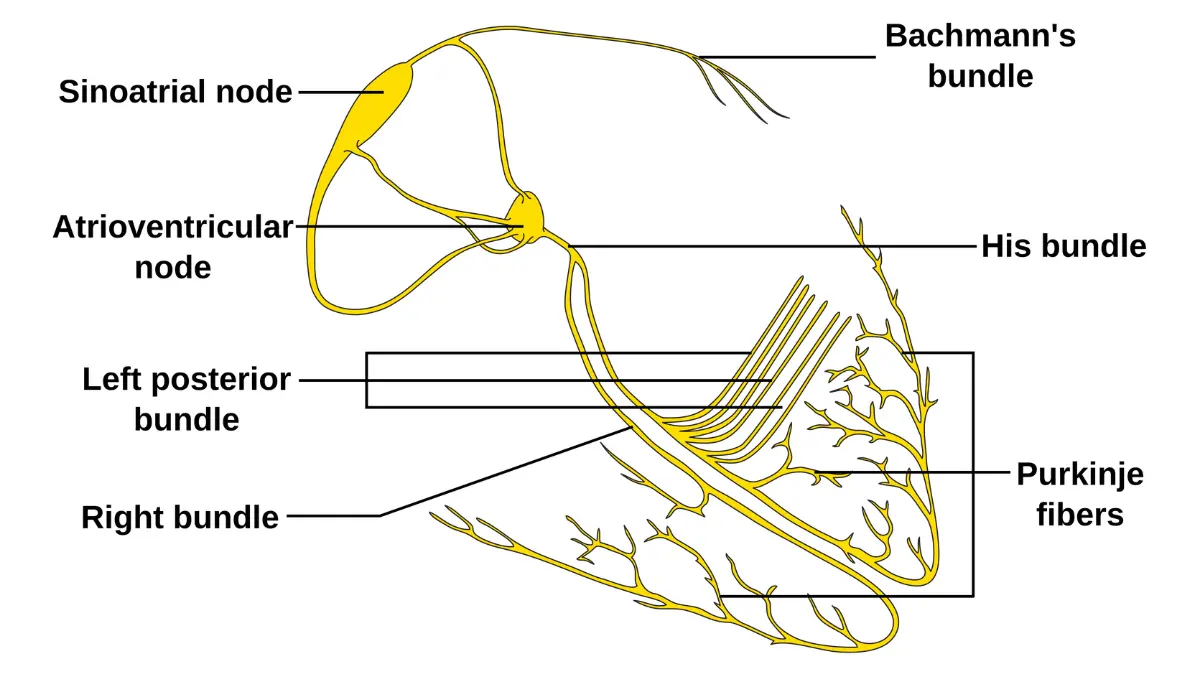
🔬 How It Works: Potassium helps nerves and muscles fire their electrical signals. When the level climbs too high, those signals — including the ones that pace your heart — start to misfire, which is why the warning signs cluster around muscles and heartbeat.
You can run your symptoms through a symptom checker as a general starting point, though it is not a diagnosis.
✅ Patient Action: If you have a known high potassium result along with new muscle weakness, palpitations, or a slow or irregular heartbeat, contact your clinician the same day rather than waiting for your next visit.
What causes high potassium?
The most common high potassium causes are reduced kidney function, certain medications, hormone problems, tissue injury, and — less often than people assume — diet.
Kidney problems: the most common cause
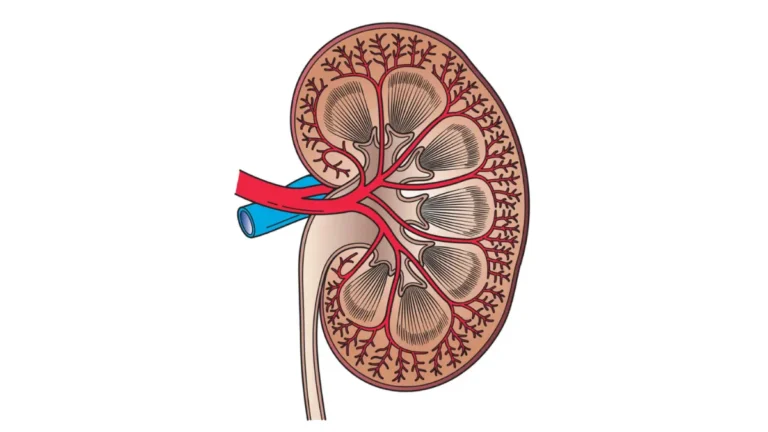
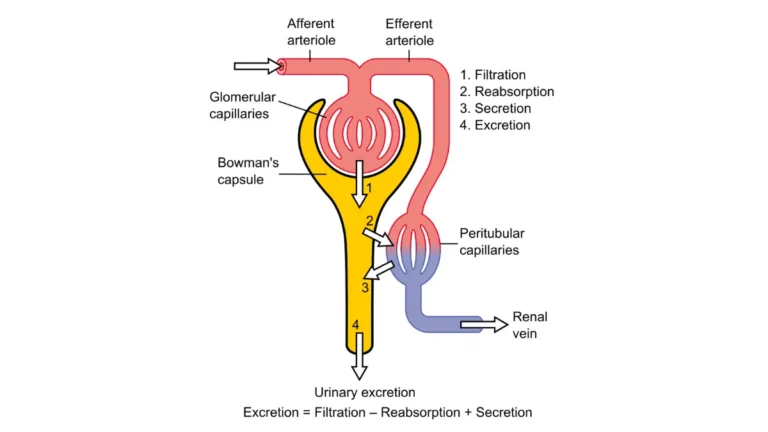
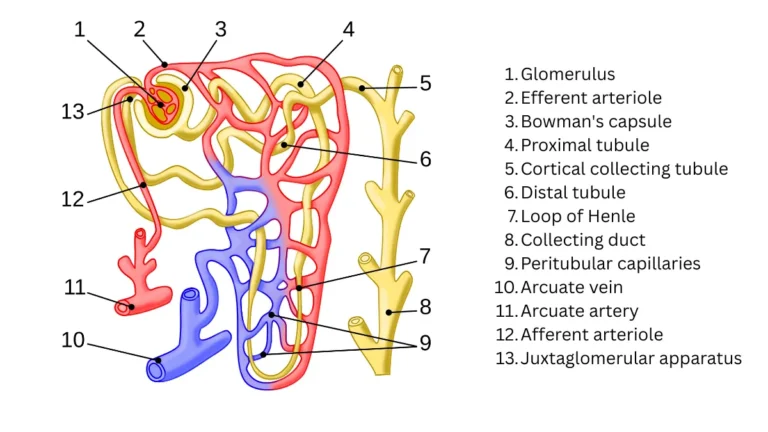
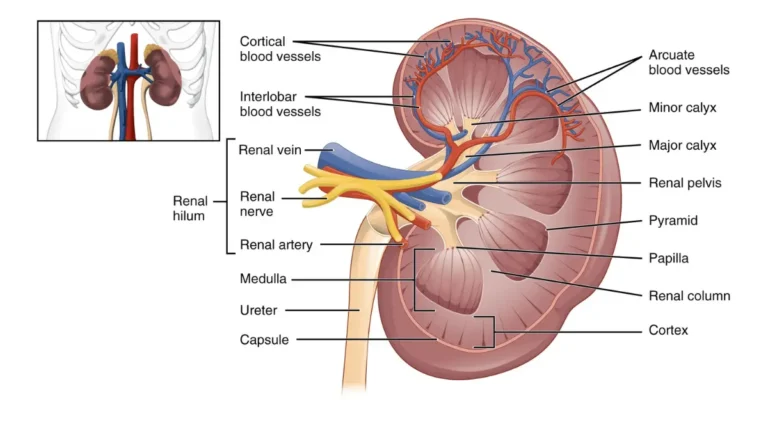
Your kidneys clear extra potassium into your urine, so when their function drops — from chronic kidney disease or a sudden kidney injury — potassium builds up. This is the single most common reason for a high result. Reviewing your kidney markers, BUN and creatinine alongside potassium tells the fuller story.
Medications that raise potassium
Several common drugs reduce how much potassium the body clears:
- ACE inhibitors and angiotensin receptor blockers (ARBs) for blood pressure
- Mineralocorticoid receptor antagonists such as spironolactone
- Potassium-sparing diuretics
- NSAID pain relievers such as ibuprofen and naproxen
- Potassium supplements and potassium-based salt substitutes
⚠️ Clinical Warning: Do not stop a medication like an ACE inhibitor, an ARB, or spironolactone on your own because of a high potassium result — stopping some abruptly carries its own risks. Whether the dose or drug should change is a decision for the prescriber.
Other causes: hormones, tissue breakdown, and diet
Low levels of the hormone aldosterone, as in Addison’s disease, reduce potassium excretion. Potassium can also leak from cells after tissue injury — burns, crush injuries, or muscle breakdown (rhabdomyolysis) — and from uncontrolled diabetes and diabetic ketoacidosis, which can also drive a high glucose result on the same panel.
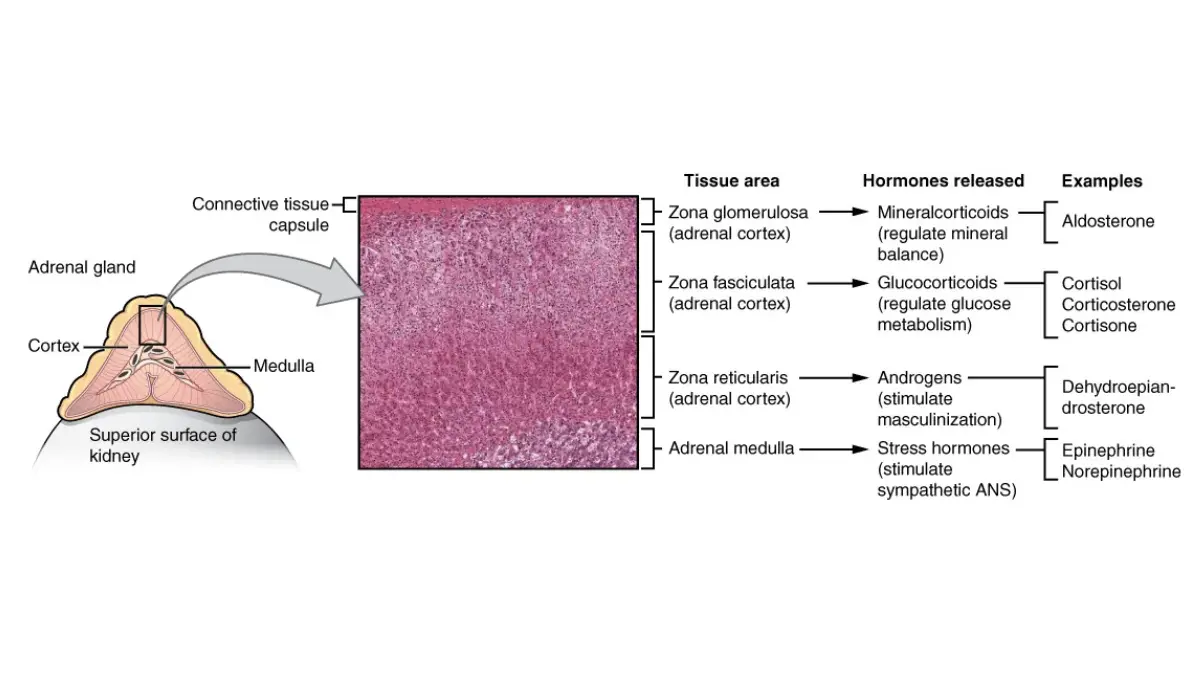
Diet is a less common culprit than its reputation suggests: with healthy kidneys, potassium-rich foods rarely cause hyperkalemia on their own. See the National Library of Medicine’s overview of high potassium for the full list.
Could your high potassium result be a false alarm?
Yes — a falsely high potassium level is common, and it usually comes from the blood draw itself rather than from too much potassium in your body. Clinicians call this pseudohyperkalemia.
What is pseudohyperkalemia
It is a false elevation in the measured potassium that does not reflect the level actually circulating in your body — one reason an unexpected mild result may not be what it first appears.
Why the blood draw can raise the number
Common triggers include red blood cells rupturing (hemolysis), clenching the fist tightly, a difficult or prolonged draw, a delay before processing, and very high platelet or white-cell counts.
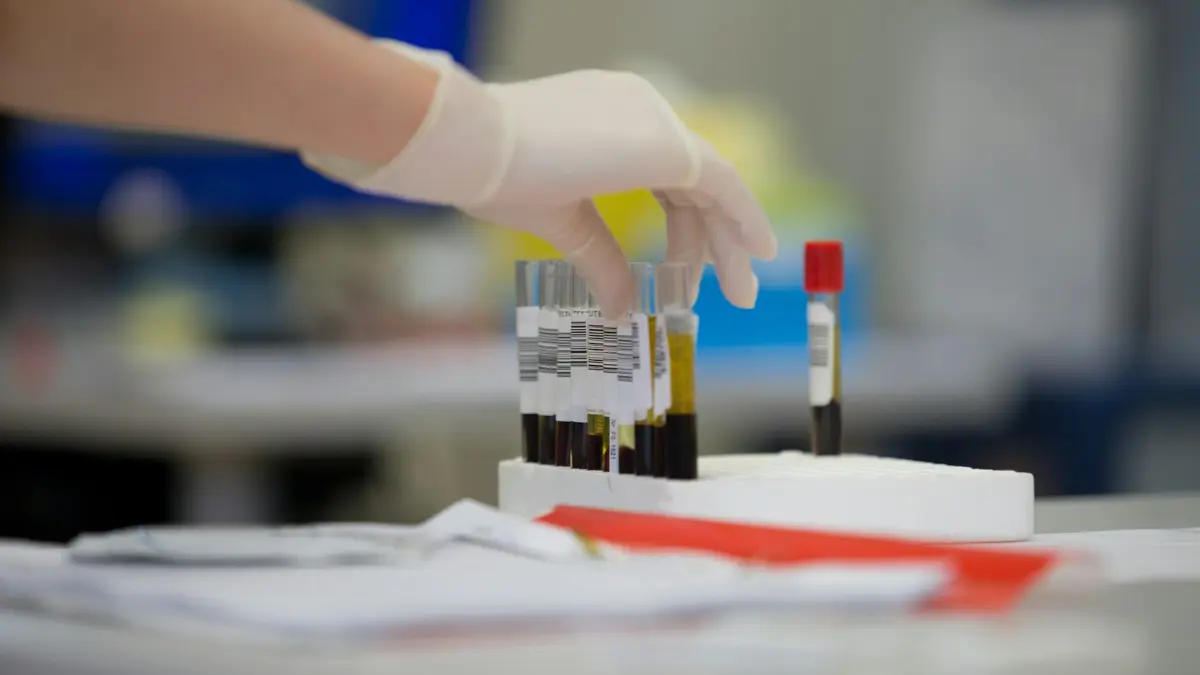
🔬 How It Works: Almost all of the body’s potassium sits inside cells at a very high concentration. If some of those cells break during or after the draw, that potassium leaks into the sample and reads high — even though the level in your bloodstream is normal.
When a repeat test makes sense
For a surprising mild elevation with no symptoms and no kidney or medication risk factors, a repeat on a cleanly drawn sample is often reasonable — but that call belongs to your clinician. It is the same logic behind when a blood test result may be wrong and worth repeating. MedlinePlus notes directly that a difficult draw can rupture red cells and read falsely high.
✅ Patient Action: Ask whether your result should be rechecked on a fresh, cleanly drawn sample before any treatment decision — especially if it was a surprise, you feel well, and you have no kidney or medication risk factors.
How is high potassium treated?
Treatment depends on how high the level is and whether it is affecting the heart, ranging from diet and medication adjustments to emergency hospital care. What follows is general education about the options a clinician may use — not instructions to act on yourself.
Diet and medication adjustments
For mild cases, clinicians often review and may adjust the medications above, and may suggest limiting high-potassium foods such as bananas, oranges, potatoes, tomatoes, avocado, dried fruit, beans, nuts, and dairy. Potassium-based salt substitutes are usually avoided, and soaking (“leaching”) some vegetables lowers their potassium. A strict low-potassium diet is not necessary for everyone, particularly people with healthy kidneys.
Potassium binders and other medicines
Potassium binders attach to potassium in the gut so it leaves the body in stool; examples include patiromer (Veltassa), sodium zirconium cyclosilicate (Lokelma), and sodium polystyrene sulfonate (Kayexalate).
📊 Clinical Data Point: Patiromer (Veltassa) was approved by the U.S. FDA on October 21, 2015 — Source: FDA / clinical-trial regulatory documentation.
Emergency treatment for very high levels
In the hospital, very high potassium may be treated with intravenous calcium to protect the heart (this stabilizes the rhythm but does not itself lower potassium), insulin with glucose to move potassium into cells, sometimes diuretics, and dialysis for severe cases or kidney failure. Reviewing each of your other CMP values helps you follow the wider picture.
✅ Patient Action: Ask your primary care clinician or a nephrologist: “Is my level high enough to need treatment, and should any of my current medications or my diet change?”
When does high potassium become an emergency?
Seek emergency care if you have a known high potassium level together with chest pain, palpitations, severe muscle weakness, or a slow or irregular heartbeat. Very high potassium can disrupt the heart’s electrical system and cause a dangerous rhythm.
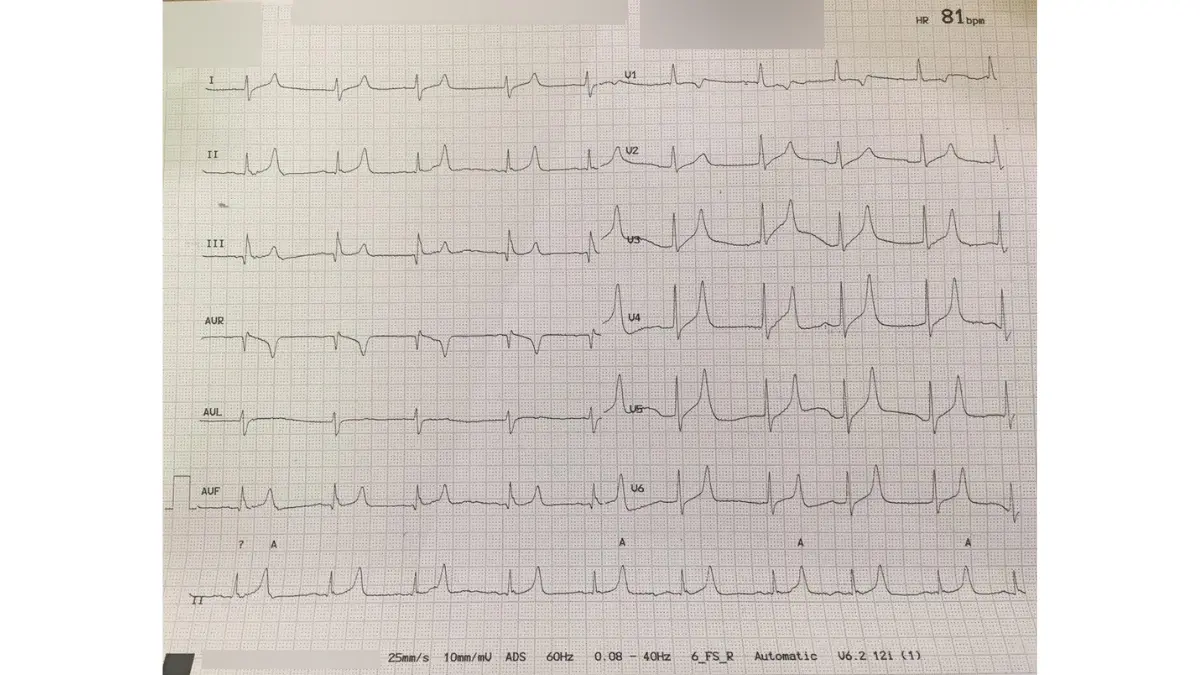
How high potassium affects the heart
🔬 How It Works: Potassium controls the electrical signal that makes the heart contract. When the level climbs too high, that signal slows and destabilizes, which can trigger a life-threatening arrhythmia or, at extreme levels, cardiac arrest. On an ECG, this often appears first as tall, “peaked” T waves, with the tracing widening as levels rise.
The potassium number does not always match the ECG — a near-normal tracing does not fully rule out risk, which is why clinicians act on the whole picture. The clinical reference on hyperkalemia covers this in more depth.
Who is at highest risk
Highest-risk groups include people with chronic kidney disease, those taking ACE inhibitors, ARBs, or potassium-sparing diuretics, people with diabetes, and anyone on dialysis. If your kidneys are involved, what pushes creatinine up adds useful context.
⚠️ Clinical Warning: With a known high potassium level, red-flag symptoms — chest pain, palpitations, severe weakness, or difficulty breathing — mean you should go to emergency care now, not wait for a scheduled appointment.
Frequently asked questions about high potassium on a CMP
1. Is high potassium on a CMP dangerous?
It depends on the level and how fast it rose. A mild high potassium result (about 5.1–6.0 mEq/L) with no symptoms is often not an emergency, while a level near or above 6.0–6.5 mEq/L is treated urgently. Share any abnormal result with the clinician who ordered your test.
2. What potassium level is considered high?
For most adults, a normal potassium level runs about 3.5 to 5.0 mEq/L, so a result above that range is generally considered high, or hyperkalemia. Some labs report normal up to 5.2 or 5.5 mEq/L, so check the reference range printed on your own report.
3. What potassium level is a medical emergency?
A potassium level at or above roughly 6.0 to 6.5 mEq/L is generally treated as a medical emergency, especially with symptoms or ECG changes. How quickly the level rose also matters. If your result is this high or you have red-flag symptoms, seek emergency care rather than waiting.
4. What are the most common causes of high potassium?
The most common high potassium causes are reduced kidney function, certain medications, hormone problems like low aldosterone, and tissue injury. Diet is a less common cause in people with healthy kidneys. Your clinician can help identify which cause fits your history and your results.
5. Can my blood pressure medication cause high potassium?
Yes — ACE inhibitors, ARBs, potassium-sparing diuretics, and the drug spironolactone can all raise potassium. Do not stop any of these on your own, because stopping some abruptly carries its own risks. Ask your prescriber whether the dose or the medication should change based on your result, and whether you need a repeat test.
6. What are the symptoms of high potassium?
High potassium often causes no symptoms at all. When symptoms do occur, they can include muscle weakness, fatigue, tingling or numbness, nausea, palpitations, and a slow or weak pulse. Because it is frequently silent, a high result on a blood test deserves attention even if you feel completely well.
7. Can a blood test be falsely high for potassium?
Yes. A falsely high potassium reading, called pseudohyperkalemia, is common and usually comes from the blood draw itself — red cells rupturing, a tight fist, or a difficult draw — rather than from your body. This is one reason a surprising mild result may warrant a repeat test.
8. Should I get my potassium retested?
Possibly. For an unexpected mild high potassium result with no symptoms and no kidney or medication risk factors, a repeat on a cleanly drawn sample is often reasonable to rule out a draw artifact. Whether to retest, and how, is a decision to make with your clinician.
9. How is high potassium treated?
Treatment depends on the level and ranges from diet and medication adjustments to potassium binders, and, for very high levels, hospital care such as intravenous calcium, insulin with glucose, and sometimes dialysis. Mild cases are frequently managed with simple changes. Your clinician will tailor treatment to your situation.
10. What foods raise potassium levels?
Foods high in potassium include bananas, oranges, potatoes, tomatoes, avocado, dried fruit, beans, nuts, and dairy, plus potassium-based salt substitutes. In people with healthy kidneys, these rarely cause high potassium on their own. If you have kidney disease, ask your clinician about a suitable potassium target.
11. When should I go to the ER for high potassium?
Go to emergency care if you have a known high potassium level with chest pain, palpitations, severe muscle weakness, difficulty breathing, or a slow or irregular heartbeat. These can signal an effect on the heart’s rhythm. When in doubt with red-flag symptoms, seek emergency care rather than waiting.
What to do about a high potassium result on your CMP
Most mildly high potassium results are manageable, some are not even a true reflection of your body’s level, and every abnormal result deserves a conversation with the clinician who ordered your test. What you do next depends on your situation.
- Mild and no symptoms: ask whether the result should be rechecked before anything else.
- On kidney-affecting medications, or living with CKD or diabetes: prioritize a provider review of the result and your medications.
- Red-flag symptoms: seek emergency care now.
Looking at other abnormal CMP findings and your complete comprehensive metabolic panel results together can help you walk into that conversation prepared rather than worried.
About this content
How this article was put together: researched from recognised health sources, drafted with the help of AI tools, and edited by hand, with sources linked throughout.

Sameer Patel is the founder and editor of My Medicine Advisor. He is not a doctor or medical professional — before starting this site he worked in banking,…
Medical disclaimer
The content on MyMedicineAdvisor is provided for general informational and educational purposes only and is not a substitute for professional medical advice, diagnosis, or treatment. Health information on this website should not be used to diagnose, treat, cure, or prevent any condition without guidance from a qualified healthcare professional. Always seek the advice of your doctor, physician, or another licensed healthcare provider with any questions you may have regarding a medical condition, symptoms, medications, or treatment decisions.