
On This Page – Quick Medical Summary
A comprehensive metabolic panel is the same test everywhere — 14 blood measurements billed under one code, CPT 80053. Yet the price can swing from about $10 at an independent lab to well over $200 at a hospital for an identical result. The gap isn’t about quality. It’s about where your blood is drawn and how the bill is built.
Where you go next depends on your situation. If you just opened a lab bill far higher than you expected, the sections on why hospitals charge more and how to spot billing errors will help most. If you’re deciding where to get your blood drawn, start with the price comparison and the steps to pay less. If you’re on Medicare or a high-deductible plan, the section on insurance versus cash will change your math.
This guide uses figures from CMS and independent healthcare-cost research, and points you to the two federal rights most cost pages leave out.
ℹ️ Medical Disclaimer: This article explains the cost and billing of a laboratory test; it is educational and is not medical, financial, or legal advice. Prices are typical ranges that vary by lab, location, insurance, and time, and should be confirmed directly with the lab or hospital. Which tests you actually need is a clinical decision — consult the licensed clinician who ordered your labs, and contact your insurer or plan administrator about coverage before acting on anything here.
What a CMP is — and why it’s one test, not 14 charges
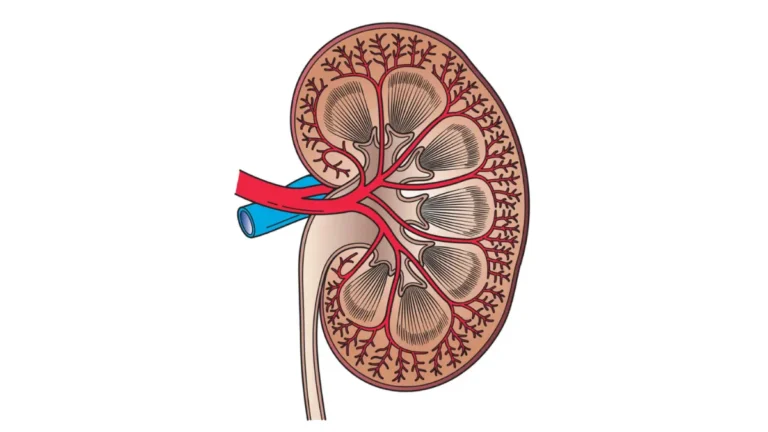
A comprehensive metabolic panel (CMP) is a single blood panel that reports 14 measurements grouped into four areas: kidney function, liver function, electrolytes, and blood sugar. It’s ordered at most annual physicals, before surgery, and to monitor medications that affect the liver or kidneys.
The 14 measurements in one panel
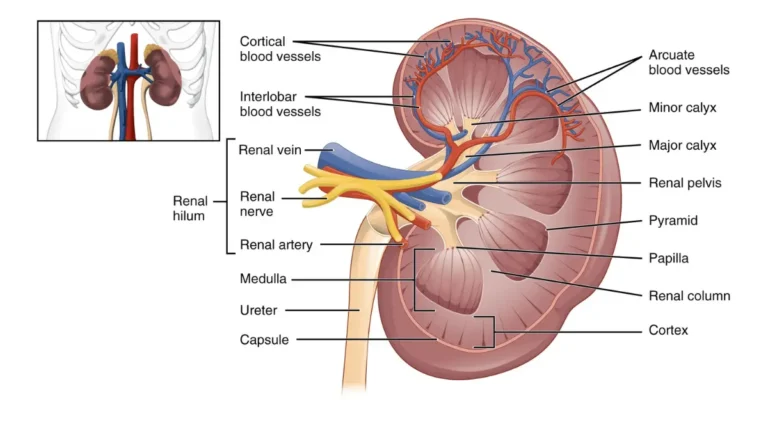
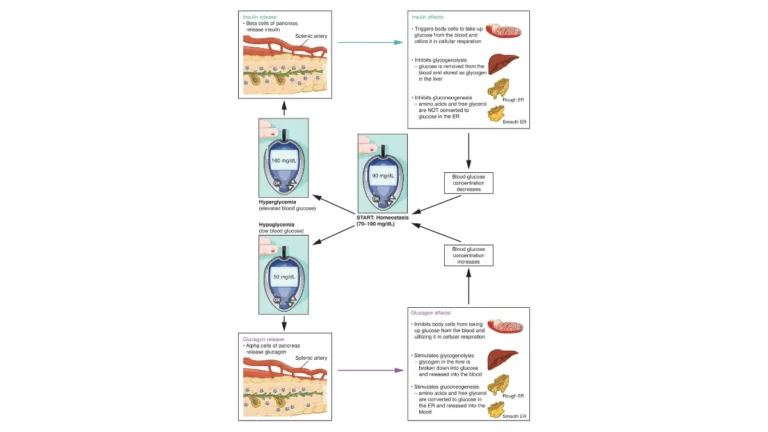
The panel covers kidney markers (BUN, creatinine), liver enzymes (ALT, AST, ALP, bilirubin), electrolytes (sodium, potassium, chloride, CO2), plus glucose, calcium, total protein, and albumin. You can read what each of the 14 components of a CMP means in the full breakdown.
One panel, one billing code
The whole panel is billed under a single code, CPT 80053, and all 14 results are included in that one price. That detail matters later. If your bill shows the panel code and separate charges for individual components like glucose or creatinine, something is wrong.
How much a CMP costs at a hospital vs an independent lab
Without insurance, the same CMP can cost anywhere from about $10 to several hundred dollars, depending almost entirely on the setting. Here’s the typical picture, cheapest to most expensive.
| Setting | Typical self-pay price | Key detail for patients |
|---|---|---|
| Direct-to-consumer / at-home lab | ~$10–$30 | Order online without a doctor’s note in many states |
| Independent walk-in lab | ~$15–$60 | National reference-lab chains |
| Physician office | Low; sometimes bundled | May be $0 if coded as preventive |
| Hospital outpatient lab | ~$30 to $200+ | Facility fee and chargemaster markup added |
Typical ranges compiled from lab-pricing analyses and Medicare data; exact prices vary by location and time — confirm directly. Medicare figures to be verified against the current CMS fee schedule.
The most rigorous side-by-side comes from national claims data.
📊 Clinical Data Point: Under commercial insurance, the median CMP was billed at about $47 in a hospital outpatient department versus about $9 in a physician office or independent lab — a five-fold difference — and at the 90th percentile some hospital outpatient departments were paid over $200 for the same panel. — Source: Health Care Cost Institute lab-price analysis (2019 commercial claims)
For comparison, Medicare’s Clinical Laboratory Fee Schedule pays only about $10 for this test, while the average submitted charge in Medicare claims data is near $60 — roughly six times the Medicare rate.
Why hospitals charge more for the exact same test
Hospital outpatient labs add a facility fee on top of the test and price it from a chargemaster — an internal price list often set at several times the retail rate. That’s why an identical CMP can be $20 at a walk-in lab and far more inside a hospital.
🔬 How It Works: A hospital’s chargemaster is its master price list, typically set at multiples of what independent labs charge. On top of the test itself, a hospital outpatient department can bill a separate facility fee simply for using the department — a charge standalone labs don’t have. The same CPT 80053 flows through both systems, but the hospital’s overhead, including 24/7 staffing and emergency capability, gets layered onto the price.
The “off-campus” surprise
Some clinics bill as an off-campus hospital outpatient department even when they don’t look like a hospital. That’s why a routine draw at what feels like a normal doctor’s office sometimes carries hospital-level charges.
The extra blood-draw line
Watch for a separate venipuncture charge — often around $19 — for the draw itself. A small collection fee can be legitimate; a large facility fee stacked on a roughly $60 test is not.
Insurance, high-deductible plans, and when cash-pay wins
Running a CMP through insurance isn’t always cheaper. The right choice depends on how the test is coded and whether you’ve met your deductible.
Preventive vs diagnostic coding
A CMP ordered at a wellness visit may be covered at $0 under preventive-care rules. Ordered to investigate symptoms, it’s coded diagnostic and applies to your deductible and cost-sharing — which is why people are surprised by a bill for “covered” bloodwork.
🩺 Physician Note: A common point of confusion is that “preventive” isn’t automatic. A routine CMP is a diagnostic code by default; whether it’s treated as free preventive screening depends on your plan and the diagnosis code submitted, not on the test itself. If coverage matters, confirm the coding with the ordering office before your draw.
High-deductible plans
If you haven’t met a high deductible, a $10–$30 cash CMP at a direct-to-consumer lab can beat the insurance-negotiated rate — but cash payments don’t count toward your deductible, so weigh that tradeoff.
Medicare
Because the CMP is priced under the lab fee schedule, the Medicare Part B deductible and coinsurance don’t apply, so a covered CMP usually costs you nothing. And if your clinician only needs kidney and electrolyte values, a basic metabolic panel may be enough and costs a little less.
How to get your CMP for less: a step-by-step
You have more control over lab pricing than most people realize. Before your next draw:
- Route the order to an independent lab. If your clinician is in a hospital system, the order may default to the hospital lab — ask them to send it to a national or independent lab instead.
- Get a cash quote or an at-home option. Compare self-pay prices first; an at-home or direct-to-consumer CMP gives you a fixed upfront price in many states.
- Use your price-transparency rights. Under federal rules, hospitals must post their discounted cash prices for shoppable services like lab panels — look yours up before you go.
- Ask for a Good Faith Estimate. If you’re uninsured or paying cash, you can request a written Good Faith Estimate of the expected charges in advance.
- Bundle your draws. Coordinate all pending orders into one visit to avoid stacked draw fees; if you need to fast, prep for the draw once for everything.
✅ Patient Action: Ask the office that ordered your labs: “Can you send this to an independent lab, and what’s the cash price?” Then compare that number to your plan’s negotiated rate before you decide.
Billing red flags: unbundling, surprise fees, and the $400 rule
After the draw, a few errors can quietly inflate your bill.
Unbundling
Every one of the 14 results is included in the single panel code. If your bill lists CPT 80053 and separate line items for glucose, creatinine, or other components, you’re being charged twice — and those component charges should be removed. Unbundling can turn a roughly $60 panel into $300 or more.
The $400 rule
If you’re self-pay and your final bill runs $400 or more above your Good Faith Estimate, you can dispute it through the federal Patient-Provider Dispute Resolution process.
✅ Patient Action: Before paying, call the billing office and ask them to remove any component charges already included in CPT 80053, and to itemize any facility fee separately.
⚠️ Clinical Warning: Don’t skip or delay a clinically necessary test to save money. If your clinician ordered a CMP to monitor a medication or a kidney or liver condition, the test itself matters more than where it’s drawn — control the cost, not the care.
Hospital vs independent lab CMP cost: common questions
1. Why is the same CMP cheaper at an independent lab?
Independent and direct-to-consumer labs skip the facility fees and chargemaster markups that hospital outpatient labs add, so the same comprehensive metabolic panel costs far less — often $10–$30 versus hospital charges that can top $200. The test and the CPT 80053 code are identical; only the billing setting changes.
2. How much does a CMP cost at a hospital vs a lab?
Without insurance, a CMP runs about $10–$30 at direct-to-consumer labs and roughly $15–$60 at walk-in independent labs, while hospital outpatient labs commonly charge $30 to well over $200. National claims data found a median near $47 in hospitals versus $9 in offices — a five-fold gap for the same panel.
3. Does Medicare cover a comprehensive metabolic panel?
Yes. Medicare Part B covers a comprehensive metabolic panel when a clinician orders it for a documented reason. Because the test is priced under the lab fee schedule, the Part B deductible and coinsurance don’t apply, so a covered CMP usually costs you nothing. Confirm medical-necessity coding with the ordering office and your plan.
4. Is a CMP free as preventive care?
Not automatically. A routine CMP is a diagnostic code by default; it’s treated as free preventive screening only when your plan and the submitted diagnosis code allow it. Ordered to investigate symptoms, it applies to your deductible. Ask whether your CMP is coded preventive or diagnostic, and confirm coverage with your insurer.
5. What is a facility fee on a lab bill?
A facility fee is a separate charge a hospital outpatient department adds for using the facility, on top of the test itself. Independent labs don’t carry it. On a routine comprehensive metabolic panel, a small specimen-collection fee can be reasonable, but a large facility fee stacked on a roughly $60 test is not.
6. Can I ask my doctor to send my CMP to an independent lab?
Yes. If your clinician is part of a hospital system, your CMP order may default to the hospital lab — but you can ask them to route it to an independent or national lab instead. Request this when the test is ordered, and confirm the lab is in-network if you’re using insurance.
7. Should I pay cash or use insurance for a CMP?
It depends on your deductible and the test’s coding. If you have an unmet high deductible and the CMP is routine, a $10–$30 cash test at a direct-to-consumer lab often beats the insurance-negotiated rate — but cash payments don’t count toward your deductible. If the test is covered preventive care, using insurance is usually cheaper.
8. What is a Good Faith Estimate?
A Good Faith Estimate is a written, itemized estimate of expected charges that providers must give uninsured or self-pay patients before a scheduled service or on request. Keep it: if your final bill for the comprehensive metabolic panel runs $400 or more above the estimate, you may be able to dispute the charge.
9. What is unbundling on a lab bill?
Unbundling means billing the individual components of a panel separately instead of under the single CPT 80053 code. All 14 CMP results are included in the panel price, so separate line items for glucose or creatinine on top of the panel are duplicate charges. Unbundling can inflate a roughly $60 CMP to $300 or more.
10. Is a CMP the same as a BMP, and does it cost more?
A basic metabolic panel (BMP) includes 8 of the 14 CMP measurements, leaving out the liver markers, and it costs slightly less. If your clinician only needs kidney function and electrolytes, a BMP may be enough; if liver enzymes matter, you need the CMP. Ask the ordering clinician which panel fits your situation.
11. Can I dispute a lab bill that’s higher than the estimate?
Yes, if you’re uninsured or self-pay. When your final bill is $400 or more above your Good Faith Estimate, you can start the federal Patient-Provider Dispute Resolution process for a small fee. This applies to charges like a comprehensive metabolic panel and doesn’t affect the quality of care you receive.
Getting the best price on your CMP
The test is the same wherever you go — a comprehensive metabolic panel is one bundled panel under CPT 80053, so the price gap between a hospital and an independent lab comes down to billing, not quality. You can shop it: route the order to an independent lab, check the hospital’s posted cash price, ask for a Good Faith Estimate, and make sure the panel wasn’t unbundled. If a bill lands far above your estimate, you have a federal path to dispute it. When your results come back, the next step is understanding them — start with how to read your CMP results, or see the full guide to your comprehensive metabolic panel results.
About this content
How this article was put together: researched from recognised health sources, drafted with the help of AI tools, and edited by hand, with sources linked throughout.

Sameer Patel is the founder and editor of My Medicine Advisor. He is not a doctor or medical professional — before starting this site he worked in banking,…
Medical disclaimer
The content on MyMedicineAdvisor is provided for general informational and educational purposes only and is not a substitute for professional medical advice, diagnosis, or treatment. Health information on this website should not be used to diagnose, treat, cure, or prevent any condition without guidance from a qualified healthcare professional. Always seek the advice of your doctor, physician, or another licensed healthcare provider with any questions you may have regarding a medical condition, symptoms, medications, or treatment decisions.