
On This Page – Quick Medical Summary
If you’re holding a lab order or staring at a results screen full of abbreviations, this page is here to make it readable. An annual blood work panel most often means three tests drawn from a single blood sample: a comprehensive metabolic panel (CMP), a lipid panel, and an A1c. Where you are right now shapes what you need. If your test is ordered but not yet done, jump to how to prepare. If you just got results and a number is flagged, go to what the ranges mean and when a value needs follow-up. If you’re wondering how often you actually need these, that’s here too.
These three tests screen different systems — your body chemistry, your blood fats, and your longer-term blood sugar. None of them diagnoses a condition on its own. Your clinician reads your specific numbers against your history, and that context is the frame to keep as you read the rest of this page.
ℹ️ Medical Disclaimer: This article is general health information, not a diagnosis, treatment plan, or medication guidance. Blood test reference ranges are screening references only; interpreting your specific results, ordering repeat or confirmatory tests, and making any treatment decision are the role of a licensed clinician who knows your history. For questions about your results, consult your primary care physician or the clinician who ordered the tests.
What the CMP, lipid panel, and A1c each measure
A standard annual blood work panel usually bundles three tests, each answering a different question from one blood draw:
- Comprehensive metabolic panel (CMP): 14 substances covering your blood sugar, kidneys, liver, proteins, and electrolytes.
- Lipid panel: four blood fats — total cholesterol, LDL, HDL, and triglycerides.
- A1c: your average blood sugar over roughly the past three months.
The CMP: 14 markers in one test
The comprehensive metabolic panel measures glucose, calcium, four electrolytes (sodium, potassium, bicarbonate, and chloride), two kidney markers (BUN and creatinine), and liver-related markers including albumin, total protein, bilirubin, and the enzymes ALP, ALT, and AST. A basic metabolic panel (BMP) includes 8 of those same 14 tests, leaving out the liver enzymes and proteins. You can read the full marker-by-marker breakdown in the MedlinePlus overview of the comprehensive metabolic panel and in our guide to your comprehensive metabolic panel results.
The lipid panel and the A1c
The lipid panel looks at the fats circulating in your blood, which factor into heart disease risk. The A1c works differently: it reflects a three-month average rather than a single moment, so it doesn’t swing with your last meal.
A complete blood count (CBC) is often drawn at the same visit, but it’s a separate test that looks at your blood cells rather than your chemistry — the difference is explained in how a CBC differs from a CMP.
What your numbers mean: standard reference ranges
Here are the widely used reference points for all three tests in one place — with the reminder that a number inside or outside a range is a starting point for a conversation, not a verdict.
| Test | Result | General meaning (a screening reference, not a diagnosis) | Key clinical detail |
|---|---|---|---|
| A1c | Below 5.7% | Normal range | Reflects ~3-month average blood sugar |
| A1c | 5.7%–6.4% | Prediabetes range | Elevated risk; repeat/confirm with a clinician |
| A1c | 6.5% or higher | Diabetes range | Requires confirmatory testing |
| Fasting glucose | Below 100 mg/dL | Normal range | Requires a fasting sample |
| Fasting glucose | 100–125 mg/dL | Impaired fasting glucose (prediabetes range) | Often paired with A1c |
| Fasting glucose | 126 mg/dL or higher | Diabetes range | Not diagnosed on one reading |
| Total cholesterol | Below 200 mg/dL | Desirable | Read alongside LDL and HDL |
| LDL (“bad”) | Below 100 mg/dL | Optimal | Lower is generally better |
| HDL (“good”) | 40+ (men) / 50+ (women) mg/dL | Protective when higher | The one number you want higher |
| Triglycerides | Below 150 mg/dL | Normal (150–199 borderline; 200+ high) | Fasting improves accuracy |
Ranges from the CDC, MedlinePlus (NIH), and the American Diabetes Association’s Standards of Care in Diabetes—2026. Reference ranges vary slightly by lab; compare your result only to the range printed on your own report.
🩺 Physician Note: Current guidance stresses that a single out-of-range value is interpreted alongside your history, other results, and risk factors — not in isolation. One flagged number on a routine panel is common and usually prompts a repeat test, not an immediate diagnosis.
For a deeper walk-through of each CMP marker’s range, see the normal range for each CMP marker.
A1c and glucose: what your blood sugar results screen for
A normal A1c is below 5.7%. Between 5.7% and 6.4% falls in the prediabetes range, and 6.5% or higher falls in the diabetes range — though a diagnosis is never made on one result and needs confirmatory testing, per the American Diabetes Association.
Normal, prediabetes, and diabetes ranges
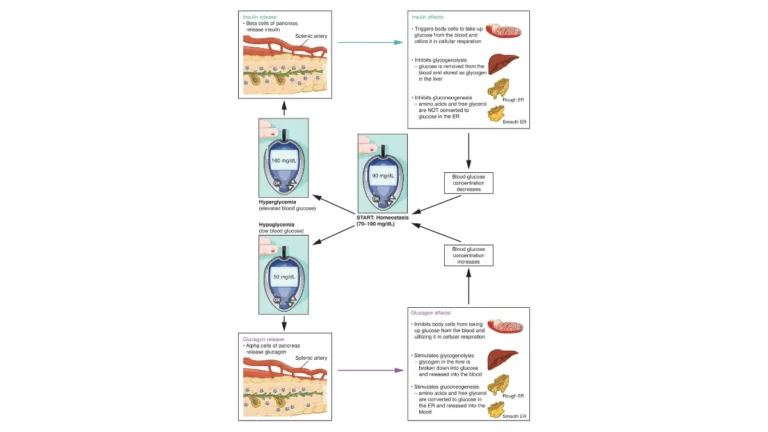
On the fasting glucose side, below 100 mg/dL is normal, 100–125 mg/dL is impaired fasting glucose (a prediabetes marker), and 126 mg/dL or higher is in the diabetes range. If your A1c lands in the 5.7–6.4% band, our guide to what doctors check next after an A1c in the 5.7–6.4% range walks through the usual follow-up, and a fasting glucose result of 70–100 mg/dL explains a normal reading.
🔬 How It Works: A1c measures the percentage of your hemoglobin (the oxygen-carrying protein in red blood cells) that has glucose attached to it. Because red blood cells live about three months, that percentage mirrors your average blood sugar over that window — which is why no fasting is needed.
Who is screened, and how often
The CDC and USPSTF now recommend screening adults beginning at age 35, and the ADA supports repeating screening about every three years if results are normal — earlier and more often for people who are overweight or have obesity, which are the strongest risk factors. You can check your BMI to see where you fall, and read the CDC’s summary of who now qualifies for diabetes screening.
📊 Clinical Data Point: More than 1 in 4 US adults with diabetes are unaware they have it, and roughly 8 in 10 adults with prediabetes don’t know their risk — Source: CDC, 2026.
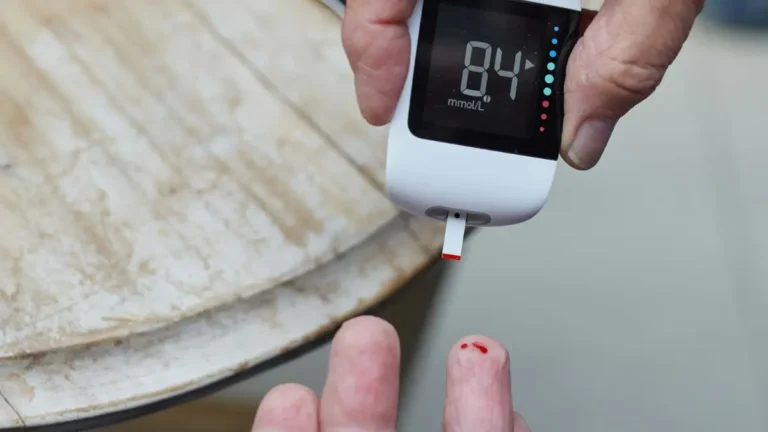
✅ Patient Action: If your A1c or glucose is flagged, ask your primary care clinician: “Given my result and my BMI, do I need a repeat or confirmatory test before we call this anything?” If you track readings from home, convert a blood sugar value between mg/dL and mmol/L so your numbers line up.
Your lipid panel and heart disease risk
Desirable total cholesterol is below 200 mg/dL, with LDL under 100 mg/dL, HDL at 40 mg/dL or higher for men and 50 mg/dL or higher for women, and triglycerides under 150 mg/dL — figures from the CDC.
What LDL, HDL, and triglycerides tell you
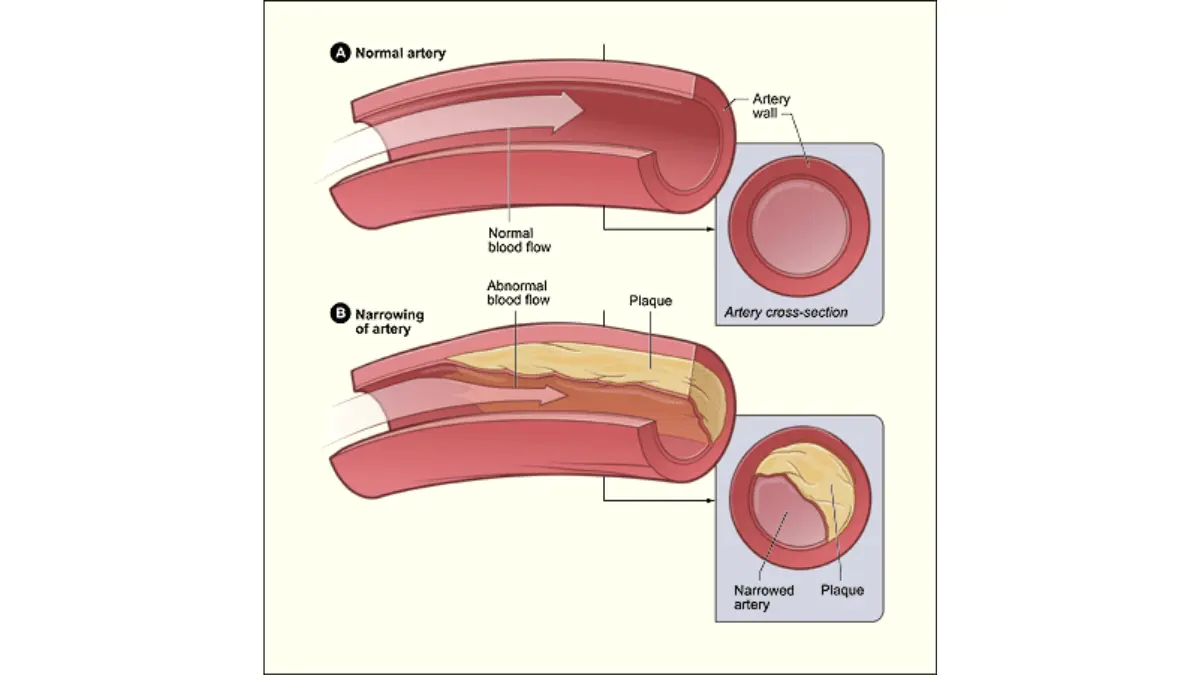
LDL is the “bad” cholesterol that can build up in artery walls; HDL is the “good” cholesterol you want higher; triglycerides are a separate blood fat that raises risk when high, especially alongside low HDL. LDL usually matters most, but it’s read as part of your overall cardiovascular risk, not on its own. If your numbers come back elevated, see steps to take if your lipid results are high.
High cholesterol usually causes no symptoms, which is exactly why it’s found through a blood test rather than through how you feel. You can review the CDC’s guidance on cholesterol levels for the full picture.
📊 Clinical Data Point: From 2017 to 2020, an estimated 86.4 million US adults aged 20 or older had high or borderline-high cholesterol (total cholesterol of 200 mg/dL or more) — Source: CDC.
How often to check your cholesterol
Most healthy adults have their cholesterol checked about every four to six years, and more often with heart disease, diabetes, or a family history of high cholesterol — guidance shared by the CDC and the American Heart Association.
How to prepare for your annual blood work
Fasting is usually needed for the glucose and lipid portions — typically 8 to 12 hours — while the A1c requires no fasting because it reflects a three-month average.
Do you need to fast?
For the CMP, fasting (water allowed) is often requested mainly for an accurate glucose reading, though some CMPs are drawn without it. Lipid panels traditionally use a fasting sample for accurate triglycerides, but many labs now accept non-fasting draws. The safest rule is to follow the specific instructions the ordering office gives you — details are in whether you need to fast for a CMP and in the American Heart Association’s cholesterol testing guidance.
What can affect your results
Recent intense exercise, an active illness, and certain medications can temporarily shift readings, so mention them if they apply. As for frequency, cholesterol is typically rechecked every four to six years in healthy adults, and diabetes screening about every three years from age 35.
At-home lab kits for a CMP, lipid panel, or A1c can be a convenient option between checkups — a clearly labeled convenience, not a substitute for a provider-ordered panel or for clinical advice.
When results need follow-up (and what isn’t an emergency)
A single out-of-range result usually does not mean you have a disease. Most flagged values on routine blood work prompt a repeat or additional test rather than an immediate diagnosis.
One abnormal value is not a diagnosis
Labs often confirm or rule out a condition with more testing, and interpretation belongs to the clinician who knows your full picture — see what an abnormal CMP result can mean. Diabetes specifically requires confirmatory testing before it’s diagnosed.
⚠️ Clinical Warning: Most out-of-range results on routine blood work are not emergencies. But a markedly high blood glucose reading — especially with symptoms like unusual thirst, frequent urination, or blurred vision — is a reason to call your clinician promptly rather than wait for your next appointment.
✅ Patient Action: Bring any flagged result to your primary care clinician and ask: “Does this need a repeat test, and what would change your interpretation?” That single question turns a scary number into a clear next step.
Annual blood work: frequently asked questions
1. What is included in an annual blood work panel?
A standard annual blood work panel usually includes three tests from one blood draw: a comprehensive metabolic panel (CMP), a lipid panel, and an A1c. Together they screen your body chemistry, blood fats, and longer-term blood sugar. Exact bundles vary by provider and your health history.
2. Do I need to fast for annual blood work?
Fasting for annual blood work is usually needed for the glucose and lipid portions, typically 8 to 12 hours, while the A1c needs no fasting. Some labs accept non-fasting lipid draws. Follow the instructions from the office that ordered your test, since requirements depend on which tests you’re having.
3. What is a normal A1c level?
A normal A1c level is below 5.7%. From 5.7% to 6.4% falls in the prediabetes range, and 6.5% or higher falls in the diabetes range. A result in these ranges is a screening signal, not a diagnosis, so confirm any elevated A1c with your clinician.
4. What A1c level is prediabetes or diabetes?
On an annual blood work panel, an A1c of 5.7% to 6.4% is the prediabetes range and 6.5% or higher is the diabetes range. Diabetes is not diagnosed from a single reading and needs confirmatory testing, so discuss any elevated result with your clinician.
5. What is a normal cholesterol level?
On your annual blood work panel, desirable total cholesterol is below 200 mg/dL, with LDL under 100 mg/dL, HDL at 40 mg/dL or higher (men) or 50 mg/dL or higher (women), and triglycerides under 150 mg/dL. Your clinician reads these alongside your overall heart-disease risk.
6. How often should I get these blood tests?
Most healthy adults recheck cholesterol about every four to six years as part of annual blood work, and diabetes screening is generally repeated about every three years from age 35. People with existing conditions, family history, or risk factors are often tested more often, as their clinician advises.
7. What does the CMP check?
The CMP portion of your annual blood work panel checks glucose, kidney markers (BUN and creatinine), liver markers (ALT, AST, ALP, and bilirubin), proteins (albumin and total protein), plus electrolytes and calcium — 14 markers in all. It’s a wide screen of your metabolism and organ function.
8. Does one abnormal result mean I have a disease?
Usually not. A single out-of-range value on annual blood work typically prompts a repeat or additional test rather than a diagnosis, and interpretation depends on your full history. Share any flagged result with your clinician, who decides whether follow-up testing is needed.
9. What’s the difference between A1c and a glucose test?
On an annual blood work panel, the A1c reflects your average blood sugar over about three months and needs no fasting, while a fasting glucose test is a single point-in-time reading that does require fasting. They give complementary views of your blood sugar.
10. Would I feel it if my cholesterol were high?
Usually not. High cholesterol typically causes no symptoms, which is why annual blood work screens for it with a lipid panel rather than relying on how you feel. That silent nature is the reason routine testing matters even when you feel well.
11. Should I get a CBC too?
A complete blood count (CBC) is often drawn alongside annual blood work, but it’s a separate test that checks your blood cells rather than your chemistry. Whether you need one is a decision for the clinician ordering your tests, based on your history and symptoms.
Your yearly blood work, in plain terms
Your annual blood work panel is three routine tests — the CMP, lipid panel, and A1c — that quietly screen your chemistry, blood fats, and blood sugar before problems announce themselves. The reference ranges on this page are the same ones the CDC, MedlinePlus, and the American Diabetes Association use, but they’re screening references, and your results belong in a conversation with the clinician who knows your history. Knowing what each test checks makes that conversation shorter and less stressful. Want a printable version to take with you? Our one-page “reference ranges and questions to ask your doctor” checklist puts it all on a single sheet.
About this content
How this article was put together: researched from recognised health sources, drafted with the help of AI tools, and edited by hand, with sources linked throughout.

Sameer Patel is the founder and editor of My Medicine Advisor. He is not a doctor or medical professional — before starting this site he worked in banking,…
Medical disclaimer
The content on MyMedicineAdvisor is provided for general informational and educational purposes only and is not a substitute for professional medical advice, diagnosis, or treatment. Health information on this website should not be used to diagnose, treat, cure, or prevent any condition without guidance from a qualified healthcare professional. Always seek the advice of your doctor, physician, or another licensed healthcare provider with any questions you may have regarding a medical condition, symptoms, medications, or treatment decisions.