
On This Page – Quick Medical Summary
Is a CMP part of your immigration or work physical?
No — a comprehensive metabolic panel (CMP) is not a required or standard part of a U.S. immigration medical exam or a DOT physical. If a checklist, clinic quote, or lab order mentioned bloodwork, here’s the short version, sorted by who you are.
If you’re a green-card applicant, your required exam checks for specific communicable diseases and vaccinations — not a metabolic panel. If you’re a commercial driver facing a DOT physical, there is no blood test at all, only a urine screen. If you’re a new hire at a general job physical, a CMP appears only when a clinician or employer chooses to order one. And if your clinic already drew a CMP, that’s covered below.
ℹ️ Medical Disclaimer: This article is health information for education — not medical, legal, or immigration advice. U.S. immigration medical requirements are set by USCIS and the CDC, and commercial-driver (DOT) requirements are set by the FMCSA; confirm what your specific exam requires with your USCIS-designated civil surgeon, with USCIS, or with your examining clinician. For interpretation of any test result — including a diagnosis, treatment, medication, or procedure decision — consult a board-certified physician before acting.
What a comprehensive metabolic panel actually measures
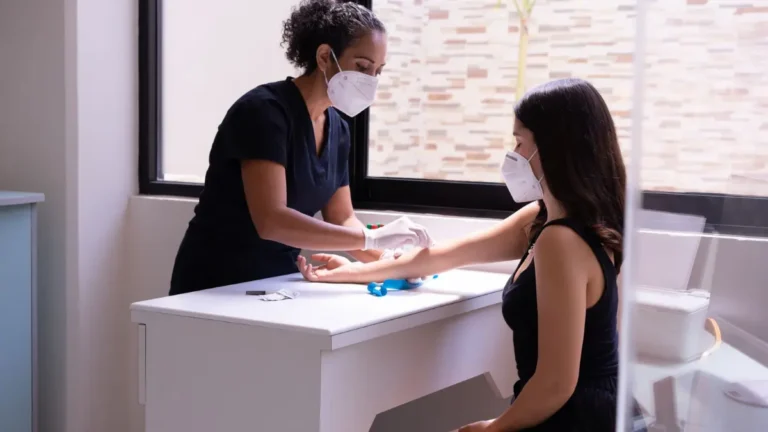
A comprehensive metabolic panel is a routine blood test that measures 14 substances — a broad snapshot of how your body is working. It isn’t an immigration or DOT requirement; it’s a general-health tool, not a screen for those exams’ target conditions.
The 14 substances a CMP measures
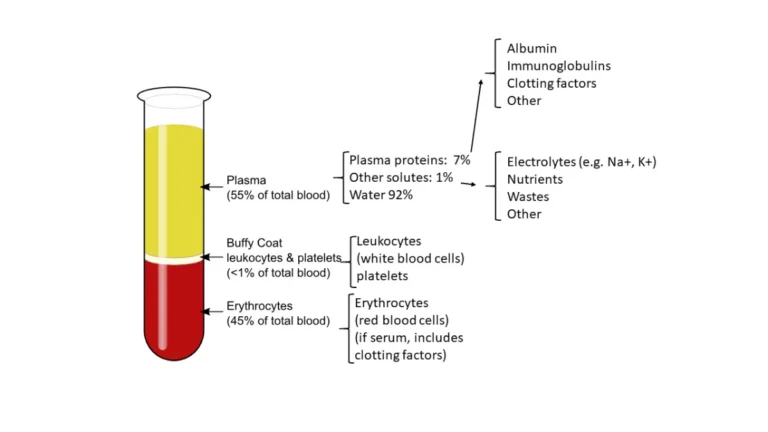
According to MedlinePlus, a CMP measures 14 substances in your blood, grouped into a few categories:
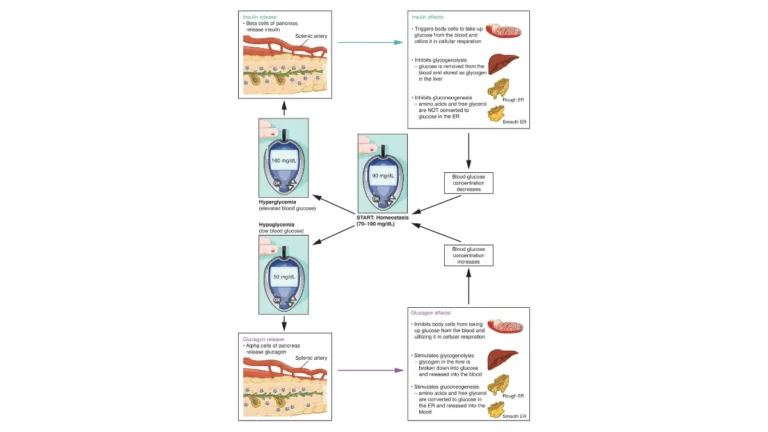
- Blood sugar: glucose
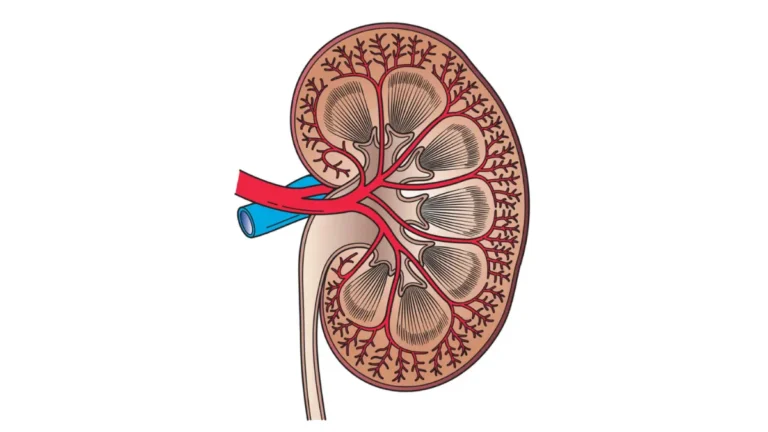
- Kidney markers: blood urea nitrogen (BUN) and creatinine
- Liver markers: ALT, AST, ALP, and bilirubin
- Proteins: albumin and total protein
- Minerals and electrolytes: calcium, sodium, potassium, bicarbonate, and chloride
What a CMP tells a clinician — and what it doesn’t
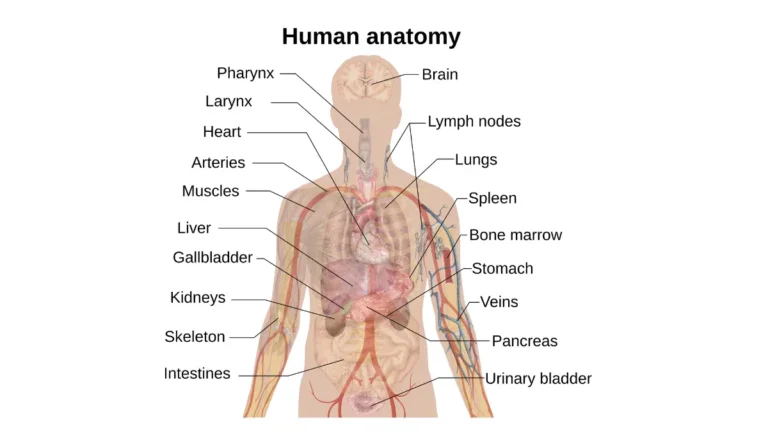
🔬 How It Works: Together, these 14 values reflect your metabolism, your fluid and electrolyte balance, and how well your kidneys and liver are functioning. A CMP is a screening snapshot — it can flag an area worth a closer look, but a single result is not a diagnosis.
A CMP does not test for the infectious diseases an immigration exam screens for. For a full walkthrough of each value, see understanding your complete CMP results.
What the U.S. immigration medical exam actually requires
The immigration medical exam is a screen for specific health-related grounds of inadmissibility, performed by a USCIS-designated civil surgeon who records the results on Form I-693. It is not a general check-up, and it does not include a CMP.
The required tests: TB, syphilis, and gonorrhea
Under the CDC’s instructions for civil surgeons, the required communicable-disease tests are:
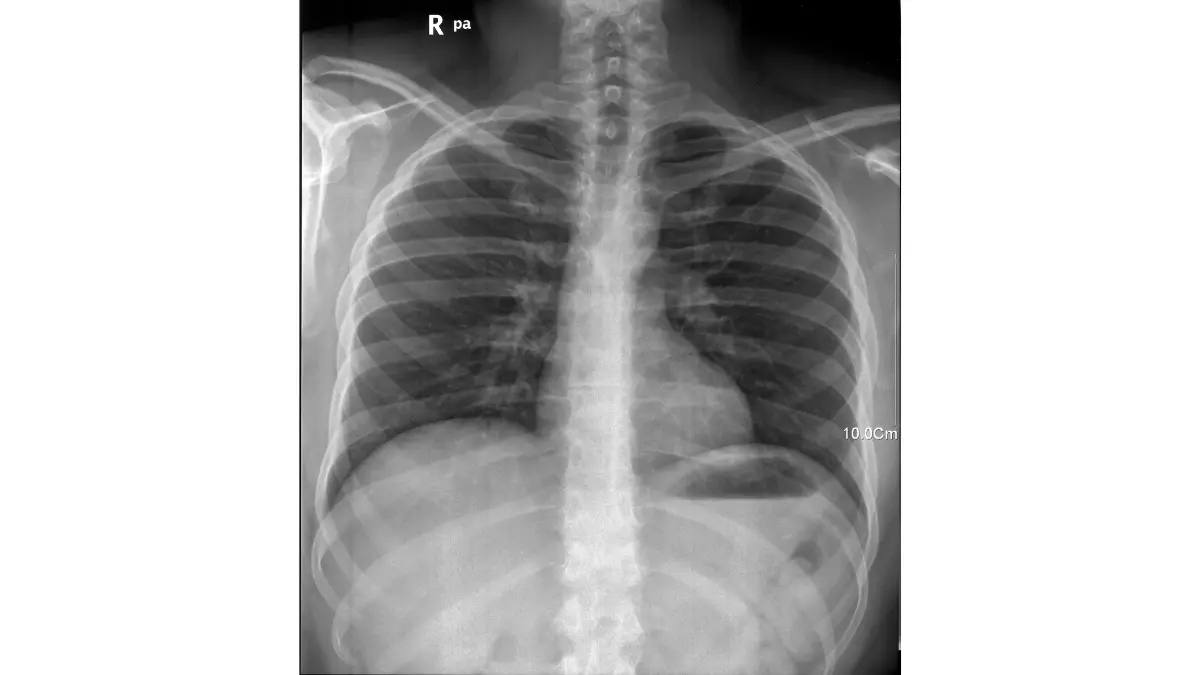
- Tuberculosis: an IGRA blood test for applicants age 2 and older, with a chest X-ray if results or symptoms warrant it, per the CDC’s tuberculosis instructions for civil surgeons.
- Syphilis: a blood test for applicants aged 18 to under 45; younger or older applicants are tested only if infection is suspected, per the CDC’s age-based syphilis screening rules.
- Gonorrhea: a urine test (NAAT) for applicants aged 18 to 24; others are tested only if there’s reason to suspect infection.
Your civil surgeon also reviews and updates required vaccinations.
What the exam does not test (including HIV and a CMP)
Two common assumptions are wrong. HIV testing is no longer part of the exam — the CDC removed it effective January 4, 2010, and HIV is no longer a ground of inadmissibility. And a CMP is not on the required list; a civil surgeon may order an extra test at their discretion for a clinical reason, but that’s case-by-case, not a standard requirement.
✅ Patient Action: Before your appointment, confirm which tests apply to you with your USCIS-designated civil surgeon — syphilis and gonorrhea testing depend on your age, and requirements follow the CDC instructions in effect that day.
What a DOT physical checks — and why there’s no blood panel
A DOT physical — the exam commercial drivers need for their medical certificate — is run by an FMCSA-certified examiner and requires no blood test, so it never includes a CMP. It’s a fitness-to-drive assessment: a physical exam and a urine screen.
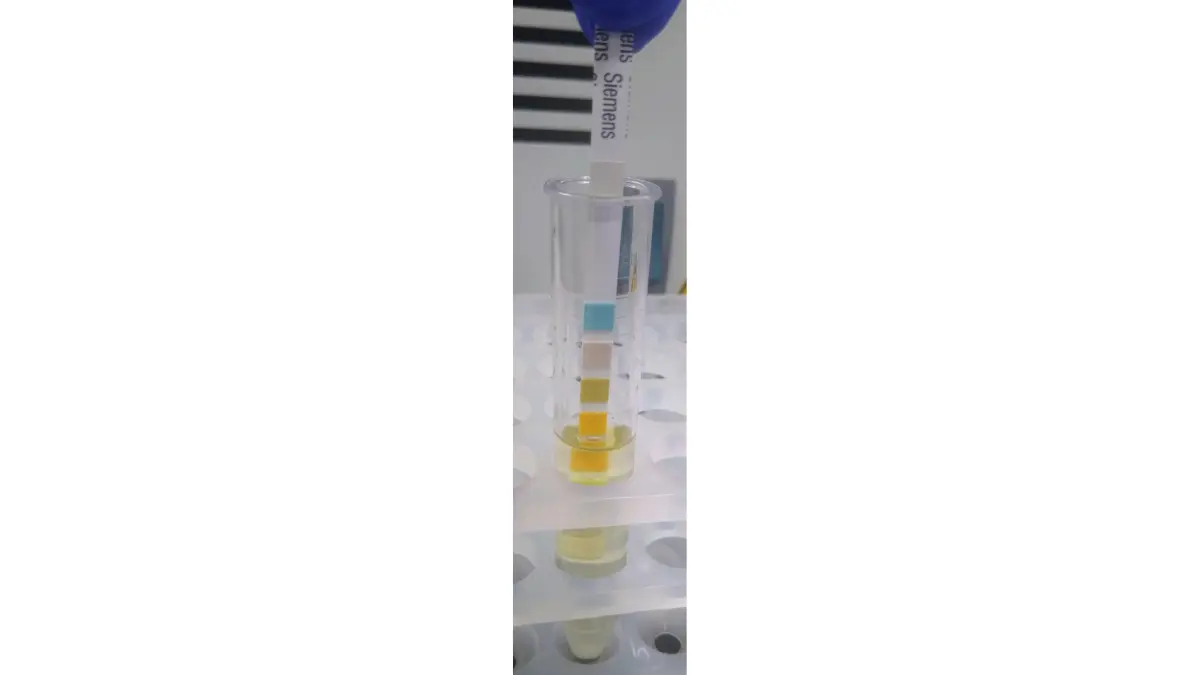
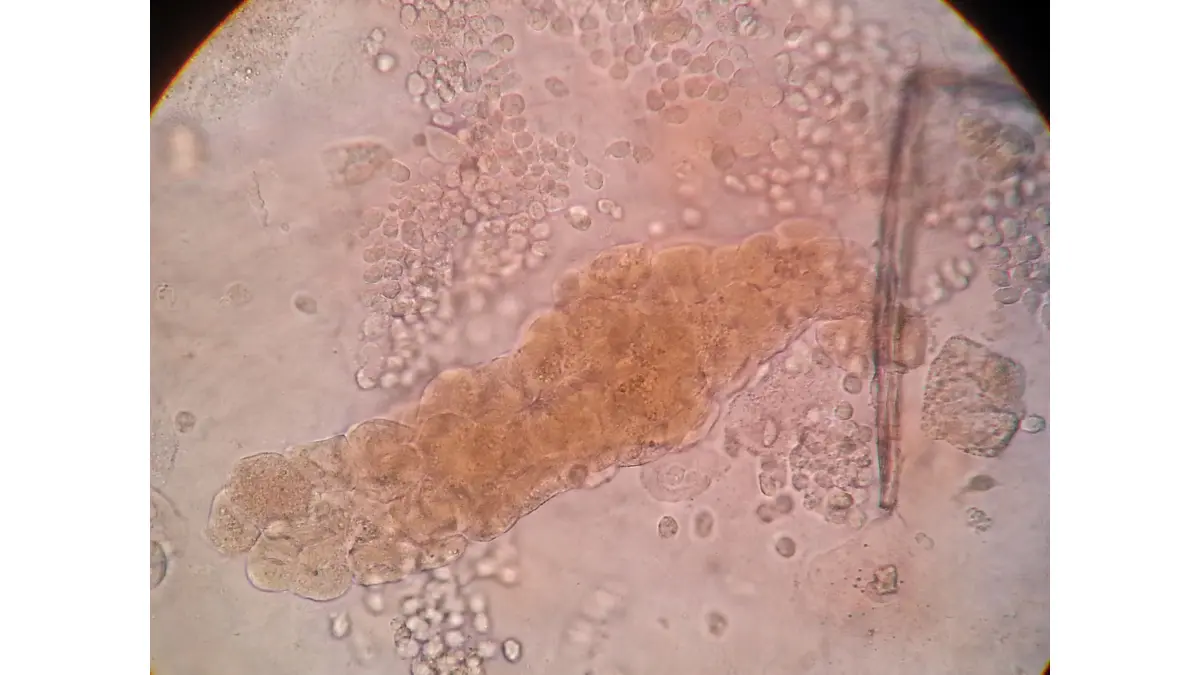
A DOT physical covers medical history, vision, hearing, blood pressure and vital signs, a physical exam, and a mandatory urinalysis. The urine test checks for glucose, protein, blood, and urine concentration — signals of diabetes or kidney problems — and it is not a drug test. An employer may add a separate drug test at the same visit, but that’s a distinct process.
🔬 How It Works: A urine dipstick reacts to substances like glucose and protein, giving a quick read on possible diabetes or kidney issues without drawing blood. That’s why a DOT physical can screen blood sugar through urine, not blood.
| Exam type | What’s required | Blood or urine? | Key detail for you |
|---|---|---|---|
| U.S. immigration exam (Form I-693) | TB, syphilis, gonorrhea + vaccination review | TB & syphilis: blood; gonorrhea: urine | No CMP; STI tests depend on your age |
| DOT / commercial-driver physical | Vision, hearing, blood pressure, physical exam, urinalysis | Urine only — no blood test | Urine screens glucose/protein, not drugs |
| General pre-employment physical | Varies by employer and role; may add a drug screen or bloodwork | Depends on the employer | A CMP only if a clinician or employer orders it |
Sources: CDC Technical Instructions for Civil Surgeons; FMCSA DOT medical exam standards; MedlinePlus (NIH).
For how the shorter chemistry panel differs, see the difference between a CMP and a BMP; for the kidney side, what protein and creatinine reveal about your kidneys; and for blood sugar, how a CMP screens blood sugar.
When a job physical might actually include a CMP
A general pre-employment physical is where a CMP can legitimately appear — but only at a clinician’s or employer’s discretion, never as a fixed rule.
Employer and role-specific discretion
Employment physicals vary widely — a basic one may be a physical assessment with vision and hearing checks, while a safety-sensitive or healthcare role may add bloodwork. When a CMP is included, it’s the same 14-substance panel used as a general-health tool, ordered because someone wants a broad snapshot for that position, not because the exam mandates it.
A CMP vs. a drug screen — different tests, different purposes
🩺 Physician Note: A useful distinction is “required by the exam” versus “ordered by a clinician.” A pre-employment drug screen is a separate urine test — it is not a CMP, and a CMP is not a drug test.
If a CMP was drawn at your work physical, the reason usually lies with the ordering clinic or employer, not a universal standard — clinicians order CMPs in many settings, for example before surgery or to monitor certain medications.
✅ Patient Action: If your employer’s clinic ordered a CMP, ask them directly what it’s checking and why, and take any results to your own clinician to interpret in the context of your health.
How to prepare for your immigration or work physical
Preparation is about the right documents and knowing whether to fast — and steps differ by exam.
For a green-card / immigration applicant
Bring a government-issued photo ID, your vaccination records, and a list of your current medications. Also bring the current edition of Form I-693 — editions change, and an outdated one can be rejected.
✅ Patient Action: Download the current edition of Form I-693 from USCIS yourself and bring it, rather than relying on the clinic to have the latest version on hand.
For a DOT or new-job applicant
Bring photo ID, your glasses or hearing aids if you use them, and any records your examiner or employer requests. Since a DOT physical relies on a urinalysis, arriving well hydrated helps.
Do you need to fast?
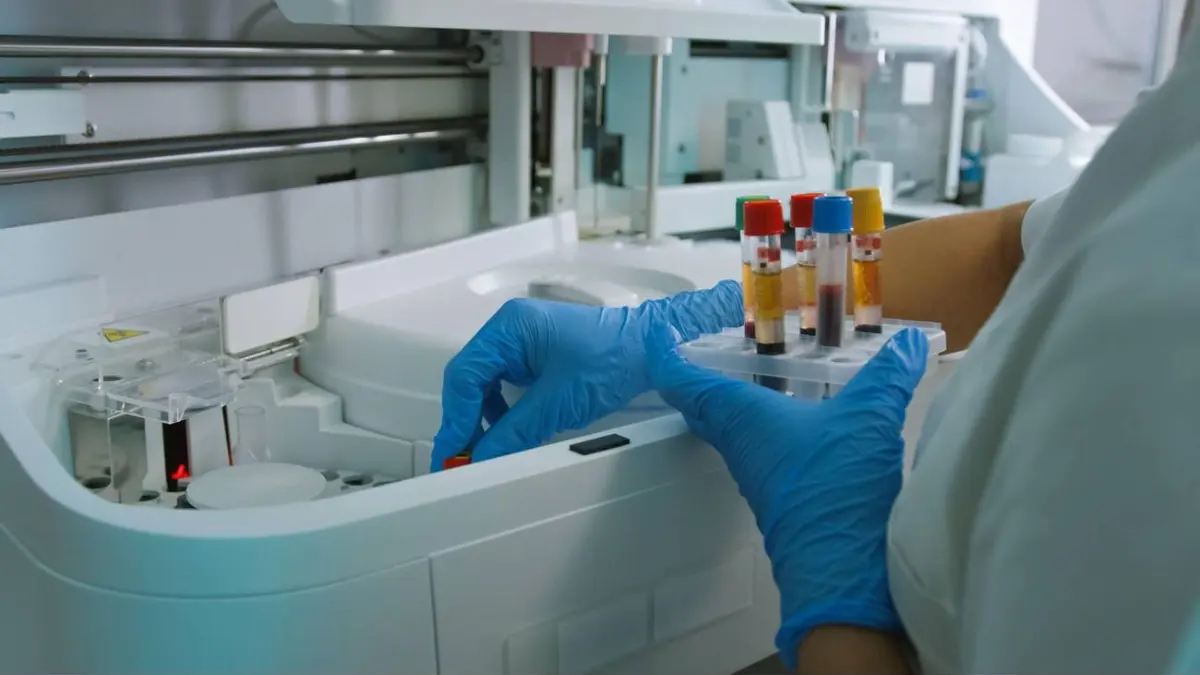
Fasting is only relevant if a glucose test or a CMP is specifically ordered — a CMP sometimes calls for a 10-to-12-hour fast. The immigration exam’s required tests (TB, syphilis, gonorrhea) do not require fasting; if you’re unsure, ask your civil surgeon or examining clinician. You can also read whether you need to fast for a CMP and estimate how much water to drink before a urine test.
When results from any of these exams need a doctor’s attention
Whatever exam you have, a flagged value — a CMP figure or a urine-screen result — is a reason to follow up with your own clinician. It doesn’t, by itself, decide your immigration or DOT outcome.
A flagged value isn’t a diagnosis
A CMP is a broad screen: a single out-of-range value often needs a repeat or a more specific test, not a diagnosis. An immigration decision turns on the criteria a civil surgeon evaluates, and a DOT decision on the examiner’s standards — not general metabolic numbers.
When to see your own clinician
Treat a flagged result as information worth a conversation, not a verdict — and not something to ignore.
✅ Patient Action: Take your results — and the reference ranges printed on your own report — to your primary-care clinician, and ask what the flagged value means for you and whether it needs repeating. For a sense of which values prompt urgent attention, see what a critically abnormal CMP value means.
Frequently asked questions about CMPs and immigration or work physicals
1. Is a CMP required for a U.S. immigration medical exam?
No. A comprehensive metabolic panel isn’t part of the required immigration exam. The exam screens for communicable diseases of public health significance — tuberculosis, syphilis, and gonorrhea — plus a vaccination review. A civil surgeon may order other tests at their discretion, but a CMP is not a standard requirement.
2. What tests are required for the green card medical exam?
The required tests are for tuberculosis (an IGRA blood test for age 2 and older, with a chest X-ray if indicated), syphilis (a blood test for ages 18 to under 45), and gonorrhea (a urine test for ages 18 to 24), plus a review of required vaccinations. Others are tested only if infection is suspected.
3. Does a DOT physical include a blood test?
No. A DOT physical doesn’t require a blood test, so it doesn’t include a CMP. It includes a mandatory urinalysis that checks for glucose, protein, blood, and urine concentration — screening for conditions like diabetes and kidney issues — plus vision, hearing, and blood-pressure checks.
4. Is the DOT physical urine test a drug test?
No. The DOT physical urinalysis is a medical screen for conditions like diabetes and kidney problems, not a drug test. A pre-employment drug test is a separate process an employer may require at the same visit; the examiner will make clear which sample is which.
5. What does a comprehensive metabolic panel measure?
A CMP is a routine blood test measuring 14 substances: glucose, calcium, the electrolytes (sodium, potassium, bicarbonate, chloride), kidney markers (BUN and creatinine), proteins (albumin and total protein), and liver markers (ALP, ALT, AST, and bilirubin). It gives a broad snapshot of metabolism and organ function.
6. Why did my employer’s clinic order a CMP for my work physical?
Employment physicals vary by employer and role. A clinic may order a CMP at its discretion to check general health for a position — not because the exam universally requires one. Ask the clinic what it’s checking, and discuss any results with your clinician.
7. Do I need to fast before an immigration or work physical?
Only if a glucose test or CMP is specifically ordered — a CMP sometimes requires a 10-to-12-hour fast. The immigration exam’s required tests (tuberculosis, syphilis, gonorrhea) don’t require fasting. Confirm with your civil surgeon or examining clinician before your appointment.
8. Does the immigration medical exam test for HIV?
No. HIV testing was removed from U.S. immigration medical screening effective January 4, 2010, and HIV is no longer a ground of inadmissibility. Civil surgeons no longer test for HIV as part of the exam.
9. Who performs the U.S. immigration medical exam?
For applicants adjusting status inside the United States, the exam is performed by a USCIS-designated civil surgeon, who records the results on Form I-693. Applicants abroad are examined by a State Department–designated panel physician.
10. Can the civil surgeon order extra tests like a CMP?
Yes. A civil surgeon may order additional tests at their discretion for a clinical reason. But those are case-by-case — a CMP is not a standard requirement of the immigration exam, which focuses on specific communicable diseases and vaccinations. Confirm your requirements with your civil surgeon.
11. What should I bring to my immigration or work physical?
For an immigration exam, bring a government photo ID, your vaccination records, a list of current medications, and the current edition of Form I-693 from USCIS — an outdated edition can be rejected. For a work physical, bring photo ID and any records your employer requests.
The bottom line on CMPs and your immigration or work physical
A comprehensive metabolic panel is not required for a U.S. immigration medical exam, which screens for tuberculosis, syphilis, and gonorrhea and reviews your vaccinations — nor for a DOT physical, which uses a urine screen, not a blood test. A CMP shows up in these settings only when a clinician or employer chooses to order one for a general-health look.
So confirm what your exam requires with USCIS, your civil surgeon, or your examiner; if a result comes back flagged, take it to your own clinician; for the CMP itself, see your complete CMP results.
About this content
How this article was put together: researched from recognised health sources, drafted with the help of AI tools, and edited by hand, with sources linked throughout.

Sameer Patel is the founder and editor of My Medicine Advisor. He is not a doctor or medical professional — before starting this site he worked in banking,…
Medical disclaimer
The content on MyMedicineAdvisor is provided for general informational and educational purposes only and is not a substitute for professional medical advice, diagnosis, or treatment. Health information on this website should not be used to diagnose, treat, cure, or prevent any condition without guidance from a qualified healthcare professional. Always seek the advice of your doctor, physician, or another licensed healthcare provider with any questions you may have regarding a medical condition, symptoms, medications, or treatment decisions.