
On This Page – Quick Medical Summary
A comprehensive metabolic panel (CMP) before surgery checks how your kidneys, liver, blood sugar, and electrolytes are working, so your surgical and anesthesia team can operate as safely as possible. It’s one of the most common pre-op blood tests — but it isn’t ordered for everyone, and whether you need one depends on your health and the operation you’re having.
Where you are right now shapes what matters most here:
- You have a CMP on your pre-op order and want to know why — start with what it checks below.
- A value came back flagged days before surgery — skip ahead to what an abnormal result does and doesn’t mean.
- You’re not sure you even need the test — the section on routine versus selective testing is for you.
Each point below is tied to a named medical authority, and if you want the full walkthrough of all 14 values, our comprehensive metabolic panel results guide covers every marker in detail.
ℹ️ Medical Disclaimer: This article is general health education, not medical advice, and does not diagnose any condition, interpret your individual results, or recommend for or against any test, medication, or procedure. Decisions about your pre-op blood work, your medications before surgery, and whether an abnormal value affects your operation belong to the surgeon and anesthesia provider managing your care. Consult them, or a board-certified physician, before acting on anything you read here.
What a CMP checks and why it matters before surgery
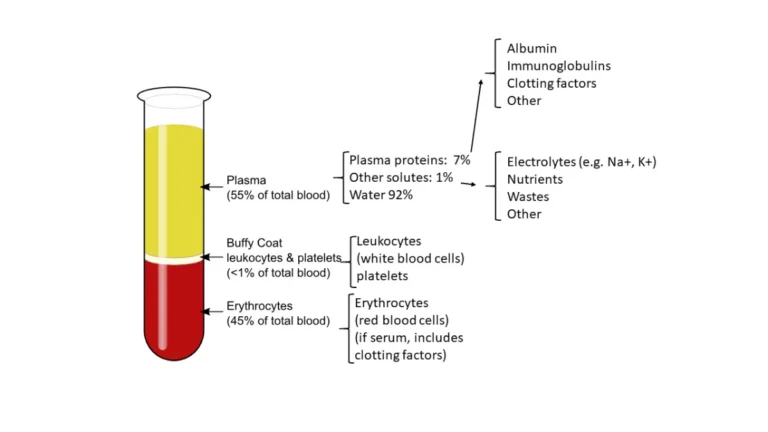
A CMP is a routine blood test that measures 14 substances and gives a broad picture of your body chemistry — how you’re using energy and whether key systems are in balance, according to MedlinePlus. Before surgery, four of those readings carry the most weight.
The four things your CMP shows
Grouped by what they tell your team, the panel covers:
- Kidney function — blood urea nitrogen (BUN) and creatinine
- Liver function — ALT, AST, ALP, bilirubin, albumin, and total protein
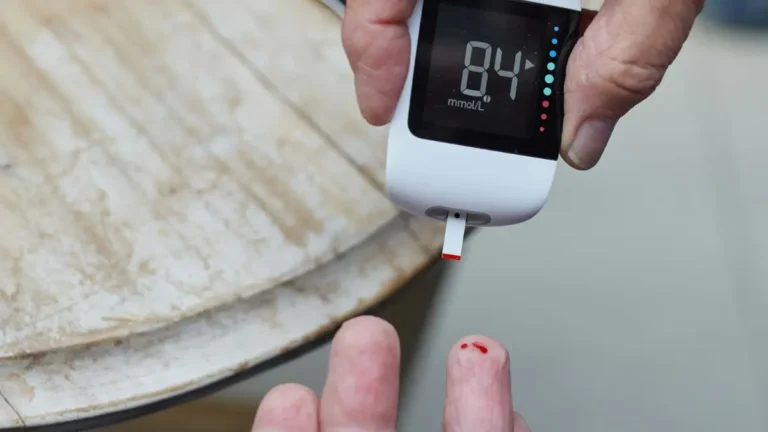
- Blood sugar — glucose
- Electrolytes and fluid balance — sodium, potassium, chloride, and bicarbonate, plus calcium
You can compare any single value against a reference range in our CMP normal range guide.
Why your surgical team wants these numbers
🔬 How It Works: Your kidneys and liver are the organs that clear most anesthetic drugs and medications from your body. If either is working below par, drugs can linger longer or build up, which changes how anesthesia is dosed and managed. A CMP gives the team a read on both before they plan your anesthetic.
Electrolytes matter because minerals like potassium and sodium help keep your heartbeat steady — something anesthesia and surgery can stress. A CMP is often drawn alongside a complete blood count (CBC), which checks your blood cells rather than your body chemistry; our guide to a CBC before surgery explains that companion test.
Does everyone need a CMP before surgery?
No — not everyone needs a CMP before surgery, and national anesthesiology guidance is clear on this point. For a healthy adult having a low-risk operation, routine bloodwork often doesn’t change anything about the surgical plan.
When guidelines say a CMP isn’t needed
The American Society of Anesthesiologists (ASA) lists routine pre-op labs among the things clinicians should not order by default. It advises against obtaining a baseline CBC or basic/comprehensive metabolic panel in patients without significant systemic disease who are having low-risk surgery, when little blood loss or fluid shift is expected. Large reviews back this up: in healthy patients having minor surgery, routine labs are poor predictors of complications and can cause harm by flagging borderline results that trigger more testing and delays.
🩺 Physician Note: Current anesthesiology guidance emphasizes that ordering fewer tests in healthy, low-risk patients is better care, not lesser care. When your team orders a CMP selectively rather than by default, that reflects the guidelines — not a shortcut.
Which conditions make a pre-op CMP appropriate
A CMP becomes genuinely useful when your history or your surgery raises the stakes. Situations where it’s commonly indicated include:
- Kidney or liver disease, diabetes, or high blood pressure
- Medications that affect electrolytes, kidney function, or blood sugar
- Larger or higher-risk operations, or being an older adult with health conditions
If you have diabetes, our guide on what a CMP glucose reading can and can’t tell you goes deeper.
✅ Patient Action: Ask the surgeon or anesthesia provider who ordered your labs one direct question: “Given my health and this specific operation, why do I need a CMP?” The answer tells you whether it’s routine or targeted to something in your history.
What each part of your pre-op CMP tells the surgical team
Each group of markers answers a specific question your surgical and anesthesia team needs settled before they proceed. None of these values is read in isolation — your team weighs them against your health and your operation.
Kidney markers (BUN and creatinine) and drug clearance
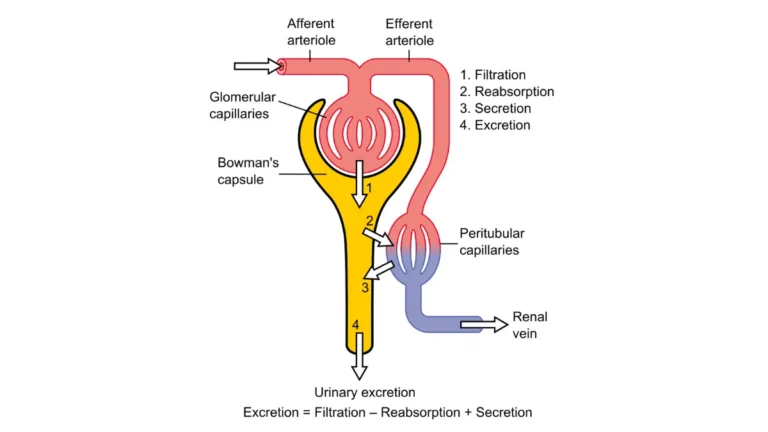
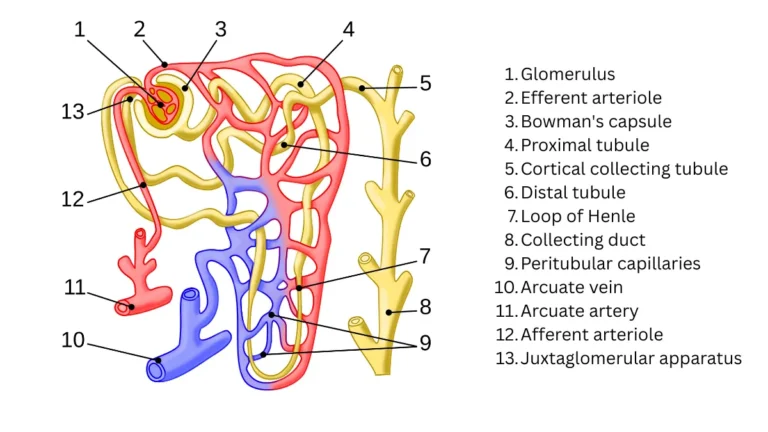
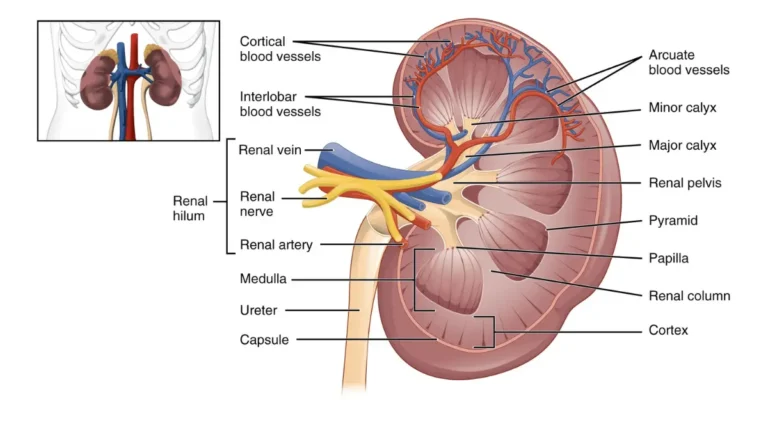
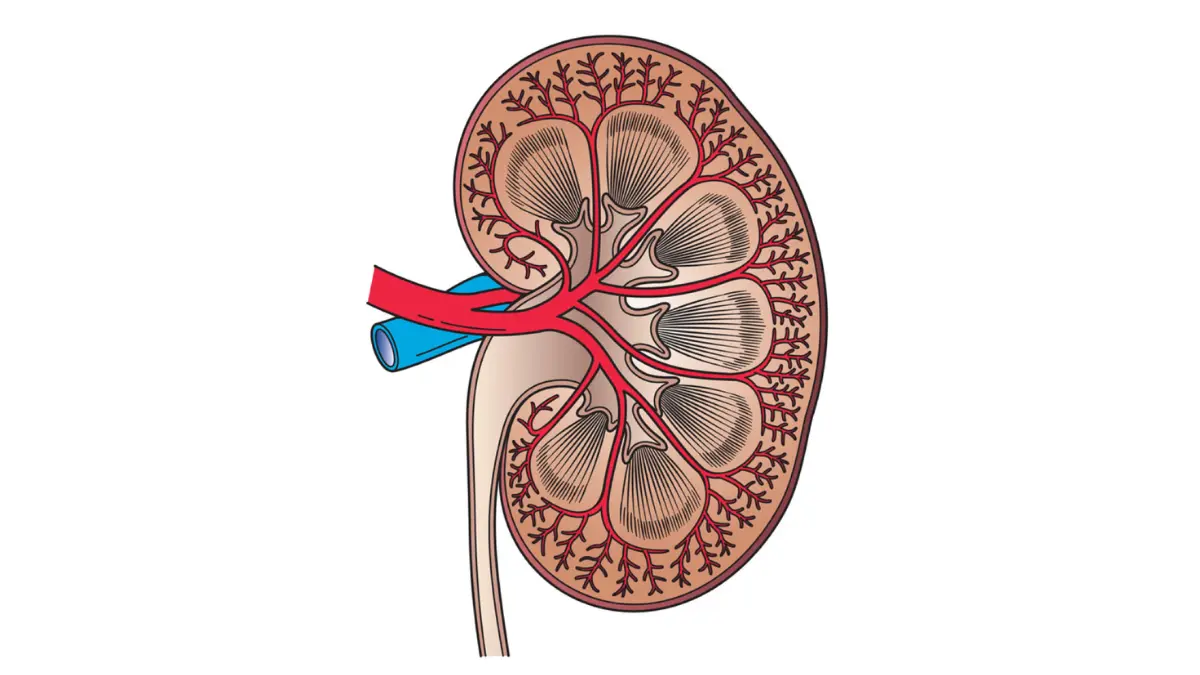
BUN and creatinine show how well your kidneys are filtering. Because the kidneys clear many anesthetic and pain medications, reduced kidney function can change which drugs are used and how fluids are managed during surgery. Our kidney markers guide explains what each value reflects.

Adapted from OpenStax Cardiac Muscle and Electrical Activity (Figure 19.18), licensed under CC BY 4.0.
Electrolytes (potassium and sodium) and heart rhythm
🔬 How It Works: Electrolytes like potassium and sodium carry the electrical charge your heart muscle uses to keep a steady rhythm. When they drift too far out of range, that rhythm can become unstable — a risk anesthesia and surgery can heighten, which is why your team wants them checked.
Our electrolytes guide covers each one in detail.
Blood sugar and liver markers
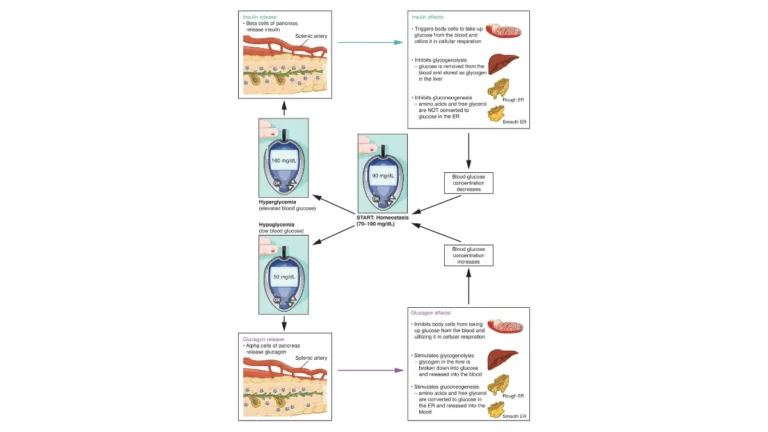
Glucose flags how your blood sugar is running, which bears on infection risk and healing. Liver enzymes and albumin reflect how your liver — the body’s main drug-processing organ — is functioning; our liver markers guide covers ALT, AST, and bilirubin.
✅ Patient Action: If one value is flagged, ask your team what that specific number means for your operation — what a flagged result signals depends on the value itself and the surgery you’re having.
Getting ready for your pre-op CMP
Preparing for a pre-op CMP is straightforward, and the specifics depend on what else is being drawn and your provider’s instructions. Most pre-op checkups happen within the month before surgery.
Do you need to fast?
Sometimes. Fasting mainly affects glucose accuracy, so whether you fast depends on the full set of tests ordered. Follow the instructions from the office that ordered them, per MedlinePlus guidance on preparing for a lab test; our do you fast for a CMP guide has the specifics.
What to bring and tell your provider
Bring a current list of everything you take — prescriptions, over-the-counter drugs, and supplements. Several medications shift electrolytes, kidney markers, or blood sugar, which is exactly what a CMP measures; our CMP medication monitoring guide explains which ones.
⚠️ Clinical Warning: Don’t stop or change any prescribed medication before surgery on your own because of a value you saw. Some drugs are deliberately held before an operation and others must be continued — only the team managing your surgery should direct any change.
What happens if your pre-op CMP is abnormal
If a value on your pre-op CMP comes back flagged, that’s common — and it usually starts a conversation, not a cancellation. A single out-of-range number is often explainable and manageable.
Why an abnormal value doesn’t automatically mean trouble
Lab reports flag anything outside a standard range, but “outside the range” and “a problem for your surgery” aren’t the same thing. What a value means depends on how far off it is, why, your overall health, and the operation — which is why your surgical and anesthesia team, not the printout, decides. Our critical CMP values guide shows how labs separate minor flags from urgent ones.
Could it delay your surgery?
Sometimes a flagged result leads to a repeat test, a referral, or getting a condition better controlled first — and occasionally rescheduling, when that makes the operation safer. Some people are asked to see a heart doctor or a diabetes specialist first, as MedlinePlus notes for pre-op visits.
✅ Patient Action: If a value is flagged, call the office that ordered your labs and ask: “Does this change my surgery, and is there anything I should do before my date?” They can tell you what applies to your specific procedure.
The evidence: routine versus selective preoperative testing
The shift toward ordering pre-op labs selectively rather than routinely is grounded in evidence, and understanding it can make your own care make more sense.
What “low-risk surgery” means
“Low-risk” isn’t vague — it has a working definition in surgical guidelines.
📊 Clinical Data Point: Low-risk surgery is generally defined as a procedure carrying under a 1% risk of a major adverse cardiac event, such as a heart attack. — Source: US preoperative guidelines, as summarized in the peer-reviewed literature.
Why medicine moved away from testing everyone
For low-risk operations in healthy people, reviews found that routine labs rarely uncovered anything that changed the plan, while false or borderline results led to more tests, added cost, and delayed surgeries. That’s why bodies like the American Society of Anesthesiologists now frame preoperative testing as something that adds value for higher-risk patients or bigger operations — targeted, not automatic, as reflected in the anesthesiology practice advisory on preoperative evaluation.
Common questions about a CMP before surgery
1. Why is a CMP done before surgery?
A CMP before surgery checks how your kidneys, liver, blood sugar, and electrolytes are working, so your surgical and anesthesia team can plan a safe operation. Those systems affect how your body handles anesthesia and medications. It’s ordered based on your health and the type of surgery, not automatically for everyone.
2. Does everyone need a CMP before surgery?
No. National anesthesiology guidance advises against routine bloodwork, including a CMP, for healthy patients having low-risk surgery, because it rarely changes the plan. A CMP is more likely when you have conditions like kidney or liver disease or diabetes, or a larger operation. Ask your team why yours was ordered.
3. What does a CMP check before an operation?
A CMP before surgery measures 14 substances covering four things your team cares about: kidney function (BUN and creatinine), liver function (ALT, AST, and others), blood sugar (glucose), and electrolytes like potassium and sodium. Together they show whether your body chemistry is ready for anesthesia and the procedure.
4. Do I need to fast before a pre-op CMP?
Sometimes. Fasting mainly affects the glucose reading, so whether you need to fast before a pre-op CMP depends on the full set of tests ordered. Follow the exact instructions from the office that ordered your labs, and tell them if you didn’t follow them, since that can change your results.
5. What happens if my CMP is abnormal before surgery?
A flagged CMP before surgery usually starts a conversation, not a cancellation. Depending on the value, your team may repeat the test, refer you to a specialist, or help get a condition better controlled first. What it means depends on the value and your operation, so ask the team what applies to you.
6. Can an abnormal CMP cancel my surgery?
Occasionally. An abnormal CMP before surgery can lead to rescheduling when getting a value or condition under control first makes the operation safer — but many flagged results are managed without cancelling. The decision rests with your surgical and anesthesia team, so contact the office that ordered your labs to ask about your date.
7. How long before surgery is a CMP done?
A pre-op CMP is usually drawn during a pre-operative checkup within the month before surgery. That timing gives your team room to address anything that shows up before your operation date. Your surgeon’s office or pre-op clinic will tell you exactly when to have your blood drawn.
8. What’s the difference between a CMP and a BMP before surgery?
A BMP is the shorter panel — it covers your electrolytes, kidney markers, glucose, and calcium. A CMP includes all of that plus liver-related tests like ALT, AST, and albumin. Which one you get before surgery depends on your health and what your team needs to check. See our CMP versus BMP guide.
9. Which conditions make a pre-op CMP necessary?
A CMP before surgery is commonly ordered when you have kidney or liver disease, diabetes, or high blood pressure, take medications that affect electrolytes or kidney function, or are having a larger or higher-risk operation. Older adults with health conditions are also more likely to need one. Confirm the reason with your team.
10. Does a CMP check kidney and liver function for anesthesia?
Yes. A CMP before surgery checks kidney function through BUN and creatinine, and liver function through enzymes like ALT and AST plus albumin. Both organs clear anesthetic drugs and medications from your body, so your anesthesia team uses these readings to help plan which drugs to use and how to manage fluids.
11. How long do pre-op CMP results take?
Results for a CMP before surgery typically come back within a few days, though timing varies by lab and whether it’s run at a hospital or an outside lab. Your surgeon’s office will have your results ahead of your date, and they’ll follow up with you if anything needs attention.
The bottom line
A pre-op CMP exists to answer a narrow, practical question: can your body safely handle this operation and its anesthesia? For many people it’s ordered because something in their health or their surgery makes those readings worth checking — and for healthy people having minor procedures, it may not be ordered at all. If a value comes back flagged, treat it as the start of a conversation with your surgical and anesthesia team, not a verdict on your surgery. Bring your medication list and your questions to your pre-op visit, and let the people managing your operation tell you what your specific numbers mean.
About this content
How this article was put together: researched from recognised health sources, drafted with the help of AI tools, and edited by hand, with sources linked throughout.

Sameer Patel is the founder and editor of My Medicine Advisor. He is not a doctor or medical professional — before starting this site he worked in banking,…
Medical disclaimer
The content on MyMedicineAdvisor is provided for general informational and educational purposes only and is not a substitute for professional medical advice, diagnosis, or treatment. Health information on this website should not be used to diagnose, treat, cure, or prevent any condition without guidance from a qualified healthcare professional. Always seek the advice of your doctor, physician, or another licensed healthcare provider with any questions you may have regarding a medical condition, symptoms, medications, or treatment decisions.