
On This Page – Quick Medical Summary
If a parent has a colonoscopy scheduled and you’re helping them through it, you’re in the right place. Your job isn’t to make medical decisions — it’s to keep the plan on track, get every medication in front of their doctor, and watch for a short list of warning signs.
Where you start depends on your situation. Days away with a prep kit in hand? Begin with the timeline. If your parent takes blood thinners, diabetes medication, or a drug like Ozempic, the medications section matters most. Worried about sedation or the ride home? Skip to logistics. And if your parent is anxious, the support section is for both of you.
ℹ️ Medical Disclaimer: This article is general educational information and does not replace your parent’s care team. Decisions about prep products, diet, medication changes (including blood thinners, diabetes drugs, and GLP-1 medications), and any symptom during prep should be directed by your parent’s prescribing physician, gastroenterologist, and the endoscopy unit. For severe or worsening symptoms, contact the GI office or seek urgent care.
Why a thorough prep matters so much
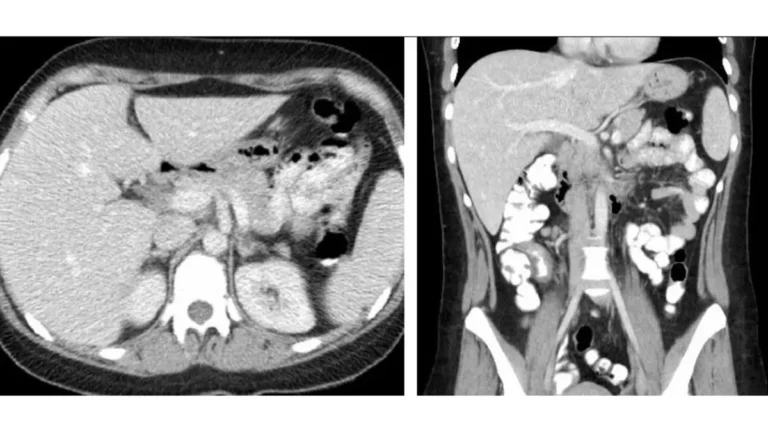
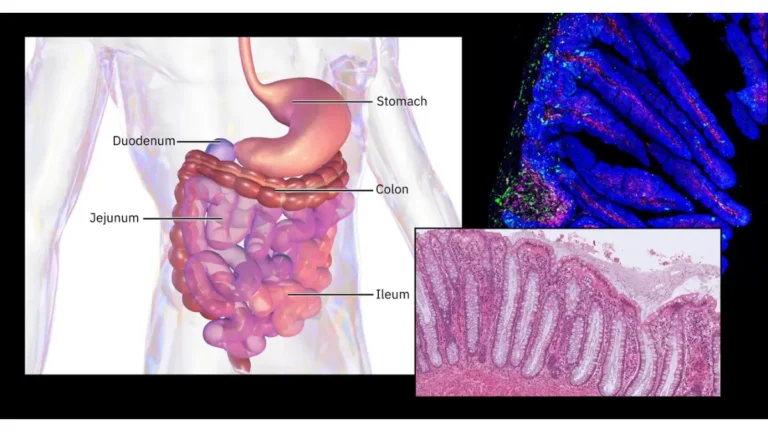
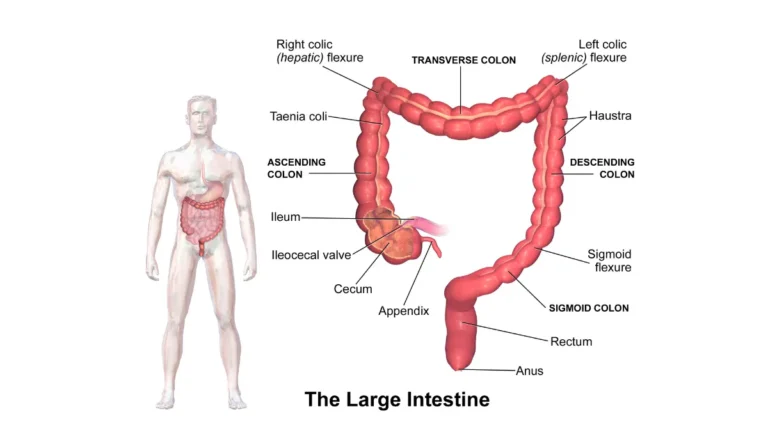
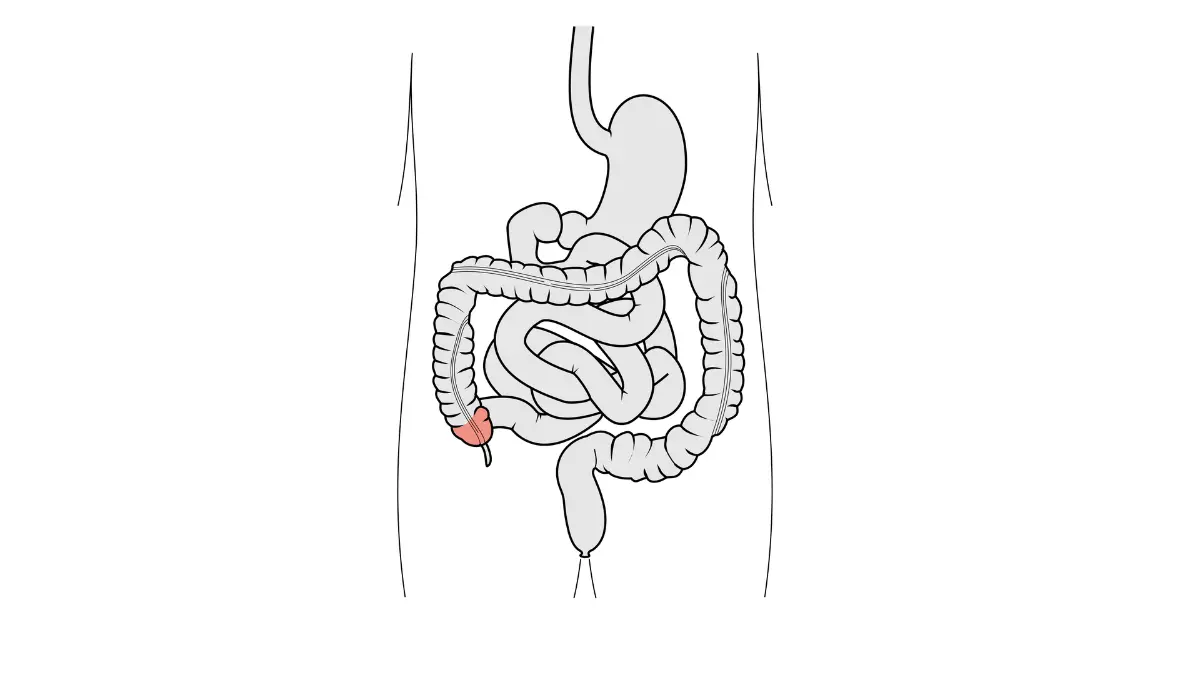
A colonoscopy only works if the colon is empty. The doctor guides a camera through the large intestine to find polyps — small growths that can turn into cancer — and remove them. Leftover stool hides the lining, so a careful bowel preparation is what makes the exam accurate. A complete prep produces output that’s clear and liquid; that’s the signal the colon is clean and even small or flat growths are visible.
When prep falls short, the U.S. Multi-Society Task Force on Colorectal Cancer reports it raises the chance of missed growths and often means repeating the colonoscopy sooner — exactly what you want to avoid for an older parent. Most adults at average risk screen from about 45 through 75, with later screening decided case by case, the reasoning behind when colonoscopies are recommended and the CDC’s screening guidance.
The colonoscopy prep timeline, step by step
Prep usually spans about two days, and your parent’s prescribed kit is the version that counts. Read the instructions together early; for the general walkthrough, see how to prepare for a colonoscopy.
A few days before — diet and shopping
Stock up on clear liquids in safe colors (no red or purple) and pick up the kit. Diet changes are limited to the day before for most people, so until then your parent eats fairly normally unless told otherwise. Choosing between pills and liquid? The prep options compared show what to expect.
The day before — clear liquids and the first dose
Early and midday meals can be low-fiber foods or full liquids; after that, a clear liquid diet only. That evening, your parent takes the first half of the solution — most preps use a low-volume polyethylene glycol formula that’s easier to finish. Keep fluids close; a daily fluid target gives a baseline, though the kit’s amounts govern. The NIDDK patient guide covers the same steps.
The morning of — the split second dose
Splitting the dose is what many people get wrong, and it matters most for a clean exam.
📊 Clinical Data Point: For a split-dose prep, the second dose should start 4–6 hours before the colonoscopy and finish at least 2 hours before the start time. — Source: U.S. Multi-Society Task Force on Colorectal Cancer, 2025
Set a phone alarm for exact timing, and confirm the liquid cutoff with the endoscopy unit.
Medications and health conditions to flag with the doctor
This is the most important section, and your role is simple: get every medication and condition in front of your parent’s care team. They decide what changes — you make sure nothing is missed.
Blood thinners and antiplatelet medicines
Management of blood thinners is individualized to clot risk versus bleeding risk, and only the prescriber decides. Aspirin is often continued, while warfarin, clopidogrel, or newer agents may be paused or adjusted.
⚠️ Clinical Warning: Never stop or change a blood thinner, insulin, or any prescription on your own. Stopping a blood thinner can raise stroke risk; continuing one that should be paused raises bleeding risk during the exam. Only the prescribing doctor can weigh that balance.
Diabetes drugs, Ozempic, and Mounjaro
Diabetes medicines often need adjusting on clear-liquid days, and some are paused ahead — always per the prescriber. GLP-1 medications deserve special mention because guidance has shifted toward individualized, shared decisions among the patient, prescriber, and anesthesia team.
🔬 How It Works: GLP-1 drugs (semaglutide, tirzepatide) slow how fast the stomach empties. Under sedation, food or liquid left in the stomach can come back up — so the care team needs to know your parent takes one.
Kidney concerns and the right prep
Flag kidney disease and blood-pressure medicines (diuretics, ACE inhibitors, ARBs). The FDA carries a boxed warning on older oral sodium phosphate preps for a rare kidney injury, acute phosphate nephropathy, avoided in older adults, kidney disease, or dehydration. Safer PEG-based preps carry no such warning, and the gastroenterologist chooses based on your parent’s health.
✅ Patient Action: Bring your parent’s full medication list — including blood thinners, diabetes medicines, and any GLP-1 drug like Ozempic, Wegovy, Mounjaro, or Zepbound — to whoever books the colonoscopy. Ask: “Which should my parent hold, adjust, or keep taking, and when?”
See which medications may need adjusting for more.
Planning the day of the procedure
A colonoscopy is done under sedation, which shapes the whole day.
Why your parent needs an escort
Sedation means your parent can’t drive, sign documents, or make important decisions for the rest of that day, and most facilities won’t start without a responsible adult to take them home. When you call the endoscopy unit, confirm the driver requirement and whether someone must stay on site, then block the whole day. Sorting the sedation options and the ride home removes the morning stress.
Setting up for a comfortable recovery
Plan for rest at home with easy bathroom access and light food per the discharge instructions. Your parent may be groggy and forgetful for a few hours, so stay close and handle the details.
Warning signs during prep, and when to call the doctor
Prep is unpleasant by design, so it helps to know what’s normal and what isn’t.
Normal discomfort vs. a real problem
Frequent watery diarrhea, cramping, bloating, chills, and some nausea are all expected. None of that means something is wrong.
⚠️ Clinical Warning: In an older adult, watch for dehydration — dizziness, dry mouth, very dark or little urine, or new confusion. These can come on quickly. If your parent can’t keep any prep or fluids down, don’t push through.
When to call the GI office
Call if your parent can’t keep the prep down or vomits repeatedly, has severe or worsening belly pain or a hard, swollen abdomen, passes no stool after starting, or shows the dehydration signs above. Output that never runs clear is worth a call too. For context, read about possible complications.
✅ Patient Action: Save the GI office and after-hours number before prep starts. For severe pain, nonstop vomiting, or dehydration, call and ask: “Should we pause the prep, continue, or have my parent seen?”
Supporting an anxious parent through prep
A calm presence helps as much as any checklist.
Easing the worry and embarrassment
Many parents feel embarrassed about the prep and afraid of what the exam might find. Acknowledge both, and remind your parent that the prep is the hard part — the procedure is quick, done while they’re asleep, and usually painless. If pain is the worry, the honest answer to whether a colonoscopy hurts can reassure.
Small comforts for a long night
Set up a base near the bathroom: warm clothes, soft wipes, a barrier cream, and a tablet for distraction. Chilling the solution and sipping through a straw makes it easier to finish. Mostly, your parent will remember that you stayed.
You’ve got this
Three jobs carry the whole thing: keep the prep timeline, get every medication in front of the doctor, and watch for the warning signs. The hard part is the prep night — the procedure is quick, and your parent will be asleep for it. Once it’s done, attention turns to recovery; walk through what to expect afterward together, or revisit the full colonoscopy guide.
Frequently asked questions about helping a parent prep
1. How long does colonoscopy prep take?
Most prep spans about two days: a lighter diet a day ahead, clear liquids the day before, and the cleansing solution split between that evening and the morning of the exam. The bathroom phase lasts several hours after each dose. Follow the kit’s timing, since products differ.
2. What can my parent eat the day before a colonoscopy?
Diet changes are limited to the day before for most people. Early and midday meals can be low-fiber foods or full liquids; after that, clear liquids only — water, broth, apple juice, plain gelatin. Avoid red or purple, and confirm specifics with the office.
3. What is split-dose prep, and why does it matter?
It means taking half the cleansing solution the evening before and half the morning of the colonoscopy. Guidelines prefer it because it produces a cleaner colon and a more accurate exam. The second half should finish at least two hours before the procedure.
4. Should my parent stop their blood thinner before a colonoscopy?
It depends on the drug and your parent’s clot risk, and only the prescribing doctor decides. Aspirin is often continued; warfarin, clopidogrel, or newer blood thinners may be paused or adjusted. Never stop one on your own — confirm with the prescriber or cardiologist first.
5. What about diabetes medications, Ozempic, or Mounjaro?
These need a doctor’s plan. GLP-1 drugs like Ozempic, Wegovy, or Mounjaro slow stomach emptying, which matters under sedation, so the care team must know. Insulin and pills are often adjusted on clear-liquid days. Ask the prescriber exactly what to do and when.
6. Does my parent really need someone to drive them home?
Yes. Colonoscopies use sedation, so your parent can’t legally drive, sign documents, or make decisions for the rest of that day. Most facilities won’t start without a responsible adult to take them home, and many require someone to stay on site.
7. How can I help my parent stay hydrated during prep?
Prep causes heavy fluid loss, so steady sipping of clear fluids between and after doses matters, especially for an older adult. Electrolyte drinks in allowed colors help replace what’s lost. Keep fluids within reach and follow the amounts on the prescribed kit.
8. What if my parent can’t keep the prep solution down?
Don’t force it. Persistent vomiting or being unable to hold the prep down is a reason to call the GI office, not push through. They may suggest slowing down or adjusting the plan. With severe pain or dehydration, call promptly and ask to be seen.
9. Is colonoscopy prep safe for an older adult or someone with kidney problems?
Generally yes, with the right prep chosen by the doctor. Modern PEG-based preps are the safer standard; certain older phosphate preps carry an FDA kidney-injury warning and are avoided in older adults, kidney disease, or dehydration. Tell the gastroenterologist your parent’s kidney status.
10. How will I know the prep “worked”?
The colon is clean when your parent’s output turns clear or pale yellow and liquid, with no solid pieces. That’s the goal, and it tells the team the exam can be accurate. If it never runs clear, let the GI office know.
11. What can I do to make the prep easier and less stressful?
Set up a base near the bathroom: warm clothes, soft wipes, a barrier cream, and a tablet for distraction. Chill the solution and use a straw if allowed. Keep your parent company and remind them the prep is the hard part — the procedure is quick.
About this content
How this article was put together: researched from recognised health sources, drafted with the help of AI tools, and edited by hand, with sources linked throughout.

Sameer Patel is the founder and editor of My Medicine Advisor. He is not a doctor or medical professional — before starting this site he worked in banking,…
Medical disclaimer
The content on MyMedicineAdvisor is provided for general informational and educational purposes only and is not a substitute for professional medical advice, diagnosis, or treatment. Health information on this website should not be used to diagnose, treat, cure, or prevent any condition without guidance from a qualified healthcare professional. Always seek the advice of your doctor, physician, or another licensed healthcare provider with any questions you may have regarding a medical condition, symptoms, medications, or treatment decisions.