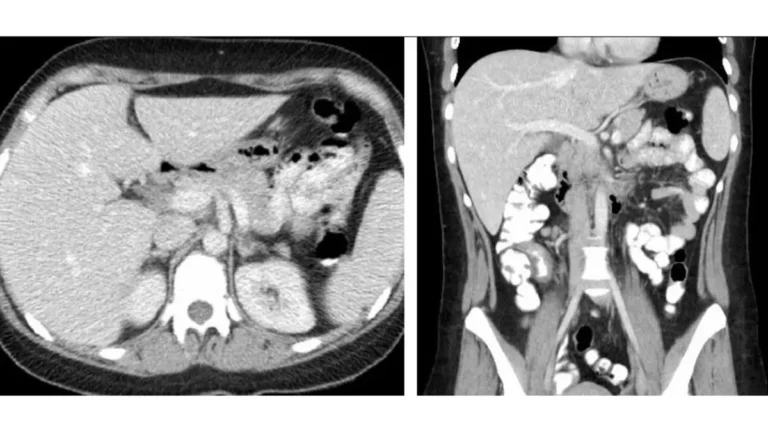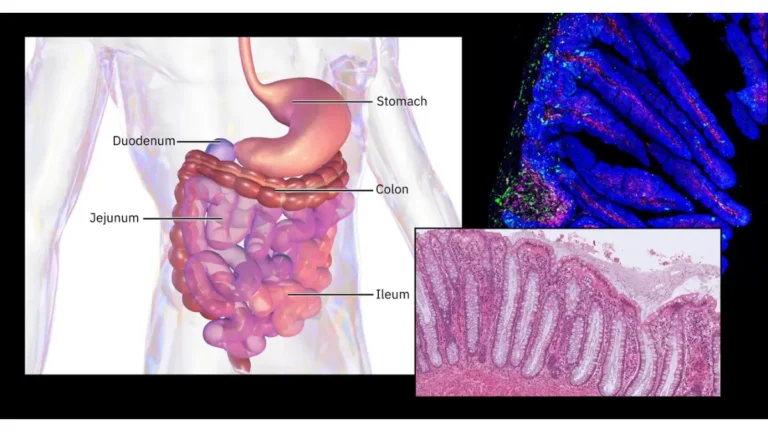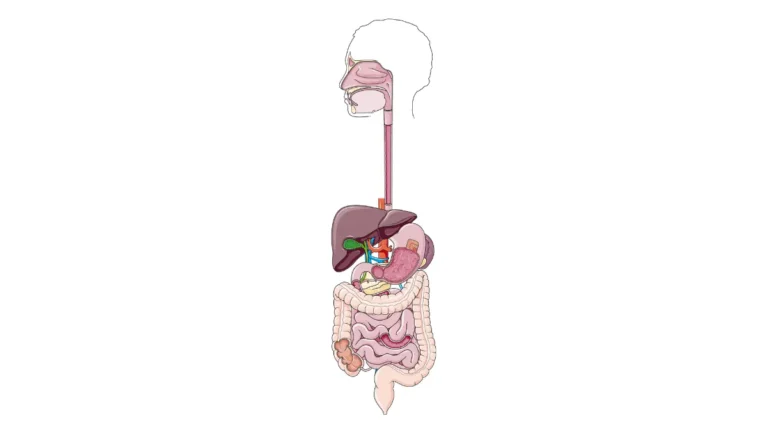

On This Page – Quick Medical Summary
If you’re reading this before your colonoscopy, you’re probably weighing a quiet worry: what if something goes wrong? If you’re reading it afterward, you may be staring at a little blood or a cramp and wondering whether it’s normal.
Colonoscopy complications are uncommon, and the serious ones are rare — but knowing what to watch for is part of going in prepared. This guide is built so you can jump to what you need: the actual odds, the specific risks of a torn colon (perforation) or bleeding, or — if you’ve just had the procedure — the warning signs that mean you should call someone.
For the full picture of prep, cost, and results, see our complete colonoscopy guide, or read a plain-language overview of the test from MedlinePlus.
If your main concern is discomfort rather than risk, we cover whether a colonoscopy hurts separately.
ℹ️ Medical Disclaimer: This article is general health education about a medical procedure and its possible complications — it is not medical advice and does not replace your own doctor. Decisions about diagnosis, sedation, medication, bleeding, and emergency care depend on your individual health and what was done during your colonoscopy. If you have severe abdominal pain, heavy rectal bleeding, fever, fainting, or trouble breathing after a colonoscopy, contact your doctor or call emergency services right away, and always follow the discharge instructions from your care team.
How common are colonoscopy complications?
Serious colonoscopy complications are uncommon. Across large population studies, perforation (a tear in the colon wall) occurs in roughly 5.8 per 10,000 procedures, and significant bleeding in about 2.4 per 1,000 — and death is rarer still.
| Complication | Approximate frequency | In plain terms | Source |
|---|---|---|---|
| Any serious adverse event | ~2.8 per 1,000 screening exams | about 1 in 360 | 2008 systematic review (cited by ASGE) |
| Bleeding | ~2.4 per 1,000 | about 1 in 420 | ASGE meta-analysis, 2019 |
| Perforation | ~5.8 per 10,000 | about 1 in 1,700 | ASGE meta-analysis, 2019 |
| Death | ~3 per 100,000 to ~1 in 14,000 | extremely rare | ASGE 2019; Bressler et al., 2008 |
Estimates vary by study and population; figures are rounded as reported by each source.
📊 Clinical Data Point: Across 21 population studies covering more than 10 million people, the pooled perforation rate was 5.8 per 10,000 colonoscopies — about 1 in 1,700. — Source: ASGE, Gastrointestinal Endoscopy, 2019.
One detail matters more than any single number: most of the risk comes from removing a polyp, not from the scope alone. The large reviews find that the great majority of adverse events occur in colonoscopies that included a polypectomy (polyp removal). That’s why the minor, expected aftereffects in our guide to common colonoscopy side effects are very different from the rare serious events covered here.
For a government overview, see the NIDDK’s page on colonoscopy; for the underlying data, the ASGE’s analysis of colonoscopy adverse events.
Bowel perforation: what it is and how to spot it
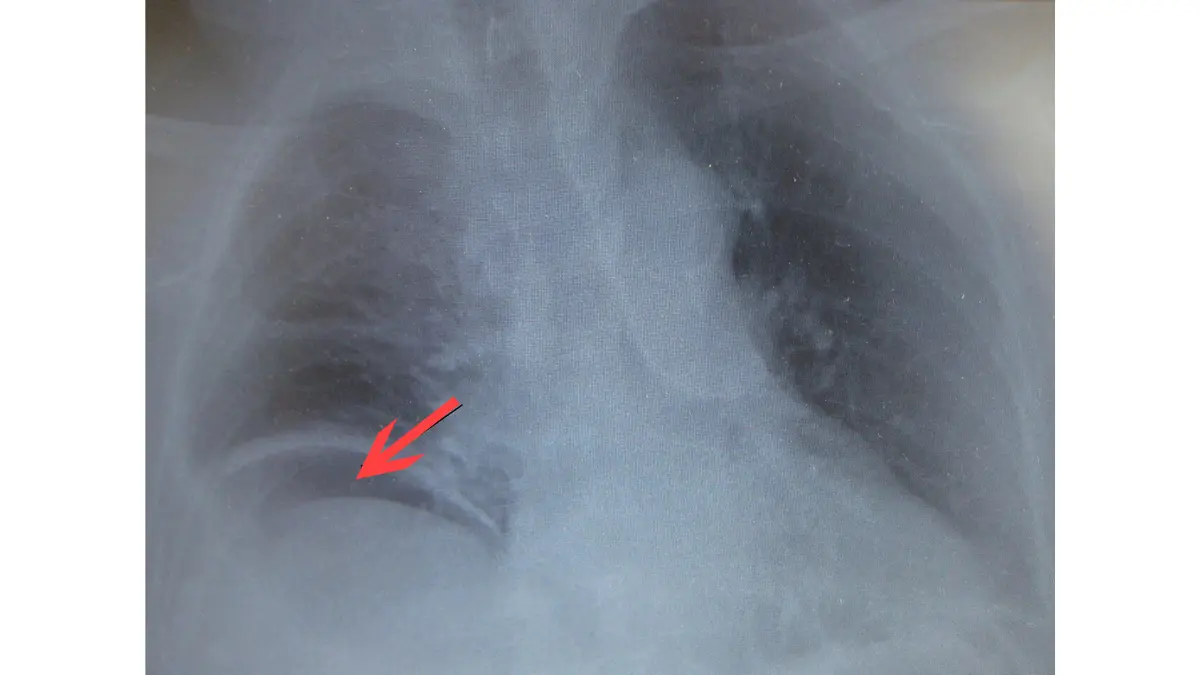
A bowel perforation is a tear or hole in the wall of the colon. It is the most feared colonoscopy complication and also one of the rarest — roughly 5.8 per 10,000 procedures, with national quality targets set at no more than 1 in 1,000.
How does a perforation happen?
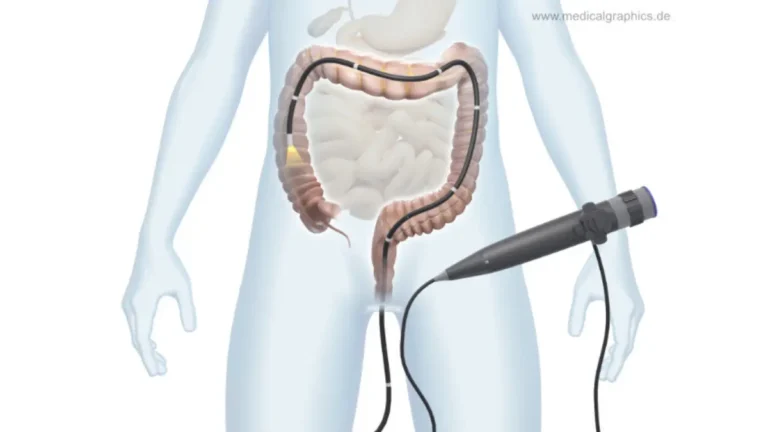
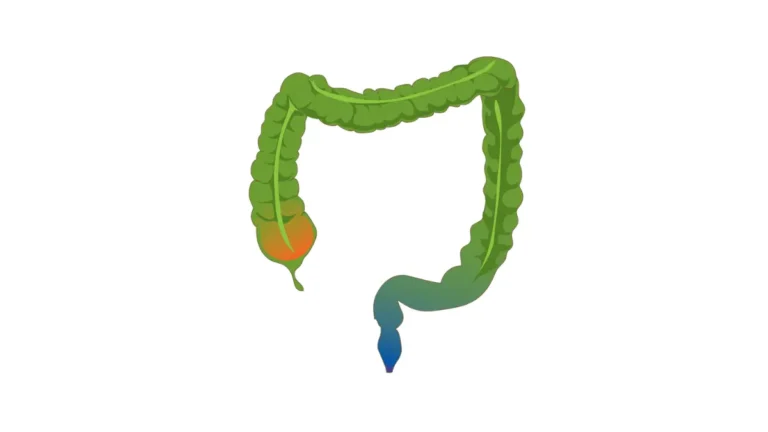
🔬 How It Works: During a colonoscopy, the scope and its tools move through a colon wall only a few millimeters thick. A perforation can happen mechanically from the instrument, from the heat used to remove a polyp, or rarely from too much air stretching the wall — most often where the wall is thinnest, on the right side of the colon.
Therapeutic procedures (those involving polyp removal) carry a higher risk than simple diagnostic ones. When a tear is recognized during the procedure, it can sometimes be closed on the spot with a clip; larger or later-discovered perforations often need surgery.
Warning signs of a perforated colon
⚠️ Clinical Warning: A perforation is a medical emergency. Severe or worsening abdominal pain, a hard or swollen belly, fever, or a racing heartbeat in the hours or days after a colonoscopy can signal a tear and need emergency evaluation — do not wait to see whether it passes.
✅ Patient Action: If you develop severe abdominal pain after a colonoscopy, go to the emergency room and tell the staff you had a recent colonoscopy with possible perforation — ask whether you need imaging to check for free air in the abdomen.
Bleeding after a colonoscopy: what’s normal and what’s not
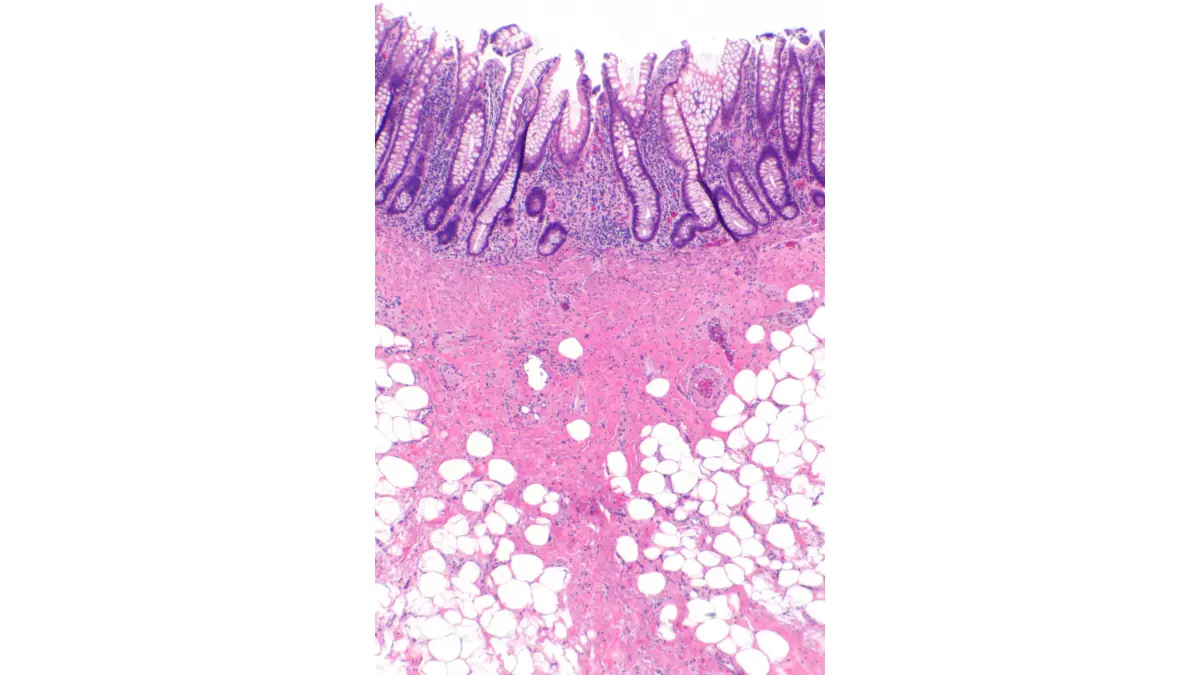
Some bleeding can be normal, especially if a polyp was removed. After polypectomy, delayed bleeding most often appears about 5 to 7 days later but can occur any time up to 30 days after the procedure.
Immediate vs. delayed bleeding
🔬 How It Works: The scope itself rarely causes bleeding. Removing a polyp leaves a small raw wound that can bleed right away (immediate bleeding, usually treated during the exam) or open up days later as it heals (delayed bleeding).
Immediate bleeding during polypectomy is seen in roughly 2.8% of cases and is typically controlled on the spot. Clinically meaningful delayed bleeding is less common — about 0.3% to 0.6% of polyp removals.
How many days after a polypectomy can bleeding start?
📊 Clinical Data Point: The risk of delayed bleeding rises with polyp size — from about 1% for polyps under 10 mm to roughly 6.5% for those over 20 mm. — Source: post-polypectomy bleeding review, Clinical Endoscopy, 2012.
What counts as “too much” bleeding?
A small amount of blood once, or streaks with your first bowel movement, is usually expected. Heavy bleeding, repeated bleeding, large clots, or feeling faint is not — and means you should be evaluated. To interpret any polyp findings on your report, see our guide to what your colonoscopy results mean.
✅ Patient Action: Call your gastroenterologist for more-than-minor or recurring rectal bleeding; go to the ER for heavy bleeding, large clots, or lightheadedness. Ask: “Given my polyp size and any blood thinners, what bleeding should I expect, and for how long?”
Other risks: sedation, post-polypectomy syndrome, and rare events
Bleeding and perforation get the most attention, but a few other complications are worth understanding.
Sedation and heart or breathing effects
Reactions to sedation — changes in heart rate, blood pressure, or breathing — are among the more frequently reported events, particularly in older adults. Studies vary widely in how they count these, but they are part of why your team monitors you closely throughout. Understanding your colonoscopy sedation options can help you discuss the right choice for you.
Post-polypectomy syndrome
🔬 How It Works: Post-polypectomy syndrome happens when the heat used to remove a polyp burns slightly deeper than intended, irritating the full thickness of the colon wall. It causes fever and abdominal pain that can mimic a perforation — but without an actual hole. It still needs prompt medical evaluation.
Rare events: splenic injury and infection
Injury to the spleen is very rare, on the order of 0.6 per 10,000 colonoscopies. Infection after the procedure is also uncommon. Both are far less likely than the bleeding and perforation risks above.
✅ Patient Action: Fever with abdominal pain in the days after a polyp removal should be checked promptly — it could signal post-polypectomy syndrome or a perforation. Contact your gastroenterology team rather than waiting.
Who is most at risk — and how complications are prevented
Your personal risk depends on a handful of factors, and several can be reduced.
Risk factors that raise the odds
Research in routine practice points to consistent risk factors: older age, male sex, having a polyp removed, and having the procedure done by a lower-volume endoscopist. Larger and right-sided polyps and the use of blood-thinning medications also raise the chance of delayed bleeding. Adults over 80 have a meaningfully higher perforation risk than those aged 65 to 80.
What lowers your risk
🩺 Physician Note: Current practice ties much of the controllable risk to two things — who performs the procedure and how blood-thinning medications are managed beforehand. Guidelines emphasize individualized planning rather than a single rule for everyone about stopping these drugs.
Good preparation matters too, both for safety and for a complete exam. Our guides on which medications to stop before a colonoscopy and how to prepare for your colonoscopy cover the practical steps, and what to expect at your first colonoscopy can ease first-time nerves.
✅ Patient Action: Ask your gastroenterologist about their perforation rate and procedure volume, and ask your prescriber — not a website — whether and how to adjust any blood thinners before your colonoscopy.
The benefit behind all of this is real: CDC guidance on colorectal cancer screening explains how finding and removing polyps prevents cancer before it starts.
Warning signs after a colonoscopy: when to call vs. when to go to the ER
This is the section worth saving. Most recovery is uneventful, but knowing which symptoms mean “wait,” “call,” or “go now” lets you act with confidence.
Normal (expected): mild cramping, bloating, and gas; a small amount of blood once or with your first bowel movement; feeling groggy from sedation for the rest of the day.
Call your doctor (within hours): bleeding that is more than light spotting or keeps returning; pain that persists rather than easing; a low fever; or trouble passing gas or stool with discomfort.
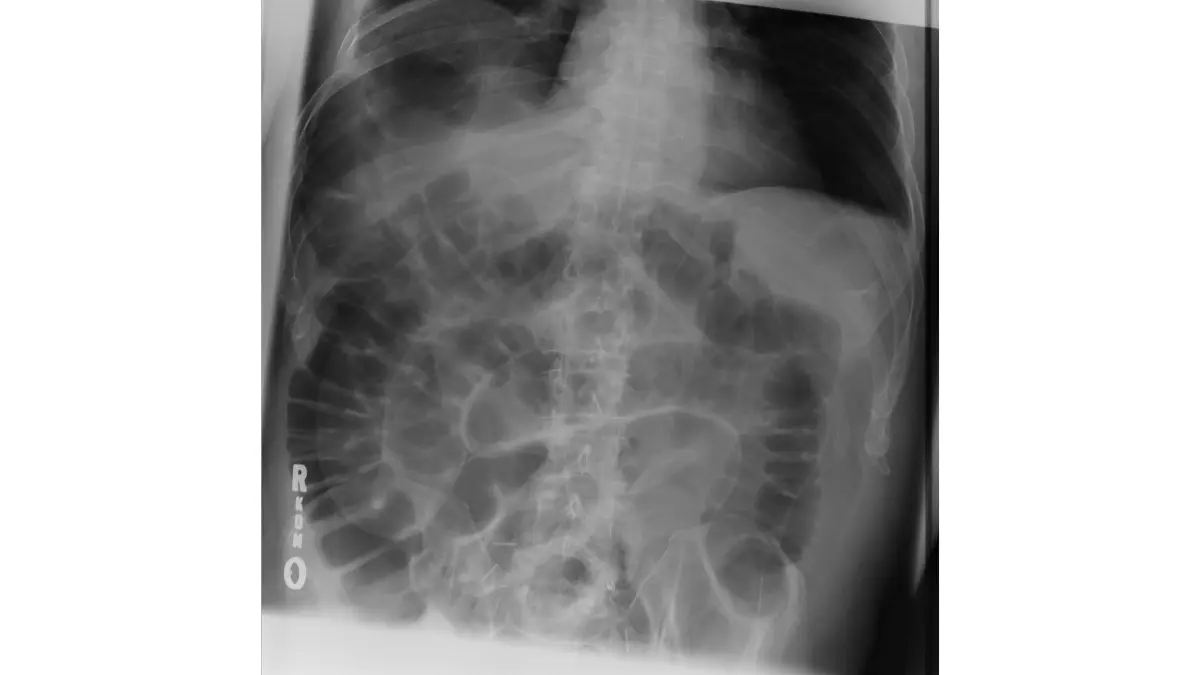
Go to the ER now (emergency): severe or worsening abdominal pain; a hard, swollen belly; heavy bleeding or large clots; fever with chills; dizziness, fainting, or weakness; or chest pain or shortness of breath.
These tiers complement — they never replace — the discharge instructions your care team gave you. For more on the first day, see what to expect in the first 24 hours of recovery, and you can use our symptom checker as a starting point that does not replace calling your doctor.
Frequently asked questions about colonoscopy complications
1. How common are colonoscopy complications?
Serious colonoscopy complications are uncommon — perforation occurs in roughly 5.8 per 10,000 procedures and significant bleeding in about 2.4 per 1,000. Most serious events involve colonoscopies in which a polyp was removed, rather than diagnostic exams alone.
2. What is the most common complication of a colonoscopy?
Bleeding is the most common serious complication, driven mainly by polyp removal rather than the scope itself, at roughly 2.4 per 1,000 colonoscopies. Brief spotting can be expected; heavier or recurring bleeding should be evaluated by your doctor.
3. How do I know if my colon was perforated?
Possible signs include severe or worsening abdominal pain, a hard or swollen belly, fever, and a racing heartbeat in the hours or days after a colonoscopy. A perforation is rare but is a medical emergency — seek emergency care immediately rather than waiting.
4. Is it normal to bleed after a colonoscopy with polyp removal?
A small amount of blood once, or streaking with your first bowel movement after polypectomy, is usually normal. Heavy bleeding, large clots, repeated bleeding, or feeling faint is not. If your bleeding crosses that line, contact your gastroenterologist or seek emergency care.
5. How many days after a polypectomy can bleeding happen?
After a polypectomy, delayed bleeding most often appears about 5 to 7 days later, but it can occur any time up to 30 days afterward, with higher risk for larger polyps. Any heavy or persistent bleeding in that window should prompt a call to your doctor.
6. What is post-polypectomy syndrome?
Post-polypectomy syndrome occurs when the heat used to remove a polyp irritates the full thickness of the colon wall, causing fever and abdominal pain that resemble a perforation — but without an actual hole. It is uncommon. Fever and pain after a polypectomy should be evaluated promptly by your care team.
7. Can a colonoscopy cause death?
Death from colonoscopy is extremely rare — on the order of 3 per 100,000 to about 1 in 14,000 procedures. Most of these deaths are linked to underlying health conditions or sedation rather than the scope itself. Discuss your individual risks with your gastroenterologist beforehand.
8. Who is at higher risk of colonoscopy complications?
Higher-risk groups include older adults (especially over 80), men, people having a polyp removed, and those with large or right-sided polyps or who take blood thinners. A higher-volume endoscopist is linked to lower risk. Your own risk is best assessed by your doctor.
9. Should I stop blood thinners before a colonoscopy?
Whether to pause blood thinners is an individualized decision that depends on the medication and your health — not a one-size-fits-all rule. Never stop or change these drugs on your own. Ask the doctor who prescribes them how to manage your medications before a colonoscopy.
10. When should I go to the ER after a colonoscopy?
Go to the emergency room for severe or worsening abdominal pain, a hard or swollen belly, heavy rectal bleeding or large clots, fever with chills, fainting or weakness, or chest pain or shortness of breath. These can signal perforation or significant bleeding. When in doubt, seek emergency care.
11. How long does it take to recover from a colonoscopy?
Most people feel back to normal the day after a colonoscopy, once the sedation wears off and any gas passes. If a polyp was removed, your team may advise limiting strenuous activity for up to about two weeks. Always follow the specific recovery instructions you were given.
The bottom line
Most people finish a colonoscopy with nothing more than a groggy afternoon and some gas — serious complications are the exception, not the rule. The procedure’s real value is hard to overstate: it can find and remove precancerous polyps before they ever become cancer. Now that you know the warning signs, you can go in — or recover — knowing exactly what’s normal and when to pick up the phone.
If you’re recovering, our guide on what to eat as your gut settles can make the next day easier. And if you haven’t scheduled yet, talk with your doctor about the right screening timing for your age and family history.
About this content
How this article was put together: researched from recognised health sources, drafted with the help of AI tools, and edited by hand, with sources linked throughout.

Sameer Patel is the founder and editor of My Medicine Advisor. He is not a doctor or medical professional — before starting this site he worked in banking,…
Medical disclaimer
The content on MyMedicineAdvisor is provided for general informational and educational purposes only and is not a substitute for professional medical advice, diagnosis, or treatment. Health information on this website should not be used to diagnose, treat, cure, or prevent any condition without guidance from a qualified healthcare professional. Always seek the advice of your doctor, physician, or another licensed healthcare provider with any questions you may have regarding a medical condition, symptoms, medications, or treatment decisions.