
On This Page – Quick Medical Summary
If you’ve been handed a Cologuard kit, booked for a colonoscopy, or you’ve just turned 45 and dread the prep, you’re really asking one question: can the at-home test stand in for the scope? The honest answer depends on who you are.
Here’s how to use this guide. If you’re at average risk with no symptoms, both tests are legitimate options, and the sections below help you weigh them. If you have symptoms — rectal bleeding, a lasting change in bowel habits, unexplained weight loss — or a personal or family history that raises your risk, the comparison narrows fast, and the test-selection section explains why. If you’ve already had a positive stool test, jump to the cost and follow-up section for what happens next.
The single distinction that decides most of this: a colonoscopy can find and remove precancerous polyps in one sitting, while Cologuard detects signs of disease but removes nothing. One screening test can prevent cancer; the other mainly finds it. Hold onto that difference — it runs through every comparison here.
ℹ️ Medical Disclaimer: This article is general education about colorectal cancer screening options. It does not diagnose disease, recommend a specific test for your situation, interpret your results, or assign your risk category — those depend on your personal and family history. Speak with a primary care physician or gastroenterologist before choosing, changing, or skipping a screening test.
What each test actually does
Before comparing numbers, it helps to see what each test physically does — because that’s where the real difference lives.
How a colonoscopy works
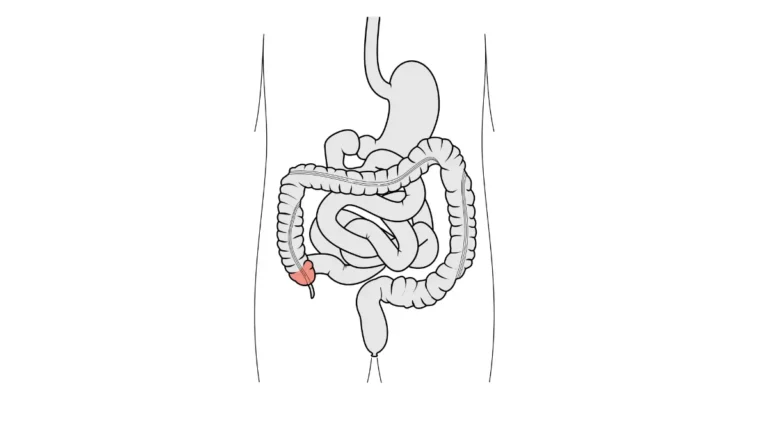
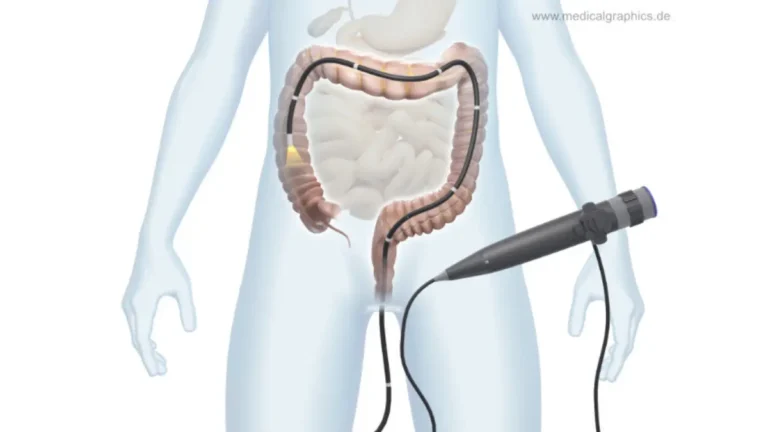
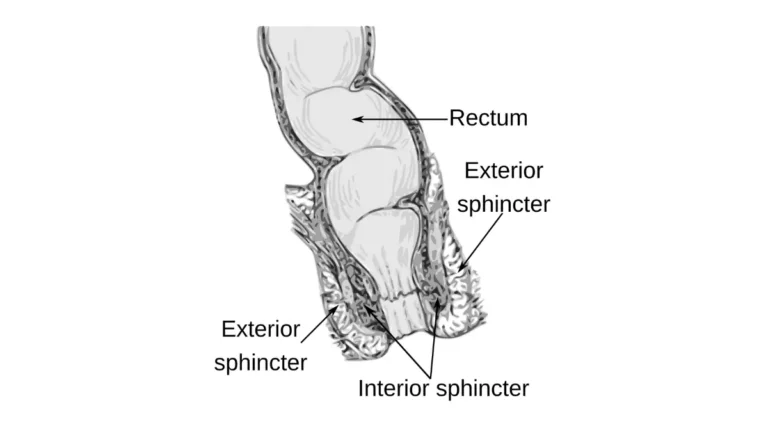
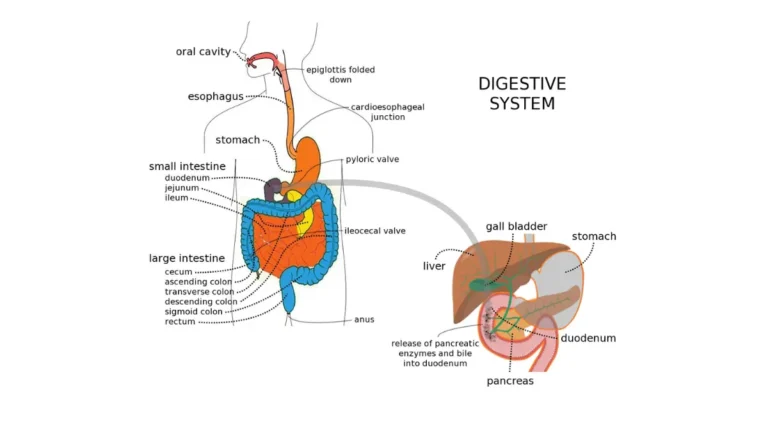
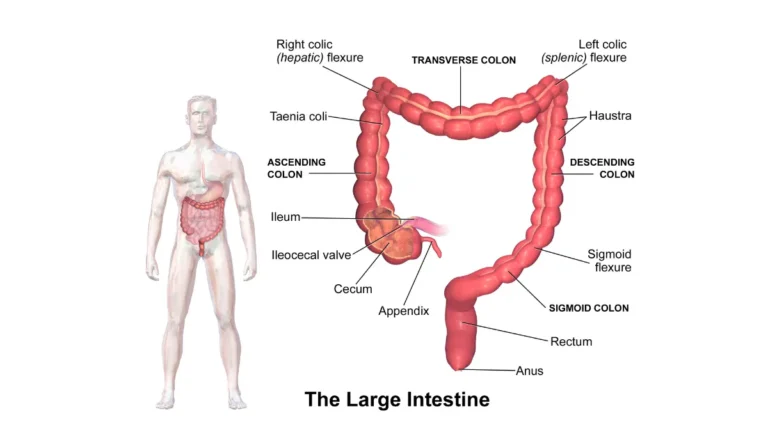
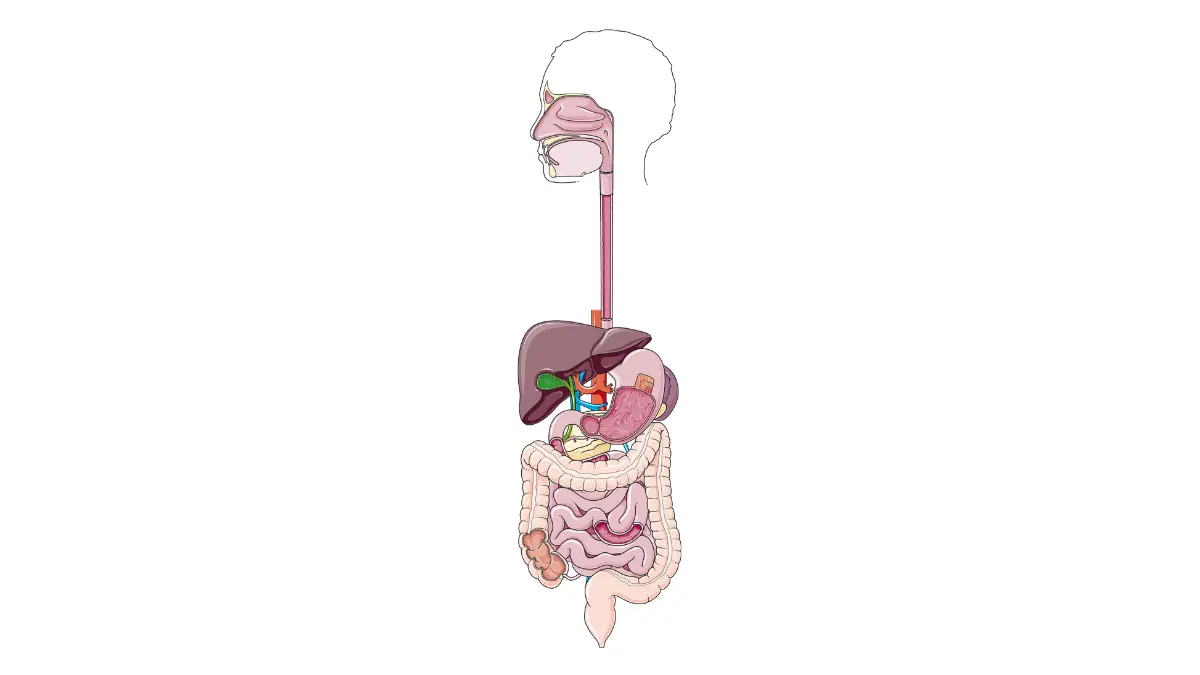
A colonoscopy is a direct look at the entire lining of the colon and rectum using a flexible tube with a camera on the end. Because the physician sees the tissue in real time, polyps found along the way can be removed during the same procedure. That removal step can stop a precancerous growth before it ever becomes cancer.
🔬 How It Works: The colonoscope is guided through the full length of the large intestine. If a polyp appears, the doctor passes a small instrument through the scope to remove it — a polypectomy — and sends it to pathology. Detection and treatment happen in one visit.
How Cologuard (and Cologuard Plus) works
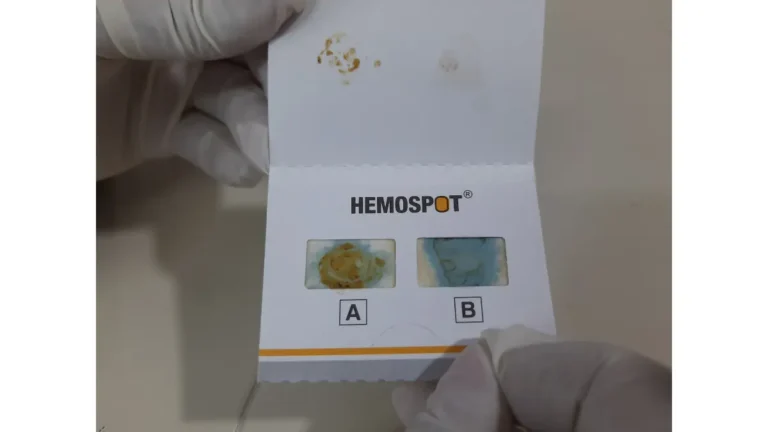
Cologuard is a multitarget stool DNA test you complete at home. You collect a stool sample, mail it to a lab, and the lab checks it for altered DNA markers and hemoglobin — blood — that can signal colorectal cancer or advanced polyps. It reads the footprints of disease in your stool; it does not look inside your colon and cannot remove anything.
🔬 How It Works: As polyps and tumors grow, they shed cells and tiny amounts of blood into the stool. Cologuard screens that sample for specific DNA changes and blood, then flags whether further evaluation is needed. A result is a signal, not a diagnosis.
Cologuard vs. Cologuard Plus: what changed
Cologuard Plus is the next-generation version of the test, approved by the FDA in October 2024 with refined markers and updated lab methods. It was built to detect cancer at least as well as the original while producing fewer false alarms — which means fewer unnecessary follow-up colonoscopies. Both are stool DNA tests for average-risk adults; Cologuard Plus is a refinement, not a different kind of test.
Accuracy head-to-head: what the numbers show
Colonoscopy is the gold standard and the only screening option that also removes polyps. Cologuard detects most colorectal cancers — about 92% with the original test and 95% with Cologuard Plus — but it misses more than half of advanced precancerous polyps.
| Test | Detects cancer | Detects advanced polyps | Specificity | Frequency | Removes polyps? | Best for |
|---|---|---|---|---|---|---|
| Colonoscopy | Reference standard (misses ~10%)¹ | Reference standard (misses ~10%)¹ | Reference¹ | Every 10 years | Yes | Anyone; the only preventive option; preferred at higher risk |
| Cologuard (original) | ~92%² | ~42%² | ~87%² | Every 3 years | No | Average-risk, no symptoms; at-home preference |
| Cologuard Plus | ~95%³ | ~43%³ | ~94%³ | Every 3 years | No | Average-risk wanting an at-home test with fewer false alarms |
| FIT | ~74%² | ~24%² | ~94%² | Every year | No | Average-risk wanting a low-cost annual option |
Sources: ¹ National Cancer Institute; ² DeeP-C trial (NEJM, 2014); ³ BLUE-C trial (NEJM, 2024). Colonoscopy is the reference test others are measured against, so a single “sensitivity” figure doesn’t apply the same way.
Cancer detection: how the tests compare
For finding cancer that’s already present, the gap between the tests is smaller than many people expect — Cologuard Plus detects roughly 95% of colorectal cancers, close to colonoscopy. The original Cologuard detects about 92%, and a standard FIT about 74%. On cancer detection alone, a completed stool test is a serious screening tool.
Precancerous polyps: the real gap
The decisive number isn’t cancer detection — it’s advanced-polyp detection, and that’s where stool tests fall short.
📊 Clinical Data Point: Cologuard’s sensitivity for advanced precancerous polyps is roughly 42–43%, meaning it misses more than half of them — Source: DeeP-C and BLUE-C trials (NEJM, 2014 and 2024).
Because colonoscopy finds and removes those polyps before they can turn cancerous, it does something no stool test can: it lowers the chance of ever developing colorectal cancer, not just the chance of missing one. You can read more about how polyps turn into cancer and why that step matters.
What “sensitivity” and “specificity” mean for you
Sensitivity is how often a test correctly catches disease that’s present; specificity is how often it correctly clears people who are healthy. A lower specificity means more false alarms — and every false alarm leads to a follow-up colonoscopy anyway. That’s part of why Cologuard Plus’s higher specificity (~94% vs. ~87%) is a meaningful upgrade.
🩺 Physician Note: A common point of confusion is treating a “highly accurate” cancer test as if it prevents cancer. It doesn’t. Guidelines count colonoscopy as both a screening and a prevention tool because it removes polyps — a stool test only detects, per the National Cancer Institute’s colorectal screening review.
Which test is right for you?
The right test depends on one thing first: your risk level. Stool tests are built for one specific group, and stepping outside it changes the answer.
If you’re at average risk with no symptoms
If you have no symptoms, no personal history of colorectal cancer or advanced polyps, and no strong family history, you’re at average risk — and both tests are legitimate options. The current guidelines recommend screening for average-risk adults aged 45 to 75, so if you’ve reached age 45, it’s time to start. For this group, screening even without symptoms is the entire point — colorectal cancer often causes none until it’s advanced.
If you’re at higher risk (and who that includes)
Stool DNA tests like Cologuard are designed for average-risk adults only. They are not appropriate if you:
- have had colorectal cancer or advanced polyps before
- have inflammatory bowel disease (Crohn’s disease or ulcerative colitis)
- have a first-degree relative with colorectal cancer
- carry a hereditary syndrome such as Lynch syndrome or familial adenomatous polyposis
- have current symptoms such as rectal bleeding or a lasting change in bowel habits
⚠️ Clinical Warning: In every situation above, a colonoscopy is the appropriate test — not a stool test. Your starting risk is higher, and Cologuard’s blind spot for advanced polyps matters far more. A stool test is a screening tool for healthy, symptom-free people; it is not a workup for symptoms or elevated risk.
A simple way to decide with your doctor
A negative Cologuard buys you three years before the next test, not the ten years a clean colonoscopy provides — so the “easier” test is also the more frequent one. If you’re unsure where you fall, you can gauge your risk factors before your appointment.
✅ Patient Action: Ask your primary care physician or gastroenterologist: “Based on my family history and any symptoms, am I truly average risk — and is an at-home stool test appropriate for me, or should I have a colonoscopy?” Current options are summarized in the USPSTF screening guidelines.
What to expect: prep, the test, and how often
Average-risk adults repeat a colonoscopy every 10 years or Cologuard every 3 years — and the two experiences could hardly be more different.
Doing a colonoscopy: prep, sedation, recovery
The honest barrier to colonoscopy isn’t the procedure — it’s the prep. The day before, you’ll follow a clear-liquid diet and drink a bowel-cleansing solution to empty the colon, which means a lot of time near a bathroom. You’ll usually receive sedation for the procedure itself, so you’ll need someone to drive you home, and most people are back to normal the next day. There are different bowel prep options worth discussing if dread of the prep is what’s holding you back.
Doing Cologuard: the at-home kit
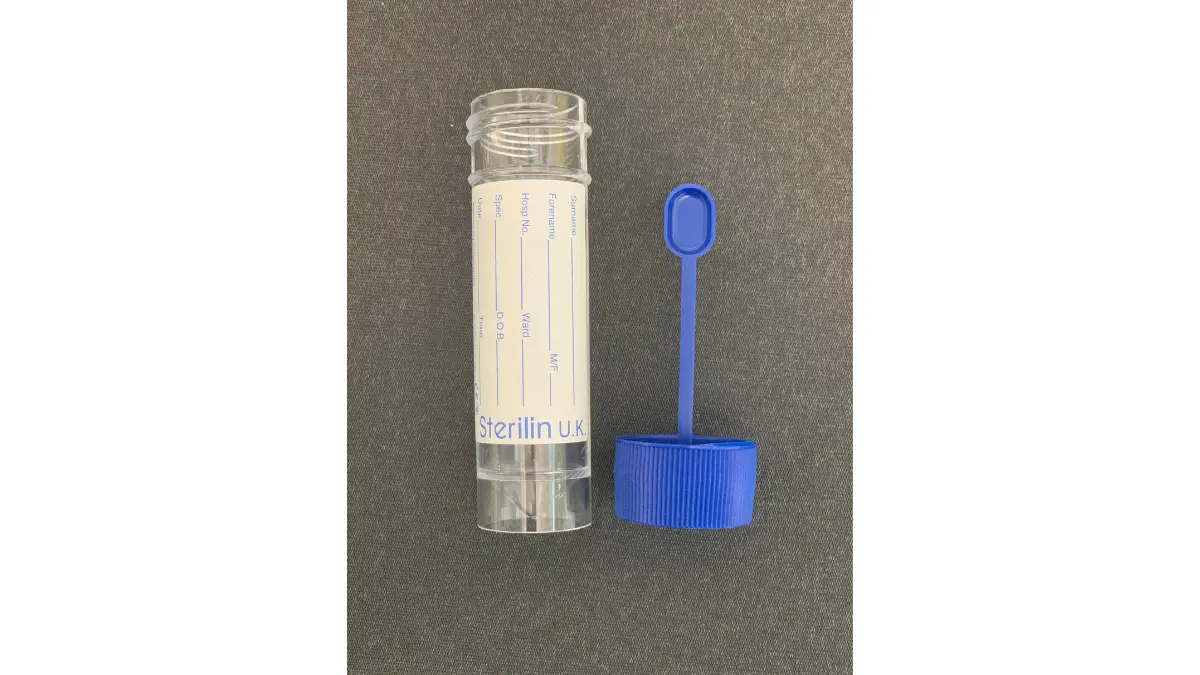
Cologuard’s appeal is its simplicity. There’s no bowel prep, no sedation, no diet change, and no time off work — you collect a single stool sample at home using the kit and mail it to the lab. For people who would otherwise skip screening entirely, that convenience is the whole advantage.
How often you’ll repeat each test
The trade-off behind the convenience is frequency and follow-up. A colonoscopy is a bigger day but a longer interval; a stool test is easy but repeated every three years, and any positive result still sends you for a colonoscopy. Serious complications from colonoscopy — such as bleeding or a tear in the colon wall — are uncommon, and your physician can walk you through your individual risk.
Cost, insurance, and the follow-up colonoscopy rule
For most average-risk adults, both tests are covered as preventive screening — but the rules around a positive result trip people up, and a lot of older information online is now wrong.
What each test costs and what’s covered
Under Medicare, a stool DNA test (Cologuard or Cologuard Plus) is covered every 3 years for average-risk adults aged 45 to 85 at no cost, and a screening colonoscopy is covered at no cost as well. Most private plans follow the same preventive-screening rules. Confirm the specifics with your own plan, since details vary.
What happens (and what you pay) if Cologuard is positive
A positive Cologuard result is not a cancer diagnosis — it means you need a follow-up colonoscopy to look directly and remove anything found. Crucially, under current federal rules that follow-up colonoscopy is covered with no cost-sharing.
📊 Clinical Data Point: A follow-up colonoscopy after a positive stool-based screening test is covered without cost-sharing — for Medicare beneficiaries effective January 2, 2023, and for most private plans for plan years on or after May 31, 2022 — per the American Cancer Society’s coverage summary.
Medicare and the no-cost follow-up rule
This corrects a widespread, outdated claim that a positive stool test triggers a “diagnostic” colonoscopy you have to pay full cost-sharing on. That changed. One narrow exception remains under Medicare: if a polyp is removed during the follow-up colonoscopy, you may owe a small coinsurance (about 15%) for the physician’s service.
✅ Patient Action: Before screening, call your insurer and ask: “If my stool test is positive, is the follow-up colonoscopy covered with no cost-sharing — and is anything owed if a polyp is removed?” Get the answer in writing.
Limits, false results, and when colonoscopy is non-negotiable
Both tests have limits worth understanding before you choose — and a few situations where a stool test is never the right call.
What Cologuard can miss (and what false results mean)
No screening test is perfect. The original Cologuard produced a false positive in about 13% of people without cancer or advanced polyps, and a false negative in about 8% of people who did have cancer. A negative result lowers the odds but does not rule out a precancerous polyp — which is why the three-year repeat interval exists.
Symptoms and situations that require a colonoscopy
⚠️ Clinical Warning: Rectal bleeding, a persistent change in bowel habits, unexplained weight loss, or iron-deficiency anemia are reasons for a diagnostic colonoscopy — not a screening stool test. These symptoms mean something needs to be looked at directly, and a stool test is not designed for that job.
If you notice any of these, treat them as a prompt to act rather than to wait for your next routine screening. You can review colon cancer symptoms and when a colonoscopy is needed for more detail.
✅ Patient Action: If you have rectal bleeding or a bowel-habit change lasting more than a couple of weeks, ask a gastroenterologist directly: “Do these symptoms mean I need a diagnostic colonoscopy rather than a screening test?”
Colonoscopy vs. Cologuard: frequently asked questions
1. Is Cologuard as good as a colonoscopy?
For detecting existing cancer, Cologuard Plus comes close — about 95% versus colonoscopy’s reference standard. But colonoscopy also removes precancerous polyps, while Cologuard misses more than half of advanced polyps. So in the colonoscopy vs. Cologuard comparison, they’re close on detection but not equal on prevention. Discuss which fits your risk with your doctor.
2. Can I do Cologuard instead of a colonoscopy?
If you’re at average risk with no symptoms, yes — Cologuard is an accepted alternative, repeated every 3 years. But a positive result always requires a follow-up colonoscopy, and higher-risk or symptomatic people should have a colonoscopy instead. Ask your physician whether you qualify as average risk before choosing.
3. How accurate is Cologuard?
The original Cologuard detects about 92% of colorectal cancers and 42% of advanced polyps, with roughly 87% specificity. Cologuard Plus improves on this at about 95% cancer detection and 94% specificity. Its weak spot remains advanced precancerous polyps, which it misses more than half the time.
4. What’s the difference between Cologuard and Cologuard Plus?
Cologuard Plus is the newer version, FDA-approved in October 2024, built with refined markers and improved lab methods. It detects cancer at least as well as the original Cologuard while producing fewer false positives — about 94% specificity versus 87% — which means fewer unnecessary follow-up colonoscopies. Both are at-home stool DNA tests for average-risk adults.
5. Who should not use Cologuard?
Cologuard isn’t appropriate if you’ve had colorectal cancer or advanced polyps, have inflammatory bowel disease, have a first-degree relative with colorectal cancer, carry a hereditary syndrome like Lynch syndrome, or have current symptoms. In all of these cases, a colonoscopy is the right test. Confirm your risk category with your physician.
6. How often do I need each test?
Average-risk adults repeat a colonoscopy every 10 years or Cologuard every 3 years. A standard FIT is done annually. A negative Cologuard does not extend you to the 10-year colonoscopy interval — the shorter three-year repeat is part of how stool-based screening works.
7. What happens if my Cologuard test is positive?
A positive Cologuard result is not a cancer diagnosis. It means abnormal DNA or blood was found and you need a follow-up colonoscopy to look directly and remove anything present. Under current federal rules, that follow-up colonoscopy is covered with no cost-sharing. Schedule it promptly and ask your doctor about timing.
8. Does Medicare or insurance cover Cologuard and colonoscopy?
Medicare covers Cologuard every 3 years for average-risk adults aged 45 to 85, and screening colonoscopy, at no cost. Most private plans follow the same preventive rules. A follow-up colonoscopy after a positive stool test is also covered without cost-sharing. Confirm exact details with your own plan.
9. Does Cologuard hurt or require prep?
No. Cologuard is a stool sample you collect at home with no bowel prep, no sedation, and no diet changes, then mail to a lab. This convenience is its main advantage over colonoscopy, which requires bowel preparation and usually sedation. Remember that a positive Cologuard still leads to a colonoscopy.
10. Can Cologuard miss cancer or polyps?
Yes. The original Cologuard missed about 8% of cancers and more than half of advanced precancerous polyps; Cologuard Plus improves cancer detection but still misses most advanced polyps. A negative result lowers your risk but doesn’t rule out a polyp — which is why repeat screening every 3 years matters. Follow your screening schedule.
11. Is colonoscopy or Cologuard better for high-risk patients?
Colonoscopy is the clear choice for higher-risk patients — those with a personal or family history of colorectal cancer, prior polyps, inflammatory bowel disease, or hereditary syndromes. Stool tests like Cologuard are validated only for average-risk, symptom-free adults. If you’re higher risk, ask a gastroenterologist about your colonoscopy schedule.
The bottom line — and your next step
The best screening test is the one the right person actually completes. For an average-risk, symptom-free adult who would otherwise put it off, a completed Cologuard beats an avoided colonoscopy — and Cologuard Plus narrows the cancer-detection gap further. But colonoscopy remains the most thorough option and the only one that prevents cancer by removing polyps, which is why it’s the right call for anyone at higher risk or with symptoms.
Your next step is simple: talk with your primary care physician or gastroenterologist about your personal risk and which test to schedule — then put it on the calendar.
About this content
How this article was put together: researched from recognised health sources, drafted with the help of AI tools, and edited by hand, with sources linked throughout.

Sameer Patel is the founder and editor of My Medicine Advisor. He is not a doctor or medical professional — before starting this site he worked in banking,…
Medical disclaimer
The content on MyMedicineAdvisor is provided for general informational and educational purposes only and is not a substitute for professional medical advice, diagnosis, or treatment. Health information on this website should not be used to diagnose, treat, cure, or prevent any condition without guidance from a qualified healthcare professional. Always seek the advice of your doctor, physician, or another licensed healthcare provider with any questions you may have regarding a medical condition, symptoms, medications, or treatment decisions.