
On This Page – Quick Medical Summary
If you just turned 45 — or your doctor said it’s time to get screened — you may be hoping there’s a way around the colonoscopy prep. There is more than one option, and the choice between a colonoscopy and a fecal immunochemical test (FIT) is a real, guideline-backed decision, not a shortcut to feel guilty about.
This guide is built for three readers. If you’re an average-risk adult deciding which test to request, the accuracy and cost sections matter most. If your FIT already came back positive, jump to what a positive result means. And if you have symptoms like rectal bleeding, start with the warning signs — screening is for people without symptoms.
Both tests are recommended starting at age 45, and both save lives. They simply work differently, with different trade-offs in accuracy, cost, and effort. For the bigger picture, see our full guide to colonoscopy prep, cost, and results, or read why screening now starts at 45.
ℹ️ Medical Disclaimer: This article is educational and does not diagnose disease, recommend a specific screening test, or replace personalized advice on accuracy, cost, insurance, or symptoms. Screening choices, follow-up of any abnormal result, and evaluation of symptoms should be made with a board-certified primary care physician or gastroenterologist who knows your history.
What a colonoscopy and a FIT test each actually do
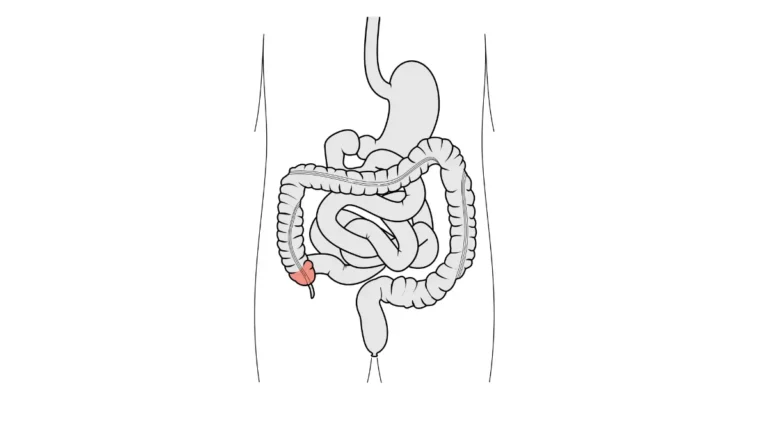
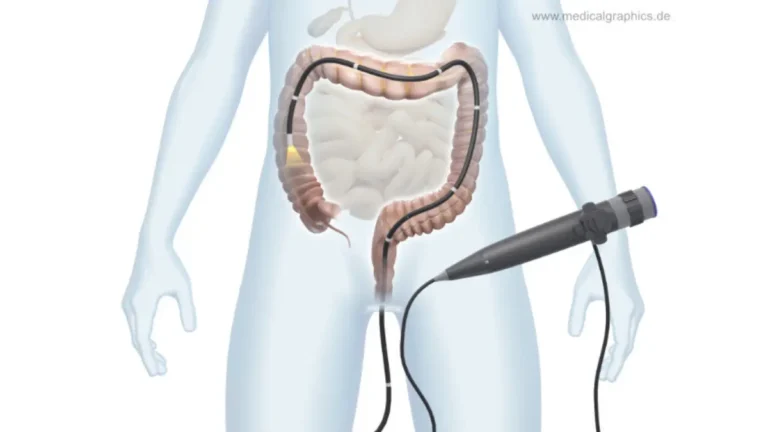
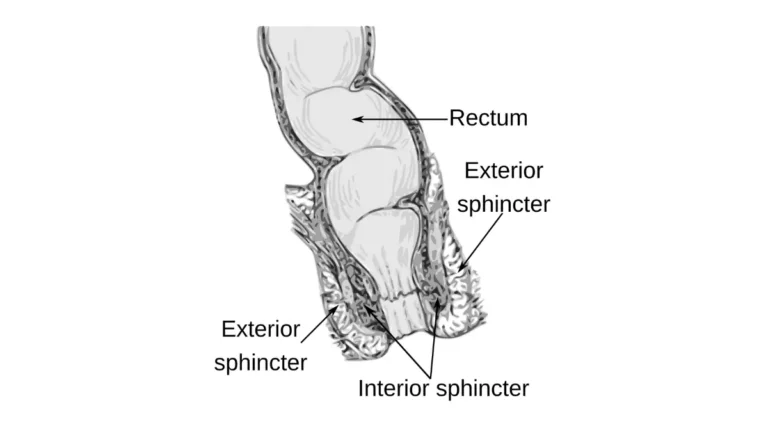
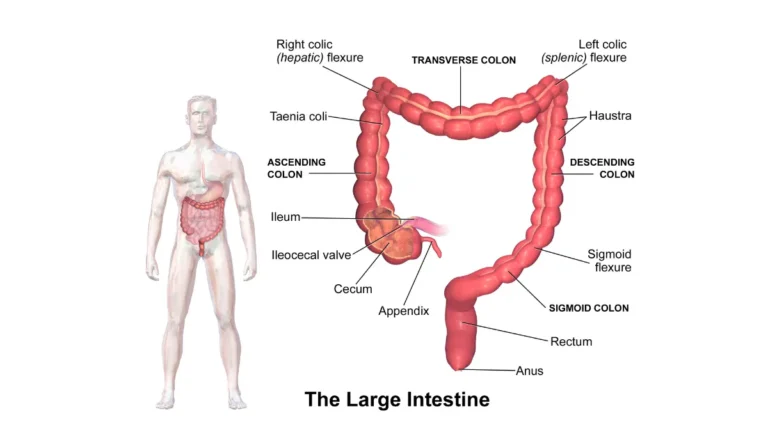
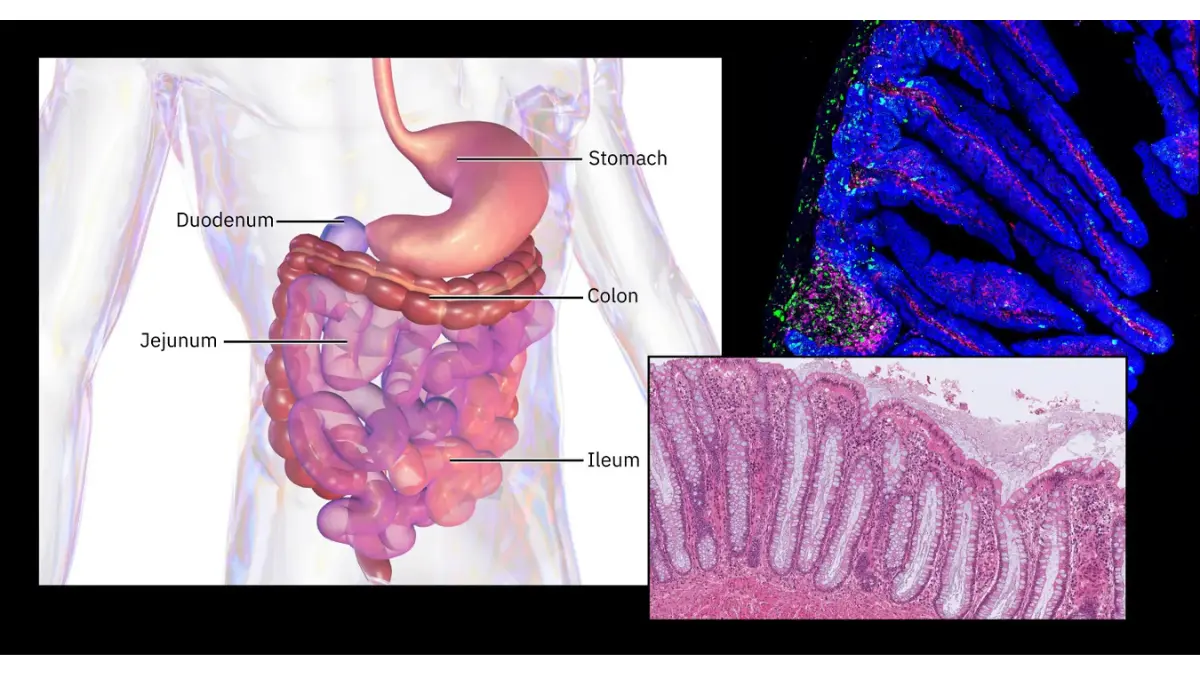
The clearest way to compare these tests is to understand what each physically does. A colonoscopy uses a thin, flexible tube with a camera to look directly at the entire lining of your colon and rectum. A FIT never looks at anything — it checks a stool sample for hidden blood that can signal a problem.
How a colonoscopy works
A gastroenterologist guides the scope through the full colon while you’re sedated. If they find a polyp — a small growth that can slowly turn into cancer — they can usually remove it in the same session. That’s the defining advantage: a colonoscopy finds and treats in one visit.
🔬 How It Works: Most colorectal cancers begin as polyps that grow silently over years. Removing a polyp during a colonoscopy interrupts that process before cancer can form, which is why the test can prevent cancer, not just detect it.
How a FIT test works
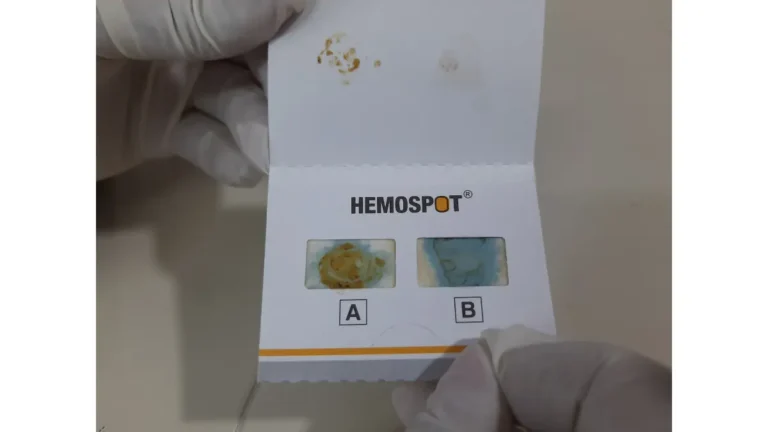
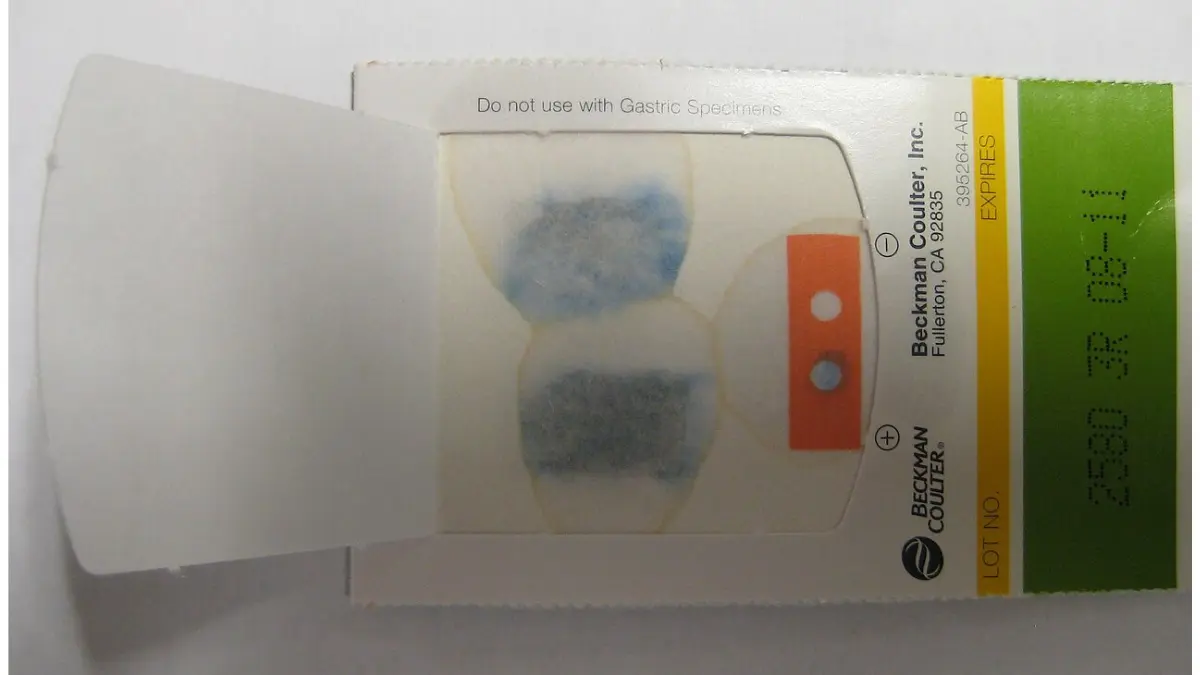
A FIT is done at home with no bowel prep, no sedation, and no diet changes. You collect a small stool sample and mail it to a lab, where antibodies detect human blood. A positive FIT doesn’t diagnose cancer — it flags that a colonoscopy is needed to find the cause. (FIT is one of several at-home stool tests; it works differently from the Cologuard stool-DNA test, and you can compare all the options in the CDC’s overview of colorectal cancer screening.)
Colonoscopy vs. FIT test accuracy: what the numbers show
Accuracy is where the real trade-off lives, and the honest answer has two parts. A single FIT detects roughly 79% of colorectal cancers, with specificity near 94% — but its ability to catch precancerous polyps is far lower, often under half. A colonoscopy is the reference standard other tests are measured against, detecting larger polyps (6 mm or more) in about 75–93% of cases and removing them in the same exam.
📊 Clinical Data Point: Pooled FIT sensitivity for colorectal cancer is about 79% (specificity ~94%). — Source: Annals of Internal Medicine meta-analysis, 2014.
| Test | Cancer detection | Finds & removes polyps? | How often | Best for |
|---|---|---|---|---|
| FIT (at-home stool test) | ~79% for cancer; much lower for precancer | Flags possible bleeding only — cannot remove anything | Every year | Average-risk adults who’ll test yearly and want no prep |
| Colonoscopy | Reference standard; ~75–93% for polyps ≥6 mm | Finds and removes polyps in one visit | Every 10 years (if normal) | Higher-risk people, or anyone wanting the most thorough one-and-done test |
Figures: Annals of Internal Medicine (2014); USPSTF Evidence Report (2016); American Cancer Society (2026). Accuracy varies by test brand, threshold, and bowel-prep quality.
How accurate is the FIT test?
FIT is good at what it’s designed for: finding cancers that are already bleeding. It’s weaker at flat or non-bleeding precancerous growths, which is why a single negative FIT isn’t a long-term clearance. You can read more on how polyps turn into cancer and in the National Cancer Institute’s screening summary.
Detecting cancer vs. preventing it
Because a colonoscopy removes polyps, it can lower your risk of ever developing colorectal cancer; a FIT mainly reduces deaths by catching cancer early. In a large head-to-head trial, both tests found similar numbers of cancers in the first round — but colonoscopy found more precancerous growths.
📊 Clinical Data Point: In a randomized trial of colonoscopy vs. FIT, first-round cancer detection was similar (0.1% in both groups), while more adenomas were found by colonoscopy. — Source: New England Journal of Medicine, 2012.
Cost, prep, and convenience: how the two tests compare
For many people the deciding factor isn’t accuracy — it’s cost and effort. A FIT costs about $24 and is done at home in minutes; a screening colonoscopy averages roughly $2,125 for insured patients and often $2,000–$3,500 without insurance.
📊 Clinical Data Point: Mean colonoscopy cost was about $2,125 (average out-of-pocket ~$79) in a large insured-population study; a FIT runs about $24 per test. — Source: Current Medical Research & Opinion (2021); Medicare-rate estimate (2023).
What insurance covers
Under the Affordable Care Act, recommended colorectal screening is covered with no out-of-pocket cost for eligible adults — one of several preventive services covered under the ACA. Recent rules also require that a follow-up colonoscopy after a positive stool test be covered as part of screening, removing a cost surprise that used to catch patients. Coverage details still vary, so confirm specifics with your plan before scheduling.
Prep, time, and how often
A colonoscopy means a day of bowel prep, sedation, and a ride home; a FIT requires none of that but must be repeated every year. Over a decade, that’s one colonoscopy versus about ten FITs — see how often you need a colonoscopy for the full schedule.
Many pharmacies and online retailers sell at-home FIT kits directly.
How to choose between a colonoscopy and a FIT test
The right choice depends on your risk level and, just as much, on the test you’ll actually complete. For average-risk adults with no symptoms, an annual FIT is a genuinely guideline-accepted option — not a second-rate one.
When a colonoscopy is the better choice
Choose a colonoscopy if you’re at higher-than-average risk: a personal or family history of colorectal cancer or polyps, inflammatory bowel disease, or a known genetic syndrome. It’s also the better fit if you’d rather have the most thorough test on a 10-year schedule and not think about it yearly.
When a FIT test is reasonable
A FIT is a sound choice for average-risk adults who’ll commit to testing every single year. The data backs this up: in a head-to-head trial, more people completed FIT than colonoscopy, and a completed FIT beats a colonoscopy you keep postponing — which is also why screening matters even without symptoms.
🩺 Physician Note: Current guidelines emphasize shared decision-making — the “best” test is partly the one you’ll keep doing on schedule. Screening rates rise when people are offered a choice rather than a single option.
If you have a family history
A family history changes your risk category and may mean starting earlier or testing more often. You can gauge your personal colorectal cancer risk before your visit.
✅ Patient Action: Ask your primary care clinician or a gastroenterologist: “Based on my personal and family history, am I average risk — and is an annual FIT appropriate, or should I have a colonoscopy?”
What a positive FIT test means and what happens next
A positive FIT result is unsettling, but it rarely means what people fear. It signals that blood was detected in the sample — not that you have cancer.
Does a positive FIT mean cancer?
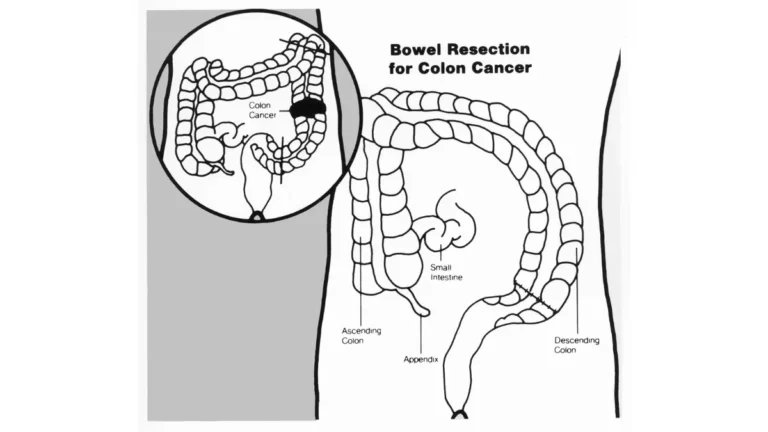
Most positive FIT results are not cancer; bleeding can come from polyps, hemorrhoids, or other benign causes. What a positive result does mean is that you need a colonoscopy to find the source. Guidelines now advise completing that follow-up colonoscopy promptly — within about six months — for screening to do its job.
Do I still need a colonoscopy if my FIT is negative?
A negative FIT is reassuring, but it’s only good for a year. Unlike a normal colonoscopy, which buys roughly a decade, one negative FIT must be repeated annually to keep working. And because FIT can miss some cancers, any new symptoms deserve evaluation regardless of a recent negative result — it helps to understand what each colonoscopy finding means if you do go on to have one.
✅ Patient Action: If your FIT is positive, ask your doctor to schedule a follow-up colonoscopy and to confirm it will be billed as a screening continuation, not a new diagnostic test.
Risks, false results, and symptoms that need a colonoscopy
An honest comparison includes the downsides. A colonoscopy is very safe, but it’s still a medical procedure with small risks — covered in depth in our guide to the risks of a colonoscopy.
📊 Clinical Data Point: Serious complications are uncommon: perforation occurs in roughly 0.5–0.9 per 1,000 colonoscopies and significant bleeding in about 1.6–2.4 per 1,000, both more likely when polyps are removed. — Source: population studies summarized by the ASGE (2019) and a 2025 meta-analysis.
Risks and limits of a FIT test
A FIT has no physical risk, but it has accuracy costs: false positives lead to colonoscopies that turn out negative, and false negatives can miss a real cancer. Its yearly schedule also depends entirely on you remembering to repeat it.
Symptoms that mean see a doctor now
Screening tests are for people without symptoms. If you have any of the colon cancer symptoms that warrant a colonoscopy, you need evaluation regardless of any stool test — don’t wait for routine screening:
- Rectal bleeding or blood in the stool
- A lasting change in bowel habits
- Unexplained weight loss
- Ongoing abdominal pain or cramping
- Iron-deficiency anemia found on bloodwork
⚠️ Clinical Warning: A negative FIT does not rule out cancer if you have symptoms. Bleeding, persistent bowel changes, or unexplained weight loss warrant prompt evaluation, not reassurance from a screening test. If you’re unsure, check whether your symptoms need evaluation and contact your clinician.
Frequently asked questions
1. Is a colonoscopy better than a FIT test?
A colonoscopy is the reference standard and the only common test that removes polyps in the same visit, so it can prevent cancer; a FIT is less invasive and catches most cancers but fewer precancers. For average-risk adults, the best test is often the one you’ll actually complete. Discuss your risk with your clinician.
2. Can I do a FIT test instead of a colonoscopy?
Yes — for average-risk adults with no symptoms, an annual FIT is a guideline-accepted alternative to a colonoscopy. People with a family history, prior polyps, inflammatory bowel disease, or symptoms should have a colonoscopy. Confirm your risk level with your doctor before deciding.
3. How accurate is the FIT test compared to a colonoscopy?
A single FIT detects roughly 79% of colorectal cancers with about 94% specificity, but far fewer precancerous polyps. A colonoscopy is the reference standard and finds polyps 6 mm or larger in about 75–93% of cases, removing them at the same time.
4. Does a positive FIT test mean I have cancer?
No. A positive FIT means blood was detected; most positive results are not cancer and can stem from polyps or hemorrhoids. The next step is a colonoscopy to find the cause, ideally within six months. Schedule it promptly and review results with your doctor.
5. How much does a FIT test cost vs a colonoscopy?
A FIT runs about $24 and is repeated yearly; an insured colonoscopy averages around $2,125 (about $2,000–$3,500 uninsured) and is done every 10 years if normal. Recommended screening is generally covered with no out-of-pocket cost — confirm details with your plan.
6. Is a FIT test or colonoscopy covered by insurance?
Under the Affordable Care Act, recommended colorectal screening tests are covered without out-of-pocket cost for eligible adults, and a follow-up colonoscopy after a positive stool test is now covered as part of screening. Coverage can still vary, so check with your insurer beforehand.
7. Does the FIT test detect polyps?
A FIT detects hidden blood, not polyps directly, so it misses most non-bleeding precancerous polyps. A colonoscopy both finds and removes polyps, which is how it lowers cancer risk over time. Ask your clinician which approach fits your situation.
8. Do I still need a colonoscopy if my FIT is negative?
A negative FIT must be repeated every year to stay effective — it isn’t a 10-year clearance like a normal colonoscopy. And persistent symptoms warrant evaluation regardless of a negative FIT result. See your doctor promptly if any warning signs appear.
9. How often do I need each test?
If results are normal, a colonoscopy is repeated every 10 years and a FIT every year. Intervals shorten if polyps are found or your risk is higher. Your clinician will set your schedule based on your results and history.
10. What are the risks of a colonoscopy vs a FIT test?
Colonoscopy risks are uncommon: perforation about 0.5–0.9 per 1,000 and bleeding about 1.6–2.4 per 1,000, higher when polyps are removed. A FIT’s main risks are false positives and false negatives. Discuss your personal risk with your doctor.
11. At what age should I start screening?
For average-risk adults, colorectal screening is recommended starting at age 45 — whether with a colonoscopy, a FIT, or another accepted test. People at higher risk may need to start earlier. Ask your clinician when you should begin.
Making your decision
The worst colorectal screening choice is the one you skip. Between a colonoscopy and a FIT, there’s no universally “right” answer — there’s the right answer for your risk level and your willingness to keep up with testing.
If you’re average risk and will test every year, a FIT is a legitimate, lower-effort path. If you’re higher risk, want polyps removed in the same visit, or prefer a once-a-decade test, a colonoscopy is the stronger choice. Either way, bring your questions to a clinician — and explore our full guide to colonoscopy prep, cost, and results to go deeper.
About this content
How this article was put together: researched from recognised health sources, drafted with the help of AI tools, and edited by hand, with sources linked throughout.

Sameer Patel is the founder and editor of My Medicine Advisor. He is not a doctor or medical professional — before starting this site he worked in banking,…
Medical disclaimer
The content on MyMedicineAdvisor is provided for general informational and educational purposes only and is not a substitute for professional medical advice, diagnosis, or treatment. Health information on this website should not be used to diagnose, treat, cure, or prevent any condition without guidance from a qualified healthcare professional. Always seek the advice of your doctor, physician, or another licensed healthcare provider with any questions you may have regarding a medical condition, symptoms, medications, or treatment decisions.