
On This Page – Quick Medical Summary
Colon cancer in young adults is no longer rare enough to wave away. About one in five new colorectal cancer cases now occurs in people under 55 — nearly double the rate seen in 1995. If you found this page because something feels off, or because someone close to you was diagnosed young, your concern is reasonable.
Where you focus next depends on your situation. If you are under 45 and noticing rectal bleeding or a change in your bowel habits, the warning-signs section and the “don’t wait” section are written for you. If you feel well but have a family history of colorectal cancer or polyps, the screening-by-risk section explains the exact age you may need to start. And if you are simply trying to understand why this is happening to younger people, the next two sections lay out what the data shows.
ℹ️ Medical Disclaimer: This article is general health education, not a diagnosis, screening order, or treatment plan. Decisions about colon cancer screening, interpreting symptoms, genetic-risk testing, and any procedure or insurance question should be made with a board-certified primary care physician or gastroenterologist who knows your history. Seek prompt medical care for persistent rectal bleeding, unexplained anemia, or a sustained change in bowel habits.
What “early-onset” colon cancer means and why it’s rising
Early-onset colon cancer is the same disease diagnosed at a younger-than-expected age. Doctors define early-onset colorectal cancer as colon or rectal cancer diagnosed before age 50, sometimes called young-onset disease.
What counts as early-onset colon cancer?
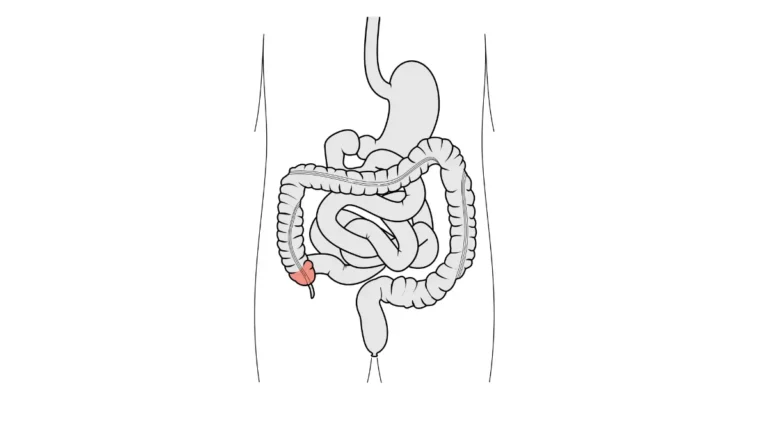
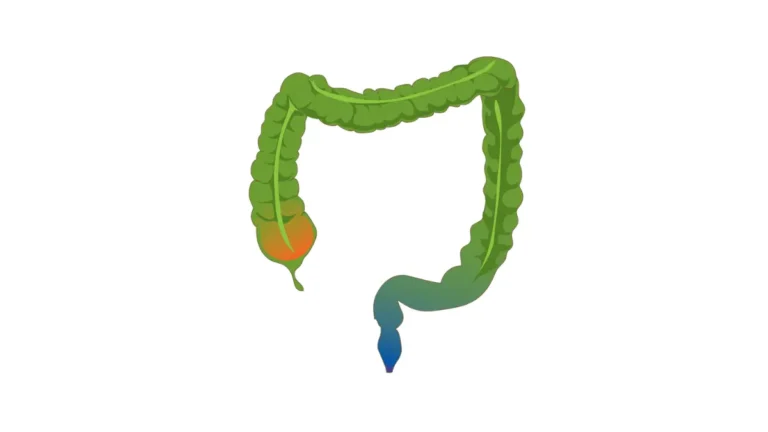
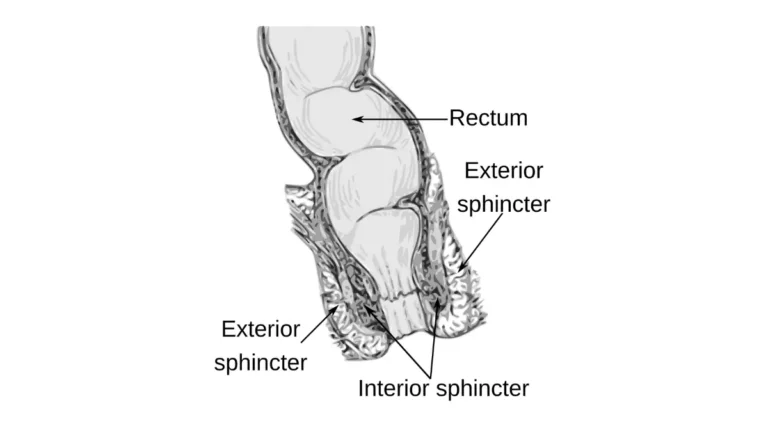
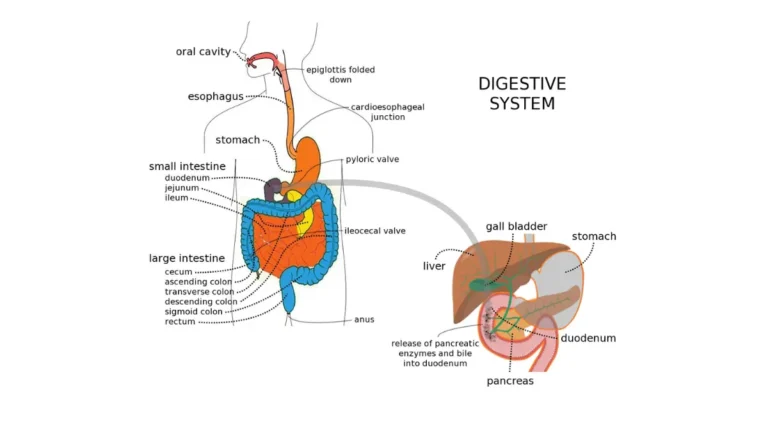
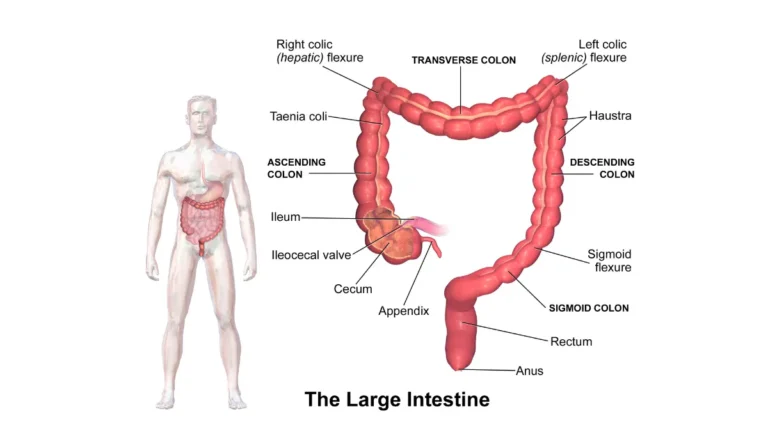
The label is about age at diagnosis, not a different cancer. The recent rise in younger patients is concentrated in the sigmoid colon — the lower segment closest to the rectum — and in the rectum itself. That distal pattern is part of why bleeding and bowel-habit changes show up as early clues.
Why are rates going up in younger people?
The honest answer is that researchers do not fully know. The cause remains unexplained but likely reflects shifts in lifestyle exposures beginning with generations born around 1950. Most early-onset cancers develop from growths called colon polyps that change over time, and are usually not caused by an inherited disorder.
🔬 How It Works: Most colorectal cancers begin as a benign polyp on the bowel lining. Over years, some adenomatous polyps accumulate genetic changes and turn cancerous. Because this happens slowly and often silently, removing a polyp during screening can stop a cancer before it ever forms.
How common is colon cancer in young adults, really?
The trend is real and moving in the opposite direction from older age groups. This section gives the verified numbers and the reason younger patients are too often diagnosed late.
The numbers behind the rise
The divergence by age is striking. Colorectal cancer incidence is rising about 3% per year in people aged 20 to 49, while it falls roughly 2.5% per year in those 65 and older.
📊 Clinical Data Point: Colorectal cancer incidence is increasing ~3% per year in adults aged 20–49 — Source: American Cancer Society, Colorectal Cancer Statistics 2026.
To put a generation in context, people born around 1990 are roughly twice as likely to develop colon cancer and about four times as likely to develop rectal cancer as people born in 1950. The trend has consequences: colorectal cancer is now the leading cause of cancer death in men under 50 and the second leading cause in women that age, up from fourth in the late 1990s. You can review the underlying figures in the American Cancer Society’s latest colorectal cancer statistics.
Why younger patients are diagnosed later
Younger adults are not routinely screened, so symptoms are usually the first signal. As a result, most young patients are diagnosed with stage III or stage IV disease, when treatment is harder. That later-stage pattern — not a more aggressive tumor type — is the central reason awareness matters at this age, and why outcomes generally improve the earlier the disease is found.
Warning signs of colon cancer young adults shouldn’t ignore
If you take one thing from this page, make it this section. Researchers have identified a specific cluster of symptoms tied to early-onset disease, and the most important one is frequently mistaken for something harmless.
The four signs research links to early-onset colon cancer
A large study published in the Journal of the National Cancer Institute identified four signs more common in people who later developed early-onset colorectal cancer:
- Rectal bleeding or blood in or on the stool
- Abdominal pain that does not resolve
- Diarrhea or a persistent change in bowel habits
- Unexplained iron-deficiency anemia
Having just one of these signs was linked to roughly twice the likelihood of an early-onset diagnosis, and having three or more to about six times the likelihood. You can read the four warning signs researchers identified at the National Cancer Institute, or run your own list through our symptom checker to organize what to raise with a clinician.
When rectal bleeding is more than hemorrhoids
Bleeding gets dismissed because hemorrhoids are common and usually harmless. But the signal is strong enough to take seriously on its own. In adults under 50, rectal bleeding raised the odds of a colorectal cancer diagnosis by 8.5 times in one 2025 analysis, and about 70% of young patients diagnosed had no family history at all.
📊 Clinical Data Point: In adults under 50, rectal bleeding was associated with 8.5× higher odds of a colorectal cancer diagnosis — Source: American College of Surgeons Clinical Congress, 2025.
How long is too long to wait?
A few days of a minor change is not an emergency. A pattern that persists is the threshold that matters. If any of these symptoms last more than a few weeks, contact a health care provider rather than waiting. For a deeper look at how these symptoms present at this age, see our guide to colon cancer symptoms in adults under 50.
✅ Patient Action: If you have had rectal bleeding or a bowel-habit change lasting more than a few weeks, ask your primary care physician or a gastroenterologist directly: “Given these symptoms, do I need a diagnostic colonoscopy even though I’m under 45?”
When you should be screened before 45
Screening starts at 45 for average risk — but “average risk” excludes a large group of people who should start earlier. For people with a family history, screening is recommended at age 40, or 10 years before the youngest relative’s diagnosis age, whichever comes first. Here is how the tiers break down.
Average risk: why 45 is the new 50
The standard age dropped in response to the rising trend. In May 2021 the U.S. Preventive Services Task Force lowered the recommended screening start age from 50 to 45, a change the American Cancer Society had already recommended in 2018. If you want the background on that shift, see why screening guidelines moved to age 45.
Family history: the age-40-or-earlier rule
A close relative’s diagnosis changes your timeline. First-degree relatives — a parent, sibling, or child — of someone with colorectal cancer have two to three times the general-population risk.
| Your situation | When to start | Key clinical detail |
|---|---|---|
| Average risk, no special factors | Age 45 | USPSTF (2021) and ACS (2018) recommendation |
| One first-degree relative diagnosed before 60, or two at any age | Age 40, or 10 years before the youngest case | Whichever comes first |
| Lynch syndrome (inherited) | Age 20–25, then every 1–2 years | Or 2–5 years before the earliest family cancer |
| Familial adenomatous polyposis (FAP) | Around age 10 to mid-20s | Lifetime risk approaches ~100% untreated |
| Inflammatory bowel disease (Crohn’s, ulcerative colitis) | Earlier than 45 — interval set by your specialist | Risk rises with disease duration |
Source: USPSTF (2021), American Cancer Society, NCCN-derived guidance, and AAFP. Confirm your personal start age and interval with a clinician.
Lynch syndrome, FAP, and IBD: screening in your 20s
A minority of cases trace to an inherited syndrome, and those people need the earliest surveillance. About 5% to 7% of colorectal cancer patients inherited a gene mutation that sharply raised their lifetime risk. Lynch syndrome alone accounts for roughly 3% of all colon cancers, and guidelines recommend Lynch-syndrome carriers begin colonoscopy at age 20 to 25 and repeat it every one to two years. A free genetic risk assessment can help you organize your family history before that conversation.
🩺 Physician Note: Current guidelines stress that screening age is set by your highest single risk factor, not an average of them. One relative diagnosed young, or a known syndrome, can move your start date into your 20s or 30s — which is exactly why mapping your family history before a visit matters. The CDC’s screening guidance for people with a family history reflects the same tiered approach.
✅ Patient Action: Bring a written family history to your appointment and ask your primary care physician or a genetic counselor: “Based on my relatives’ diagnoses, what start age and test interval apply to me, and should I be evaluated for Lynch syndrome or FAP?”
How to get screened — your options and next steps
You have more than one screening path, and the right one depends on your risk and your preferences. This section covers the menu and what to do if you are under the standard age.
Colonoscopy vs. at-home stool tests
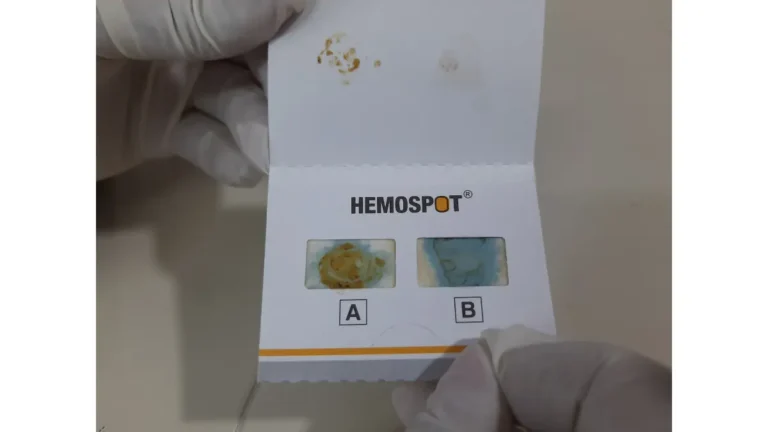
The main options fall into two groups. Approved methods include colonoscopy, the fecal immunochemical test (FIT), a multi-target stool DNA test, flexible sigmoidoscopy, and CT colonography. Colonoscopy holds a unique advantage: it is both diagnostic and therapeutic, because a doctor can remove precancerous polyps during the same procedure.
🔬 How It Works: A colonoscopy threads a flexible camera through the colon so the physician can see the lining directly. If a polyp is found, it is removed on the spot and sent to pathology — which is why colonoscopy can prevent cancer, not just detect it. Removing those growths is significant because polyps account for the large majority of colorectal cancers.
For the full walkthrough, see the pillar guide on what a colonoscopy involves from prep to results, our step-by-step colonoscopy prep guide, and a side-by-side of colonoscopy versus the FIT stool test.
What to do next if you’re under 45
Cost and coverage are real concerns at this age, and the rules have gaps. Preventive screening that carries a top USPSTF rating is covered by most plans without cost-sharing, though coverage for a follow-up colonoscopy after a positive stool test has been applied inconsistently. You can review screening uptake among adults 45 to 49 and learn what each colonoscopy result means before you go.
Don’t wait for an age milestone — when symptoms override screening rules
Screening schedules are built for people who feel fine. They are not the rule when something is already wrong.
Symptoms beat the screening calendar
This is the distinction that saves time. Screening is designed for people without symptoms — if symptoms appear, the age cutoff no longer applies and the situation calls for diagnostic evaluation instead. In one analysis, 88% of young patients diagnosed had a colonoscopy because of symptoms, not routine screening.
⚠️ Clinical Warning: Persistent rectal bleeding, unexplained iron-deficiency anemia, or a sustained change in bowel habits warrants prompt evaluation regardless of your age — do not wait until 45. These symptoms usually have benign causes, but they should be checked rather than assumed.
Why young patients face diagnostic delays
Delays happen partly because neither patients nor clinicians expect this disease in younger people. Many early-onset cancers are still detected in emergency rooms after significant diagnostic delays. Knowing this is the reason to advocate for yourself if symptoms are dismissed.
✅ Patient Action: If a clinician attributes ongoing rectal bleeding to hemorrhoids without examining further, ask plainly: “Can we rule out colorectal cancer with a colonoscopy before we settle on hemorrhoids?”
Frequently asked questions about colon cancer in young adults
1. At what age should you get screened for colon cancer?
For average risk, screening starts at 45 under current USPSTF and ACS recommendations. With a family history of colorectal cancer, it begins at 40 or 10 years before the youngest relative’s diagnosis, whichever is first. Inherited syndromes call for even earlier screening. Confirm your personal start age with your physician.
2. Can you get colon cancer in your 20s or 30s?
Yes. Colon cancer in young adults is rising, and the disease occurs in people in their 20s, 30s, and 40s. It is still less common than in older adults, but rates in people aged 20 to 49 are increasing about 3% per year, so symptoms at any age deserve attention.
3. What are the first signs of colon cancer in young adults?
Research links four signs to early-onset colorectal cancer: rectal bleeding, abdominal pain that does not resolve, diarrhea or a change in bowel habits, and unexplained iron-deficiency anemia. Rectal bleeding carries the strongest association. If any persist beyond a few weeks, see a clinician.
4. Why is colon cancer increasing in young adults?
The cause is not fully established. Experts believe it reflects lifestyle exposures that began with generations born around 1950, and most early-onset cancers develop from polyps rather than inherited disorders. The increase is concentrated in the sigmoid colon and rectum.
5. Should I get screened before 45 if I have a family history?
Often, yes. One first-degree relative diagnosed before 60, or two at any age, generally means starting at 40 or 10 years before the youngest case. First-degree relatives carry two to three times the average risk. Discuss your specific family history with your physician or a genetic counselor.
6. Is rectal bleeding always a sign of colon cancer?
No. Rectal bleeding usually comes from benign causes like hemorrhoids. But in adults under 50 it was associated with 8.5 times higher odds of a colorectal cancer diagnosis, so it should be evaluated rather than assumed — especially if it persists or comes with other symptoms.
7. What screening tests are available besides colonoscopy?
Approved options include the fecal immunochemical test (FIT), a multi-target stool DNA test, flexible sigmoidoscopy, and CT colonography. Colonoscopy remains unique because polyps can be removed during the same procedure. The best choice depends on your risk level, which your clinician can help determine.
8. How do I know if I have Lynch syndrome?
Lynch syndrome is diagnosed through genetic testing, usually prompted by a strong family history of colorectal or related cancers, often diagnosed young. It accounts for roughly 3% of colon cancers. A genetic counselor can assess whether testing is appropriate for you and guide next steps.
9. Does insurance cover colon cancer screening before 45?
Screening with a top USPSTF rating is generally covered without cost-sharing, but follow-up colonoscopy after a positive stool test has been covered inconsistently. Earlier screening based on family history may have different rules. See our guide on whether a colonoscopy is free, and confirm specifics with your insurer.
10. What’s the survival outlook for young adults with colon cancer?
Outcomes depend heavily on the stage at diagnosis, and younger patients are more often found at a later stage because they are not routinely screened. Earlier detection generally improves the outlook. For a precise prognosis based on your specific stage and situation, speak with an oncologist.
11. Can lifestyle changes lower my risk of colon cancer?
They can help. Staying physically active, limiting red meat and avoiding processed meat, limiting alcohol, and not using tobacco are all associated with lower colorectal cancer risk. These steps reduce risk but do not replace screening, which remains the most effective tool for prevention and early detection.
The bottom line on screening before 45
Colon cancer in young adults is rising, but two things are within your control. First, you can find out your real start age: average risk means 45, a family history usually means 40 or earlier, and an inherited syndrome can mean your 20s. Second, you can treat symptoms as reason to act regardless of the calendar — rectal bleeding, unexplained anemia, or a lasting bowel-habit change deserve evaluation now, not at a future birthday. Map your family history, note any persistent symptoms, and bring both to your primary care physician or a gastroenterologist to decide on screening together.
About this content
How this article was put together: researched from recognised health sources, drafted with the help of AI tools, and edited by hand, with sources linked throughout.

Sameer Patel is the founder and editor of My Medicine Advisor. He is not a doctor or medical professional — before starting this site he worked in banking,…
Medical disclaimer
The content on MyMedicineAdvisor is provided for general informational and educational purposes only and is not a substitute for professional medical advice, diagnosis, or treatment. Health information on this website should not be used to diagnose, treat, cure, or prevent any condition without guidance from a qualified healthcare professional. Always seek the advice of your doctor, physician, or another licensed healthcare provider with any questions you may have regarding a medical condition, symptoms, medications, or treatment decisions.