
On This Page – Quick Medical Summary
If you have a colonoscopy scheduled, the prep — not the procedure — is what most people dread, and the “drink a gallon of liquid” reputation is why. There is now a pill option, SUTAB, alongside the liquid preps, and the real question is which one fits you.
This guide routes you fast. If you struggle with the taste or volume of liquid prep, read the next section on what SUTAB is and how it compares. If cost or insurance is your concern, go to the comparison table and the section on choosing a prep. If you have kidney disease, a heart-rhythm condition, diabetes, or take regular medications, read the safety section closely and confirm your choice with your prescriber. If you just want to know how the pill is taken, the dosing section covers it.
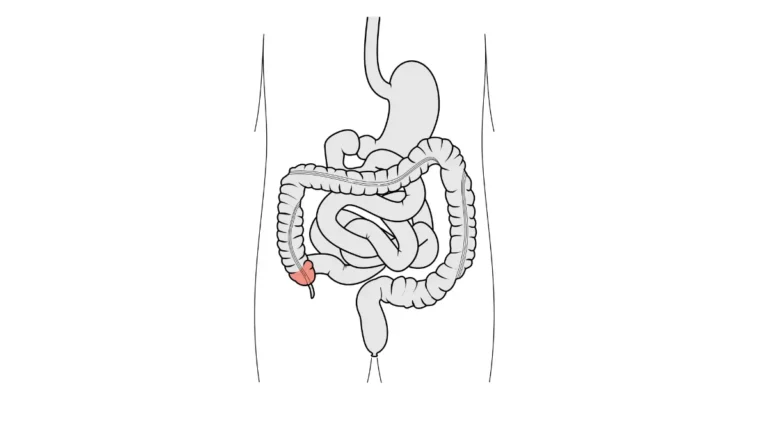
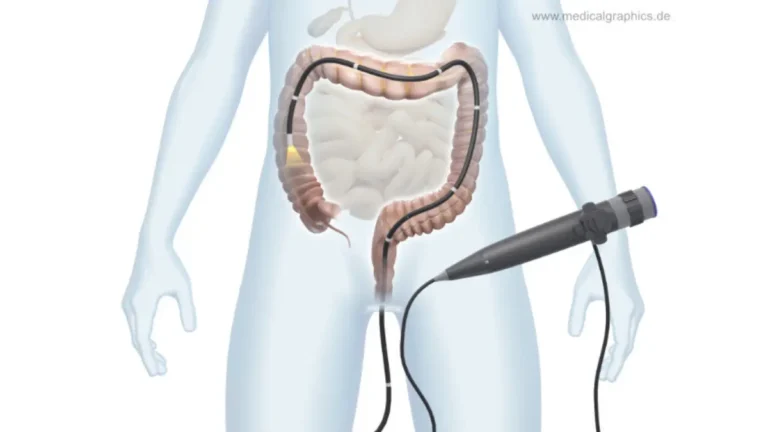
Every option here is a bowel preparation that empties the colon so the camera can see clearly. Your prescribing clinician chooses and approves your prep; this article helps you ask better questions. For the full picture, see our complete guide to colonoscopy prep, cost, and results and the MedlinePlus overview of colonoscopy.
ℹ️ Medical Disclaimer: This article is general health education, not medical advice, diagnosis, or a treatment or medication recommendation. Bowel-prep products carry real risks, and whether one is safe for you — and how to take it — depends on your health and other medicines. Always follow the written instructions from your prescribing clinician and endoscopy center, and consult a board-certified gastroenterologist before starting any prep.
What SUTAB is and how the pill prep works
SUTAB is the first tablet colonoscopy prep the FDA approved in over a decade, cleared in 2020 as an alternative to liquid solutions. It is made by Braintree Laboratories (Sebela Pharmaceuticals), maker of the liquid prep Suprep.
What’s actually in SUTAB
Each tablet combines three salts: sodium sulfate, magnesium sulfate, and potassium chloride. A full prep is 24 tablets, taken as two doses of 12 — never all at once.
📊 Clinical Data Point: SUTAB comes as two bottles of 12 tablets; 24 tablets make one complete prep — Source: FDA SUTAB prescribing information (2020).
How the tablets clean out the colon
SUTAB is an osmotic laxative, the same mechanism the liquid preps use.
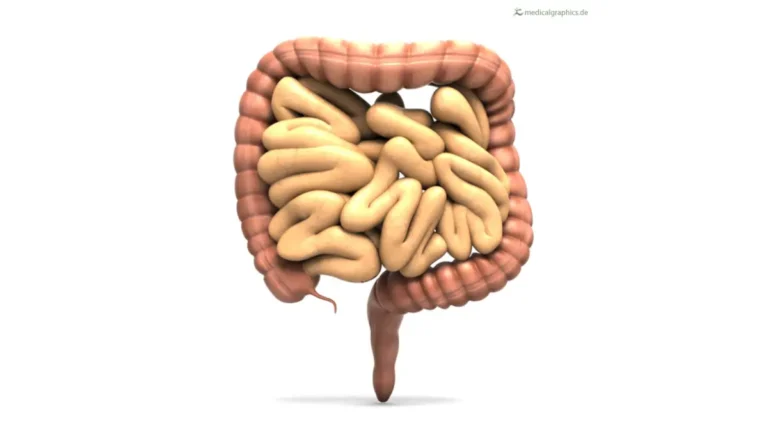
🔬 How It Works: The salts are poorly absorbed by the gut, so they pull a large amount of water into the colon. That water softens and flushes out stool, clearing the colon lining so polyps are visible during the exam.
The tablets replace the solution but not the water, so you still drink a substantial amount with each dose. The full label is in the FDA prescribing information for SUTAB.
Pill vs liquid prep: how the main options compare
Most colonoscopy preps are liquid, mixed from powder or concentrate and taken as a split dose; SUTAB is the main tablet alternative. They differ in form, how much liquid you drink, FDA status, and cost.
The main prep types at a glance
| Prep | Form & FDA status | Liquid to drink | Approx. cash cost* | Best suited for |
|---|---|---|---|---|
| SUTAB | Tablets; FDA-approved | 24 tablets + ~48 oz water per dose | ~$200–280 | People put off by the taste or volume of liquid who can swallow tablets |
| Suprep | Liquid, sulfate-based; FDA-approved | Two 6-oz doses diluted to ~32 oz each | Brand ~$124–170; generic ~$35–75 | People who want a lower-volume liquid with broader coverage |
| MoviPrep | Liquid, low-volume PEG; FDA-approved | ~2 L plus extra clear fluids | Varies by pharmacy | People who tolerate PEG and prefer a mid-volume option |
| GoLYTELY / NuLYTELY | Liquid, high-volume PEG; FDA-approved | ~4 L (about 1 gallon) | Generic ~$15–40; widely covered | People prioritizing low cost and coverage |
| MiraLAX + Gatorade | Powder in a sports drink; not FDA-approved for prep (off-label) | ~64 oz Gatorade plus extra fluids | OTC ~$20–30 | People whose doctor specifically directs this off-label regimen |
Approximate cash prices; they vary by pharmacy, insurance, and coupons. Sources: FDA labels; SingleCare, GoodRx, Medfinder pricing (2026).
How SUTAB differs from Suprep
Suprep and SUTAB share a maker and the same sulfate salts, but Suprep is a solution you mix with water while SUTAB is swallowed as tablets. For someone whose barrier is the taste of liquid prep, that is the whole point.
Where the over-the-counter options fit
A MiraLAX-and-Gatorade regimen is common but not FDA-approved specifically for colonoscopy prep — it is off-label and clinician-directed. Use it only if your doctor prescribes that approach, following their instructions rather than a generic recipe.
Which prep cleans best? What the evidence shows
“Best” means the prep that reliably empties the colon and that you can finish. On the first measure, the pill performs well.
How well SUTAB cleans the colon
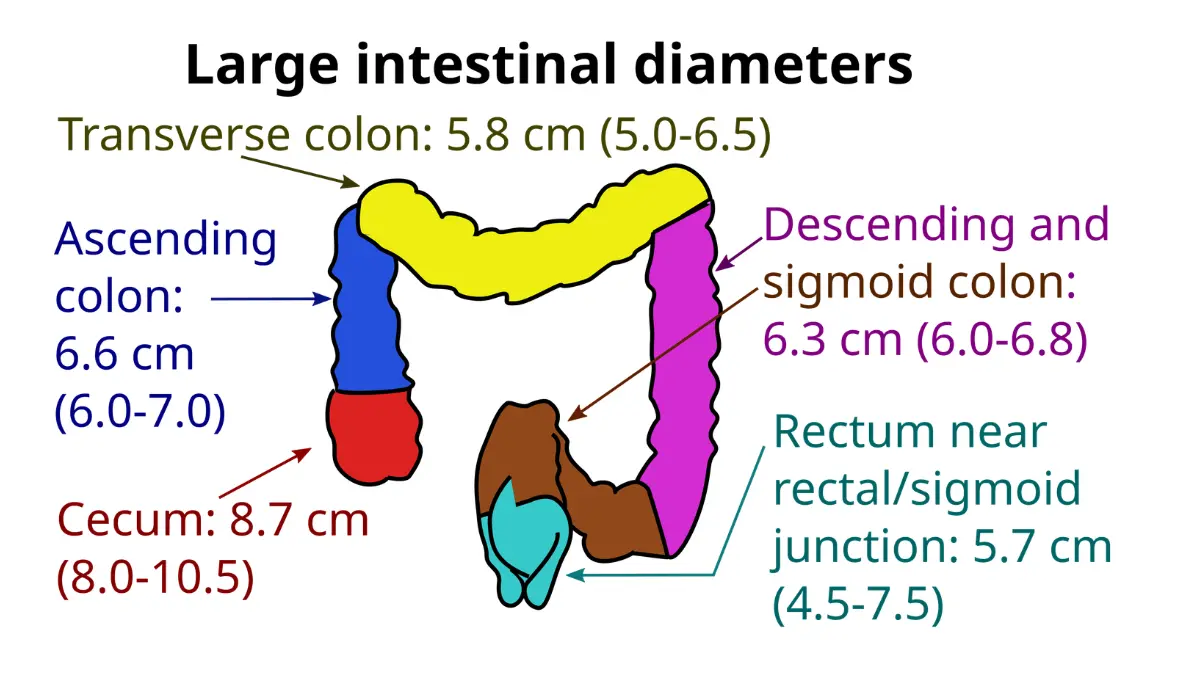
In its two pivotal trials, about 92% of patients achieved successful bowel cleansing, and 92–95% had success across all colon segments, including the hard-to-reach proximal colon.
📊 Clinical Data Point: In a Phase 3 trial of 941 patients, SUTAB was non-inferior to a polyethylene glycol–ascorbate liquid prep (92.4% vs 89.3% cleansing success) — Source: SUTAB pivotal-trial data, via the Colorectal Cancer Alliance.
Non-inferior means SUTAB cleaned about as well as the liquid comparator, not better. In those trials, 78% said they would request it again.
How the liquid preps compare
A real-world study of 4,339 colonoscopies found MiraLAX with Gatorade, MoviPrep, and Suprep better tolerated and better cleansing than high-volume GoLYTELY — comparing liquids with each other, not against SUTAB.
Why split-dosing matters
Splitting the dose between the night before and the morning of cleaned better than one sitting, across preps.
📊 Clinical Data Point: Inadequate prep occurs in roughly 10–20% of colonoscopies and is linked to missed lesions — Source: Bowel Preparation, StatPearls (NCBI). Choosing a prep you can finish is how you avoid a repeat test.
How to choose the right colonoscopy prep for you
The right prep depends on what you can tolerate, your health, your medications, and cost.
When the pill (SUTAB) makes sense
SUTAB suits people whose obstacle is the taste or volume of liquid solutions, if they can swallow a series of tablets. It does not remove the water requirement, so it is not effortless.
When a liquid prep may be the better fit
A liquid prep may be better if you have trouble swallowing pills, or if cost and coverage are deciding factors.
Cost and insurance as a deciding factor
SUTAB is brand-only with no generic, often $200–280 out of pocket, and frequently not covered — though a manufacturer copay card can lower the cost for some commercially insured patients. Generic high-volume PEG preps can cost $15–40 and are widely covered. A few practical tips for getting through colonoscopy prep can ease whichever you choose.
Special situations to flag
Certain conditions raise the stakes, and the choice then belongs with your prescriber, not a chart.
✅ Patient Action: Before filling the prescription, ask: “Given my kidney function, heart history, diabetes, and the medicines I take, is SUTAB or a liquid prep the safer, best-covered choice for me?”
If you have kidney disease, a heart-rhythm problem, or take diuretics or other drugs affecting fluid and salts, your prescriber may steer you to a specific prep for safety.
Taking SUTAB safely: dosing, timing, and what to avoid
The most important rule for any prep is to follow your endoscopy center’s written instructions, which may differ from the package. What follows is general education on how SUTAB is taken, not personalized instructions.

The split-dose schedule
SUTAB uses a split-dose, two-day schedule: 12 tablets the evening before, 12 the morning of. The label directs that the morning dose start 5 to 8 hours before the procedure and no sooner than 4 hours after the first dose, with everything finished at least 2 hours before arrival. Your center gives exact times, which take priority.
How much water to drink
You swallow the 12 tablets with 16 ounces of water, then drink two more 16-ounce containers — about 48 ounces per dose.
⚠️ Clinical Warning: The extra water is not optional; skipping it raises the risk of dehydration and the salt imbalances that make these preps dangerous. Do not take other laxatives during prep unless your prescriber tells you to.
Diet and the clear-liquid window
A low-residue breakfast is generally allowed the day before; after that, only clear liquids until after the exam, avoiding anything red or purple, plus milk, dairy, and alcohol. Our guide on what to eat and drink before a colonoscopy covers the diet, and a water intake estimate helps you plan.
Medications to time carefully
✅ Patient Action: Ask your pharmacist or prescriber whether any regular medicines — blood thinners, diabetes medicines, diuretics, iron, or certain antibiotics — need to be timed around or held for SUTAB. Do not stop or reschedule a prescription on your own. The full schedule is on the SUTAB label at DailyMed.
SUTAB side effects and who should not use it
Most prep side effects are uncomfortable but expected; a few are serious and worth recognizing early.
Common side effects
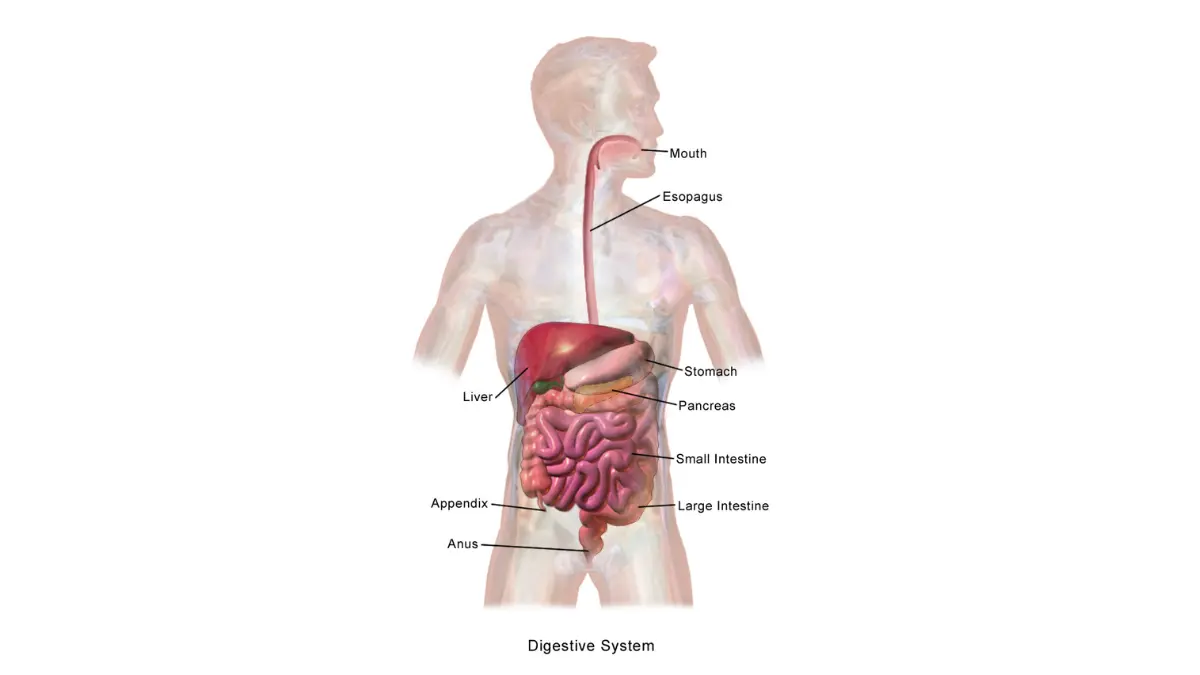
The common reactions are gastrointestinal — nausea, bloating, vomiting, and abdominal pain — plus headache. They usually ease if you slow the pace of drinking the water.
Serious risks to know
The serious concern with any salt-based prep is a shift in fluid and electrolytes, which can cause abnormal heart rhythms, seizures, or kidney injury.
⚠️ Clinical Warning: Get prompt help for signs of dehydration or electrolyte trouble — severe or persistent vomiting, very little or no urination, severe headache, dizziness, confusion, or an irregular heartbeat — and for allergic reactions such as hives or swelling of the face, lips, tongue, or throat. Hydrating well is the main way to lower this risk.
Who should not take it
SUTAB is not used in people allergic to its ingredients or with certain bowel conditions such as obstruction, and the label urges caution in kidney impairment, heart conditions, and seizure history.
✅ Patient Action: If you have kidney disease, a heart-rhythm condition, a seizure history, trouble swallowing pills, or take diuretics or heart medications, call your prescriber before starting SUTAB to confirm it is safe.
Colonoscopy prep options: frequently asked questions
1. Is SUTAB better than liquid prep?
Among colonoscopy prep options, SUTAB cleaned about as well as a liquid comparator in trials — non-inferior, not proven better. Its advantage is form: tablets instead of a large volume of solution. Which is “better” depends on your tolerance, health, and cost, so confirm with your prescriber.
2. How many SUTAB pills do you take?
A full SUTAB prep is 24 tablets, taken as two doses of 12 — one the evening before and one the morning of, never all at once. You swallow each tablet with water over about 15 to 20 minutes. Follow the exact timing your endoscopy center gives you.
3. How much does SUTAB cost, and is it covered?
SUTAB is brand-name with no generic and often costs about $200–280 out of pocket. Many plans do not cover it, though a manufacturer copay card can lower the price for some commercially insured patients. Liquid preps, especially generic PEG, are usually cheaper and more widely covered.
4. What is the easiest colonoscopy prep?
“Easiest” is individual: usually lower volume or no liquid solution, like SUTAB tablets or a low-volume liquid, that you can finish completely. SUTAB removes the solution but still needs substantial water. The best colonoscopy prep option is the one you will actually complete as directed.
5. Can you take pills instead of liquid for a colonoscopy?
Yes — SUTAB is an FDA-approved tablet prep taken with water, the main pill choice among colonoscopy prep options. Whether it suits you depends on whether you can swallow a series of tablets and on your health and coverage. Your prescriber makes that call.
6. What are the side effects of SUTAB?
Common SUTAB side effects are gastrointestinal — nausea, bloating, vomiting, and abdominal pain — plus headache. Less common but serious risks involve fluid and electrolyte shifts affecting the heart and kidneys. Seek care for severe vomiting, little urination, or an irregular heartbeat, and discuss concerns with your prescriber.
7. Does SUTAB taste bad?
SUTAB is swallowed as tablets with water rather than a flavored solution, which is why people who dislike the taste or volume of liquid prep often prefer it. In trials, most patients rated it easy to tolerable to take. You still drink plain water with each dose.
8. Who should not take SUTAB?
SUTAB is not used in people allergic to its ingredients or with certain bowel conditions such as obstruction, and the label urges caution in kidney impairment, heart-rhythm conditions, and seizure history. If any apply, or you take diuretics or heart medicines, confirm with your prescriber first.
9. How is SUTAB different from Suprep?
SUTAB and Suprep share a maker and use related sulfate salts, but SUTAB is swallowed as tablets while Suprep is a liquid you mix with water. SUTAB suits people avoiding a liquid solution; Suprep is often cheaper. Your prescriber can advise which fits you.
10. Do you still follow a clear liquid diet with SUTAB?
Yes. With SUTAB you generally have a low-residue breakfast the day before, then only clear liquids until after the colonoscopy, avoiding red or purple drinks, milk, and alcohol. The tablets replace the solution, not the diet rules. Follow your center’s specific diet instructions.
11. How long before the colonoscopy do you finish SUTAB?
The SUTAB label directs that you finish all tablets and the required water at least 2 hours before the colonoscopy, with the morning dose starting 5 to 8 hours before. Your endoscopy center gives exact times, which take priority over general guidance.
Choosing your prep: the bottom line
Done correctly, the pill and the liquid preps clean about equally well, so the decision comes down to fit. SUTAB suits people who cannot face the taste or volume of a liquid solution and can swallow tablets, accepting a higher cost and the same need to drink plenty of water. Liquid preps, especially generic PEG, win on price and coverage. The best prep is the one you will finish exactly as instructed, since an incomplete prep can mean repeating the test.
✅ Patient Action: Bring your medication list and your top concern — taste, volume, cost, or a health condition — to your prescriber, and ask which prep they recommend and why.
After your prep, our guide to what your colonoscopy results mean explains the findings, and the ACS colorectal cancer screening recommendations cover who should be screened and when.
About this content
How this article was put together: researched from recognised health sources, drafted with the help of AI tools, and edited by hand, with sources linked throughout.

Sameer Patel is the founder and editor of My Medicine Advisor. He is not a doctor or medical professional — before starting this site he worked in banking,…
Medical disclaimer
The content on MyMedicineAdvisor is provided for general informational and educational purposes only and is not a substitute for professional medical advice, diagnosis, or treatment. Health information on this website should not be used to diagnose, treat, cure, or prevent any condition without guidance from a qualified healthcare professional. Always seek the advice of your doctor, physician, or another licensed healthcare provider with any questions you may have regarding a medical condition, symptoms, medications, or treatment decisions.