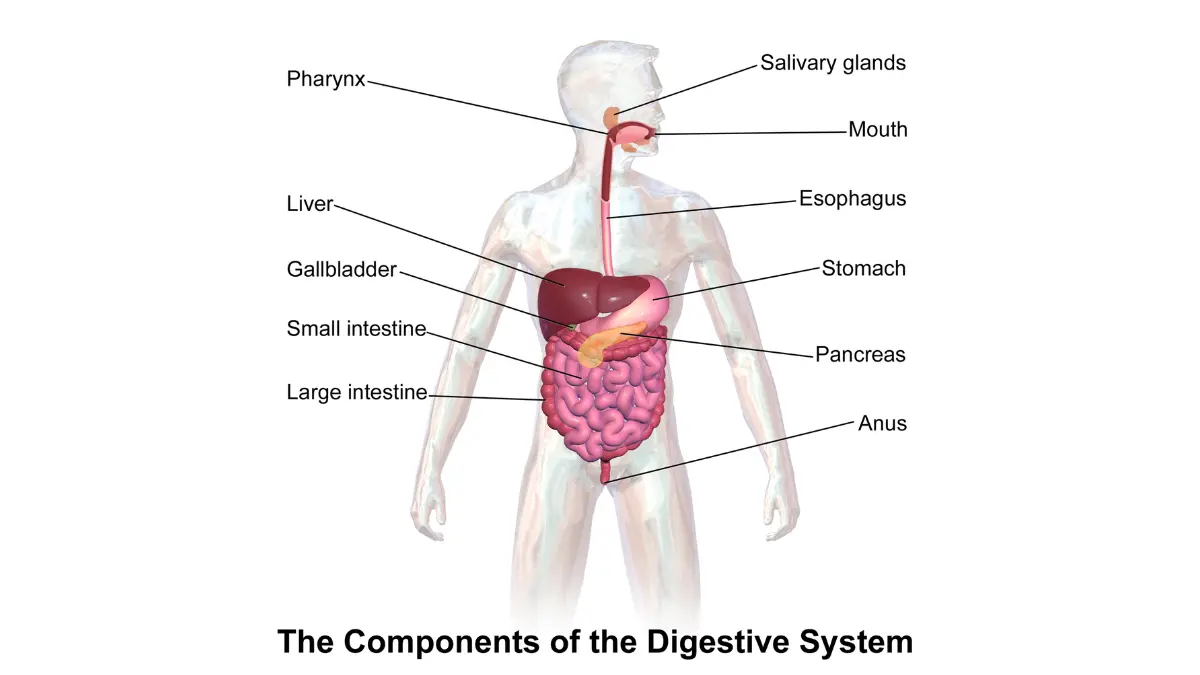

On This Page – Quick Medical Summary
What to eat before a colonoscopy: the short version
A colonoscopy works best when your colon is completely empty, and what you eat in the days before is what makes that possible. The plan has two phases: a low-fiber diet for roughly three to five days, then clear liquids only on the day before your procedure. That’s the whole shape of it — the rest is detail.
Where you are right now decides what you need next:
- A few days out and still eating normally? Start with the low-fiber food lists below.
- The day before your procedure? Skip ahead to the clear liquid diet and the color rule.
- Helping someone else prepare? The eat-and-avoid table doubles as a shopping list.
- Worried you’ve already slipped up? The “when to call your doctor” section covers what matters.
One rule sits above the rest: the bowel prep instructions from your own clinic always come first. The guidance here explains the reasoning behind those instructions, but your care team’s sheet is the one to follow whenever the two differ.
ℹ️ Medical Disclaimer: This article is general health education, not medical advice for your specific situation. Colonoscopy preparation involves diet changes, prescription bowel-prep laxatives, possible medication adjustments, and symptoms that can occasionally signal a problem — all of which depend on your health history. Always follow the written prep instructions from your gastroenterologist or endoscopy unit, and consult a board-certified gastroenterologist or your prescribing physician before changing any medication or supplement.
Why your diet matters before a colonoscopy
The food rules aren’t arbitrary — they exist because anything left in your colon can hide the exact thing the exam is looking for.
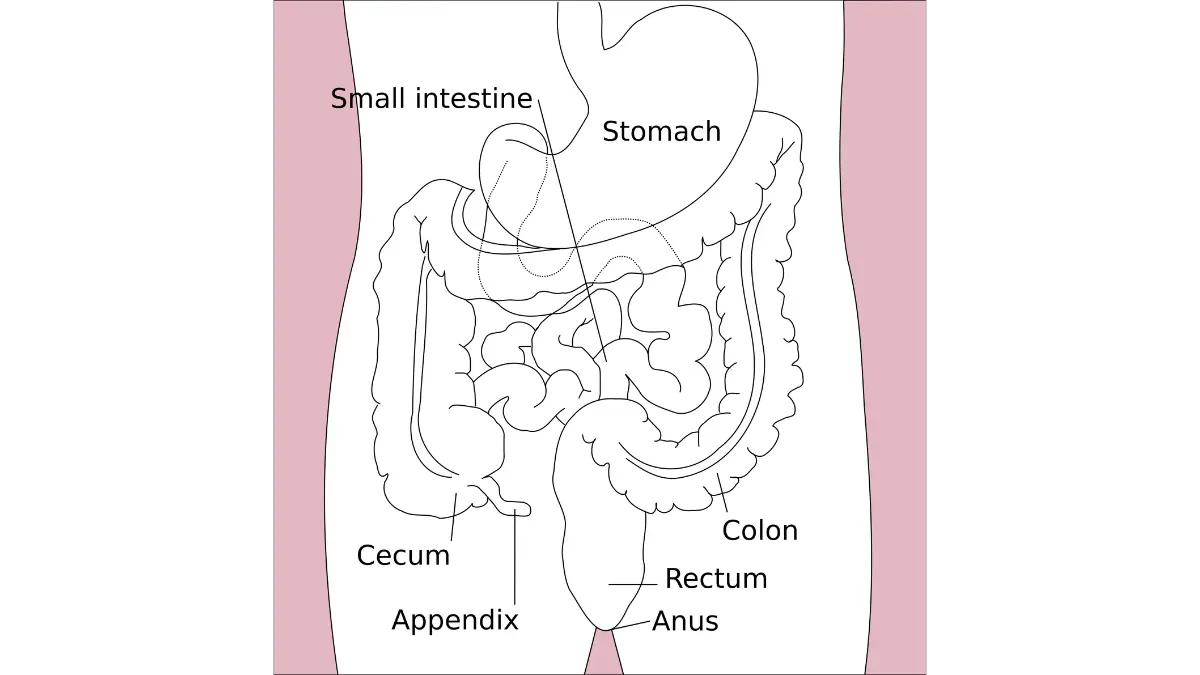
How leftover residue hides what the doctor needs to see
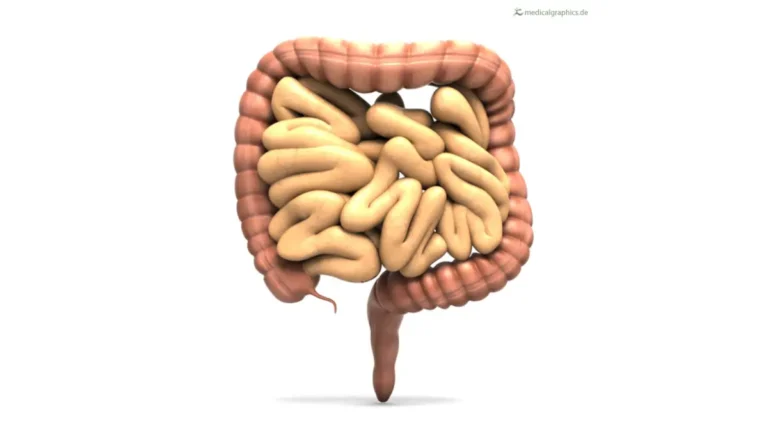
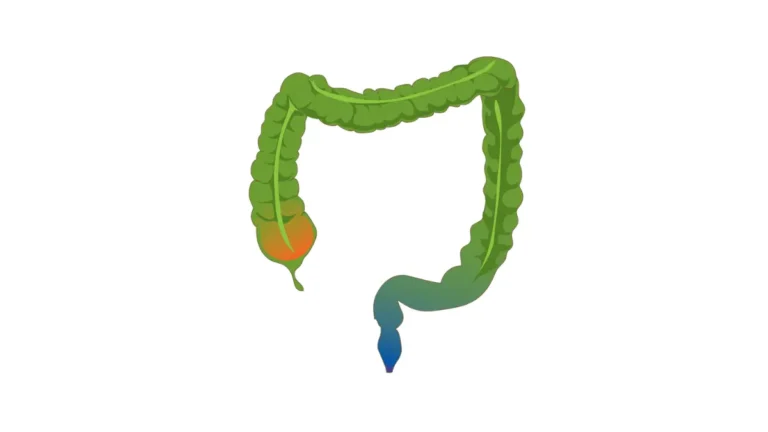
Fiber is the part of plants your body can’t fully digest, so it travels through the colon largely intact. When residue stays behind on the colon wall, it can mask polyps, inflammation, or other small changes a doctor needs to see clearly. Cutting fiber for several days simply means less leftover material in the way.
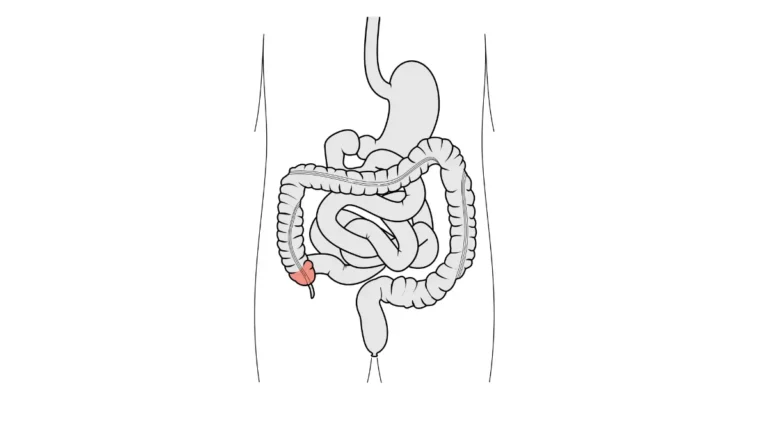
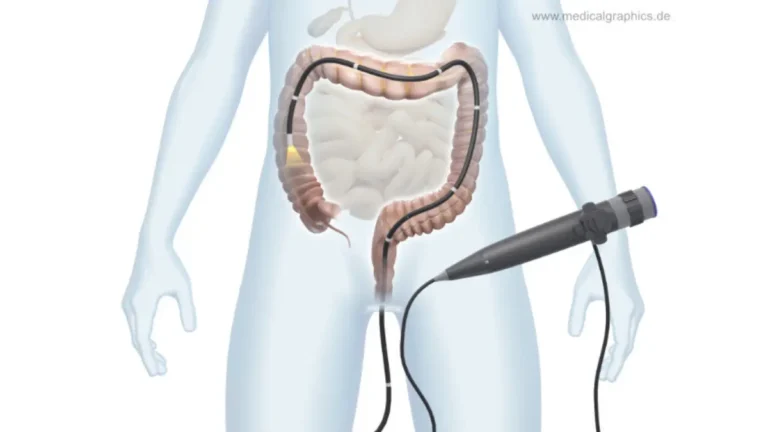
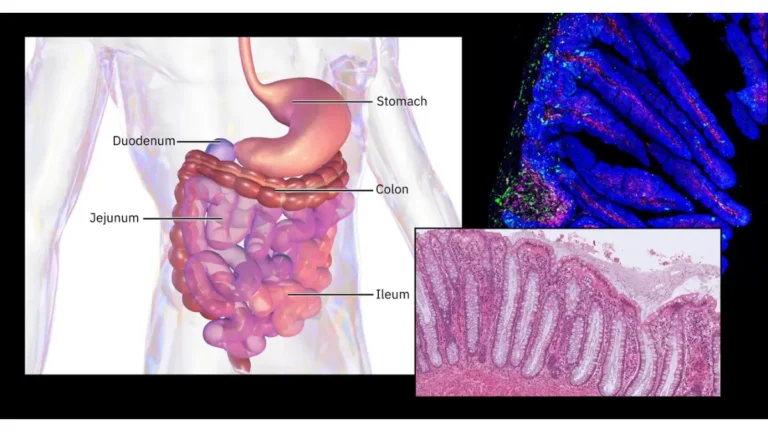
🔬 How It Works: A colonoscope is a flexible tube with a camera that sends a live view of your colon lining to a screen. Stool or food residue coating that lining acts like smudges on a window — the camera can only show what isn’t covered.
Why a clean colon means a more accurate result
A clean colon is what makes the procedure worth doing. According to the American Cancer Society’s overview of how colonoscopy is used to screen for colorectal cancer, the exam can actually prevent cancer by finding and removing polyps before they turn dangerous — but only when the lining is visible. Poor prep is a leading reason a colonoscopy gets cut short or has to be repeated. If you’ve noticed bowel symptoms worth getting checked, a thorough prep is what gives the exam its best chance of answering why.
The colonoscopy prep diet timeline, day by day
Most clinics follow the same countdown: eat low-fiber for several days, then switch to clear liquids the day before. Here’s how the days typically break down — though your exact timing comes from your clinic.
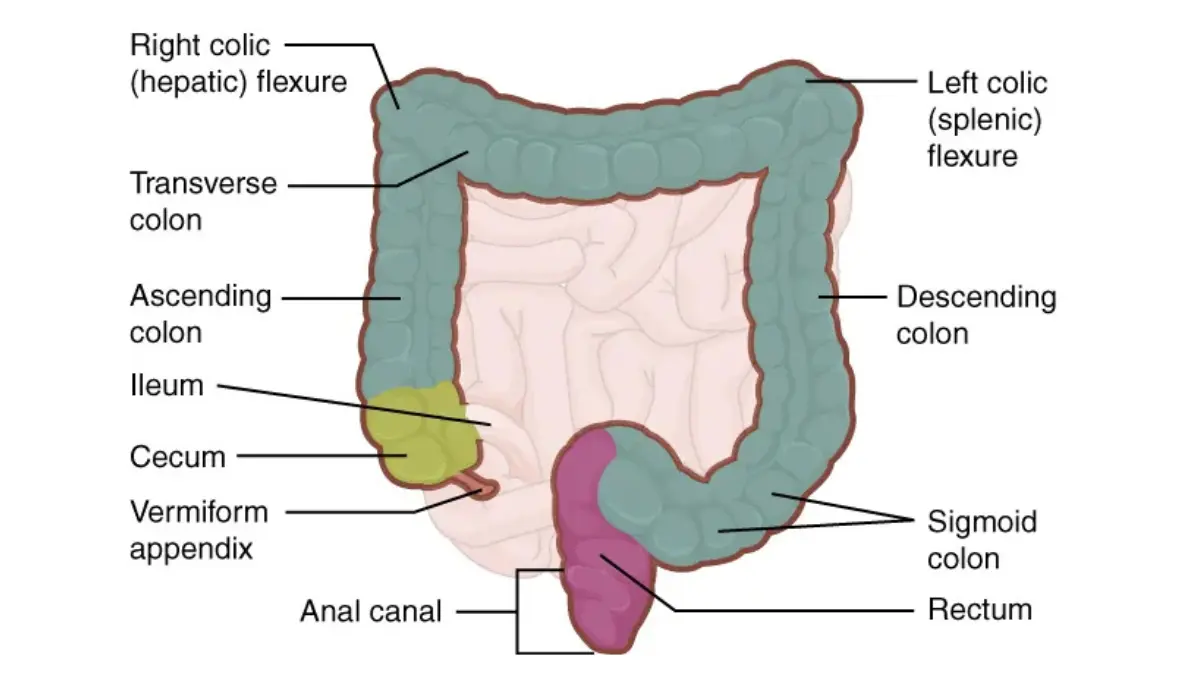
5 to 3 days before: start low-fiber
This is when you shift to easy-to-digest, low-residue foods and begin cutting fiber. A couple of items deserve an earlier start:
- About a week before: stop nuts, seeds, and popcorn — their hulls can cling to the colon wall for days, even after prep.
- 3 to 5 days before: move to the low-fiber food lists (white bread, white rice, eggs, tender skinless meats, peeled or canned produce).
- Keep drinking water throughout; staying hydrated makes the prep that follows easier.
The day before: clear liquids only
The day before your procedure, solid food stops entirely and you move to clear liquids. Sometime that afternoon or evening, you’ll begin the bowel prep solution your doctor prescribed — usually in two split doses rather than all at once. Our full step-by-step bowel-prep instructions cover the drinking schedule; follow the timing on your prescription, not the box.
Procedure day: nothing by mouth before your appointment
You’ll finish the second prep dose and then stop. Many clinics ask you to stop all liquids at least two hours before your appointment, though some require longer — your instructions give the exact cutoff. If you want to see how the exam itself works, the NIDDK explains how doctors perform a colonoscopy step by step.
✅ Patient Action: Before prep day, call your endoscopy unit and confirm two things — what time to take each prep dose, and how many hours before your appointment you must stop drinking clear liquids.
Foods to eat and foods to avoid before a colonoscopy
For the low-fiber days, the simplest rule is to choose foods that digest easily and leave little behind. The table below works as a quick shopping reference.
| Food group | Eat (low-fiber) | Avoid | Key clinical detail |
|---|---|---|---|
| Grains | White bread, white rice, refined pasta | Whole grains, brown/wild rice, oats, granola | Whole grains leave the most residue |
| Protein | Eggs, tender skinless chicken, turkey, fish | Tough or gristly meats, beans, lentils | Legumes are high-fiber and gas-forming |
| Fruit & veg | Peeled, canned, or well-cooked, no seeds | Raw produce with skins or seeds, dried fruit, corn | Skins and seeds resist digestion |
| Extras | Pulp-free juice, plain broth, gelatin | Nuts, seeds, popcorn, chunky nut butter | Hulls can cling to the colon for days |
Source: compiled from patient-prep guidance (Lahey Hospital & Medical Center; MD Anderson; Medical News Today). Clear-liquid items per MedlinePlus.
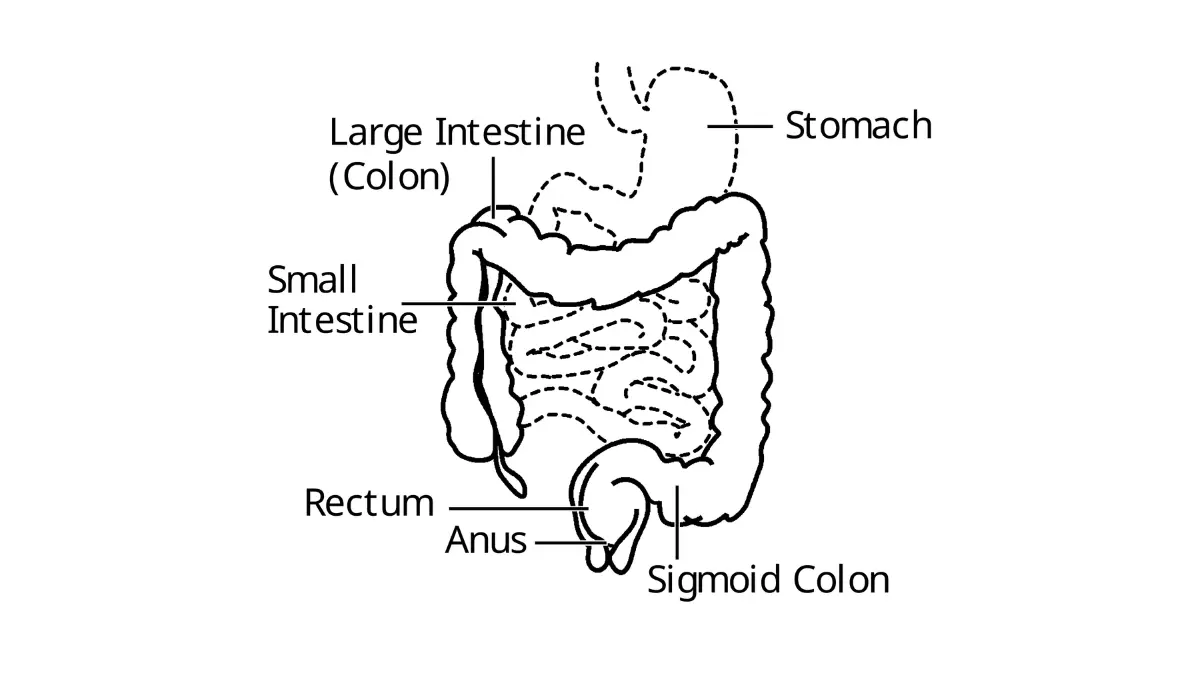
High-fiber foods to avoid
The avoid column is where most prep mistakes happen. Nuts, seeds, and popcorn are the biggest culprits because their hulls linger — and that includes crushed nuts and chunky nut butters, not just whole ones.
Gray-area foods to check with your clinic
A few foods aren’t obvious. Dairy has no fiber but still leaves residue, so many clinics limit it even during the low-fiber days. Seeded produce — strawberries, tomatoes, cucumbers — lands in the avoid column because of the seeds. When a specific item isn’t clearly on either list, confirming with your clinic beats guessing and risking a cancelled procedure.
The clear liquid diet: what counts the day before
A clear liquid diet means liquids you can see through — if you can read text through the glass, it usually qualifies. It keeps you hydrated while leaving nothing solid behind.
Clear liquids you can have
- Water, plain or carbonated
- Clear broth or bouillon (nothing floating in it)
- Pulp-free juice such as apple or white grape
- Plain tea or black coffee — no milk or cream
- Gelatin and popsicles, light colors only
- Clear sports drinks and light-colored soda
MedlinePlus keeps a plain-language clear liquid diet patient guide if you want the full list. Hydration also makes prep easier — our water intake calculator can help you set a daily target.
Why no red, purple, or blue
This is the rule that confuses people most. Avoid anything dyed red, purple, or blue, because the leftover color can look like blood or inflammation inside the colon and make the exam harder to read accurately. Orange and yellow are generally fine; when in doubt, choose clear or pale.
What doesn’t count as clear
Milk and dairy don’t qualify — and “non-dairy” milks like almond or oat don’t either, because they aren’t see-through. Alcohol is out as well: it isn’t clear, and it’s dehydrating right when hydration matters most. Anything with pulp, cream, or solid bits belongs in the avoid column.
✅ Patient Action: When you shop, read drink labels for red, purple, or blue dye — including red sports drinks and popsicles — and set those aside until after your procedure.
Medications, alcohol, and dairy: what to stop and adjust
Food isn’t the only thing that affects prep. Some medications and drinks can interfere with the cleanout or with sedation, and these decisions belong to your medical team — not to guesswork.
Medications your doctor may pause
Certain medicines and supplements commonly need attention before a colonoscopy:
- Iron supplements can darken the colon lining and stool, making the view harder to read; clinics often have you stop these in advance.
- Blood thinners may need adjusting before a procedure where polyps could be removed.
- Diabetes medications often need changes on a day you can’t eat normally.
How and when to adjust any of these is specific to you, and only your prescriber can make that call safely.
⚠️ Clinical Warning: Never stop or change a prescription medication on your own before a colonoscopy. Some drugs — especially blood thinners and diabetes medicines — require a planned adjustment, and stopping the wrong way can be dangerous. This is a conversation to have with the doctor who prescribed them.
Why dairy and alcohol don’t belong in prep
As covered above, milk and dairy leave residue and alcohol is dehydrating, so both stay off the menu during the clear-liquid phase.
Always confirm with your prescriber
✅ Patient Action: At least a week before your procedure, give your prescribing physician and pharmacist a full list of your medications and supplements, and ask which to stop or adjust and exactly when.
When to call your doctor about colonoscopy prep
Prep can feel alarming the first time, so it helps to know what’s normal and what isn’t.
How to know your colon is clear enough
The bowel prep is working when your output gradually turns from solid to liquid and finally runs clear, pale yellow, or tea-colored. Cloudy liquid or solid bits suggest the colon isn’t fully emptied yet. If your appointment is close and your output still isn’t clearing, call your care team rather than assuming it’s fine — an incomplete prep is the main reason a colonoscopy gets repeated.
Symptoms that mean you should call
Most people feel bloated, chilled, or nauseated during prep, and that’s expected. A smaller set of symptoms is worth a phone call:
- Severe or worsening abdominal pain
- Vomiting that won’t stop and keeps you from finishing the prep
- No bowel movement at all several hours after starting
⚠️ Clinical Warning: Severe abdominal pain, persistent vomiting, or being unable to pass any stool or gas during prep are reasons to contact your endoscopy unit or on-call line before continuing — not to push through.
A little physical comfort helps too: flushable wipes and a barrier ointment can ease the irritation of frequent bathroom trips.
Frequently asked questions
1. Can I eat the day before a colonoscopy?
No — the day before a colonoscopy, you switch from solid food to clear liquids only. This keeps the colon empty so the lining is visible during the exam. You’ll start your prescribed bowel-prep solution that afternoon or evening, following your clinic’s exact timing rather than the package directions.
2. How many days before a colonoscopy should I start a low-fiber diet?
Most clinics advise a low-fiber diet for about three to five days before a colonoscopy. Nuts, seeds, and popcorn should stop roughly a week ahead, because their hulls can cling to the colon wall for days even after prep. Your clinic’s instructions set the exact window.
3. Why can’t I have red or purple drinks before a colonoscopy?
Red, purple, or blue dye can be mistaken for blood or inflammation inside the colon, which makes a colonoscopy harder to read accurately. Stick to clear or light-colored liquids during prep — orange and yellow are generally fine, but anything red, purple, or blue should wait until after your procedure.
4. Can I drink coffee before a colonoscopy?
Yes — black coffee or plain tea is allowed during the clear-liquid phase before a colonoscopy, as long as you skip milk and cream, which aren’t clear. Coffee can help if you’re used to a daily cup. Stop all liquids at the cutoff time your clinic gives you.
5. Is Jell-O OK on a colonoscopy clear liquid diet?
Plain gelatin like Jell-O is allowed on the clear liquid diet before a colonoscopy, but only in light colors. Skip red and purple varieties, since those dyes can mimic blood in the colon. Orange, yellow, or lemon-lime gelatin and popsicles are safer choices during prep.
6. Can I have dairy before a colonoscopy?
Milk and dairy aren’t allowed during the clear-liquid day before a colonoscopy, because they leave residue — and non-dairy milks aren’t see-through either. Some earlier low-fiber days may permit limited dairy, but clinics differ, so follow your own prep instructions and ask your care team if you’re unsure.
7. What foods should I avoid before a colonoscopy?
Before a colonoscopy, avoid high-fiber foods that leave residue: nuts, seeds, popcorn, whole grains, raw fruits and vegetables with skins or seeds, dried fruit, beans, and corn. These resist digestion and can hide polyps or other findings. Chunky nut butters and crushed nuts count too.
8. Can I drink alcohol before a colonoscopy?
No — alcohol isn’t a clear liquid and it’s dehydrating, so it’s off-limits during the clear-liquid phase of colonoscopy prep, right when hydration matters most. Save alcohol until after your procedure and once the sedation has fully worn off, following your clinic’s recovery guidance.
9. When do I have to stop drinking clear liquids before a colonoscopy?
Many clinics ask you to stop all clear liquids at least two hours before a colonoscopy, though some require a longer window. Your appointment instructions give the exact cutoff. Following it matters for safe sedation, so confirm the time with your endoscopy unit if it isn’t clear.
10. What can I eat right after a colonoscopy?
After a colonoscopy, start with light, easy-to-digest foods and clear fluids, then return to your normal fiber-rich diet gradually. Adding a lot of fiber back too quickly can cause gas and bloating. If you had polyps removed, your doctor may give you specific eating instructions to follow.
11. What if my colonoscopy prep isn’t working and my stool isn’t clear?
Your output should gradually run clear, pale yellow, or tea-colored before a colonoscopy. If it stays cloudy or solid as your appointment nears, or you have severe pain or persistent vomiting, contact your care team before continuing rather than pushing through. Don’t assume an unclear result is fine.
Your next step after prep
Careful prep is the single biggest factor in a colonoscopy that’s accurate and doesn’t need repeating — and it really does come down to those two phases: low-fiber for several days, then clear liquids the day before. Keep your clinic’s instructions next to you and follow them when they differ from any general guide.
When the procedure is behind you, the next question is usually what the findings mean; our guide to what each colonoscopy result means walks through them one by one. And if you’re younger and weighing whether to be screened at all, the CDC’s overview of colorectal screening options and our look at early colon cancer symptoms in younger adults are good places to start.
About this content
How this article was put together: researched from recognised health sources, drafted with the help of AI tools, and edited by hand, with sources linked throughout.

Sameer Patel is the founder and editor of My Medicine Advisor. He is not a doctor or medical professional — before starting this site he worked in banking,…
Medical disclaimer
The content on MyMedicineAdvisor is provided for general informational and educational purposes only and is not a substitute for professional medical advice, diagnosis, or treatment. Health information on this website should not be used to diagnose, treat, cure, or prevent any condition without guidance from a qualified healthcare professional. Always seek the advice of your doctor, physician, or another licensed healthcare provider with any questions you may have regarding a medical condition, symptoms, medications, or treatment decisions.