
On This Page – Quick Medical Summary
The colonoscopy itself takes about 30 minutes, and you’ll be sedated for it. The prep is the part people actually dread — the volume, the taste, the hours tied to a bathroom. If you’re reading this, you’re probably in one of three places.
Maybe the kit is sitting on your counter and you’re bracing yourself. Maybe you’re mid-prep right now, fighting nausea and wondering if this is normal. Or maybe you’re deciding whether the whole ordeal is even worth it — it is, and the misery is more fixable than you think.
This guide gives you the tactics to get the colonoscopy prep down, the diet and timing rules that keep you from having to repeat it, and a clear picture of what “done” looks like. For the full arc — including what a colonoscopy costs and how to read your results — the pillar guide covers the rest.
ℹ️ Medical Disclaimer: This article is general education, not medical advice for your situation. Your colonoscopy facility’s written instructions always take priority over anything here. Before changing or pausing any medication — including blood thinners, diabetes drugs, iron supplements, and GLP-1 agonists like semaglutide — get instructions from your prescribing physician. For severe symptoms during prep, contact your gastroenterologist or the on-call line.
Why a clean colon matters (and why you can’t cut corners)
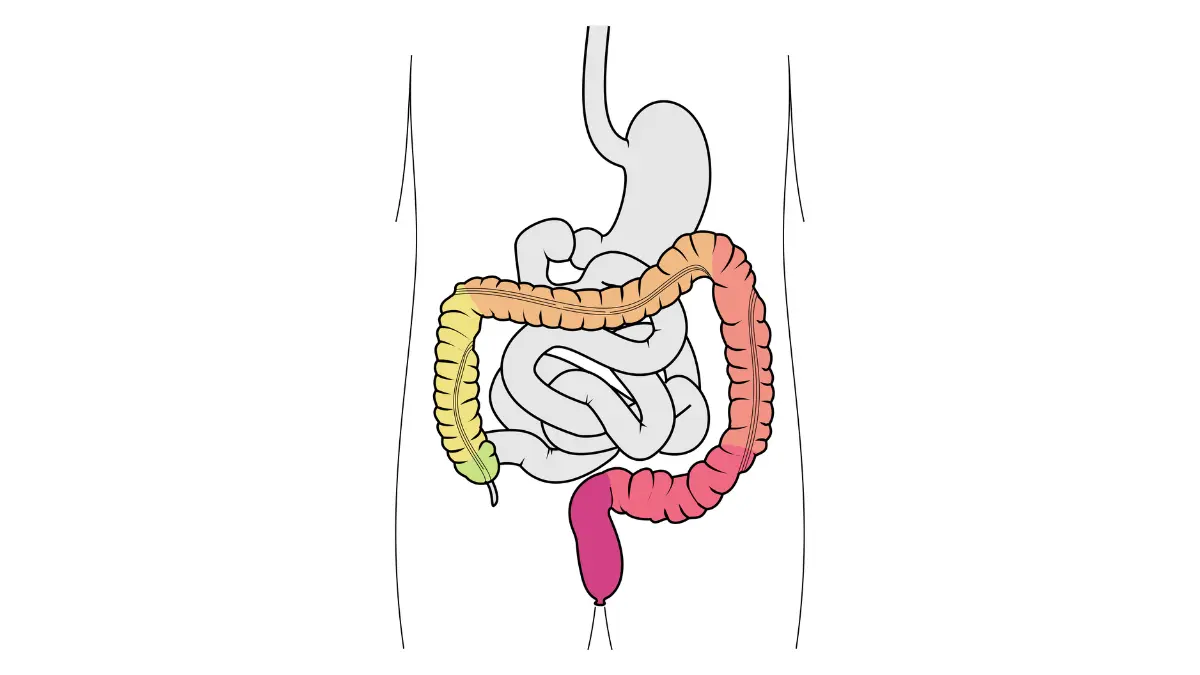
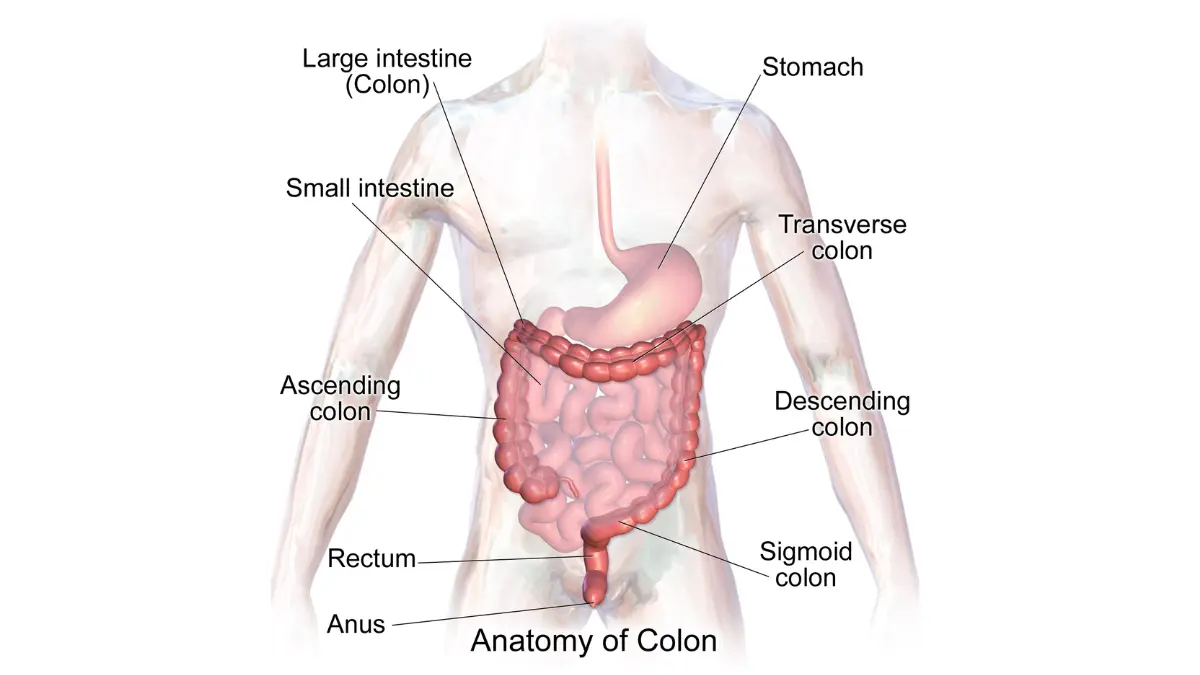
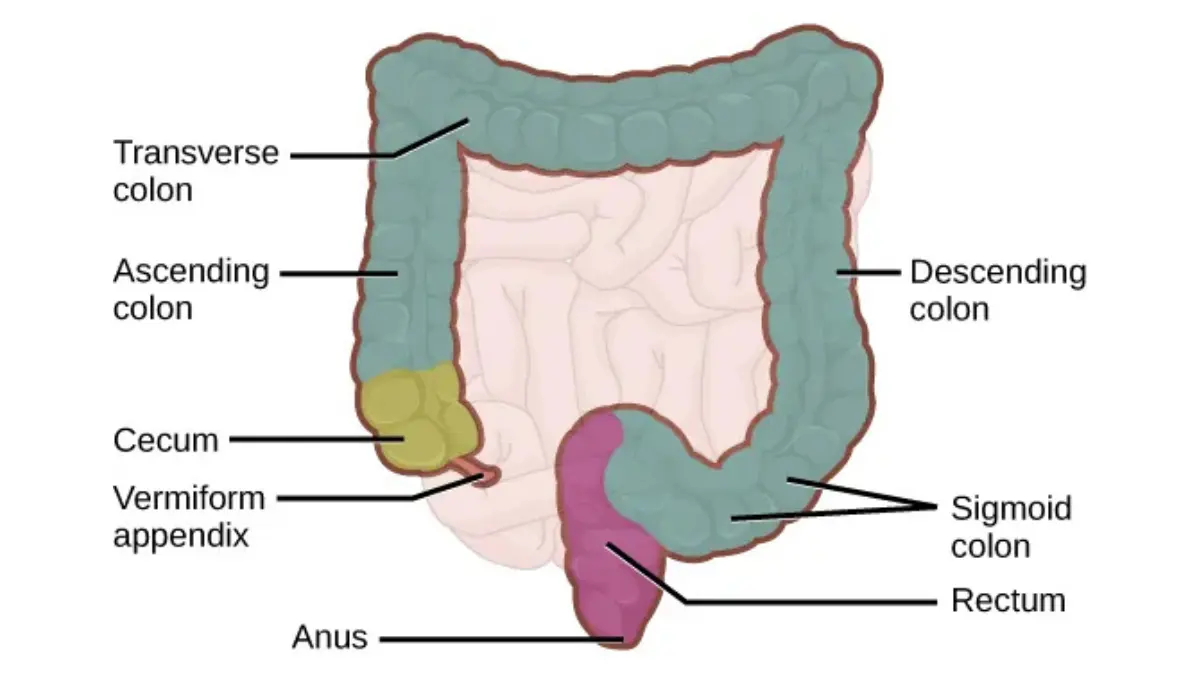
A colonoscopy is only as good as the prep behind it. Bowel prep clears stool so your gastroenterologist can see the lining of your colon; when prep is poor, small growths hide, the exam may be incomplete, and you can be sent back for an earlier repeat.
That’s the real reason the instructions feel so strict — and why pushing through correctly the first time is worth it.
What inadequate prep actually costs you
- Missed polyps, including the precancerous kind a colonoscopy exists to catch
- An incomplete exam that doesn’t reach the full length of the colon
- An earlier repeat procedure — meaning another round of prep
🔬 How It Works: Splitting your prep into two doses — half the night before, half the morning of — clears the colon more completely than taking it all at once. That’s why current guidance recommends it for everyone having an elective colonoscopy, and why it’s linked to finding more precancerous polyps.
The quality bar your doctor is aiming for
📊 Clinical Data Point: Updated 2025 recommendations from the US Multi-Society Task Force on Colorectal Cancer raised the recommended bowel-prep adequacy benchmark to at least 90% for endoscopists and endoscopy units, up from 85% in 2014. — Source: US Multi-Society Task Force on Colorectal Cancer, American Journal of Gastroenterology, 2025.
Your job is simply to land your own prep in that “adequate” column — which the rest of this guide is built to help you do. If you’re here because symptoms prompted the test, why colon cancer screening matters under 50 adds useful context.
How to make the prep drink easier to get down
The prep solution is the hardest swallow — literally. These tactics, drawn from gastroenterology patient-counseling guidance, make it more bearable.
To make colonoscopy prep easier to get down:
- Chill it. Cold prep is far easier to drink than room-temperature. Refrigerate it unless your kit says otherwise.
- Use a straw placed toward the back of your tongue, which bypasses some of the taste.
- Pace yourself — a glass every 10 to 15 minutes on your kit’s schedule, not all at once.
- Chase each glass with an allowed clear liquid, or suck on lemon hard candy or a lemon wedge between glasses if your instructions allow.
- Add the flavor packet if one came with your kit. Never add anything that isn’t approved.
- Sip cool ginger ale between glasses to settle your stomach.
If nausea hits
Feeling bloated, chilled, or queasy during prep is common, and it usually passes. If nausea builds, stop for about 30 minutes, then resume more slowly.
⚠️ Clinical Warning: If you vomit and can’t keep the prep down at all, or you develop severe abdominal pain or bloating with no bowel movements, stop and call your gastroenterologist or the on-call line. Pushing through can be unsafe, and your procedure may need rescheduling.
Stay ahead on fluids
Clear fluids keep you hydrated and help the prep work — dehydration makes cramping and nausea worse. Sip steadily between prep doses; you can estimate your daily fluid target if you’re not sure how much that is.
What to eat and drink before your colonoscopy (and what to skip)
The day before your colonoscopy, you’ll switch to a clear liquid diet — liquids you can see through. Allowed clear liquids generally include:
- Water and clear or light-colored sports drinks
- Apple or white-grape juice without pulp
- Clear broth with no solids
- Black coffee or tea with no milk or creamer
- Clear sodas and ginger ale
- Plain gelatin and popsicles with no red, purple, blue, or orange coloring
Why no red, purple, orange, or blue
These dyes can linger in the colon and look like blood, or stain the lining — which makes the exam harder to read. Sticking to clear or light options keeps the view clean. The American Cancer Society’s colonoscopy prep overview gives the same color rule.
When to start, and the low-fiber lead-in
For most low-risk adults, the 2025 task force recommends limiting diet changes to the day before, with low-fiber or full-liquid meals earlier that day when using a split-dose prep. Some practices suggest easing into low-fiber foods a few days ahead. Your own instruction sheet sets the timeline — a full clear-liquid food and drink list helps you plan it.
Skip alcohol entirely during prep. And if you live with chronic constipation, ask your provider — you may need to start prep earlier.
✅ Patient Action: If you have diabetes, ask your gastroenterologist which sugar-free clear liquids to use and how to manage your blood sugar during the clear-liquid day. A blood sugar converter can help you track readings in your preferred units.
Split-dose prep: when to drink each dose
The single most common avoidable mistake is mishandling the second dose. Split-dose prep means drinking half your prep the evening before your procedure and the other half the morning of.
🔬 How It Works: The first, evening dose clears the lower colon; the second, morning dose clears the upper colon. Skipping or mistiming the second dose leaves stool behind that can force a repeat.
When to take the second dose
📊 Clinical Data Point: The 2025 task force advises starting the second dose about 4 to 6 hours before your procedure and finishing it at least 2 hours before your scheduled start time. — Source: US Multi-Society Task Force on Colorectal Cancer / AGA clinical guidance, 2025.
Same-day dosing is acceptable for afternoon procedures but is considered inferior for morning ones.
When to stop drinking entirely
Your facility sets an exact cutoff for when you must stop all liquids, and it varies by center. Follow the clock times on your instructions rather than a general rule, and see the step-by-step prep timeline if you want the full sequence laid out.
✅ Patient Action: Ask your endoscopy facility two specific questions: exactly what time to start the second dose, and how long before your procedure you must stop all liquids.
🩺 Physician Note: Current guidance frames the second dose as non-negotiable for a quality exam. Finishing it on time matters more than getting it down quickly.
Which colonoscopy prep is easiest — and which to be careful with
Preps differ in volume and ingredients. Low-volume prep — 2 liters or less — is now generally preferred for tolerability.
📊 Clinical Data Point: For low-risk patients, the 2025 task force found that 2-liter split-dose regimens give cleansing comparable to older 4-liter preps with better tolerability, and that no single purgative is clearly superior. — Source: US Multi-Society Task Force on Colorectal Cancer, 2025.
Low-volume vs. high-volume preps
PEG-based preps — polyethylene glycol, such as the MiraLAX-and-Gatorade combination or branded 2-liter kits — are the most common and are gentle on the kidneys.
🔬 How It Works: PEG passes through the bowel without being absorbed, so it causes only small fluid and electrolyte shifts. That’s why it carries no boxed warning and can generally be used even with kidney impairment.
The sodium-phosphate safety warning
⚠️ Clinical Warning: Oral sodium phosphate preps, such as Visicol and OsmoPrep, carry an FDA boxed warning for acute phosphate nephropathy — a rare but serious kidney injury. The over-the-counter version, Fleet Phospho-soda, was withdrawn for bowel cleansing in 2008. People with kidney disease, older adults, and those taking diuretics, ACE inhibitors, or ARBs are at higher risk. — Source: FDA.
You can read the FDA’s safety information on sodium-phosphate bowel preps for the full labeling.
✅ Patient Action: Ask your prescribing physician which prep is safest for you given your kidney function and current medications. Don’t switch preps on your own.
Is your prep working? What’s normal — and when to call
Your prep is working when your stool turns from solid and brown to clear or pale-yellow liquid — about the color of lemonade or light tea. Small flecks are fine; brown liquid with solid pieces means you’re not ready yet.
What’s normal during prep
Frequent, watery, diarrhea-like stools are the goal, not a problem. Bloating, chills, and mild nausea are common and pass. For perianal soreness, a barrier cream and unscented wipes help — more on that in the FAQ below.
How long it takes
Bowel movements usually start within a few hours of your first dose. If several hours pass — roughly five — with nothing moving, that’s a signal to check in rather than wait.
When to call your doctor
⚠️ Clinical Warning: Contact your care team if you can’t keep the prep down, you’ve had no bowel movements about five hours after starting, you have severe abdominal pain, or you’re still passing brown or solid stool the morning of the exam. They may adjust your prep or reschedule before you arrive. The MedlinePlus colonoscopy overview covers what to expect on procedure day.
✅ Patient Action: Keep your gastroenterology office or on-call number within reach during prep, and call at the first sign your colon isn’t clearing — it’s far better to sort it out before you arrive. When results come, what each colonoscopy finding means walks through them.
Colonoscopy prep: frequently asked questions
1. What can I eat the day before a colonoscopy?
The day before, most people follow a clear liquid diet — water, clear broth, apple or white-grape juice without pulp, clear sodas, black coffee or tea without milk, and plain gelatin or popsicles. With a split-dose prep, low-fiber or full-liquid meals are often allowed earlier in the day. Follow your facility’s specific list, which always takes priority.
2. Why can’t I have red or purple drinks before a colonoscopy?
Red, purple, blue, and orange dyes can linger in the colon and look like blood or inflammation, or stain the lining — which makes your colonoscopy harder to read. Sticking to clear or light-colored liquids during prep keeps the view clean so your gastroenterologist can spot polyps accurately. Choose lemon-lime, light, or clear options instead.
3. How can I make the prep drink easier to get down?
To make colonoscopy prep easier, chill the solution, drink it through a straw placed toward the back of your tongue, and pace yourself with one glass every 10 to 15 minutes. Chasing each glass with an allowed clear liquid or lemon hard candy helps with the taste. Never add anything to the prep that your instructions don’t approve.
4. What should I do if I throw up the prep?
Mild nausea during prep is common. If you feel queasy, stop for about 30 minutes, then resume more slowly. If you vomit and can’t keep the prep down at all, or you have severe pain, stop and call your gastroenterologist or the on-call line — pushing through can be unsafe, and your procedure may need rescheduling.
5. Do I really have to drink the second dose?
Yes. With split-dose prep, the first dose clears the lower colon and the second clears the upper colon, so skipping it can leave stool behind and force a repeat colonoscopy. Finishing the second dose on time matters more than finishing it fast. Confirm the exact timing with your gastroenterology team, since it’s keyed to your procedure time.
6. How long before my colonoscopy should I stop drinking clear liquids?
Your endoscopy facility sets an exact cutoff for stopping all liquids, and it varies by center. Updated guidance has the second prep dose finished at least two hours before the procedure, but your own clock times override any general rule. Ask your facility directly when to stop drinking, and follow the times on your instruction sheet.
7. How do I know when my prep is done?
Your colonoscopy prep is working when your stools turn from solid and brown to clear or pale-yellow liquid — about the color of lemonade or light tea. Small flecks are fine. If you’re still passing brown or solid stool after finishing the prep, especially the morning of your exam, your colon may not be ready.
8. What if my prep isn’t working?
Bowel movements usually begin within a few hours of your first prep dose. If nothing happens after about five hours, stay hydrated with clear liquids, move around a little, and call your gastroenterologist’s office or on-call line. They may advise an extra dose or another step. Don’t simply wait if your colon isn’t clearing.
9. Which colonoscopy prep is the easiest?
Many people find low-volume preps — 2 liters or less — easier than older 4-liter versions, and 2025 guidance considers them comparable in cleansing for low-risk patients. PEG-based preps are common and gentle on the kidneys. The easiest safe option depends on your health, so ask your prescribing physician which prep fits your kidney function and medications.
10. Can I take my regular medications during prep?
You can usually take most regular medications with a small sip of water, but some need adjusting. Blood thinners, diabetes medications, iron supplements, and GLP-1 agonists like semaglutide often require specific timing around a colonoscopy. Get instructions from your prescribing physician well before your prep day, since this varies by drug and by your health.
11. How do I soothe a sore bottom from the diarrhea?
Frequent watery stools during colonoscopy prep can irritate the skin. A barrier cream such as petroleum jelly or a zinc-oxide ointment, applied before and during prep, helps protect the area, and unscented wipes are gentler than dry toilet paper. Staying near a bathroom in comfortable clothing makes the hours more manageable until your colon is clear.
You’ve got this — your prep-day game plan
The prep is the hard part, but a few moves make the difference between getting through it once and repeating it. Chill and pace the prep drink, stick to clear liquids and skip the red, purple, and orange ones, and finish your second dose on the schedule your facility gives you.
Watch for the clear or pale-yellow finish line, and call your care team if you can’t keep the prep down or nothing is moving after about five hours. That single decision — checking in early — is what keeps a rough prep from becoming a wasted one.
When you’re ready for what comes after the prep, the full colonoscopy guide on cost and results takes it from here.
About this content
How this article was put together: researched from recognised health sources, drafted with the help of AI tools, and edited by hand, with sources linked throughout.

Sameer Patel is the founder and editor of My Medicine Advisor. He is not a doctor or medical professional — before starting this site he worked in banking,…
Medical disclaimer
The content on MyMedicineAdvisor is provided for general informational and educational purposes only and is not a substitute for professional medical advice, diagnosis, or treatment. Health information on this website should not be used to diagnose, treat, cure, or prevent any condition without guidance from a qualified healthcare professional. Always seek the advice of your doctor, physician, or another licensed healthcare provider with any questions you may have regarding a medical condition, symptoms, medications, or treatment decisions.