
On This Page – Quick Medical Summary
If you’ve just scheduled your first colonoscopy and you’re dreading it, you’re in good company — the nerves are normal, and most of what people fear turns out to be the easy part.
This walkthrough is built around where you are right now. If your appointment is booked and you mostly want to know what physically happens, start with the step-by-step section below. If the bowel prep is what worries you, skip ahead to the prep section. If you’re asking “will I feel it?”, the sedation section answers that head-on. And if you’re nervous about whether the procedure is dangerous, the safety and warning-sign sections lay out the honest numbers.
Here’s the short version before the detail: you’ll almost certainly be sedated and feel nothing, the exam itself usually takes under an hour, and the prep — not the procedure — is the part people remember. For the wider picture, this sits alongside our complete colonoscopy guide.
ℹ️ Medical Disclaimer: This article is general education about colonoscopy screening, sedation, bowel preparation, and post-procedure symptoms — not a diagnosis, a treatment plan, or instructions for your specific case. Prep formulas, medication adjustments (including blood thinners), and sedation choices vary by person. Follow the exact instructions from your gastroenterologist and the facility performing your procedure, and consult a board-certified gastroenterologist or your care team before acting on anything here.
What actually happens during a colonoscopy, start to finish
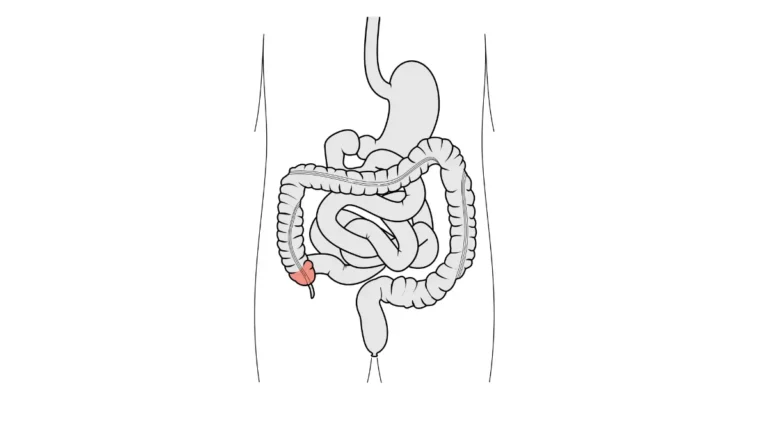
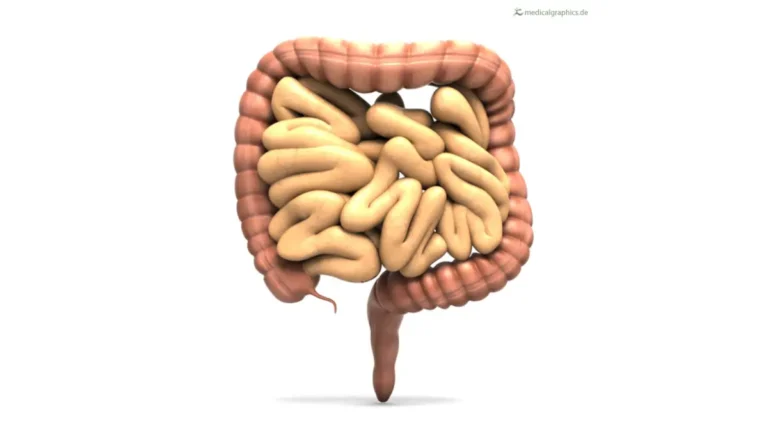
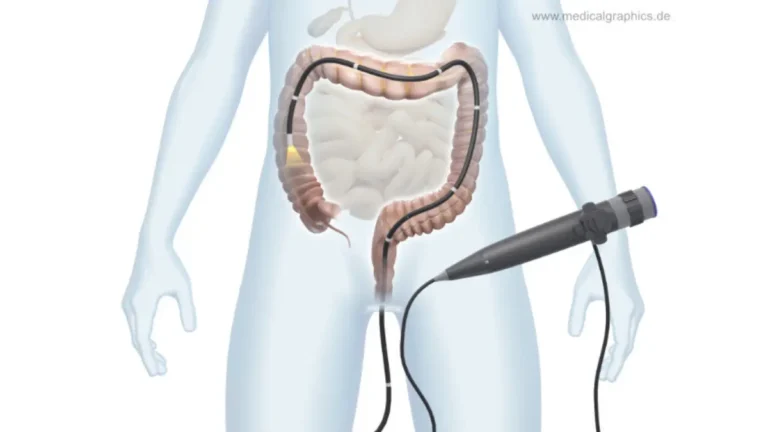
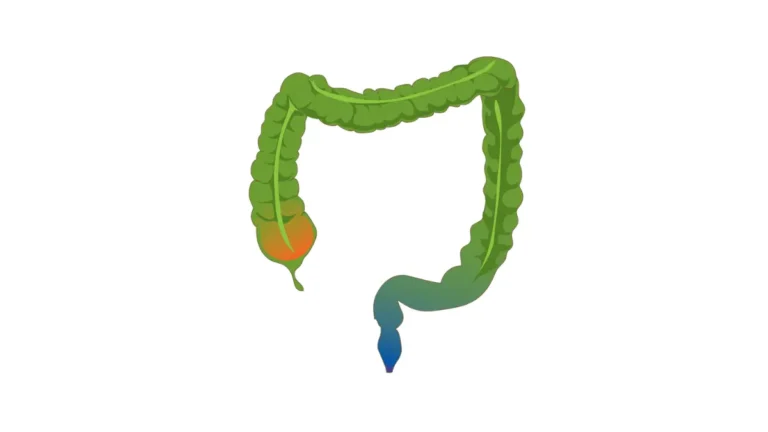
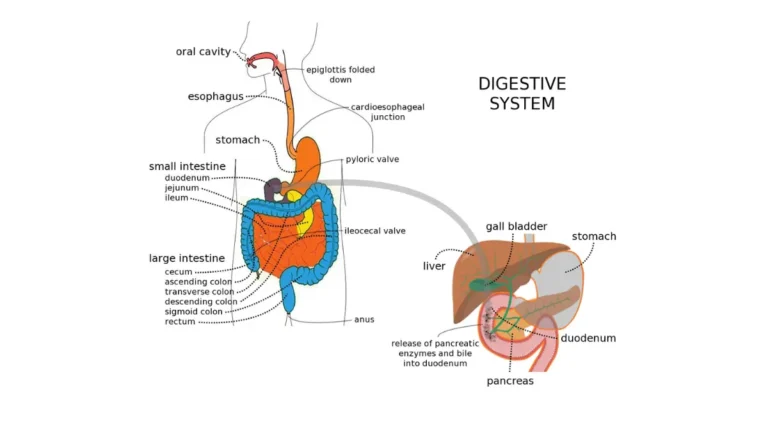
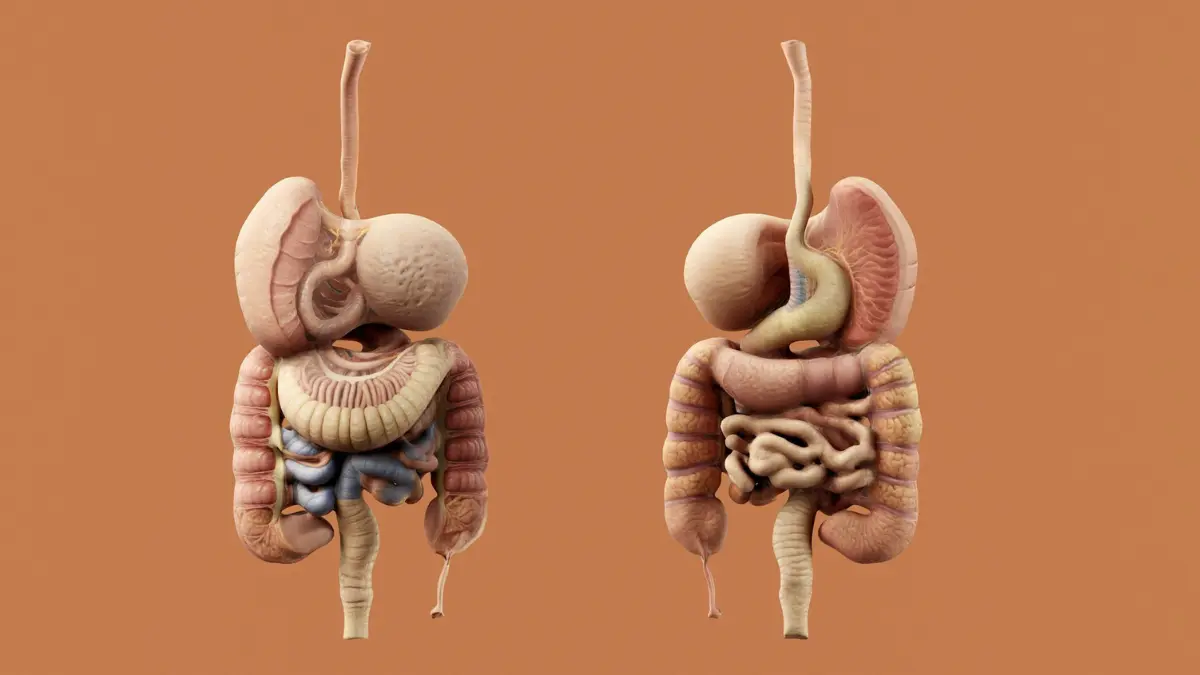
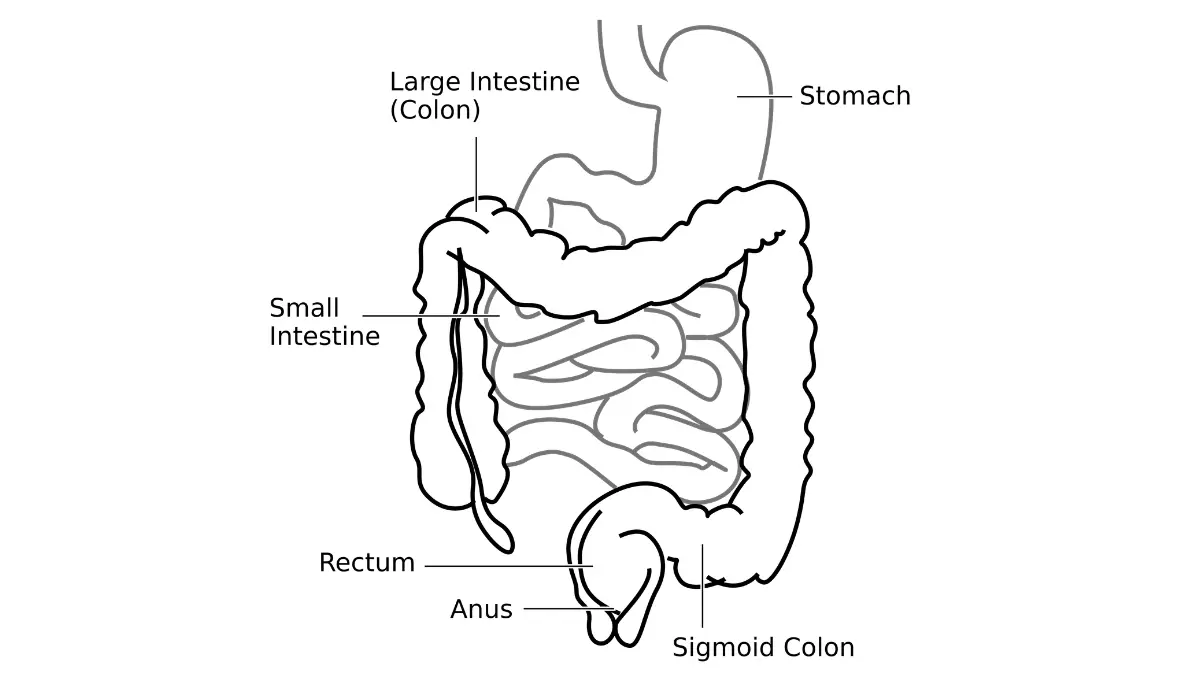
A colonoscopy is a screening procedure in which a gastroenterologist uses a thin, flexible camera to examine the lining of your colon and rectum. Knowing the sequence is the fastest way to make it feel routine.
The five steps, from check-in to recovery
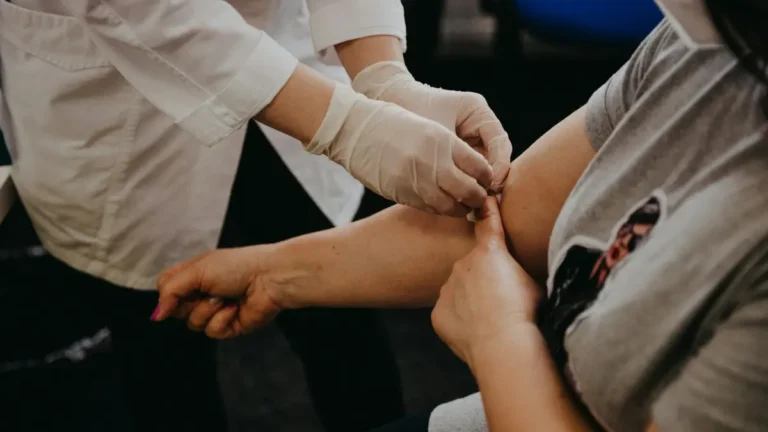
- Check-in and IV. A nurse places an intravenous (IV) line in your arm or hand for sedation.
- Sedation. Medication is given so you’re not aware of or uncomfortable during the exam.
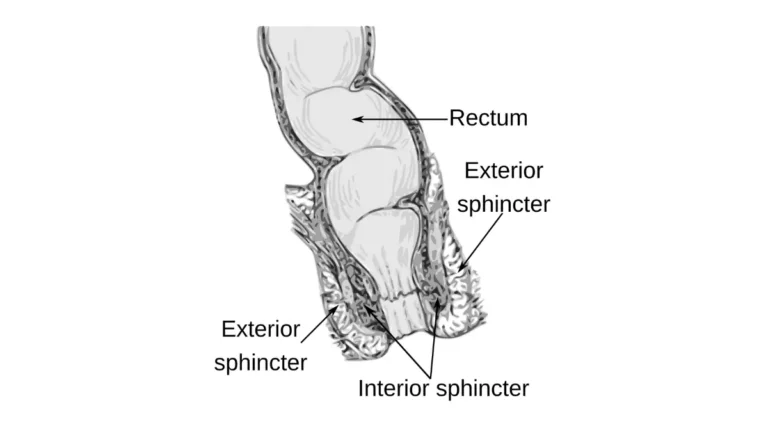
- The exam. Lying on your side, the doctor gently inserts the colonoscope through the anus into the rectum and colon.
- The view. The scope inflates the colon with air or carbon dioxide for a clear view; the doctor may remove polyps or take biopsies.
- Recovery. You rest while the sedation wears off, then go home.
🔬 How It Works: The colon is normally collapsed and folded. Gently inflating it with gas smooths those folds so the camera can see the entire lining — which is exactly why mild bloating or gas afterward is normal and temporary.
How long it actually takes
The exam itself usually takes less than one hour, according to the NIH. Once you add check-in and recovery, plan to be at the facility for about two to three hours. For more, see what happens during a colonoscopy and how long a colonoscopy takes.
When you’ll start — and how often
For average-risk adults, the U.S. Preventive Services Task Force and the American Cancer Society both recommend starting screening at age 45, with colonoscopy repeated every 10 years if results are normal.
A family history can move that start date earlier. You can assess your colorectal risk factors and bring them to your clinician.
✅ Patient Action: Before your appointment, ask your gastroenterologist: “Which sedation option do you recommend for me, and how long should I plan to be at the facility?”
The prep: what the day before is really like
For most first-timers, the bowel preparation — not the procedure — is the genuinely demanding part. Setting honest expectations makes it far more manageable.
The clear-liquid day
In the day or so before, you’ll switch to a clear-liquid diet — broth, water, clear juices, plain gelatin, and similar see-through fluids, per the NIH. Then you’ll take a prescribed laxative, often split between the night before and the morning of your exam. Expect frequent, watery bowel movements; staying near a bathroom is the plan, not a sign something is wrong.
🔬 How It Works: Most preps are osmotic laxatives — they pull water into the colon and flush its contents out, leaving the lining clean enough to spot small polyps. Finishing the entire prep is what makes the exam accurate.
Making prep day easier
A little stocking up ahead of time goes a long way:
- Clear liquids you actually like (skip red and purple dyes)
- Flushable wipes and a soothing barrier cream
- A cleared-off evening with nothing else to do
Disclosure: Some links in the list above are affiliate links, and we may earn a commission if you buy through them. These are comfort items only, not medical recommendations — your prep itself is prescribed by your clinic.
For the specifics, see a step-by-step guide to preparing for a colonoscopy and what you can eat in the days before.
⚠️ Clinical Warning: Some medications — especially blood thinners, diabetes drugs, and iron supplements — may need to be paused or adjusted before a colonoscopy, but never stop or change a prescription on your own. Confirm the plan with the prescriber; here’s guidance on which medications to pause beforehand.
✅ Patient Action: Call your GI office and ask: “Which prep am I on, exactly when do I take each dose, and which of my regular medications should I hold?”
Will it hurt? Sedation and what you’ll actually feel
The fear of being awake or in pain keeps some people from scheduling at all — so here’s the direct answer.
Are you awake during a colonoscopy?
Almost all colonoscopies in the United States are done under sedation, and many people are asleep for the entire exam, according to the American Society of Anesthesiologists. The sedative goes in through your IV, so you’re not aware of the procedure and shouldn’t feel pain. Lighter sedation is an option some people choose; with it, you may feel pressure or bloating rather than pain.
🔬 How It Works: “Moderate sedation” relaxes you and blunts memory while you keep breathing on your own. Deeper sedation — often using propofol with an anesthesia provider present — puts you fully to sleep. Your team matches the level to your health and preferences.

What the morning after feels like
Most people feel groggy for a few hours and notice mild gas or cramping from the air used during the exam — both pass quickly. For more detail, see whether a colonoscopy actually hurts and your sedation options explained.
✅ Patient Action: Ask your gastroenterologist or anesthesia provider: “What sedation will I have, and is there anything in my health history or past anesthesia reactions I should flag?”
Recovery: the hours and the day after
Recovery is usually quick and uneventful — the main thing to arrange in advance is a ride home.
The first few hours
Because you’ll be sedated, you cannot drive yourself home, and you should skip work, important decisions, and alcohol for the rest of the day, per the NIH and anesthesiology guidance. A friend, family member, or ride service needs to take you. Mild bloating and grogginess are the typical after-effects, and most people are back to a normal diet and routine by the next day.
When your results come
If the doctor removed a polyp or took a biopsy, a pathologist examines the tissue, and those results can take several days to a week or more; your care team will reach out. A quick verbal summary of the exam itself is often shared once you’re awake. To understand what the report may say, see what each result and finding means.
✅ Patient Action: Arrange your ride before the day arrives, and ask your GI office: “How and when will I get my results, and what follow-up interval will you recommend based on what you find?”
How safe is a colonoscopy, really?
Colonoscopy is considered a low-risk procedure, and putting real numbers to that is the best antidote to vague fear. The two complications worth understanding are bleeding and perforation.
The two risks worth knowing
📊 Clinical Data Point: In screening colonoscopies, perforation (a tear in the colon wall) occurs in about 3 of every 10,000 procedures, and bleeding in about 15 of every 10,000 procedures — Source: NIH (NIDDK).
To put that in perspective, that’s roughly 0.03% and 0.15% — and most of these events happen in older adults or when polyps are removed, not during a simple diagnostic exam.
📊 Clinical Data Point: Across average-risk screening colonoscopies, the pooled rate of serious adverse events is about 2.8 per 1,000 procedures — Source: ASGE (American Society for Gastrointestinal Endoscopy) review.
Why the numbers stay low
Most bleeding is minor and treated on the spot, and serious perforation is rare. The honest caveat is that bleeding can occasionally be delayed.
⚠️ Clinical Warning: Delayed bleeding can occur up to two weeks after the procedure, especially after polyp removal. If you take a blood thinner or have other risk factors, your personal risk may differ from the averages above. The NIH’s patient guide and data on colonoscopy complications covers this.
✅ Patient Action: Ask your gastroenterologist: “Given my age, my medications — especially any blood thinners — and whether polyps are likely, what is my personal risk?”
Warning signs: when to call after your colonoscopy
Knowing the difference between normal after-effects and a genuine red flag lets you act quickly if something is wrong.
Normal vs. red flag
Mild bloating, gas, cramping, and a small amount of blood in your first bowel movement — especially after a biopsy or polyp removal — are expected and usually settle within a day. The symptoms below are not expected and warrant a prompt call.
⚠️ Clinical Warning: Contact your care team right away if you have any of these after a colonoscopy:
- Severe or worsening abdominal pain, or a hard, swollen belly
- Heavy rectal bleeding — more than a couple of tablespoons, or blood clots
- Fever (above 100.4°F / 38°C) or chills
- Dizziness, weakness, or fainting
- Trouble breathing or chest pain
- Persistent vomiting, or being unable to pass gas or stool
Severe bleeding that won’t stop, chest pain, or trouble breathing are emergencies — call 911 or go to the nearest emergency room.
These can signal the rare complications — perforation, significant bleeding, or infection — that need timely treatment. When you’re unsure, calling is always the right move.
✅ Patient Action: Before you leave the facility, ask: “Exactly which symptoms should prompt me to call your office, and which mean I should go straight to the ER?”
First colonoscopy: your questions, answered
1. Are you awake during a colonoscopy?
Almost all colonoscopies in the US are done under sedation, and many people sleep through the entire exam. The sedative goes in through your IV, so you’re not aware and shouldn’t feel pain. Some people choose lighter sedation and may feel pressure instead. Discuss the right sedation level for you with your care team.
2. How long does a colonoscopy take?
The exam itself usually takes less than one hour. Once you add check-in, sedation, and recovery, plan to be at the facility for about two to three hours. If polyps are removed or biopsies are taken, the exam can run a little longer. Block out the afternoon, not just the procedure window.
3. Is a colonoscopy painful?
For most people, no — because you’re sedated and often asleep, you feel nothing during the exam. Afterward, mild gas, bloating, or cramping from the air used is common and passes within a few hours. Lighter sedation can mean feeling pressure rather than pain, which is worth discussing with your care team beforehand.
4. Is the prep or the procedure the hardest part?
For most first-timers, the bowel prep is the harder part, not the procedure. The clear-liquid diet and the laxative that causes frequent watery stools are demanding but short-lived. Finishing the entire prep matters, because a clean colon is what makes the exam accurate and complete.
5. Can I drive myself home after a colonoscopy?
No. Because you’ll be sedated, you cannot drive, and you’ll need a friend, family member, or ride service to take you home. Plan to skip work, important decisions, and alcohol for the rest of the day. Arrange this ride before your appointment so the day runs smoothly.
6. What can I eat the day before?
In the day before a colonoscopy, you’ll typically be limited to clear liquids — broth, water, clear juices, plain gelatin, and similar see-through fluids — and should avoid red or purple dyes. Solid food and anything you can’t see through are off-limits. Follow your clinic’s exact diet and timing instructions.
7. At what age should I get my first colonoscopy?
For average-risk adults, major guidelines recommend starting colorectal cancer screening at age 45. People with a family history or certain conditions may need to start earlier. Your clinician can set the right timeline based on your personal and family history, so share both at your visit.
8. How often will I need one after this?
For average-risk adults with a normal result, colonoscopy is generally repeated every 10 years. If polyps are found or you have higher risk, your doctor may recommend a shorter interval. The exact timing depends on what the exam finds and your history, so confirm your next date with your GI office.
9. When will I get my results?
You’ll often get a quick verbal summary of the exam once you’re awake. If a polyp was removed or a biopsy was taken, a pathologist examines the tissue, and those results can take several days to a week or more. Your care team will contact you with the findings and any next steps.
10. What warning signs mean I should call my doctor?
Call your care team for severe or worsening abdominal pain, heavy rectal bleeding (more than a couple of tablespoons or clots), fever or chills, dizziness or fainting, or trouble breathing after a colonoscopy. These are uncommon but need prompt attention. Trouble breathing, chest pain, or unstoppable bleeding mean call 911.
11. How risky is a colonoscopy, really?
Colonoscopy is low-risk. In screening exams, perforation occurs in about 3 of every 10,000 procedures and bleeding in about 15 of every 10,000, mostly in older adults or after polyp removal. Discuss your personal risk — especially if you take blood thinners — with your gastroenterologist before the procedure.
The bottom line before your first colonoscopy
The part most people dread turns out to be the short, comfortable one — you’ll likely be asleep, it’s usually over in under an hour, and the prep is the real work. That prep is demanding but finite, and finishing it is what makes the exam worthwhile.
Colonoscopy remains one of the most effective ways to catch colorectal cancer early, and for average-risk adults it’s recommended from age 45. So keep the appointment, complete the prep exactly as instructed, and line up your ride home in advance.
For everything else — cost, results, and choosing between screening tests — see the full colonoscopy guide.
About this content
How this article was put together: researched from recognised health sources, drafted with the help of AI tools, and edited by hand, with sources linked throughout.

Sameer Patel is the founder and editor of My Medicine Advisor. He is not a doctor or medical professional — before starting this site he worked in banking,…
Medical disclaimer
The content on MyMedicineAdvisor is provided for general informational and educational purposes only and is not a substitute for professional medical advice, diagnosis, or treatment. Health information on this website should not be used to diagnose, treat, cure, or prevent any condition without guidance from a qualified healthcare professional. Always seek the advice of your doctor, physician, or another licensed healthcare provider with any questions you may have regarding a medical condition, symptoms, medications, or treatment decisions.