
On This Page – Quick Medical Summary
If you have a colonoscopy on the calendar, the hardest part is usually the not-knowing. This walkthrough is for three readers: the first-timer who wants to know exactly what happens in the room, the average-risk adult over 45 who just got the screening recommendation, and the caregiver or driver who wants to know what recovery looks like. We’ll go in order — before, during, finding a polyp, timing, and recovery — with every figure tied to a named medical authority.
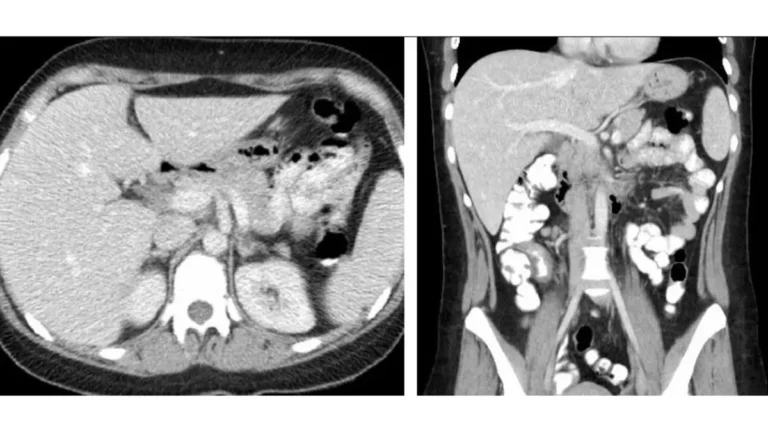
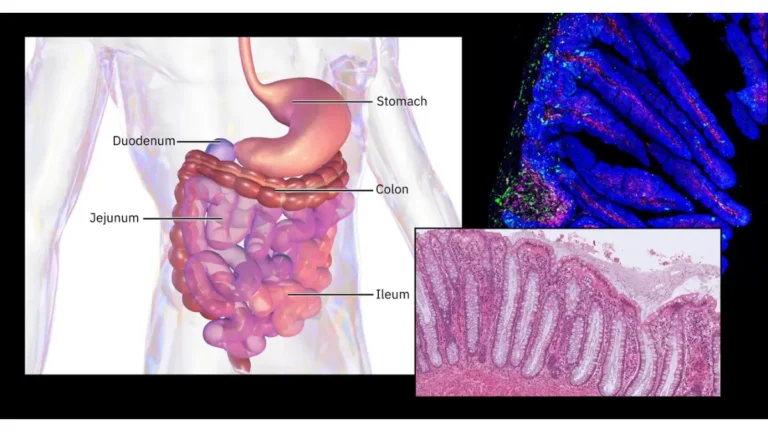
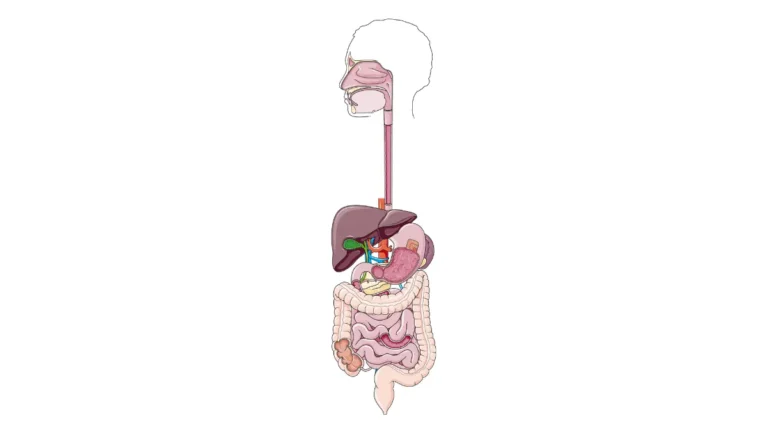
For the wider picture on preparation, cost, and results, start with our complete guide to colonoscopy prep, cost, and results. A colonoscopy is a procedure in which a doctor examines the lining of your large intestine using a thin, flexible tube with a camera on the end, called a colonoscope.
ℹ️ Medical Disclaimer: This article explains the colonoscopy procedure for general education only. It is not a diagnosis, a treatment plan, sedation instructions, or a substitute for your own care team’s guidance. Decisions about when to screen, which sedation to use, which medications to pause, and how to act on findings should be made with a board-certified gastroenterologist or your prescribing physician.
Getting ready on the day: check-in, IV, and sedation
Before the camera ever comes out, the day begins with check-in, a hospital gown, and an intravenous line. You’ll arrive having finished your bowel preparation the day before, and you’ll need a responsible adult to drive you home. A nurse places an intravenous (IV) line to deliver medication during the procedure.
Will I be awake during the colonoscopy?
That IV is how you receive sedation, and according to the NIDDK it helps you avoid awareness of and pain during the procedure. Sedation ranges from moderate (sometimes called conscious) sedation, where you’re deeply relaxed, to deep sedation or general anesthesia, where you’re fully asleep. Most people remember little or nothing.
🩺 Physician Note: Common sedation medications for colonoscopy include midazolam, fentanyl, and propofol, used alone or in combination. Which one is right for you depends on your health history and the setting, so it’s decided with your care team in advance.
How sedation affects the rest of your day
Because sedation dulls your judgment and reflexes for the rest of the day, you cannot drive yourself home, and most centers won’t begin without a driver present.
✅ Patient Action: Ask which sedation type is planned for you, and confirm which of your regular medications to pause and when — especially blood thinners and certain other drugs.
What happens during a colonoscopy, step by step
Once you’re sedated, the procedure itself is methodical and, according to the NIDDK, usually takes less than one hour. Here is the sequence the doctor follows.
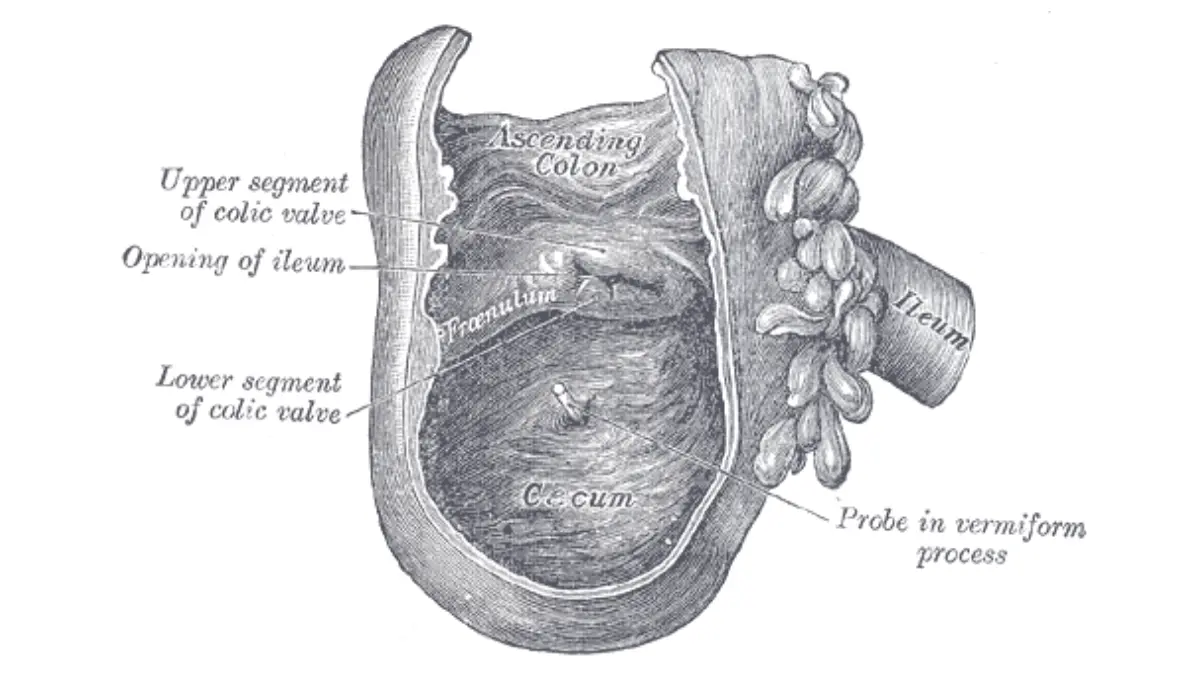
During a colonoscopy, the doctor:
- Has you lie on your side on the exam table while the sedation takes effect.
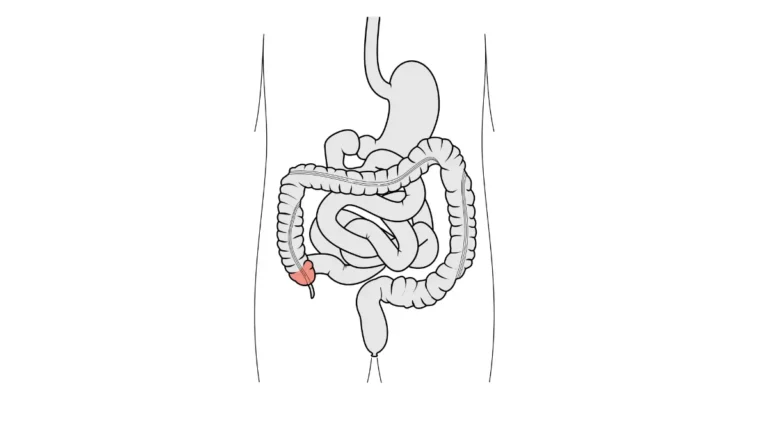
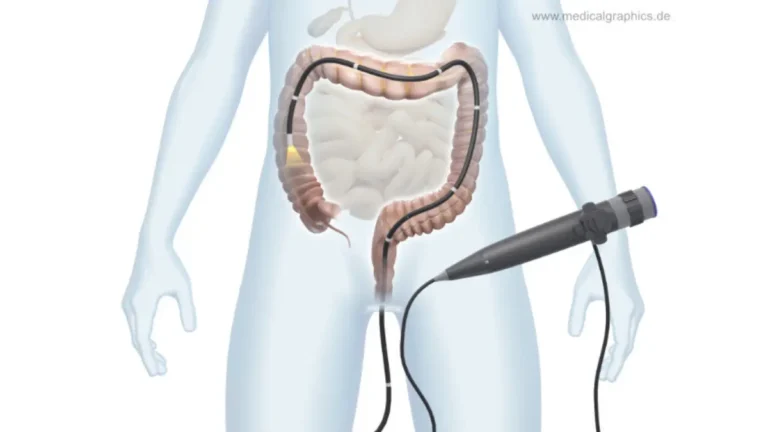
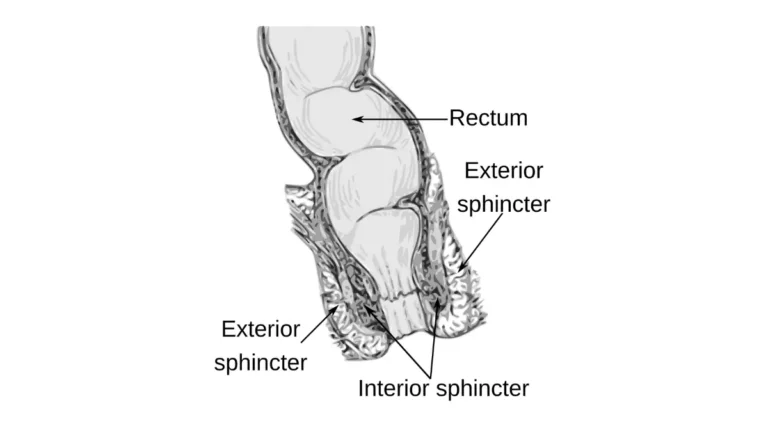
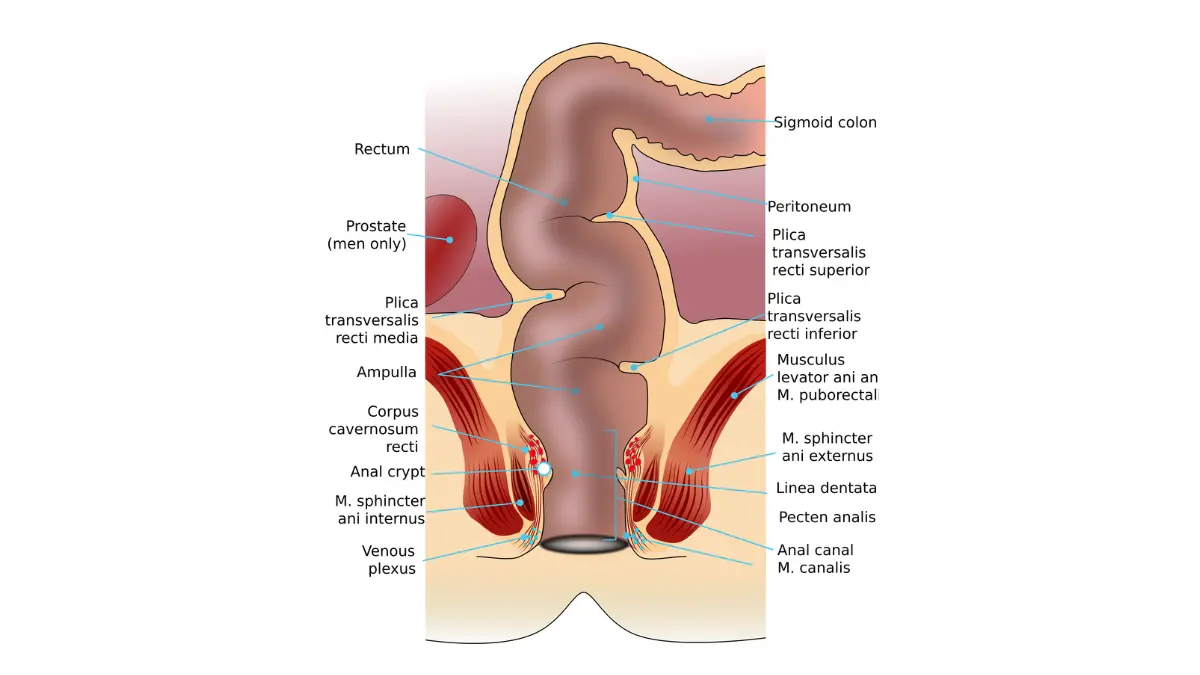
- Gently inserts the colonoscope through the anus into the rectum and colon.
- Inflates the colon with air or carbon dioxide so the lining is easier to see.
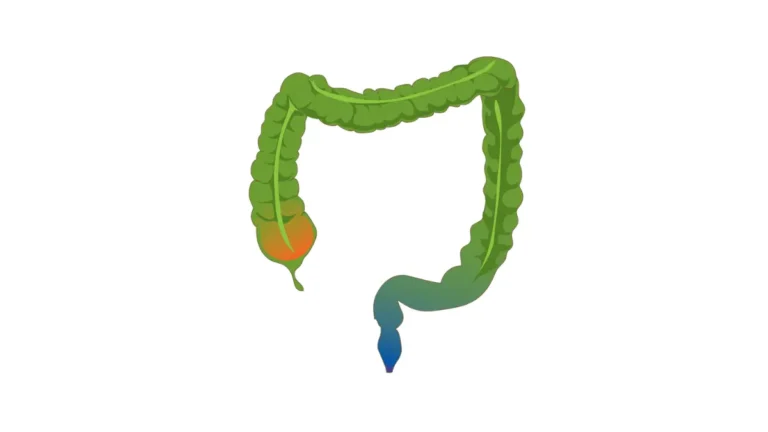
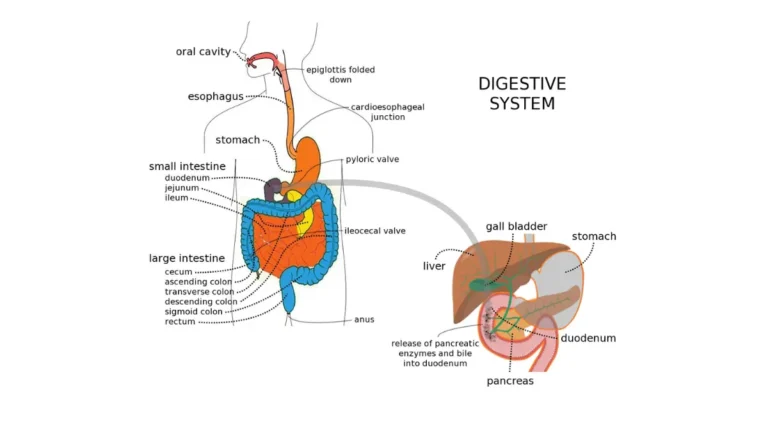
- Advances the scope to the cecum — where the colon meets the small intestine.
- Slowly withdraws the scope, carefully examining the lining the entire way back.
- Removes any polyps and takes tissue samples (biopsies) when needed.
- Withdraws the scope completely once the examination is finished.
🔬 How It Works: The colonoscope carries a light and a camera that send a live image to a monitor. The doctor reads the colon during the slow withdrawal, not the insertion, because unhurried inspection is what reveals small or flat growths.
How far does the scope go?
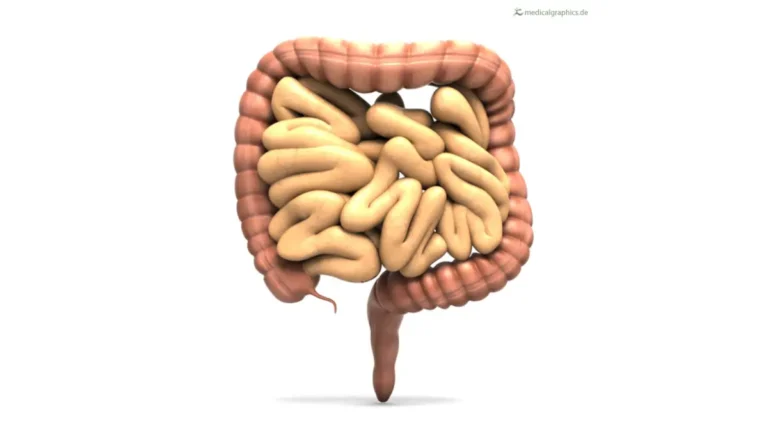
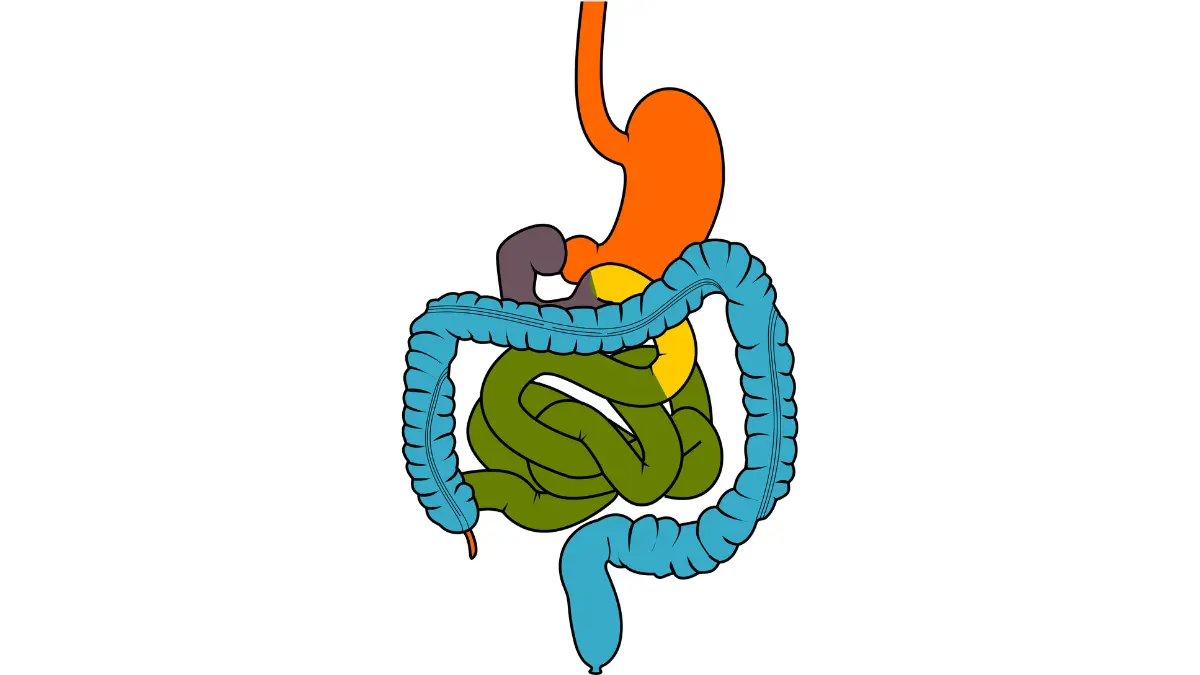
The scope travels the full length of the large intestine to the cecum, confirmed by landmarks such as the appendiceal orifice and the ileocecal valve. Reaching the cecum matters because growths can sit anywhere along the colon, including the far end.
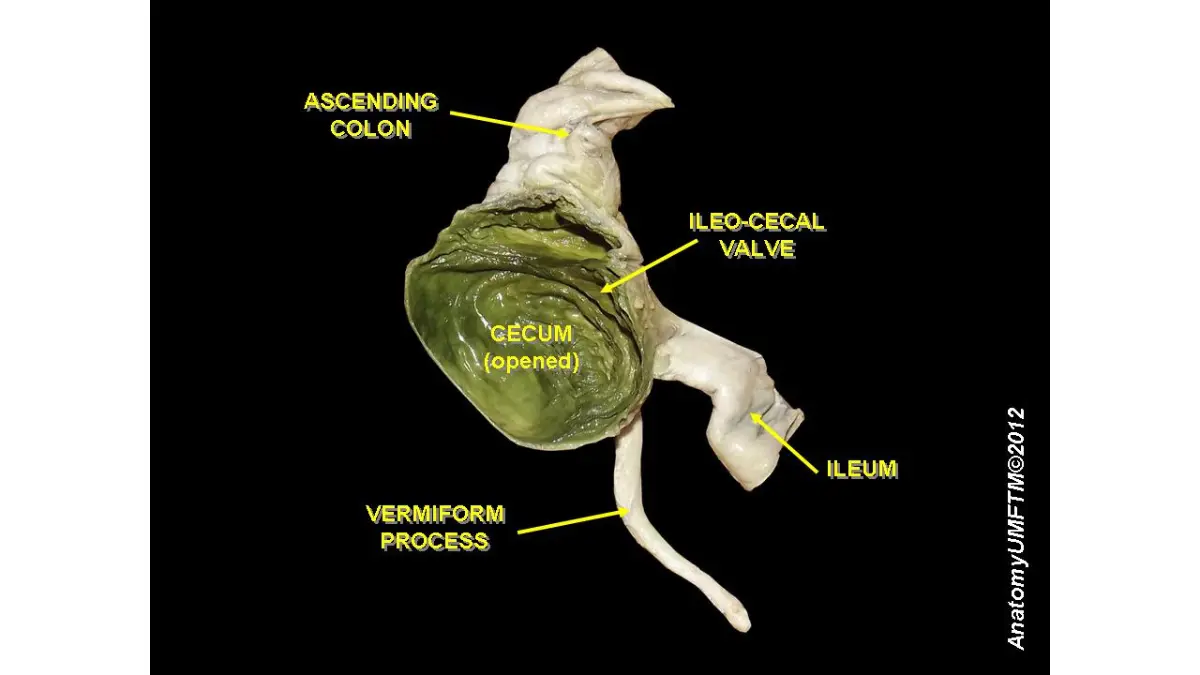
Does a colonoscopy hurt during the procedure?
With sedation, you should not feel pain. You may notice mild gas, pressure, or cramping as the colon is inflated, and you won’t feel polyp removal or biopsies. The NIDDK’s overview of the colonoscopy procedure describes each step.
What happens if the doctor finds a polyp
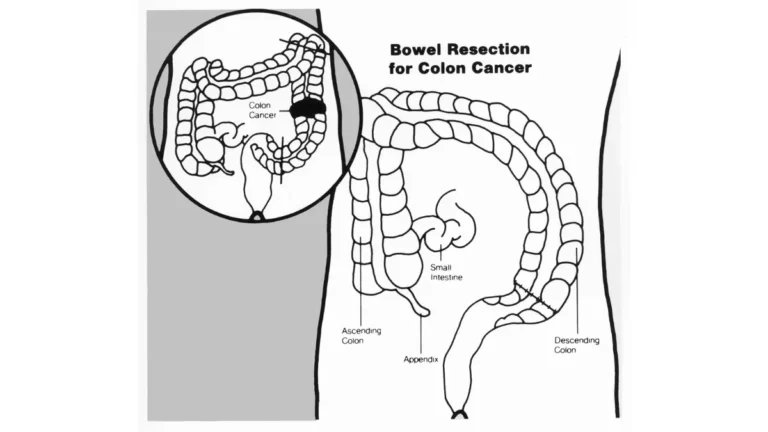
Finding a polyp is common and usually not a cause for alarm, and in most cases it is removed during the same procedure. A polyp is a small growth on the colon’s lining; most are harmless, but because most colon cancers begin as a polyp, removing them early may help prevent cancer.
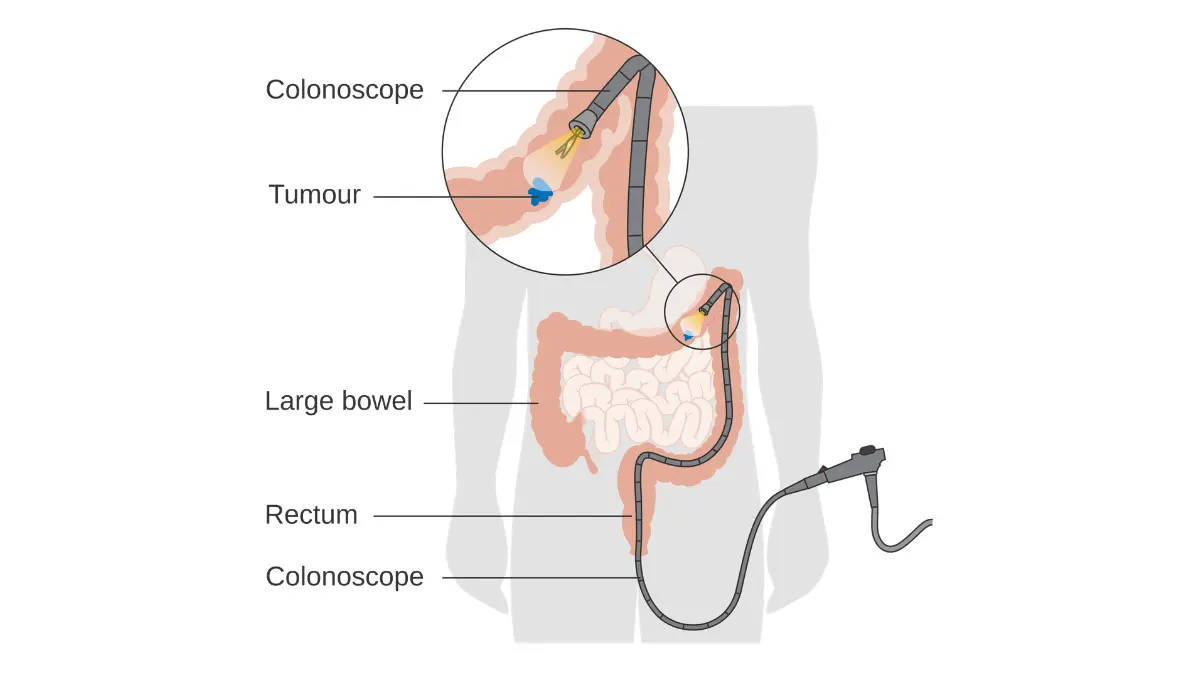
Polyp removal (polypectomy) and biopsy
Removing a polyp is called a polypectomy, done through the scope while you’re sedated. If the doctor sees other abnormal tissue, they may take a small biopsy and send it to a lab, with results usually back within several days.
🔬 How It Works: Most colorectal cancers develop slowly from a type of polyp called an adenoma. Removing the polyp interrupts that pathway before it can progress, which is why colonoscopy works as a screening test and a prevention tool in one visit.
📊 Clinical Data Point: In the landmark National Polyp Study, removing adenomatous polyps during colonoscopy was associated with an estimated 76% to 90% lower incidence of colorectal cancer over long-term follow-up — Source: National Polyp Study, New England Journal of Medicine. (Figure verified; framing to be confirmed by reviewer at publish.)
Can you feel a polyp being removed?
No. The colon’s lining does not sense cutting the way skin does, and the sedation keeps you comfortable.
✅ Patient Action: Before you leave, ask your gastroenterologist whether any polyps were removed, how many, their size, and when your next colonoscopy should be.
How long a colonoscopy takes and how often you need one
Most colonoscopies take less than an hour, though the exact time depends on what the doctor finds and removes. The examination runs longer when there are polyps to take out or the colon’s anatomy is more winding.
What affects how long it takes
Quality guidelines emphasize unhurried inspection during withdrawal, because more careful looking finds more growths. Studies link a withdrawal time of at least six minutes (with no polyps removed) to higher detection of abnormal tissue, so a thorough exam taking a little longer is a good sign.
How often should you have a colonoscopy?
The USPSTF recommends colorectal cancer screening beginning at age 45 for adults at average risk. For people who choose colonoscopy and have a normal result, the standard interval is every 10 years. See the CDC’s colorectal cancer screening information and the American Cancer Society screening recommendations.
Your start age and interval can be earlier with a family history, prior polyps, or other risk factors, and colorectal cancer is rising in adults under 50. You can map your own risk factors with our genetic risk assessment tool.
✅ Patient Action: Ask your primary care physician or gastroenterologist to confirm your specific start age and interval, naming any family history of colorectal cancer or polyps so the schedule fits your risk.
Waking up and recovering after the procedure
When the scope comes out, you move to a recovery area while the sedation wears off. The NIDDK notes you’ll typically stay about 30 to 60 minutes afterward, and you may feel cramping or bloating during the first hour as the air leaves your colon.
What you’ll feel in the first hour
Grogginess, mild cramping, and bloating are usual, and they pass quickly. You’ll get written instructions, and you should not drive for the rest of the day while the sedation clears.
When will I get my results?
Your doctor can often tell you what they saw right after the procedure. Anything sent to the lab takes additional days and is reported separately. Our guide to what each colonoscopy result means walks through how to read them, and MedlinePlus offers a plain-language overview.
Is a colonoscopy safe? Risks and warning signs to watch for
A colonoscopy is considered a safe, routine procedure, and serious complications are uncommon — but knowing the warning signs is part of being prepared. The main risks are bleeding and a tear in the colon wall (perforation), and both are more likely when a polyp is removed than during a look-only exam.
How common are colonoscopy complications?
Serious complications are rare in screening colonoscopies. Pooled estimates place these events in the range of a few per 10,000 procedures, with bleeding more common than perforation.
📊 Clinical Data Point: A 2025 systematic review and meta-analysis of more than 38 million colonoscopies estimated perforation at about 5.15 per 10,000 procedures and bleeding at about 18.39 per 10,000 — Source: meta-analysis in the American Journal of Gastroenterology, 2025. (High-stakes figures: to be confirmed by a clinical reviewer against the most current source before publish.)
Warning signs to call your doctor about
Most people have nothing worse than gas, but certain symptoms in the hours and days afterward need prompt attention.
⚠️ Clinical Warning: Seek urgent medical care if, after a colonoscopy, you have severe or persistent abdominal pain, a firm or swollen belly, heavy rectal bleeding or passing blood clots, fever, or feel faint or very weak. These can signal bleeding or a perforation and should not be watched at home.
✅ Patient Action: Before leaving, ask the staff which symptoms warrant calling the clinic versus going to the emergency room, and save the after-hours number they give you.
Colonoscopy: frequently asked questions
1. What happens during a colonoscopy?
You’re sedated through an IV, then the doctor inserts a flexible scope through the anus, inflates the colon for a clear view, advances to the cecum, and slowly withdraws while examining the lining, removing polyps as needed. It usually takes under an hour.
2. Are you awake during a colonoscopy?
Most people remember little or nothing. Sedation ranges from moderate (conscious) sedation, where you’re deeply relaxed, to deep sedation or general anesthesia, where you’re fully asleep. The depth is decided with your care team beforehand.
3. Does a colonoscopy hurt?
With sedation, you shouldn’t feel pain. You may notice mild gas, pressure, or cramping as the colon is inflated, and you won’t feel polyp removal or biopsies. Discuss your sedation options with your care team first.
4. How far does the scope go?
The colonoscope travels the full length of the large intestine to the cecum, where the colon meets the small intestine. Reaching it matters because growths can appear anywhere, including the far end shorter tests don’t reach.
5. What happens if they find a polyp?
A polyp is usually removed in the same procedure — a polypectomy — and sent to a lab. Most are harmless, but because most colon cancers begin as a polyp, early removal may prevent cancer. Ask your doctor about your next steps.
6. Can you feel a polyp being removed?
No. The colon’s lining doesn’t sense cutting the way skin does, and sedation keeps you comfortable. Many people are surprised afterward to learn anything was removed at all.
7. How long does a colonoscopy take?
It usually takes less than one hour, though the time depends on what the doctor finds and removes. Exams that include polyp removal or a more winding colon can run longer, and unhurried inspection is a good sign.
8. How often do I need a colonoscopy?
The USPSTF recommends screening starting at age 45 for average-risk adults. With colonoscopy and a normal result, the standard interval is every 10 years. Family history or prior polyps may mean earlier screening — confirm with your physician.
9. What happens right after a colonoscopy?
You recover about 30 to 60 minutes while sedation wears off, and may feel cramping or bloating in the first hour as air leaves the colon. You’ll get written instructions, need a driver, and shouldn’t drive the rest of the day.
10. When will I get my results?
Your doctor can often share what they saw right after the procedure. Biopsies and removed polyps go to a lab, with results usually reported separately within several days. Review any lab findings with your doctor.
11. Is a colonoscopy dangerous?
It’s considered safe, and serious complications are uncommon. The main risks are bleeding and perforation, both more likely after polyp removal and estimated at a few per 10,000 procedures. Seek urgent care for severe pain, heavy bleeding, or fever afterward.
The bottom line
A colonoscopy is a well-understood, low-risk procedure, and most of the worry comes from not knowing the steps. You’re sedated and comfortable, the doctor examines the full colon, and any polyps usually come out in the same visit — which is what makes this both a screening test and a way to prevent cancer.
If you have one scheduled, the most useful things you can do are finish your prep as instructed and line up your ride home. For everything around the procedure, see our complete guide to colonoscopy prep, cost, and results.
About this content
How this article was put together: researched from recognised health sources, drafted with the help of AI tools, and edited by hand, with sources linked throughout.

Sameer Patel is the founder and editor of My Medicine Advisor. He is not a doctor or medical professional — before starting this site he worked in banking,…
Medical disclaimer
The content on MyMedicineAdvisor is provided for general informational and educational purposes only and is not a substitute for professional medical advice, diagnosis, or treatment. Health information on this website should not be used to diagnose, treat, cure, or prevent any condition without guidance from a qualified healthcare professional. Always seek the advice of your doctor, physician, or another licensed healthcare provider with any questions you may have regarding a medical condition, symptoms, medications, or treatment decisions.