
On This Page – Quick Medical Summary
The Post-Christmas Pattern
The Day-After Reality
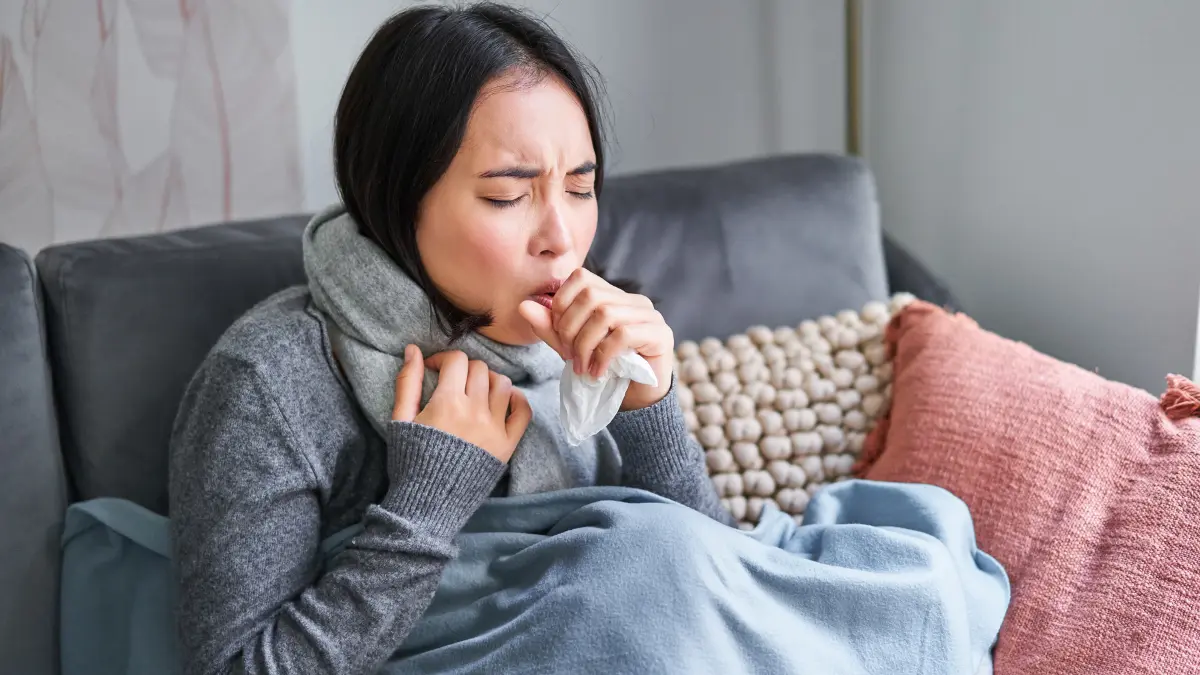
December 26th arrives with a familiar ache. The decorations are still up, leftover turkey fills the fridge, but something feels off. Your throat scratches when you swallow. Your head throbs. That relentless energy that carried you through shopping, cooking, hosting, and celebrating has vanished—replaced by bone-deep exhaustion.
You’re not alone in this.
The Invisible Epidemic
Across households right now, the same scene repeats. Someone cancels New Year’s plans. A parent calls in sick to work. Kids who bounced through Christmas morning now lie fever-flushed on the couch. The family group chat fills with messages: “Down with a cold,” “Caught something,” “Completely wiped out.”
It feels personal, like your body betrayed you at the worst possible time. But this wave of post-Christmas illness isn’t random bad luck.
More Than Coincidence
The pattern appears every year with clockwork precision. The week after Christmas sees doctor’s offices flooded, pharmacies running low on cold medicine, and urgent care centers stretched thin. Medical professionals recognize it immediately—the annual post-holiday crash that affects millions.
Your immune system didn’t fail you. It responded exactly as biology predicted it would.
When Your Body Hits the Wall
The Stress Shield Drops
For weeks, your body ran on adrenaline and sheer determination. Gift lists needed finishing, meals required planning, relatives expected hosting. You pushed through fatigue, skipped workouts, stayed up late wrapping presents. Your immune system kept pace—barely—fueled by stress hormones that temporarily masked vulnerability.
Then Christmas ended. The urgency disappeared. Your body finally received permission to stop.
The Letdown Effect
Medical researchers call this the “letdown effect”—the phenomenon where illness strikes immediately after intense stress periods end. While you were operating in crisis mode, cortisol and adrenaline kept your immune defenses artificially elevated. The moment you relaxed into December 26th, those stress hormones plummeted.
Your immune system, already depleted from weeks of poor sleep and irregular eating, suddenly lost its chemical scaffolding.
Why the Delay Matters
This explains the cruel timing. You didn’t catch a virus on Christmas Day—you likely encountered it days or even a week earlier. But your body suppressed symptoms while survival mode was active. Once the pressure released, the illness you’d been incubating finally surfaced with full force.
The Perfect Storm of December
Sleep Debt Compounds Daily
Late-night wrapping sessions. Early morning excitement with children. Midnight church services and party hosting that stretches past your usual bedtime. December systematically dismantles healthy sleep patterns, and each lost hour weakens your body’s ability to produce infection-fighting cells.
Most adults accumulate 10-15 hours of sleep debt across the holiday season. Your immune system notices every missing hour.
Sugar and Alcohol Create Vulnerability
Three nights of heavy meals, dessert trays circulating endlessly, champagne toasts, and festive cocktails do more than expand waistlines. Research shows that excess sugar temporarily suppresses white blood cell function—the very cells responsible for attacking viruses and bacteria. Alcohol disrupts your gut microbiome, where approximately 70-80% of immune function originates, creating a cascading effect that persists for days after drinking stops.
Indoor Gatherings Amplify Exposure
December forces people indoors. Closed windows trap recirculated air. Family members travel from different regions, bringing unfamiliar viral strains. Holiday parties pack dozens of people into living rooms designed for eight. Every hug, shared serving spoon, and cramped conversation increases pathogen exposure exponentially.
Winter air lacks the humidity that keeps respiratory passages moist and protective.
Why Kids and Adults React Differently
Children’s Immune Overwhelm
Kids experience the holiday season with sensory and physical intensity that adults often underestimate. Their smaller bodies process proportionally massive amounts of sugar—candy canes, cookies, hot chocolate, desserts at every gathering. Sleep schedules collapse under the excitement of anticipating gifts and visiting relatives.
Young immune systems, still developing their pathogen libraries, face higher vulnerability when these disruptions converge.
The Parental Crash Pattern
Adults, meanwhile, accumulate a different kind of damage. You powered through exhaustion to maintain holiday magic for others. You ignored early warning signs—the scratchy throat, the unusual fatigue—because stopping wasn’t an option. This “stress override” depletes immune reserves more severely than children’s sugar-and-sleep disruption.
Parents frequently report the same frustrating cycle: surviving Christmas while caring for sick kids, only to collapse with illness themselves once everyone else recovers.
The Gut Connection
Both age groups share one critical vulnerability. Your digestive system houses roughly 70-80% of immune cells, and holiday eating patterns disrupt the bacterial balance that supports immune function. Days of rich foods, irregular meal timing, and reduced fiber intake compromise your body’s first line of defense against infection.
This gut disruption affects the whole family simultaneously, explaining why post-Christmas illness often sweeps through households in waves.

The Recovery Window
Days One Through Three
Your body is actively fighting right now. Fever, congestion, and fatigue aren’t signs of failure—they’re evidence your immune system has mobilized its full response. Most post-Christmas illnesses peak within 48-72 hours after symptoms first appear, then gradually ease as your body regains control.
This timeline matters because it helps you distinguish normal recovery from something requiring medical attention.
What Your Body Needs
Simple supports make the biggest difference during this window. Water helps flush out toxins and keeps mucous membranes functioning properly—aim for more than you think you need. Sleep allows your immune system to direct energy toward healing rather than daily activities. Lighter foods give your digestive system space to restore the gut bacteria that support immune function, rather than forcing it to process heavy meals while already compromised.
These aren’t complicated interventions, but consistency matters more than perfection.
When to Seek Help
If fever persists beyond three days, breathing becomes difficult, or symptoms worsen instead of plateauing, contact your healthcare provider. Most post-holiday illness resolves on its own, but certain warning signs—severe dehydration, chest pain, confusion—require professional evaluation rather than home management.
Building Better Boundaries Next Year
The Self-Awareness Shift
Next December doesn’t require perfection—it requires small adjustments based on what you’ve learned. Notice which traditions drain you versus which ones genuinely bring joy. Consider protecting one non-negotiable habit: your usual bedtime, morning routine, or daily walk. These anchors help your body maintain some physiological stability even when schedules shift.
Stress management throughout the season reduces the crash intensity afterward.
Your Body’s Honest Response
The post-Christmas illness pattern isn’t a personal failing or bad luck. It’s your body responding normally to extraordinary demands placed on it during an emotionally charged, socially intense, physically exhausting period. Understanding this biological reality removes the shame and frustration that often accompany getting sick.
Your immune system didn’t betray you—it carried you through the holiday, then finally signaled it needed rest. That’s exactly what healthy bodies do when pushed to their limits and then given permission to recover.
About this content
How this article was put together: researched from recognised health sources, drafted with the help of AI tools, and edited by hand, with sources linked throughout.

Sameer Patel is the founder and editor of My Medicine Advisor. He is not a doctor or medical professional — before starting this site he worked in banking,…
Medical disclaimer
The content on MyMedicineAdvisor is provided for general informational and educational purposes only and is not a substitute for professional medical advice, diagnosis, or treatment. Health information on this website should not be used to diagnose, treat, cure, or prevent any condition without guidance from a qualified healthcare professional. Always seek the advice of your doctor, physician, or another licensed healthcare provider with any questions you may have regarding a medical condition, symptoms, medications, or treatment decisions.