If you or someone you know fell ill right after Christmas yesterday, you’re part of a massive post-holiday illness surge sweeping the nation right now. Respiratory viruses account for nearly 9.3% of all hospital admissions in late December 2025, with influenza-related hospitalizations skyrocketing eight-fold from November to this week.
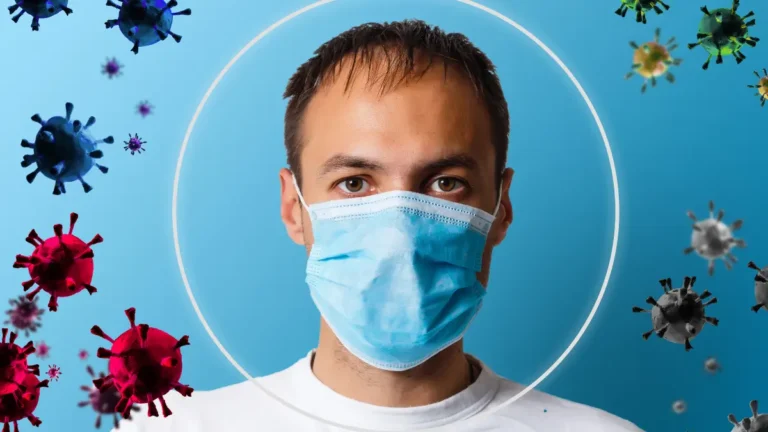
The shocking truth? Three converging threats—influenza A H3N2, COVID-19, and RSV—combined with holiday stress that suppresses immune function created the perfect viral storm. Indoor gatherings on December 25th, sleep deprivation, and elevated cortisol levels left millions vulnerable during peak celebration periods.
Experiencing symptoms today? Use our Symptom Checker to assess your condition immediately, or review the latest intelligence on H3N2 flu symptoms doctors are warning about this season.
The Science Behind Post-christmas Illness Spike
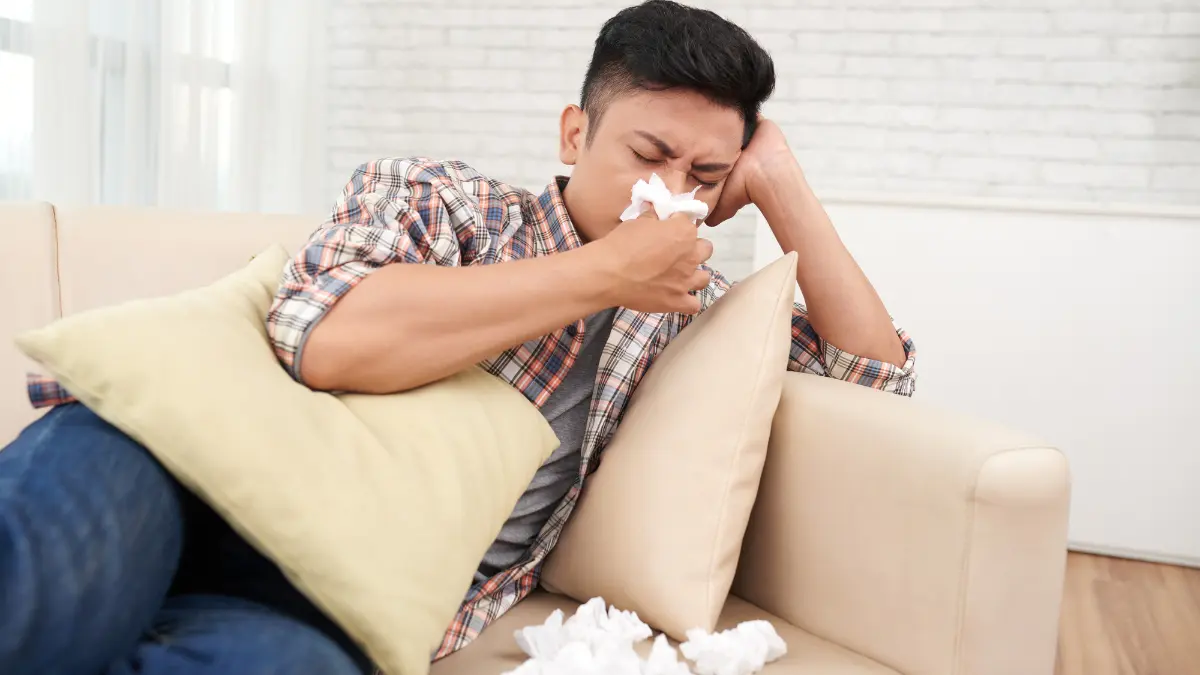
Why Your Immune System Crashes After Holidays
Holiday stress triggers a cascade of cortisol-mediated immune suppression that reduces T cell activity by up to 40% within hours. This stress hormone directly blocks lymphocyte function, leaving your body vulnerable to respiratory pathogens circulating at holiday gatherings.
Sleep deprivation compounds this vulnerability. Studies from UCLA confirm that losing just 2-3 hours of sleep per night significantly reduces natural killer cell activity and IL-2 production—critical immune defenses against viruses. Combined with alcohol consumption during festivities, immune response drops even further.
Winter’s Hidden Immunity Threat:
- Vitamin D deficiency: Winter sunlight reduction drops serum 25(OH)D levels to 21 ng/mL (versus 28 ng/mL in summer), directly increasing respiratory infection susceptibility
- Chronic stress accumulation: December’s financial and social pressures elevate baseline cortisol for weeks
- Metabolic strain: Holiday eating disrupts gut immunity—assess your baseline with our BMI Calculator to understand metabolic health risks
People recovering from post-Christmas illness should prioritize adequate sleep patterns to restore immune function efficiently.
The Triple Threat—flu, Covid, RSV Convergence
2025 Respiratory Season: What Makes This Year Different
The CDC reports influenza hospitalizations are increasing nationally as of December 19, 2025, driven by a new H3N2 subclade K variant that now represents 90% of flu samples in early surveillance data. This rapidly evolving strain contains mutations making it antigenically different from previous H3N2 viruses, creating immune escape potential.
The Convergence Crisis:
- Influenza A H3N2 subclade K: Emerged August 2025, spread globally by December
- RSV surge: Hospitalizations increasing in Southeastern states, particularly impacting infants and elderly simultaneously
- COVID-19 persistence: Low but steady hospital admissions (0.3% death rate) continue through holiday period
Parents should review flu symptoms in children specific to 2025 and understand H3N2 subclade K presentation patterns doctors are now identifying.
Indoor Gathering Transmission Mechanics
How Holiday Gatherings Create Perfect Viral Storm
Indoor Christmas celebrations concentrate airborne viral particles in enclosed spaces where ventilation systems struggle to dilute infectious aerosols fast enough. The CDC confirms that respiratory particles build up over time in poorly ventilated rooms, allowing transmission even between people standing more than 6 feet apart.
High-Risk Transmission Scenarios:
- Singing and caroling: Research from Colorado State University documents that forced-air breathing during singing releases 10-30 times more respiratory aerosols than normal conversation
- Meal-based gatherings: Unmasked eating and drinking over 2-3 hours creates prolonged exposure windows
- Closed-window environments: Winter heating systems recirculate indoor air without introducing fresh outdoor air
- Multi-generational mixing: Holiday travel brings diverse regional virus strains together in single locations
People concerned about norovirus transmission should also review strategies to avoid this week’s norovirus spike, which spreads through similar indoor gathering pathways.
Prevention Protocol (Actionable Steps)
Evidence-Based Strategies to Protect Yourself Next Season
The CDC recommends layered prevention strategies combining vaccination, hygiene, and environmental controls to reduce respiratory virus transmission during future holiday seasons. Implementing multiple protective measures simultaneously provides the strongest defense against post-holiday illness surges.
Core Prevention Actions:
- Optimize sleep quality: Aim for 7-9 hours nightly during holiday weeks using a structured sleep calculator to maintain immune function
- Improve indoor ventilation: Open windows for 10-15 minutes every hour during gatherings, even in winter
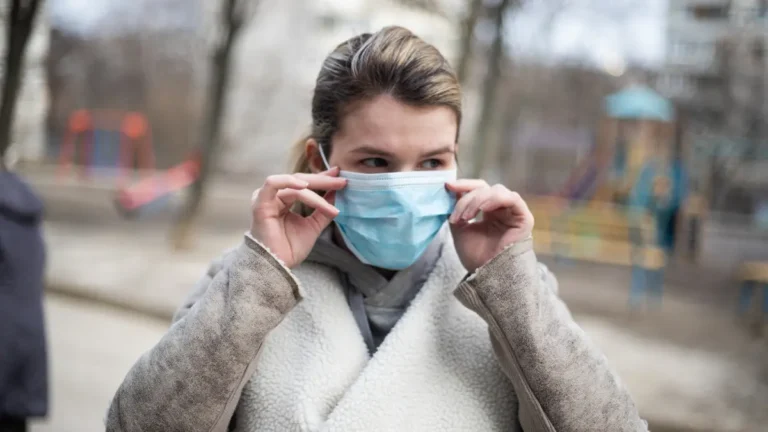
- Mask in crowded indoor settings: Well-fitting N95 or KN95 respirators reduce aerosol exposure by 95%
- Practice hand hygiene: Wash hands for 20 seconds after touching shared surfaces
- Maintain physical distance: Stay 6+ feet from symptomatic individuals when possible
- Limit alcohol consumption: Restrict intake to 1-2 drinks to avoid immune suppression
- Stay home when symptomatic: Avoid gatherings if experiencing fever, cough, or respiratory symptoms
Maintaining metabolic health through proper water intake calculations supports overall immune resilience during winter months.
What To Do If You Got Sick
Post-Holiday Illness Recovery Timeline
Symptoms typically emerge 3-7 days after holiday gathering exposure, with fever, cough, and fatigue appearing first in most respiratory infections. The post-Christmas illness surge means many people are experiencing symptom onset between December 28-January 2, 2026, following December 25th celebrations.
Critical Action Windows:
- First 48 hours: Antiviral medications (oseltamivir for flu) are most effective when started within 2 days of symptom onset
- High-risk warning signs: Difficulty breathing, persistent chest pain, confusion, or bluish lips require immediate medical evaluation
- Isolation period: Stay home for at least 24 hours after fever resolves without fever-reducing medication
- Hydration priority: Consume 8-10 glasses of water daily to support immune function and mucus clearance
Recovery Strategies by Symptom:
- Fever management: Rest, fluids, and acetaminophen or ibuprofen for temperature control
- Respiratory congestion: Steam inhalation, saline nasal rinses, and humidifier use improve airway clearance
- Fatigue: Avoid strenuous activity for 7-10 days; gradual return to exercise prevents relapse
- Persistent cough: Honey (adults), cough suppressants at night, and adequate rest accelerate healing
Post-festive immune recovery takes 2-3 weeks for most adults. Prioritize sleep quality, nutrient-dense foods, stress reduction, and gradual physical activity resumption during this window. Winter wellness requires sustained attention to metabolic health, hydration balance, and circadian rhythm maintenance.
About this content
How this article was put together: researched from recognised health sources, drafted with the help of AI tools, and edited by hand, with sources linked throughout.

Sameer Patel is the founder and editor of My Medicine Advisor. He is not a doctor or medical professional — before starting this site he worked in banking,…
Medical disclaimer
The content on MyMedicineAdvisor is provided for general informational and educational purposes only and is not a substitute for professional medical advice, diagnosis, or treatment. Health information on this website should not be used to diagnose, treat, cure, or prevent any condition without guidance from a qualified healthcare professional. Always seek the advice of your doctor, physician, or another licensed healthcare provider with any questions you may have regarding a medical condition, symptoms, medications, or treatment decisions.