
On This Page – Quick Medical Summary
Seeing “WBC — HIGH” on a lab report is unsettling, and for many people the first fear is leukemia. Here is the reassuring reality first: a high white blood cell count, called leukocytosis, is far more often a sign that your body is doing its job — fighting an infection or responding to inflammation or stress — than a sign of cancer.
Use this guide by your situation. If your count is only mildly high (just over 11,000) and you feel well, Sections 2 and 5 explain why that is usually routine. If you have a recent infection, injury, or new medication, Section 4 covers the common causes. If you have symptoms like unexplained fever, night sweats, weight loss, or easy bruising, go straight to Section 7 on warning signs. If you are helping someone else read their results, the FAQ answers the most common questions.
A single number never tells the whole story. Your clinician reads it alongside your symptoms, your history, and the rest of your complete blood count (CBC) results.
ℹ️ Medical Disclaimer: This article is general health education, not a diagnosis, treatment plan, or medication guidance. A white blood cell count must be interpreted by your own clinician alongside your full results and symptoms. Do not start, stop, or change any medication based on this page. If you have emergency symptoms — such as sudden confusion, one-sided weakness, chest pain, severe difficulty breathing, or bleeding that will not stop — call your local emergency number now. For questions about your results, consult a board-certified physician, and a hematologist where blood counts are persistently or markedly abnormal.
What counts as a high white blood cell count?
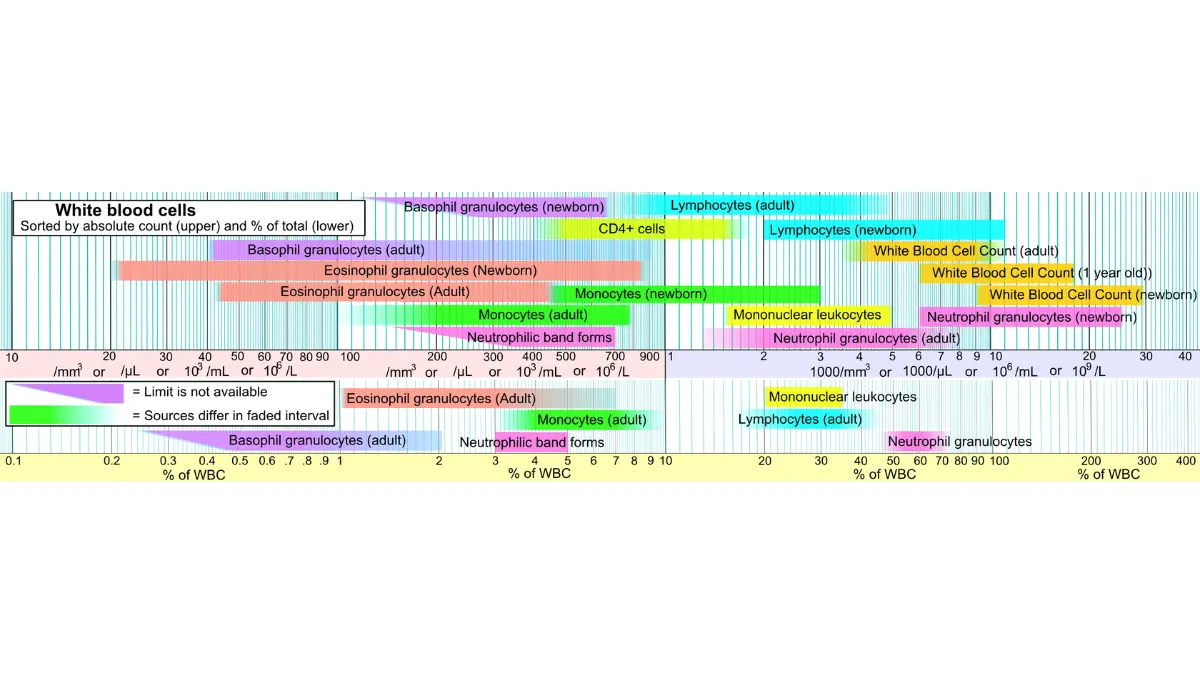
In adults, a white blood cell count above about 11,000 cells per microliter (11.0 × 10⁹/L) is called leukocytosis. A value just over that line sits barely outside the normal band and, on its own, is rarely alarming.
📊 Clinical Data Point: The normal adult white blood cell count is roughly 4,500–11,000 cells per microliter, though reference ranges vary slightly by lab — Source: MedlinePlus (WBC test) and NIH/NCBI StatPearls, Leukocytosis.
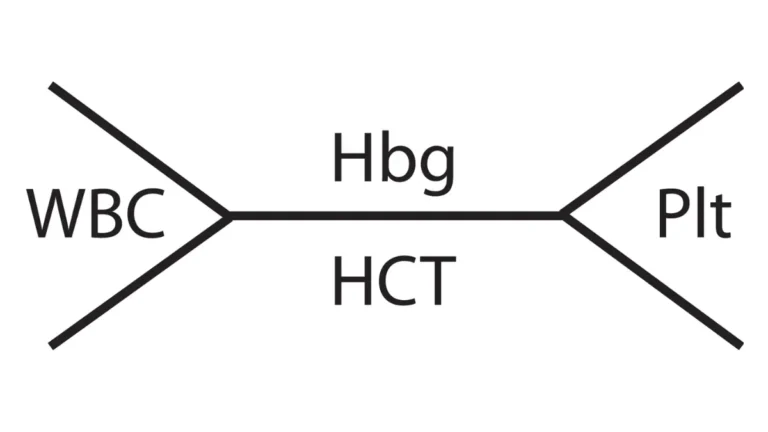
Your CBC actually reports two things about white cells. The first is the total count — the single number most people notice. The second is the differential, which breaks that total into the five white-cell types and often matters more, because which type is raised points toward the cause.
Reference ranges differ between laboratories and by physiologic state, so two labs can flag the same blood slightly differently. This is one reason a mildly high result is often simply rechecked rather than acted on immediately. You can compare typical figures against the normal ranges for a CBC, and clinicians who want the underlying detail can consult the clinical reference on leukocytosis.
The five types of high white blood cell count
A high count is grouped by which type of white blood cell is raised, and each pattern points toward different causes. This differential is what turns a vague “high WBC” into a useful clue.
- Neutrophilia (high neutrophils) — the most common type; typically bacterial infection, inflammation, physical stress, or smoking.
- Lymphocytosis (high lymphocytes) — often viral infections, and some chronic conditions.
- Monocytosis (high monocytes) — chronic infections and inflammatory conditions.
- Eosinophilia (high eosinophils) — allergies, asthma, and parasitic infections.
- Basophilia (high basophils) — the rarest; occasionally linked to bone-marrow disorders.
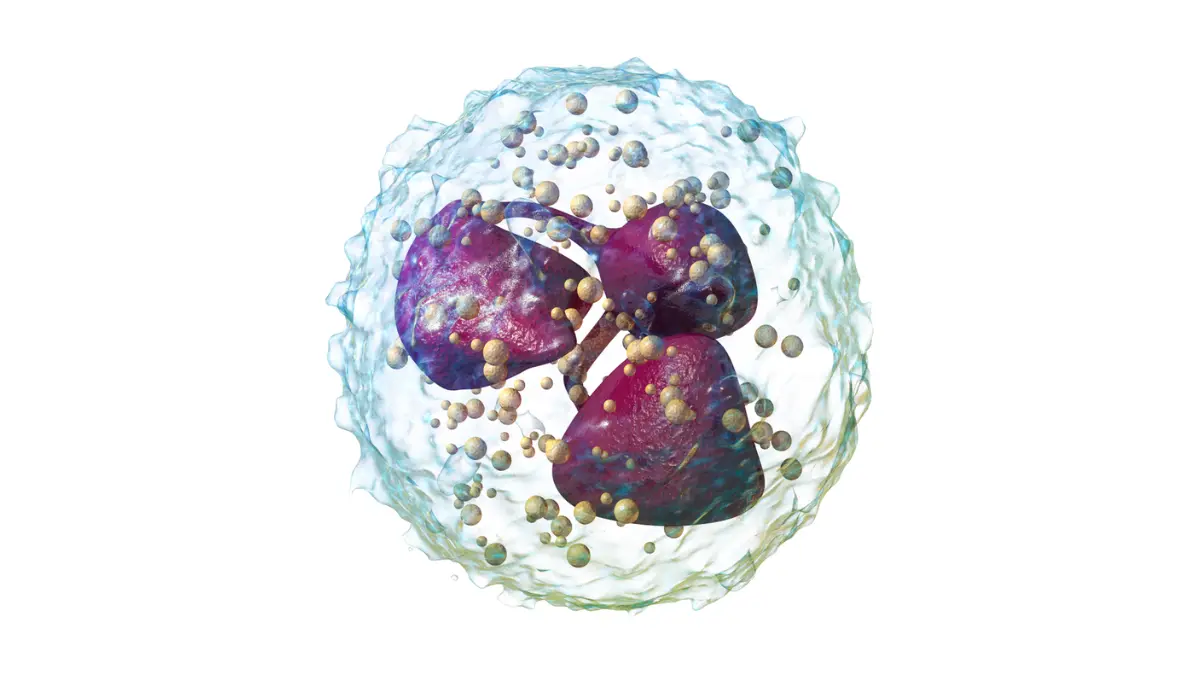
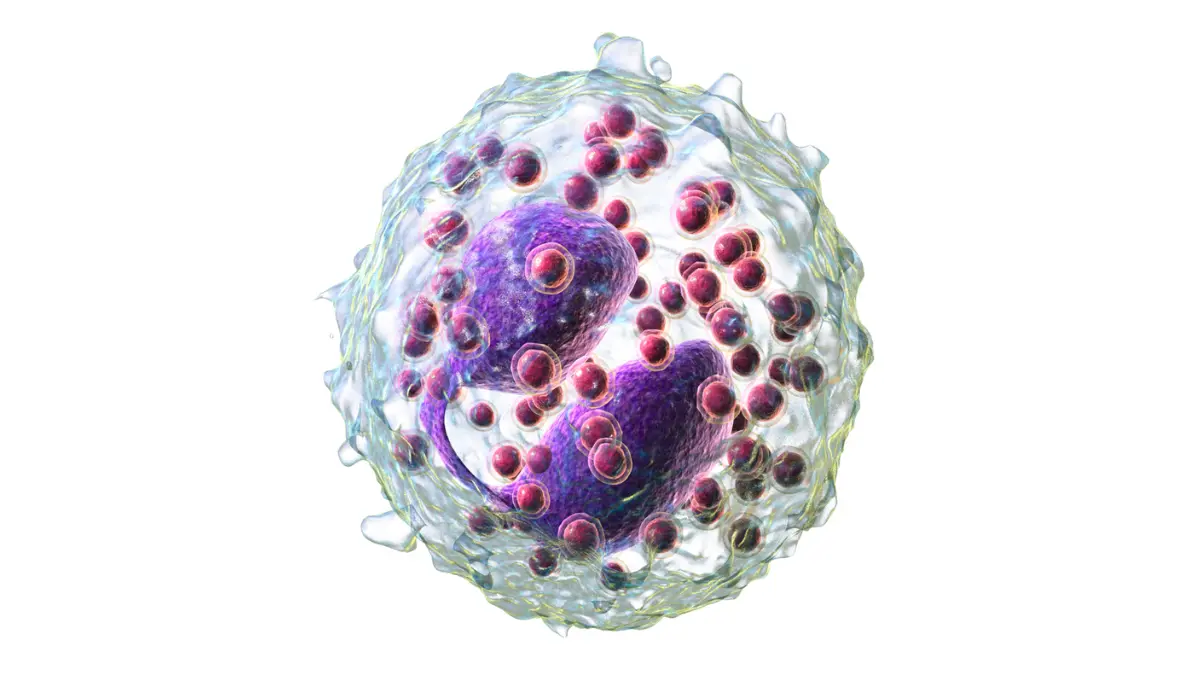
For context, neutrophils normally make up roughly 40–60% of white cells and lymphocytes about 20–40%, so a shift in either moves the total the most. A worried reader does not need to interpret these percentages alone — only a clinician reading the full differential can weigh the pattern against your symptoms. If you want the individual lines explained, see the differential on your CBC, and MedlinePlus offers a plain-language overview of the white blood count test.
Common reasons your white blood cell count is high
Most elevations are reactive and temporary — your body responding to something, not a disease of the blood itself. The common causes, from most to least frequent:
- Infection (especially bacterial) and inflammation — by far the leading reasons.
- Physical or emotional stress — including fever, injury, surgery, and vigorous exercise.
- Medications — notably corticosteroids; also lithium and beta-agonists.
- Smoking — which keeps counts mildly elevated and tends to drift back down after quitting.
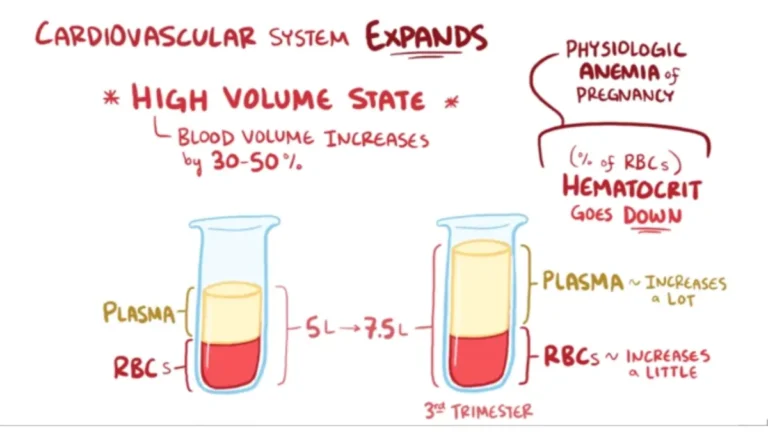
- Pregnancy — a higher white blood cell count is expected.
- Less commonly, autoimmune disease, thyroid problems, removal of the spleen, bone-marrow disorders, and blood cancers.
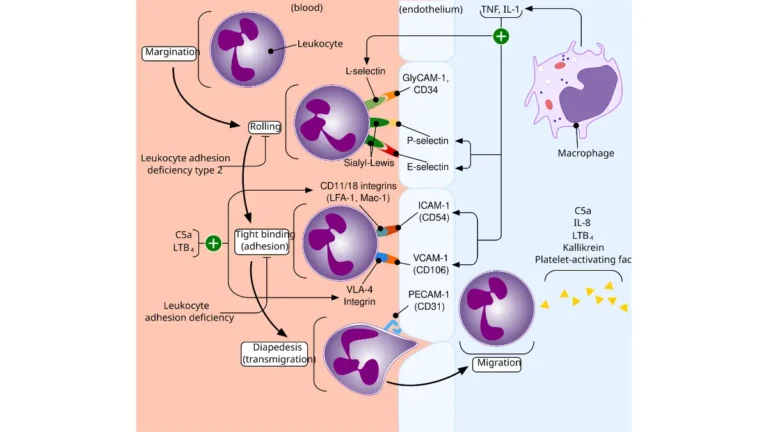
🔬 How It Works: When you get sick, your bone marrow releases more white cells into the bloodstream. Steroids raise the count by a different route called demargination — they loosen neutrophils that were clinging to blood-vessel walls, so more circulate freely and the measured count rises, even without any infection.
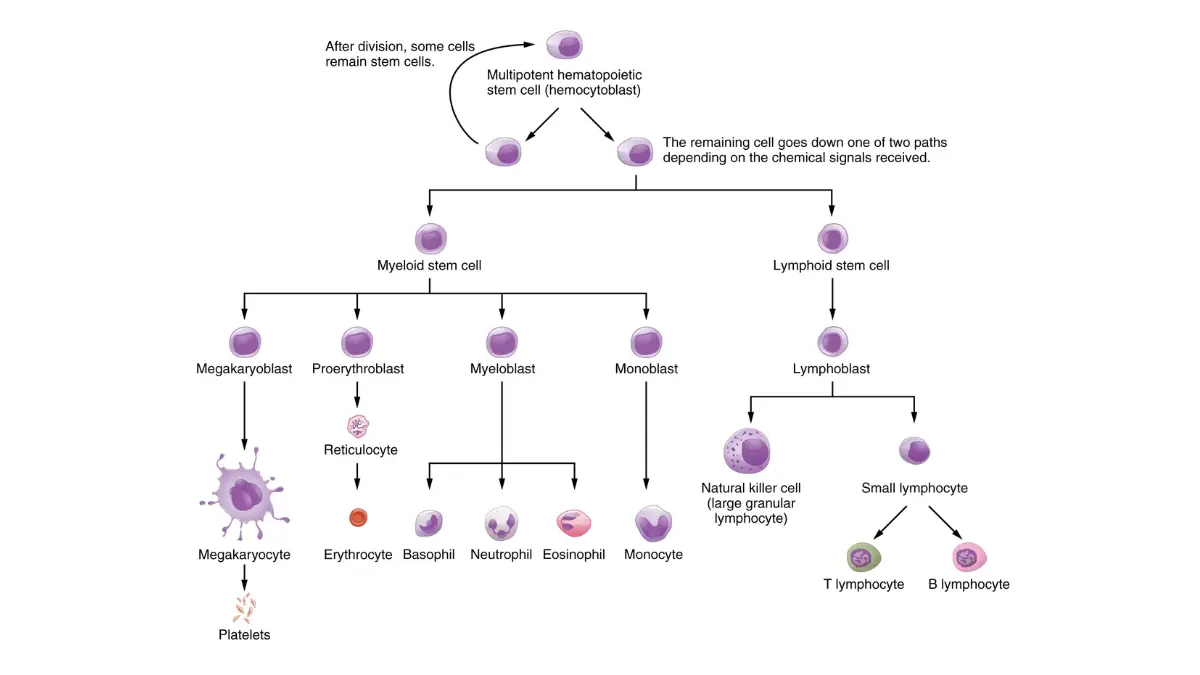
Because a raised count often reflects inflammation, clinicians may look at it beside markers like inflammation markers such as CRP. The point to hold onto: a high count usually names a process, not a diagnosis.
How high is too high? Mild elevation vs. very high counts
How far above 11,000 a count sits changes what it usually means. The ladder below is a general guide for understanding — not a self-diagnosis tool, and not a substitute for your clinician’s reading of your specific result.
| White cell count | Name | What it usually reflects |
|---|---|---|
| Above ~11,000/µL | Leukocytosis | Most often a reactive response — infection, inflammation, stress, medication |
| Above ~50,000/µL | Leukemoid reaction | A strong reaction to a serious cause outside the marrow (e.g., severe infection) — resembling leukemia but not cancer |
| Above ~100,000/µL | Hyperleukocytosis | Seen in leukemia and bone-marrow disorders; needs urgent evaluation |
Sources: NIH/NCBI StatPearls (thresholds); European Journal of Internal Medicine and the American Society of Hematology (leukemoid reaction). Key clinical detail: these are general thresholds; interpretation is individualized by a clinician.
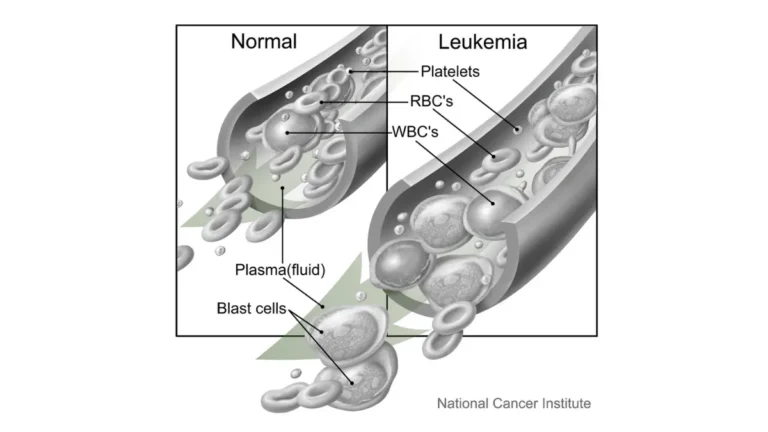
Does a high count mean leukemia? Usually not. A high count is not a diagnosis, and leukemia can even show a normal or low white cell count — because in leukemia the marrow crowds out healthy cells, and the excess cells that do appear are abnormal. What clinicians look for are specific signals in the blood, such as very immature cells (blasts) or abnormalities in the other cell lines, which is why a single high number is followed by more testing rather than conclusions. If your report flags several values, an abnormal CBC result explains how they fit together, and the NCI’s patient guide to leukemia covers the disease itself.
✅ Patient Action: If your count is very high or stays high on a repeat test, ask a hematologist: “Given my count and my differential, do I need a peripheral blood smear or further testing to explain this?”
What to do next if your white blood cell count is high
A mildly raised count rarely calls for panic. Here is the calm sequence most clinicians follow:
- Recheck it in context. One value is often repeated, because a recent infection, hard workout, stress, or a new medication can lift the number temporarily. Reactive elevations usually settle once the trigger resolves.
- The tests a doctor may order. A repeat CBC with differential comes first. If something looks off, a peripheral blood smear lets a specialist actually look at the cells, and — only for a persistent, unexplained rise — a bone-marrow test can distinguish a reaction from a blood disorder.
- Come prepared. Bring your list of medications and recent illnesses; both change how the number is read.
Reading the report itself is easier with a walkthrough like how to read your CBC results.
✅ Patient Action: Before your visit, ask your primary care clinician: “Should we repeat the CBC with a differential, and do you want a peripheral blood smear before considering a referral?”
When a high white blood cell count is a warning sign
Most of the time a high count is harmless, but a specific set of symptoms deserves attention. These signs do not confirm anything — they are reasons to be seen.
Call your doctor promptly if a high count comes with:
- Unexplained or persistent fever, or drenching night sweats
- Unintended weight loss
- Easy bruising or bleeding — including nosebleeds, bleeding gums, or tiny red skin spots
- Unusual, lasting fatigue
- Bone or joint pain, or swollen lymph nodes
- A count that stays high on a repeat test
Seek emergency care — call your local emergency number — for:
- Stroke-like signs: sudden confusion, facial drooping, or one-sided weakness
- Chest pain or severe difficulty breathing
- Bleeding that will not stop
⚠️ Clinical Warning: Extremely high counts (into the hundreds of thousands), most often in acute leukemia, can thicken the blood in a rare emergency called leukostasis, producing stroke-like symptoms, breathlessness, or vision changes. This needs immediate care. The warning signs described by the American Cancer Society describe this in more detail.
Easy bruising can also reflect a low platelet count, which is why clinicians check the whole panel, not just white cells — see your platelet count. To think through symptoms before a visit, our symptom checker is a general guide, not a diagnosis.
High white blood cell count: frequently asked questions
1. Is a white blood cell count of 12,000 dangerous?
A high white blood cell count of about 12,000 is only slightly above the normal ceiling of 11,000, and on its own is rarely dangerous. It is commonly seen with a recent minor infection, stress, vigorous exercise, or a medication such as a corticosteroid. Your clinician interprets it alongside your symptoms and the rest of your results.
2. What is the normal white blood cell range?
For most healthy, non-pregnant adults the normal white blood cell range is roughly 4,500–11,000 cells per microliter, though laboratories differ slightly. A value above that band is called leukocytosis, and a value below it is called leukopenia. Because ranges vary, always read your result against your own lab’s reference numbers.
3. Does a high white blood cell count mean leukemia?
Usually not. A high white blood cell count is far more often reactive — infection, inflammation, or stress — and leukemia can even show a normal or low count. Doctors look for specific signals, such as immature cells or other abnormal counts, before drawing conclusions. Discuss any persistent or unexplained elevation with your clinician.
4. What are the symptoms of a high white blood cell count?
A high white blood cell count itself usually causes no symptoms. Any symptoms you feel typically come from the underlying cause — for example, fever from an infection. Symptoms that warrant attention alongside a high count include unexplained fever, night sweats, weight loss, easy bruising, and lasting fatigue. See a clinician if these appear.
5. Can stress raise your white blood cell count?
Yes. Physical and emotional stress — including injury, surgery, and vigorous exercise — can temporarily raise your white blood cell count as the body releases stress hormones. This type of elevation is usually short-lived and settles once the stressor passes. A count that stays high after stress resolves is worth discussing with your clinician.
6. Do steroids raise white blood cell count?
Yes. Corticosteroids commonly raise the white blood cell count without any infection, mainly by loosening neutrophils from blood-vessel walls so more circulate. Clinicians factor in your medications before assuming a disease is present. If you take steroids and see a high count, ask your prescriber how to interpret it — and never stop a prescribed medication on your own.
7. What is a leukemoid reaction?
A leukemoid reaction is a very high white blood cell count, generally above 50,000 per microliter, caused by a strong reaction to something outside the bone marrow — such as a severe infection. It can resemble leukemia on a count but is not cancer, and it is distinguished by examining the cells. A clinician directs the evaluation.
8. What white blood cell count is a medical emergency?
There is no single “emergency number,” but extremely high counts — into the hundreds of thousands, usually in acute leukemia — can be an emergency called leukostasis. What matters most is symptoms: stroke-like signs, chest pain, severe breathlessness, or bleeding that will not stop mean you should seek emergency care immediately, regardless of the number. When in doubt, be evaluated.
9. Is a high white blood cell count normal in pregnancy?
Yes. A higher white blood cell count is a normal, expected part of pregnancy, and it can rise further around labor and delivery. Routine prenatal blood tests account for this. Still, mention any symptoms to your obstetric clinician, who interprets your counts in the context of your pregnancy.
10. How do doctors find the cause of a high WBC?
Doctors usually start by repeating the CBC with a differential and reviewing your history and medications. If needed, a peripheral blood smear lets a specialist examine the cells directly, and a persistent, unexplained high white blood cell count may prompt a bone-marrow test. Each step narrows the cause; your clinician decides which are warranted.
11. Will a high white blood cell count go back to normal?
Often, yes. When a high white blood cell count is reactive — from infection, stress, or a medication — it typically returns to normal once that trigger resolves. Counts driven by a chronic condition or a blood disorder behave differently and need ongoing care. A repeat test is the usual way to confirm the direction, guided by your clinician.
The bottom line on a high white blood cell count
A high white blood cell count is most often your immune system at work, not a sign of cancer — and even a value in the low teens is usually a reactive, temporary change. What matters is the fuller picture: the differential, a repeat test, and any symptoms, all read by your clinician.
If your count is markedly high or comes with the warning signs above, that is the moment to be seen rather than to wait. For how this one line fits the larger panel, see what your full CBC can and can’t tell you, and bring your specific numbers to a clinician who can interpret them for you.
About this content
How this article was put together: researched from recognised health sources, drafted with the help of AI tools, and edited by hand, with sources linked throughout.

Sameer Patel is the founder and editor of My Medicine Advisor. He is not a doctor or medical professional — before starting this site he worked in banking,…
Medical disclaimer
The content on MyMedicineAdvisor is provided for general informational and educational purposes only and is not a substitute for professional medical advice, diagnosis, or treatment. Health information on this website should not be used to diagnose, treat, cure, or prevent any condition without guidance from a qualified healthcare professional. Always seek the advice of your doctor, physician, or another licensed healthcare provider with any questions you may have regarding a medical condition, symptoms, medications, or treatment decisions.