
On This Page – Quick Medical Summary
If you’re holding a lab report with 14 lines on it — maybe one or two flagged H or L — you’re in the right place. A comprehensive metabolic panel (CMP) measures 14 substances from a single blood sample, grouped into four areas: blood sugar, kidney function, liver function, and electrolytes. This guide explains what each value means in plain language.
Where to start depends on why you’re here:
- Just got results and a value is flagged? Go to the reference-range table and the plain-English meaning of each marker.
- Preparing for the test? Jump to how to get ready and what can shift your numbers.
- Trying to tell a CMP apart from other blood tests? See how it compares to a basic metabolic panel (BMP) and a CBC.
- Worried about symptoms? A results page can’t diagnose you — our symptom checker and your provider are better starting points.
One thing to know before you read any number online: reference ranges differ between laboratories, so the ranges printed on your own report are the ones that apply to you. For the full interpretation of your panel, see our guide to understanding your CMP results.
ℹ️ Medical Disclaimer: This article explains what a comprehensive metabolic panel measures. It does not diagnose disease, interpret your specific results, recommend treatment, or replace testing and advice from a licensed professional — and a single out-of-range value is not a diagnosis. For any decision about diagnosis, medication, follow-up testing, or insurance coverage, consult your primary-care physician or a board-certified specialist who can review your full history.
The 14 CMP components, grouped by what they check
A comprehensive metabolic panel measures 14 components, which fall into four groups:
- Blood sugar and a key mineral: glucose, calcium
- Electrolytes: sodium, potassium, chloride, carbon dioxide (bicarbonate)
- Kidney markers: blood urea nitrogen (BUN), creatinine
- Liver and protein markers: ALT, AST, ALP, total bilirubin, albumin, total protein
That grouping is how clinicians actually read the panel — not as 14 isolated numbers, but as four organ-system snapshots from one blood draw. According to the National Library of Medicine’s CMP overview, these 14 substances give a picture of your metabolism and chemical balance.
🔬 How It Works: Your blood carries chemical “evidence” of how your organs are doing. A struggling kidney lets waste products build up; a stressed liver leaks enzymes; shifting fluid changes electrolyte concentrations. The CMP samples all four systems at once, which is why a routine panel can flag a problem before you feel any symptom.
Blood sugar and calcium
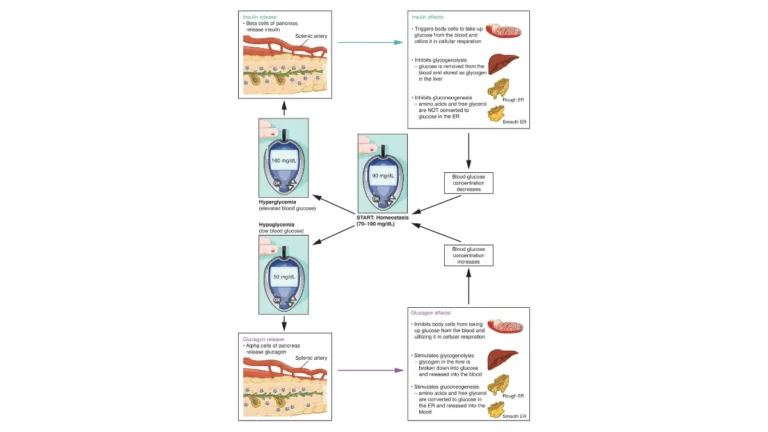
Glucose is the sugar your body runs on, measured at the moment of the draw. Calcium in your blood supports your nerves, muscles, heartbeat, and bones — most of your body’s calcium is stored in bone, but the small amount circulating matters a great deal.
Electrolytes
Sodium, potassium, chloride, and carbon dioxide (bicarbonate) are electrolytes — charged minerals that control your fluid balance and your blood’s acid–base (pH) balance. Potassium in particular is tied closely to nerve, muscle, and heart-rhythm function.
Kidney markers
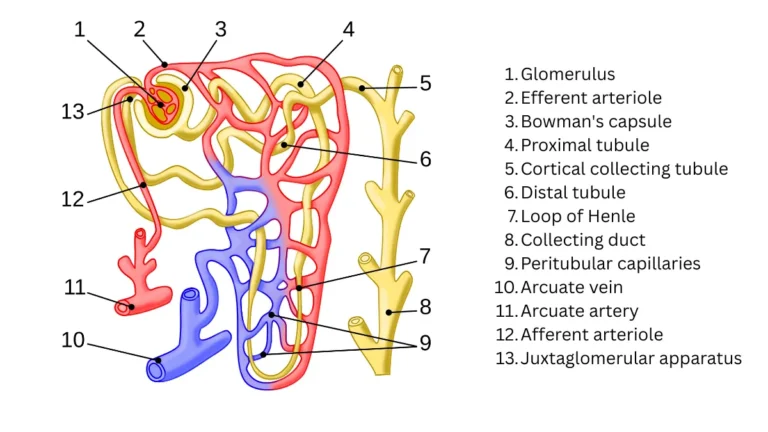
Blood urea nitrogen (BUN) and creatinine are waste products your kidneys filter out. Reading them together helps show how well your kidneys are clearing waste from your blood.
Liver and protein markers
ALT, AST, and ALP are enzymes linked to the liver (ALP also to bone); total bilirubin is waste from the breakdown of red blood cells; and albumin and total protein reflect proteins your liver makes and your overall protein status.
What the kidney and electrolyte markers tell you
These six markers describe how well your body clears waste and holds its fluid and mineral balance steady.
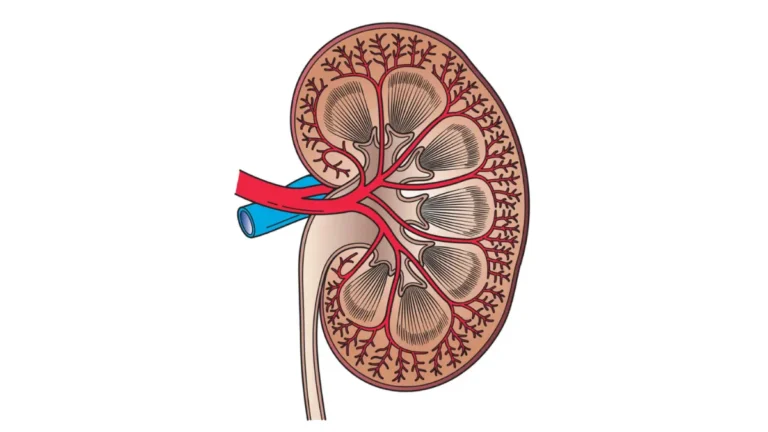
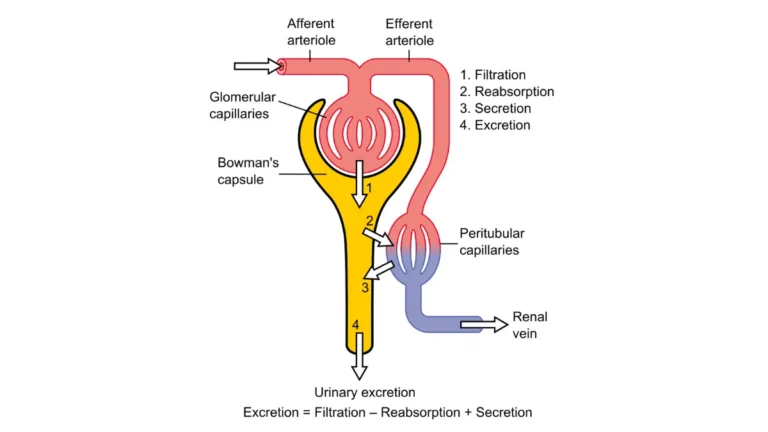
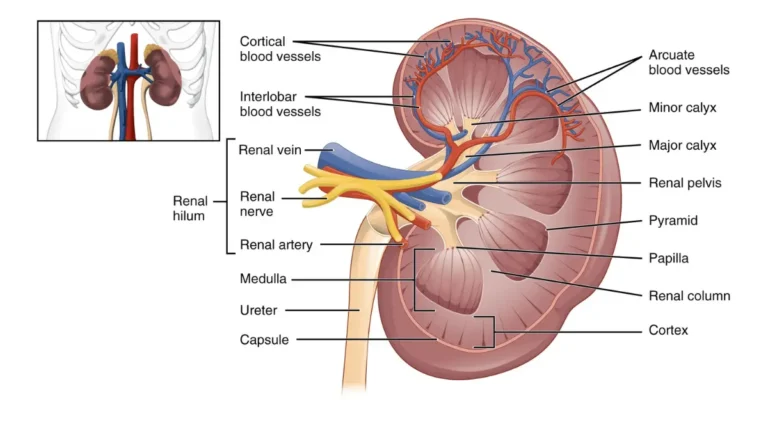
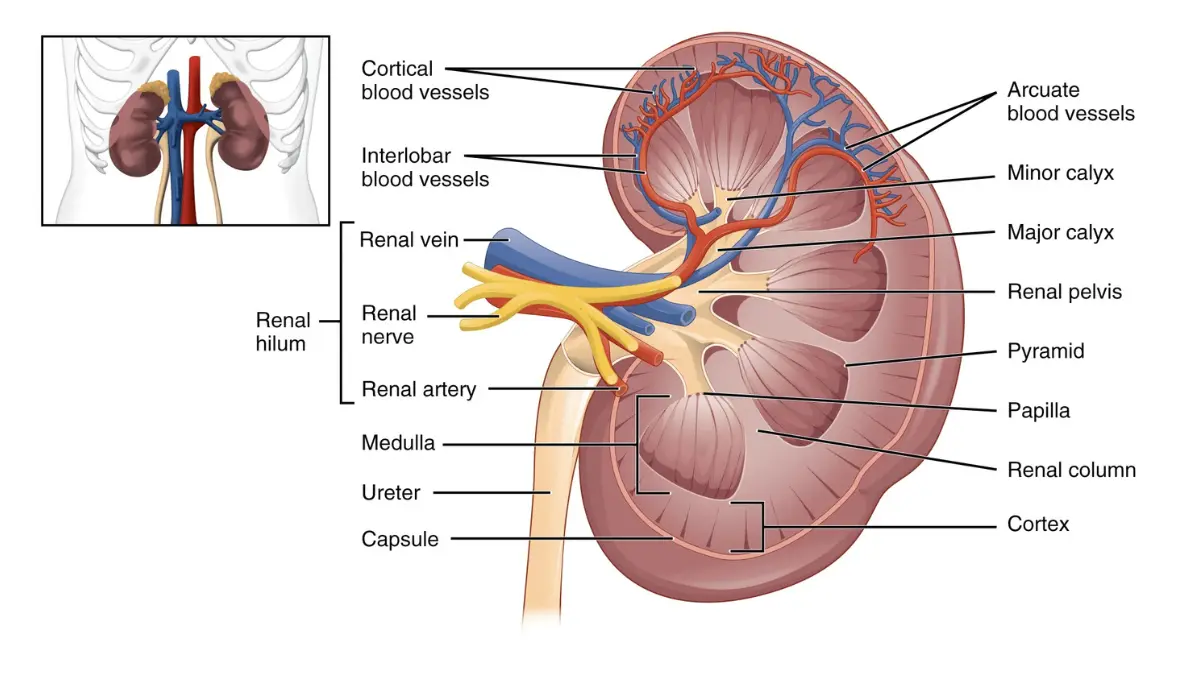
🔬 How It Works: Your kidneys filter blood roughly 30 times a day, pulling out waste like urea (measured as BUN) and creatinine, a byproduct of normal muscle activity. When filtering slows, these wastes rise in the blood — which is why an elevated BUN or creatinine can be an early signal that the kidneys aren’t clearing waste as efficiently as usual.
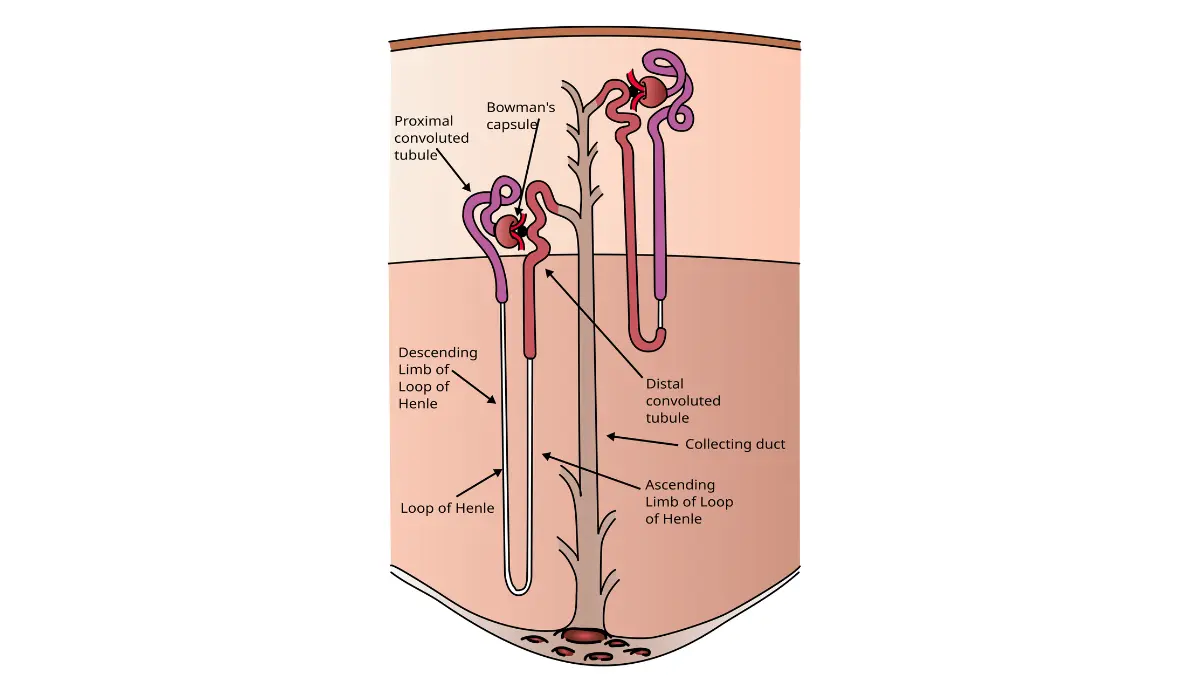
BUN and creatinine can move for reasons that have nothing to do with kidney disease. Dehydration, a very high-protein diet, and certain medicines can raise them, while low muscle mass can lower creatinine — so clinicians read the pattern, not one number alone.
The electrolytes — sodium, potassium, chloride, and bicarbonate — shift with hydration, medications like diuretics, and a range of conditions. Because hydration is one of the most common everyday influences, it’s worth knowing how much water you actually need each day.
✅ Patient Action: If your BUN or creatinine is flagged, ask your primary-care provider a specific question: “Should I have my eGFR (estimated kidney filtration rate) checked, and could my hydration or medications explain this result?”
What the liver, protein, and blood-sugar markers tell you
This group is the one that most often unsettles people, because a single flagged liver enzyme can look alarming when it usually isn’t an emergency.
🔬 How It Works: Liver cells contain enzymes — ALT and AST among them — that help run the liver’s chemistry. When those cells are inflamed or damaged, some enzymes leak into the bloodstream, so higher blood levels can signal liver-cell stress. ALT is fairly specific to the liver; AST also appears in muscle, which is why strenuous exercise can nudge it up.
A mildly elevated ALT or AST is common and often not serious on its own — it can follow a viral illness, a new medication, alcohol, or even a hard workout. What matters is the pattern and the trend over time, which is why one borderline value usually prompts a repeat test rather than a diagnosis. For how these move together, see how to read liver function test results.
Total bilirubin, albumin, and total protein round out the liver-and-protein picture: bilirubin is red-cell breakdown waste the liver processes, and low albumin can reflect liver, kidney, or nutrition issues.
Glucose and calcium complete the panel. Because glucose is where a CMP most often screens for a serious, common condition, its threshold is worth knowing.
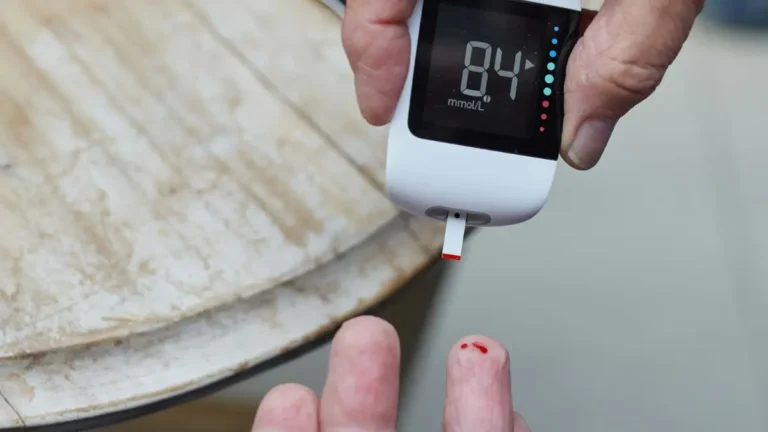
📊 Clinical Data Point: A fasting glucose of 126 mg/dL or higher, confirmed on a repeat test, is one of the standard criteria clinicians use to diagnose diabetes; 100–125 mg/dL is the prediabetes range, and 70–99 mg/dL is typical. — Source: CDC, Diabetes Testing (2025), consistent with ADA/USPSTF criteria.
If your glucose is outside the usual range, it helps to see what a normal fasting blood sugar looks like, and you can convert your reading between mg/dL and mmol/L if your report uses different units.
✅ Patient Action: If your fasting glucose is 100 mg/dL or higher, ask your provider: “Should I have an HbA1c test to check my average blood sugar over the past three months, and do we need to repeat this before drawing any conclusion?”
Normal CMP ranges — and why yours may differ
Here are representative adult reference ranges for all 14 components. Read the caveat directly below the table before you compare any number.
| Component | Representative adult range | What it mainly reflects |
|---|---|---|
| Glucose (fasting) | 70–99 mg/dL | Blood sugar control |
| Calcium | 8.6–10.2 mg/dL | Bone, nerve, muscle, heart function |
| Sodium | 135–145 mmol/L | Fluid balance |
| Potassium | 3.5–5.1 mmol/L | Nerve, muscle, and heart-rhythm function |
| Chloride | 98–107 mmol/L | Fluid and acid–base balance |
| Carbon dioxide (bicarbonate) | 22–29 mmol/L | Acid–base (pH) balance |
| BUN | 7–20 mg/dL | Kidney filtering |
| Creatinine | 0.6–1.3 mg/dL | Kidney filtering (varies with age, sex, muscle) |
| ALT | ~7–56 U/L (varies widely by lab) | Liver-cell health |
| AST | ~8–48 U/L (varies widely by lab) | Liver (and muscle) health |
| ALP | ~44–147 U/L (varies widely by lab) | Liver and bone |
| Total bilirubin | 0.1–1.2 mg/dL | Liver processing of red-cell waste |
| Albumin | 3.4–5.4 g/dL | Liver protein production, nutrition |
| Total protein | 6.0–8.3 g/dL | Overall blood protein |
Representative ranges compiled from MedlinePlus/A.D.A.M. and major clinical laboratories. Ranges — especially the liver enzymes ALT, AST, and ALP — vary meaningfully by laboratory and method. The ranges printed on your own report are the ones that apply to your result.
Why the same test shows different “normal” ranges
Different labs use different equipment, methods, and reference populations, so their “normal” boundaries genuinely differ — a result flagged high at one lab could sit inside the range at another. This is most pronounced for the liver enzymes, where published upper limits range widely. That’s why your report prints its own ranges beside your values, and why those are the ones that count.
What an abnormal value does and doesn’t mean
An out-of-range value is a flag for a conversation, not a diagnosis. Clinicians weigh the whole panel, your symptoms, your medications, and often a repeat test before drawing any conclusion. A slightly high glucose, for instance, may prompt a check of what your HbA1c result means rather than an immediate diagnosis.
✅ Patient Action: Bring the actual report to your appointment and ask: “Which of these values are outside my lab’s range, and which ones are you actually concerned about versus which can we simply recheck?”
CMP vs BMP: what the 6 extra tests add
A basic metabolic panel (BMP) measures 8 of the 14 tests in a CMP; a CMP adds 6 liver and protein tests. Per the National Library of Medicine, a BMP includes 8 of the tests that are part of a CMP.
| Panel | Tests included | Best for |
|---|---|---|
| BMP (8 tests) | Glucose, calcium, sodium, potassium, chloride, CO2, BUN, creatinine | Quick check of blood sugar, kidneys, and electrolytes |
| CMP (14 tests) | The BMP’s 8 plus ALT, AST, ALP, total bilirubin, albumin, total protein | Same picture plus liver function and protein status |
Source: MedlinePlus and standard laboratory panel definitions (CMP billed under CPT code 80053).
The 6 extra tests are what turn a kidney-and-electrolyte snapshot into one that also reads the liver. Your provider chooses one panel over the other based on what they’re screening for or monitoring — for example, adding liver checks when you start a medication processed by the liver. If you’re comparing blood tests more broadly, see how a CMP differs from a CBC, which measures blood cells rather than chemistry.
Preparing for a CMP and reading a flagged result calmly
Two practical things decide how useful your panel is: how you prepare, and how you respond to a flag.
For preparation, most providers ask you to fast for 8 to 12 hours beforehand, mainly so the glucose reading is accurate; water is allowed and encouraged. Recent meals, hard exercise, and certain medicines — diuretics, steroids, insulin, and hormones among them — can shift results, so don’t stop any prescribed medication to “improve” your numbers without asking the prescriber first.
For reading a flag, remember that one value slightly outside the range is usually a prompt to recheck, not a cause for alarm. Waiting on results is its own kind of stress, and knowing what to expect while results are pending can help.
⚠️ Clinical Warning: Markedly abnormal electrolytes — especially potassium — can affect heart rhythm and nerve function. If abnormal results come with symptoms like a fast or irregular heartbeat, severe weakness, confusion, or fainting, contact your provider promptly or seek urgent care rather than waiting to interpret the numbers yourself.
✅ Patient Action: Before your visit, write down every medication and supplement you take and roughly when you last ate before the draw, and ask: “Could any of these, or my fasting status, explain this result?”
Frequently asked questions about CMP components
1. What are the 14 components of a CMP?
A CMP measures glucose, calcium, sodium, potassium, chloride, carbon dioxide (bicarbonate), BUN, creatinine, ALT, AST, ALP, total bilirubin, albumin, and total protein. These 14 components cover your blood sugar, kidney function, liver function, electrolytes, and protein status from a single blood draw.
2. What does a comprehensive metabolic panel test for?
A CMP tests four areas: blood sugar (glucose), kidney function (BUN, creatinine), liver function (ALT, AST, ALP, bilirubin, albumin, total protein), and electrolytes (sodium, potassium, chloride, bicarbonate), plus calcium. It screens for and monitors conditions affecting these systems. Your provider interprets the full panel together with your history.
3. What’s the difference between a CMP and a BMP?
A basic metabolic panel measures 8 of the 14 CMP tests — glucose, calcium, and the kidney and electrolyte markers. A CMP adds 6 liver and protein tests: ALT, AST, ALP, total bilirubin, albumin, and total protein. So a CMP gives the BMP’s picture plus liver function.
4. Do I need to fast for a CMP?
Usually yes — most providers ask you to fast for 8 to 12 hours beforehand, mainly so your glucose reading is accurate. Water is allowed and encouraged during the fast. Follow the specific instructions your provider or lab gives you, since requirements can vary.
5. What do abnormal CMP results mean?
An abnormal CMP value is a flag for a conversation, not a diagnosis. It can point toward issues with blood sugar, kidneys, the liver, electrolytes, or hydration — but ranges vary by lab, and clinicians weigh the whole panel and often a repeat test. Ask your provider what your specific results mean.
6. Which CMP values point to kidney problems?
BUN and creatinine are the CMP’s kidney markers; when the kidneys clear waste less efficiently, these can rise. However, dehydration, diet, muscle mass, and medications also affect them, so they’re read as a pattern. Your provider may add an eGFR check to assess kidney filtration.
7. Which CMP values point to liver problems?
The liver-related CMP markers are ALT, AST, ALP, total bilirubin, albumin, and total protein. Elevated enzymes can signal liver-cell stress, though mild elevations are common and often not serious on their own. Interpretation depends on the pattern over time, so discuss any flagged liver value with your provider.
8. Is a CMP the same as a CBC?
No. A CMP measures blood chemistry — sugar, electrolytes, and kidney and liver markers — while a complete blood count (CBC) measures blood cells like red cells, white cells, and platelets. They answer different questions and are often ordered together as part of routine blood work.
9. What is chem 14?
“Chem 14” is another name for a comprehensive metabolic panel, referring to its 14 measured components. You may also see it called a chemistry panel, chemistry screen, or metabolic panel on lab paperwork.
10. How much does a CMP cost and is it covered?
There’s no single price — cost depends on your insurance, the facility, and any associated visit fees. Many routine CMPs ordered by a provider are covered, but coverage and out-of-pocket amounts vary. Check with your insurer and the lab about copays or deductibles before testing.
11. Can I get a CMP at home?
A full CMP generally requires a venous blood draw at a lab rather than a fingerstick at-home kit, though some individual markers may be available in mail-in kits. (If we recommend a specific at-home ordering service, it will be clearly disclosed as a product option, not a clinical recommendation.)
The bottom line on your CMP
You now know what all 14 CMP components measure and how they group into four organ-system snapshots. The single most useful habit is to read your own report’s ranges rather than any universal number online, and to treat one flagged value as a reason to ask a question — not a verdict.
Your provider is the right partner for interpreting the full picture alongside your history. Bring specific questions, and if a value is flagged, ask what actually concerns them and what can simply be rechecked.
About this content
How this article was put together: researched from recognised health sources, drafted with the help of AI tools, and edited by hand, with sources linked throughout.

Sameer Patel is the founder and editor of My Medicine Advisor. He is not a doctor or medical professional — before starting this site he worked in banking,…
Medical disclaimer
The content on MyMedicineAdvisor is provided for general informational and educational purposes only and is not a substitute for professional medical advice, diagnosis, or treatment. Health information on this website should not be used to diagnose, treat, cure, or prevent any condition without guidance from a qualified healthcare professional. Always seek the advice of your doctor, physician, or another licensed healthcare provider with any questions you may have regarding a medical condition, symptoms, medications, or treatment decisions.