

What Is Flu in Kids? Understanding the 2025 Influenza Season
Flu in Kids 2025: Symptoms & When to See Doctor
Seven-year-old Emma woke up screaming with body aches at 2 AM, her temperature spiking to 103°F within hours—a frightening scene playing out in households across America this winter. Flu in kids is a highly contagious viral respiratory illness caused by influenza viruses that strikes suddenly with fever, body aches, and exhaustion, and the 2024-2025 season has proven particularly severe with a dangerous new H3N2 subclade K variant driving hospitalizations and 279 confirmed pediatric deaths.
This year’s pediatric flu 2025 season stands apart from previous years, demanding parents’ heightened awareness and swift action.
What Is Influenza and Why 2025 Is Different
Influenza attacks the respiratory system—nose, throat, and lungs—but its impact on children extends far beyond a simple cold. The 2024-2025 flu season has been classified as high-severity across all age groups, marking the first such designation in recent years.
What makes this season uniquely dangerous: A newly identified influenza A(H3N2) virus subclade J.2.4.1, renamed “H3N2 subclade K,” was detected by the CDC in August 2025 and has since become the dominant circulating strain. This variant has demonstrated increased transmissibility among children, particularly affecting daycare and school-age populations.
Pediatric flu 2025 statistics paint a sobering picture: children aged 0-4 years and 5-17 years experienced the highest emergency department visit percentages, both peaking at over 17% during February 2025. The CDC reports that children younger than 5 years—especially those under 2—face elevated risk of serious flu complications including pneumonia, brain dysfunction, and in rare cases, death.
Flu vs Cold in Children: Key Differences
Parents often struggle distinguishing flu from common colds, but recognizing flu vs cold children differences is critical for timely treatment. The flu’s hallmark is its sudden, violent onset—children go from healthy to severely ill within hours.
| Feature | Flu in Kids | Common Cold |
|---|---|---|
| Onset Speed | Abrupt (2-4 hours) | Gradual (1-3 days) |
| Fever | High (102-104°F), lasts 3-4 days | Rare or low-grade |
| Body Aches | Severe, often extreme | Mild or absent |
| Fatigue | Intense, can last weeks | Mild |
| Complications Risk | High (pneumonia, hospitalization) | Very low |
| Duration | 1-2 weeks | 7-10 days |
Influenza symptoms toddlers experience include irritability and refusal to eat—behavioral red flags that distinguish flu from milder illnesses. Use our Symptom Checker to track concerning patterns before your pediatrician appointment.
How Flu Spreads Among Kids
Children function as “super-spreaders” within communities, making H3N2 children transmission particularly efficient. Infected kids shed virus particles at higher concentrations and for longer periods than adults—sometimes 7-10 days compared to adults’ 5-7 days.
Research from the NIH demonstrates that elementary school-age children and younger are primary drivers of influenza transmission within communities. The virus spreads through:
- Respiratory droplets: Coughing and sneezing project virus particles up to 6 feet
- Direct contact: Contaminated hands touching eyes, nose, or mouth
- Surface contamination: Virus survives 24-48 hours on hard surfaces like toys and doorknobs
Contagious period: Children can spread flu 24 hours before symptoms appear and remain contagious while fevered—making daycare and classroom outbreaks explosive.
Who’s at Highest Risk?
Not all children face equal danger from pediatric flu 2025. Approximately 70% of children hospitalized with flu had at least one underlying health condition during the 2023-2024 season.
High-risk groups include:
- Infants under 2 years: Immature immune systems cannot mount effective responses
- Children with chronic conditions: Asthma, diabetes, heart disease, neurological disorders
- Immunocompromised kids: Cancer treatment, HIV, immunosuppressive medications
- Children under 6 months: Too young for vaccination, relying entirely on herd immunity
Sobering statistics: From 2010-2023, annual flu-related hospitalizations among children under 5 ranged from 6,000 to 25,000. Tragically, about 80% of flu-related pediatric deaths occurred in unvaccinated children—a preventable tragedy.
Parents of high-risk children should maintain heightened vigilance during flu season 2025, which typically peaks between December and February but has shown earlier onset patterns this year.
Disclaimer: This article is for educational purposes and does not constitute medical advice. Always consult your pediatrician for personalized guidance regarding your child’s health.
Recognizing Flu Symptoms in Kids: Complete Guide
Early Warning Signs of Flu in Children
The first 24 hours determine everything. Flu symptoms in kids appear with shocking suddenness—parents describe their child as “perfectly fine at breakfast, burning with fever by lunch.” This abrupt onset separates influenza from nearly every other childhood illness and demands immediate recognition.
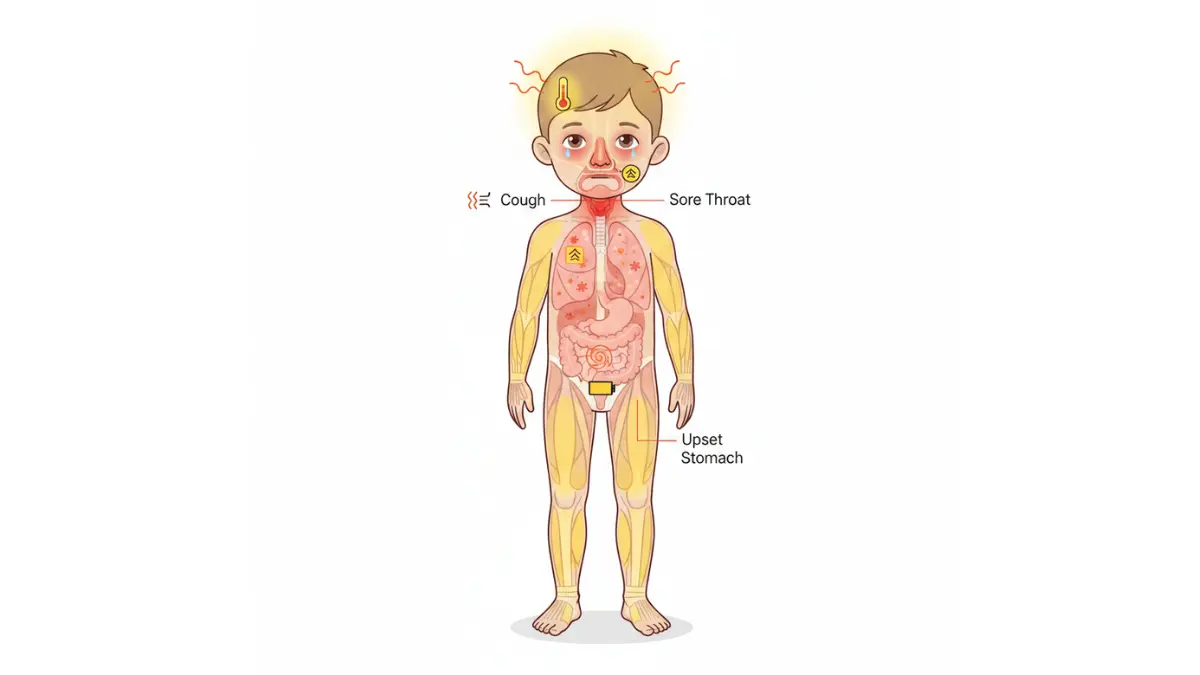
Common Flu Symptoms in Kids by Age Group
Flu symptoms in kids vary dramatically by developmental stage, making age-specific recognition critical for timely intervention. The CDC confirms that young children experience unique presentations, including gastrointestinal symptoms adults rarely develop.
Child flu fever patterns: Temperature typically spikes to 102-104°F within hours of onset and persists 3-4 days. Unlike gradual cold-related fevers, flu-induced temperatures surge rapidly—a mother checking at 9 AM finds 99°F, by noon it’s 103°F.
Sudden vs Gradual Onset: What Parents Notice First
The 4-hour window: Most parents can pinpoint the exact timeframe their child transformed from healthy to seriously ill. Research tracking pediatric flu 2025 cases shows symptom onset averaging 18-24 hours post-exposure, with full-blown illness manifest within 2-6 hours of first symptom.
Behavioral red flags before fever appears:
- Sudden quietness or withdrawal
- Refusing meals despite previous appetite
- Complaints of “feeling weird” or body discomfort
- Unusual napping in typically energetic children
For preverbal children experiencing influenza symptoms toddlers can’t articulate, parents notice glassy eyes, facial flushing, and touch sensitivity hours before thermometers register fever.
Digestive Symptoms: Vomiting and Diarrhea in Pediatric Flu
Why children’s guts rebel: While adults experience primarily respiratory flu symptoms in kids, gastrointestinal chaos frequently dominates the clinical picture. The CDC’s clinical guidance notes that among young children with influenza, nausea, vomiting, and diarrhea commonly accompany respiratory symptoms—a phenomenon explained by higher viral loads in pediatric GI tracts.
This dual assault creates dangerous dehydration risk. Parents should monitor using our Water Intake Calculator to track fluid replacement needs based on the child’s weight and symptom severity.
Vomiting patterns: Unlike norovirus gastroenteritis where vomiting dominates, flu-related GI symptoms usually resolve within 24-48 hours while respiratory symptoms intensify.
Respiratory Symptoms Unique to Children
Breathing complications escalate faster in small bodies. Child flu fever combined with respiratory distress represents the most dangerous symptom constellation, requiring immediate assessment.
Age-specific respiratory presentations:
- Infants: Fast breathing (>60 breaths/minute), grunting, nasal flaring, chest retractions between ribs
- Toddlers: Wheezing (especially with asthma history), persistent cough preventing sleep, difficulty speaking full sentences
- School-age: Painful cough, chest tightness described as “squeezing,” productive cough with colored mucus
Croup-like symptoms: Some children develop barking cough and stridor (high-pitched breathing sound) when flu inflames upper airways—a phenomenon more common in H3N2 children infections than other strains.
Asthma exacerbations: Recent NIH studies demonstrate that children with asthma experiencing influenza A(H1N1)pdm09 show significantly increased odds of hospital admission, with 2.14 times higher risk compared to non-asthmatic peers. Parents managing chronic respiratory conditions should maintain heightened vigilance during flu season 2025.
What This Means For You: Symptom Tracking Checklist
Track these flu symptoms in kids every 4 hours:
✓ Temperature (exact degrees, not just “feels warm”)
✓ Fluid intake (ounces consumed vs. normal daily amount)
✓ Urine output (wet diapers for infants, bathroom trips for older kids)
✓ Breathing rate at rest (count chest rises for 30 seconds, multiply by 2)
✓ Activity level (scale 1-10 compared to healthy baseline)
✓ Appetite (percentage of meals consumed)
Use this data when calling your pediatrician—specific details like “fever 103.5°F for 18 hours, only 8 oz fluids today, sleeping 20 hours” enable better triage decisions than vague “she seems really sick.”
When symptom combinations demand same-day evaluation:
- Child flu fever >103°F lasting beyond 72 hours
- Any fever in infants under 3 months
- Vomiting preventing medication or fluid retention
- Breathing rate persistently elevated even when fever controlled
- Extreme lethargy or difficulty waking
When to See a Doctor for Flu: Critical Decision Points
When to See Doctor for Flu: Making the Right Call
Distinguishing “monitor at home” from “call immediately” scenarios saves lives every flu season. Parents face this agonizing decision multiple times during their child’s illness—knowing when to see doctor for flu separates routine cases from life-threatening emergencies.
The 2024-2025 season’s severity demands lower thresholds for seeking medical evaluation. When uncertainty clouds your judgment, err toward professional assessment.
Call Your Pediatrician Within 24 Hours If…
Moderate concern symptoms require same-day pediatrician contact but not emergency room visits. These situations indicate flu treatment children may benefit from antiviral medications like Tamiflu, which work best when started within 48 hours of symptom onset.
Contact your child’s doctor for:
- High-risk patient groups: Infants under 2 years, children with asthma, diabetes, heart conditions, or weakened immune systems require medical evaluation even with mild flu symptoms in kids
- Persistent high fever: Temperature exceeding 103°F lasting more than 3 days despite fever-reducing medication
- Worsening symptoms: Cough becoming more severe, breathing difficulties increasing, or fever spiking higher after initial improvement
- Dehydration concerns: Reduced urination (fewer than 3-4 wet diapers in 24 hours for infants), decreased fluid intake, dry lips
- Behavioral changes: Excessive sleepiness beyond typical illness fatigue, confusion, or irritability preventing consolation
Special infant considerations: The American Academy of Pediatrics guidelines specify that any fever in infants younger than 12 weeks demands immediate medical evaluation, regardless of other symptoms, due to heightened serious bacterial infection risk.
Emergency Room Immediately: Red Flag Symptoms
Emergency flu symptoms kids present require immediate hospital evaluation—do not wait for office hours or attempt home management. These warning signs indicate potential life-threatening complications like pneumonia, sepsis, or brain inflammation.
The CDC’s emergency warning criteria for children experiencing flu complications include the following red flags requiring urgent attention:
| Emergency Symptom | Why It’s Dangerous | Immediate Action |
|---|---|---|
| Fast breathing or difficulty breathing | Indicates pneumonia, respiratory failure, or oxygen deprivation | Call 911 if severe; drive to ER if manageable |
| Bluish lips, face, or nail beds | Signals critically low blood oxygen (cyanosis) requiring immediate oxygen therapy | Call 911 immediately—do not drive |
| Ribs pulling in with each breath | Shows respiratory distress; child using accessory muscles to breathe | Emergency department evaluation needed |
| Chest pain or pressure | May indicate viral myocarditis (heart inflammation) or pneumonia | Requires cardiac monitoring and imaging |
| Severe muscle pain (child refuses to walk) | Could signal flu-associated myositis or rhabdomyolysis | Blood tests needed to check muscle enzyme damage |
| Seizures or convulsions | Febrile seizures or flu-related encephalopathy | 911 for first-time seizures; ER if seizure >5 minutes |
| Not alert or interacting when awake | Suggests altered mental status from dehydration, sepsis, or brain involvement | Immediate medical assessment required |
| Fever >104°F not responding to medication | Extremely high temperatures risk brain damage | ER evaluation and aggressive fever control |
| Flu symptoms improve, then suddenly worsen | Classic pattern of secondary bacterial pneumonia or complications | Requires chest X-ray and possible antibiotics |
Age-specific emergency thresholds: For children under 12 weeks, any fever constitutes an emergency requiring immediate evaluation.
Dehydration Warning Signs in Kids with Flu
Flu dehydration children face occurs rapidly—within 12-24 hours—especially when vomiting and diarrhea accompany respiratory symptoms. Young children possess smaller fluid reserves and higher metabolic rates, making dehydration the most common complication requiring hospitalization.
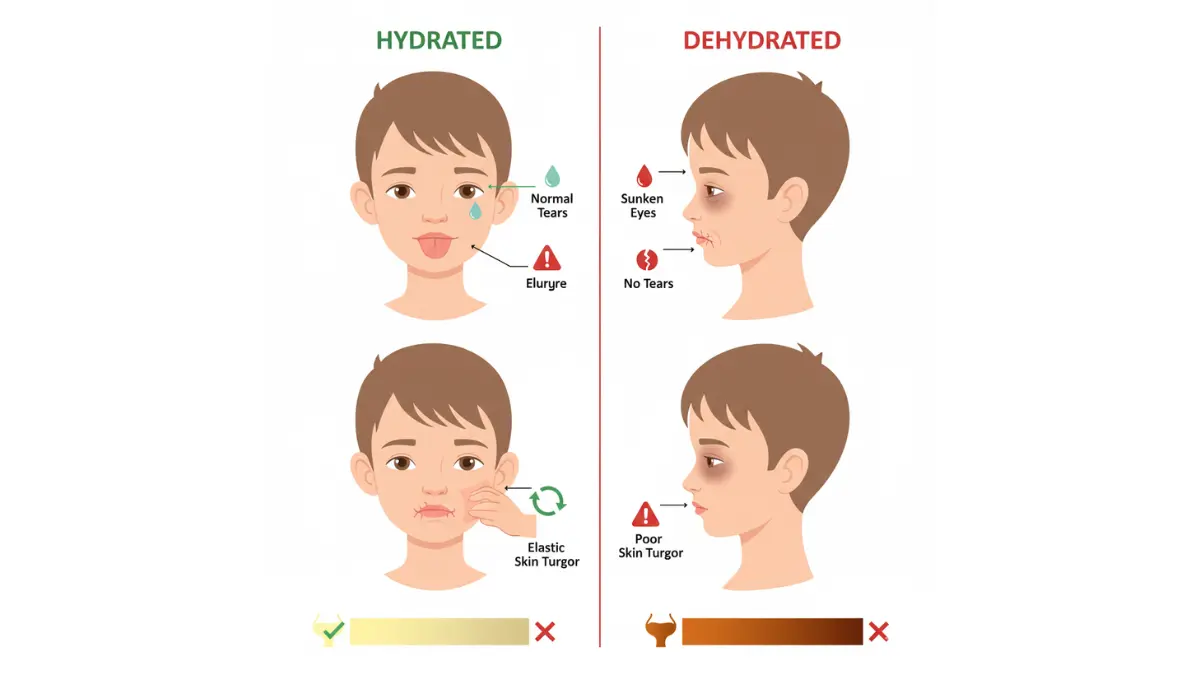
NIH dehydration guidelines for pediatric patients establish specific clinical markers by severity:
Mild dehydration signs (3-5% body weight loss):
- Slightly decreased urine output (4-6 wet diapers instead of 8-10 daily)
- Mildly dry lips and mouth
- Increased thirst
- Slightly decreased activity level
Moderate dehydration signs (5-10% body weight loss):
- No urination for 8+ hours
- No tears when crying
- Sunken eyes appearance
- Dry mucous membranes (mouth, tongue appear parched)
- Decreased skin elasticity (skin “tenting” when pinched)
- Rapid heart rate detectable by parents
Severe dehydration signs (>10% body weight loss):
- Sunken fontanelle (soft spot) in infants
- Extreme lethargy or unresponsiveness
- Cold, mottled extremities
- Very rapid breathing and heart rate
- Absent urine output despite fluid attempts
Children experiencing vomiting with flu require careful monitoring—offer small amounts (1-2 teaspoons) of fluids every 5-10 minutes rather than large volumes that trigger more vomiting. Track daily fluid intake using our Water Intake Calculator adjusted for illness needs.
What This Means For You: Emergency Symptom Checklist
Print this decision tree and keep it accessible during flu season 2025:
🚨 Call 911 or Go to ER Immediately:
✓ Blue lips/face
✓ Severe breathing difficulty
✓ Unresponsive or extremely confused
✓ Seizures
✓ Chest pain
📞 Call Pediatrician Same Day:
✓ High fever lasting 3+ days
✓ Child under 2 years with any flu symptoms
✓ Chronic condition (asthma, diabetes) with new symptoms
✓ Signs of moderate dehydration
✓ Worsening cough or breathing
🏠 Monitor at Home with Close Observation:
✓ Fever responding to medication
✓ Child drinking adequate fluids
✓ Able to sleep and rest comfortably
✓ Normal breathing rate when fever controlled
When uncertainty persists about when to see doctor for flu, remember: pediatricians prefer unnecessary calls over missed emergencies. Trust parental instinct—you know your child’s baseline better than anyone.
Flu Treatment for Children: Medical Care & Home Remedies
Evidence-Based Flu Treatment for Children
Effective flu treatment children receive combines prescription antivirals, symptom management, and supportive home care. The earlier treatment begins, the better the outcomes—particularly for high-risk children who face elevated complication rates. Treatment timing makes the difference between mild illness and hospitalization.
Antiviral Medications: Tamiflu and Alternatives
Tamiflu (oseltamivir) remains the gold standard for pediatric flu treatment in 2025. The CDC recommends oseltamivir for flu treatment children beginning from birth, though the American Academy of Pediatrics guidelines specifically endorse its use for infants 2 weeks old or older.
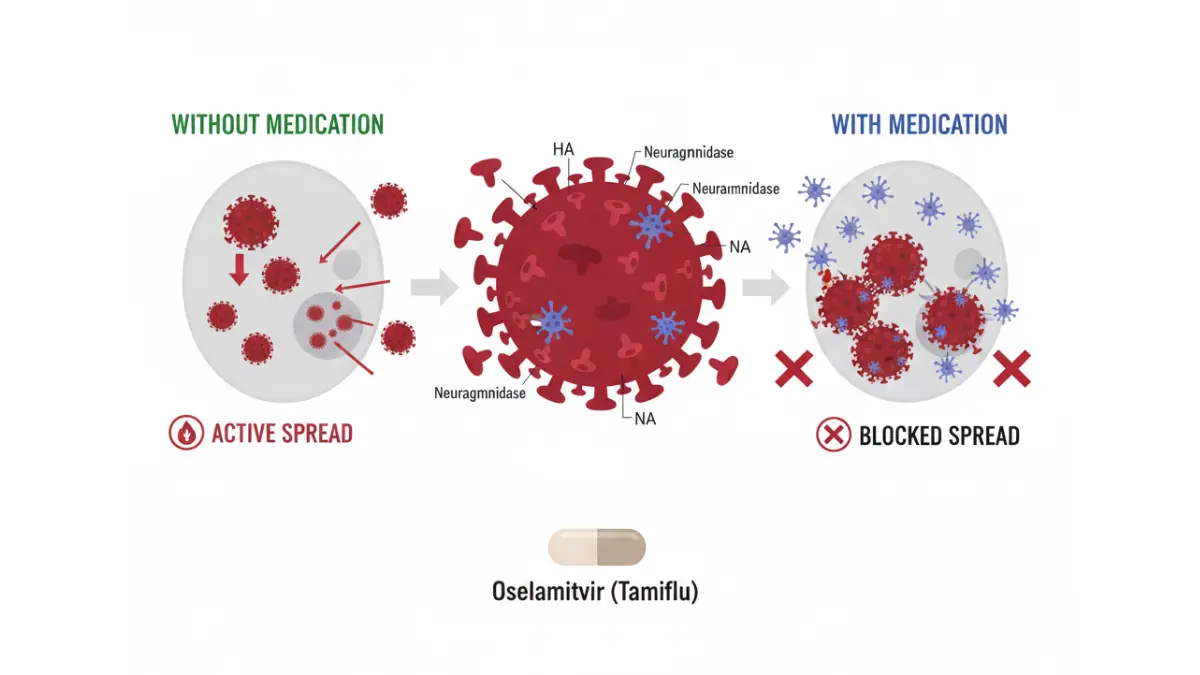
How Tamiflu children treatment works: This neuraminidase inhibitor prevents influenza viruses from escaping infected cells and spreading throughout the body. When started within 48 hours of symptom onset, Tamiflu shortens illness duration by approximately 1-1.5 days and significantly reduces complication risk.
Critical 48-hour window: Antiviral effectiveness peaks when initiated within the first two days of flu symptoms in kids, though children can still benefit from tamiflu children treatment started after 48 hours—especially those requiring hospitalization.
| Age Group | Oseltamivir (Tamiflu) Dosing | Duration | Form Available |
|---|---|---|---|
| Birth-2 weeks | CDC approved; AAP recommends 2+ weeks | 5 days | Liquid suspension |
| 2 weeks-11 months | Weight-based: 3 mg/kg twice daily | 5 days | Liquid suspension |
| 1-12 years | Weight-tiered: 30-75 mg twice daily | 5 days | Liquid or capsules |
| 13+ years | 75 mg twice daily | 5 days | Capsules or liquid |
2025 safety update: Recent research published in September 2025 debunked longstanding neuropsychiatric concerns about tamiflu children experiencing behavioral side effects. A comprehensive Vanderbilt University study revealed that flu itself—not the medication—causes confusion, hallucinations, and abnormal behavior in pediatric patients, with Tamiflu actually reducing such events by 50%.
Who benefits most from flu treatment children antiviral therapy:
- All hospitalized children with confirmed or suspected flu
- Children under 5 years (especially under 2 years)
- Kids with chronic conditions: asthma, diabetes, heart disease, neurological disorders
- Immunocompromised patients
- Children with severe or worsening symptoms
Alternative antivirals: Baloxavir marboxil (Xofluza) received FDA approval for children aged 5-12 years without chronic conditions in 2025, offering single-dose convenience versus Tamiflu’s 5-day course. Peramivir provides intravenous flu treatment children who cannot tolerate oral medications.
Over-the-Counter Medications for Symptom Relief
Age-appropriate fever and pain management forms the cornerstone of supportive flu treatment children receive at home. Safe OTC medications reduce discomfort while the immune system fights infection.
Safe fever reducers for kids:
- Acetaminophen (Tylenol): Approved for infants 2+ months; dose every 4-6 hours based on weight
- Ibuprofen (Advil, Motrin): Approved for infants 6+ months; dose every 6-8 hours based on weight
- Alternating regimen: Some pediatricians recommend staggered acetaminophen and ibuprofen for persistent high fevers
⚠️ Critical aspirin warning: Never give aspirin or aspirin-containing products to children with flu symptoms in kids or suspected viral illnesses—this combination triggers Reye’s syndrome, a rare but potentially fatal condition causing brain and liver damage.
Cough and cold medicine controversy: FDA guidance advises against over-the-counter cough suppressants and decongestants for children under 4 years due to safety concerns and questionable effectiveness. For older children, benefits remain marginal.
Check any medications your child takes using our Pill Identifier tool to verify active ingredients and avoid accidental double-dosing, particularly important when managing multiple symptoms during flu treatment children protocols.
Evidence-Based Home Remedies for Kids with Flu
Flu home remedies kids benefit from include scientifically validated comfort measures that support healing without medication risks. These approaches complement—never replace—medical treatment when indicated.
| Home Remedy | Age Appropriate | Evidence Level | How to Use |
|---|---|---|---|
| Honey for cough | 1+ years only | Strong evidence | 1-2 teaspoons before bed; reduces nighttime cough frequency |
| Saline nasal drops/spray | All ages | Moderate evidence | 2-3 drops per nostril before feeding/sleeping; loosens mucus |
| Cool-mist humidifier | All ages | Moderate evidence | Run in child’s room; keeps airways moist, eases breathing |
| Warm liquids | 6+ months | Weak evidence | Soups, broths, warm water; soothing and hydrating |
| Elevated head position | 1+ year | Weak evidence | Prop mattress 30°; helps drainage, not recommended for infants |
| Rest optimization | All ages | Strong evidence | Use our Sleep Calculator for age-appropriate sleep needs during illness |
Honey’s remarkable efficacy: NIH-funded research confirms that honey significantly reduces nighttime coughing in children aged 1-18 years, with a single 2.5 mL bedtime dose improving mean cough frequency scores from 4.09 to 1.93. This flu home remedies kids benefit rivals many prescription cough suppressants—but never give honey to infants under 12 months due to botulism risk.
What doesn’t work: Despite popular belief, these flu home remedies kids receive show no scientific benefit—vitamin C supplements, echinacea, zinc lozenges for young children, chest rub products (limited evidence), and steam inhalation (burn risk outweighs benefits).
Hydration Strategies for Sick Children
Preventing flu dehydration children experience requires aggressive fluid replacement—sick kids need 50-100% more fluids than healthy baseline consumption. Vomiting, diarrhea, fever, and rapid breathing all accelerate fluid loss.
Age-specific hydration goals during flu treatment children:
- Infants 0-6 months: Breast milk or formula on demand; offer every 1-2 hours when awake
- Infants 6-12 months: 32-40 oz daily (formula/breast milk + water if started)
- Toddlers 1-3 years: 40-48 oz daily of appropriate fluids
- Children 4-8 years: 56-64 oz daily
- Children 9+ years: 64-80 oz daily
Best fluid choices for flu dehydration children prevention:
✓ Breast milk or formula (infants)
✓ Water
✓ Diluted fruit juice (50% water, 50% juice)
✓ Oral rehydration solutions (Pedialyte, Enfalyte)
✓ Clear broths
✓ Popsicles or ice chips for reluctant drinkers
Avoid: Undiluted juice, soda, sports drinks with high sugar content (can worsen diarrhea), caffeinated beverages.
When IV fluids become necessary: Children showing moderate-to-severe dehydration signs—no urination for 8+ hours, sunken eyes, extreme lethargy—require emergency department evaluation for intravenous rehydration regardless of home hydration attempts.
Calculate your child’s daily hydration needs using our Water Intake Calculator and increase by 50% during active flu illness.
What This Means For You: Home Treatment Protocol
Days 1-2 (Acute phase):
- Start antivirals if prescribed within 48 hours
- Give fever reducers every 4-6 hours if temp >100.4°F
- Offer fluids every 30-60 minutes while awake
- Monitor symptoms closely; track temperature every 4 hours
Days 3-5 (Peak illness):
- Continue all medications as prescribed
- Expect fever to persist 3-4 days—normal for flu treatment children
- Focus on hydration and rest
- Watch for complication warning signs (breathing difficulty, dehydration)
Days 6-10 (Recovery phase):
- Fever should resolve by day 4-5
- Cough may persist 1-2 weeks (use honey for ages 1+)
- Gradual return to normal activity
- Continue fluids until appetite fully returns
Expected improvement timeline: Most children show noticeable improvement within 3-5 days of starting flu treatment children protocols. Symptoms worsening after initial improvement signal potential bacterial complications requiring immediate medical reevaluation.
Flu Prevention in Children: Vaccines, Hygiene & Protection
Preventing Flu in Kids: 2025 Vaccination & Beyond
Prevention beats treatment every time. Annual flu vaccination remains the single most effective flu prevention children strategy, reducing hospitalization risk by 60-78% when vaccine strains match circulating viruses. The 2024-2025 season demands renewed vaccination commitment as H3N2 subclade K drives severe pediatric outcomes.
Kids Flu Vaccine 2025: What Parents Need to Know
The 2024-2025 flu shot kids 2025 receive contains updated virus strains addressing circulating variants, including modifications targeting H3N2 evolution. CDC recommendations specify that everyone 6 months and older should receive annual influenza vaccination, with rare medical exceptions.
Updated vaccine composition changes:
- H1N1 component: Unchanged from prior year
- H3N2 component: Modified to address emerging J.2.4.1 (subclade K) variants showing immune escape properties
- B/Victoria lineage: Updated strain selection
Vaccination timing for pediatric flu 2025 season: CDC guidance recommends vaccinating children as soon as flu shot kids 2025 vaccines become available—ideally September through October—though vaccination throughout flu season provides benefit.
Two-dose requirement for some children: Kids ages 6 months through 8 years receiving their first-ever flu vaccine need two doses spaced at least 4 weeks apart for optimal protection. Single annual doses suffice for previously vaccinated children and those 9+ years.
Vaccine options for kids flu vaccine 2025:
- Inactivated influenza vaccine (IIV): Standard injection, approved ages 6 months+
- Live attenuated influenza vaccine (LAIV): Nasal spray FluMist, ages 2-49 years (avoiding children with asthma or wheezing history)
- High-dose formulations: Generally reserved for adults 65+
Effectiveness data: Preliminary 2024-2025 flu vaccine effectiveness studies demonstrate 59-78% protection against medically attended influenza in vaccinated children compared to unvaccinated peers. Recent NIH research confirms that kids flu vaccine provides strongest protection in younger age groups—53% effectiveness for ages 6 months-4 years versus 38% for ages 9-17 years.
Why vaccinated kids still get flu (but milder illness): No vaccine achieves 100% efficacy, but breakthrough infections in vaccinated children typically produce significantly milder symptoms, shorter duration, and dramatically lower complication rates—including 80% reduction in flu-related death risk.
Parents can track their child’s complete immunization schedule, including annual flu shot kids 2025 timing, through our comprehensive vaccine schedule guide.
Flu Season 2025: Timeline and What to Expect
The 2024-2025 influenza season began earlier and more intensely than typical years. Flu activity reached high levels nationally by mid-December 2025, with pediatric emergency department visits peaking above 17% in February 2025.
Current flu season 2025 status (December 2025):
- Peak anticipated: Late December through February
- Dominant strain: Influenza A(H3N2) subclade K representing 97% of positive specimens
- Pediatric impact: 279 flu-related pediatric deaths confirmed through December 2025
- Regional variation: All 50 states reporting widespread or high flu activity
What makes flu season 2025 different: The emergence of H3N2 subclade K with enhanced transmissibility among children has driven earlier and more severe pediatric flu 2025 hospitalizations compared to recent seasons. This variant demonstrates partial immune escape from prior H3N2 exposures, increasing reinfection risk.
Expected trajectory: Historical patterns suggest flu season 2025 activity will peak mid-January through February, with gradual decline through April-May. However, the unpredictable nature of respiratory virus circulation in 2025 warrants continued vigilance through spring.
Daily Prevention Strategies Beyond Vaccination
Layered flu prevention children approaches create the strongest protection. While vaccination provides foundational immunity, behavioral interventions reduce transmission risk—particularly critical during peak flu season 2025 weeks.
Hand hygiene for children (most important behavioral intervention):
- Proper technique: CDC guidelines recommend wet hands, apply soap, scrub all surfaces 20+ seconds (sing “Happy Birthday” twice), rinse thoroughly, dry with clean towel
- Critical timing: Before eating, after bathroom use, after coughing/sneezing, after playing with shared toys, upon returning home
- Alcohol-based sanitizer: 60%+ alcohol content when handwashing unavailable; supervise young children
Respiratory etiquette for flu prevention children:
- Cough/sneeze covering: Teach children to cough into elbow or tissue, never into hands
- Immediate tissue disposal: Throw tissues directly in trash, then wash hands
- Face touching avoidance: Discourage touching eyes, nose, mouth—primary virus entry points
Surface cleaning protocols:
- High-touch areas: Doorknobs, light switches, tablets, phones, toys cleaned daily with EPA-approved disinfectants
- Shared toys: Disinfect between users in daycare settings
- Focus on bathroom and kitchen: Most contaminated household zones
Social distancing when sick classmates:
- Keep sick children home: Minimum 24 hours fever-free without medication before returning to school/daycare
- Avoid close contact: Maintain distance from visibly ill peers when possible
- Notification systems: Alert other parents when flu cases identified in classroom
Immune system support through lifestyle:
- Adequate sleep: Use our Sleep Calculator to determine age-appropriate sleep needs (8-14 hours depending on age)
- Nutritious diet: Emphasize fruits, vegetables, whole grains, lean proteins supporting immune function
- Regular physical activity: Age-appropriate exercise strengthens overall health
- Stress management: Chronic stress in children weakens immune responses
What This Means For You: Family Flu Prevention Action Plan
Before flu season 2025 peaks:
✓ Schedule kids flu vaccine appointments for all household members 6 months+
✓ Stock up on hand soap, tissues, sanitizers, thermometer
✓ Review school/daycare illness policies
✓ Identify backup childcare for sick days
During active flu season:
✓ Enforce strict hand hygiene before meals and after school
✓ Monitor children for flu symptoms in kids daily
✓ Keep sick children home minimum 24 hours fever-free
✓ Disinfect high-touch surfaces daily
When flu exposure occurs:
✓ Contact pediatrician within 48 hours if high-risk child exposed
✓ Consider prophylactic antivirals for eligible high-risk children
✓ Monitor for symptom development next 3-4 days
✓ Separate exposed children from vulnerable household members when possible
School exposure management: When flu outbreaks hit classrooms, heighten prevention measures—increase handwashing frequency, boost immune-supporting sleep and nutrition, avoid playdates with affected families, and maintain communication with school nurses regarding outbreak severity.
Flu Complications in Kids & Long-Term Considerations
Understanding Flu Complications in Children
Flu complications kids develop can transform routine illness into life-threatening emergencies within hours. While most children recover fully within 1-2 weeks, approximately 10-15% experience complications requiring medical intervention—and tragically, 279 pediatric deaths have occurred during the 2024-2025 season alone.
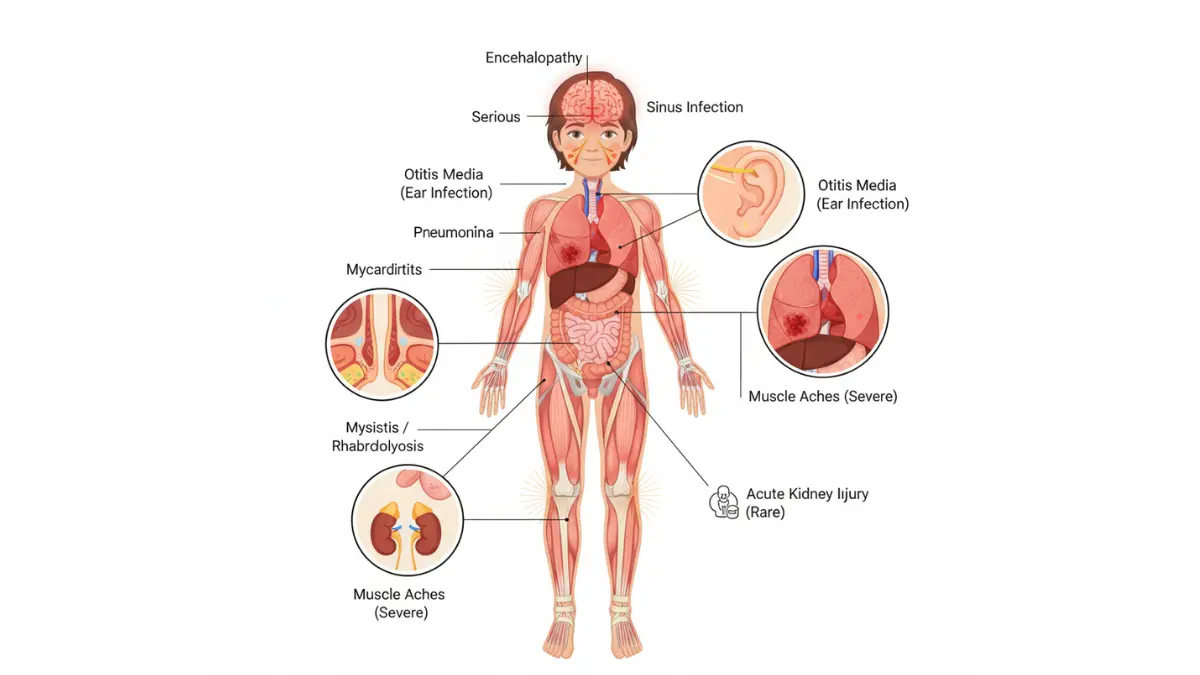
Common and Serious Complications
Flu complications kids face range from mild secondary infections to catastrophic organ failure. Understanding this spectrum enables parents to recognize warning signs before conditions deteriorate.
| Complication | Frequency | Risk Factors | Warning Signs |
|---|---|---|---|
| Pneumonia | 3-5% of flu cases | Age <2 years, asthma, immunocompromised | Persistent fever, difficulty breathing, chest pain, rapid breathing |
| Ear infections (otitis media) | 10-20% of cases | Age <3 years, daycare attendance | Ear pain, tugging ears, drainage, irritability |
| Sinus infections | 5-8% of cases | Chronic nasal congestion, allergies | Facial pain, green nasal discharge >10 days, fever return |
| Bronchitis/bronchiolitis | 2-4% of cases | Age <2 years, premature birth | Wheezing, persistent cough, breathing effort |
| Myocarditis (heart inflammation) | Rare (<1%) | Any age, sudden onset | Chest pain, irregular heartbeat, extreme fatigue, fainting |
| Encephalopathy (brain dysfunction) | Rare (<0.5%) | Any age, rapid deterioration | Confusion, seizures, unresponsiveness, hallucinations |
| Sepsis | Rare (<0.5%) | Immunocompromised, bacterial co-infection | Extreme fever, cold extremities, rapid breathing, altered mental status |
| Rhabdomyolysis | Rare (<1%) | Severe muscle aches | Dark urine, inability to move, severe muscle pain |
Hospitalization statistics: The CDC reports that influenza causes between 6,000-25,000 hospitalizations annually among children under 5 years old, with infants under 6 months experiencing the highest admission rates. During severe seasons like 2024-2025, these numbers escalate significantly.
Bacterial co-infections: Secondary bacterial pneumonia causes the majority of severe flu complications kids experience—Streptococcus pneumoniae and Staphylococcus aureus exploit flu-damaged airways, establishing dangerous infections requiring antibiotic therapy and sometimes ICU care.
Parents managing children with pre-existing heart conditions should monitor cardiovascular symptoms carefully; use our Heart Rate Zone Calculator to establish baseline heart rate patterns and detect dangerous abnormalities during illness.
Special Considerations for High-Risk Children
Children with underlying medical conditions face 4-8 times higher flu complications kids hospitalization risk compared to healthy peers.
High-risk groups requiring intensive monitoring:
- Asthma patients: Flu triggers 30-50% of asthma exacerbations requiring emergency care; ensure rescue inhaler accessibility and consider preventive antiviral therapy during exposure
- Diabetes management: Illness increases blood sugar volatility; monitor glucose levels every 2-4 hours and adjust insulin carefully
- Neurologic conditions: Children with cerebral palsy, epilepsy, or developmental delays experience higher pneumonia and aspiration risk
- Immunocompromised children: Cancer treatment, organ transplant recipients, HIV-positive patients need immediate antiviral therapy at first flu symptom
Recovery Timeline and Return to School
Most flu treatment children receive produces full recovery within 7-10 days, though residual fatigue and cough may persist 2-3 weeks.
Typical recovery phases:
- Days 1-3: Peak symptoms, highest fever
- Days 4-5: Fever resolves, energy slowly returns
- Days 6-10: Gradual improvement, persistent cough common
- Days 11-14: Near-baseline function, occasional fatigue
Return to school/daycare criteria: Children must remain fever-free for 24 hours without medication before returning to group settings—this prevents ongoing transmission and allows adequate immune recovery.
Contagious period: Kids shed influenza virus from 24 hours before symptoms through 5-7 days after symptom onset; immunocompromised children may remain contagious longer.
For comprehensive guidance on protecting your family’s health beyond flu season, explore our Health Tips resource center featuring evidence-based wellness strategies.
Frequently Asked Questions About Flu in Kids
1. How do I know if my child has the flu or just a cold?
Flu in kids starts suddenly with high fever (102-104°F), severe body aches, and extreme fatigue within hours. Colds develop gradually over days with milder symptoms and rarely cause high fevers.
2. When should I take my child to the doctor for flu?
Call your pediatrician within 24 hours if your child is under 2 years, has chronic conditions, or experiences high fever lasting beyond 3 days. Go to the ER immediately for difficulty breathing, bluish lips, extreme lethargy, or seizures.
3. Does Tamiflu really work for children?
Yes, Tamiflu children treatment shortens illness duration by 1-1.5 days and significantly reduces complication risk when started within 48 hours of symptom onset. It’s FDA-approved from birth and safe for pediatric use.
4. How long is a child contagious with the flu?
Children are contagious from 24 hours before symptoms appear through 5-7 days after onset. Keep kids home until fever-free for 24 hours without medication.
5. Should my child get the flu shot every year?
Yes, all children 6 months and older need annual flu vaccination. The 2024-2025 kids flu vaccine protects against H3N2 subclade K and reduces hospitalization risk by 60-78%.
6. What are the emergency warning signs of flu in children?
Emergency flu symptoms kids require immediate ER care include difficulty breathing, bluish skin color, severe chest pain, inability to wake up, confusion, seizures, or no urination for 8+ hours.
7. Can I give my child aspirin for flu fever?
Never give aspirin to children with flu—it causes Reye’s syndrome, a potentially fatal condition. Use acetaminophen or ibuprofen for fever reduction instead.
8. How can I prevent dehydration in my child with flu?
Offer fluids every 30-60 minutes while awake, aiming for 50-100% more than normal intake. Use oral rehydration solutions, diluted juice, or popsicles if your child refuses water.
9. What home remedies actually work for kids with flu?
Honey (for ages 1+) significantly reduces nighttime cough, saline nasal drops ease congestion, cool-mist humidifiers help breathing, and adequate rest supports healing. Most other remedies lack scientific evidence.
10. How long does flu last in children?
Typical flu in kids lasts 7-10 days with fever resolving by days 4-5. Cough and fatigue may persist 2-3 weeks, but most children return to normal activities within 7-10 days.
11. What are the most serious flu complications in kids?
The most dangerous flu complications kids face include pneumonia (3-5% of cases), brain inflammation (encephalopathy), myocarditis (heart inflammation), and sepsis. Children under 2 and those with chronic conditions face highest risk.
About this content
How this article was put together: researched from recognised health sources, drafted with the help of AI tools, and edited by hand, with sources linked throughout.

Sameer Patel is the founder and editor of My Medicine Advisor. He is not a doctor or medical professional — before starting this site he worked in banking,…
Medical disclaimer
The content on MyMedicineAdvisor is provided for general informational and educational purposes only and is not a substitute for professional medical advice, diagnosis, or treatment. Health information on this website should not be used to diagnose, treat, cure, or prevent any condition without guidance from a qualified healthcare professional. Always seek the advice of your doctor, physician, or another licensed healthcare provider with any questions you may have regarding a medical condition, symptoms, medications, or treatment decisions.