
When Does Your Child Need Vaccines in 2026?
Children need vaccines starting within 24 hours of birth through age 18, following the Centers for Disease Control and Prevention’s immunization schedule birth to 18 that includes approximately 15-17 different vaccines across 26-30 doses. The baby vaccine schedule protects against life-threatening diseases like measles, whooping cough, and polio through carefully timed shots that build immunity when children are most vulnerable.
On This Page – Quick Medical Summary
Real Parent Story: When Timing Matters
Maya Rodriguez stared at her daughter’s blank immunization card at the 2-month checkup. Between recovering from delivery and sleepless nights, she’d missed the hepatitis B vaccine at the hospital. “I felt like I’d already failed as a mom,” she recalls. Her pediatrician reassured her that research shows catch-up schedules are highly effective when parents stay committed. Three months later, Sofia was fully protected and thriving—a reminder that when do kids need shots matters, but it’s never too late to catch up.
What’s New in the 2026 Vaccine Schedule
The CDC updated its childhood immunization schedule in October 2025 with critical changes for 2026:
- RSV protection for babies: Maternal Abrysvo vaccine during weeks 32-36 of pregnancy OR infant nirsevimab immunization for all babies under 8 months
- Updated COVID-19 guidance: Individual risk-based decision-making replaces blanket recommendations for children
- Varicella standalone option: Chickenpox vaccine now available separately from MMR combination
- Meningococcal B schedule changes: New Bexsero dosing for adolescents based on risk factors
Quick Reference: Birth to 18 Years Timeline
Birth to 6 months: Hepatitis B (3 doses), DTaP, Hib, polio, pneumococcal, rotavirus—up to 15 shots during this critical window when maternal antibodies fade and babies need active protection.
6 months to 5 years: MMR, varicella, hepatitis A, annual flu shots—building the foundation for lifelong immunity tracked through our Pregnancy Due Date Calculator for planning ahead.
6 to 18 years: Tdap, HPV, meningococcal vaccines, COVID-19—protecting preteens and teens as they enter school environments where vaccine-preventable disease outbreaks still occur.
The vaccine schedule by age isn’t arbitrary—it’s based on decades of NIH-funded research on immune system development showing when children respond best to each vaccine while minimizing risks. Parents using tools like our Symptom Checker can track potential vaccine reactions and understand what’s normal versus concerning.
Complete Birth to 18 Vaccine Schedule Chart
2026 Childhood Vaccine Schedule: Complete Chart by Age
The vaccine schedule by age follows a precise timeline designed by immunologists and epidemiologists who understand when a child’s immune system responds optimally to each antigen. According to Johns Hopkins Bloomberg School of Public Health research, the timing protects children during their most vulnerable developmental windows while building community immunity.
Birth to 6 Months Baby Vaccine Schedule
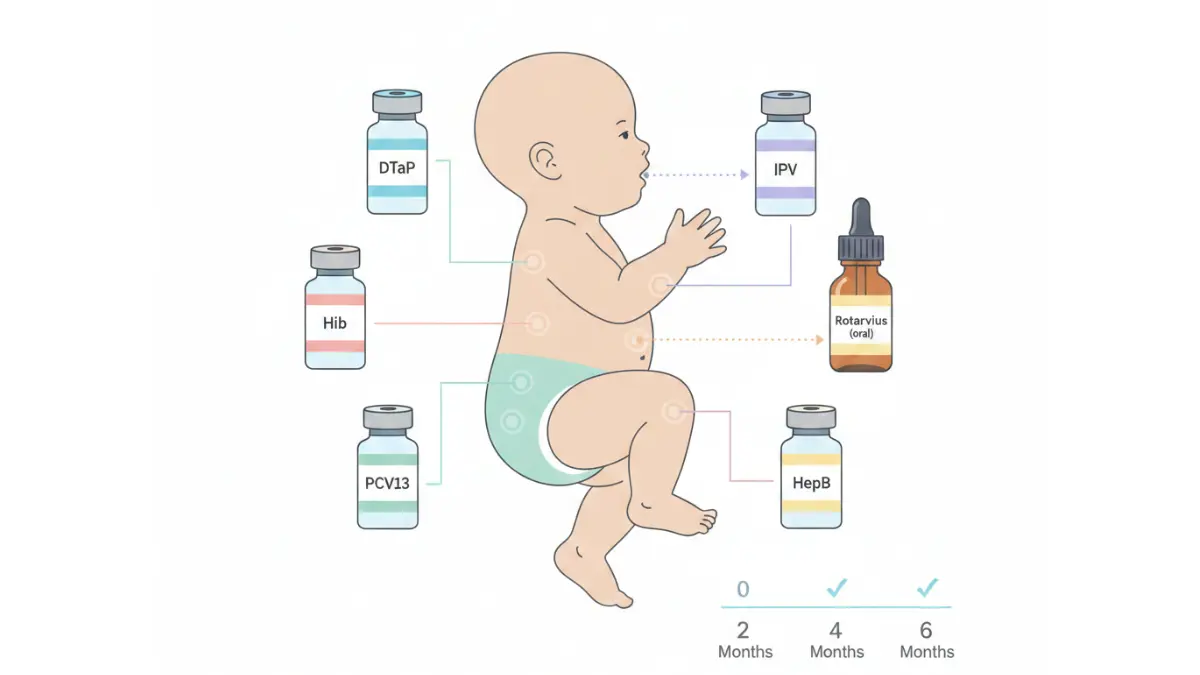
Newborns need immediate protection from diseases they may encounter in hospitals or at home. The hepatitis B vaccine newborn receives within 24 hours of birth provides critical protection against a virus that can cause lifelong liver damage. Research from the National Institutes of Health shows that neonatal hepatitis B vaccination prevents 95% of chronic infections when administered before hospital discharge.
| Age | Vaccines Due | Diseases Protected | Number of Shots |
|---|---|---|---|
| Birth | Hepatitis B (HepB) #1 | Liver disease, liver cancer | 1 shot |
| 1-2 months | HepB #2 | Continued hepatitis B protection | 1 shot |
| 2 months | DTaP, Hib, IPV, PCV13, Rotavirus | Diphtheria, tetanus, whooping cough, meningitis, polio, pneumonia, diarrhea | 5-6 shots/oral |
| 4 months | DTaP, Hib, IPV, PCV13, Rotavirus | Same protection, building immunity | 5-6 shots/oral |
| 6 months | DTaP, Hib, IPV, PCV13, Rotavirus, HepB #3, Influenza | Complete primary series | 6-7 shots/oral |
What makes 2 month baby vaccines so critical? Infants lose maternal antibodies around 8-12 weeks, creating what researchers call the “susceptibility window.” The CDC’s 2-4-6 month schedule provides protection precisely when babies start attending daycare and encountering more pathogens.
Parents tracking developmental milestones with our BMI Calculator should coordinate vaccine appointments—healthy growth and timely immunization work together for optimal baby vaccine schedule adherence.
6 Months to 2 Years Baby Shots by Age
This phase completes primary vaccine series and introduces new protections as toddlers become mobile explorers. The MMR vaccine schedule begins at 12-15 months when maternal measles antibodies have fully waned.
Missed vaccine schedule catch up is entirely possible. The CDC catch-up schedule provides minimum intervals between doses, allowing children who’ve fallen behind to safely accelerate their protection timeline without starting over. Parents managing multiple health concerns can use our Symptom Checker to determine if their child is well enough for scheduled vaccines.
2 to 6 Years Kids Vaccination Chart
Preschool years prepare children for school entry requirements. Most states mandate proof of vaccination for kindergarten enrollment, creating motivation for families to complete the childhood immunization schedule during this window.
According to Harvard T.H. Chan School of Public Health research, administering booster doses before age 6 ensures antibody levels remain high enough to prevent infection even in classroom outbreak scenarios.
11 to 18 Years Vaccine Schedule
Adolescents need specialized protection as their social circles expand and they engage in higher-risk activities. The vaccine schedule by age for teens focuses on diseases that peak during these years.
The Stanford Vaccine Research Program continues studying optimal adolescent vaccine responses, particularly for newer vaccines like HPV that prevent cancers later in life.
💡 What This Means For You:
Following this complete kids vaccination chart provides 90-99% protection against 17 life-threatening diseases. Children who complete their immunization schedule on time rarely experience severe infections, and when breakthrough cases occur, symptoms are significantly milder than in unvaccinated children. Parents planning their child’s health journey can coordinate vaccine appointments with growth monitoring using our Pregnancy Weight Gain Calculator for expecting families or Ideal Weight Calculator for older children.
Vaccine Safety, Side Effects & What to Expect
Are Vaccines Safe for Babies? Side Effects by Age
Are vaccines safe for babies? Yes—multiple surveillance systems including the CDC’s Vaccine Safety Datalink monitor over 12 million patients annually and consistently confirm that serious vaccine reactions in children remain extraordinarily rare. According to Johns Hopkins Bloomberg School of Public Health, the protective benefits of vaccination vastly outweigh the minimal risks, with vaccines preventing an estimated 4 million child deaths globally each year.
Understanding Vaccine Side Effects Kids Experience
Most vaccine side effects kids encounter are mild and temporary, resolving within 24-72 hours without intervention. The CDC’s Vaccine Adverse Event Reporting System (VAERS) data reveals that 97% of reported reactions involve minor symptoms like fever or injection site soreness.
| Frequency | Side Effects | When They Occur | Management |
|---|---|---|---|
| Very Common (1 in 10) | Injection site redness/swelling, fussiness, low-grade fever (99-100.4°F) | Within 24 hours of vaccination | Cool compress, acetaminophen if needed, monitor with our Heart Rate Zone Calculator if fever develops |
| Common (1 in 100) | Fever above 100.4°F, mild rash, temporary appetite loss | 24-72 hours post-vaccine | Extra fluids, rest, call pediatrician if fever persists beyond 48 hours |
| Uncommon (1 in 1,000) | High fever (103°F+), febrile seizure (MMR: 1 in 3,000-4,000 children) | 8-14 days after MMR vaccine | Emergency evaluation for febrile seizures; typically harmless but frightening |
| Very Rare (1 in 10,000+) | Severe allergic reaction (anaphylaxis), vaccine-associated paralytic polio (discontinued with IPV) | Within minutes to hours | Immediate medical attention; why vaccines given in clinical settings |
A 2022 NIH study of 48,795 children ages 5-11 receiving COVID-19 vaccines found that most vaccine reactions in children were mild-to-moderate, with injection site pain, fatigue, and headache being the most common complaints. Serious events occurred at rates comparable to or lower than adolescent populations.

Common Vaccine Reactions in Children by Age
2-month baby vaccines side effects: Infants receiving their first DTaP, Hib, and pneumococcal vaccines commonly experience drowsiness and irritability. Research shows these reactions peak 12-24 hours post-vaccination and correlate with the immune system’s antibody production.
12-15 month MMR vaccine reactions: The CDC notes that 5-15% of children develop a measles-like rash 7-10 days after MMR vaccination—this indicates the vaccine is working and is not contagious.
4-6 year booster reactions: Children receiving DTaP boosters may experience more pronounced arm soreness than with earlier doses due to heightened immune memory.
Are Vaccines Safe? The Scientific Evidence
Parents concerned about vaccine ingredients kids receive should know that all components undergo rigorous FDA safety testing. According to the Children’s Hospital of Philadelphia Vaccine Education Center, aluminum salts used as adjuvants in some vaccines exist at levels far below what infants consume daily through breast milk or formula.
The CDC explains that stabilizers like sugars and gelatin keep vaccines effective during storage and are identical to substances in everyday foods. Parents tracking their child’s overall health can use our Symptom Checker to distinguish normal vaccine reactions from unrelated illnesses.
💡 What This Means For You:
Are vaccines safe for babies? Multiple international studies confirm yes. A 2021 systematic review by the Agency for Healthcare Research and Quality found serious adverse events remain extremely rare and vaccines provide overwhelming protective benefits. When minor vaccine side effects kids experience occur, they signal the immune system is building protection—a positive biological response that safeguards children from diseases that historically killed or disabled millions.
Spacing, Catch-Up & Alternative Schedules
Missed Vaccines? Catch-Up Schedules & Spacing Guidelines
Life happens—illnesses, family emergencies, medical anxiety. If your child has missed vaccine schedule catch up appointments, take comfort: CDC catch-up immunization schedules allow children to safely accelerate protection without starting over. A 2024 systematic review of 79 studies found that multicomponent catch-up interventions increased vaccination coverage by 58%, demonstrating that delayed vaccination remains highly effective when families re-engage.
Missed Vaccine Schedule Catch-Up: Minimum Intervals Explained
The CDC specifies minimum intervals between doses to ensure adequate immune response without unnecessary delays:
What vaccines does my baby need if we’re behind? Parents can use our Pregnancy Due Date Calculator to track developmental milestones and coordinate with their pediatrician about the most time-efficient missed vaccine schedule catch up approach for their child’s specific situation.
Spacing Out Vaccines: CDC vs Alternative Schedules
Some parents request spacing out vaccines based on concerns about “immune system overload.” Dr. Robert Sears’ alternative schedule spreads vaccines over more visits with fewer shots per appointment. Here’s what evidence reveals:
| Approach | Pros | Cons | Evidence |
|---|---|---|---|
| CDC Recommended Schedule | Protects infants during highest-risk period; fewer appointments; proven safe | 4-5 shots per visit can feel overwhelming | AAP research confirms no immune overload—babies encounter thousands of antigens daily |
| Alternative/Delayed Schedule | Parents feel more control; fewer shots per visit | Leaves children vulnerable longer; requires 9+ additional office visits; no safety advantage | Pediatrics journal found delayed schedules increase disease risk without reducing side effects |
Transparent perspective: The CDC’s timing and spacing guidance balances immune development research with disease epidemiology. While spacing out vaccines isn’t inherently dangerous if minimum intervals are maintained, it extends the window when children remain susceptible to preventable diseases.
What Vaccines Does My Baby Need for School?
School vaccine requirements vary by state but typically mandate DTaP, polio, MMR, and varicella. A 2023 CDC assessment found that most states require 5 DTaP doses, 4 polio doses, and 2 MMR doses for kindergarten entry.
Recommended vs required vaccines distinction: States mandate only core vaccines, but pediatricians recommend additional protection like influenza and meningococcal vaccines based on CDC’s complete immunization schedule. Medical exemptions require physician documentation, while religious exemptions vary by jurisdiction.
Parents managing their child’s health can track overall wellness with our BMI Calculator alongside vaccination status to ensure comprehensive pediatric care.
Specific Vaccines Deep Dive & FAQs
Understanding Each Vaccine: What Parents Need to Know
Parents asking “how many vaccines do kids get” often feel overwhelmed by the numbers—approximately 28-30 doses protecting against 17 diseases by age 18. Understanding what each vaccine accomplishes transforms anxiety into empowerment.
Hepatitis B Vaccine: Why Start at Birth?
The hepatitis B vaccine newborn receives within 24 hours of delivery serves as a critical safety net. CDC research shows that without birth-dose vaccination, 9 in 10 infants infected during their first year develop chronic hepatitis B that can lead to liver failure and death.
Johns Hopkins Bloomberg School of Public Health emphasizes that even when mothers test negative for hepatitis B, hospital errors in testing or documentation do occur—making universal newborn vaccination an essential protective measure. The hepatitis B vaccine newborn protection involves a 3-dose series (birth, 1-2 months, 6-18 months) that provides 95% lifelong immunity.
Parents tracking pregnancy milestones can use our Pregnancy Due Date Calculator to prepare for this first immunization discussion before delivery.
DTaP Vaccine: 5 Doses Over 5 Years
The CDC’s 5-dose DTaP schedule at 2, 4, 6, 15-18 months, and 4-6 years protects against diphtheria (throat-closing infection), tetanus (lockjaw), and pertussis (whooping cough). DTaP vaccine ages span this range because immunity wanes—each booster restores protection levels above the threshold needed to prevent infection.
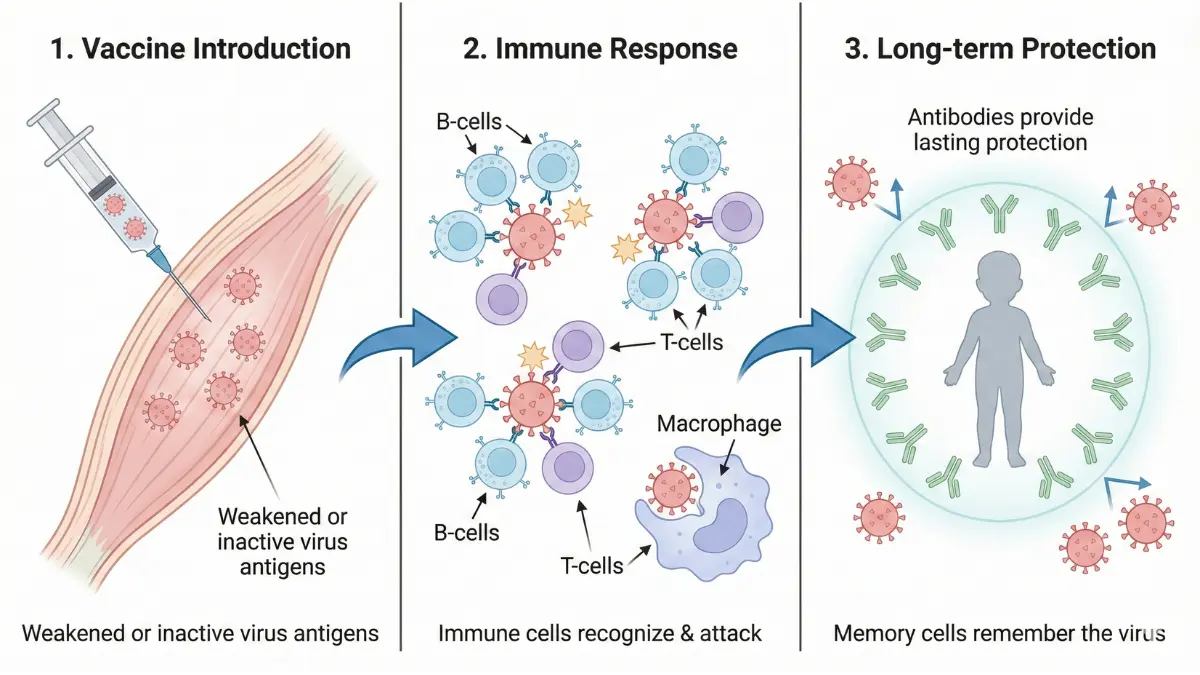
According to NIH research published in StatPearls, the 6-month minimum interval between doses 3 and 4 allows the immune system to develop stronger memory cells that recognize these bacteria for decades. Pregnant individuals should receive Tdap during the last trimester to protect newborns before their first DTaP dose.
MMR Vaccine: Measles, Mumps, Rubella Protection
The MMR vaccine schedule involves 2 doses at 12-15 months and 4-6 years. CDC data shows measles cases increased 79% globally in 2024, making timely MMR vaccination more critical than ever.
Addressing the autism myth: Johns Hopkins research conclusively debunked the fraudulent 1998 Wakefield study that falsely linked MMR to autism. A 2002 New England Journal of Medicine study of 537,303 Danish children found no association between MMR vaccination and autism development. The original paper was retracted, and Wakefield lost his medical license due to ethical violations and financial conflicts.
Parents concerned about developmental milestones can track their child’s growth and health using our BMI Calculator alongside vaccination records.
COVID-19 Vaccine for Kids: 2026 Recommendations
The 2025-2026 COVID vaccine kids schedule uses individual risk-based decision-making. CDC guidelines recommend:
- Ages 6-23 months: Previously unvaccinated infants need 2 Moderna doses 4-8 weeks apart; previously vaccinated children need 1 dose
- Ages 2-11 years: 1 dose of Moderna or Pfizer-BioNTech based on risk factors
- Ages 12-18 years: 1 dose of Moderna, Pfizer, or Novavax at least 8 weeks after previous dose
Stanford Children’s Health protocols prioritize COVID vaccine kids schedule for those with chronic conditions, pregnant teens, or immunocompromised status.
RSV Vaccine Babies: New in 2025-2026
RSV vaccine babies receive through two pathways: maternal RSVpreF vaccine during weeks 32-36 of pregnancy OR infant nirsevimab/clesrovimab immunization. The CDC recommends nirsevimab for all infants under 8 months entering their first RSV season when maternal vaccination didn’t occur.
High-risk children ages 8-19 months may need RSV vaccine babies protection during their second season, including those with congenital heart disease or chronic lung conditions.
Flu Shot for Babies: Annual Protection
The CDC recommends annual influenza vaccination starting at 6 months. Flu shot for babies involves special dosing:
- First-time recipients ages 6 months-8 years: Need 2 doses given 4 weeks apart
- Previously vaccinated children: Need only 1 annual dose
According to CDC flu guidance, children under 5 face higher hospitalization risk from influenza, making flu shot for babies critical preventive care.
Parents managing multiple health appointments can coordinate schedules using our Symptom Checker to ensure children are healthy enough for vaccination.
Understanding Vaccine Ingredients Kids Receive
Vaccine ingredients kids encounter include antigens (disease pieces), adjuvants (immune boosters like aluminum salts), and stabilizers (sugars, gelatin). FDA approval requires rigorous testing showing all vaccine ingredients kids receive exist at safe levels far below daily environmental exposure.
💡 What This Means For You:
Each vaccine on the childhood schedule addresses specific disease threats during vulnerable developmental windows. The timing, dosing, and combinations reflect decades of immunological research optimizing protection while minimizing discomfort.
Resources, Printables & Action Steps
Your Vaccine Schedule Action Plan
Protecting your child through vaccination requires more than just showing up for appointments—it demands organization, communication with healthcare providers, and understanding what to expect before, during, and after each immunization visit.
Download Your Printable Vaccine Schedule Chart
The CDC provides free downloadable vaccine schedule printable charts showing the complete childhood vaccine timeline from birth through 18 years. Print this vaccine schedule printable resource and keep it in your child’s health folder alongside their vaccination record card. Many state Immunization Information Systems (IIS) allow electronic access to your child’s complete vaccination history across multiple healthcare providers.
According to CDC guidance on keeping vaccination records, establishing a permanent record at birth and updating it after every vaccine appointment prevents missed doses and ensures you have documentation for school enrollment, travel, or medical emergencies. Parents can coordinate health tracking with tools like our Health Tips section for comprehensive family wellness management.
10 Questions to Ask Your Pediatrician
The CDC lists common parent concerns about pediatrician vaccine schedule decisions:
- Which vaccines are required for daycare/school in our state versus recommended?
- What’s the catch-up plan if my child is behind on the immunization schedule birth to 18?
- Can my child receive multiple vaccines at today’s appointment safely?
- What side effects should I watch for, and when should I call you?
- Does my child have any medical conditions requiring modified timing?
- Are combination vaccines available to reduce the number of shots?
- How do you report vaccinations to our state’s immunization registry?
- What documentation will I receive for school records?
- When is the next vaccine due, and how will you remind me?
- Where can I access our complete vaccination history electronically?
What to Do Before Vaccine Appointments
Children’s Hospital of Philadelphia recommends specific preparation strategies to reduce vaccination anxiety:
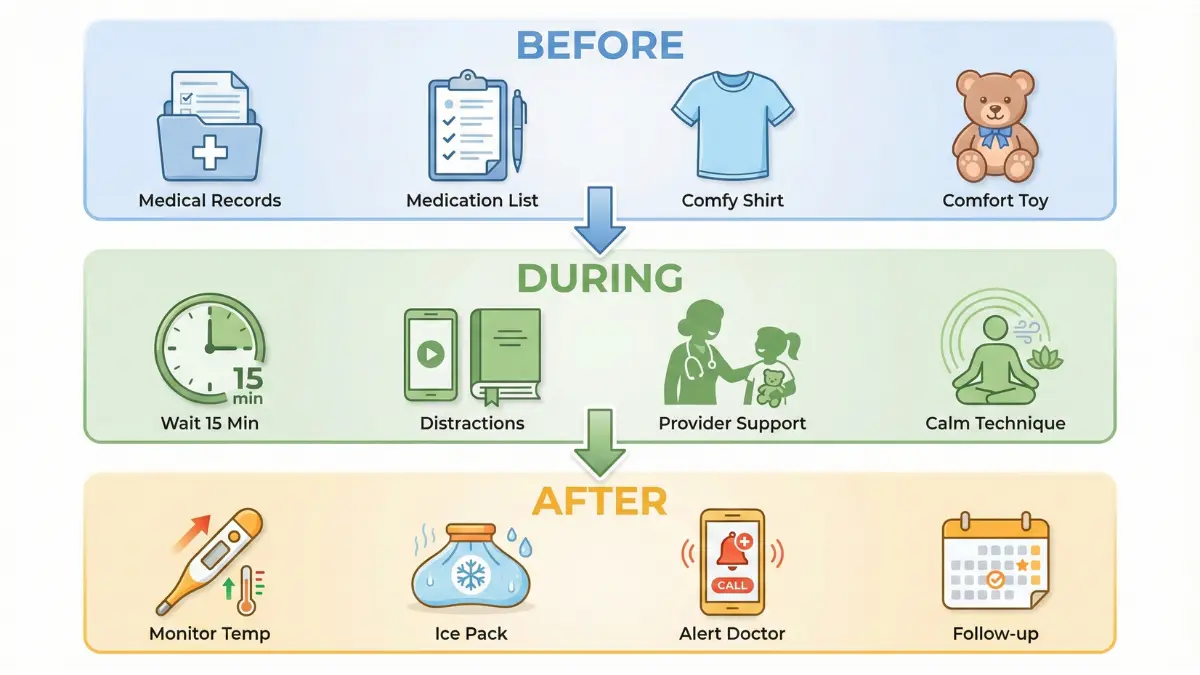
- Bring vaccination records: Your permanent record established at birth allows providers to determine exactly which vaccines your child needs
- List current medications: Some medications may interact with vaccine timing
- Note previous reactions: Document any past vaccine side effects in detail
- Pack comfort items: The CDC suggests bringing favorite toys or blankets to help children feel secure
- Dress appropriately: Short sleeves provide easy access to injection sites
Parents planning their child’s complete health journey can reference our main website for additional pediatric wellness resources.
What to Do After Vaccine Appointments
Children’s Hospital of Philadelphia vaccine safety guidance emphasizes post-vaccination monitoring:
- Stay 15 minutes: Healthcare providers watch for immediate allergic reactions
- Monitor injection sites: Mild redness and swelling within 24 hours is normal
- Track temperature: Use our Heart Rate Zone Calculator if fever develops to monitor vital signs
- Know when to call: Persistent high fever above 104°F, difficulty breathing, or severe swelling requires immediate medical attention
- Record the visit: Note vaccine name, date, and any reactions in your kids vaccination chart
Following this childhood vaccine timeline protects individual children while contributing to community immunity—the collective protection that safeguards infants too young for certain vaccines and immunocompromised individuals who cannot be vaccinated. Your child’s immunizations represent both personal health decisions and participation in public health infrastructure that has eliminated smallpox, nearly eradicated polio, and reduced measles deaths by 73% globally since 2000.
Frequently Asked Questions about Vaccine Schedule
1. How many vaccines do kids get by age 18?
Children receive approximately 28-30 doses protecting against 17 diseases following the CDC’s immunization schedule birth to 18 years. This includes vaccines for hepatitis B, polio, measles, mumps, rubella, chickenpox, meningitis, HPV, and influenza.
2. What vaccines does my baby need in the first year?
The baby vaccine schedule includes hepatitis B (3 doses), DTaP (3 doses), Hib (2-3 doses), polio (3 doses), pneumococcal (3 doses), rotavirus (2-3 doses), and flu shot starting at 6 months. The 2 month baby vaccines appointment is especially critical for establishing protection.
3. Are vaccines safe for babies?
Yes—vaccines are safe for babies. The CDC’s Vaccine Safety Datalink monitors over 12 million patients annually and confirms serious reactions remain extraordinarily rare (less than 1 in 10,000). Multiple international studies show overwhelming protective benefits versus minimal risks.
4. Can my child receive multiple vaccines at one appointment?
Yes. Research confirms no immune system overload occurs when children receive several vaccines simultaneously. The vaccine schedule by age is designed for children to safely receive 4-5 vaccines per visit, providing earlier protection without increased side effects.
5. What should I do if my child missed vaccine appointments?
Use the CDC catch-up immunization schedule with minimum intervals between doses. Your pediatrician can create an accelerated missed vaccine schedule catch up plan—it’s never too late to get back on track without restarting the entire series.
6. Do vaccines cause autism?
No. Comprehensive research including studies of over 500,000 children found zero link between vaccines and autism. The original fraudulent 1998 study was retracted, and its author lost his medical license due to ethical violations.
7. Why does my newborn need the hepatitis B vaccine at birth?
The hepatitis B vaccine newborn receives prevents 95% of chronic infections that can cause lifelong liver damage and cancer. CDC research shows 90% of infants infected in their first year develop chronic hepatitis B, making immediate vaccination critical protection.
8. What are common vaccine side effects in children?
9. Can I space out my child’s vaccines instead of following the CDC schedule?
While spacing out vaccines isn’t inherently dangerous if minimum intervals are maintained, research shows it leaves children vulnerable longer without reducing side effects. The CDC schedule protects infants during their highest-risk period when diseases are most dangerous.
10. What vaccines are required for school entry?
School vaccine requirements vary by state but typically mandate DTaP (5 doses), polio (4 doses), MMR (2 doses), and varicella (2 doses) for kindergarten. Recommended vs required vaccines differ—states mandate only core vaccines while pediatricians recommend additional protection like flu and meningococcal vaccines.
11. When can my baby get the flu shot?
Flu shot for babies starts at 6 months of age. First-time recipients ages 6 months to 8 years need 2 doses given 4 weeks apart for optimal protection. Previously vaccinated children need only 1 annual dose, as children under 5 face higher influenza hospitalization risk.
About this content
How this article was put together: researched from recognised health sources, drafted with the help of AI tools, and edited by hand, with sources linked throughout.

Sameer Patel is the founder and editor of My Medicine Advisor. He is not a doctor or medical professional — before starting this site he worked in banking,…
Medical disclaimer
The content on MyMedicineAdvisor is provided for general informational and educational purposes only and is not a substitute for professional medical advice, diagnosis, or treatment. Health information on this website should not be used to diagnose, treat, cure, or prevent any condition without guidance from a qualified healthcare professional. Always seek the advice of your doctor, physician, or another licensed healthcare provider with any questions you may have regarding a medical condition, symptoms, medications, or treatment decisions.