Skip to content
No results
Menu
  • Symptom & Conditions
  • Cancer Cure
  • Surgery
  • Health Tools
  • Our Experts
  • Contact Us
My Medicine Advisor logo
  • Symptom & Conditions
  • Cancer Cure
  • Surgery
  • Health Tools
  • Our Experts
  • Contact Us
My Medicine Advisor logo
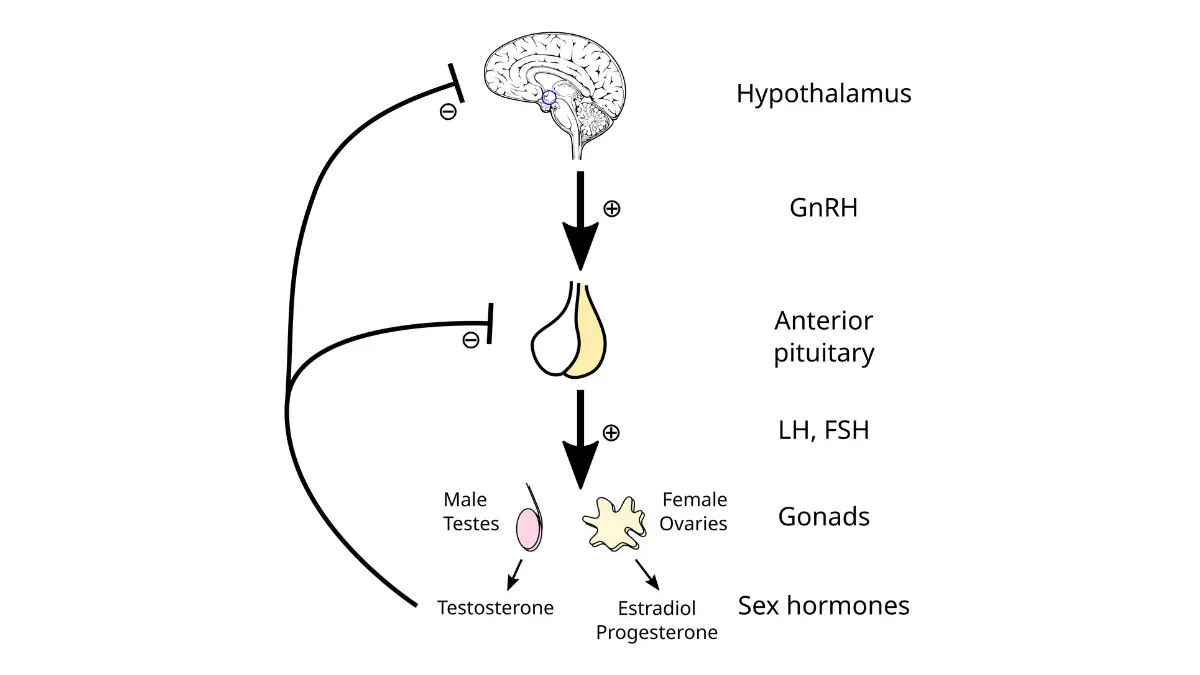
Medical diagram of the hypothalamic-pituitary-gonadal axis showing how GnRH and pituitary hormones regulate testosterone production targeted by prostate cancer hormone therapy.
  • Prostate Cancer

Understanding Your Hormone Therapy Plan for Prostate Cancer

Hormone therapy slows prostate cancer by lowering testosterone, but how long you stay on it ranges from months to years. Here's what to expect.

  • Dr. Gregory T. Ashton, MD — Urology & Men's Health, Dr. Cassandra L. Whitmore, MD — Radiation Oncology and Dr. Nathaniel J. Hargrove, MD — Oncology & Hematology
  • June 10, 2026
External beam Radiation therapy with a patient lying on a linear accelerator treatment table in a hospital setting.
  • Prostate Cancer

Know Your Radiation Therapy Options for Prostate Cancer

Radiation therapy for prostate cancer isn't one option but several, each with a different risk profile—from IMRT and SBRT to brachytherapy and Pluvicto.
  • Dr. Gregory T. Ashton, MD — Urology & Men's Health, Dr. Cassandra L. Whitmore, MD — Radiation Oncology and Dr. Nathaniel J. Hargrove, MD — Oncology & Hematology
  • June 9, 2026
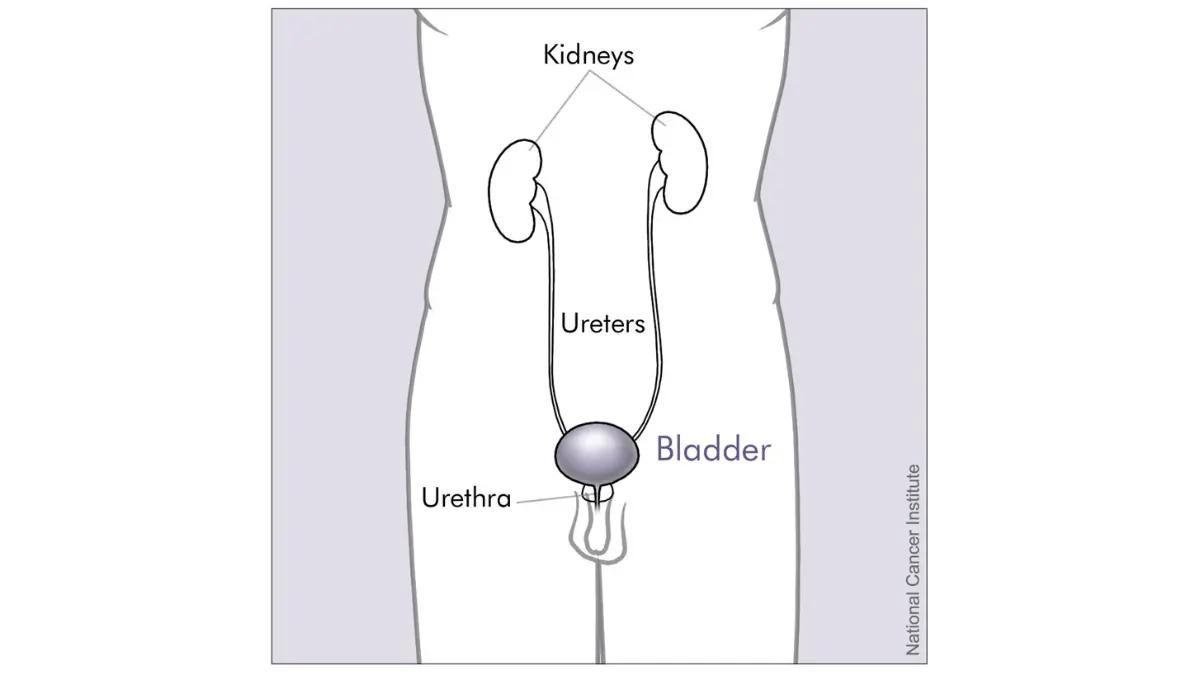
radical prostatectomy anatomy illustration showing the male bladder, prostate, urethra, kidneys, and nearby urinary organs.
  • Prostate Cancer

A Realistic Look at Radical Prostatectomy Recovery

Radical prostatectomy recovery follows a clear arc—catheter out around 1–2 weeks, then continence and PSA milestones. Here's what to expect at each stage.
  • Dr. Gregory T. Ashton, MD — Urology & Men's Health, Dr. Cassandra L. Whitmore, MD — Radiation Oncology and Dr. Nathaniel J. Hargrove, MD — Oncology & Hematology
  • June 8, 2026
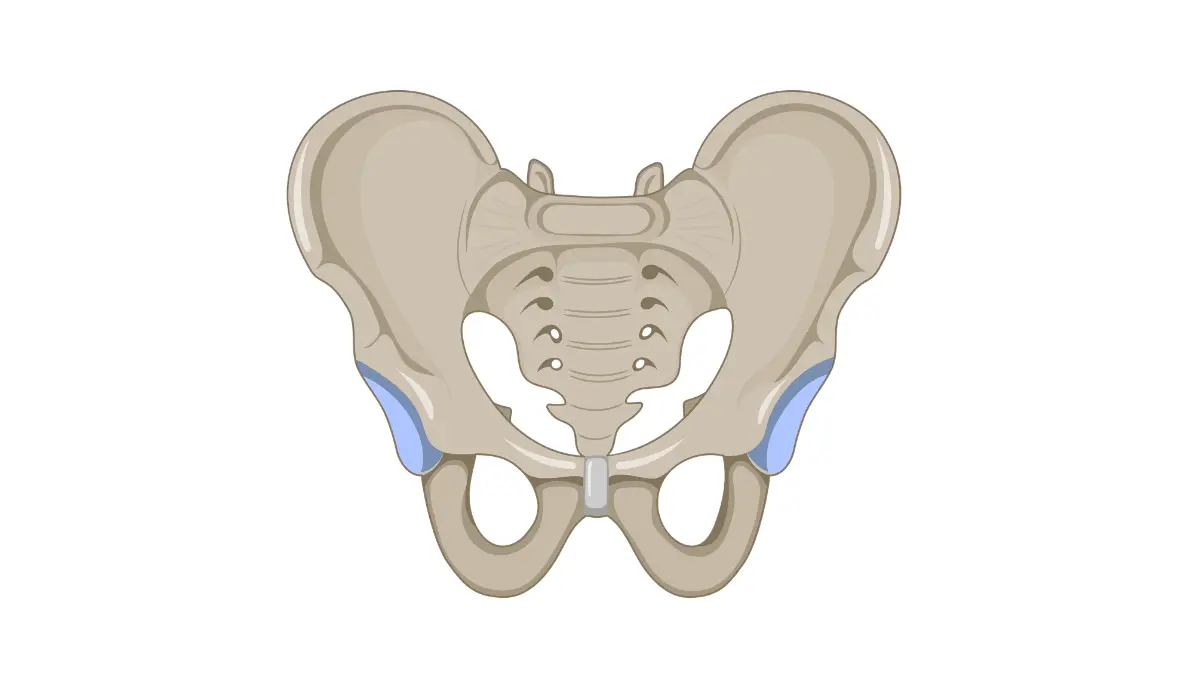
active surveillance anatomy illustration showing the anterior view of the male pelvis and surrounding structures.
  • Prostate Cancer

Know If Active Surveillance Fits Your Prostate Cancer

Active surveillance lets men with Gleason 6 prostate cancer monitor instead of treating now—see who qualifies and how it's tracked.
  • Dr. Gregory T. Ashton, MD — Urology & Men's Health, Dr. Cassandra L. Whitmore, MD — Radiation Oncology and Dr. Nathaniel J. Hargrove, MD — Oncology & Hematology
  • June 7, 2026
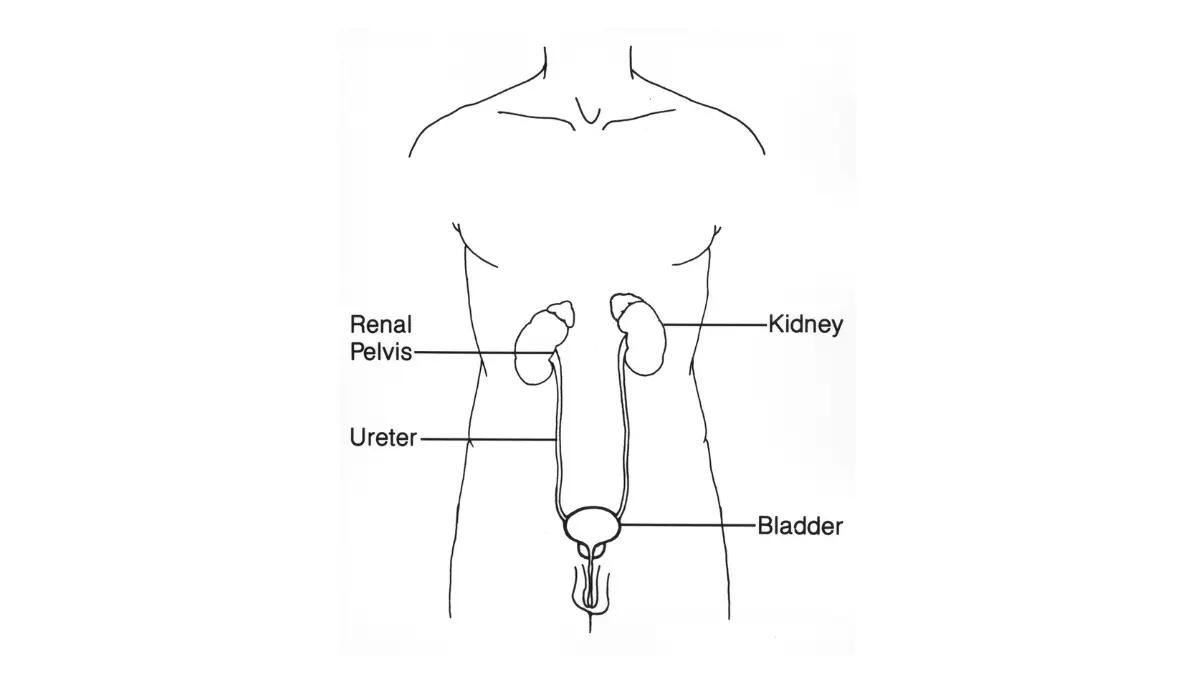
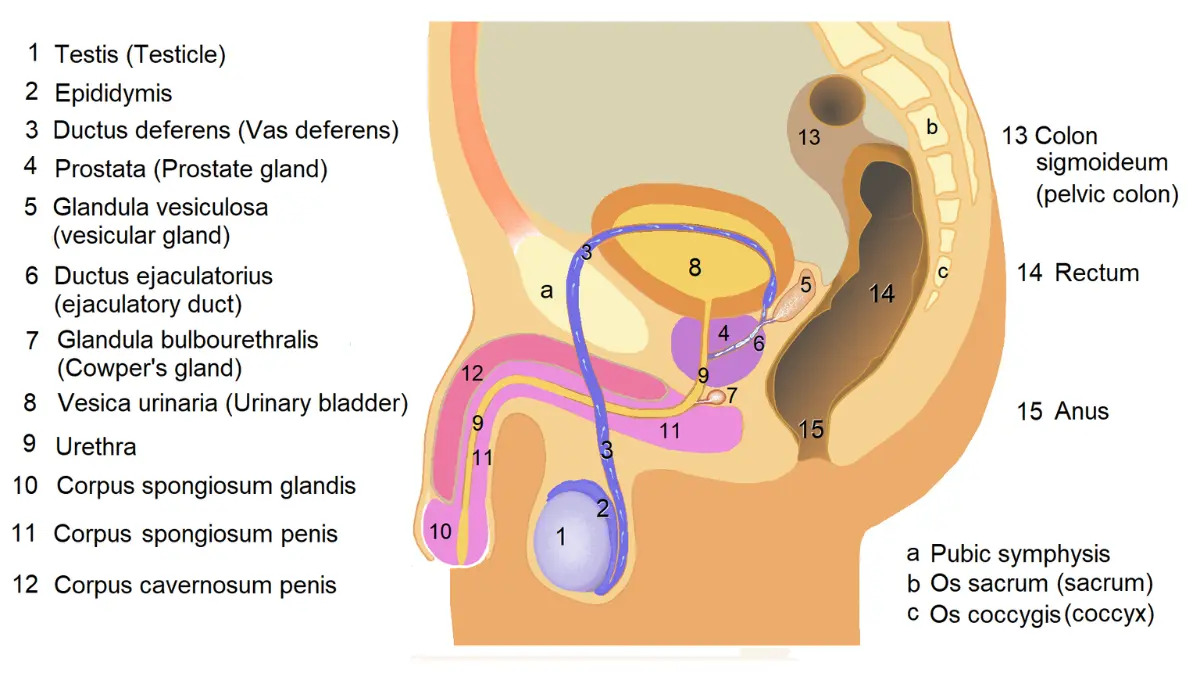
Medical illustration of the male urinary tract and prostate gland for prostate cancer screening.
  • Prostate Cancer

When to Begin Prostate Cancer Screening Based on Risk

rostate cancer screening isn't one age for everyone. Most men start at 50, but higher-risk men begin at 45 or 40 — see where you fall.
  • Dr. Gregory T. Ashton, MD — Urology & Men's Health, Dr. Cassandra L. Whitmore, MD — Radiation Oncology and Dr. Nathaniel J. Hargrove, MD — Oncology & Hematology
  • June 6, 2026
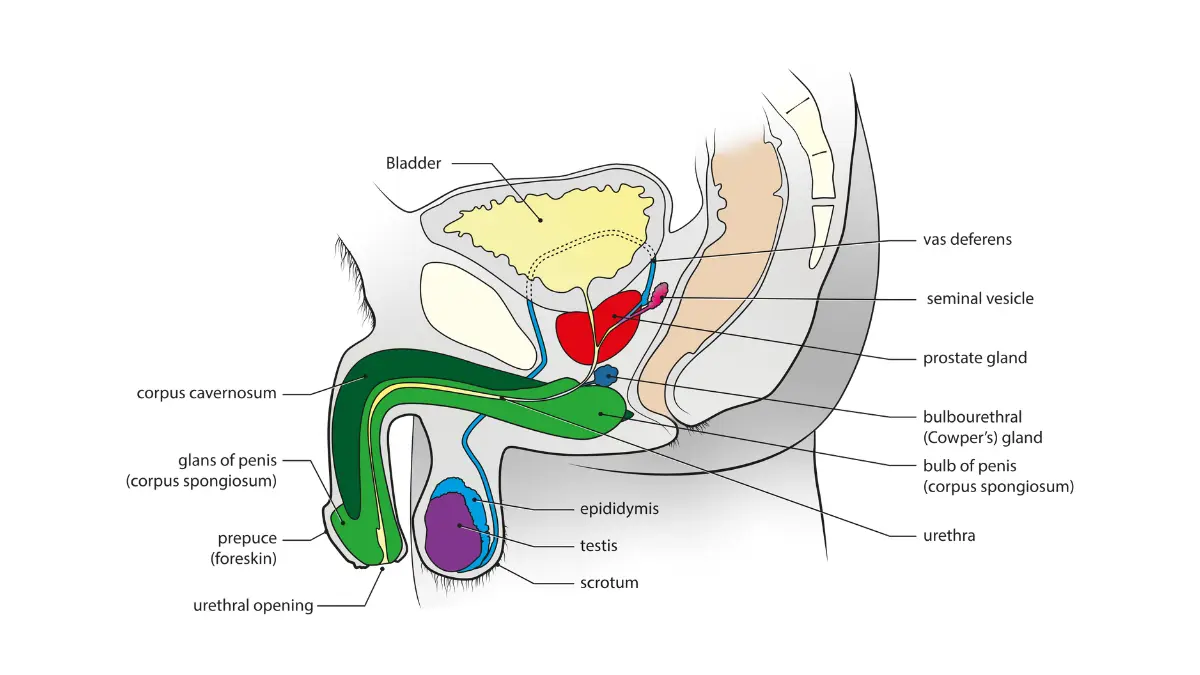
Sagittal cross-section diagram of male pelvic anatomy showing the prostate gland, bladder, and rectum for Black Men prostate cancer screening education.
  • Prostate Cancer

What Every Black Man Should Know About Prostate Cancer

Prostate cancer hits 1 in 6 Black men—the largest racial gap of any major cancer. Caught early, it's highly treatable. Here's when to screen.
  • Dr. Gregory T. Ashton, MD — Urology & Men's Health, Dr. Cassandra L. Whitmore, MD — Radiation Oncology and Dr. Nathaniel J. Hargrove, MD — Oncology & Hematology
  • June 6, 2026
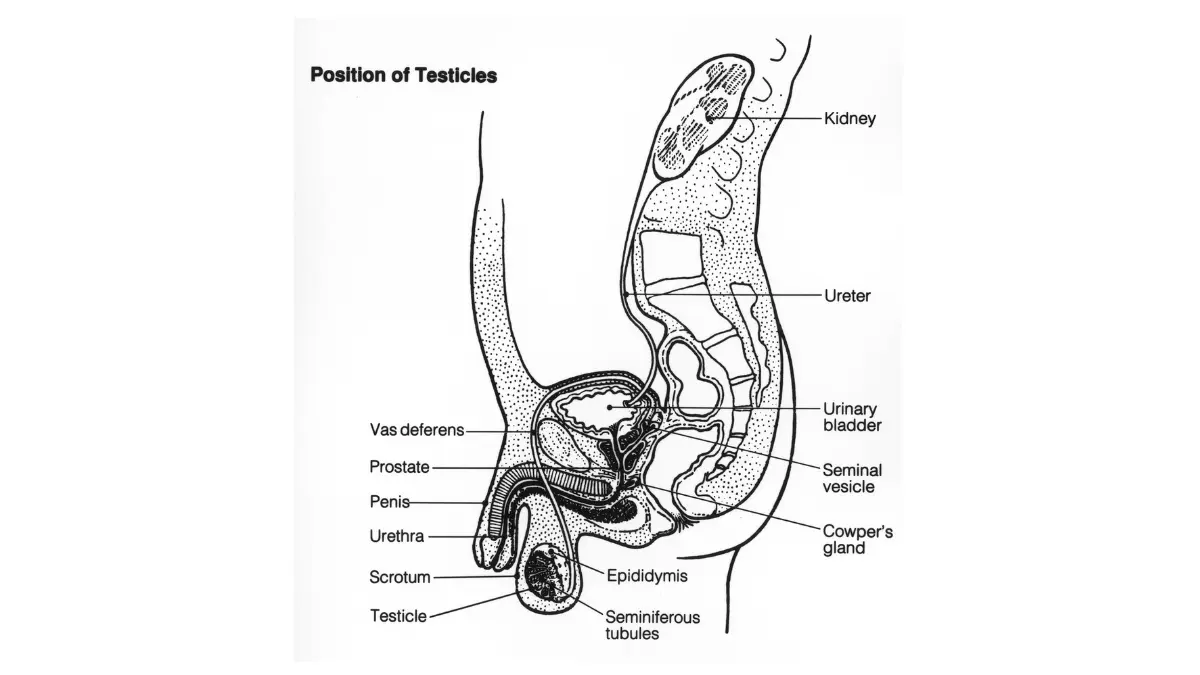
Sagittal anatomical illustration of the male genital system showing the prostate gland, bladder, and urethra for patients researching Prostate Cancer Causes.
  • Prostate Cancer

What Causes Prostate Cancer? 6 Risk Factors Explained

Prostate cancer causes are widely misunderstood. Age, family history, and genes are the proven risks — vasectomy and an enlarged prostate are not.
  • Dr. Gregory T. Ashton, MD — Urology & Men's Health, Dr. Cassandra L. Whitmore, MD — Radiation Oncology and Dr. Nathaniel J. Hargrove, MD — Oncology & Hematology
  • June 6, 2026
PSMA PET scan illustration showing male reproductive system anatomy including the prostate and bladder
  • Prostate Cancer

How a PSMA PET Scan Finds Prostate Cancer That Has Spread

A PSMA PET scan spots prostate cancer spread that older scans miss, and trials show it's far more accurate. Here's how to read your results.
  • Dr. Gregory T. Ashton, MD — Urology & Men's Health, Dr. Cassandra L. Whitmore, MD — Radiation Oncology and Dr. Nathaniel J. Hargrove, MD — Oncology & Hematology
  • June 5, 2026
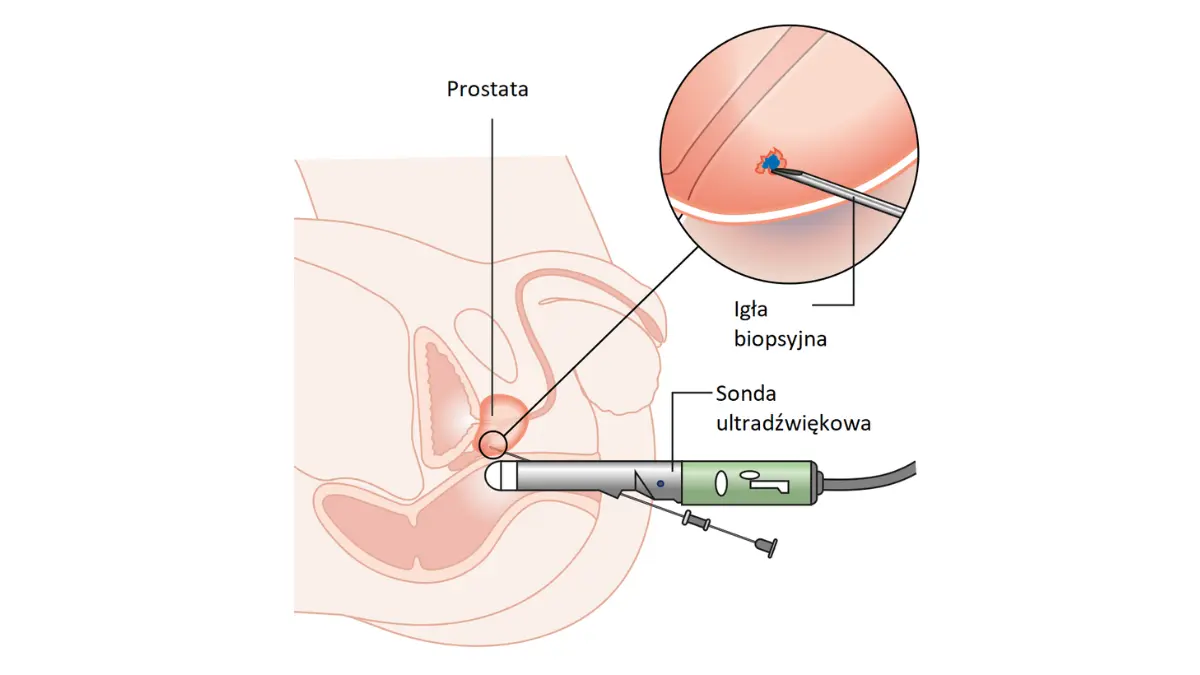
Medical vector diagram illustrating a prostate biopsy procedure with anatomical needle placement and prostate labeling for patient education.
  • Prostate Cancer

Know What to Expect From Your Prostate Biopsy and Results

A prostate biopsy is the only way to confirm or rule out cancer after a high PSA. Here's what to expect, from MRI-guided biopsy to your Gleason score.
  • Dr. Gregory T. Ashton, MD — Urology & Men's Health, Dr. Cassandra L. Whitmore, MD — Radiation Oncology and Dr. Nathaniel J. Hargrove, MD — Oncology & Hematology
  • June 5, 2026
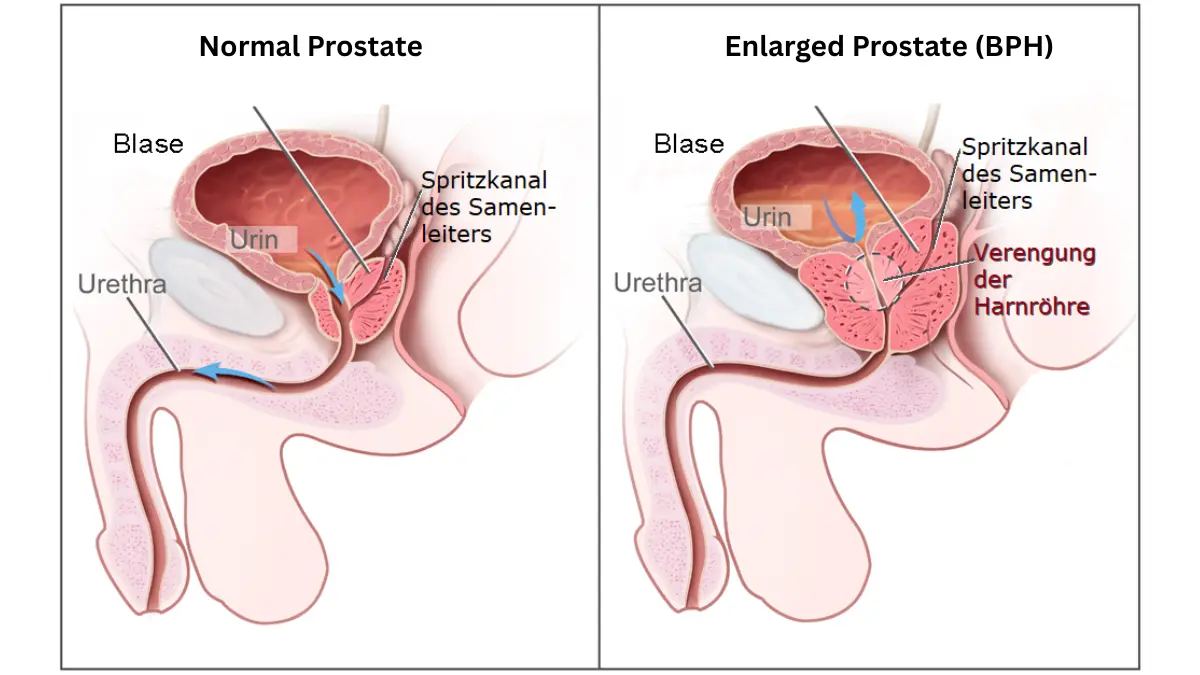
Medical illustration comparing normal and enlarged prostate anatomy, showing why benign prostatic hyperplasia is a frequent non-cancer cause of a high PSA result
  • Prostate Cancer

What to Know About a High PSA That Isn’t Cancer

A high PSA on its own doesn't mean cancer. BPH, infection, recent exercise, and finasteride can all raise it—and many elevations settle on a repeat test.

  • Dr. Gregory T. Ashton, MD — Urology & Men's Health, Dr. Cassandra L. Whitmore, MD — Radiation Oncology and Dr. Nathaniel J. Hargrove, MD — Oncology & Hematology
  • June 4, 2026
1 2 3 4 … 46
Next
My Medicine Advisor Logo

MyMedicineAdvisor.com is an evidence-based medical platform independently reviewed by 54 board-certified physicians, pharmacists, and healthcare specialists across 14 countries — covering 14 clinical specialties from cardiology and oncology to psychiatry and surgery. Every tool, calculator, and article undergoes a 5-layer clinical review process against WHO, CDC, NIH, and peer-reviewed literature before publication. Our mission is to make accurate, clinician-verified health information permanently free — empowering every patient, caregiver, and health-conscious reader worldwide to make confident, informed medical decisions.

Help & Support

  • Blog
  • About
  • Contact Us
  • Report a Correction
  • Medical Review Process
  • References & Sources
  • Author and Reviewer Directory
  • Community Guidelines and Comment Policy
  • For Clinicians & Researchers
  • Press and Media
  • Brand Press Kit
  • Editorial Policy & Medical Review Process
  • For Clinicians & Researchers — Collaborate
  • Medical Team
  • Global Medical & Wellness Advisory Board
  • Partnerships and Ads

Policies

  • Home
  • Privacy Policy
  • Medical Disclaimer
  • Terms and Conditions
  • Accessibility Statement (WCAG 2.2 AA)
  • Corrections and Updates Policy
  • Ads and Affiliates
  • Cookie Settings
  • AI Transparency
  • Advertising and Sponsorship Guidelines
  • Ethics and Editorial Independence Policy
  • Security and Data Encryption Policy
  • Vulnerability Disclosure
  • Privacy Requests (GDPR/CCPA)

Popular Tools

  • Prescription Checker
  • Symptom Checker
  • Pregnancy Due Date
  • Pill Identifier
  • BMR Calculator
  • Eye Vision Test
  • Diabetes Risk Assessment
  • Medicine Dosage Calculator
  • All Tools

© 2026 MyMedicineAdvisor.com. All Rights Reserved.

The content on this website is reviewed by credentialed medical professionals and is intended for informational purposes only. It is not a substitute for professional medical advice, diagnosis, or treatment. Always consult a qualified healthcare provider with any questions regarding a medical condition.

Unauthorized reproduction or distribution of any content on this site is strictly prohibited.