
On This Page – Quick Medical Summary
A low white blood cell count on a lab report can be frightening, especially when the first questions racing through your mind are whether it means cancer, HIV, or something serious. Most of the time, it doesn’t. This guide covers what the number actually means, the common reasons behind it, and the one situation that needs urgent care.
Where you are right now shapes what you need. If you just saw “low WBC” or leukopenia flagged on a portal result and feel blindsided, start with the causes below. If you’re receiving chemotherapy or caring for someone who is, skip ahead to how low is too low and the emergency signs. If you mainly want to judge whether this is dangerous today, the sections on severity and red-flag symptoms are written for you.
Whatever brought you here, you’ll leave knowing what to ask and when to act.
ℹ️ Medical Disclaimer: This article is general health education — not a diagnosis, treatment plan, or medication advice. A low white blood cell count can stem from many causes that only testing can distinguish, and decisions about diagnosis, medications, procedures, or when to seek emergency care should be made with a board-certified physician or hematologist who can review your full results. If you have a low count and develop a fever, treat it as urgent (see the final section).
What counts as a low white blood cell count?
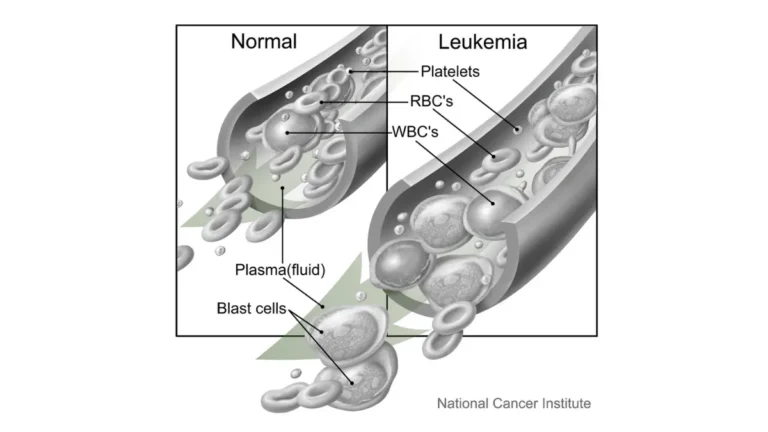
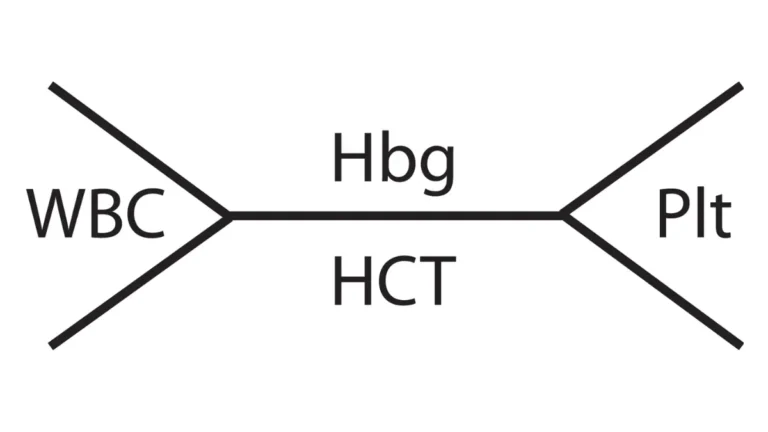
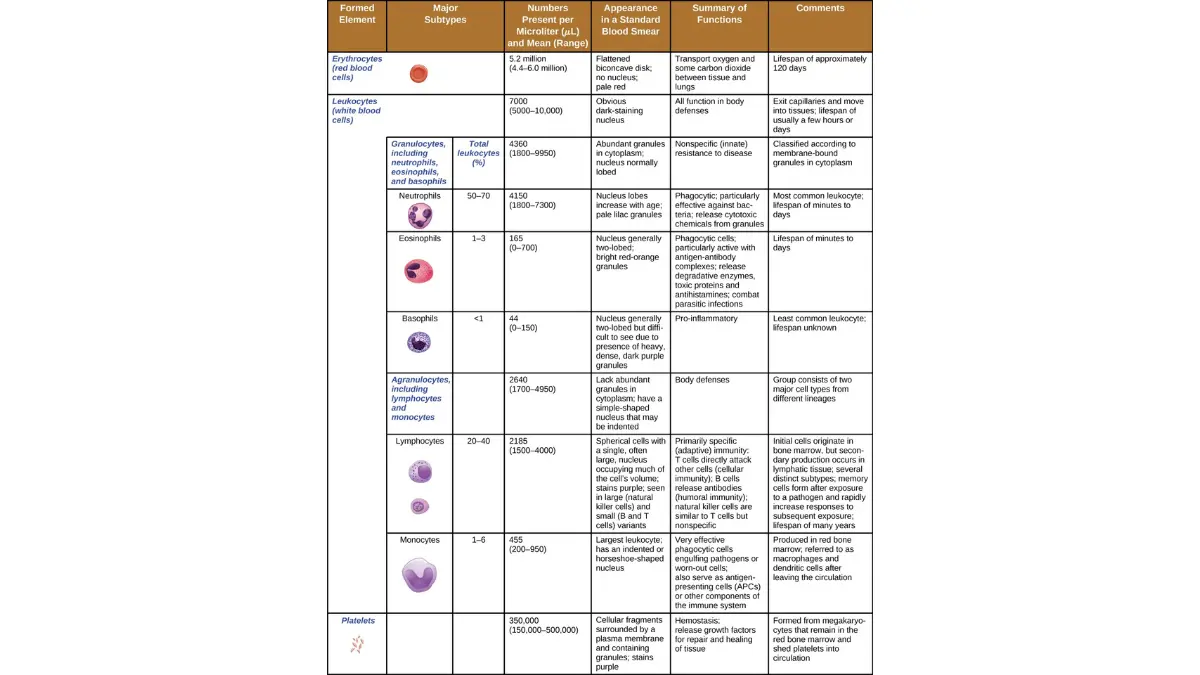
White blood cells, or leukocytes, are your immune system’s front line against infection, and a low count means you have fewer than the normal range. A count below 4,000 cells per microliter is generally considered low, though normal ranges vary by age and sex. Your WBC value is only one line on a larger panel — see what a full complete blood count can and can’t reveal.
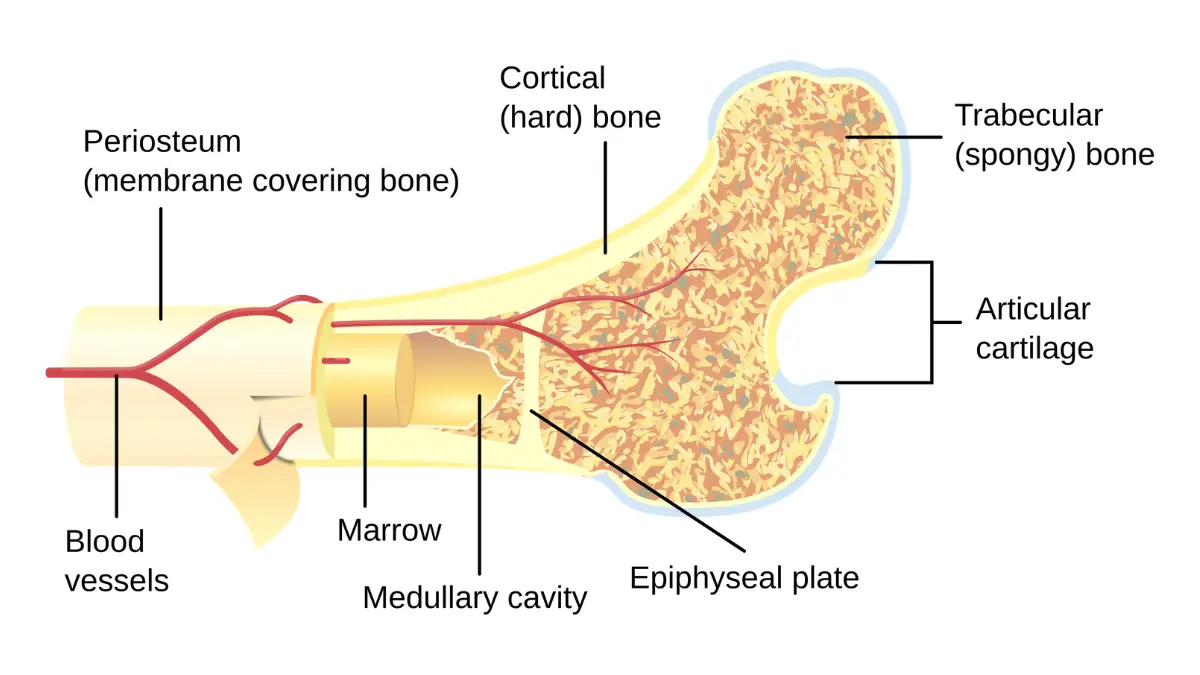
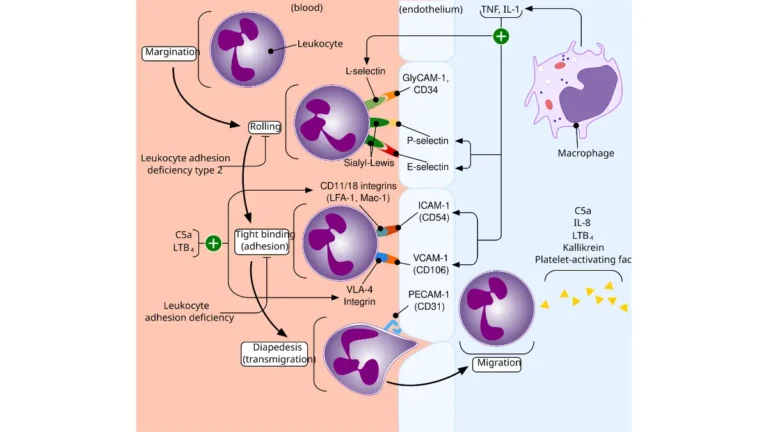
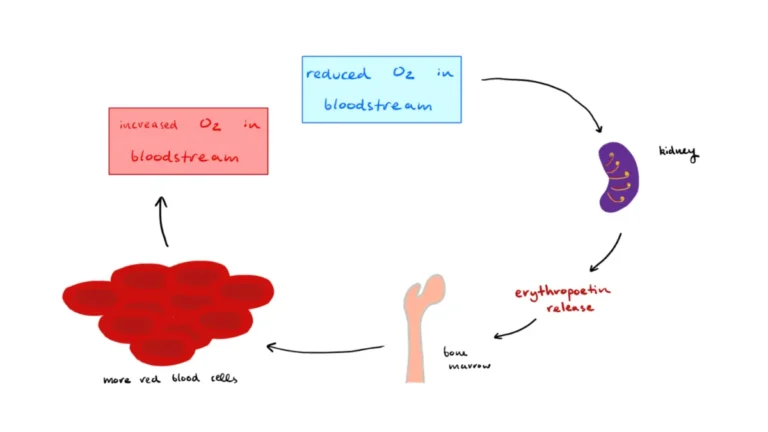
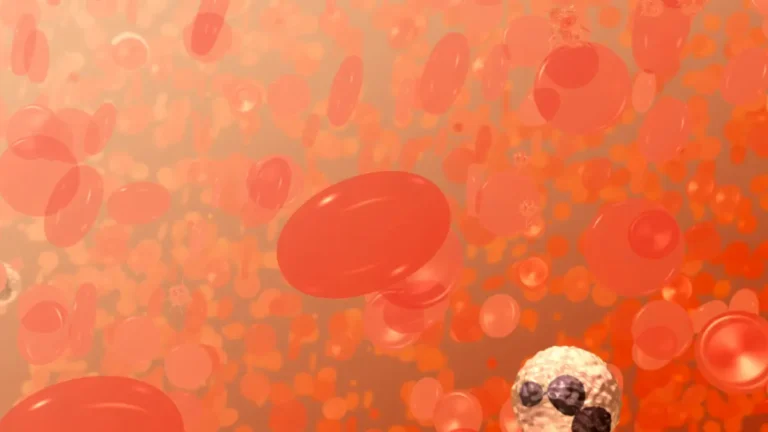
🔬 How It Works: Your bone marrow constantly produces white blood cells that circulate and hunt down bacteria, viruses, and fungi. A count falls when the marrow makes too few, or when cells are destroyed or used up faster than they’re replaced.
📊 Clinical Data Point: A low white blood cell count is generally a total below 4,000 cells/µL; normal ranges run roughly 4,000–11,000/µL and vary by age and sex. Source: Cleveland Clinic; UT MD Anderson — verified.
The normal range (and why it varies)
Reference ranges differ slightly between labs and between men and women, so a value flagged “low” isn’t automatically alarming. You can confirm the figures on the WBC test overview from MedlinePlus.
Leukopenia vs. neutropenia — what’s the difference?
Neutrophils make up most of your white cells, so a low total is often driven by a drop in them specifically. Neutrophils account for roughly 55–70% of white blood cells, which is why leukopenia is frequently caused by neutropenia; a low lymphocyte count is instead called lymphocytopenia. If your report breaks counts down by type, the differential portion of your CBC shows which cell is low.
What causes a low white blood cell count?
The reasons fall into a few clear groups, which is the fastest way to find where you might fit. The most frequent causes are infections and, among people treated for cancer, chemotherapy.
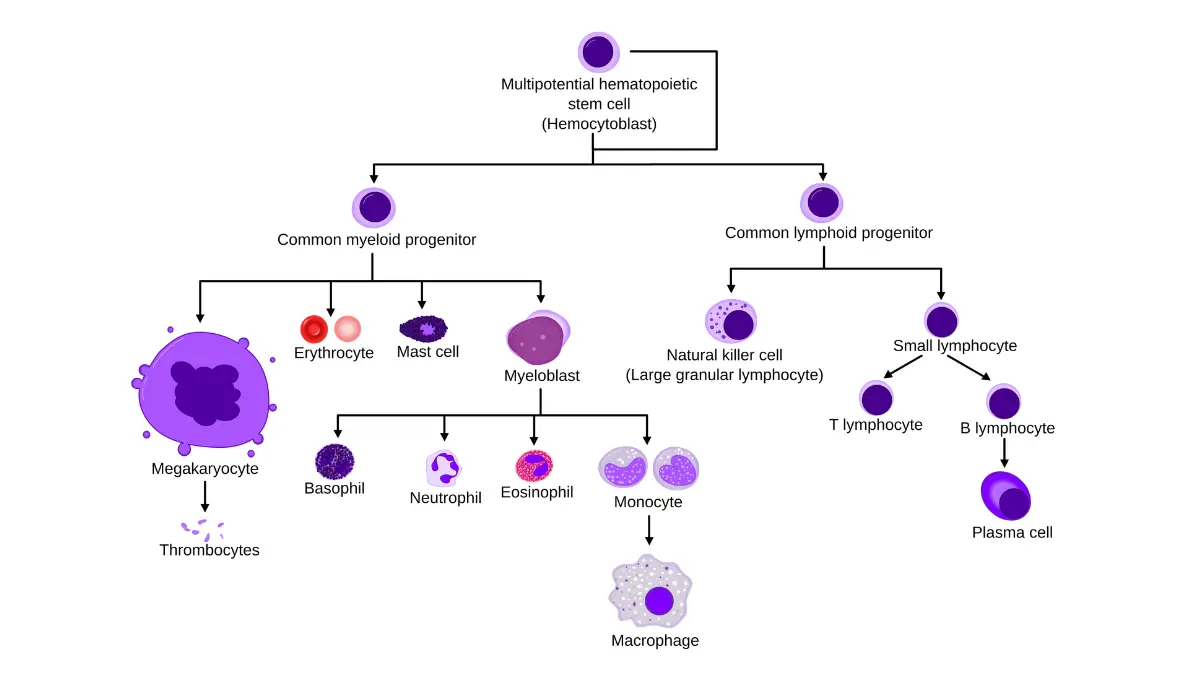
Common causes of a low white blood cell count include:
- Infections — many viral infections temporarily lower counts, including the flu, COVID-19, and HIV.
- Cancer and cancer treatments — among cancer patients, chemotherapy is the most common cause, along with radiation therapy. If this applies to you, see chemotherapy and its side effects.
- Bone marrow and blood disorders — including aplastic anemia, myelodysplastic syndromes, and multiple myeloma.
- Autoimmune diseases — such as lupus and rheumatoid arthritis, where the immune system attacks its own cells.
- Nutritional deficiencies — a lack of vitamin B12, folate, or copper can lower the count; a low vitamin B12 result is worth checking.
Medications that can lower your count
Drugs recognized as causing low counts include antithyroid medications (methimazole, propylthiouracil), the antipsychotic clozapine, sulfasalazine, trimethoprim-sulfamethoxazole, and some antibiotics.
⚠️ Clinical Warning: Never stop a prescribed medication on your own because of a low count. Some of these drugs — clozapine and antithyroid medications in particular — require scheduled blood monitoring, and any change should be made only by the prescriber who ordered them.
When a low count is normal for you
Some people simply run low without any increased infection risk. Benign ethnic neutropenia, linked to the Duffy-null blood type, is a harmless, inherited variation in which counts sit below the standard range.
How low is too low? Understanding your ANC
The single most useful number for judging infection risk isn’t the total WBC — it’s the absolute neutrophil count, or ANC. Because neutrophils do most of the infection-fighting, clinicians watch this figure closely.
🔬 How It Works: Your ANC is calculated from your CBC by multiplying the total white cell count by the percentage that are neutrophils (plus their immediate precursors, called bands).
Mild, moderate, and severe — the numbers
Neutropenia is graded by how far the ANC falls. Compare your value against the bands below (and against normal CBC reference ranges).
| Severity | ANC (cells/µL) | Key clinical detail |
|---|---|---|
| Normal | 1,500 or above | Typical infection defense |
| Mild neutropenia | 1,000–1,500 | Usually low day-to-day risk |
| Moderate neutropenia | 500–1,000 | Rising infection risk |
| Severe neutropenia | Below 500 | High risk; serious infections possible |
| Agranulocytosis | Below 200 | Profound drop; medical priority |
Source: MedlinePlus/NIH; Cleveland Clinic; Immune Deficiency Foundation — verified.
In general, an ANC under about 1,000–1,500/µL is considered neutropenia, and below 500/µL is severe — at that level, even the everyday bacteria in your mouth, skin, and gut can cause serious infection.
Should you worry about a slightly low count?
Often, no. Clinicians judge how “dangerous” a count is more by symptoms and how often you’re getting sick than by the number alone, and a mildly low value — including benign ethnic neutropenia — can be normal for you.
✅ Patient Action: If your ANC is low, ask a hematologist: “Given my absolute neutrophil count of ___, what is my infection risk, and do I need any precautions or a repeat CBC?”
Symptoms and signs your count may be low
Here’s what surprises people most: a low white blood cell count usually causes no symptoms on its own. It’s often silent, and repeated or unusual infections may be the first clue.
Why you may feel nothing at all
The count itself doesn’t produce aches or fatigue you can feel; the risk it creates is a reduced ability to fight infection. That’s why the absence of symptoms isn’t reassurance — it’s a reason to stay alert for signs of infection.
Infection symptoms to watch for
Signs that warrant prompt attention include:
- Fever — the most important; see the final section
- Sore throat or new mouth sores
- Swollen lymph nodes
- New skin redness, sores, or drainage
- Chills or sweats
Fever, swollen lymph nodes, a sore throat, or skin lesions all warrant prompt medical attention when your count is low.
✅ Patient Action: Not sure whether a symptom needs same-day attention? The symptom checker can help you gauge urgency — and call your care team about any fever.
How it’s diagnosed and what happens next
A low count is found and tracked with a complete blood count — usually repeated, and paired with a differential to identify which white cell is low. Diagnosis typically starts with a CBC, often repeated with a differential to pinpoint the affected cell type. For help interpreting your report, see how to read your full CBC results.
How long recovery takes
It depends entirely on the cause. A count lowered by a viral infection usually returns to normal once the infection clears, while a count lowered by chemotherapy typically reaches its lowest point about 7 to 12 days after treatment before recovering.
Lowering your infection risk
Everyday habits matter more than anything dramatic. Frequent handwashing, safe food handling, and avoiding contact with sick people are the core steps — the CDC’s guidance on neutropenia and infection risk lays these out for people with low counts.
🩺 Physician Note: Current patient guidance stresses that there’s little you can do to prevent neutropenia itself, but a great deal you can do to lower infection risk while your count is low — which is why knowing your expected low point (your “nadir”) and watching for fever matter so much.
When a low count is a medical emergency
There is one scenario that can’t wait: a fever while your count is low. Combined, they’re called febrile neutropenia, and it’s treated as a medical emergency.
⚠️ Clinical Warning: During neutropenia, a fever may be the only sign of a serious infection, and infections can turn life-threatening very quickly. Do not wait it out, and do not take fever-reducing medicine to mask it without your care team’s guidance.
Febrile neutropenia: fever is the warning sign
For people with cancer, a temperature of 100.4°F (38°C) or higher lasting at least an hour is significant, and paired with a low count it signals a possible infection that needs urgent care. Neutropenic fever is an oncologic emergency, and prompt IV antibiotics are the most important factor in a good outcome.
📊 Clinical Data Point: Emergency fever threshold — 100.4°F (38.0°C) sustained ≥1 hour, or a single reading ≥101°F (38.3°C), with a low neutrophil count. Source: American Cancer Society; NIH/NCBI — verified.
What to do right now
✅ Patient Action: If you have a low count — especially during or after chemotherapy — and a fever of 100.4°F (38°C) or higher, contact your care team immediately or go to urgent/emergency care. See the American Cancer Society’s guidance on fever during treatment, and ask your oncology team in advance exactly what temperature they want you to call about.
Common questions about a low white blood cell count
1. What is considered a dangerously low white blood cell count?
Severity is measured by the absolute neutrophil count. An ANC below 500 cells/µL is severe neutropenia and carries a high infection risk, but how “dangerous” a low white blood cell count is depends as much on symptoms and infection frequency as on the number itself. Ask your clinician what your specific value means for you.
2. What’s the most common cause of a low white blood cell count?
Infections are a leading cause, and among people treated for cancer, chemotherapy is the most common reason. Other frequent causes include bone-marrow disorders, autoimmune diseases, nutritional deficiencies, and certain medications. Because so many causes exist, a repeat test and a differential are usually needed to identify yours.
3. Can a viral infection cause a low white blood cell count?
Yes. Many viral infections — including the flu, COVID-19, and HIV — temporarily lower the white blood cell count. In most short-lived viral illnesses, the count returns to normal once the infection clears, which is why doctors often recheck a CBC a few weeks later rather than acting on a single result.
4. Does a low white blood cell count always cause symptoms?
No — it’s often completely silent. A low white blood cell count usually produces no symptoms you can feel on its own; instead, repeated or unusual infections may be the first sign that something is off. That’s exactly why the absence of symptoms shouldn’t be treated as reassurance when your count is low.
5. What medications can lower your white blood cell count?
Several can, including antithyroid drugs (methimazole, propylthiouracil), the antipsychotic clozapine, sulfasalazine, trimethoprim-sulfamethoxazole, and some antibiotics. A few of these require scheduled blood monitoring. Never stop a prescribed medication on your own because of a low white blood cell count — raise it with the prescriber who ordered it.
6. Is a low white blood cell count a sign of cancer?
It can be linked to blood cancers like leukemia or to cancer treatment such as chemotherapy, but most low counts have non-cancer causes — infections, medications, autoimmune conditions, or a harmless variation that’s normal for you. Only testing can distinguish these, so your clinician will interpret a low white blood cell count in context.
7. How long does it take for a white blood cell count to recover?
It depends entirely on the cause. A count lowered by a passing viral infection usually rebounds once you recover, while a count lowered by chemotherapy typically reaches its lowest point around 7 to 12 days after treatment before climbing back. Persistent or unexplained low counts should be evaluated by a clinician.
8. What’s the difference between leukopenia and neutropenia?
Leukopenia means a low total white blood cell count, while neutropenia specifically means a low neutrophil count. Because neutrophils make up most of your white cells (roughly 55–70%), a low white blood cell count is often driven by neutropenia — and the two terms are sometimes used interchangeably, though they aren’t identical.
9. Can low vitamin B12 cause a low white blood cell count?
Yes. Deficiencies in vitamin B12, folate, or copper can each lower the white blood cell count. Correcting a deficiency can help the count recover, but the right approach — testing, dosing, and whether supplements are needed — is a clinician-guided decision rather than something to self-treat.
10. Should I worry about a slightly low count?
Often not. A mildly low white blood cell count can be normal for you, including a common harmless variation called benign ethnic neutropenia. Clinicians weigh how low the count is, whether it’s dropping, and how often you’re getting sick — so confirm with your clinician rather than assuming a slightly low value is dangerous.
11. Can you raise a low white blood cell count naturally?
Treatment targets the underlying cause rather than the number itself. If a deficiency is to blame, correcting it can help, but there’s no proven food that reliably raises a low white blood cell count, and medications that stimulate white-cell production are prescription treatments. Discuss the right option for your situation with your clinician.
Your next steps
A low white blood cell count is common, usually traceable to a specific cause, and most often not an emergency — but its meaning hinges on your ANC and, above all, on whether you develop a fever. Use your report to note your neutrophil count, learn your expected low point if you’re on treatment, and keep the fever rule front of mind. When you’re ready to make sense of the rest of your panel, how to read your full CBC results walks through each value. And if a low count and a fever ever appear together, treat it as urgent and call your care team.
About this content
How this article was put together: researched from recognised health sources, drafted with the help of AI tools, and edited by hand, with sources linked throughout.

Sameer Patel is the founder and editor of My Medicine Advisor. He is not a doctor or medical professional — before starting this site he worked in banking,…
Medical disclaimer
The content on MyMedicineAdvisor is provided for general informational and educational purposes only and is not a substitute for professional medical advice, diagnosis, or treatment. Health information on this website should not be used to diagnose, treat, cure, or prevent any condition without guidance from a qualified healthcare professional. Always seek the advice of your doctor, physician, or another licensed healthcare provider with any questions you may have regarding a medical condition, symptoms, medications, or treatment decisions.