Emergency rooms across the country are busier than usual today. Not because of accidents or food poisoning, but something doctors have quietly tracked for years.
The days right after Christmas consistently see a spike in heart-related hospital visits. December 25th and 26th rank among the highest-risk days of the year for cardiac events, according to research published in the journal Circulation.
It’s not a coincidence. And it’s not just about overeating.
Physicians call it the “Christmas Coronary Effect” — a pattern where people delay seeking care during the holidays, ignore warning signs, or push their bodies past comfortable limits during celebrations.
What makes this year different is how preventable most of these cases are.
The Numbers Don’t Lie
Heart attack deaths increase by roughly 37% during the holiday period compared to other weeks of the year. The spike is most pronounced on December 25th, followed closely by December 26th and New Year’s Day.
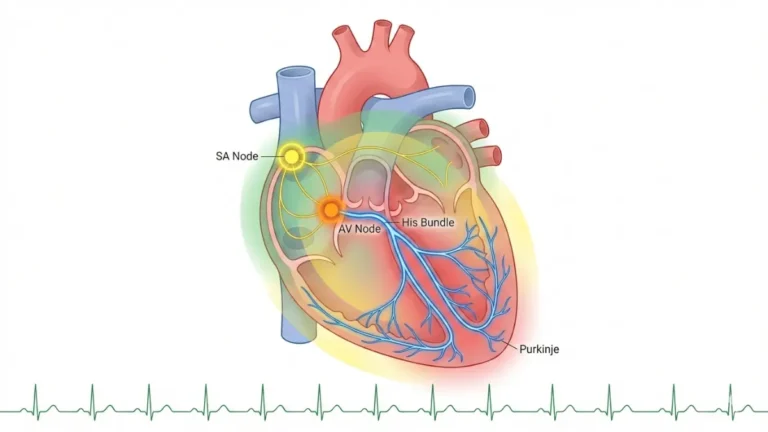
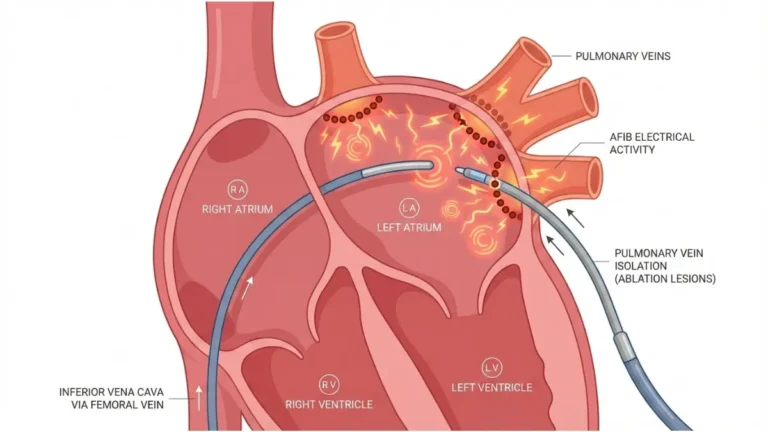
Cardiologists report seeing more patients with chest pain, irregular heartbeat, and what’s known as Holiday Heart Syndrome — a temporary heart rhythm disturbance linked to seasonal behaviors that medical experts have documented across multiple countries.
This isn’t just happening in one region. Hospital data from multiple countries shows the same trend year after year.
The pattern is so consistent that medical professionals now prepare for it. More cardiac specialists are on call during these dates, and emergency departments staff up accordingly.
Why This Happens
It’s Not Just the Food
The holiday season creates a perfect storm of behaviors that stress the heart. Rich meals, extra alcohol, late nights, and emotional pressure all add up.
Many people skip their regular medications during family gatherings or travel. Others ignore early warning signs because they don’t want to “ruin the day” for everyone else.
Alcohol plays a bigger role than most realize. Heavy drinking during celebrations can trigger irregular heart rhythms, even in people with no history of heart problems. This temporary condition resolves once drinking stops, but it can feel alarming in the moment.
Stress compounds everything. Family dynamics, financial pressure, disrupted routines, and lack of sleep all elevate blood pressure and strain the cardiovascular system in ways we often don’t recognize until symptoms appear.
Delayed care is the final factor. People wait until after Christmas dinner, after guests leave, or after New Year’s to seek help — and those hours can make a critical difference.
Who’s Most Affected
Higher Risk Groups
While anyone can experience holiday-related heart issues, certain groups face elevated risk:
- Adults over 75: Age naturally increases cardiovascular vulnerability, and holiday disruptions to routine care amplify this risk
- People with existing heart conditions: Those managing high blood pressure or previous cardiac events need extra vigilance during this period
- Adults with diabetes: Blood sugar fluctuations from irregular eating patterns and stress can compound heart strain
- Younger adults under 45: Increasingly affected by Holiday Heart Syndrome, often triggered by binge drinking during celebrations
The common thread isn’t age alone. It’s the combination of underlying conditions, holiday behaviors, and delayed medical attention that creates dangerous situations.
What to Watch For
Signs That Shouldn’t Wait
Most heart-related emergencies show warning signs before they escalate. Recognizing them early makes all the difference.

Pay attention to:
- Chest discomfort or pressure that doesn’t go away
- Shortness of breath during normal activities
- Unusual fatigue or weakness
- Irregular heartbeat or heart palpitations
These symptoms often get dismissed as indigestion, stress, or exhaustion during the holidays. But cardiologists emphasize one clear message: don’t wait until after New Year’s to get checked.
If you’re experiencing chest pain or sudden changes in your heart rhythm, understanding what happens during a heart attack can help you make faster decisions. The key is acting within the first few hours, when treatment is most effective according to the CDC’s heart attack guidance.
Anyone managing existing conditions should monitor their heart health more closely during this period, especially after large meals or alcohol consumption.
Staying Safe Without Ruining the Fun
Balance, Not Restriction
You don’t have to choose between enjoying the holidays and protecting your heart. Small adjustments make a real difference.
Simple steps that help:
- Stay hydrated between alcoholic drinks
- Take your prescribed medications on schedule, even during travel
- Get some movement in, even a short walk after meals
- Allow yourself rest periods between gatherings
People managing type 2 diabetes should keep monitoring their levels throughout the week, as irregular meal timing and stress can affect blood sugar stability in ways that impact cardiovascular health.
Awareness isn’t about fear. It’s about recognizing that your body needs a little extra attention during this period, and that seeking care early is always the right choice. The holidays are meant to be enjoyed — just with a bit more mindfulness this year.
About this content
How this article was put together: researched from recognised health sources, drafted with the help of AI tools, and edited by hand, with sources linked throughout.

Sameer Patel is the founder and editor of My Medicine Advisor. He is not a doctor or medical professional — before starting this site he worked in banking,…
Medical disclaimer
The content on MyMedicineAdvisor is provided for general informational and educational purposes only and is not a substitute for professional medical advice, diagnosis, or treatment. Health information on this website should not be used to diagnose, treat, cure, or prevent any condition without guidance from a qualified healthcare professional. Always seek the advice of your doctor, physician, or another licensed healthcare provider with any questions you may have regarding a medical condition, symptoms, medications, or treatment decisions.