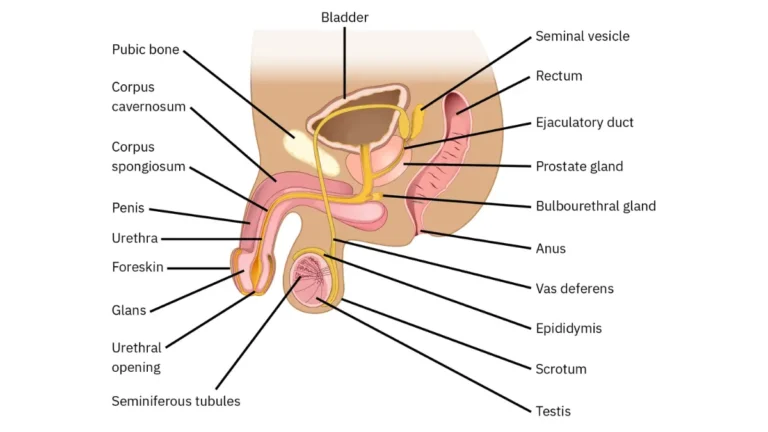
Prostate Cancer: Signs, Stages, and How Treatment Works
Most prostate cancer is slow-growing, and caught early its 5-year survival nears 100%—yet the hardest choice is often whether to treat it at all.


Board Certifications: Internal Medicine (2010); Clinical Pharmacology (2013)
Experience: 15 years | Location: San Francisco, California
Education: BS Molecular Biology, Caltech (2000); MD/PhD, UCSF School of Medicine (2007); Residency in Internal Medicine, UCSF (2010); Fellowship in Clinical Pharmacology and Translational Research, UCSF (2012)
Dr. Nathaniel G. Forsythe holds a dual MD/PhD from UCSF, one of the world's leading biomedical research universities, with a PhD in molecular pharmacology. His 15 years in translational medicine bridge the gap between laboratory discovery and clinical application — a discipline critical for accurately interpreting emerging medical research for both clinical and public audiences.
As a clinical researcher, Dr. Forsythe has served as principal investigator on 11 NIH-funded studies and co-investigator on three FDA-regulated Phase III clinical trials in oncology and autoimmune disease. His ability to critically appraise study design, statistical methodology, and clinical relevance enables him to distinguish genuinely practice-changing research from incremental or overhyped findings.
Dr. Forsythe regularly contributes research commentary to NEJM Journal Watch and serves on the editorial board of Clinical and Translational Science. His research publications span New England Journal of Medicine, Nature Medicine, and Science Translational Medicine.
At My Medicine Advisor, Dr. Forsythe reviews medical research and news content, ensuring emerging findings are accurately contextualized and not over-interpreted for general audiences.
Professional Affiliations: American Society for Clinical Investigation (ASCI); American Federation for Medical Research; Clinical Research Forum
Publications: 47 peer-reviewed articles; Contributing editor, NEJM Journal Watch
Media: San Francisco Chronicle Science; KQED Science correspondent; STAT News contributor
Languages: English; French
Knows about: Clinical trial design and interpretation; FDA drug approval process; emerging therapeutics; medical research methodology; translational science; precision medicine; biomarker research; evidence-based medicine; research ethics; medical misinformation
Most prostate cancer is slow-growing, and caught early its 5-year survival nears 100%—yet the hardest choice is often whether to treat it at all.
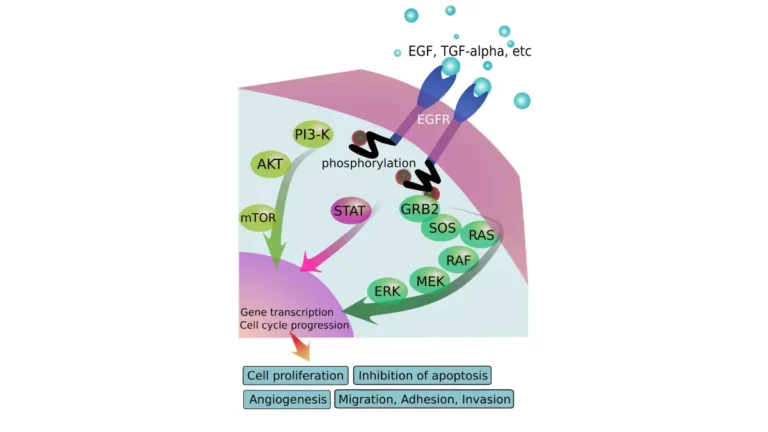
A complete 2026 guide to targeted therapy for lung cancer — covering EGFR, ALK, KRAS, and 6 more druggable mutations, FDA-approved drugs, costs, and testing steps.
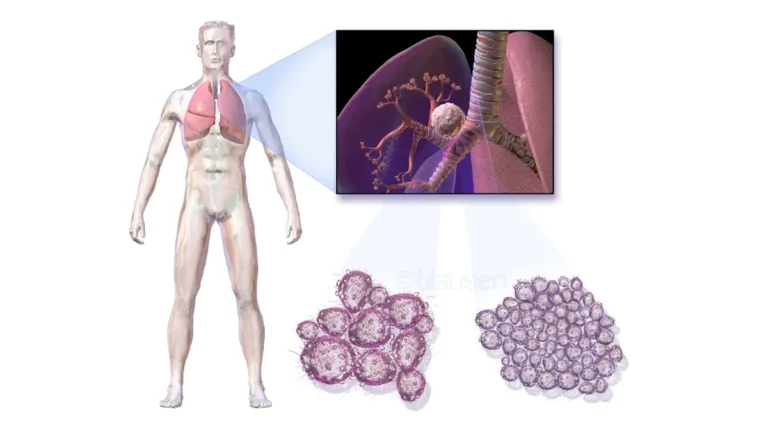
NSCLC affects 85% of patients and grows slowly. SCLC is rare, aggressive, and almost always fatal without fast treatment. Learn the 8 critical differences — including 2026 FDA drug approvals.