
Trusted Palliative Care Guide for Lung Cancer Patients
Palliative care for lung cancer isn't hospice — NCCN 2026 recommends concurrent enrollment from diagnosis. An oncologist explains when to start.

Palliative care for lung cancer isn't hospice — NCCN 2026 recommends concurrent enrollment from diagnosis. An oncologist explains when to start.
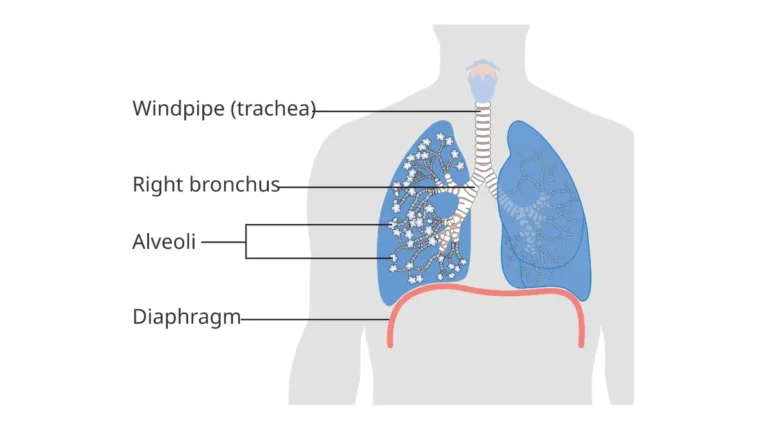
Liquid biopsy detects EGFR and T790M mutations from a blood draw—no surgery. A board-certified oncologist explains when NCCN 2026 endorses it over tissue biopsy.
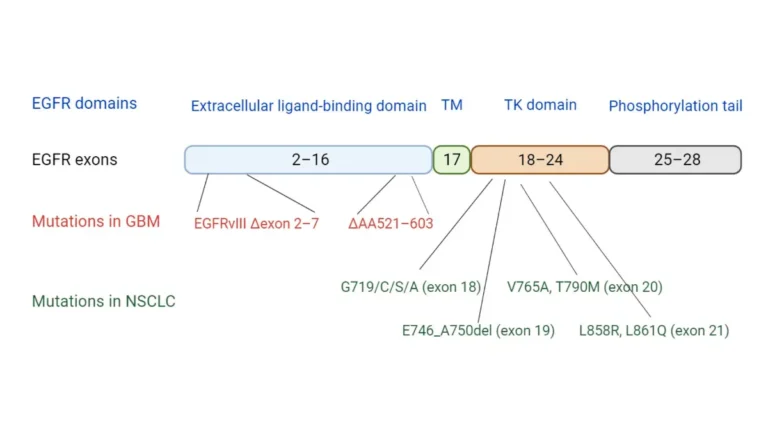
Lung cancer genetic testing covers 9 biomarker targets per 2026 NCCN — each linked to an FDA-approved drug. Know what your EGFR, ALK, or KRAS G12C result means.
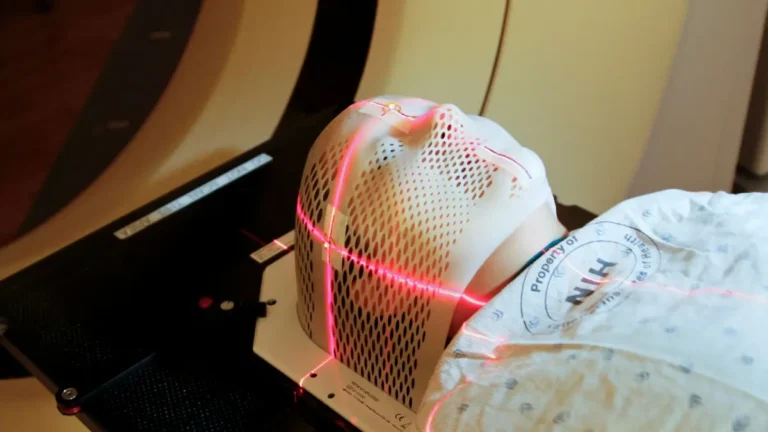
Clinical trial patients in Phase III receive standard care—not placebo. Lung cancer eligibility: ECOG 0–2, biomarker profile, 4 enrollment steps inside.
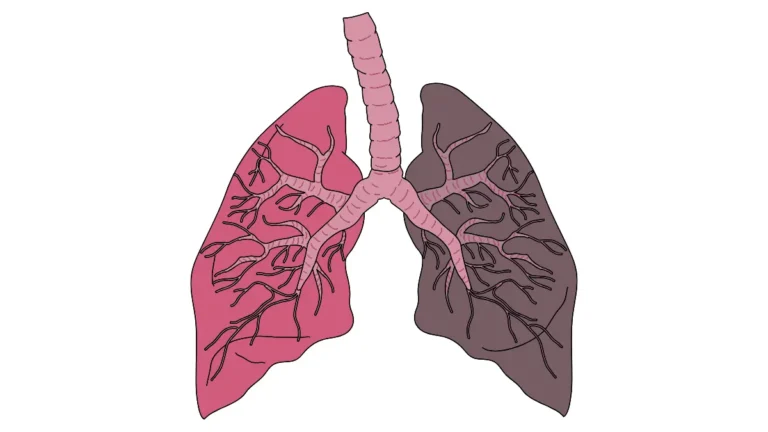
SBRT delivers 93% 1-year local control for lung cancer in 1–5 sessions. Compare SBRT vs. IMRT vs. surgery with 2026 data — and know which side effects require same-day action.
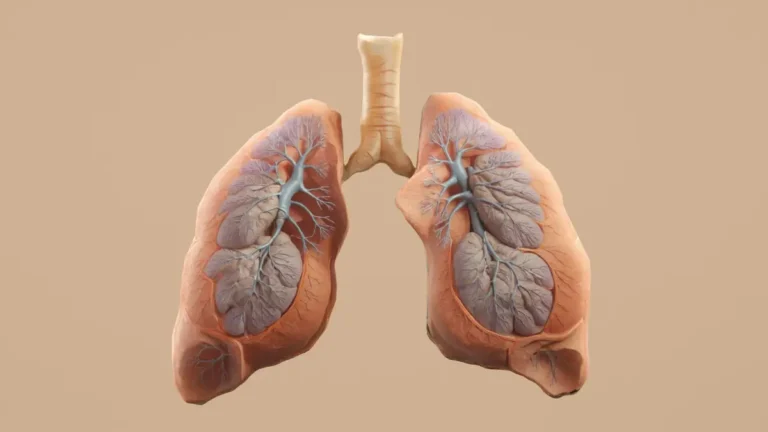
Lung cancer prognosis ranges from 63% at Stage I to 7% at Stage IV — biomarkers like EGFR can transform those numbers. See what your oncologist assesses.
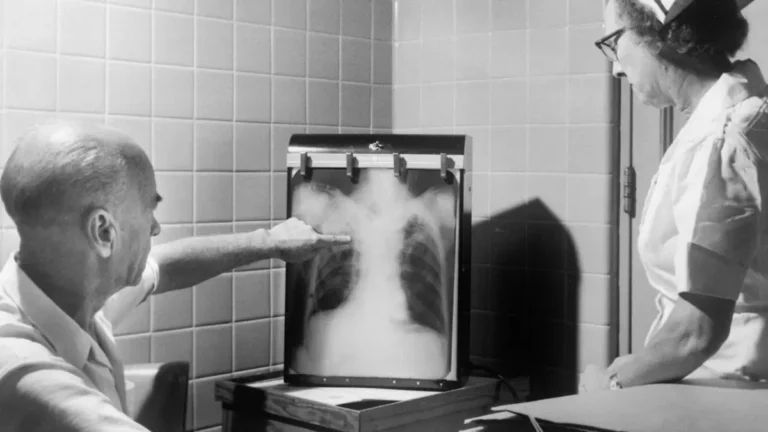
Lung cancer metastasis: In EGFR-mutant NSCLC, brain involvement is common — and osimertinib's CNS penetration makes it the preferred choice.
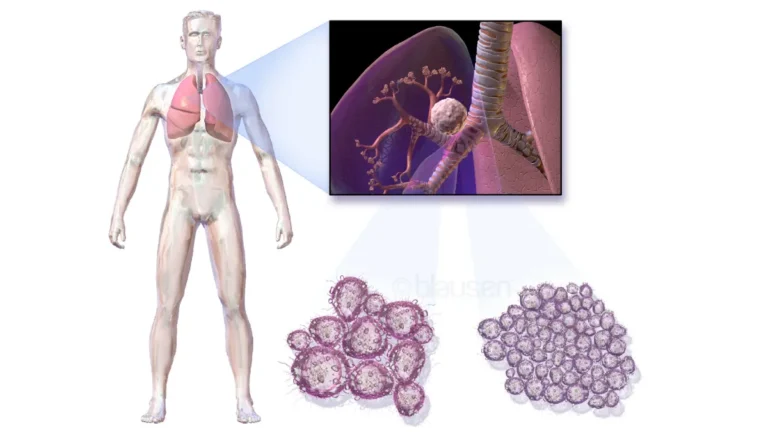
Lung cancer complications split into emergencies and manageable ones - oncologists use a 3-tier triage system to tell the difference.

Lung cancer prevention starts with knowing your pack-year history. Former smokers who quit within 15 years still qualify for annual LDCT screening.
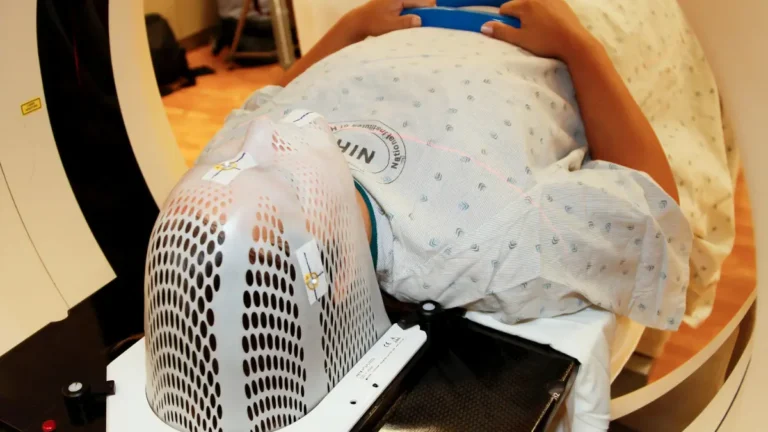
Lung cancer screening eligibility starts at age 50 with 20 pack-years. A board-certified oncologist explains USPSTF criteria, Lung-RADS results, and Medicare coverage.

Quit smoking after a lung cancer diagnosis and your chemotherapy works better — tobacco smoke induces CYP450 liver enzymes that lower your drug plasma levels.