
On This Page – Quick Medical Summary
What lung cancer genetic testing actually tells your oncologist
Lung cancer genetic testing looks at mutations inside your tumor’s DNA — not your inherited genes, and not your family’s cancer risk. It is called biomarker testing or molecular profiling, and the 2026 NCCN guidelines now recommend it as standard of care for all patients with advanced non-small cell lung cancer (NSCLC) at initial diagnosis.
Your results directly determine which treatment has the strongest clinical evidence for your specific cancer. This article explains exactly what is being tested, how the process works, and what every possible result means for your treatment options.
Find your situation and start there:
- Just diagnosed and unsure what genetic testing is → begin with Section 2
- Caregiver researching before a family member’s oncology appointment → Section 3 is your reference guide
- Results in hand and comparing treatment options → go directly to Section 5
- Scheduled for testing and want to know what to expect → begin with Section 4
If you are still learning about your diagnosis from the ground up, our complete lung cancer patient guide walks through every stage of the journey. Our Genetic Risk Assessment Tool lets you document your personal family history before your appointment — a separate process entirely from the tumor testing your oncologist ordered.
ℹ️ Medical Disclaimer: The biomarker testing procedures, diagnostic criteria, targeted therapy selections, immunotherapy eligibility criteria, drug names, drug approval statuses, and insurance coverage information discussed in this article reflect 2026 clinical guidelines and are provided for educational purposes only. Individual diagnostic conclusions, treatment selection decisions, medication choices, and insurance determinations depend on factors including tumor histology, stage, performance status, comorbidities, prior treatment history, and specialist assessment. Consult a board-certified medical oncologist before acting on any clinical information in this article. In a medical emergency, call 911 or go to your nearest emergency room immediately.
How biomarker testing connects your tumor’s mutations to your treatment plan
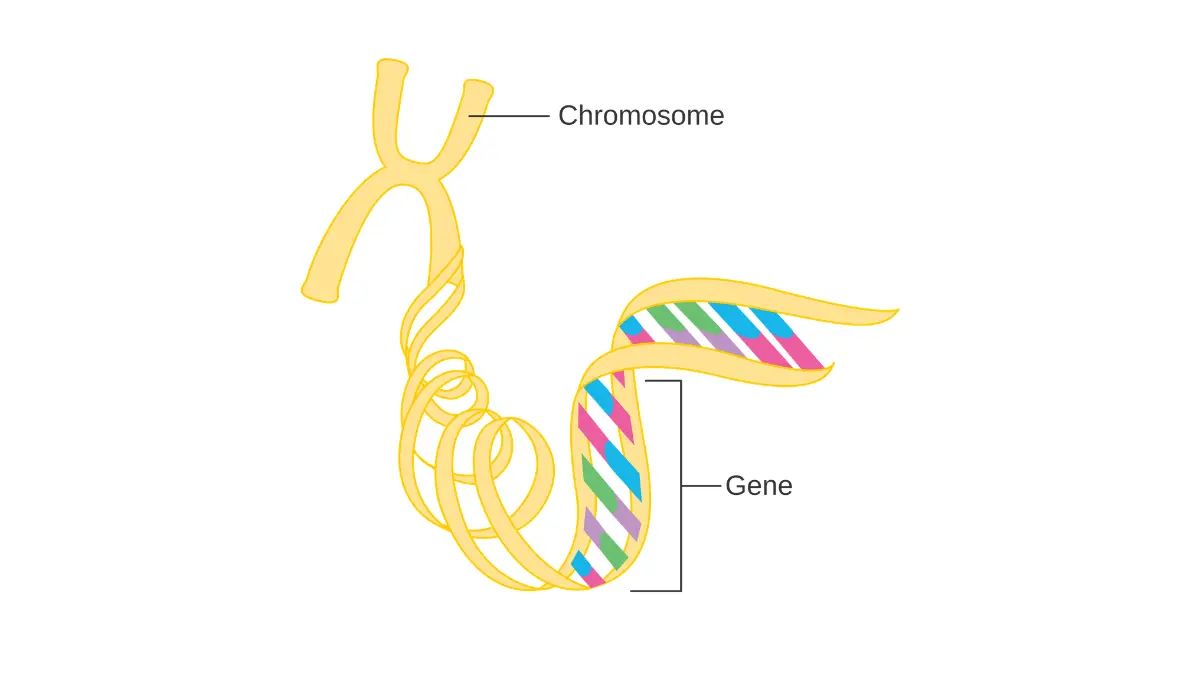
Lung cancer genetic testing, also called molecular profiling, analyzes DNA extracted from your tumor using next-generation sequencing (NGS) — a technology that reads millions of sections of your tumor’s genetic code simultaneously. It identifies the specific mutations driving your cancer’s growth and determines which FDA-approved targeted therapies are most likely to work against it.
The distinction between comprehensive and limited panel testing carries direct clinical consequences. A basic panel testing only EGFR and ALK would miss a patient with a RET fusion, a MET exon 14 skipping mutation, or a KRAS G12C alteration — all of which have FDA-approved targeted drugs in 2026. The 2026 NCCN guidelines for non-small cell lung cancer recommend comprehensive genomic profiling (CGP) — a panel testing hundreds of genes at once — for all patients with advanced NSCLC at the time of initial diagnosis.
🔬 How It Works: NGS extracts DNA from your tumor tissue or a blood sample, fragments it into millions of short sequences, reads each one in parallel, then reconstructs the full mutational profile of your tumor. This allows a single test to detect hundreds of possible gene mutations simultaneously — rather than testing each gene separately over weeks of sequential testing.
✅ Patient Action: If your oncologist ordered a limited gene panel rather than a comprehensive genomic profile, ask specifically: “Can we run a CGP panel that tests all currently actionable NSCLC mutations at once?” The answer depends on available tissue and insurance coverage, but asking the question ensures no targetable mutation is overlooked in your case.
Understanding your stage helps your oncologist interpret your biomarker results in context — our guide to how lung cancer is staged covers what each stage means for your treatment planning.
Which biomarkers are tested for lung cancer — and what each result means
Every patient with advanced NSCLC should receive testing for at least nine currently actionable biomarkers per 2026 oncology standards. Each biomarker is a specific gene mutation or protein expression level that corresponds to a different FDA-approved treatment pathway.
📊 Clinical Data Point: The 2026 NCCN NSCLC guidelines list the following as biomarkers with companion diagnostic testing and FDA-approved therapies in advanced NSCLC: EGFR, ALK, ROS1, BRAF V600E, KRAS G12C, RET, MET exon 14 skipping, NTRK1/2/3 fusions, and PD-L1 expression, with tumor mutational burden (TMB) additionally assessed for immunotherapy eligibility in select cases. — Source: NCCN, 2026
The table below maps each actionable biomarker to its FDA-approved treatment as of 2026.
| Biomarker | Drug(s) — Generic (Brand) | Drug Class | Key Clinical Detail |
|---|---|---|---|
| EGFR exon 19 del / L858R | Osimertinib (TAGRISSO) | 3rd-gen EGFR TKI | Once-daily oral; 2026 NCCN first-line preferred |
| ALK rearrangement | Alectinib (ALECENSA); Lorlatinib (LORBRENA) | ALK TKI | Alectinib first-line; lorlatinib after progression |
| ROS1 fusion | Entrectinib (ROZLYTREK); Crizotinib (XALKORI) | ROS1 TKI | Entrectinib has documented CNS activity |
| KRAS G12C | Sotorasib (LUMAKRAS); Adagrasib (KRAZATI) | KRAS G12C inhibitor | G12C subtype only — not all KRAS mutations |
| RET fusion | Selpercatinib (RETEVMO) | RET TKI | Highly selective; oral twice daily |
| MET exon 14 skip | Tepotinib (TEPMETKO); Capmatinib (TABRECTA) | MET TKI | Exon 14 skipping only — not MET amplification alone |
| PD-L1 ≥50% (TPS) | Pembrolizumab (KEYTRUDA) | PD-1 checkpoint inhibitor | Monotherapy without chemotherapy |
| TMB-high | Pembrolizumab (KEYTRUDA) | PD-1 checkpoint inhibitor | Supports immunotherapy in some PD-L1-low cases |
| No actionable mutation | Chemo + immunotherapy combinations | Combination regimens | Multiple active, effective pathways remain available |
EGFR mutations: the most common actionable driver in lung adenocarcinoma
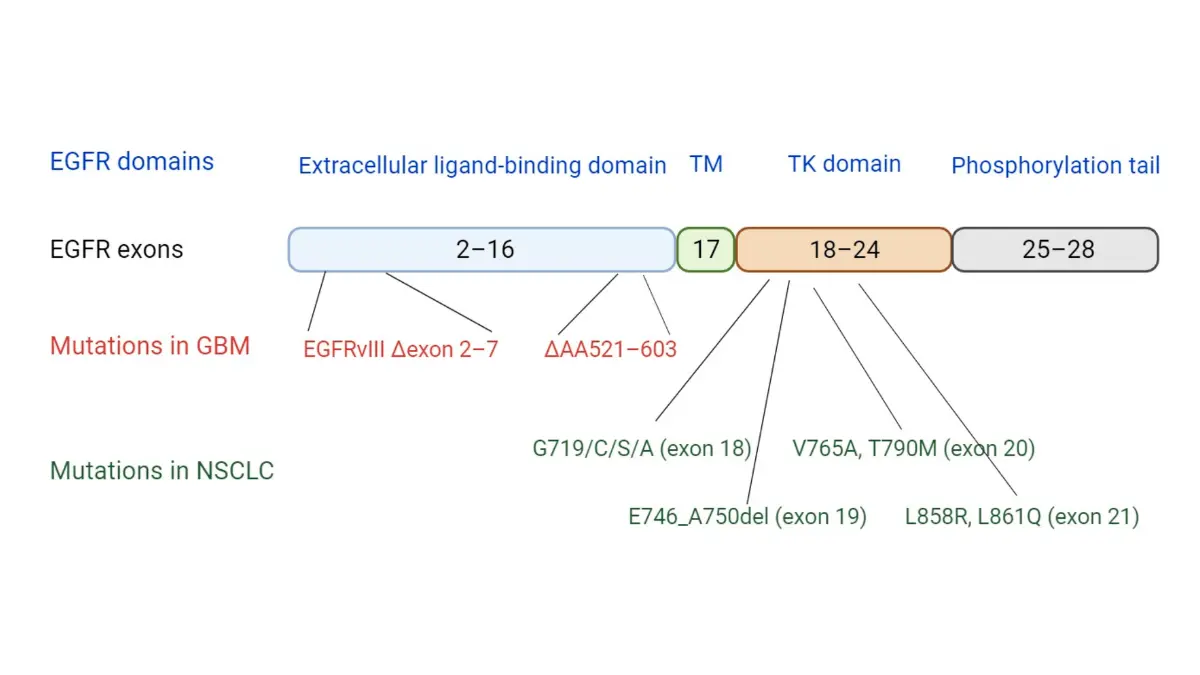
EGFR mutations — most commonly an exon 19 deletion or an L858R point substitution — are the most frequently identified actionable alterations in NSCLC adenocarcinoma, particularly in patients who are never-smokers or light former smokers. The FDA-approved first-line targeted therapy matched to these mutations is osimertinib (TAGRISSO), taken as an oral tablet once daily.
The distinction between exon 19 deletion and L858R matters: clinical trial response data for each subtype is tracked separately in 2026 oncology literature, and your pathology report will specify which variant your tumor carries.
ALK, ROS1, and RET fusions: rearrangements with highly effective targeted drugs
ALK rearrangements are treated with alectinib (ALECENSA) as the 2026 NCCN-preferred first-line option, with lorlatinib (LORBRENA) available as a next-generation alternative with stronger CNS penetration. ROS1 fusions are targeted by entrectinib or crizotinib. RET fusions are treated with selpercatinib — a highly selective oral agent with documented efficacy in RET-rearranged NSCLC. See our full breakdown of targeted therapy for lung cancer for how these drugs are sequenced in clinical practice.
KRAS G12C, MET exon 14, and emerging 2026 targets
KRAS G12C is the single most critical subtype clarification in biomarker reporting: not all KRAS mutations are currently actionable. Only the G12C variant is targeted by sotorasib (LUMAKRAS) or adagrasib (KRAZATI). Your pathology report must specify the exact KRAS variant before a treatment decision is made.
MET exon 14 skipping is a distinct splice-site alteration — not to be confused with MET amplification alone, which is not independently actionable in first-line NSCLC by the same drugs. MET exon 14 skipping is treated with tepotinib (TEPMETKO) or capmatinib (TABRECTA). This distinction is where content generalists and even some clinical teams make errors that directly affect patient treatment access.
PD-L1 expression and tumor mutational burden: immunotherapy eligibility markers
PD-L1 expression is measured as a tumor proportion score (TPS) on a scale of 0–100%. A TPS of 50% or higher may support pembrolizumab (KEYTRUDA) monotherapy without chemotherapy. A TPS of 1–49% may support a chemo-immunotherapy combination regimen. Tumor mutational burden (TMB) measures the total mutation count across the tumor genome — a TMB-high designation may support immunotherapy eligibility in some patients regardless of PD-L1 score. Our guide to immunotherapy for lung cancer covers how PD-L1 and TMB together determine your immunotherapy pathway.
Our guide to lung cancer screening explains the difference between biomarker testing and population screening — they serve entirely different clinical purposes. The NCI’s overview of biomarker testing in lung cancer provides additional patient-facing background.
How lung cancer genetic testing is done: tissue biopsy, liquid biopsy, and what to expect
Your oncologist needs a sample of your tumor’s genetic material to run biomarker testing. That sample comes from either your original tissue biopsy or a blood draw — and which one is used depends on your specific clinical circumstances.

Tissue biopsy vs. liquid biopsy: which one will your oncologist choose and why
Tissue-based NGS analyzes DNA extracted directly from tumor cells obtained during your biopsy procedure. It is the clinical standard when adequate tissue is available and remains the most sensitive method for comprehensive mutation detection. Liquid biopsy analyzes circulating tumor DNA (ctDNA) — fragments of tumor DNA shed into the bloodstream and collected with a standard blood draw, with no additional biopsy procedure required.
🔬 How It Works: When tumor cells break down, fragments of their DNA enter the bloodstream. A liquid biopsy captures these fragments from a blood draw, sequences them using NGS, and detects the same mutations a tissue-based test identifies — without requiring another invasive procedure. The blood is drawn in your oncologist’s office or a laboratory, and results return in approximately 7–10 business days.
Liquid biopsy is clinically preferred when original tumor tissue is insufficient for NGS retesting, when the tumor’s location makes re-biopsy high-risk, or when the patient’s performance status makes invasive procedures inadvisable. Its critical limitation must be understood clearly: sensitivity is lower in early-stage disease and in tumors that shed minimal ctDNA. A negative liquid biopsy result does not rule out a mutation. Tissue confirmation is required whenever ctDNA testing returns negative and clinical suspicion for a targetable mutation remains.
Our lung biopsy for cancer guide explains every biopsy procedure type your oncologist may recommend, including bronchoscopic, CT-guided, and surgical approaches.
⚠️ Clinical Warning: Do not assume a negative liquid biopsy result means your tumor has no targetable mutations. Liquid biopsy sensitivity ranges from approximately 60–80% compared to tissue NGS in advanced-stage disease, and this gap is wider in patients with smaller or lower-burden tumors. If your oncologist received a negative ctDNA result but suspects you may carry an actionable mutation based on your clinical picture, ask specifically about tissue-based NGS confirmation.
How long lung cancer genetic testing takes from sample to result
Standard tissue-based NGS returns results in approximately 10–14 business days from a qualified molecular pathology laboratory. Liquid biopsy circulating tumor DNA (ctDNA) results are typically available in 7–10 business days. Some oncologists order both tests simultaneously to reduce overall delay when the clinical situation is urgent.
✅ Patient Action: Before your next appointment, ask your oncologist two questions: “Do you have enough tissue from my original biopsy to run a comprehensive genomic profile?” and “If re-biopsy is difficult, is a liquid biopsy ctDNA test appropriate for my situation?” These two questions prevent the most common source of biomarker testing delays.
What your lung cancer biomarker results mean — and which treatments are matched to each mutation
Your biomarker result routes your treatment along one of several evidence-based pathways. The mutation-to-treatment table in Section 3 maps each result to its matched drug. This section explains what each result means in clinical and human terms — including the result many patients fear most: finding no actionable mutation.
If your test is EGFR positive: what osimertinib means for your treatment
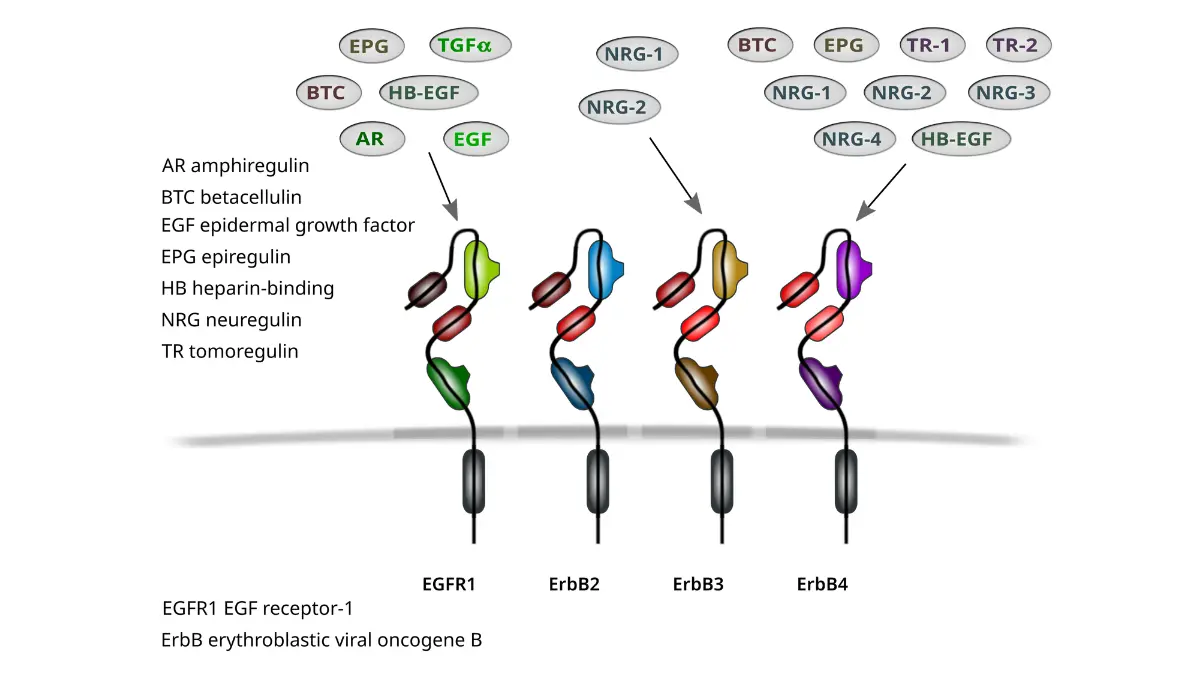
EGFR-positive means your tumor carries a mutation in the epidermal growth factor receptor gene — most commonly an exon 19 deletion or L858R substitution — that makes it directly targetable with osimertinib (TAGRISSO), the 2026 NCCN-preferred first-line oral targeted therapy. Osimertinib is taken as a pill, once daily, at home. Intravenous chemotherapy is not the first-line recommendation for newly diagnosed EGFR-mutated advanced NSCLC.
🩺 Physician Note: “When I deliver a positive EGFR result to a patient, the first clarification I make is that ‘positive’ in this context is genuinely good news — it means we have identified the specific molecular driver of your cancer and we have a precisely matched, well-tolerated oral medication targeting it. I also always clarify the mutation subtype: exon 19 deletion and L858R are both osimertinib-eligible, but I track the clinical trial data for each separately and I want my patients to understand their specific result, not just that they have ‘an EGFR mutation.'” — Nathaniel J. Hargrove, MD, Medical Oncology
The FDA approval information for osimertinib confirms its indication for first-line treatment of EGFR-mutated metastatic NSCLC.
If your test shows KRAS G12C, RET, or MET exon 14: your 2026 treatment options
Patients with KRAS G12C, RET fusions, or MET exon 14 skipping each have an FDA-approved targeted therapy matched to their specific alteration. The KRAS distinction is critical: only the G12C variant — not all KRAS mutations — is targeted by sotorasib (LUMAKRAS) or adagrasib (KRAZATI). Request that your pathology report specify the exact KRAS variant explicitly. If it does not, ask your oncologist before proceeding with any treatment plan.
If no actionable mutation is found: immunotherapy, chemotherapy, and what comes next
A mutation-negative result is not a treatment dead-end. Patients without a currently targetable driver mutation are evaluated for immunotherapy eligibility based on PD-L1 expression and tumor mutational burden. A PD-L1 score of 50% or higher may support pembrolizumab monotherapy. Combination chemo-immunotherapy regimens — pairing platinum-based doublet chemotherapy with checkpoint inhibitor agents — remain highly active and widely used for this group.
For a full comparison of how targeted therapy, immunotherapy, chemotherapy, and radiation are used alone and in sequence, our guide to lung cancer treatment options provides a complete overview. If you received a mutation-positive result and want to confirm your treatment plan before committing, telehealth oncology second-opinion services can connect you with a specialist who reviews your full pathology report and scan results remotely — an increasingly standard step for newly diagnosed NSCLC patients.
✅ Patient Action: Before accepting a treatment plan, ask your oncologist: “Is my mutation an exon 19 deletion, an L858R substitution, or a different EGFR variant — and does the specific subtype change which targeted therapy you recommend?” Also ask: “Does my panel cover KRAS G12C, MET exon 14 skipping, RET fusions, and NTRK fusions?” Both questions directly affect your treatment options. Consult a board-certified medical oncologist before making any treatment decision.
Survival rates for lung cancer with targeted therapy: what the data shows in 2026
Lung cancer survival rates have shifted substantially as biomarker-matched targeted therapy has matured through clinical validation. The central finding from trials and registry data published through 2026: patients with EGFR-mutated or ALK-rearranged advanced NSCLC treated with their matched targeted therapy show significantly longer progression-free and overall survival than historical comparisons to standard platinum-doublet chemotherapy.
📊 Clinical Data Point: Multiple phase 3 trials published through 2026 demonstrate substantially extended progression-free survival with osimertinib compared to earlier-generation EGFR inhibitors and to chemotherapy in EGFR-mutated advanced NSCLC.
EGFR-targeted therapy survival outcomes: what 2026 data shows
The SEER database tracks population-level NSCLC survival by stage and histology, but it is the biomarker-subtype trial data that most directly predicts outcomes for patients with EGFR-positive or ALK-positive disease. Survival in biomarker-matched NSCLC is best interpreted in the context of the specific mutation, stage, performance status, and prior treatment history — not from a population-level figure read in isolation.
Population survival averages do not predict individual outcomes. The median figure represents the midpoint of a wide distribution across patients of varying ages, stages, and comorbidities.
Why mutation-matched treatment outperforms standard chemotherapy in advanced NSCLC
Targeted therapy works by blocking the specific molecular driver that your tumor’s cells depend on to survive and replicate. Standard platinum-doublet chemotherapy attacks all rapidly dividing cells indiscriminately — more appropriate when no single actionable driver is present, but fundamentally less precise than a drug engineered for your tumor’s exact mutation. Patients without an actionable mutation are not left without effective treatment: modern immunotherapy combinations have substantially altered outcomes for this group as well.
For detailed prognosis information by stage and mutation status, our lung cancer prognosis guide covers survival data across the full spectrum of NSCLC presentations. Patients whose tumors carry no currently actionable driver may be eligible for biomarker-matched clinical trials — our guide to lung cancer clinical trials explains how to identify enrolling studies and how to ask your oncologist whether you qualify.
✅ Patient Action: Ask your board-certified oncologist to interpret your prognosis specifically in the context of your mutation status, stage, performance status, and overall health — not from a population survival table alone. Population averages represent a wide distribution; your individual situation requires an individualized conversation. Consult a board-certified medical oncologist before drawing any conclusions from published survival statistics.

What a board-certified oncologist wants you to know about your biomarker results
The most common question I hear from patients about genetic testing
“Is a positive result good news or bad news?”
That is the first question I hear from nearly every patient after receiving their biomarker results. In the case of EGFR, ALK, ROS1, and most other actionable driver mutations: a positive result is genuinely good news. It means we have identified the specific molecular mechanism driving your cancer’s growth, and we have an FDA-approved oral medication designed precisely to block it.
A negative result — meaning no currently actionable mutation is found — is not a treatment dead-end. It means your care team evaluates a different but equally active pathway: immunotherapy eligibility based on your PD-L1 score and TMB, and combination chemo-immunotherapy regimens that remain highly effective for mutation-negative NSCLC.
What I tell every patient before their results come back
Three things I tell every NSCLC patient before their biomarker results return.
First: this testing looks only at mutations in your tumor cells — not at genes you were born with. Your family members’ cancer risk is not determined by your tumor’s mutation panel. If your children or siblings are worried, refer them to a genetic counselor for germline testing — that is an entirely separate and unrelated process.
Second: a comprehensive panel is worth asking for by name, because a limited test can miss a targetable mutation your tumor actually carries. The difference between finding a RET fusion and missing it is the difference between an oral targeted therapy and empiric chemotherapy.
Third: you have every right to schedule a dedicated results-interpretation appointment rather than receiving a biomarker report with no clinical context attached. A report saying “EGFR exon 19 deletion positive” requires a conversation — not just a chart note.
Comprehensive biomarker testing has fundamentally changed what is possible for NSCLC patients in 2026. A disease that was treated with one-size-fits-all chemotherapy a decade ago is now stratified into nine or more molecularly distinct subtypes, each with a matched drug and a matched evidence base. That precision exists because researchers, oncologists, and patients in clinical trials made it possible. Your oncologist ordered this test because it directly changes what happens next for you.
If you or your family member notices new or worsening symptoms while awaiting test results, use our Symptom Checker to help determine whether to contact your care team before your next scheduled appointment.
Frequently asked questions about lung cancer genetic testing
1. What is genetic testing for lung cancer?
Lung cancer genetic testing — also called biomarker or molecular profiling — analyzes DNA extracted from your tumor to identify specific mutations driving your cancer’s growth. It uses next-generation sequencing technology and is entirely distinct from hereditary cancer testing. It examines mutations inside your tumor cells only, not the genes you were born with. Consult a board-certified oncologist to determine which biomarker panel is appropriate for your tumor type and stage.
2. What genes are tested in a comprehensive lung cancer panel?
A comprehensive genomic profiling panel tests hundreds of genes simultaneously. Key actionable targets per 2026 NCCN standards include EGFR, ALK, ROS1, BRAF V600E, KRAS G12C, RET, MET exon 14 skipping, NTRK1/2/3 fusions, and PD-L1 expression, with tumor mutational burden (TMB) additionally assessed for immunotherapy eligibility. Ask your oncologist whether your specific panel includes all 2026-current actionable NSCLC targets.
3. What does EGFR positive mean for lung cancer?
EGFR positive means your tumor carries a mutation — most commonly an exon 19 deletion or L858R substitution — in the EGFR gene, making it directly targetable with an FDA-approved oral medication. In advanced NSCLC, this is among the most favorable lung cancer genetic testing results because a precisely matched, well-tolerated drug exists. Consult a board-certified medical oncologist to discuss which EGFR-targeted therapy matches your specific mutation subtype.
4. What is the treatment for EGFR-positive lung cancer?
The 2026 NCCN-preferred first-line treatment for EGFR-mutated advanced NSCLC is osimertinib (TAGRISSO), a once-daily oral tablet taken at home — not intravenous chemotherapy. It blocks the specific EGFR protein driving tumor growth. Treatment continues until disease progression or unacceptable side effects. Prescription savings programs for targeted cancer therapy, including manufacturer patient assistance, are available for osimertinib. Consult a board-certified oncologist to confirm the right therapy for your specific EGFR variant.
5. What is ALK-positive lung cancer?
ALK-positive lung cancer means your tumor carries an ALK gene rearrangement — found in approximately 3–5% of NSCLC and more common in younger patients and never-smokers. The 2026 NCCN-preferred first-line treatment is alectinib (ALECENSA), with lorlatinib (LORBRENA) as a next-generation alternative. Both are oral targeted therapies with strong brain-penetration activity. Consult a board-certified oncologist to determine which ALK inhibitor is appropriate for your situation.
6. Is lung cancer genetic testing covered by Medicare?
Medicare Part B generally covers FDA-approved companion diagnostic biomarker testing for NSCLC when ordered by a treating oncologist. Comprehensive genomic profiling panels may require prior authorization depending on your specific plan and tumor stage. Coverage rules are updated annually. Consult your oncologist’s billing office and your Medicare plan coordinator to verify your exact coverage before testing is scheduled — and ask about prescription savings programs for targeted cancer therapy if a drug is prescribed.
7. How long does it take to get lung cancer genetic testing results?
Tissue-based next-generation sequencing returns results in approximately 10–14 business days from a molecular pathology laboratory. Liquid biopsy circulating tumor DNA (ctDNA) results typically return in 7–10 business days. Some oncologists order both tests simultaneously to reduce delay. In clinically urgent situations, empiric treatment may begin before results return. Ask your oncologist whether your specific clinical situation warrants starting any treatment while awaiting biomarker results.
8. What happens if no mutation is found in lung cancer genetic testing?
A mutation-negative result does not mean no effective treatment exists. Approximately 30–40% of NSCLC adenocarcinoma patients have no currently targetable driver mutation. These patients are evaluated for PD-L1 expression and tumor mutational burden — a PD-L1 score of 50% or higher may support pembrolizumab monotherapy — and for chemo-immunotherapy combination regimens. Multiple effective treatment pathways exist. Consult a board-certified medical oncologist to review your full PD-L1 and immunotherapy eligibility results.
9. What is a liquid biopsy for lung cancer?
A liquid biopsy detects circulating tumor DNA shed by your tumor into the bloodstream, collected by a standard blood draw — no additional tissue biopsy required. It is preferred when original tissue is insufficient or re-biopsy is high-risk. Its critical limitation: sensitivity is lower in early-stage or low-tumor-burden disease, and a negative result requires tissue confirmation. Ask your oncologist whether a liquid biopsy is appropriate and whether tissue-based confirmation will also be planned.
10. What is KRAS G12C lung cancer?
KRAS G12C is a specific point mutation in the KRAS gene — found in a subset of NSCLC adenocarcinoma — that is directly targeted by sotorasib (LUMAKRAS) or adagrasib (KRAZATI), both FDA-approved. Only the G12C subtype is actionable with these agents — other KRAS variants are not. Your pathology report must specify the exact KRAS variant. Consult a board-certified oncologist to confirm your subtype and available treatment options.
11. Is lung cancer genetic testing the same as hereditary cancer testing?
No. Lung cancer biomarker testing analyzes somatic mutations inside your tumor cells only. It has no implications for inherited cancer risk in family members. Germline hereditary cancer testing is a completely separate process requiring a different sample — blood or saliva from the patient — and involves genetic counseling to interpret results in the context of family history. If you are concerned about inherited cancer risk, consult a board-certified genetic counselor independently of your oncology care.
12. What is PD-L1 testing for lung cancer?
PD-L1 is a protein on tumor cells measured as a tumor proportion score (TPS) from 0% to 100%. A TPS of 50% or higher may support pembrolizumab (KEYTRUDA) monotherapy without chemotherapy as first-line treatment. A TPS of 1–49% may support a chemo-immunotherapy combination. PD-L1 testing is standard for all newly diagnosed advanced NSCLC patients. Consult a board-certified oncologist to interpret your specific PD-L1 score alongside your full lung cancer genetic testing panel results.
13. What is the survival rate for EGFR-positive lung cancer with targeted therapy?
An EGFR-positive result from lung cancer genetic testing is associated with substantially improved outcomes compared to mutation-negative disease treated with chemotherapy alone. Phase 3 trials published through 2026 demonstrate significantly extended progression-free and overall survival with osimertinib. These figures represent population-level averages — individual outcomes depend on stage, performance status, and comorbidities. Consult a board-certified oncologist to interpret your individual prognosis based on your specific EGFR mutation subtype, disease stage, and overall health.
14. Can lung cancer genetic testing be done with a blood draw only?
Yes — liquid biopsy ctDNA testing uses a standard blood draw. However, a negative ctDNA result does not rule out a mutation because some tumors shed minimal DNA into the bloodstream. Tissue-based next-generation sequencing remains the clinical standard when adequate tissue is available. A negative liquid biopsy in a patient with strong clinical suspicion for a targetable mutation requires tissue-based confirmation. Ask your oncologist whether ctDNA testing alone is sufficient or whether tissue confirmation is also planned.
15. What is next-generation sequencing for lung cancer?
Next-generation sequencing reads millions of DNA sequences from your tumor sample simultaneously, detecting hundreds of possible mutations in a single test rather than testing each gene one by one over weeks. Comprehensive genomic profiling panels use NGS technology and are recommended by 2026 NCCN guidelines for all patients with advanced NSCLC at initial diagnosis. Ask your oncologist specifically whether a CGP panel or a more limited hot-spot panel was ordered — the difference directly affects which mutations are detected.
16. What is ROS1-positive lung cancer?
ROS1-positive lung cancer means your tumor carries a ROS1 gene fusion — found in approximately 1–2% of NSCLC and more common in younger patients and never-smokers. FDA-approved targeted therapies include entrectinib (ROZLYTREK) and crizotinib (XALKORI), both oral agents. Entrectinib has documented central nervous system activity, relevant given the pattern of spread in ROS1-positive disease. Consult a board-certified oncologist to identify the most appropriate ROS1-targeted therapy for your specific case.
17. Should every lung cancer patient get genetic testing?
The 2026 NCCN guidelines recommend comprehensive biomarker testing for all patients with advanced stage III–IV NSCLC at initial diagnosis, regardless of smoking history — a history of smoking does not exclude a patient from carrying an actionable mutation. Recommendations for early-stage disease vary by institution and clinical context. Consult a board-certified oncologist to determine whether lung cancer genetic testing is recommended for your specific stage, histology, and treatment planning situation.
Comprehensive biomarker testing has transformed advanced NSCLC from a single disease into nine or more molecularly distinct subtypes — each with a matched FDA-approved drug and a matched clinical evidence base. Knowing which mutation your tumor carries puts you in a fundamentally stronger position for every conversation with your oncology team.
For the full clinical picture of your diagnosis, our complete lung cancer patient guide covers every stage of the journey from first symptoms through treatment and survivorship.
About this content
How this article was put together: researched from recognised health sources, drafted with the help of AI tools, and edited by hand, with sources linked throughout.

Sameer Patel is the founder and editor of My Medicine Advisor. He is not a doctor or medical professional — before starting this site he worked in banking,…
Medical disclaimer
The content on MyMedicineAdvisor is provided for general informational and educational purposes only and is not a substitute for professional medical advice, diagnosis, or treatment. Health information on this website should not be used to diagnose, treat, cure, or prevent any condition without guidance from a qualified healthcare professional. Always seek the advice of your doctor, physician, or another licensed healthcare provider with any questions you may have regarding a medical condition, symptoms, medications, or treatment decisions.