
On This Page – Quick Medical Summary
What Is Immunotherapy for Lung Cancer?
When Marcus, a 58-year-old former firefighter from Ohio, was diagnosed with Stage IV non-small cell lung cancer in 2021, his oncologist introduced him to a treatment he had never heard of — immunotherapy. Three years later, his tumors remain stable.
Immunotherapy for lung cancer is a class of treatment that activates your body’s own immune system to identify and destroy cancer cells. Unlike chemotherapy for lung cancer, which attacks all rapidly dividing cells, immunotherapy teaches your immune system to specifically target tumors while leaving healthy tissue intact.
The results are transforming outcomes. Before immunotherapy, the five-year survival rate for advanced non-small cell lung cancer (NSCLC) was just 5.5%. Today, patients with high PD-L1 expression receiving pembrolizumab (Keytruda) show a 31.9% five-year survival rate — a 480% improvement, according to the landmark KEYNOTE-024 trial data published in PubMed.
If you or a loved one has been diagnosed with lung cancer, understanding immunotherapy — how it works, who qualifies, and what 2026 research shows — is essential. This guide covers everything your oncologist may not have time to explain.
💡 New to lung cancer basics? Read our comprehensive guide on what lung cancer is, its types, and how it progresses before continuing.
How Does Immunotherapy Work for Lung Cancer?
The Checkpoint Problem: How Cancer Hides from Your Immune System
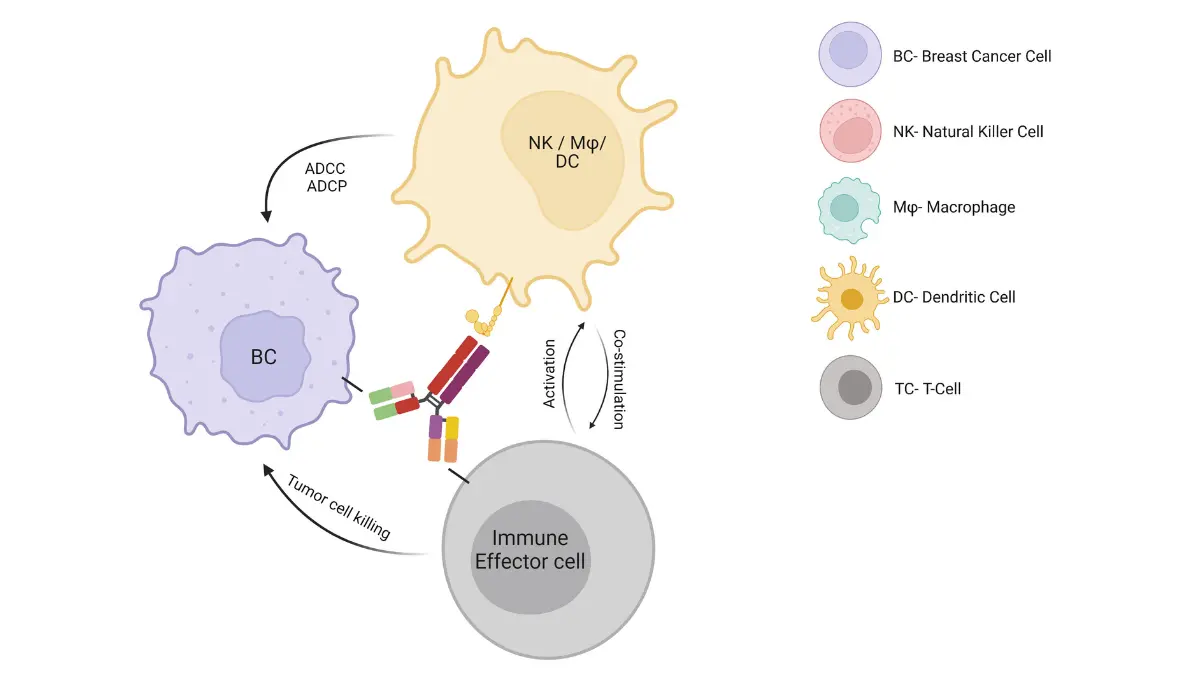
Your immune system uses T cells — white blood cells — as its primary soldiers against foreign threats. These T cells have built-in “checkpoint” proteins, like PD-1 and CTLA-4, that act as off-switches. These checkpoints exist to prevent T cells from attacking healthy tissue.
Lung cancer cells are clever. They display a protein called PD-L1 on their surface, which binds to the PD-1 checkpoint on T cells and essentially tells them: “Nothing to see here — keep moving.” The result is that cancer cells multiply unchecked while the immune system stands down.
Think of it this way: your immune system is a car. Cancer keeps pressing the brake pedal through PD-L1 signaling, preventing the car from accelerating toward the tumor. Immunotherapy removes that brake — permanently.
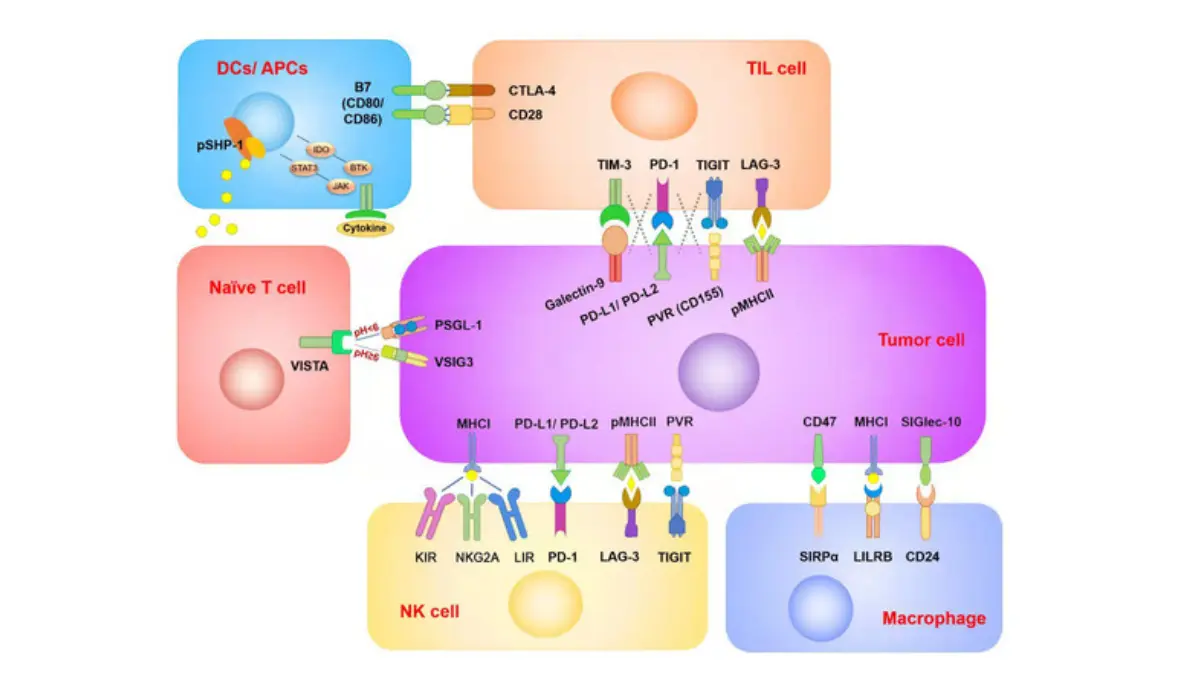
How Checkpoint Inhibitors Unleash the Immune Attack
Immune checkpoint inhibitors (ICIs) are drugs that block this cancer camouflage mechanism. Here’s how the process works step by step:
- The drug binds to PD-1 or PD-L1 — blocking the cancer’s “off-switch” signal
- The T cell remains activated — it can now “see” the cancer cell as a foreign threat
- T cells attack the tumor — releasing cytokines and destroying cancer cells
- Immunological memory forms — your immune system “remembers” the cancer, enabling durable long-term responses
This last step is critical — and it’s something no competitor explains clearly. Unlike chemotherapy, which only works while you’re taking it, immunotherapy can generate lasting immune memory. This is why some patients remain in remission years after completing treatment.
According to the National Cancer Institute’s overview of immunotherapy, checkpoint inhibitors have become one of the most important advances in cancer treatment in the past 30 years.
If you have unexplained respiratory symptoms such as a persistent cough or chest tightness, use our Symptom Checker as a first step before speaking with your doctor.
FDA-Approved Immunotherapy Drugs for Lung Cancer (2026)
Last updated: May 2026 — reflecting the most current FDA approvals
The FDA’s hematology and oncology approvals page lists several checkpoint inhibitors now approved for lung cancer. Here is a complete comparison:
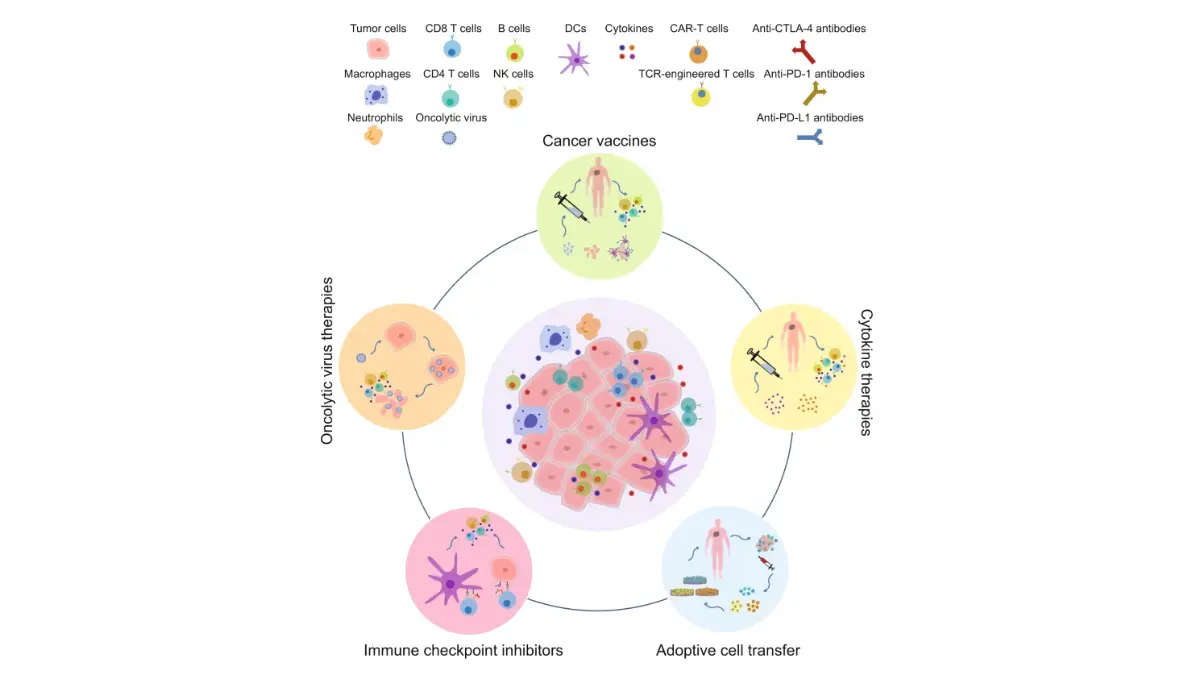
Complete Drug Comparison Table
| Drug (Brand Name) | Checkpoint Target | Lung Cancer Type | Primary Use Setting |
|---|---|---|---|
| Pembrolizumab (Keytruda) | PD-1 | NSCLC | First-line monotherapy (PD-L1 ≥50%) or + chemo |
| Pembrolizumab Qlex (2025 approval) | PD-1 | NSCLC | Subcutaneous injection — same indication as Keytruda |
| Nivolumab (Opdivo) | PD-1 | NSCLC, SCLC | First-line (with ipilimumab) or second-line monotherapy |
| Atezolizumab (Tecentriq) | PD-L1 | NSCLC, SCLC | First-line + adjuvant post-surgery |
| Durvalumab (Imfinzi) | PD-L1 | Unresectable Stage III NSCLC | Consolidation after chemoradiation |
| Ipilimumab (Yervoy) | CTLA-4 | NSCLC | Combination with nivolumab |
| Cemiplimab (Libtayo) | PD-1 | NSCLC | First-line monotherapy (PD-L1 ≥50%, no chemo) |
For a detailed breakdown of all FDA-approved lung cancer medications in 2026, see our guide on lung cancer FDA drugs and treatment options.
Monotherapy vs. Combination Immunotherapy
Immunotherapy is used alone (monotherapy) when PD-L1 expression is high. When PD-L1 expression is lower, it is typically combined with chemotherapy or another immunotherapy drug.
The data supports combination approaches in many cases. The KEYNOTE-189 trial showed that pembrolizumab combined with chemotherapy produced a 69.2% twelve-month overall survival rate, compared to just 49.4% on chemotherapy alone — a 40% improvement as reported in this landmark review on PMC.
NSCLC vs. SCLC: Key Differences in Immunotherapy Use
Understanding whether you have NSCLC or SCLC determines your immunotherapy options. Our article on NSCLC vs. SCLC explains both in detail.
NSCLC (Non-Small Cell Lung Cancer):
- Broadest immunotherapy use — approved across early, locally advanced, and metastatic stages
- Can be used as adjuvant therapy after surgery (atezolizumab, pembrolizumab)
- First-line monotherapy available for PD-L1 ≥50%
SCLC (Small Cell Lung Cancer):
- More limited immunotherapy role
- Atezolizumab or nivolumab approved for extensive-stage SCLC in combination with chemotherapy
- Modest but meaningful survival improvement over chemotherapy alone
Who Benefits From Lung Cancer Immunotherapy? The Complete Eligibility Guide
Not every patient with lung cancer is a candidate for immunotherapy. Oncologists use a specific biomarker testing pathway to determine eligibility. Here is exactly how that process works.
Step-by-Step Biomarker Testing Process
- Lung cancer diagnosis confirmed via imaging and biopsy — see our guide on lung biopsy for cancer
- Tissue sample sent for biomarker panel — this tests for PD-L1 expression, tumor mutation burden (TMB), and key gene mutations
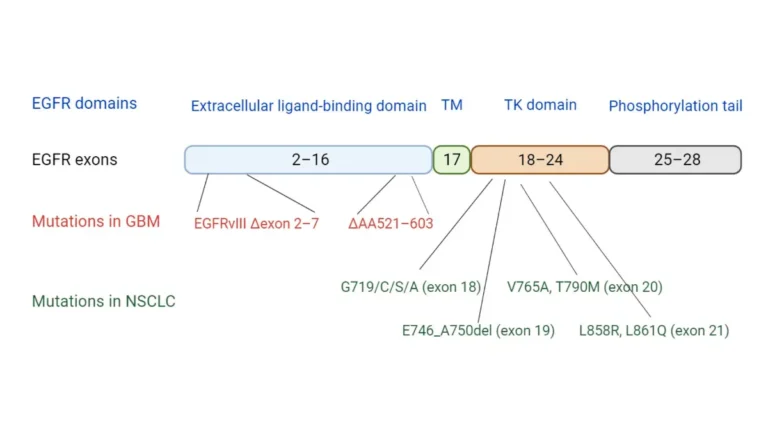
- EGFR, ALK, ROS1 mutation testing — if driver mutations are present, targeted therapy is often more effective than immunotherapy
- PD-L1 IHC (immunohistochemistry) score calculated — this percentage determines the immunotherapy approach
- Oncologist recommends treatment based on all biomarker results combined
PD-L1 Expression: The Most Important Number
Your PD-L1 Tumor Proportion Score (TPS) is a percentage reflecting how many of your cancer cells display the PD-L1 protein. This number directly impacts your immunotherapy options and predicted outcomes.
| PD-L1 Score (TPS) | Clinical Recommendation | 5-Year Survival Data |
|---|---|---|
| ≥50% | Pembrolizumab monotherapy (strong candidate) | 31.9% vs. 16.3% on chemotherapy (KEYNOTE-024) |
| 1%–49% | Immunotherapy + chemotherapy combination | Significant improvement over chemo alone |
| <1% | Chemotherapy-based regimen; immunotherapy less likely to help alone | Standard chemo benchmarks apply |
For full survival statistics by lung cancer stage, our lung cancer statistics and survival rates guide provides a comprehensive breakdown.
The American Cancer Society’s immunotherapy page also confirms that PD-L1 testing is now standard of care before initiating checkpoint inhibitor therapy.
Tumor Mutation Burden (TMB): The Emerging Biomarker
TMB measures how many genetic mutations exist in a tumor. Cancers with more mutations tend to produce more abnormal proteins — making them easier for immune cells to recognize.
- TMB-High tumors (≥10 mutations/megabase): Pembrolizumab is FDA-approved for TMB-high solid tumors regardless of cancer type
- TMB-Low tumors: Lower predicted benefit from immunotherapy alone
- TMB testing is increasingly used alongside PD-L1 to refine eligibility decisions
Who Does NOT Benefit From Immunotherapy — Honest Answers
This is the section that most websites omit — and it’s critical for patient safety.
Immunotherapy is typically NOT recommended for patients with:
- Active autoimmune diseases — lupus, rheumatoid arthritis, Crohn’s disease, multiple sclerosis (risk of severe immune flares)
- Organ transplant history — immunosuppressants conflict with checkpoint inhibitors
- Active severe infections — the immune activation can worsen outcomes
- Driver mutations in EGFR or ALK genes — targeted therapy typically outperforms immunotherapy in these patients
- Poor performance status (ECOG ≥3) — patients too ill to tolerate immune-related side effects
Understanding whether immunotherapy is appropriate requires a detailed review of your lung cancer treatment options with your oncology team.
Immunotherapy Side Effects: What Lung Cancer Patients Need to Know
Immunotherapy can cause immune-related adverse events (irAEs) — side effects caused by an overactivated immune system attacking healthy tissue. Up to 30% of patients experience at least one irAE, though most are manageable with early detection and prompt treatment.
Common vs. Serious Side Effects
Common (typically manageable):
- Fatigue and low energy
- Skin rash or itching
- Diarrhea or loose stools
- Nausea and decreased appetite
- Joint or muscle pain
Serious (report to your oncologist immediately):
- Pneumonitis — lung inflammation; presents as new or worsening shortness of breath
- Colitis — severe abdominal pain, blood in stool
- Hepatitis — elevated liver enzymes, jaundice
- Endocrinopathies — thyroid dysfunction, adrenal insufficiency
- Myocarditis — rare but potentially fatal heart inflammation
⚠️ Important: Experiencing side effects does not necessarily mean treatment is failing. In some cases, immune activation signals the therapy is working. Always report new symptoms — never assume they will resolve on their own.
5 Action Steps for Managing Side Effects
- Report new symptoms within 24–48 hours of onset — never wait for your next scheduled appointment
- Never self-medicate with NSAIDs or immunosuppressants without explicit physician approval
- Keep a daily symptom diary — note severity, timing, and any factors that improve or worsen symptoms
- Attend all follow-up labs — standard monitoring includes liver function tests (LFTs), thyroid panel, complete blood count (CBC), and kidney function
- Learn the irAE grading system — the NCI’s Cancer Therapy Evaluation Program (CTEP) classifies immune side effects by severity from Grade 1 (mild) to Grade 4 (life-threatening)
For more on how immunotherapy works across different cancer types, our broader guide to how immunotherapy works provides helpful context.
2026 Advances, Clinical Trials & 10 Questions to Ask Your Oncologist
What’s New in Lung Cancer Immunotherapy in 2026
The field of immunotherapy is evolving rapidly. Here are the most important developments reshaping lung cancer treatment as of May 2026:
Emerging therapies now in clinical trials or recently approved:
- Bispecific antibodies — amivantamab (Rybrevant) targets both EGFR and MET receptors simultaneously, approved for specific NSCLC subsets
- Perioperative immunotherapy — combining neoadjuvant (pre-surgery) and adjuvant (post-surgery) immunotherapy is now a recognized treatment paradigm for resectable NSCLC
- mRNA-based lung cancer vaccines — early-phase trials are evaluating personalized cancer vaccines that teach the immune system to recognize individual tumor antigens
- CAR-T cell therapy for NSCLC — currently in early-phase clinical trials; early signals of activity in solid tumors
- Natural killer (NK) cell platforms — experimental therapies targeting lung tumors through innate immune mechanisms
For detailed survival statistics related to specific lung cancer stages and types, our lung cancer stages explained guide provides critical context for discussing prognosis with your doctor.
How to Access a Lung Cancer Clinical Trial in 2026
- Discuss eligibility with your oncologist — ask specifically whether any Phase II or III immunotherapy trials match your biomarker profile
- Search ClinicalTrials.gov — filter by your cancer type, stage, and location
- Contact an NCI-designated cancer center — these institutions run the highest volume of cutting-edge trials. Find one near you via the NCI cancer center locator
The American Lung Association’s immunotherapy resource page also maintains updated information on clinical trial access for patients.
10 Questions to Ask Your Oncologist About Immunotherapy
Print this list and bring it to your next appointment:
- Is my tumor PD-L1 tested, and what is my exact TPS score?
- Do I have EGFR, ALK, or ROS1 driver mutations that might make targeted therapy a better option?
- Would immunotherapy monotherapy or a combination with chemotherapy be better for my profile?
- What are the most likely side effects given my specific health history?
- How will we monitor for immune-related adverse events between appointments?
- Does my insurance cover pembrolizumab or the specific drug you are recommending?
- Are there any immunotherapy clinical trials I qualify for?
- How will we measure whether treatment is working — PET scan, CT scan, blood markers?
- What is the next line of therapy if I do not respond or if my cancer progresses?
- Does my current performance status and any autoimmune history affect my eligibility?
Frequently Asked Questions About Immunotherapy for Lung Cancer
Q1. What is immunotherapy for lung cancer?
Immunotherapy for lung cancer is a treatment that activates your body’s immune system to recognize and destroy cancer cells, typically using checkpoint inhibitor drugs that block PD-1, PD-L1, or CTLA-4 proteins.
Q2. How does immunotherapy work for lung cancer?
It blocks proteins (checkpoints) that cancer cells use to disguise themselves from immune T cells. Once the checkpoint is blocked, T cells can see and attack the tumor directly.
Q3. Who is eligible for immunotherapy for lung cancer?
Eligibility depends on PD-L1 expression level, presence of driver gene mutations (EGFR, ALK), lung cancer type (NSCLC vs. SCLC), stage, and overall health status. Biomarker testing determines candidacy.
Q4. What is a PD-L1 score and why does it matter?
PD-L1 TPS (Tumor Proportion Score) is a percentage indicating how many cancer cells express the PD-L1 protein. Higher scores (≥50%) predict stronger responses to pembrolizumab monotherapy.
Q5. What is the success rate of immunotherapy for lung cancer?
In patients with PD-L1 ≥50%, pembrolizumab achieved a 31.9% five-year survival rate versus 16.3% on chemotherapy (KEYNOTE-024). For patients with lower PD-L1, combination therapy improves outcomes significantly.
Q6. What are the side effects of immunotherapy for lung cancer?
Common side effects include fatigue, rash, and diarrhea. Serious immune-related adverse events (irAEs) include pneumonitis, colitis, hepatitis, and endocrine disorders — all requiring prompt medical attention.
Q7. Is immunotherapy better than chemotherapy for lung cancer?
For patients with high PD-L1 expression and no EGFR/ALK mutations, immunotherapy monotherapy outperforms chemotherapy in both survival rates and quality of life. For others, combination therapy is often superior to either alone.
Q8. Can immunotherapy cure lung cancer?
Long-term remission is possible, particularly in patients with high PD-L1 expression. Among patients who completed 35 cycles (approximately 2 years) of pembrolizumab in KEYNOTE-024, 82.1% were still alive at five years — suggesting durable disease control approaching cure in select patients.
Q9. What drugs are used in lung cancer immunotherapy?
FDA-approved drugs include pembrolizumab (Keytruda), nivolumab (Opdivo), atezolizumab (Tecentriq), durvalumab (Imfinzi), cemiplimab (Libtayo), and ipilimumab (Yervoy). Use our Pill Identifier tool to look up specific medications.
Q10. How long does immunotherapy treatment last for lung cancer?
Pembrolizumab is typically administered for up to 35 cycles (approximately 2 years) or until disease progression or unacceptable toxicity. Some patients may be eligible for re-treatment upon progression.
Q11. Does immunotherapy work for small cell lung cancer (SCLC)?
Yes, but with more limited benefit than in NSCLC. Atezolizumab and nivolumab are approved for extensive-stage SCLC in combination with chemotherapy, providing modest but meaningful survival improvement. Our detailed guide on SCLC survival rates and treatment covers this further.
Medical Disclaimer: This article is intended for educational purposes only and does not constitute medical advice. Immunotherapy eligibility, drug selection, and treatment decisions must be made in consultation with a board-certified oncologist based on individual clinical assessment. Always consult a qualified healthcare professional before beginning, modifying, or discontinuing any cancer treatment.
About this content
How this article was put together: researched from recognised health sources, drafted with the help of AI tools, and edited by hand, with sources linked throughout.

Sameer Patel is the founder and editor of My Medicine Advisor. He is not a doctor or medical professional — before starting this site he worked in banking,…
Medical disclaimer
The content on MyMedicineAdvisor is provided for general informational and educational purposes only and is not a substitute for professional medical advice, diagnosis, or treatment. Health information on this website should not be used to diagnose, treat, cure, or prevent any condition without guidance from a qualified healthcare professional. Always seek the advice of your doctor, physician, or another licensed healthcare provider with any questions you may have regarding a medical condition, symptoms, medications, or treatment decisions.