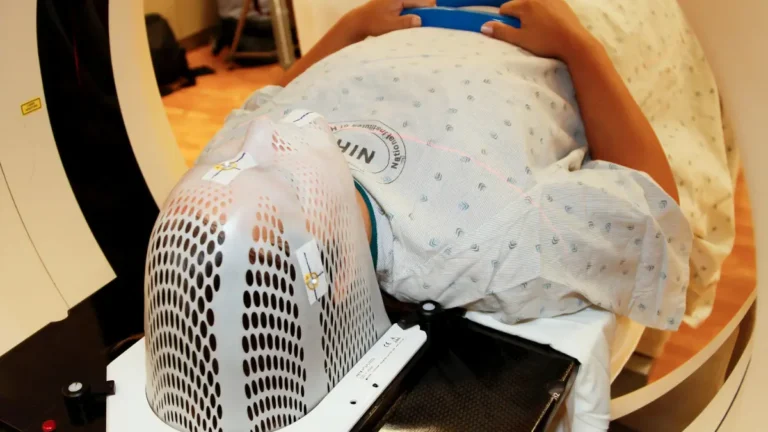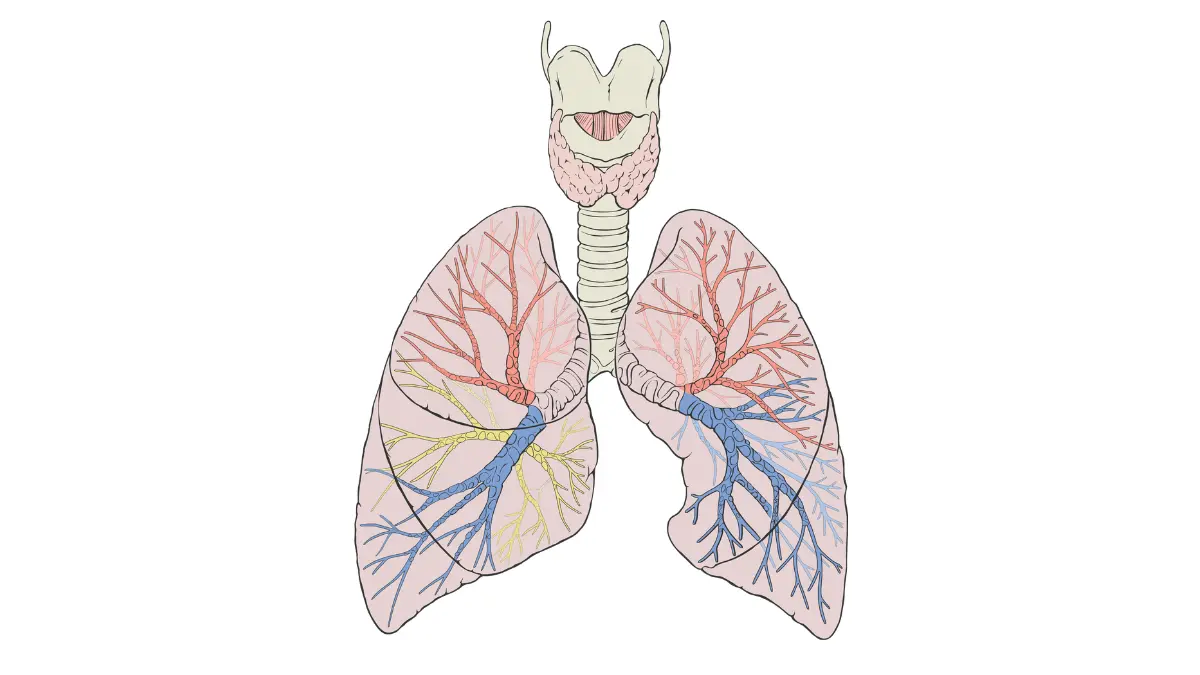

On This Page – Quick Medical Summary
What Is Chemotherapy for Lung Cancer?
When James, 61, was diagnosed with stage 3 non-small cell lung cancer in February 2026, his first question wasn’t about survival odds. It was: “What does chemotherapy actually do inside my body — and what happens on Day 1?”
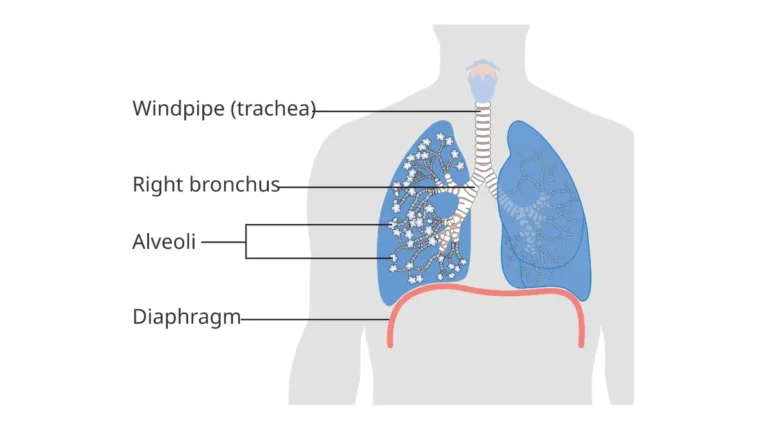
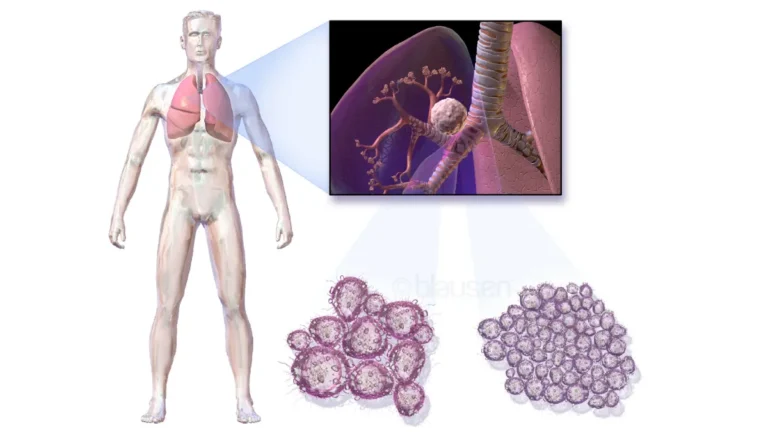
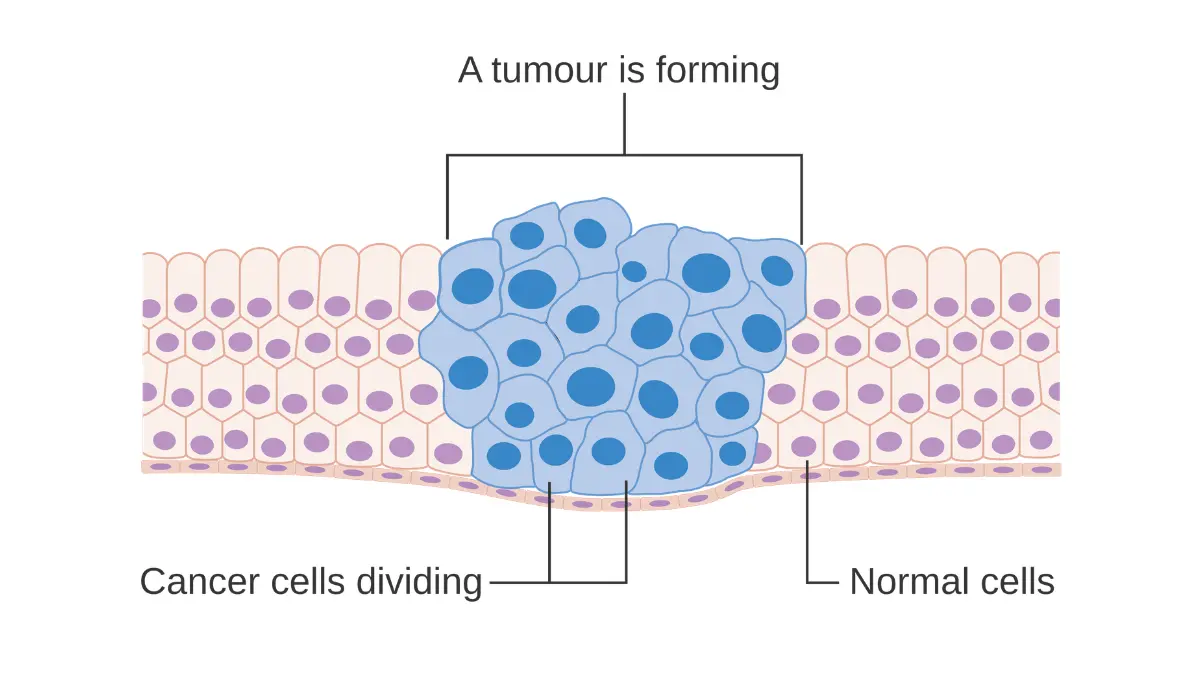
Chemotherapy for lung cancer uses powerful anti-cancer drugs that travel through the bloodstream to find and destroy rapidly dividing cancer cells throughout the body. It is one of the most widely used lung cancer treatments in the United States, applied across both major types — non-small cell lung cancer (NSCLC) and small cell lung cancer (SCLC).
According to the National Cancer Institute, an estimated 226,650 new lung cancer cases were diagnosed in the United States in 2025, making it the leading cause of cancer-related mortality in the country. Chemotherapy remains a cornerstone treatment across all stages and types.
Understanding your lung cancer treatment options begins with knowing exactly how chemotherapy fits into your overall care plan.
| Treatment Setting | What It Means | Example |
|---|---|---|
| Neoadjuvant | Chemo before surgery to shrink tumor | Stage 2–3 NSCLC pre-op |
| Adjuvant | Chemo after surgery to eliminate remaining cells | Post-resection NSCLC |
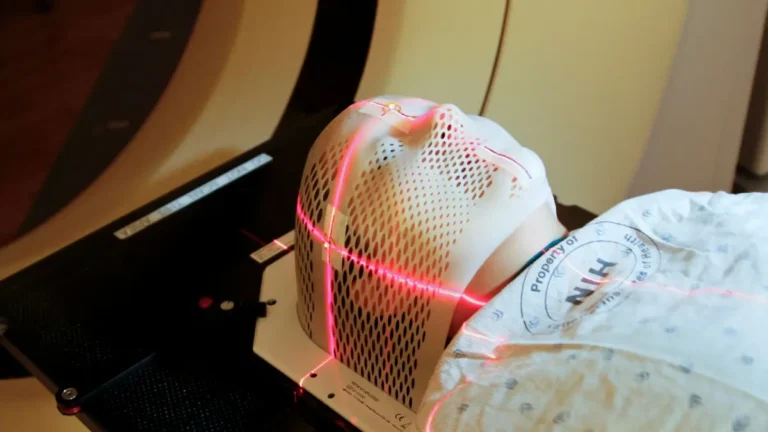
| Concurrent | Chemo + radiation together | Limited-stage SCLC |
| Palliative | Control disease, manage symptoms | Stage 4 advanced NSCLC |
Chemotherapy Drugs for Lung Cancer: A Complete 2026 Guide
NSCLC Chemotherapy Regimens
For non-small cell lung cancer, treatment depends heavily on tumor histology, stage, and biomarker status. The most commonly used NSCLC chemotherapy regimens include:
- Carboplatin + paclitaxel — Most widely used first-line combination for advanced NSCLC
- Cisplatin + pemetrexed — Preferred for non-squamous NSCLC (adenocarcinoma, large-cell)
- Cisplatin + gemcitabine — Standard for squamous cell NSCLC
- Carboplatin + nab-paclitaxel + atezolizumab — Chemoimmunotherapy for PD-L1–positive NSCLC
- Osimertinib + carboplatin/cisplatin + pemetrexed — Added as a Category 1 preferred regimen in NCCN 2026 guidelines for EGFR-mutated NSCLC
Understanding the differences between NSCLC and SCLC is essential because each type responds to a completely different set of chemotherapy drugs.
SCLC Chemotherapy Regimens
Small cell lung cancer is more aggressive and responds differently to chemotherapy. Per NCI SCLC treatment guidelines:
- Etoposide + cisplatin (EP) — Gold standard for limited-stage SCLC with concurrent radiation
- Etoposide + carboplatin — Used when cisplatin toxicity is a concern (kidney issues, older patients)
- Carboplatin + etoposide + atezolizumab → maintenance lurbinectedin + atezolizumab — Newly added to NCCN Version 2.2026 guidelines for extensive-stage SCLC as primary treatment
Master Drug Reference Table
| Drug | Used For | How Given | Cycle | Key Side Effect |
|---|---|---|---|---|
| Cisplatin | NSCLC & SCLC | IV | 21–28 days | Kidney toxicity, neuropathy |
| Carboplatin | NSCLC & SCLC | IV | 21 days | Low blood counts |
| Paclitaxel | NSCLC | IV | 21 days | Hair loss, neuropathy |
| Pemetrexed | NSCLC (non-sq.) | IV | 21 days | Fatigue, low WBC |
| Etoposide | SCLC | IV or Oral | 21–28 days | Nausea, low WBC |
| Gemcitabine | NSCLC (sq.) | IV | 21 days | Fatigue, low platelets |
| Docetaxel | NSCLC 2nd-line | IV | 21 days | Fluid retention, fatigue |
| Lurbinectedin | SCLC maintenance | IV | 21 days | Fatigue, anemia |
Biomarker Testing Before Chemotherapy Starts
Before any chemotherapy begins, your oncologist should order comprehensive molecular biomarker testing. This critical step — missed by most competing articles — determines whether chemotherapy is even the best first option for you.
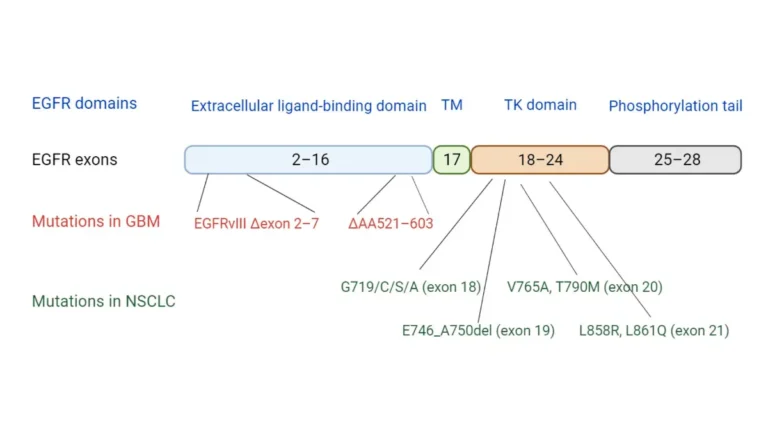
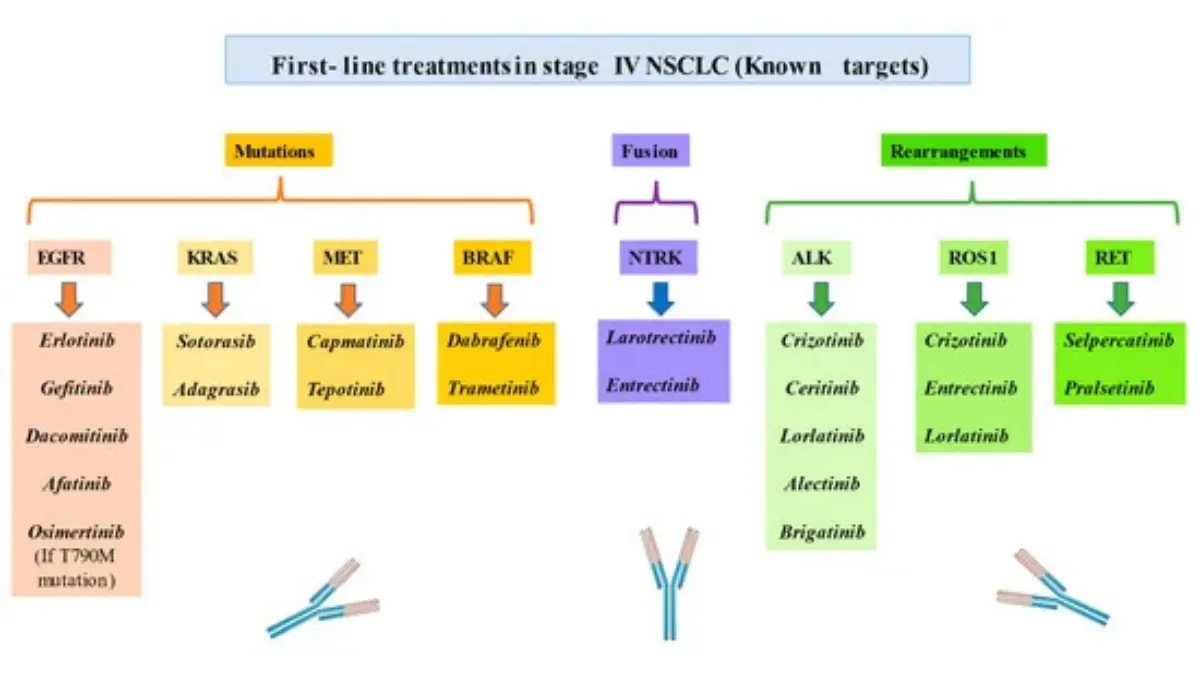
Testing for EGFR, ALK, ROS1, KRAS G12C, PD-L1, HER2, and MET mutations can redirect treatment entirely toward targeted therapy or immunotherapy for biomarker-positive patients. Use our Genetic Risk Assessment Tool to understand your hereditary and biological risk profile before your oncology consultation.
Chemotherapy Side Effects: What Oncologists Don’t Always Warn You About
Common Side Effects — The Honest Timeline
Most patients experience a predictable pattern of side effects. Understanding when they hit makes them more manageable.
- Fatigue — Begins within 24–48 hours; peaks at the nadir period (Days 7–14); improves by Week 3
- Nausea and vomiting — Most intense in the first 48–72 hours after infusion; modern anti-nausea drugs have dramatically reduced severity
- Hair loss — Typically begins 2–4 weeks after the first cycle; affects drugs like paclitaxel, docetaxel, and etoposide
- Low blood counts — Neutropenia (low white blood cells) peaks at Days 10–14, increasing infection risk
- Mouth sores (mucositis) — Common with platinum-based regimens; worsened by poor oral hygiene
- Appetite loss — Managed through small, frequent meals and nutritional planning
The American Lung Association notes that your care team can prescribe medications and strategies to reduce nearly every side effect. You do not have to endure them untreated.
Peripheral Neuropathy — The Side Effect That Outlasts Chemo
Cisplatin, paclitaxel, and vinorelbine can cause peripheral neuropathy — pain, burning, tingling, and cold sensitivity in the hands and feet. In some patients, this persists for months after chemotherapy ends.
Report any numbness to your care team immediately. Duloxetine and gabapentin are commonly prescribed for neuropathy management. Balance exercises and warm compression can reduce discomfort during recovery.
Chemobrain — The Side Effect Nobody Talks About
Chemotherapy-related cognitive impairment (CRCI) — known as “chemobrain” — affects a significant percentage of lung cancer patients during and after treatment. Symptoms include:
- Forgetfulness and short-term memory gaps
- Difficulty concentrating or multitasking
- Word-finding problems (“tip of the tongue” moments)
- Slowed thinking and mental fatigue
The American Lung Association confirms that chemobrain can persist well beyond the final treatment cycle. Prioritizing sleep consistency is one of the most evidence-backed strategies — use our Sleep Calculator to build an optimized rest schedule during your treatment period.
Side Effect Management — What Your Oncologist Actually Prescribes
| Side Effect | Medications Prescribed | Self-Care Strategy |
|---|---|---|
| Nausea | Ondansetron, aprepitant, dexamethasone | Small meals, ginger tea, cold foods |
| Fatigue | Darbepoetin (if anemia confirmed) | Light walking, scheduled rest |
| Neuropathy | Duloxetine, gabapentin | Warm socks, balance exercises |
| Low WBC | G-CSF filgrastim (Neupogen) | Avoid crowds, handwashing protocol |
| Mouth sores | Chlorhexidine rinse, palifermin | Soft foods, salt-baking soda rinse |
| Hair loss | Scalp cooling cap (DigniCap) | Cut hair short before Cycle 1 |
| Chemobrain | Cognitive rehabilitation referral | Sleep consistency, brain training apps |
| Blood sugar spikes* | Monitor via Blood Sugar Converter | Low-glycemic diet during steroid use |
*Steroid pre-medications (dexamethasone) can temporarily elevate blood glucose — particularly important for diabetic patients.
What This Means For You: Most chemotherapy side effects follow a predictable 21-day rhythm — they peak in Week 2 and largely resolve in Week 3. Knowing your timeline transforms something terrifying into something manageable.
What to Expect During Chemotherapy: Week by Week
Before Your First Infusion
Your oncology team will complete pre-treatment bloodwork to assess kidney function, liver enzymes, and blood counts. Many patients have a port (a small device implanted under the skin) placed for easier IV access across multiple cycles.
On infusion day, you’ll receive anti-nausea pre-medications 30–60 minutes before chemotherapy begins. Bring snacks, a book, headphones, and a support person — infusion sessions can last anywhere from 1 to 6+ hours depending on the drug combination.
During the Infusion
Most chemotherapy for lung cancer is given in an outpatient infusion center — no overnight hospital stay required. Nurses monitor your vital signs, watch for allergic reactions, and adjust IV drip rates as needed.
Oral etoposide (for SCLC) is one exception — it can be taken at home, reducing clinic visits. Use our Pill Identifier to verify any oral chemotherapy or supportive medications prescribed alongside your treatment.
The 21-Day Cycle — What Happens Each Week
| Week | What to Expect |
|---|---|
| Week 1 | Infusion day(s); pre-medications reduce acute nausea; mild fatigue begins within 48 hours |
| Week 2 | Nadir period — lowest blood counts; highest infection risk; peak fatigue and side effects |
| Week 3 | Recovery week — energy begins returning; preparing physically for the next cycle |
| Cycles 4–6 | Early-stage patients complete 4–6 total cycles (~3–4 months); advanced NSCLC may continue longer |
How Long Does Chemotherapy Last for Lung Cancer?
- Early-stage (post-surgery adjuvant): 4 cycles over approximately 3 months
- Advanced NSCLC: Treatment continues until disease progression or intolerable side effects
- Extensive-stage SCLC: Platinum-doublet chemotherapy (4–6 cycles) followed by maintenance lurbinectedin + atezolizumab per 2026 NCCN guidelines
Optimizing your nutrition during treatment significantly affects how well you tolerate each cycle. Use our Water Intake Calculator and Protein Intake Calculator to hit your daily hydration and protein targets — both are critical during chemotherapy recovery.
What This Means For You: Planning your work schedule, childcare, and social commitments around the 3-week nadir rhythm — not just your infusion day — is the single most practical thing you can do before starting treatment.
Does Chemotherapy Work? Survival Rates & 2026 Treatment Advances
Lung Cancer Survival Rates (2026 NCI Data)
According to NCI cancer statistics, the overall 5-year relative survival rate for lung cancer from 2014–2020 was 27%. However, survival varies dramatically by stage at diagnosis:
| Stage | 5-Year Survival Rate |
|---|---|
| Local (cancer confined to lung) | 64% |
| Regional (spread to nearby lymph nodes) | 36% |
| Distant (metastatic) | 9% |
Chemotherapy — especially in combination with immunotherapy — continues to push these numbers upward. Explore lung cancer statistics and survival rates for a deeper breakdown by type, stage, and treatment combination.
Chemo + Immunotherapy — The 2026 Standard of Care
Chemotherapy alone is no longer the default for most patients with advanced lung cancer. The current standard combines platinum-based chemotherapy with checkpoint inhibitor immunotherapy:
- NSCLC: Carboplatin + paclitaxel + pembrolizumab (Keytruda) — FDA-approved first-line regardless of PD-L1 status
- SCLC extensive-stage: Carboplatin + etoposide + atezolizumab → maintenance lurbinectedin + atezolizumab (NCCN Version 2.2026 preferred primary option)
The landmark IMforte trial (Lancet, June 2025) demonstrated that lurbinectedin combined with atezolizumab maintenance significantly improved progression-free survival in extensive-stage SCLC, making this combination the most significant SCLC advancement in several years.
2026 FDA Breakthroughs That Complement Chemotherapy
- Dato-DXd (datopotamab deruxtecan) — Added as a preferred NCCN 2026 second-line regimen for EGFR-mutated NSCLC after osimertinib progression
- Zongertinib (Hernexeos) — FDA approved for HER2-mutated NSCLC in August 2025; indication expanded to first-line treatment in February 2026
- Sunvozertinib — FDA accelerated approval (July 2025) for EGFR exon 20 insertion NSCLC post-platinum chemotherapy
These advances mean that for biomarker-positive patients, chemotherapy may serve as a bridge or combination partner — not the sole treatment. Review all FDA-approved lung cancer drugs in 2026 with your oncologist.
When Chemotherapy May Not Be the Best First Option
Patients with actionable mutations (EGFR, ALK, ROS1, KRAS G12C, HER2) often achieve better outcomes with targeted therapy than with traditional chemotherapy as first-line treatment. According to the American Cancer Society lung cancer treatment page, chemotherapy decisions must account for overall performance status, organ function, patient age, and personal treatment goals.
Run your personal risk factors through our Genetic Risk Assessment Tool before your first oncology appointment to arrive prepared with the right questions.
What This Means For You: A 2026 lung cancer diagnosis is fundamentally different from a 2015 diagnosis. New chemo-immunotherapy combinations are producing survival results that older statistics cannot reflect. Demand a 2026-updated treatment discussion from your oncologist.
Cost, Insurance, and 10 Questions to Ask Your Oncologist
How Much Does Lung Cancer Chemotherapy Cost?
Without insurance, total lung cancer treatment can reach $140,000 or more, according to the American Cancer Society. Individual chemotherapy cycles vary widely by drug, infusion duration, and facility.
Key financial resources for U.S. patients:
- Medicare Part B covers most IV chemotherapy administered in outpatient settings
- Medicare Part D covers oral chemotherapy (such as oral etoposide)
- Patient Assistance Programs (PAPs) — Major pharmaceutical companies offer these for patients who qualify by income
- NeedyMeds.org — Free database of drug company assistance programs, co-pay cards, and diagnosis-based programs
- PAN Foundation and CancerCare — Provide financial grants to cover co-pays and treatment-related costs
Check whether clinical trials are available through ClinicalTrials.gov — participation often covers treatment costs entirely.
10 Questions to Ask Your Oncologist Before Starting Chemotherapy
- Which chemotherapy drugs are you recommending, and what is the clinical evidence for this combination in my specific cancer type and stage?
- Should I have full molecular biomarker and genomic testing before we start?
- Will I receive chemotherapy alone or combined with immunotherapy?
- How many cycles will I need, and what is the treatment timeline?
- Can I continue working during chemotherapy — and during which week?
- What anti-nausea medications will I receive before each infusion?
- What infection warning signs should I watch for, and when do I call immediately?
- Will chemotherapy affect my fertility, and should I consider preservation options?
- Are there active clinical trials I qualify for at this institution?
- What does my full supportive care team include — nutritionist, palliative care, social worker, oncology navigator?
Understand your lung cancer stages thoroughly before these conversations — your stage directly determines which chemotherapy regimen is recommended and how many cycles you’ll need.
Frequently Asked Questions About Chemotherapy for Lung Cancer
1. What is the most common chemotherapy for lung cancer?
Carboplatin + paclitaxel is the most widely used first-line combination for advanced NSCLC. Etoposide + cisplatin or carboplatin remains the gold standard for SCLC, now typically combined with atezolizumab per 2026 NCCN guidelines.
2. How long does chemotherapy for lung cancer last?
Early-stage patients typically complete 4–6 cycles over 3–4 months. Advanced NSCLC may continue longer; extensive-stage SCLC may transition to maintenance lurbinectedin therapy after initial cycles.
3. Does chemotherapy cure lung cancer?
Chemotherapy can eliminate residual cancer cells after surgery, shrink tumors before surgery, or control advanced disease. Whether it produces a cure depends on cancer type, stage, and whether combination therapies are used.
4. What are the worst side effects of chemotherapy for lung cancer?
Neutropenia (dangerously low white blood cells), severe fatigue, and peripheral neuropathy are among the most impactful. All are manageable with proactive oncology support and prescribed medications.
5. Can you work during chemotherapy for lung cancer?
Many patients work part-time, particularly during recovery Week 3. It depends on the drug combination, dose, your occupation, and how your body responds. Discuss a work schedule adjustment plan with your care team before Cycle 1.
6. How many chemotherapy cycles does lung cancer require?
Most patients receive 4–6 cycles. Advanced or extensive-stage cases may require more, or may transition to maintenance therapy. Your oncologist adjusts the plan based on your response and tolerance.
7. Is chemotherapy always necessary for lung cancer?
No. Biomarker-positive patients — those with EGFR, ALK, ROS1, or KRAS G12C mutations — often achieve superior outcomes with targeted therapy as first-line treatment rather than traditional chemotherapy.
8. What is chemobrain in lung cancer patients?
Chemobrain (chemotherapy-related cognitive impairment) includes forgetfulness, concentration difficulties, and word-finding problems. It can persist after chemotherapy ends and should be reported to your care team for cognitive rehabilitation referral.
9. Does chemotherapy cause hair loss in lung cancer patients?
Yes — particularly with paclitaxel, docetaxel, and etoposide. Hair loss typically begins 2–4 weeks after the first cycle. FDA-cleared scalp cooling caps (DigniCap, Paxman) can reduce but not always prevent hair loss.
10. What is the success rate of chemotherapy for lung cancer?
Success varies by stage. Local-stage lung cancer carries a 64% 5-year survival rate. Chemotherapy meaningfully improves outcomes for advanced-stage patients, especially when combined with modern immunotherapy regimens.
11. Are there new chemotherapy options for lung cancer in 2026?
Yes. The 2026 NCCN guidelines added lurbinectedin + atezolizumab maintenance for extensive-stage SCLC, and Dato-DXd as a preferred second-line option for EGFR-mutated NSCLC. FDA also expanded zongertinib (Hernexeos) approval to first-line HER2-mutated NSCLC in February 2026.
Sources: National Cancer Institute (cancer.gov), American Lung Association (lung.org), American Cancer Society (cancer.org), NCCN Clinical Practice Guidelines 2026, Lancet IMforte Trial June 2025, NeedyMeds.org, ClinicalTrials.gov
About this content
How this article was put together: researched from recognised health sources, drafted with the help of AI tools, and edited by hand, with sources linked throughout.

Sameer Patel is the founder and editor of My Medicine Advisor. He is not a doctor or medical professional — before starting this site he worked in banking,…
Medical disclaimer
The content on MyMedicineAdvisor is provided for general informational and educational purposes only and is not a substitute for professional medical advice, diagnosis, or treatment. Health information on this website should not be used to diagnose, treat, cure, or prevent any condition without guidance from a qualified healthcare professional. Always seek the advice of your doctor, physician, or another licensed healthcare provider with any questions you may have regarding a medical condition, symptoms, medications, or treatment decisions.