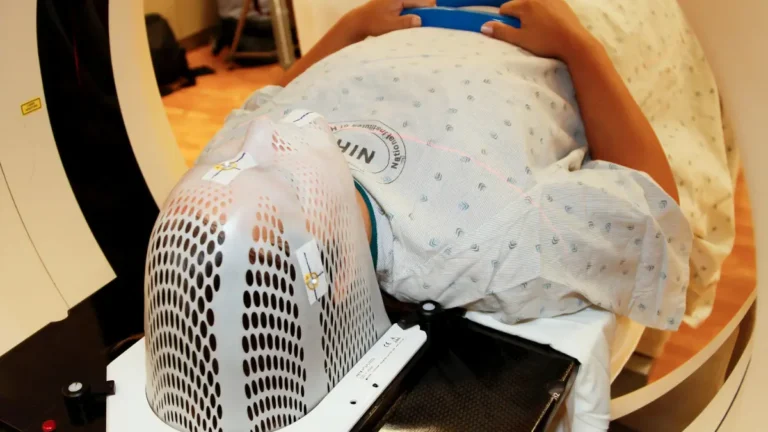

On This Page – Quick Medical Summary
Why lung cancer fatigue feels different from being tired
Find your section before reading further.
- Currently in chemotherapy, radiation, or immunotherapy? The causes section explains what is driving your specific fatigue, and the strategies section gives you what to do today.
- Newly diagnosed and preparing for your first treatment cycle? Section 2 defines what cancer-related fatigue is before it starts — so you are not blindsided.
- Caring for a family member with lung cancer? Section 6 was written directly for you.
- Preparing for your next oncology appointment? Go to Section 7 for the red-flag checklist and a communication script you can bring to the clinic.
You are not imagining it. The exhaustion that settles in during lung cancer treatment is not ordinary tiredness, and rest alone will not resolve it. That is not a failure of willpower — it is the biological reality of a clinically recognized syndrome that affects up to 80% of lung cancer patients and responds to specific, evidence-based interventions your oncologist may not have raised yet.
This guide explains what cancer-related fatigue is, what causes it at a mechanistic level, and what you can realistically do about it — written by a board-certified oncologist for the patients and caregivers sitting with this question right now.
If you are unsure whether your exhaustion is related to your lung cancer diagnosis or another condition, use our Symptom Checker to document your symptoms before your next appointment.
What cancer-related fatigue actually is — and how severe it can get
Cancer-related fatigue (CRF) is a persistent, clinically recognized syndrome of physical, emotional, and cognitive exhaustion affecting 70–80% of lung cancer patients, according to the National Cancer Institute — and unlike ordinary tiredness, it is not relieved by sleep or rest alone.
📊 Clinical Data Point: 70–80% of lung cancer patients experience cancer-related fatigue at some point during or after treatment. — Source: National Cancer Institute, cancer.gov cancer-related fatigue overview, 2024.
The reason rest fails to fix CRF is mechanistic, not motivational. Tumor cells and the immune response to treatment release proinflammatory cytokines — specifically interleukin-1β (IL-1β) and tumor necrosis factor-alpha (TNF-α) — that disrupt normal mitochondrial energy production and dysregulate hypothalamic-pituitary axis signaling. Sleep-debt fatigue resolves with rest because its cause is a deficit in sleep. Cytokine-mediated fatigue does not, because its cause is biological disruption of the energy-regulation system itself.
🔬 How It Works: When lung cancer cells and treatment-activated immune cells flood the bloodstream with proinflammatory cytokines, the hypothalamus — the brain’s energy-regulation center — receives signals that override normal wakefulness and drive a state of systemic energy conservation. The body interprets this as a reason to shut down, regardless of how many hours of sleep the patient has had. No amount of rest corrects the signal until the underlying cytokine load is addressed.
How doctors measure cancer fatigue on a clinical scale
The Brief Fatigue Inventory (BFI) rates CRF on a 0–10 scale: 1–3 is mild, 4–6 is moderate, and 7–10 is severe. A score of 7 or higher is the clinical threshold at which the NCCN Clinical Practice Guidelines for Cancer-Related Fatigue (Version 2.2023) recommend evaluation for pharmacological and behavioral intervention beyond self-management alone.
Most patients in my oncology practice have never been asked to quantify their fatigue with a number — which means their oncology team has no documented baseline to work from. Knowing your BFI score before your next appointment is the single most actionable step this section can give you.
If you feel persistently exhausted regardless of how much sleep you get, our article on always feeling tired no matter how much you sleep provides additional clinical context — and a deeper understanding of lung cancer and how it affects the body helps explain why CRF is so biologically pervasive.
ℹ️ Medical Disclaimer: The Brief Fatigue Inventory is a clinical assessment tool designed to initiate a physician-led conversation — not to replace one. The severity and underlying cause of your cancer-related fatigue require formal clinical evaluation, including a complete blood count (CBC), thyroid-stimulating hormone (TSH) level, and depression screening, ordered by your medical oncologist or palliative care team.
✅ Patient Action: Before your next oncology appointment, rate your fatigue on a 0–10 scale and write it down. Tell your oncologist: “My fatigue score is [X] out of 10. It is worst at [time of day]. It has not improved with additional sleep.” A specific numerical report changes how your care team documents and manages your CRF.
What causes lung cancer fatigue — and which causes are treatable
Lung cancer fatigue rarely has a single cause. In clinical practice, most patients are dealing with two or three simultaneous drivers — and identifying which ones are active for you matters, because each responds to a different clinical intervention.
📊 Clinical Data Point: Chemotherapy-induced anemia is present in approximately 40% of patients on platinum-based regimens. Immune-related hypothyroidism occurs in 5–10% of patients receiving PD-1/PD-L1 checkpoint inhibitor therapy. — Sources: Journal of Clinical Oncology, 2018; JAMA Oncology, 2019.
Six clinical causes of lung cancer fatigue — and how each is identified
| Cause | Mechanism | Diagnostic Test | Treatable? |
|---|---|---|---|
| Cytokine-mediated inflammation | Tumor + immune activation releases IL-1β, TNF-α disrupting energy regulation | Clinical assessment | Ongoing management |
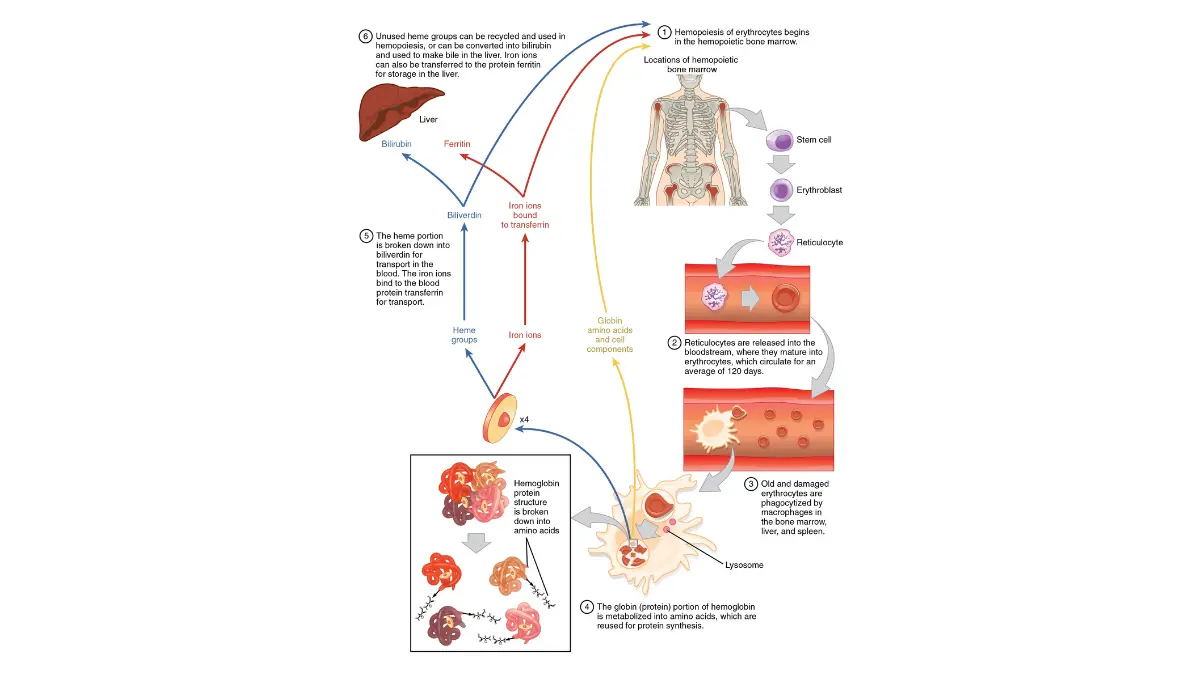
| Chemotherapy-induced anemia | Bone marrow suppression → reduced red cell production → reduced oxygen delivery to tissues | CBC (hemoglobin <10 g/dL) | Yes — ESAs or transfusion if indicated |
| Radiation tissue damage | Cumulative radiation depletes local energy reserves and disrupts sleep architecture | Clinical assessment | Partially — improves over weeks post-treatment |
| Immunotherapy immune activation | Checkpoint inhibitor therapy amplifies systemic immune response, increasing cytokine load | Clinical assessment + CBC | Ongoing management |
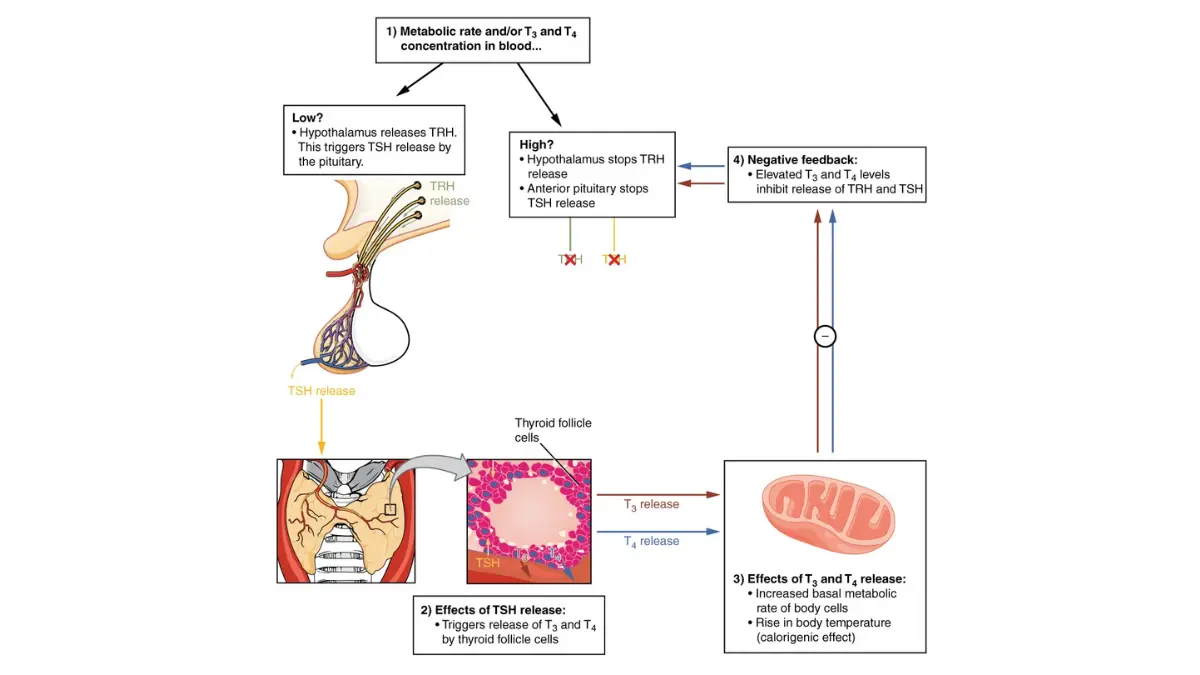
| Immune-related hypothyroidism | Anti-PD-1/PD-L1 therapy causes autoimmune thyroid inflammation → elevated TSH | TSH level (>10 mIU/L confirms hypothyroidism) | Yes — levothyroxine replacement |
| Depression and anxiety | Psychological burden of diagnosis and treatment disrupts sleep architecture and energy reserves | PHQ-9 depression screening | Yes — psychotherapy, medication, support |
Source: NCCN Clinical Practice Guidelines in Oncology — Cancer-Related Fatigue, Version 2.2023
Does anemia cause lung cancer fatigue?
Anemia-related fatigue is the most commonly correctable cause of severe CRF in chemotherapy patients. When hemoglobin falls below 10 g/dL due to bone marrow suppression, every cell in the body receives less oxygen — producing a systemic exhaustion that is physiologically distinct from cytokine-mediated CRF and directly treatable.
Your oncologist can confirm anemia with a complete blood count drawn at any scheduled lab visit.
Does immunotherapy cause fatigue differently than chemotherapy?
In my clinical practice, immune-related hypothyroidism is the most frequently missed correctable cause of fatigue in patients on immunotherapy. Patients receiving pembrolizumab (Keytruda) or nivolumab (Opdivo) who develop thyroid dysfunction — confirmed by a TSH above 10 mIU/L — experience profound fatigue, cold intolerance, and weight changes that are routinely attributed to the cancer itself rather than a correctable immune-related adverse event.
Levothyroxine replacement corrects this within weeks. Patients who have been on immunotherapy for lung cancer for more than two cycles should ask specifically whether their TSH has been measured this cycle. Our guide to hypothyroidism symptoms and thyroid disease explains what to monitor between appointments.
Patients on chemotherapy for lung cancer face a different but equally significant burden — bone marrow suppression and anemia are the primary drivers. If you are experiencing fatigue alongside mood changes or persistent low motivation, our depression guide provides clinical context on how psychological factors interact with CRF and when to request a formal mental health referral from your oncology team.
🩺 Physician Note: “In my oncology practice, I routinely see patients who have been managing a TSH of 12 or 14 mIU/L for two or three cycles without anyone flagging it — because the fatigue was assumed to be from the cancer. A TSH is a routine lab draw. If you are on a checkpoint inhibitor and your fatigue is worsening, ask specifically: ‘Has my TSH been checked this cycle?’ That one question can change everything.” — Dr. Nathaniel J. Hargrove, MD, Oncology
ℹ️ Medical Disclaimer: Identifying the specific cause of your cancer-related fatigue requires clinical testing ordered by your oncology team, including a CBC, TSH, and PHQ-9 depression screen. The diagnostic framework above is educational context for initiating a clinical conversation — it does not replace oncologist evaluation and cannot determine your individual cause of fatigue.
✅ Patient Action: At your next appointment, bring the six-cause table above and ask your medical oncologist: “Which of these have been tested in my current labs, and are there any correctable causes we have not yet ruled out?” This question directs your team toward the causes most likely to have a clinical fix.
Evidence-based strategies to manage lung cancer fatigue at home
Managing lung cancer fatigue requires a structured approach across four evidence-based domains: exercise, activity pacing, nutrition, and sleep hygiene — each supported by NCCN clinical guidelines or peer-reviewed oncology research, and each something you can begin before your next clinic visit.
Why exercise is the number-one doctor-recommended strategy for cancer fatigue
The most counterintuitive and most evidence-backed strategy for CRF is movement — not rest. The NCCN Clinical Practice Guidelines for Cancer-Related Fatigue (Version 2.2023) assign structured aerobic exercise a Category 1 evidence rating — the highest classification in the guideline system, reserved for interventions with uniform consensus based on high-level evidence.
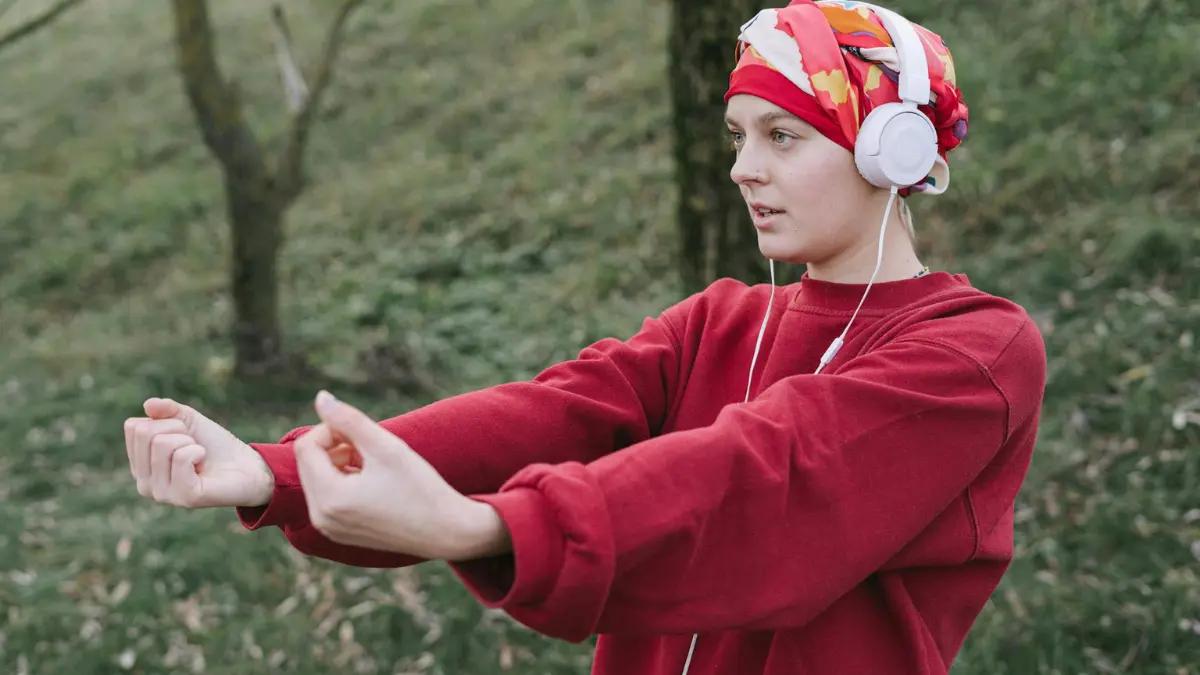
A landmark meta-analysis published in JAMA Oncology (Mustian et al., 2017) found that peer-reviewed aerobic exercise programs reduced CRF severity by 20–30% compared to control groups across multiple cancer types. The recommended protocol: moderate-intensity aerobic activity — defined as 40–60% of maximum heart rate — for 150 minutes per week, distributed across at least three sessions.
📊 Clinical Data Point: Structured aerobic exercise reduces cancer-related fatigue severity by 20–30% compared to usual care. — Source: Mustian KM et al., JAMA Oncology, 2017. Exercise is designated NCCN Category 1 for CRF management — the highest evidence tier. — Source: NCCN Clinical Practice Guidelines: Cancer-Related Fatigue, Version 2.2023.
Use our Heart Rate Zone Calculator to identify your moderate-intensity target zone (40–60% of maximum heart rate) before beginning your first session. Our dedicated guide to exercise and lung cancer provides a full oncology-specific movement protocol.
ℹ️ Medical Disclaimer: Before beginning any exercise program during active lung cancer treatment, discuss the specific protocol with your medical oncologist and a certified oncology physical therapist. Patients with bone metastases, severe anemia (hemoglobin <8 g/dL), active cardiorespiratory symptoms, or neutropenia require individualized exercise modification before starting any aerobic program.
Activity pacing: protecting your energy when every task costs more
Activity pacing — also called the energy envelope technique — is the practice of matching daily physical output to your available energy reserve rather than your pre-illness baseline. In clinical practice, I teach patients to map their day into activity blocks (typically 60–90 minutes) and mandatory rest intervals (30 minutes), preserving enough energy for the one or two daily tasks that matter most — a meal, a walk, time with family.
Practical pacing tools: a shower bench, a wheeled walker for longer distances, and scheduled seated rest periods protect energy for higher-value activities. Our Sleep Calculator can help you identify your optimal rest window and structure recovery intervals around your treatment schedule.
Nutrition and hydration: the supporting triad for energy production
Adequate caloric intake directly supports the cellular energy production that CRF disrupts. Patients in active treatment frequently lose appetite alongside energy — creating a deficit that compounds fatigue. Prioritize calorie-dense, protein-rich foods in small, frequent portions rather than three standard meals.
Use our Protein Intake Calculator to estimate your daily protein target during treatment, and our Water Intake Calculator to track hydration — dehydration independently worsens fatigue in oncology patients. Our complete guide to nutrition during lung cancer treatment covers evidence-based meal planning in detail.
✅ Patient Action: Before your next oncology appointment, ask your medical oncologist: “Is my current performance status and CBC safe for a moderate-intensity walking program three times per week? Should I be referred to an oncology physical therapist?” This question initiates the exercise clearance conversation most patients never start.
Medications your oncologist may prescribe for cancer-related fatigue
When behavioral strategies — structured exercise, activity pacing, nutrition optimization — have not reduced a BFI score below 7 after two weeks of consistent effort, your oncologist may consider pharmacological intervention. Three categories of medication are used in clinical practice for CRF, each with specific indication criteria.
📊 Clinical Data Point: The NCCN designates methylphenidate as Category 2B for cancer-related fatigue — meaning it is recommended for select patients based on lower-level evidence with non-uniform expert consensus. — Source: NCCN Clinical Practice Guidelines: Cancer-Related Fatigue, Version 2.2023.
| Medication | NCCN Category | Indication | Key Limitation |
|---|---|---|---|
| Methylphenidate (Ritalin) | Category 2B — off-label for CRF | Moderate-to-severe CRF not responsive to behavioral intervention | Requires oncologist Rx; not for mild fatigue; controlled substance |
| Dexamethasone (corticosteroid) | Palliative — short-term | Severe fatigue in advanced or end-stage disease | Maximum 2–4 weeks; long-term use accumulates HPA suppression and infection risk |
| Erythropoiesis-stimulating agents (ESAs) | Per FDA indication | Confirmed chemo-induced anemia — hemoglobin <10 g/dL ONLY | Not a general CRF treatment; FDA black box warning applies |
Source: NCCN Clinical Practice Guidelines in Oncology — Cancer-Related Fatigue, Version 2.2023; FDA.gov ESA prescribing information
Methylphenidate and psychostimulants for moderate-to-severe CRF
Methylphenidate is used off-label for CRF under NCCN Category 2B designation — meaning it is appropriate for select patients with moderate-to-severe fatigue who have not responded to structured behavioral interventions after an adequate trial. It is not a first-line treatment. It requires a prescription from your medical oncologist, monitoring for cardiovascular effects, and is contraindicated in patients with significant anxiety or cardiac arrhythmias.
In my practice, I offer methylphenidate only after a minimum two-week trial of structured exercise and activity pacing has failed to lower the patient’s BFI score below 7.
Corticosteroids and erythropoiesis-stimulating agents: when they apply
Dexamethasone is a short-term palliative option for advanced-stage patients with severe fatigue — typically limited to 2–4 weeks maximum because longer duration risks HPA axis suppression, immunosuppression, and steroid-related toxicity accumulation. It is not a chronic management strategy.
Erythropoiesis-stimulating agents (ESAs) are indicated only for confirmed chemotherapy-induced anemia with hemoglobin below 10 g/dL — they are not a treatment for general CRF. The FDA has issued a black box warning for ESAs in cancer patients without documented anemia, citing increased mortality risk. This distinction is one that most health websites describe incorrectly.
Use our Pill Identifier if you need to verify any medication prescribed by your oncology team. For a full overview of FDA-approved lung cancer treatments and drugs in 2026 and current lung cancer treatment options, our dedicated guides cover the full clinical landscape.
⚠️ Clinical Warning: ESAs carry an FDA black box warning for increased mortality risk when used in cancer patients without confirmed chemotherapy-induced anemia (hemoglobin <10 g/dL). Never request or accept an ESA prescription without a documented CBC confirming anemia. All medications in this section require oncologist evaluation — none are appropriate for self-administration.
ℹ️ Medical Disclaimer: Methylphenidate, dexamethasone, and erythropoiesis-stimulating agents are prescription medications that require evaluation, individual indication assessment, and ongoing monitoring by your medical oncologist. None should be requested, obtained, or taken without a formal oncologist-led treatment decision. The NCCN Category designations above reflect expert guideline consensus as of 2023 — verify current guideline status at nccn.org before any clinical decision.
✅ Patient Action: If you have attempted structured exercise and activity pacing for at least two weeks without reducing your BFI score below 7, ask your medical oncologist: “Is my current hemoglobin level and performance status appropriate for pharmacological management of my cancer-related fatigue, and which category of intervention — psychostimulant, corticosteroid, or ESA — fits my case?”
How caregivers can help someone with lung cancer fatigue
Caring for someone with lung cancer fatigue is one of the most demanding physical and emotional roles a family member will ever take on — and in my oncology practice, caregiver collapse typically arrives around weeks six to eight of chemotherapy, when the caregiver’s own sleep deprivation, nutritional neglect, and emotional depletion quietly reach a clinical threshold.
You cannot provide steady support from an empty reserve. That is not a metaphor — it is a clinical reality that oncology teams observe directly and take seriously.
Three ways caregivers can actively reduce fatigue burden
The most impactful caregiver contributions are logistical, not just emotional:
- Handle transportation to every appointment — driving expends significant energy that the patient needs to preserve for treatment and recovery; arrange rides, coordinate schedules, and confirm each appointment in advance.
- Prepare calorie-dense, small-portion meals on a consistent schedule — not when the patient requests food, but proactively, since appetite and hunger signals are frequently blunted during treatment.
- Help implement the activity pacing schedule from Section 4 — track daily activity and rest intervals using a written log or a shared phone app, so the patient is not relying on their own fatigued judgment to regulate their energy output.
When caregiver exhaustion itself becomes a clinical concern
A 2020 meta-analysis in the Journal of Oncology Practice found that caregiver burnout was associated with increased patient missed appointments and premature treatment discontinuation — meaning your health directly affects the patient’s treatment outcomes. This is why oncology teams want to hear from caregivers, not just patients.
If you are experiencing your own physical exhaustion, sleep disruption, or emotional overwhelm, speak with the patient’s oncology social worker or palliative care coordinator about respite care, counseling referrals, and NCI caregiver support resources available in your area.
🩺 Physician Note: “The caregiver who drives to the pharmacy at midnight, skips dinner, and hasn’t slept more than four hours in a row for six weeks is not a problem I can ignore in clinic. Caregiver health is patient health. If you are accompanying someone to treatment, tell the team how you are doing — they want to know.” — Dr. Nathaniel J. Hargrove, MD, Oncology
When lung cancer fatigue is a warning sign — red flags to act on now
Most lung cancer fatigue is expected, manageable, and addressed with the strategies in this guide. Some fatigue patterns are not. The following red flags require an immediate call to your oncology team — not a wait-and-see approach.
⚠️ Clinical Warning: If your lung cancer fatigue is accompanied by any of the five warning signs listed below, contact your oncology team the same day or go to the nearest emergency department. Do not wait for your next scheduled appointment.
Five fatigue red flags that require an immediate oncology call
- Sudden severe fatigue with chest pain, palpitations, or new shortness of breath — may indicate cardiac toxicity, pulmonary embolism (VTE risk is elevated in all lung cancer patients), or significant anemia requiring urgent CBC
- Fatigue with fever ≥38.3°C (101°F) during days 7–14 post-chemotherapy — the nadir window for neutropenia; fever in this window constitutes febrile neutropenia, which is a medical emergency requiring same-day oncology evaluation per NCI guidelines
- Worsening fatigue with new neurological symptoms — new headache, confusion, one-sided weakness, or vision changes may indicate brain metastases requiring urgent imaging
- Fatigue with unexplained weight loss >10% of body weight in 30 days — a clinical red flag for disease progression requiring urgent oncologist review
- BFI score ≥7 that is worsening across two or more consecutive treatment cycles — not an emergency but a signal that your CRF is not being managed adequately and requires a formal pharmacological assessment at your next visit
What to say to your oncologist about your fatigue — a communication script
Bring this language to your next appointment: “My fatigue score on a 0–10 scale is [X]. It is worst at [time of day]. It interferes specifically with [activity — walking, eating, sleeping]. I have tried [strategy] for [duration], and it has / has not helped. I would like to know whether my labs show a correctable cause.” This script transforms a vague complaint into a structured clinical report that your team can act on.
Your next step with lung cancer fatigue
Before your next oncology appointment, do one thing: write down your fatigue score on a 0–10 scale, the time of day it is worst, and one specific activity it prevents. That report changes what your oncology team documents and manages.
Cancer-related fatigue is treatable. The six causes in Section 3 are a roadmap. The NCCN-backed strategies in Section 4 give you a starting point today. The pharmacological options in Section 5 exist for when behavioral strategies are not enough.
Review your lung cancer treatment options and explore lung cancer survival statistics by stage to build a complete clinical picture alongside your fatigue management plan.
Frequently asked questions about lung cancer fatigue
1. What is cancer-related fatigue in lung cancer?
Cancer-related fatigue is a persistent syndrome of physical, emotional, and cognitive exhaustion that affects 70–80% of lung cancer patients, per the National Cancer Institute. Unlike ordinary tiredness, it is driven by proinflammatory cytokines released during tumor growth and treatment, and it does not resolve with rest. Consult your medical oncologist to assess your fatigue severity using the Brief Fatigue Inventory.
2. How is lung cancer fatigue different from normal tiredness?
Normal tiredness results from physical exertion or sleep deficit and resolves with rest. Lung cancer fatigue is caused by cytokine-mediated disruption of the hypothalamus and mitochondrial energy pathways — meaning the brain’s energy-regulation system is biologically impaired, not merely depleted. Sleep provides no relief because the underlying signal is not a sleep deficit. Speak with your oncologist if fatigue persists despite adequate rest.
3. What causes extreme fatigue in lung cancer patients?
Six clinical drivers cause lung cancer fatigue: cytokine-mediated inflammation, chemotherapy-induced anemia, radiation tissue damage, immunotherapy immune activation, immune-related hypothyroidism, and depression. Each requires a different diagnostic test — CBC for anemia, TSH for thyroid dysfunction, PHQ-9 for depression — and a different clinical response. Ask your oncologist which of these causes has been ruled out in your current treatment cycle.
4. Is fatigue a sign that lung cancer is getting worse?
Not necessarily — cancer-related fatigue is expected during active treatment and does not automatically indicate disease progression. However, fatigue accompanied by new neurological symptoms, unexplained weight loss exceeding 10% of body weight in 30 days, or sudden onset alongside chest pain or shortness of breath requires same-day oncology contact. Ask your oncologist whether your fatigue pattern warrants imaging to rule out progression.
5. Can exercise really help with lung cancer fatigue?
Yes — structured aerobic exercise carries a NCCN Category 1 evidence rating for CRF management, the highest tier in the guideline system. A 2017 JAMA Oncology meta-analysis found exercise reduced fatigue severity by 20–30% versus control. The recommended protocol is 150 minutes of moderate-intensity aerobic activity per week. Discuss exercise clearance with your oncologist before beginning, especially if you have bone metastases, anemia, or cardiorespiratory symptoms.
6. What medications treat cancer-related fatigue?
Your oncologist may consider three pharmacological options: methylphenidate (NCCN Category 2B, off-label, for moderate-to-severe CRF unresponsive to behavioral strategies), dexamethasone (short-term palliative use, maximum 2–4 weeks), or erythropoiesis-stimulating agents (ESAs — only for confirmed chemo-induced anemia with hemoglobin below 10 g/dL). ESAs carry an FDA black box warning for use without confirmed anemia. All require oncologist prescription.
7. How is cancer-related fatigue measured?
The Brief Fatigue Inventory (BFI) rates CRF on a 0–10 scale: 1–3 mild, 4–6 moderate, 7–10 severe. A score of 7 or higher is the NCCN clinical threshold for pharmacological evaluation. The Edmonton Symptom Assessment System (ESAS) provides a broader symptom profile including fatigue, pain, and mood. Report your score as a specific number to your oncologist — not as a qualitative description.
8. Does chemotherapy cause more fatigue than radiation therapy?
Both cause lung cancer fatigue through different mechanisms. Chemotherapy drives systemic fatigue primarily through bone marrow suppression and anemia, with fatigue typically peaking at the nadir (days 7–14 post-cycle). Radiation causes more localized tissue damage and cumulative fatigue that builds across the treatment course and peaks in the final weeks. Combined chemoradiation produces additive fatigue from both mechanisms. Ask your oncologist which pattern to expect for your specific regimen.
9. What diet helps with lung cancer fatigue?
No single food treats cancer-related fatigue, but caloric adequacy and protein sufficiency directly support the cellular energy production that CRF disrupts. Prioritize calorie-dense, protein-rich small frequent meals over three standard portions. The American Cancer Society recommends consulting a registered oncology dietitian during active treatment. Our guide to the best foods during lung cancer treatment covers evidence-based meal strategies in full.
10. How can caregivers help someone with lung cancer fatigue?
The most impactful caregiver contributions are logistical: handle all transportation to appointments, prepare calorie-dense meals proactively on a consistent schedule, and help the patient implement an activity pacing schedule with timed activity blocks and mandatory rest intervals. If caregiver exhaustion is building, contact the patient’s oncology social worker — caregiver burnout directly reduces patient treatment adherence.
11. Does immunotherapy cause fatigue in lung cancer patients?
Yes — immunotherapy-related fatigue has two mechanisms. First, checkpoint inhibitor therapy amplifies systemic immune activation, increasing cytokine load. Second, 5–10% of patients on PD-1/PD-L1 inhibitors develop immune-related hypothyroidism — a correctable cause of profound fatigue confirmed by a TSH above 10 mIU/L. If you are on pembrolizumab or nivolumab and experiencing worsening fatigue, ask your oncologist to check your TSH this cycle.
12. Can cancer-related fatigue be treated?
Yes — cancer-related fatigue responds to multiple evidence-based interventions. NCCN Category 1 evidence supports structured aerobic exercise. Correctable causes — anemia, hypothyroidism, depression — have direct clinical treatments when identified. Pharmacological options including methylphenidate exist for moderate-to-severe CRF unresponsive to behavioral strategies. The key is identifying the specific cause driving your fatigue. Consult your medical oncologist to begin a formal CRF assessment using the Brief Fatigue Inventory.
13. What energy conservation techniques work for cancer fatigue?
Activity pacing — the energy envelope technique — is the most clinically validated energy conservation approach for CRF. It involves mapping daily activity into timed blocks (60–90 minutes of activity, 30 minutes of rest) and reserving the majority of your energy budget for the highest-priority daily tasks. Adaptive equipment — shower bench, wheeled walker — reduces the energy cost of routine activities. Discuss activity pacing with a certified oncology physical therapist for an individualized plan.
14. Is fatigue worse in stage 3 or stage 4 lung cancer?
Lung cancer fatigue severity generally increases with disease stage because higher tumor burden produces a greater proinflammatory cytokine load. Stage 4 patients typically report more severe baseline CRF than Stage 3 patients, even before treatment begins. However, treatment type matters as much as stage — a Stage 3 patient on concurrent chemoradiation may experience more acute fatigue than a Stage 4 patient on oral targeted therapy. See our guide to lung cancer stages explained for a full staging breakdown.
15. Can anemia cause lung cancer fatigue?
Yes — anemia-related fatigue is one of the most common and most correctable drivers of CRF in chemotherapy patients. When hemoglobin drops below 10 g/dL due to bone marrow suppression, oxygen delivery to every cell is reduced, producing systemic exhaustion distinct from cytokine-mediated fatigue. A complete blood count (CBC) at your next lab visit confirms anemia. If confirmed with hemoglobin below 10 g/dL, discuss erythropoiesis-stimulating agent options with your oncologist.
16. When should I call my doctor about lung cancer fatigue?
Call your oncology team the same day if lung cancer fatigue is accompanied by: fever ≥38.3°C (101°F) during days 7–14 post-chemotherapy, new chest pain or shortness of breath, new neurological symptoms, or unexplained weight loss exceeding 10% in 30 days. A BFI score ≥7 that is worsening across consecutive cycles warrants a formal pharmacological assessment at your next scheduled visit.
17. Are palliative care options available for lung cancer fatigue?
Yes — palliative care teams address CRF directly, including short-term corticosteroids (dexamethasone 2–4 weeks) for advanced-stage fatigue, psychostimulants for refractory cases, integrative approaches including acupuncture and mindfulness-based stress reduction, and comprehensive symptom management to address the multiple simultaneous drivers of late-stage fatigue. Palliative care is not end-of-life care — it is active quality-of-life support appropriate at any disease stage. Ask your oncologist for a palliative care referral if your CRF remains severe.
About this content
How this article was put together: researched from recognised health sources, drafted with the help of AI tools, and edited by hand, with sources linked throughout.

Sameer Patel is the founder and editor of My Medicine Advisor. He is not a doctor or medical professional — before starting this site he worked in banking,…
Medical disclaimer
The content on MyMedicineAdvisor is provided for general informational and educational purposes only and is not a substitute for professional medical advice, diagnosis, or treatment. Health information on this website should not be used to diagnose, treat, cure, or prevent any condition without guidance from a qualified healthcare professional. Always seek the advice of your doctor, physician, or another licensed healthcare provider with any questions you may have regarding a medical condition, symptoms, medications, or treatment decisions.