On This Page – Quick Medical Summary
A lung cancer diet during treatment focuses on high-protein foods, antioxidant-rich vegetables, whole grains, and healthy fats to fight malnutrition, manage side effects, and support immune function. Patients typically need 1.2–2.0g of protein per kilogram of body weight daily, depending on the treatment phase. Always work with a registered oncology dietitian to personalize your plan.
Why Your Lung Cancer Diet Is More Powerful Than You Think
When James, a 61-year-old electrician from Houston, was diagnosed with stage IIIA non-small cell lung cancer, his oncologist said something he wasn’t expecting: “The foods you eat will directly determine how well your body handles treatment.”
James assumed diet was the least of his concerns. Most patients do.
But the research tells a different story. What you eat during lung cancer treatment directly impacts how well you tolerate chemotherapy, whether you preserve muscle mass, how your immune system responds, and even your long-term outcomes.
According to the National Cancer Institute, malnutrition affects between 40% and 80% of cancer patients during treatment — and for lung cancer specifically, one of the most metabolically demanding diagnoses — this number is even higher. Malnutrition forces treatment delays, increases toxicity, and reduces survival rates.
What Is a Lung Cancer Diet?
A lung cancer diet is not a cure. It is a structured, anti-inflammatory, high-protein eating pattern designed to:
- Preserve lean muscle mass lost during aggressive cancer treatment
- Reduce systemic inflammation that accelerates disease progression
- Support immune function — critical during immunotherapy cycles
- Manage debilitating side effects like nausea, fatigue, taste changes, and mouth sores
- Prevent cachexia — the dangerous muscle-wasting syndrome affecting up to 60% of advanced lung cancer patients
To understand the full clinical picture of what you are facing, read our comprehensive guide on what lung cancer is and how it develops. If you are experiencing new or worsening symptoms between appointments, use our clinical Symptom Checker to log and track them before your next visit.
💡 What This Means For You: Your lung cancer diet is a treatment tool — not an afterthought. The sooner you start optimizing it, the more effectively your body can fight back.
Nutritional Goals During Lung Cancer Treatment — By Phase
Most articles treat all lung cancer patients as having identical nutritional needs. They don’t. Your nutritional targets during chemotherapy are fundamentally different from your needs pre-surgery, during immunotherapy, or in post-treatment recovery.
Understanding Cachexia and Cancer Anorexia Syndrome
Cachexia is not simply “losing weight because you’re not eating enough.” It is an involuntary, progressive loss of muscle and fat driven by inflammatory cytokines released by the tumor — and it can occur even when caloric intake appears adequate.
According to a landmark 2023 systematic review published in Nutrients (NIH/NCBI), cachexia affects up to 60% of patients with advanced lung cancer, directly reduces chemotherapy tolerance, increases hospitalization rates, and worsens prognosis. Early nutritional intervention is the single most effective management strategy — waiting until significant weight loss has occurred is too late.
Nutritional Targets by Treatment Phase
| Treatment Phase | Daily Protein Goal | Calorie Target | Priority Nutrients |
|---|---|---|---|
| Pre-Surgery | 1.2–1.5 g/kg body weight | Maintain current BMI | Zinc, Vitamin C, Vitamin D |
| During Chemotherapy | 1.5–2.0 g/kg body weight | +200–500 kcal above baseline | Omega-3s, Protein, B vitamins |
| During Radiation | 1.2–1.5 g/kg body weight | Maintain weight | Antioxidant-rich foods (NOT supplements) |
| Immunotherapy Cycles | 1.2–1.5 g/kg body weight | Balanced | Prebiotics, fiber, polyphenols |
| Post-Treatment Recovery | 1.0–1.2 g/kg body weight | Gradual normalization | Selenium, Vitamin D, Iron |
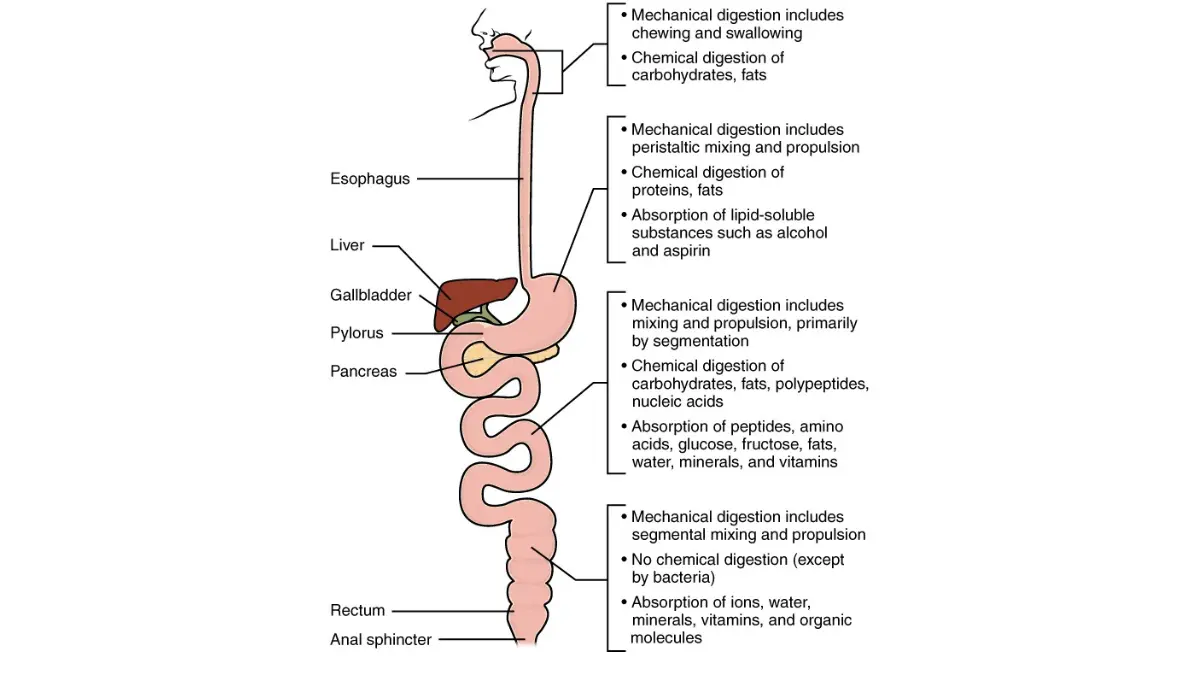
Establishing your baseline caloric needs is the critical first step. Use our BMR Calculator to calculate your personal resting metabolic rate, then use our clinical Protein Intake Calculator to determine your exact daily protein target based on your body weight.
💡 What This Means For You: At your very next oncology appointment, ask this exact question: “What is my specific protein and calorie target for my current treatment phase?” Most patients never ask. Those who do tolerate treatment better and recover faster.
The 12 Best Foods for Lung Cancer Patients (Evidence-Based, 2026)
The American Lung Association is clear on this: whole food sources — not supplements — are the correct vehicle for antioxidants during lung cancer treatment. High-dose antioxidant supplements can interfere with both radiation therapy and certain chemotherapy agents by blocking the oxidative mechanisms these treatments rely on to destroy cancer cells.
Here are the 12 best foods supported by current clinical evidence:
1. Fatty Fish (Salmon, Mackerel, Sardines)
Rich in long-chain omega-3 fatty acids (EPA and DHA), fatty fish are among the most potent anti-cachexia foods available. A 2022 review published in Life journal (NCBI) found that omega-3 fatty acids from food sources reduce the inflammatory cytokines — particularly IL-6 and TNF-alpha — that drive muscle breakdown in lung cancer patients.
Aim for: 2–3 servings weekly, baked or poached (avoid raw sushi during active treatment).
2. Leafy Greens (Spinach, Kale, Broccoli)
High in folate, vitamins C and K, and carotenoids. Folate is essential for red blood cell production — critically important when chemotherapy suppresses bone marrow function. Broccoli contains sulforaphane, a naturally occurring compound with documented anti-tumor and anti-inflammatory properties.
Best for: All treatment types and stages.
3. Berries (Blueberries, Raspberries, Strawberries)
Dense with anthocyanins and ellagic acid — polyphenols with anti-proliferative and anti-inflammatory properties in peer-reviewed cancer research. Berries are soft, easy to eat, and exceptionally well-tolerated even during mucositis (mouth sores), making them one of the most practical lung cancer diet foods.
4. Eggs and Lean Poultry (Chicken, Turkey)
Complete protein sources containing all nine essential amino acids. Leucine — found in high concentrations in eggs and poultry — is the key amino acid that triggers muscle protein synthesis and directly counteracts cachexia. Target 20–30g of protein per meal to maximize muscle preservation.
5. Legumes (Lentils, Chickpeas, Black Beans)
An excellent plant-based protein source, particularly important for vegetarian or reduced-meat diets during treatment. Legumes also provide prebiotic fiber that feeds beneficial gut bacteria — increasingly important for immunotherapy response rates, according to emerging 2024–2025 gut-oncology research.
6. Whole Grains (Oats, Quinoa, Brown Rice)
Unlike simple sugars, whole grains break down slowly, providing sustained energy without the blood sugar spikes and crashes that worsen chemotherapy-related fatigue. B vitamins in whole grains support nerve function and cellular energy metabolism — directly countering treatment-induced exhaustion.
7. Nuts and Seeds (Walnuts, Almonds, Flaxseeds)
Calorie-dense and nutrient-rich — the ideal lung cancer diet food for patients struggling to maintain weight. Walnuts deliver plant-based omega-3 fatty acids; flaxseeds provide lignans with anti-inflammatory activity. Add 2 tablespoons of almond butter to oatmeal or smoothies for an easy 190-calorie boost.
8. Turmeric and Ginger
Curcumin (the active compound in turmeric) has well-documented anti-inflammatory properties. Gingerol (in ginger) has proven clinical evidence for reducing chemotherapy-induced nausea — one of the most common and debilitating treatment side effects.
⚠️ Do not take curcumin or ginger in high-dose supplement form without oncologist approval — they can interact with blood-thinning medications commonly used alongside cancer treatment.
9. Avocado
One of the most calorie-dense whole foods available: approximately 230 calories per avocado with healthy monounsaturated fats, potassium, and folate. Critically, avocados are soft, mild-tasting, and easy to eat even during severe nausea — making them an invaluable lung cancer diet staple when appetite is minimal.
10. Greek Yogurt and Kefir
Greek yogurt delivers 15–20g of protein per serving alongside active probiotic cultures. Kefir — a fermented dairy drink — provides a diverse range of beneficial bacteria particularly important when antibiotics are prescribed alongside chemotherapy regimens.
11. Sweet Potatoes and Carrots
Rich in beta-carotene and Vitamin A, supporting immune function and maintaining tissue integrity during radiation. Critical safety note: While these vegetables are beneficial, high-dose beta-carotene supplements have been shown in clinical trials to significantly increase lung cancer risk in current and former smokers. Food sources are safe; supplements are not.
12. Green Tea
Contains EGCG (epigallocatechin gallate), a polyphenol with mild anti-inflammatory properties and some studied antitumor activity. Limit to 1–2 cups daily. Note: Green tea can interact with certain targeted therapy drugs — always confirm with your oncologist before regular consumption.
Track your weight weekly as you adjust your lung cancer diet. Use our BMI Calculator to monitor trends and identify early warning signs of weight loss before they become clinically significant.
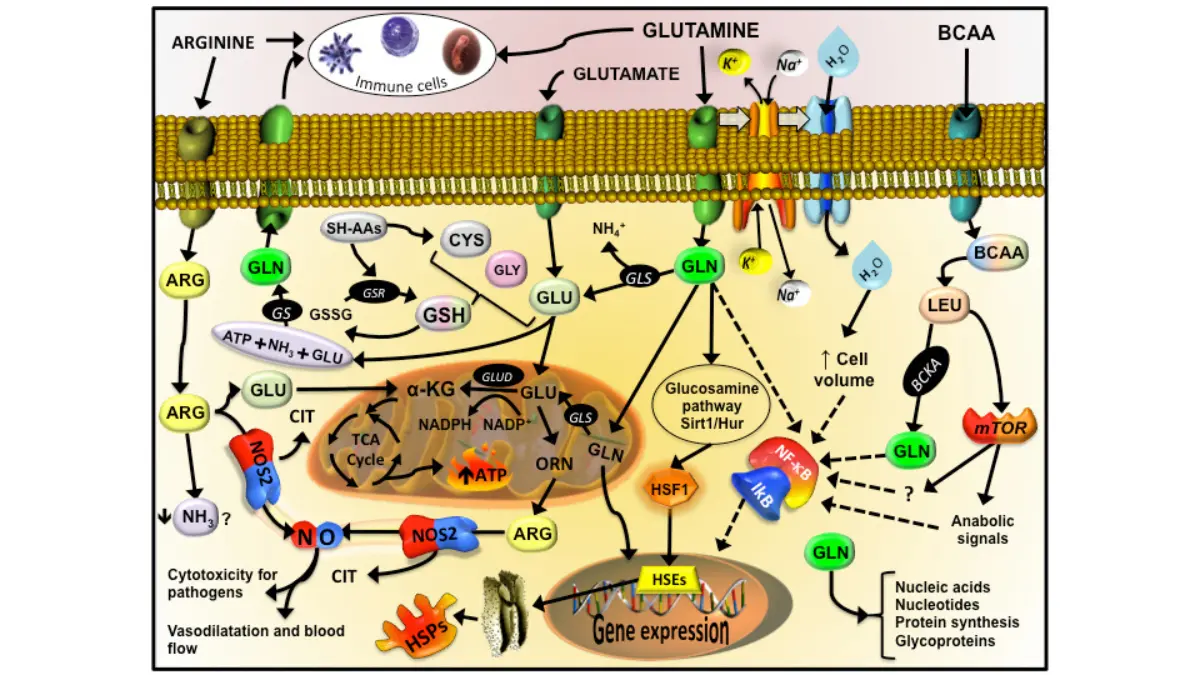
Best Lung Cancer Foods at a Glance
| Food | Key Benefit | Best Treatment Phase | Evidence Level |
|---|---|---|---|
| Fatty Fish | Omega-3, anti-cachexia | Chemotherapy, all stages | Strong ★★★★ |
| Leafy Greens | Antioxidants, folate | All phases | Strong ★★★★ |
| Berries | Anti-inflammatory polyphenols | All stages | Moderate ★★★ |
| Eggs/Lean Poultry | Complete protein, leucine | Muscle preservation (all) | Strong ★★★★ |
| Legumes | Plant protein + prebiotic fiber | Immunotherapy support | Moderate ★★★ |
| Whole Grains | B vitamins, sustained energy | Fatigue management | Moderate ★★★ |
| Nuts/Seeds | Calorie density | Weight maintenance | Moderate ★★★ |
| Avocado | Healthy fats, soft texture | High nausea phases | Moderate ★★★ |
| Greek Yogurt/Kefir | Protein + probiotics | Post-antibiotic, all phases | Moderate ★★★ |
| Sweet Potatoes | Beta-carotene, Vitamin A | Immune support | Moderate ★★★ |
Foods and Supplements to Avoid During Lung Cancer Treatment
Most lung cancer diet guides focus entirely on what to eat. Very few provide the clinically accurate, medically specific list of what to avoid — and the reasons behind each restriction. This section fills that gap completely.
Foods That Worsen Side Effects or Risk Outcomes
- Alcohol: Interacts directly with chemotherapy drugs, increases hepatotoxicity (liver toxicity), suppresses bone marrow recovery, and significantly impairs immune response. There is no safe consumption level during active treatment.
- Grapefruit and grapefruit juice: Contains furanocoumarins that inhibit the CYP3A4 liver enzyme responsible for metabolizing dozens of chemotherapy and targeted therapy drugs — potentially causing dangerous drug accumulation and toxicity in the bloodstream.
- Ultra-processed foods (packaged snacks, fast food, cured meats): Drive systemic inflammation through advanced glycation end-products (AGEs) and excess omega-6 fatty acids — directly counteracting the anti-inflammatory goals of your lung cancer diet.
- High-sugar foods and beverages: Cause rapid glycemic spikes and crashes that worsen treatment-related fatigue and may promote the tumor microenvironment through elevated insulin-like growth factor (IGF-1) signaling.
- Raw or undercooked meat, eggs, and shellfish: Chemotherapy-induced neutropenia (dangerously low white blood cell counts) makes patients highly susceptible to foodborne infections from Salmonella, Listeria, and E. coli. All animal products must be fully cooked during active treatment.
- Very hot foods and spicy foods: Worsen radiation-induced mucositis and esophageal inflammation, making eating even more painful and difficult.
⚠️ Critical Warning: High-Dose Antioxidant Supplements
According to the NCI’s Nutrition in Cancer Care (PDQ) guidelines, high-dose antioxidant supplements — including Vitamin E, Vitamin C, and beta-carotene — may significantly blunt the effectiveness of radiation therapy and certain chemotherapy drugs by interfering with the oxidative destruction of cancer cells these treatments depend upon.
| Food/Supplement to Avoid | Reason | Risk Level |
|---|---|---|
| Alcohol | Drug interaction, hepatotoxicity, immune suppression | ⛔ High |
| Grapefruit/juice | CYP3A4 inhibition — dangerous drug accumulation | ⛔ High |
| High-dose Vit E / Vit C / Beta-carotene supplements | May block chemo/radiation efficacy | ⛔ High |
| Raw or undercooked foods | Infection risk during neutropenia | ⛔ High |
| Ultra-processed/high-sugar foods | Systemic inflammation, fatigue worsening | ⚠️ Moderate |
| Very hot/spicy foods | Worsens mucositis and esophagitis | ⚠️ Moderate |
Always verify every supplement — including herbal products, probiotics, and over-the-counter vitamins — with your oncologist before taking them. What appears harmless can be genuinely dangerous in combination with your specific treatment protocol.
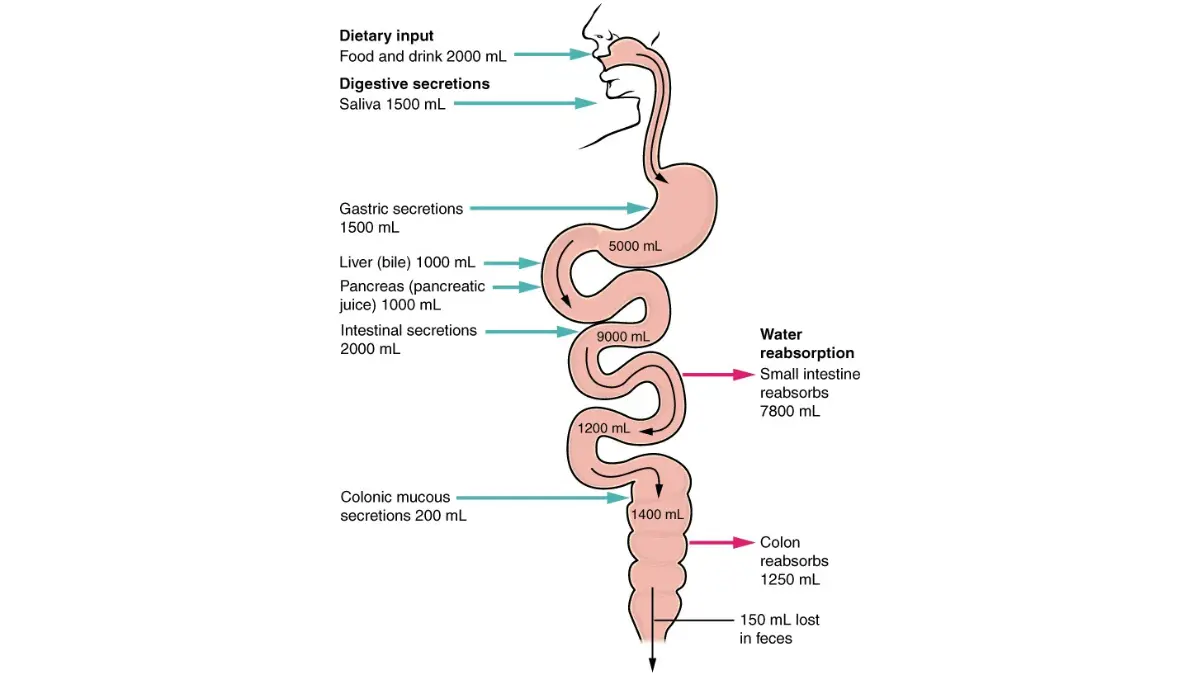
Managing Treatment Side Effects Through Diet
Side effects are the primary reason lung cancer patients abandon good nutrition during treatment. The answer is not to push through discomfort — it is to have a food-symptom action plan in place before side effects hit, not after.
To fully understand the side effect profiles of your specific treatment, read our detailed guides on chemotherapy for lung cancer, immunotherapy for lung cancer, and the full spectrum of lung cancer treatment options.
Side Effect → Lung Cancer Diet Solution Table
| Side Effect | Best Foods | Foods to Avoid | Clinical Pro Tip |
|---|---|---|---|
| Nausea | Ginger tea, plain crackers, cold foods, bananas | Fatty, fried, spicy, strong-smelling foods | Eat before nausea peaks (typically mid-morning); small meals every 2–3 hrs |
| Mouth Sores (Mucositis) | Soft foods, yogurt, cold smoothies, mashed potatoes | Hot, acidic (citrus), salty, crunchy foods | Rinse mouth with baking soda water before meals; use a straw |
| Fatigue | Protein snacks, oats, spinach, lentils, eggs | High-sugar foods (energy crash follows) | Eat highest-protein meal during morning energy window |
| Loss of Appetite | Small calorie-dense portions every 2–3 hrs | Diet/low-fat products, bulky low-calorie foods | Use a small plate; eat on a schedule — not by hunger |
| Diarrhea | Bananas, applesauce, white rice, toast (BRAT) | High-fiber, spicy, caffeinated foods | Replace electrolytes with coconut water or oral rehydration salts |
| Metallic Taste Changes | Cold or room-temp foods, lemon-marinated proteins | Strong metallic-tasting foods | Use plastic utensils; marinate meat in fruit juice |
| Unintended Weight Loss | Avocado, nuts, whole milk yogurt, fortified protein shakes | “Light” or diet versions of any food | Add nut butter and protein powder to every smoothie |
| Constipation | Prunes, flaxseed, warm liquids, oatmeal | Processed cheese, low-fiber snacks | Increase water first, then add fiber gradually |
The LUNGevity Foundation specifically notes that vegetarian and vegan patients during treatment face significantly elevated risk of inadequate calorie and protein intake — making early dietitian intervention especially critical for these populations.
Monitor your weight every week without fail. A loss of 5% or more body weight within one month is a clinical red flag requiring immediate nutritional intervention. Use our Weight Loss Calculator to track weight trends accurately, and our Water Intake Calculator to confirm you are meeting daily hydration targets — especially during episodes of diarrhea or fever.
💡 What This Means For You: Print this table. Keep it on your refrigerator. Bring it to your next oncology appointment and ask your nurse navigator: “Can we build a personalized side effect nutrition plan around this?” It is a question that can genuinely change how your team supports you.
7-Day Lung Cancer Diet Sample Meal Plan + 5 Expert Tips
No competitor article offers this. This 7-day lung cancer diet meal plan is built on oncology nutrition frameworks from the American Cancer Society and the NCI’s Nutrition During Cancer guidelines. It is designed to meet treatment-phase protein targets, provide anti-inflammatory antioxidants through food, and remain practical even when appetite and energy are severely reduced.
⚕️ Clinical Disclaimer: This plan is a general oncology nutrition framework. Your actual calorie, protein, and macronutrient targets depend on your body weight, treatment phase, side effect profile, and comorbidities. Always confirm with your oncologist or a Registered Dietitian Nutritionist (RDN) with oncology certification (CSO credential) before beginning.
7-Day Sample Lung Cancer Diet Plan
| Day | Breakfast | Lunch | Dinner | Snack |
|---|---|---|---|---|
| Day 1 | Oatmeal + blueberries + almond butter | Grilled salmon + quinoa + spinach salad + olive oil | Lentil soup + whole grain bread | Greek yogurt + walnuts |
| Day 2 | Scrambled eggs + avocado toast + orange slices | Chicken breast + sweet potato + steamed broccoli | Chickpea curry + brown rice | Banana + peanut butter |
| Day 3 | Protein smoothie (kale, banana, protein powder, almond milk, flaxseed) | Tuna salad + whole grain crackers + cucumber slices | Baked salmon + roasted carrots + quinoa | Mixed nuts + low-fat cheese |
| Day 4 | Greek yogurt parfait + granola + strawberries | Turkey wrap + hummus + bell pepper strips | Stir-fried tofu + mixed vegetables + brown rice | 2 hard-boiled eggs |
| Day 5 | Oatmeal + flaxseed + raspberries + honey | Lentil soup + leafy green salad + olive oil dressing | Grilled chicken + roasted sweet potato + steamed spinach | Avocado + whole grain crackers |
| Day 6 | Spinach and egg omelette + whole grain toast | Salmon grain bowl + edamame + brown rice | Black bean and vegetable stew + cornbread | High-protein shake + banana |
| Day 7 | Whole grain toast + peanut butter + banana slices | Chicken + broccoli quinoa bowl | Baked cod + roasted vegetables + lentils | Kefir (1 cup) + mixed berries |
Daily Targets Summary
| Target | General Guideline |
|---|---|
| Protein | 1.5–2.0 g/kg body weight (during chemo) |
| Calories | 25–35 kcal/kg body weight (higher end during active weight loss) |
| Hydration | 8–10 cups (2–2.5 liters) per day minimum |
| Meal Frequency | Every 2–3 hours regardless of appetite |
| Protein per Meal | 20–30g at each meal for optimal muscle synthesis |
Use our Calorie Deficit Calculator to ensure you are meeting — never falling below — your daily energy needs. For a complete macronutrient breakdown specific to your body weight and treatment activity level, our Free Macro Calculator will generate personalized protein, carbohydrate, and fat targets in under a minute.
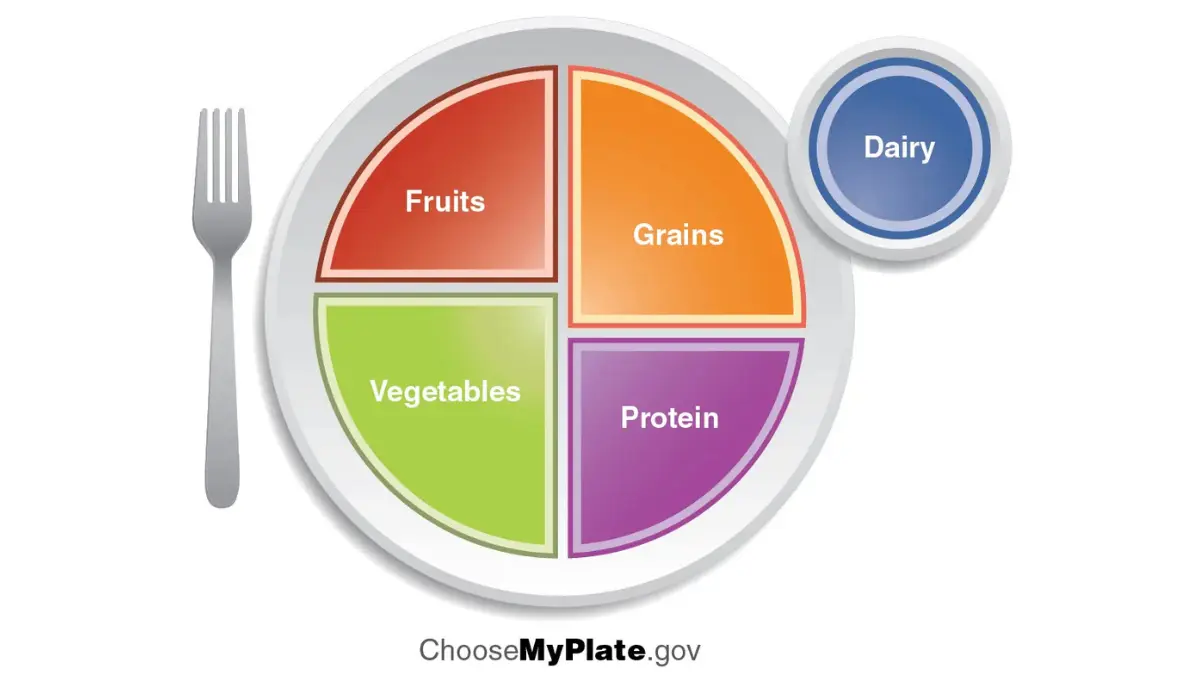
5 Expert-Backed Tips to Maximize Your Lung Cancer Diet
1. Eat every 2–3 hours — even without hunger. Cachexia accelerates when the body goes more than 4 hours without protein intake. Set phone alarms if necessary. This single behavioral change is one of the most clinically validated strategies for slowing muscle loss during active lung cancer treatment.
2. Hit 20–30g of protein at every single meal. Muscle protein synthesis is maximized at this threshold, confirmed across multiple oncology nutrition studies. Spreading protein across 4 meals is significantly more effective than consuming the same total amount in 1–2 large meals.
3. Never take high-dose supplements without explicit oncologist approval. This cannot be overstated. The American Institute for Cancer Research strongly recommends getting all antioxidants and nutrients through whole foods — not supplements — during active cancer treatment. Antioxidant megadosing can directly undermine your treatment efficacy.
4. Keep a food-symptom diary for the first 3 weeks of treatment. Note what you ate, when you ate it, and how you felt 1–2 hours afterward. Most patients identify 2–3 personal trigger foods causing their worst side effects — often foods they are eating specifically in an attempt to stay healthy. Identifying these early can dramatically improve quality of life.
5. Request a registered oncology dietitian referral at your very first oncology appointment — not after malnutrition begins. Early nutritional support is consistently associated with better treatment outcomes and fewer hospitalizations, as confirmed by the Academy of Nutrition and Dietetics. Ask for an RDN with a CSO (Certified Specialist in Oncology Nutrition) credential. Most NCI-designated cancer centers have one embedded in the care team.
Frequently Asked Questions: Lung Cancer Diet
1. What is the best diet for lung cancer patients?
The best lung cancer diet is a high-protein, anti-inflammatory eating pattern emphasizing lean protein, antioxidant-rich vegetables, whole grains, and healthy fats — closely resembling a modified Mediterranean diet adapted for treatment side effects and treatment-phase protein demands.
2. What foods should lung cancer patients avoid?
Avoid alcohol, grapefruit juice, raw or undercooked foods, ultra-processed snacks, high-sugar beverages, very hot or spicy foods, and — most critically — high-dose antioxidant supplements (Vitamin E, C, beta-carotene) without explicit oncologist clearance.
3. Can diet help fight lung cancer?
Diet does not cure lung cancer. However, strong and growing clinical evidence confirms that targeted nutrition during treatment significantly improves treatment tolerance, slows cachexia progression, reduces hospitalization risk, supports immune function, and improves quality of life — all of which influence overall outcomes.
4. How much protein does a lung cancer patient need per day?
During chemotherapy: 1.5–2.0g per kilogram of body weight daily. During post-treatment recovery: 1.0–1.2g/kg/day. For a 70kg (154 lb) patient, this means 105–140g of protein daily during active chemo — roughly triple the standard adult recommendation.
5. What can I eat when I have no appetite during chemotherapy?
Eat calorie-dense foods in small, frequent portions every 2–3 hours: avocado, nut butters, full-fat Greek yogurt, protein smoothies, and fortified soups. Eat on a fixed schedule — chemotherapy-induced appetite suppression is neurochemical, not stomach-based, so hunger signals cannot be relied upon.
6. Is the Mediterranean diet good for lung cancer patients?
Yes, with targeted modifications. The Mediterranean diet — rich in fatty fish, olive oil, legumes, vegetables, and whole grains — aligns closely with anti-inflammatory oncology nutrition guidelines and has been linked to lower cancer mortality rates in research reviews. Individual modifications for side effects and weight maintenance are needed.
7. Can antioxidant supplements interfere with lung cancer treatment?
Yes — this is a clinically documented risk. High-dose Vitamin E, Vitamin C, and beta-carotene supplements can blunt the oxidative mechanism that both chemotherapy and radiation therapy use to destroy cancer cells. Food-sourced antioxidants are safe; megadose supplements during treatment are not.
8. What foods help with nausea during lung cancer treatment?
Ginger tea, plain crackers, bananas, and cold or room-temperature foods are best. Eat before nausea typically peaks (often mid-morning for many patients), avoid strong-smelling foods, and never eat a large meal right before treatment appointments.
9. What is cachexia in lung cancer?
Cachexia is a metabolic syndrome causing progressive, involuntary loss of muscle and fat driven by inflammatory cytokines produced by the tumor — not simply from eating less. It affects up to 60% of advanced lung cancer patients, severely reduces treatment tolerance, and is associated with significantly reduced survival. Early nutritional intervention starting at diagnosis is the primary management approach.
10. Should lung cancer patients drink green tea?
1–2 cups of green tea daily is generally well-tolerated and provides EGCG polyphenols with mild anti-inflammatory and studied antitumor properties. However, green tea can interact with specific targeted therapy drugs. Always confirm with your oncologist before making it a regular habit.
11. When should I see a dietitian for lung cancer nutrition support?
At your very first oncology appointment — before malnutrition develops, not after. Ask specifically for a Registered Dietitian Nutritionist with oncology certification (CSO credential). Research consistently shows that patients who receive early dietitian support experience fewer treatment delays, better weight maintenance, and improved quality of life throughout treatment.
📋 Medical Disclaimer: This article is for educational and informational purposes only. It does not constitute medical advice, diagnosis, or treatment. Individual nutritional needs during lung cancer treatment vary significantly based on cancer stage, treatment type, body composition, comorbidities, and medication interactions. Always consult your oncologist, pulmonologist, or a registered oncology dietitian before making dietary changes during cancer treatment.
🔗 Continue Reading:
- Lung Cancer Treatment Options: Complete 2026 Guide
- Chemotherapy for Lung Cancer: What to Expect
- Immunotherapy for Lung Cancer: How It Works
About this content
How this article was put together: researched from recognised health sources, drafted with the help of AI tools, and edited by hand, with sources linked throughout.

Sameer Patel is the founder and editor of My Medicine Advisor. He is not a doctor or medical professional — before starting this site he worked in banking,…
Medical disclaimer
The content on MyMedicineAdvisor is provided for general informational and educational purposes only and is not a substitute for professional medical advice, diagnosis, or treatment. Health information on this website should not be used to diagnose, treat, cure, or prevent any condition without guidance from a qualified healthcare professional. Always seek the advice of your doctor, physician, or another licensed healthcare provider with any questions you may have regarding a medical condition, symptoms, medications, or treatment decisions.