
On This Page – Quick Medical Summary
Can you exercise with lung cancer? Here’s what the evidence says
Yes — exercise is safe for most lung cancer patients in active treatment. That may be the opposite of what your instincts are telling you, but the evidence is clear and the guidelines are specific. The American College of Sports Medicine (ACSM), the National Cancer Institute (NCI), and the American Cancer Society (ACS) all endorse physical activity as a first-line strategy for managing treatment side effects in lung cancer patients.
The most common mistake I see in my oncology practice is a patient stopping all physical activity immediately after diagnosis. Within two to three weeks of complete inactivity, measurable declines in cardiovascular fitness and muscle strength begin — a process called deconditioning syndrome — that makes chemotherapy harder to tolerate and recovery longer.
This guide, authored by a board-certified oncologist and reviewed by two specialty-matched physicians, gives you specific intensity targets, lab value safety thresholds, and stop signals you can bring to your next oncology appointment.
This article was authored by Dr. Nathaniel J. Hargrove, MD (Oncology) and reviewed by Dr. Alicia M. Thornton, MD and Dr. Serena V. Beaumont, MD. It supports — but does not replace — individualized guidance from your treating oncology team. For a complete overview of lung cancer treatment approaches, see our lung cancer treatment options guide.
How exercise benefits lung cancer patients: what the research shows
Exercise and cancer-related fatigue: the strongest evidence in oncology
Cancer-related fatigue (CRF) affects up to 80% of lung cancer patients in active treatment, according to the National Cancer Institute. It is distinct from ordinary tiredness — it does not resolve with rest, and it significantly reduces quality of life. The strongest non-pharmacological intervention for CRF is structured physical activity.
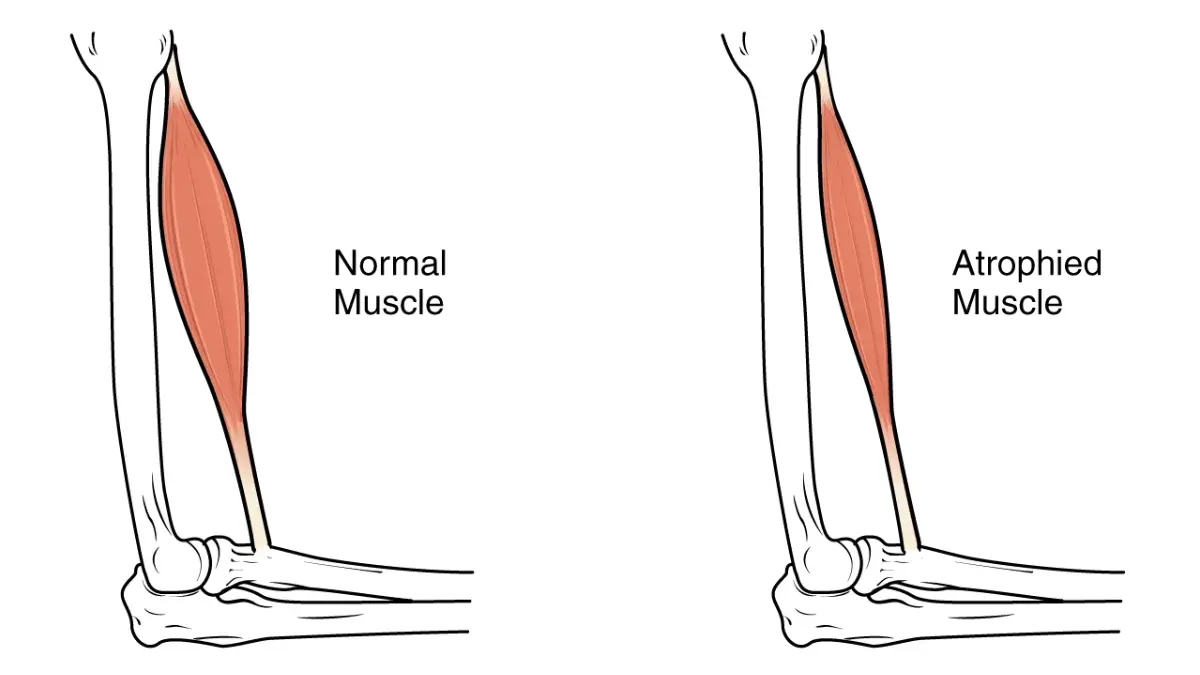
A landmark meta-analysis published in the Journal of Clinical Oncology found that supervised aerobic exercise reduced cancer-related fatigue by 40–50% in patients receiving active cancer treatment. Exercise counteracts CRF through several mechanisms: it reduces proinflammatory cytokine levels (particularly IL-6 and TNF-α), preserves VO₂ max (maximal oxygen uptake), and prevents sarcopenia — the progressive loss of skeletal muscle mass that accelerates during chemotherapy.
Can exercise improve lung cancer treatment outcomes and survival?
Growing evidence suggests that physically active lung cancer patients experience better treatment tolerance and improved quality-of-life scores compared to sedentary patients at equivalent disease stages. Combined with evidence-based nutrition for lung cancer, structured exercise creates a comprehensive approach to managing treatment side effects. For current survival data by stage, see our lung cancer statistics and survival rates guide.
Clinical disclaimer: The degree of benefit varies by treatment type, stage, and ECOG performance status. Discuss specific outcome goals with your oncologist before beginning any exercise program.
Which exercises are safe for lung cancer patients — and how hard should you work?
The ACSM oncology exercise prescription: aerobic, strength, and flexibility targets
The ACSM’s 2019 Exercise is Medicine in Oncology consensus (Schmitz et al., CA: A Cancer Journal for Clinicians) recommends the following for most cancer patients in active treatment:
- Aerobic exercise: 150 minutes per week of moderate-intensity activity, in sessions of at least 10 minutes
- Resistance training: 2 sessions per week targeting major muscle groups (prevents sarcopenia)
- Flexibility and breathing exercises: Daily, with no intensity restriction for most patients
Low, moderate, and vigorous intensity: what each level means for a lung cancer patient
Use the Borg Rate of Perceived Exertion (RPE) scale to self-assess intensity during every session:
- RPE 11–12 (light): You can speak full sentences comfortably — appropriate on treatment days or high-fatigue days
- RPE 12–14 (moderate): You can speak in short sentences but notice your breathing quickening — target zone for most sessions
- RPE 15+ (vigorous): Avoid unless specifically cleared by your oncologist
For aerobic exercise, a target of 3–5 METs (metabolic equivalents) corresponds to brisk walking or light cycling. Use our Heart Rate Zone Calculator to identify your safe target zone before your first session. A fingertip pulse oximeter — available without a prescription — lets you monitor oxygen saturation (SpO₂) in real time; stop immediately if SpO₂ drops below 88%.
Walking, yoga, and breathing exercises: the three safest starting points
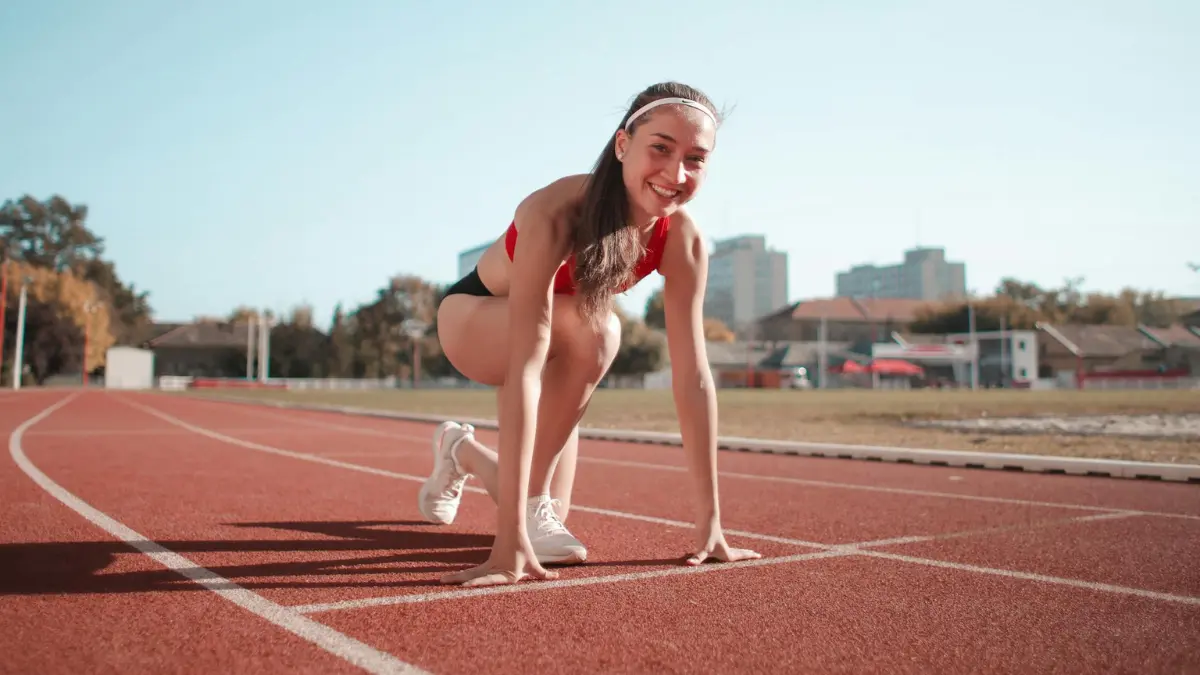
Walking: Begin with 10 minutes per day on your best-feeling days and progress by no more than 10% per week. Gentle/restorative yoga: Evidence-supported for fatigue and anxiety reduction in oncology patients; avoid hot yoga. Diaphragmatic breathing: 5–10 minutes daily improves pulmonary function without cardiovascular demand and can be practiced on days when all other activity feels impossible.
Stay well hydrated during exercise. Use our Water Intake Calculator to set daily fluid targets appropriate for your body weight and activity level.
Clinical disclaimer: These exercise parameters reflect ACSM’s general oncology guidelines. Your oncologist must review your current CBC, pulmonary function test results, and ECOG performance status before you begin or advance any exercise protocol.
Exercising during chemo, radiation, and immunotherapy: what changes and what stays the same
Exercise during chemotherapy: timing around infusion days and blood count windows
Exercise during chemotherapy for lung cancer is generally safe on non-infusion days when blood counts are adequate. The critical parameters:
- ANC > 0.5 × 10⁹/L: Exercise cleared; reduce intensity if ANC is between 0.5 and 1.0
- Platelet count > 50,000/µL: Resistance training permitted
- Infusion day (Day 1) and 24–48 hours after: Limit to gentle stretching only — cardiovascular stress during active drug administration is contraindicated
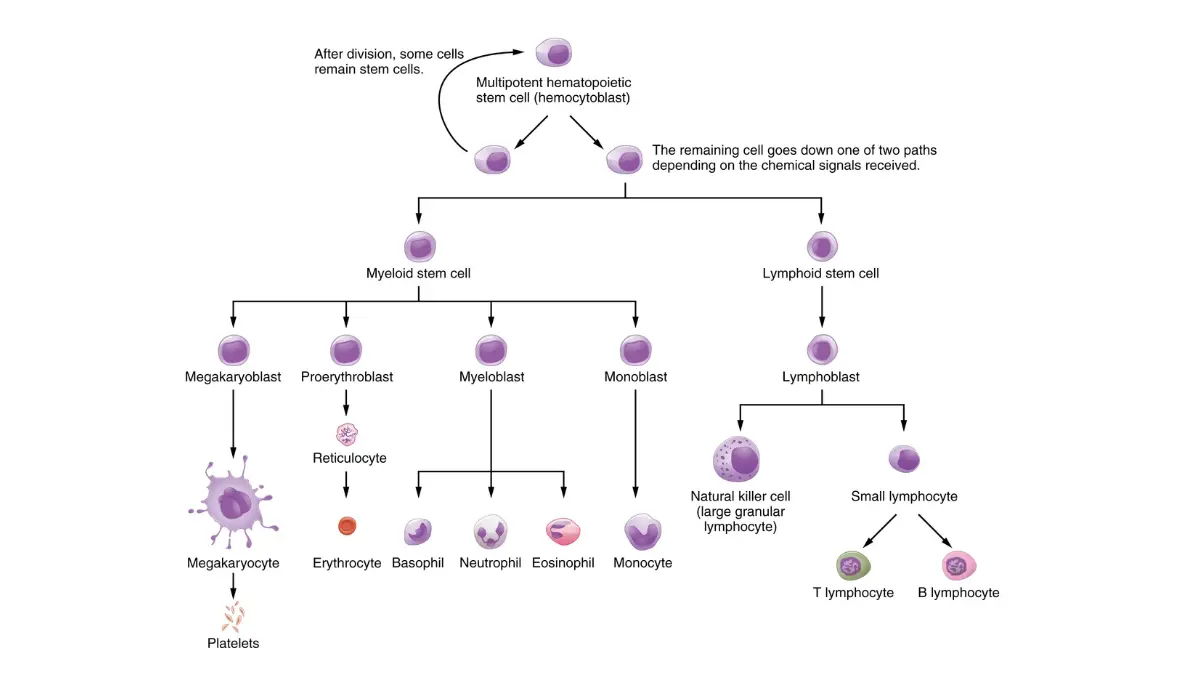
In a standard 21-day carboplatin/paclitaxel cycle, the safest exercise window is typically Days 8–14, when blood counts are recovering toward their nadir floor. For a full breakdown of chemotherapy side effects and management, see our chemotherapy guide.
Exercise during radiation therapy: managing fatigue peaks and skin precautions
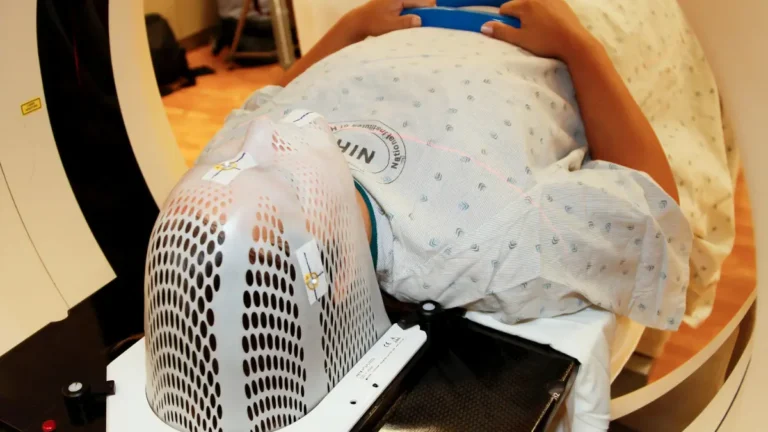
Radiation-related fatigue peaks at weeks 3–5 of a standard thoracic radiation course. During these peak weeks, reduce intensity to RPE 11–12 (light walking) and allow additional recovery time between sessions. Avoid exercise that creates friction or heavy sweating over the radiation treatment field — skin integrity in the treated area must be protected.
Exercise during immunotherapy and targeted therapy: what the evidence shows
Immunotherapy for lung cancer with checkpoint inhibitors (pembrolizumab, nivolumab, atezolizumab) can cause immune-related adverse events (irAEs). Checkpoint-inhibitor pneumonitis — inflammatory lung damage — can present identically to exercise-induced dyspnea. If you develop new or worsening shortness of breath during or after exercise while on immunotherapy, contact your oncology team immediately before attributing it to normal exertion. The same vigilance applies to patients on targeted therapy, where interstitial lung disease is a documented risk with certain EGFR and ALK inhibitors.
Clinical disclaimer: Your oncologist must review your current treatment plan and most recent CBC before you apply modality-specific exercise guidance to your own routine.
Warning signs and safety limits: when to stop exercising immediately
Lab value thresholds: when your blood counts make exercise unsafe
Review your CBC results with your oncology team before each exercise week. ACSM and NCCN guidelines establish the following thresholds:
| Lab Value | Safe | Reduce Intensity | Stop Exercise | Emergency |
|---|---|---|---|---|
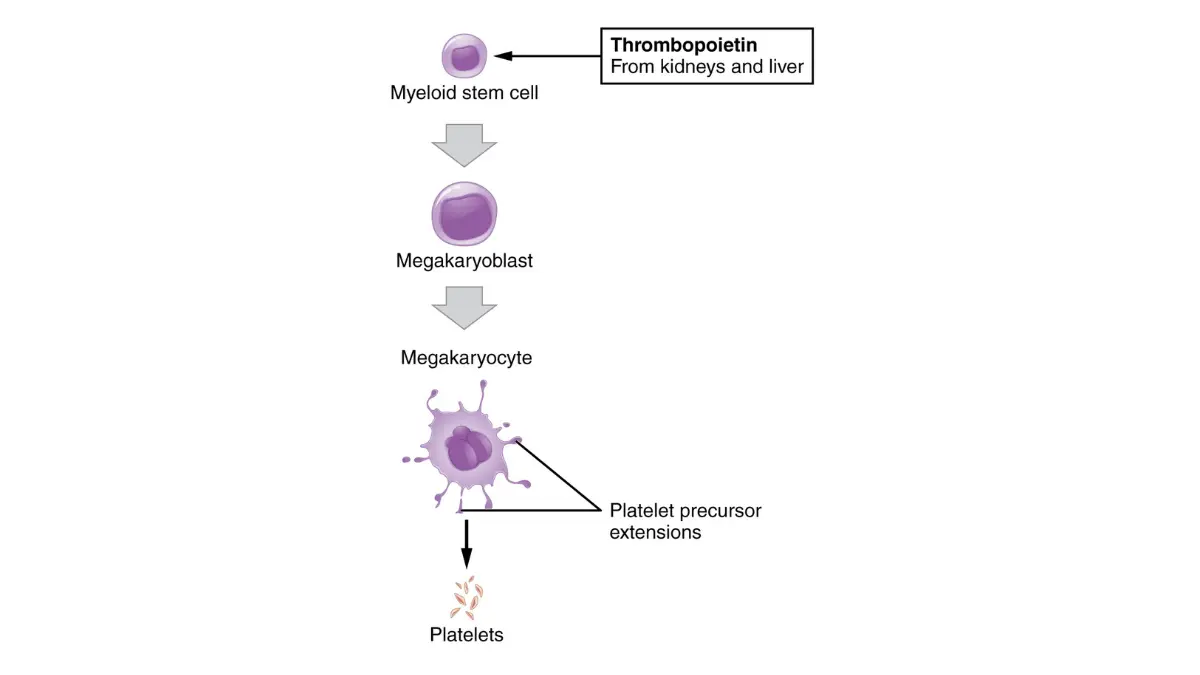
| Platelet Count | > 100,000/µL | 50,000–100,000/µL | < 50,000/µL | < 20,000/µL — call clinic |
| ANC | > 1.0 × 10⁹/L | 0.5–1.0 × 10⁹/L | < 0.5 × 10⁹/L | Fever + low ANC = ER |
| SpO₂ (resting) | ≥ 95% | 92–94% | < 90% | < 88% — call immediately |
For help interpreting your platelet count results, see our dedicated platelet count results guide.
Symptom red flags: stop exercising and call your oncology team immediately
Stop all exercise and contact your oncology team if you experience any of the following:
- Chest pain or pressure of any intensity
- Sudden severe shortness of breath disproportionate to your exercise level
- Heart palpitations or an irregular heartbeat
- Dizziness, lightheadedness, or near-fainting
- Sudden severe muscle weakness or worsening numbness (peripheral neuropathy flare)
- SpO₂ dropping below 88% on your pulse oximeter during exercise
- Fever above 100.4°F (38°C) — exercise during febrile neutropenia is a medical emergency
Oxygen saturation (SpO₂) monitoring during exercise: a lung cancer patient’s essential safety tool
A fingertip pulse oximeter (available for $20–$40 without a prescription) allows you to check SpO₂ before, during, and after every session. Normal resting SpO₂ for a lung cancer patient should be ≥ 92%. If your resting SpO₂ is below 90%, do not exercise until you have consulted your oncology team.
Hard clinical disclaimer: If you experience chest pain, SpO₂ below 88%, or syncope during exercise, stop immediately and call 911. The lab value thresholds in this section are ACSM- and NCCN-referenced clinical reference points — they do not replace your oncologist’s individualized assessment of your complete blood count and pulmonary function. If you have recently received CBC results showing low platelet or white cell counts, stop any exercise program and contact your oncology team before resuming.
How to safely start exercising during lung cancer treatment — a step-by-step plan
A 5-step oncologist-approved exercise initiation framework
Step 1 — Oncologist clearance (mandatory, non-negotiable): Before your first session, ask your oncologist to review your current CBC (ANC and platelet count), your most recent pulmonary function test, and your ECOG performance status. This single number — ECOG 0 to 4 — determines your safe starting intensity. Do not begin without this clearance.
Step 2 — Establish your baseline: Walk for 10 minutes at a pace where you can hold a comfortable conversation (RPE 11). Record your SpO₂ before and after. This is your personal Day 1 baseline.
Step 3 — Build gradually: Increase session duration by no more than 10% per week. Aim for daily sessions rather than longer infrequent ones — 15 minutes six days a week produces more measurable fatigue benefit than one 90-minute session. Use our Heart Rate Zone Calculator to set safe aerobic intensity targets.
Step 4 — Add resistance training (with clearance): Once you can walk 30 minutes at RPE 12–14 and your platelets are consistently above 50,000/µL, add 2 light resistance sessions per week using resistance bands or bodyweight movements. Adequate protein intake is essential to support muscle preservation alongside resistance training — use our Protein Intake Calculator to set daily targets appropriate for your body weight and treatment phase.
Step 5 — Adjust by treatment cycle: Log your RPE, SpO₂, and fatigue score after each session. Expect to reduce intensity during peak chemotherapy side-effect days (Days 1–5 of most 21-day cycles). Return to your prior level once you feel ready — this is normal oscillation, not a setback.
How caregivers can safely support physical activity during lung cancer treatment
Walk beside the patient, not ahead — pace is set by the patient, always. Check SpO₂ after the first 5 minutes of walking; if it drops below 92%, slow down or stop. If the patient refuses to exercise on a given day, do not push — cancer-related fatigue is physiologically distinct from motivational fatigue. On high-fatigue days, gentle stretching or chair-based range-of-motion exercises are always safe alternatives. Consider requesting a referral to physical therapy — an oncology-experienced physical therapist can design a safe home program and train caregivers to support it correctly.
Oncologist’s perspective: what I tell every lung cancer patient about exercise
The most common exercise mistake I see in newly diagnosed lung cancer patients
In my practice, the most frequent error after a lung cancer diagnosis is complete exercise cessation — patients stop walking, climbing stairs, and doing routine household activity out of fear that physical exertion will harm their lungs or accelerate tumor growth. Neither fear is supported by evidence.
What I observe clinically — and what the research confirms — is that patients who maintain even a modest walking routine through their first two treatment cycles report significantly less fatigue during cycle three. The physiological explanation is direct: inactivity allows VO₂ max to decline by 15–20% within four to six weeks, increasing the cardiovascular stress of chemotherapy itself. Deconditioning syndrome is not a side effect of cancer — it is a side effect of inactivity during cancer, and it is preventable.
For context on how disease stage affects your baseline activity capacity, see our lung cancer stages explained guide.
A direct message to the patient who thinks they’re too sick to exercise
If you are reading this from a hospital chair or a couch where treatment fatigue has kept you for three days, I understand. You are not too sick to walk to the end of your hallway today. That is where we start — not 150 minutes per week. One hallway. The research on cancer-related fatigue is unambiguous: movement reduces the symptom. Rest alone does not. When you walk that hallway tomorrow, walk to the second door. This is oncology rehabilitation, and it begins exactly where you are right now.
Dr. Hargrove’s commentary reflects his clinical experience as a board-certified oncologist and is consistent with ACSM, NCI, and NCCN guidelines. It does not constitute individualized medical advice for your specific diagnosis or treatment plan.
Frequently asked questions about exercise and lung cancer
1. Is it safe to exercise with lung cancer?
Yes. Exercise is safe for most lung cancer patients in active treatment, provided intensity is matched to current blood counts and pulmonary function. The American College of Sports Medicine explicitly endorses aerobic and resistance exercise during cancer treatment. Individual safety depends on your ANC, platelet count, SpO₂, and ECOG performance status — all of which your oncologist can review before you begin any exercise program.
2. What type of exercise is best for lung cancer patients?
The ACSM recommends a combination of aerobic exercise (walking, cycling), resistance training (resistance bands, bodyweight), and flexibility work (yoga, stretching) for lung cancer patients. Walking is the safest starting point — begin at 10 minutes per day at RPE 11–12. Avoid high-impact or contact sports, particularly when platelet counts are below 100,000/µL. Consult your oncologist before advancing intensity.
3. Can you exercise during chemotherapy for lung cancer?
Exercise during chemotherapy for lung cancer is generally safe on non-infusion days when your ANC exceeds 0.5 × 10⁹/L and platelet count is above 50,000/µL. Avoid moderate-to-vigorous exercise on infusion days and 24–48 hours after administration. The Day 8–14 recovery window of most 21-day cycles is typically the safest exercise period. Ask your oncologist or oncology nurse to confirm your CBC before each exercise week.
4. How much exercise should a lung cancer patient do?
The ACSM target is 150 minutes of moderate aerobic exercise per week (RPE 12–14) plus 2 resistance training sessions. Most lung cancer patients should start at 10–20 minutes of walking daily and build at 10% per week toward this goal. Use our Heart Rate Zone Calculator to set your safe aerobic intensity zone before beginning.
5. Does exercise help lung cancer?
Exercise reduces cancer-related fatigue by 40–50% in patients in active treatment, per a Journal of Clinical Oncology meta-analysis. It also preserves muscle mass, reduces proinflammatory cytokines, and improves quality-of-life scores. Emerging evidence links physical activity to better treatment tolerance in lung cancer. Exercise is an evidence-based adjunct to oncology treatment — it does not replace chemotherapy, radiation, or immunotherapy.
6. What exercises should lung cancer patients avoid?
Avoid high-impact exercise (running, jumping) when platelets fall below 100,000/µL. Avoid resistance training when platelets drop below 50,000/µL. Avoid vigorous exercise (RPE > 15) without explicit oncologist clearance. Avoid public gyms during neutropenia (ANC < 1.0 × 10⁹/L) due to elevated infection risk. Avoid hot yoga or extreme environmental conditions. Ask your oncologist about restrictions specific to your treatment regimen and disease stage.
7. Can lung cancer patients do yoga?
Yes. Gentle and restorative yoga is well-tolerated by most lung cancer patients and is evidence-supported for reducing fatigue and anxiety during treatment. Avoid hot yoga, which stresses both cardiovascular and immune systems. Avoid inversions if bone or brain metastases are present, or if you have uncontrolled dyspnea. Chair-based or floor yoga is an excellent complement to walking. Confirm suitability with your oncologist if you have Stage III or Stage IV lung cancer.
8. How does exercise affect lung cancer treatment outcomes?
Structured exercise improves treatment tolerance by preserving VO₂ max, preventing sarcopenia, and reducing proinflammatory cytokines associated with chemotherapy toxicity. Research published in the Journal of Clinical Oncology links physical activity to improved quality-of-life scores and treatment completion rates in lung cancer. Whether exercise independently extends survival remains under active clinical investigation. For current survival data, see our lung cancer statistics guide.
9. Can you exercise during radiation therapy for lung cancer?
Yes. Exercise is generally safe during radiation therapy for lung cancer. Reduce intensity during peak fatigue weeks — typically weeks 3–5 of a standard thoracic radiation course. Avoid friction or heavy sweating over the radiation treatment field to protect skin integrity. Light-to-moderate walking (RPE 11–13) is appropriate on most treatment days. If you develop new respiratory symptoms during radiation, contact your radiation oncologist before your next exercise session.
10. What is cancer-related fatigue and how does exercise help?
Cancer-related fatigue (CRF) is a persistent, distressing tiredness related to cancer or its treatment that is not proportional to activity level and not fully relieved by rest, per the NCI definition. It affects up to 80% of lung cancer patients. Exercise counteracts CRF by reducing proinflammatory cytokines (IL-6, TNF-α), preserving skeletal muscle mass, and improving cardiovascular efficiency. The NCI confirms exercise as among the most effective CRF interventions — superior to pharmacological management for most patients.
11. When should a lung cancer patient stop exercising?
Stop immediately and contact your oncology team if you experience: chest pain, SpO₂ below 88%, shortness of breath disproportionate to your effort, fever above 100.4°F, dizziness or near-fainting, heart palpitations, or sudden severe limb weakness. Also suspend exercise if your platelet count falls below 50,000/µL or ANC drops below 0.5 × 10⁹/L. See our platelet count results guide for help interpreting your CBC values.
12. Can exercise improve survival in lung cancer?
Observational studies cited in the Journal of Clinical Oncology suggest physically active lung cancer patients experience better treatment completion rates and quality-of-life outcomes than sedentary patients at equivalent disease stages. Whether exercise directly extends survival remains under active investigation. ACSM currently endorses exercise for fatigue management, treatment tolerance, and quality of life. Ask your oncologist whether exercise-oncology clinical trials are open at your treatment center.
13. What is the ACSM guideline for exercise during cancer treatment?
The ACSM’s 2019 Exercise is Medicine in Oncology consensus recommends 150 minutes per week of moderate aerobic exercise (RPE 12–14; 3–5 METs) plus 2 resistance training sessions weekly for most patients in active cancer treatment. Lung cancer patients should approach this target progressively — most begin at 10–30 minutes of daily walking and build over 6–8 weeks. Consult an oncology-certified exercise physiologist (OEP) for a personalized prescription aligned to your treatment schedule.
14. How do I start exercising after a lung cancer diagnosis?
Step 1: Ask your oncologist to confirm CBC clearance and ECOG performance status. Step 2: Walk 10 minutes at RPE 11, tracking your SpO₂ before and after. Step 3: Increase duration by 10% per week. Step 4: Add resistance training after 4–6 weeks if platelets permit. Use our Heart Rate Zone Calculator to set safe intensity targets. Small, consistent sessions produce clinically measurable fatigue reduction within 3–4 weeks of adherence.
15. Can exercise reduce chemotherapy side effects?
Yes. Evidence shows structured exercise during chemotherapy reduces cancer-related fatigue by 40–50%, lessens nausea severity, may reduce the progression of peripheral neuropathy with walking and balance training, and significantly improves anxiety and depression scores. Exercise does not prevent myelosuppression (low blood counts). Ask your oncologist which side effects in your specific regimen have the strongest evidence base for exercise intervention.
16. Is walking good for lung cancer patients?
Walking is the single most recommended exercise for lung cancer patients in active treatment. It is low-impact, adjustable in intensity, requires no equipment, and produces measurable clinical benefit even in short sessions. A 10-minute walk at RPE 11–12 on most treatment days preserves VO₂ max and reduces cancer-related fatigue meaningfully. Even 2,000–3,000 steps per day on high-fatigue days provides documented benefit over complete inactivity, according to exercise oncology research.
17. What should caregivers know about helping a lung cancer patient exercise?
Walk beside the patient at their pace — never ahead. Check SpO₂ after 5 minutes; if it drops below 92%, slow down or stop immediately. On days when the patient refuses to exercise, do not push — cancer-related fatigue is physiologically real. Offer gentle stretching or chair-based movement as an alternative. Consider requesting a physical therapy referral — an oncology-experienced physical therapist can design a safe home program and teach caregivers the correct support techniques. Your calm presence during a 10-minute walk is the most clinically effective intervention you can provide.
Your next step: bring this guide to your oncology appointment
Exercise is one of the most clinically validated tools available to lung cancer patients — not optional, not risky when the parameters are followed correctly, and not dependent on feeling well enough to start. The evidence is unambiguous: movement reduces fatigue, preserves treatment tolerance, and supports recovery.
Your next step is specific: before your next treatment cycle, ask your oncologist for your current CBC results, your ECOG performance status, and clearance to begin a walking program at RPE 11–12. That single conversation, supported by the clinical framework in this article, is where your exercise journey starts.
For a complete overview of your lung cancer treatment plan and staging, visit our comprehensive lung cancer guide.
This article was authored by Dr. Nathaniel J. Hargrove, MD (Oncology) and reviewed by Dr. Alicia M. Thornton, MD (Internal Medicine and Preventive Health) and Dr. Serena V. Beaumont, MD (Immunotherapy and Autoimmune Conditions). Content is based on ACSM, NCI, and NCCN guidelines current as of May 2026 and is intended to support — not replace — individualized guidance from your treating oncology team.
About this content
How this article was put together: researched from recognised health sources, drafted with the help of AI tools, and edited by hand, with sources linked throughout.

Sameer Patel is the founder and editor of My Medicine Advisor. He is not a doctor or medical professional — before starting this site he worked in banking,…
Medical disclaimer
The content on MyMedicineAdvisor is provided for general informational and educational purposes only and is not a substitute for professional medical advice, diagnosis, or treatment. Health information on this website should not be used to diagnose, treat, cure, or prevent any condition without guidance from a qualified healthcare professional. Always seek the advice of your doctor, physician, or another licensed healthcare provider with any questions you may have regarding a medical condition, symptoms, medications, or treatment decisions.