
On This Page – Quick Medical Summary
What is palliative care — and does it mean giving up?
If your oncologist mentioned palliative care at your last appointment, your first thought may have been: does this mean they have given up on treating my cancer?
It does not.
Why your oncologist may have brought up palliative care now
Palliative care is specialized medical support designed to relieve pain, breathlessness, fatigue, nausea, and emotional distress — and it can begin the same day as your first chemotherapy infusion.
How this guide is organized for patients and caregivers
This article follows your clinical questions in order: from what palliative care is and who delivers it, to how it differs from hospice, to the specific symptoms it treats and what the 2026 evidence shows about survival, to a practical guide for caregivers managing this process at home.
ℹ️ Medical Disclaimer: The diagnostic criteria, treatment options, medication protocols (including opioid management), insurance and Medicare coverage information, and palliative care recommendations discussed in this article reflect current clinical guidelines and are provided for educational purposes only. Individual diagnostic conclusions, treatment decisions, opioid dosing protocols, advance care planning choices, and Medicare coverage determinations depend on factors including cancer stage, patient history, comorbidities, laboratory results, and specialist assessment. Consult a board-certified oncologist or palliative care physician before acting on any clinical information in this article.
What does a palliative care team actually do for lung cancer patients?
Palliative care for lung cancer is a specialized layer of medical support — provided by a multidisciplinary team that begins at diagnosis and runs concurrently with chemotherapy, immunotherapy, or radiation therapy to systematically relieve pain, breathlessness, fatigue, nausea, and emotional distress.
This is not supplementary care. Per 2026 NCCN palliative care guidelines, concurrent palliative enrollment is the clinical standard for all patients with advanced non-small cell lung cancer — not a last resort reserved for end of life. For a comprehensive overview of how palliative care fits within your broader treatment plan, see our guide to lung cancer treatment options.
📊 Clinical Data Point: 2026 NCCN Palliative Care Guidelines recommend that concurrent palliative care begin at the time of diagnosis for all patients with advanced NSCLC — independent of treatment intent. Source: NCCN, 2026.
Who is on a palliative care team for lung cancer?
A complete palliative care team includes six core specialists:
- Palliative care physician — supervises all symptom management protocols and coordinates directly with your oncologist
- Palliative oncology nurse or nurse practitioner — daily symptom monitoring and medication titration support between appointments
- Clinical social worker — leads advance care planning, insurance navigation, and family communication
- Chaplain or spiritual care counselor — addresses existential distress and emotional support needs
- Registered dietitian — manages cancer cachexia, treatment-related appetite loss, and nutritional support
- Physical or occupational therapist — functional mobility support and breathlessness rehabilitation
🩺 Physician Note: “In my practice, patients are consistently surprised to learn that their palliative care physician is a dedicated symptom specialist — not a hospice coordinator, not a counselor, but a board-certified clinician managing pain, breathlessness, and nausea with the same evidence base an oncologist brings to tumor control.” — Dr. Nathaniel J. Hargrove, MD (Oncology)
What palliative care does — and what it does not replace
Palliative care does not replace oncology treatment. It runs alongside it.
A patient receiving pembrolizumab for stage IV NSCLC who develops refractory breathlessness needs the oncology team managing tumor response and the palliative team managing the symptom — simultaneously, from the same diagnosis date.
✅ Patient Action: Ask your oncologist specifically for a referral to a board-certified palliative care physician — not just “support services” or a social work consult. A physician-led palliative team provides evidence-based symptom management that counseling or chaplaincy alone cannot deliver.
For the foundational institutional definition, the NCI’s palliative care overview for cancer patients is the authoritative reference.
Palliative care vs. hospice: what’s the actual clinical difference?
Unlike hospice care — which requires a physician-certified prognosis of six months or less and the complete discontinuation of all curative treatment — palliative care can begin at any stage of lung cancer and continues alongside active chemotherapy, immunotherapy, or radiation therapy without any prognosis requirement.
This single distinction is the most important clinical fact in this article. Most patients who decline a palliative care referral do so because they believe it requires stopping treatment. It does not.
The six-month prognosis rule that legally separates hospice from palliative care
The Medicare hospice benefit requires physician certification that a patient’s prognosis is six months or less if the illness runs its natural course — and it requires full discontinuation of curative-intent therapy, per CMS 2026 Medicare coverage policy.
Palliative care carries neither requirement. A patient currently receiving pembrolizumab for stage IV NSCLC qualifies for concurrent palliative care — not hospice — because curative-intent immunotherapy is ongoing. For context on prognosis by stage, see our detailed guide to lung cancer prognosis.
📊 Clinical Data Point: The Medicare hospice benefit requires a physician-certified prognosis of six months or less and discontinuation of curative treatment at time of enrollment. Concurrent palliative care carries no prognosis requirement and does not affect Medicare Part B oncology coverage. Source: CMS, 2026.
| Feature | Palliative Care | Hospice Care |
|---|---|---|
| When it starts | At diagnosis — any stage | Prognosis ≤ 6 months |
| Curative treatment continues | Yes | No — must be discontinued |
| Who provides it | Palliative + oncology teams together | Hospice team only |
| Medicare coverage | Part B (outpatient consultations) | Part A (hospice benefit) |
| Care setting | Hospital, clinic, home, outpatient | Home, hospice facility, nursing home |
| Goal | Symptom relief during active treatment | Comfort and dignity at end of life |
Source: CMS Medicare coverage policy, 2026. LinkedIn extraction asset.
For Medicare hospice enrollment criteria, coverage limits, and the transition process, see the Medicare hospice benefit overview on cms.gov.
Can you switch from palliative care to hospice — and later return to treatment?
Yes — and patients can also return from hospice to active treatment if their clinical situation changes.
Hospice enrollment is not a one-way door. If a patient enrolled in hospice experiences unexpected tumor response and their oncologist determines that curative-intent therapy is again appropriate, they may disenroll from hospice and resume treatment.
✅ Patient Action: Before making any decision about hospice enrollment or palliative care timing, ask your oncologist and a board-certified palliative care physician to meet together to review your current prognosis, treatment goals, and symptom burden — not separately.
What symptoms does palliative care treat in lung cancer?
Palliative care for lung cancer targets the most disabling disease-related and treatment-related symptoms, including:
- Dyspnea (breathlessness) — managed with low-dose opioids, oxygen therapy, and thoracentesis for pleural effusion
- Cancer-related pain — managed with structured opioid protocols and palliative radiation for bone metastases
- Chemotherapy-induced nausea and vomiting — managed with 5-HT3 antagonists and NK1 antagonists
- Cancer-related fatigue — managed with activity pacing, corticosteroid short-courses, and nutritional support
- Appetite loss and cachexia — managed with megestrol acetate, nutritional counseling, and caloric supplementation
- Anxiety and depression — managed with pharmacologic and psychosocial intervention
- Sleep disturbances — managed with behavioral protocols and, where indicated, short-acting pharmacologic support
- Pleural effusion — managed with therapeutic thoracentesis and, for recurrent effusion, pleurodesis or indwelling catheter
For a deeper clinical review of these complications, see our guide to lung cancer complications.
Managing breathlessness (dyspnea): the opioid protocol most patients don’t expect
Dyspnea is the symptom that most frequently brings lung cancer patients to a palliative care referral — and the treatment surprises nearly every family.
🩺 Physician Note: “When a patient with NSCLC presents with breathlessness that isn’t responding to bronchodilators or supplemental oxygen, the first pharmacologic intervention I reach for is low-dose oral morphine — typically 2.5–5 mg every four hours. That recommendation consistently startles families who associate opioids only with end-of-life sedation. This is concurrent, reversible symptom management. The chemotherapy continues.” — Dr. Nathaniel J. Hargrove, MD (Oncology)
📊 Clinical Data Point: Per 2026 NCCN Palliative Care Guidelines, low-dose opioid therapy is the first-line pharmacologic recommendation for cancer-related dyspnea that does not respond to bronchodilators or supplemental oxygen in NSCLC patients. Short-acting benzodiazepines are added for anxiety-component breathlessness. Source: NCCN, 2026.
⚠️ Clinical Warning: Opioid therapy for cancer-related dyspnea requires individualized physician dosing and monitoring. Do not adjust opioid doses without explicit guidance from your palliative care physician. Self-management of opioid medications without physician supervision poses serious health risks and does not achieve the individualized titration required for safe, effective symptom control.
Pain control: opioid titration, breakthrough pain, and rotation protocols
Cancer pain is managed using a structured step protocol: short-acting opioids (oral morphine or oxycodone) for breakthrough pain layered onto a long-acting baseline formulation.
When one opioid causes intolerable side effects — nausea, confusion, or myoclonus — opioid rotation to hydromorphone or transdermal fentanyl is standard clinical practice, per 2026 NCCN pain management guidelines.
✅ Patient Action: Ask your palliative care physician specifically whether your current pain regimen includes both a baseline long-acting opioid and a short-acting breakthrough dose. If you are taking only breakthrough medication, your pain is being under-managed.
Nausea, fatigue, and appetite loss during active lung cancer treatment
Chemotherapy-induced nausea is managed with 5-HT3 antagonists (ondansetron, granisetron) and NK1 antagonists (aprepitant) per NCCN 2026 antiemetic guidelines.
Cancer-related fatigue has its own dedicated clinical framework — our article on managing fatigue in lung cancer covers the full clinical approach, including pacing protocols, corticosteroid use, and when pharmacologic stimulants are appropriate.
Before your next palliative care appointment, use our Symptom Checker to document which symptoms have changed in severity since your last visit — a structured symptom log gives your palliative team a more accurate clinical picture than a verbal summary alone.
Palliative radiation: when it’s used and what it targets
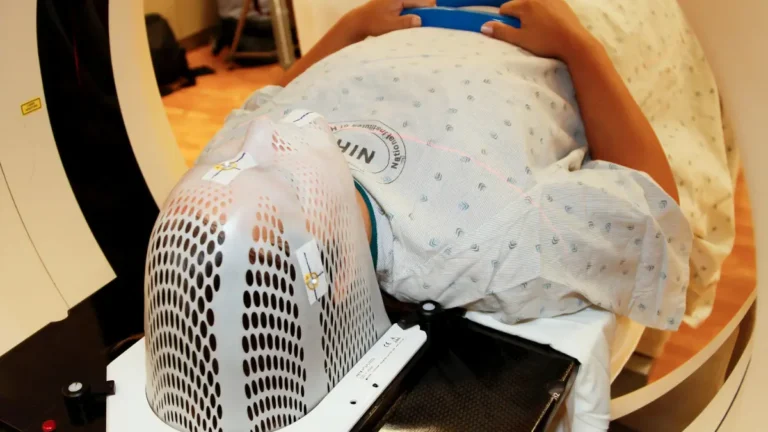
Palliative radiation therapy does not aim to cure the cancer. It targets specific sites of tumor-related pain or mechanical compromise, typically requiring 5–10 fractions delivered over one to two weeks.
The four primary clinical indications per 2026 NCCN guidelines are: painful bone metastases with fracture risk, spinal cord compression, superior vena cava (SVC) syndrome, and airway obstruction from central tumor growth.
✅ Patient Action: Ask your oncologist whether you are a candidate for palliative radiation if you are experiencing localized bone pain that is not controlled by your current opioid regimen. A single targeted course can significantly reduce pain at the affected site without affecting systemic treatment.
Does early palliative care actually improve survival in lung cancer?
Clinical evidence reviewed in 2026 ASCO guidelines demonstrates that patients with advanced non-small cell lung cancer who received concurrent palliative care beginning at diagnosis showed improved overall survival compared to those who received standard oncology care alone — a finding that remains one of the most clinically significant and widely misunderstood results in modern oncology.
Overall survival refers to how long patients live from the time of diagnosis, measured in months across a defined study population. It is a concrete clinical endpoint, not a subjective quality metric.
What the 2026 clinical evidence shows about NSCLC and early palliative enrollment
📊 Clinical Data Point: Per 2026 ASCO guidelines on palliative care integration, early concurrent palliative enrollment in advanced NSCLC is consistently associated with improved overall survival, reduced depression, improved quality-of-life scores, and delayed hospice admission compared to standard oncology care alone.
For current statistics by stage and histologic subtype, see our detailed guide to lung cancer statistics and survival rates.
Quality of life, depression rates, and hospitalization: the measurable outcomes
| Outcome Measure | Standard Oncology Care Alone | Concurrent Palliative Care from Diagnosis |
|---|---|---|
| Quality-of-life trajectory | Typically declines with disease progression | Improved or stabilized in multiple analyses |
| Depression screening rate | Variable — frequently under-assessed | Systematically assessed and treated |
| Hospitalization frequency | Higher in advanced NSCLC | Reduced with early palliative integration |
| Overall survival | Baseline reference | Improved per ASCO 2026 guideline evidence |
| Hospice enrollment timing | Often within days of death | Earlier, with more supported transition |
| Advance care planning completion | Lower completion rates | Significantly higher completion rates |
Source: ASCO 2026 guidelines on early palliative care integration. LinkedIn extraction asset.
✅ Patient Action: At your next oncology appointment, ask specifically: “Can you refer me to a concurrent palliative care team — not at end of stage, but now?” Then ask both teams to develop a shared care plan that coordinates symptom management with tumor control.
Patients interested in participating in active palliative care research can search active palliative care trials for lung cancer on ClinicalTrials.gov.
For an overview of clinical trial access in lung cancer, see our guide to clinical trials for lung cancer.
Palliative care at home: a practical guide for lung cancer caregivers
Home-based palliative care does not require hospice enrollment. It is a coordinated service available to patients receiving active oncology treatment — and it is available through Medicare Part B coverage in most plans.

What home palliative care looks like week to week
A typical week of home palliative care for a lung cancer patient includes:
- Nurse visit — symptom assessment (pain score, breathlessness rating, medication review)
- Social worker check-in — caregiver stress assessment, insurance documentation, community resource navigation
- Pharmacist medication review — opioid titration check, drug interaction screening
- Physician telehealth consultation — clinical escalation decisions, medication changes
- Chaplain visit (if requested) — existential and emotional support for patient and family
🩺 Physician Note: “Caregivers consistently underestimate one thing: palliative care teams make scheduled visits specifically to assess the caregiver’s stress and coping capacity — not just the patient’s symptoms. Caregiver burnout is a recognized clinical risk that the palliative team is trained to screen for, using validated tools such as the Zarit Burden Interview.” — Dr. Nathaniel J. Hargrove, MD (Oncology)
Does Medicare cover palliative care at home for lung cancer?
Medicare Part B covers outpatient palliative care physician consultations, symptom management visits, and care coordination — without hospice enrollment and without discontinuing active treatment.
The Medicare hospice benefit (Part A) is an entirely separate program, requiring the 6-month prognosis certification and treatment discontinuation described in Section 3. Patients receiving chemotherapy or immunotherapy are not eligible for the Part A hospice benefit — but they are fully eligible for Part B palliative care services.
✅ Patient Action: Before assuming what Medicare will cover for your situation, speak with a certified oncology social worker at your cancer center who can review your specific Part B benefits and connect you with a home-based palliative program in your area.
Caregiver support resources: you are part of the care team
Caregivers managing a lung cancer patient at home face a documented risk of burnout, depression, and secondary health decline. For caregivers managing anxiety or depression alongside their family member’s treatment, our article on mental health support for lung cancer patients and caregivers outlines the clinical options available to both patients and the people caring for them.
What your oncologist wants you to know about asking for palliative care
As an oncologist, I want you to hear this clearly: asking about palliative care is not a signal that you are giving up. It is one of the most clinically informed decisions you can make — and the research shows that patients who start earlier do measurably better.
Advance care planning and palliative care referral are two separate actions, and both should be initiated at the time of an advanced lung cancer diagnosis per 2026 NCCN guidelines.
The three questions to ask your oncologist at your next appointment
Bring these three questions written down — not paraphrased, exactly as written here:
- “Can you refer me to a board-certified palliative care physician for concurrent symptom management — starting now, not at end of stage?”
- “Which of my current symptoms are the best targets for the palliative team to address immediately?”
- “At what clinical point would you recommend transitioning from palliative care to hospice — and what would trigger that conversation?”

Advance care planning: how to document your treatment wishes before a crisis
Advance care planning is the process of formally documenting your preferences for resuscitation (DNR/DNI status), mechanical ventilation, artificial nutrition, and hospice enrollment before a clinical emergency makes those decisions time-critical.
Two documents are involved: an advance directive (living will plus healthcare proxy designation) and a POLST (Physician Orders for Life-Sustaining Treatment) — a physician-signed medical order that travels with the patient and is immediately actionable by any care team.
📊 Clinical Data Point: Per 2026 NCCN Palliative Care Guidelines, advance care planning discussion should begin at the time of diagnosis of advanced lung cancer — not when a clinical crisis forces the conversation. Source: NCCN, 2026.
✅ Patient Action: Ask your oncologist for a referral to a board-certified palliative care physician — not just a social worker — specifically for advance care planning documentation. A physician must sign the POLST; a social worker alone cannot complete this document.
Frequently asked questions about palliative care and lung cancer
1. What is palliative care for lung cancer?
Palliative care for lung cancer is specialized medical support — provided by a team of palliative care physicians, nurses, social workers, and chaplains — that relieves pain, breathlessness, fatigue, nausea, and emotional distress at any stage of the disease. It begins at diagnosis and continues alongside chemotherapy, immunotherapy, or radiation. It is not hospice and does not require stopping curative treatment. Consult a board-certified palliative care physician to discuss concurrent enrollment.
2. Is palliative care the same as hospice for lung cancer?
No. Palliative care begins at any stage and continues alongside active cancer treatment. Hospice requires a physician-certified prognosis of six months or less and the discontinuation of all curative therapy, per CMS 2026 Medicare criteria. A patient receiving pembrolizumab for stage IV NSCLC qualifies for palliative care — not hospice — because curative-intent immunotherapy is ongoing. Consult a board-certified palliative care physician to clarify which service applies to your current stage and treatment.
3. When should lung cancer patients start palliative care?
Per 2026 NCCN palliative care guidelines, concurrent palliative enrollment should begin at the time of advanced lung cancer diagnosis — not at end of life. Starting early allows proactive symptom management, fewer hospitalizations, and better quality of life throughout treatment. Patients should not wait until symptoms become severe before requesting a referral. Ask your oncologist for a concurrent palliative care referral at your next appointment.
4. Does palliative care mean giving up on lung cancer treatment?
No. Palliative care is a concurrent, additive layer of care — not a replacement for chemotherapy, immunotherapy, radiation, or surgery. Patients in active curative-intent treatment receive palliative care simultaneously to manage symptoms caused by both the disease and the treatment itself. Per 2026 ASCO guidelines, early palliative integration improves quality of life without compromising oncologic outcomes. Consult a board-certified oncologist if you have questions about fitting palliative care into your current plan.
5. What symptoms does palliative care treat in lung cancer?
Palliative care for lung cancer addresses: dyspnea, cancer-related pain, chemotherapy-induced nausea and vomiting, fatigue, appetite loss and cachexia, anxiety and depression, sleep disturbances, and disease complications including pleural effusion. Each symptom has a targeted clinical protocol with specific medications, procedures, and non-pharmacologic interventions. Consult a board-certified palliative care physician to develop a symptom management plan matched to your specific cancer stage and treatment regimen.
6. How does palliative care help with lung cancer pain?
Palliative care manages lung cancer pain using a structured opioid protocol — beginning with short-acting oral morphine or oxycodone for breakthrough pain and a long-acting formulation for baseline coverage, per 2026 NCCN pain guidelines. When one opioid causes intolerable side effects, rotation to hydromorphone or transdermal fentanyl is standard clinical practice. Palliative radiation is added for bone metastases. Consult a board-certified palliative care physician before initiating or adjusting any opioid regimen.
7. Can palliative care improve survival in lung cancer?
Yes. Per 2026 ASCO guidelines, concurrent palliative care beginning at diagnosis in advanced NSCLC is associated with improved overall survival, reduced depression, and improved quality of life compared to standard oncology care alone. These outcomes are attributed to better symptom control, fewer unnecessary hospitalizations, and earlier goals-of-care discussions. Consult a board-certified oncologist about adding a concurrent palliative care referral to your current treatment plan as early as possible.
8. What is the difference between curative and palliative treatment in lung cancer?
Curative treatment — chemotherapy, immunotherapy, targeted therapy, or radiation — aims to eliminate or control tumor growth. Palliative treatment aims to relieve specific symptoms and improve quality of life, regardless of whether tumor reduction occurs. Both are administered simultaneously in most advanced NSCLC cases. Palliative radiation, for example, targets bone metastases for pain relief rather than tumor cure. Consult a board-certified oncologist and palliative care physician to understand which goals apply to each part of your plan.
9. Who is on the palliative care team for lung cancer?
A palliative care team for lung cancer includes a board-certified palliative care physician, an oncology nurse or nurse practitioner, a clinical social worker, a chaplain, a registered dietitian, and a physical or occupational therapist. A clinical pharmacist specializing in pain management is often included as well. Per 2026 NCCN guidelines, multidisciplinary teams consistently produce better symptom outcomes than single-provider palliative consultations. Ask your oncologist for a team-based referral rather than a single-specialty consult.
10. Does Medicare cover palliative care for lung cancer?
Medicare Part B covers palliative care physician consultations, symptom management visits, and care coordination as part of standard oncology care — without hospice enrollment. The Medicare hospice benefit (Part A) is a separate program requiring a certified prognosis of six months or less and discontinuation of curative treatment. Patients receiving active chemotherapy or immunotherapy are not eligible for the Part A hospice benefit but are fully covered for Part B palliative services. Contact a certified oncology social worker for your specific 2026 plan details.
11. Can you receive palliative care at home for lung cancer?
Yes. Home-based palliative care includes scheduled nurse visits for symptom assessment, social worker check-ins, pharmacist medication reviews, and physician telehealth consultations — without hospice enrollment. Medicare Part B covers home palliative care consultations in most plans. Patients with limited mobility or transportation challenges are priority candidates for home-based programs. Consult a board-certified palliative care physician or a certified oncology social worker about setting up home-based palliative services for your specific situation.
12. What is palliative radiation therapy for lung cancer?
Palliative radiation uses targeted radiation to relieve specific symptoms rather than cure cancer. Primary indications include: bone pain from metastases with fracture risk, spinal cord compression, superior vena cava syndrome, and airway obstruction from central tumor growth. Treatment typically involves 5–10 fractions over one to two weeks. Per 2026 NCCN guidelines, palliative radiation should be considered for any patient with painful bone metastases or neurologic compromise from tumor involvement. Consult a board-certified radiation oncologist for evaluation.
13. How does palliative care manage breathlessness in lung cancer?
Breathlessness in lung cancer is managed with a stepwise protocol: supplemental oxygen for confirmed hypoxia (SpO2 below 88%), low-dose oral morphine (2.5–5 mg every four hours) as first-line pharmacologic therapy for refractory dyspnea, short-acting benzodiazepines for anxiety-component breathlessness, and thoracentesis for pleural effusion causing mechanical compression. Per 2026 NCCN guidelines, opioids are recommended before anxiolytics for most dyspnea presentations. Consult a board-certified palliative care physician before initiating opioid therapy for breathlessness.
14. What role do caregivers play in palliative care for lung cancer?
Caregivers are active participants in the palliative plan — communicating symptom changes to the team, managing the medication schedule, and coordinating home visits. Palliative care teams formally assess caregiver burden using validated tools such as the Zarit Burden Interview and connect caregivers with respite care, counseling, and community support resources. Caregiver burnout is a recognized clinical risk the palliative team is trained to identify and address proactively. Consult a certified oncology social worker for a caregiver support assessment.
15. Can palliative care be combined with chemotherapy for lung cancer?
Yes. Concurrent palliative care during chemotherapy, immunotherapy, or targeted therapy is the 2026 NCCN standard of care for advanced NSCLC. Palliative care teams manage chemotherapy-induced nausea with 5-HT3 antagonists such as ondansetron or NK1 antagonists such as aprepitant, alongside fatigue, peripheral neuropathy, and appetite loss — while the oncology team manages tumor control. The two teams coordinate care plans, not compete. Consult a board-certified oncologist about adding a concurrent palliative referral to your existing schedule.
16. What is advance care planning in lung cancer palliative care?
Advance care planning is the documented process of recording your medical wishes — including preferences for resuscitation, mechanical ventilation, artificial nutrition, and hospice enrollment — before a crisis makes those decisions time-critical. Tools include advance directives (living will and healthcare proxy designation) and POLST (Physician Orders for Life-Sustaining Treatment). Per 2026 NCCN guidelines, this discussion should begin at the time of an advanced lung cancer diagnosis. Consult a board-certified palliative care physician and a healthcare attorney to complete your documentation.
17. How do I ask my oncologist about palliative care at my next appointment?
Bring three written questions: “Can you refer me to a board-certified palliative care physician for concurrent symptom management?”, “Which of my current symptoms are the best immediate targets for a palliative team?”, and “At what clinical point would you recommend transitioning to hospice?” Writing these before the appointment significantly improves the likelihood of a productive conversation. Consult a board-certified palliative care physician directly if your oncologist does not initiate the referral.
Your next steps: how to start palliative care for lung cancer
Palliative care is not the end of your fight. It is the tool that makes continuing the fight more survivable.
Three actions before your next appointment:
- Request a concurrent palliative care referral from your oncologist — not at end of stage, now.
- Document your current symptoms using our Symptom Checker so your palliative team has a structured baseline from day one.
- Begin the advance care planning conversation with your healthcare proxy this week — before a clinical crisis makes it urgent.
About this content
How this article was put together: researched from recognised health sources, drafted with the help of AI tools, and edited by hand, with sources linked throughout.

Sameer Patel is the founder and editor of My Medicine Advisor. He is not a doctor or medical professional — before starting this site he worked in banking,…
Medical disclaimer
The content on MyMedicineAdvisor is provided for general informational and educational purposes only and is not a substitute for professional medical advice, diagnosis, or treatment. Health information on this website should not be used to diagnose, treat, cure, or prevent any condition without guidance from a qualified healthcare professional. Always seek the advice of your doctor, physician, or another licensed healthcare provider with any questions you may have regarding a medical condition, symptoms, medications, or treatment decisions.