Sameer Patel — Founder & Editor

Sameer Patel — Founder & Editor

Sameer Patel is the founder and editor of My Medicine Advisor. He is not a doctor or medical professional — before starting this site he worked in banking, and he now researches and edits health information full-time.

He started My Medicine Advisor to make clear, well-sourced health information freely available to anyone. Every article is researched from recognised authorities such as the WHO, CDC, NIH, and NICE, drafted with the help of AI tools, and edited by hand, with sources linked so readers can check them. The calculators on the site use established, published formulas, each one named so you can look it up yourself.

My Medicine Advisor is currently a one-person operation with no clinical review panel, and the site is open about that. If you're a qualified clinician or researcher interested in reviewing content, Sameer would genuinely like to hear from you via the contact page.

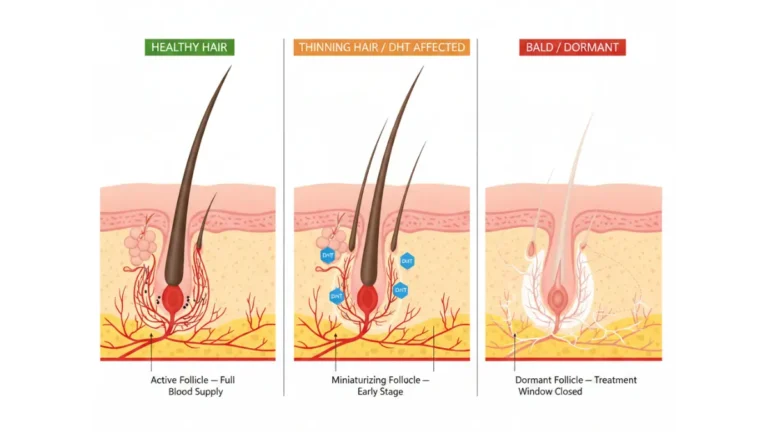
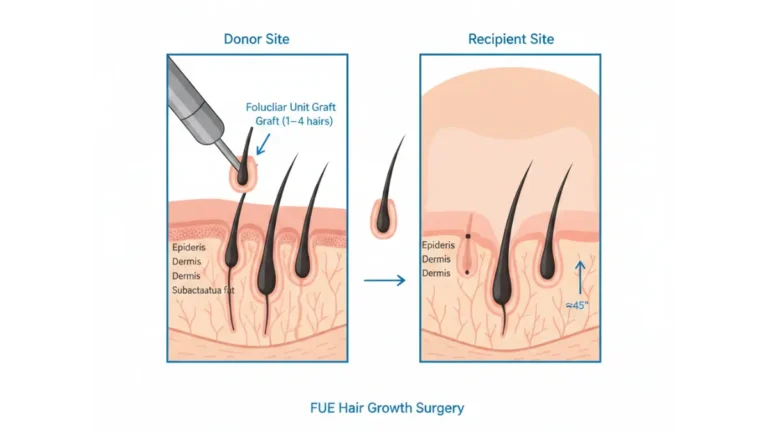
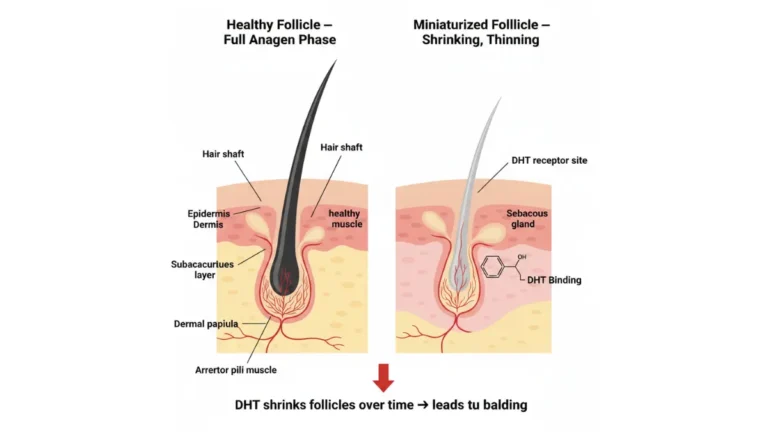
Medical anatomy diagram showing DHT-induced hair follicle miniaturization stages causing Receding Hairline from healthy follicle to dormant follicle

Receding Hairline 2026: Every Month You Wait Costs You Permanent Follicles — Here’s What Dermatologists Actually Prescribe

Most receding hairline guides tell you what exists. This one tells you what dermatologists actually prescribe in 2026 — and why waiting even 6 months moves follicles from dormant to permanently dead. Finasteride-minoxidil combination is the 2026 gold standard. Here's the complete evidence-based protocol.
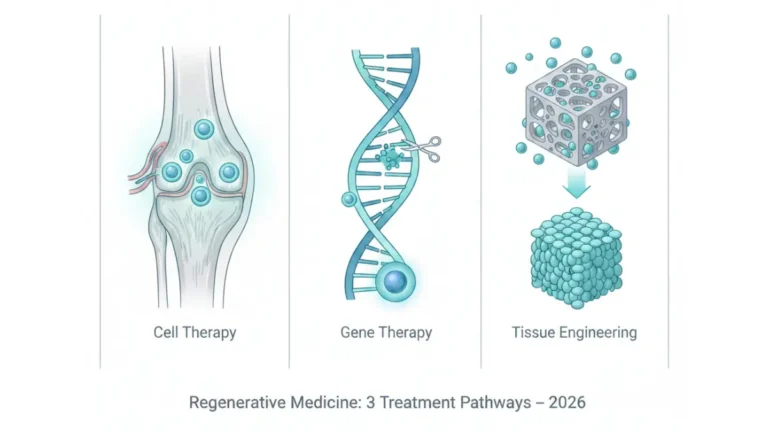
Medical anatomy diagram showing the three pillars of Regenerative Medicine — cell therapy, gene therapy, and tissue engineering pathways

Regenerative Medicine Results in 2026: What Works, What Doesn’t & How to Spot the Clinics That Will Waste Your Money

Regenerative medicine success rates range from 70% to 92% depending on condition — but unproven clinics are exploiting desperate patients with zero evidence behind their treatments. This 2026 guide shows real results across joint pain, blood cancers and autoimmune disease, plus the exact red flags that separate legitimate providers from dangerous ones.

Medical anatomy diagram showing PRP therapy results process — blood draw, centrifuge separation, platelet concentration, and injection into knee, scalp, and tendon

PRP Therapy Results in 2026: Real Success Rates by Condition — Including 3 Cases Where PRP Consistently Fails

PRP therapy delivers 80%+ success for hair loss and joint pain — but clinics are still offering it for 3 conditions where clinical evidence shows it consistently fails. This 2026 guide covers exact result timelines by condition, what platelet concentration determines your outcome, and who gets the best results versus who is wasting their money.