On This Page – Quick Medical Summary
Every 8 hours, someone in America dies from mesothelioma — a direct consequence of asbestos exposure that may have happened 20, 30, even 50 years ago. If you or someone you love has ever worked in construction, served in the military, or used talc-based cosmetics, this article reveals exactly who is most at risk in 2026 — and what you must do right now.
How Asbestos Exposure Destroys the Body — The Science Behind Mesothelioma
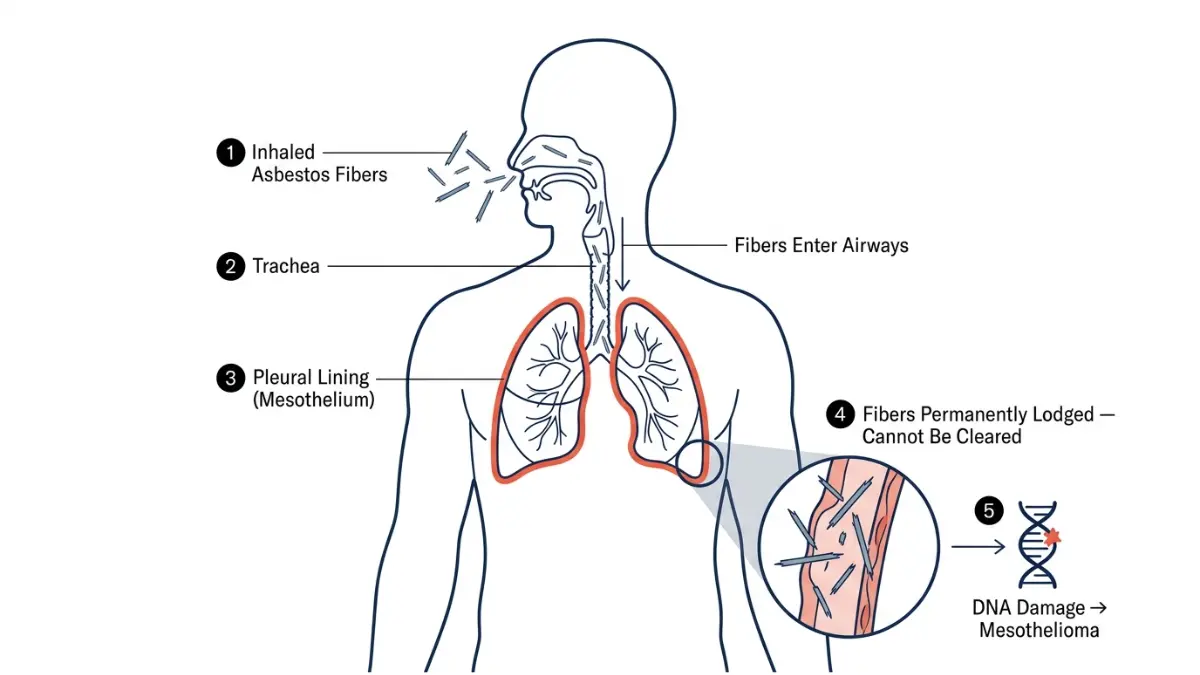
Understanding asbestos exposure starts with one brutal fact: once asbestos fibers enter your body, they never leave.
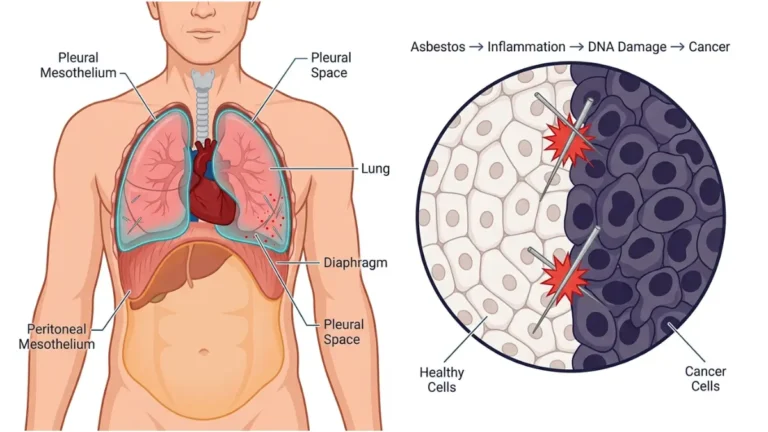
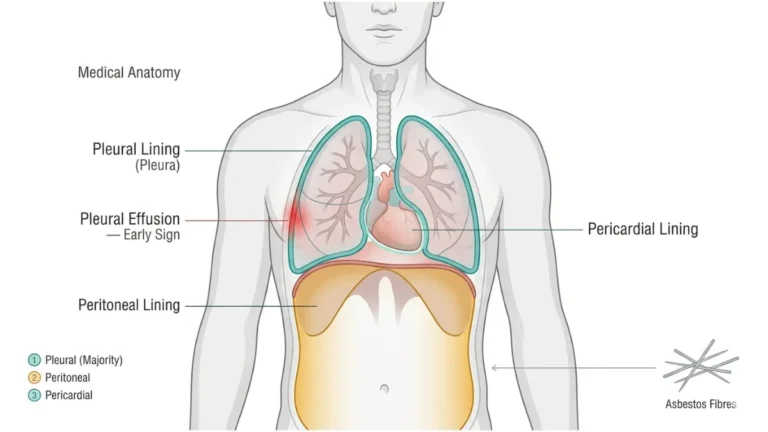
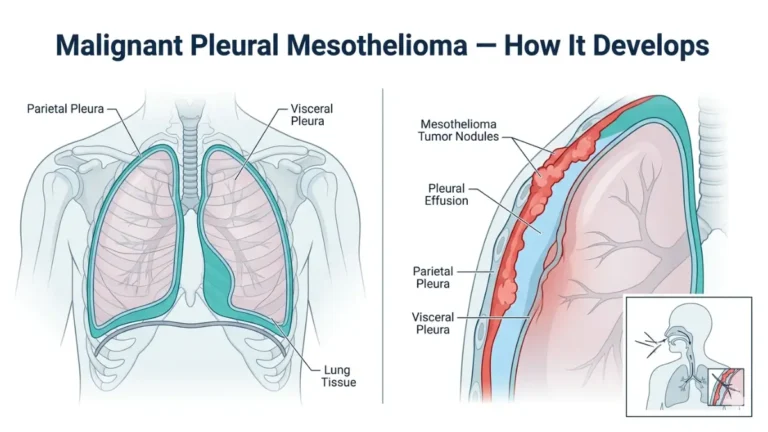
When asbestos-containing materials are disturbed — during renovation, demolition, or industrial work — microscopic fibers become airborne. You inhale them without knowing. Your body’s immune system tries to destroy them but cannot. These fibers physically pierce the mesothelium, the thin protective lining around your lungs, abdomen, and heart.
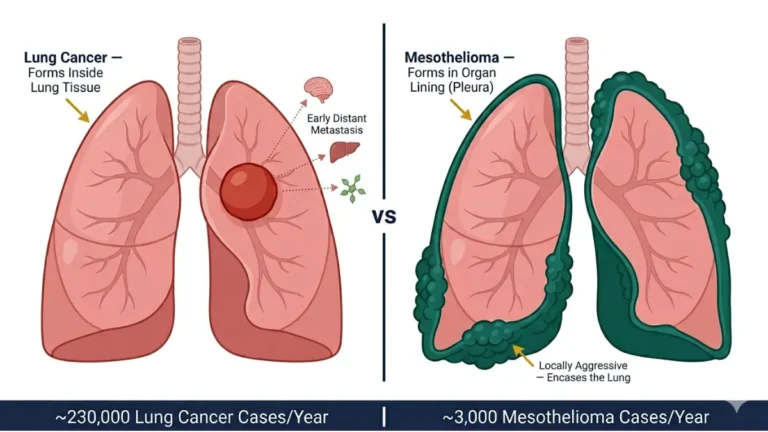
Over decades, the trapped fibers cause chronic inflammation, scar tissue, and eventually DNA mutations. The result is malignant mesothelioma — one of the most aggressive cancers known to medicine.
According to the National Cancer Institute, asbestos is classified as a Group 1 confirmed human carcinogen by the World Health Organization, the EPA, and the International Agency for Research on Cancer (IARC).
The Latency Window: Why You Don’t Know Until It’s Too Late
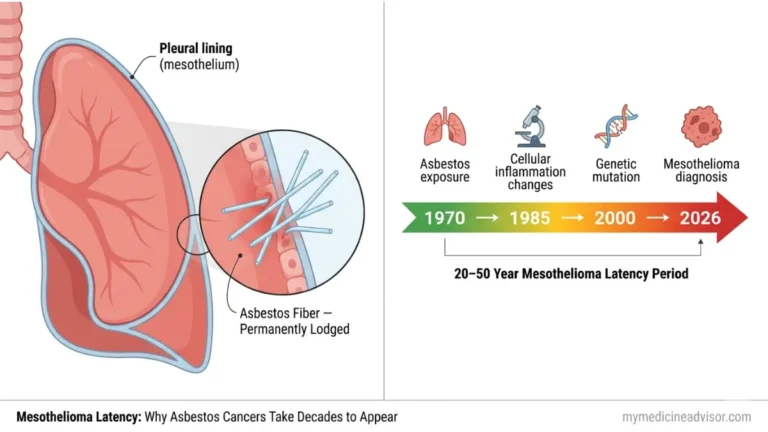
The most dangerous aspect of asbestos-related disease is time. Most people develop mesothelioma 20 to 60 years after their first asbestos exposure. A construction worker exposed in 1975 may only receive his diagnosis today.
According to a peer-reviewed review published in PMC/NIH, the average latency period is approximately 40 years, with some cases appearing 60–70 years post-exposure. This delay is why physicians still diagnose roughly 3,000 new mesothelioma cases in the U.S. every year, even decades after restrictions on asbestos use began.
Not All Asbestos Fibers Are Equal: Risk Severity Ranked
| Fiber Type | Common Name | Relative Mesothelioma Risk | Primary Use |
|---|---|---|---|
| Crocidolite | Blue asbestos | ⚠️ HIGHEST — 376–500× more potent than chrysotile | Insulation, pipe lagging |
| Amosite | Brown asbestos | HIGH — 83–100× more potent than chrysotile | Ceiling tiles, insulation board |
| Chrysotile | White asbestos | MODERATE — still carcinogenic; no safe level | Roofing, friction products, talc |
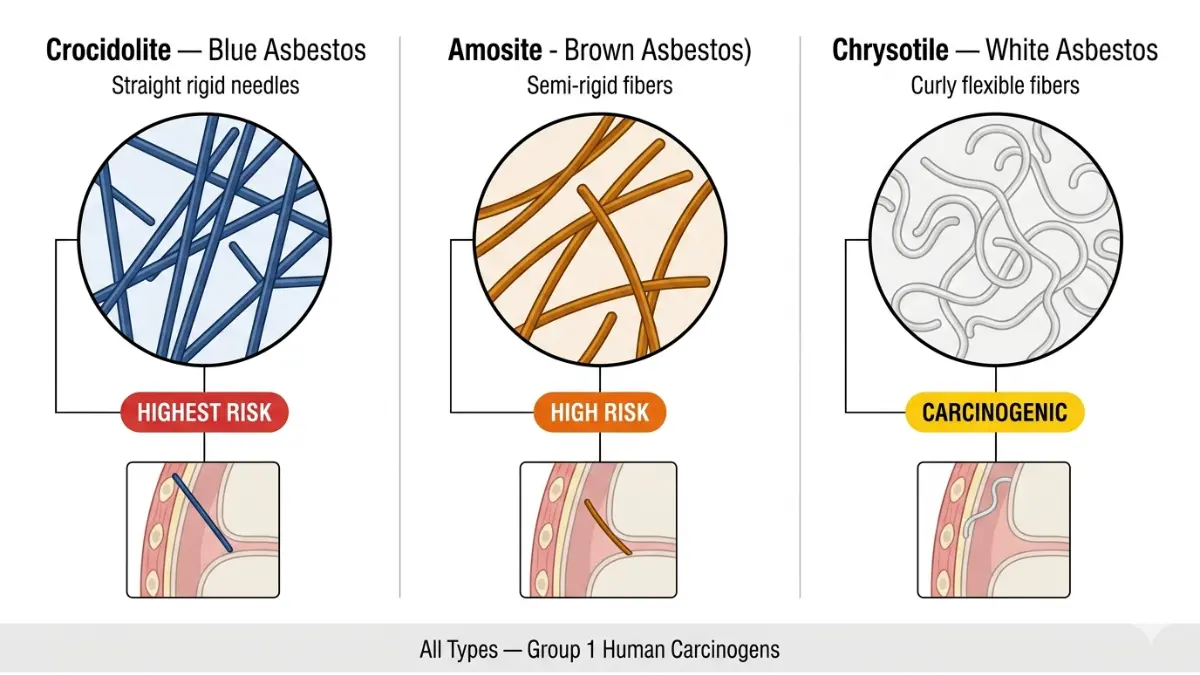
Key Takeaway: All six regulated asbestos types cause cancer. There is no safe level of asbestos exposure — this is the unanimous position of the WHO, OSHA, NIOSH, and the EPA.
If you have noticed persistent shortness of breath, chest pain, or unexplained weight loss, use our free Symptom Checker to evaluate your symptoms immediately.
The 7 Deadliest Asbestos Exposure Risk Groups in 2026
This is what no competitor tells you: asbestos exposure risk is not equal across populations. In 2026, seven distinct groups face dramatically elevated mesothelioma risk — and two of them will shock you.
Risk Group 1: Construction and Renovation Workers — 1.3 Million at Risk RIGHT NOW
Approximately 1.3 million U.S. construction and general industry workers are currently at risk of asbestos exposure, according to OSHA’s asbestos safety guidelines. The danger is not from new asbestos — it is from legacy asbestos already embedded in buildings constructed before 1980.
- Floor tiles, ceiling tiles, roof shingles, pipe insulation, drywall joint compound
- Any renovation or demolition that disturbs these materials releases deadly fibers
- Electricians, plumbers, carpenters, and HVAC technicians face the highest on-site exposure
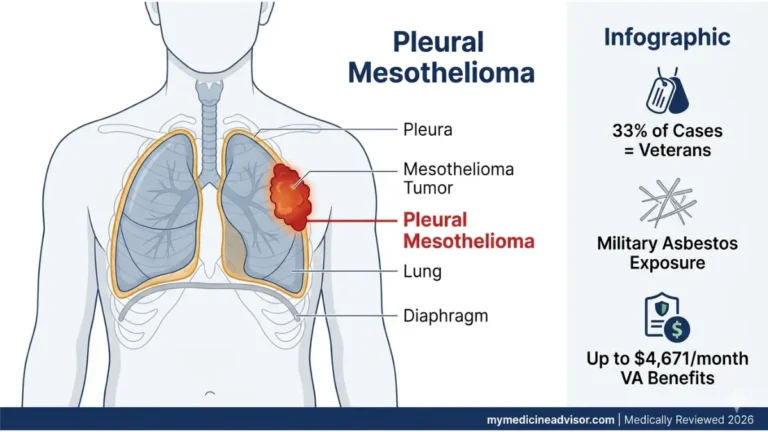
Risk Group 2: U.S. Military Veterans — 33% of All Mesothelioma Cases
Veterans represent one-third of all mesothelioma diagnoses in the United States. Navy personnel carry the highest risk because asbestos was extensively used on ships to prevent fire spread — in boiler rooms, pipe insulation, engine rooms, and sleeping quarters.
- Army: asbestos in barracks, vehicles, and aircraft
- Navy: ships, shipyards, and submarine facilities
- Air Force: aircraft insulation and base construction
Veterans diagnosed with mesothelioma may be entitled to VA disability benefits. The VA’s asbestos-related disability program provides compensation — yet many veterans do not file claims. If you served, check your eligibility today.
Risk Group 3: Industrial and Manufacturing Workers
Heavy industry workers remain among the most affected by occupational asbestos-related disease. High-risk occupations include:
- Shipyard workers — during World War II, roughly 4.5 million worked in shipyards where asbestos use was rampant
- Boilermakers and pipefitters — constant handling of insulation materials
- Auto mechanics — legacy asbestos in brake pads, clutches, and gaskets
- Power plant operators — turbine insulation and pipe lagging
- Miners — naturally occurring asbestos near mining sites
For asbestosis symptoms that overlap with mesothelioma, our detailed guide on asbestosis symptoms and their deadly delay is essential reading.
Risk Group 4: Family Members — Secondary Asbestos Exposure
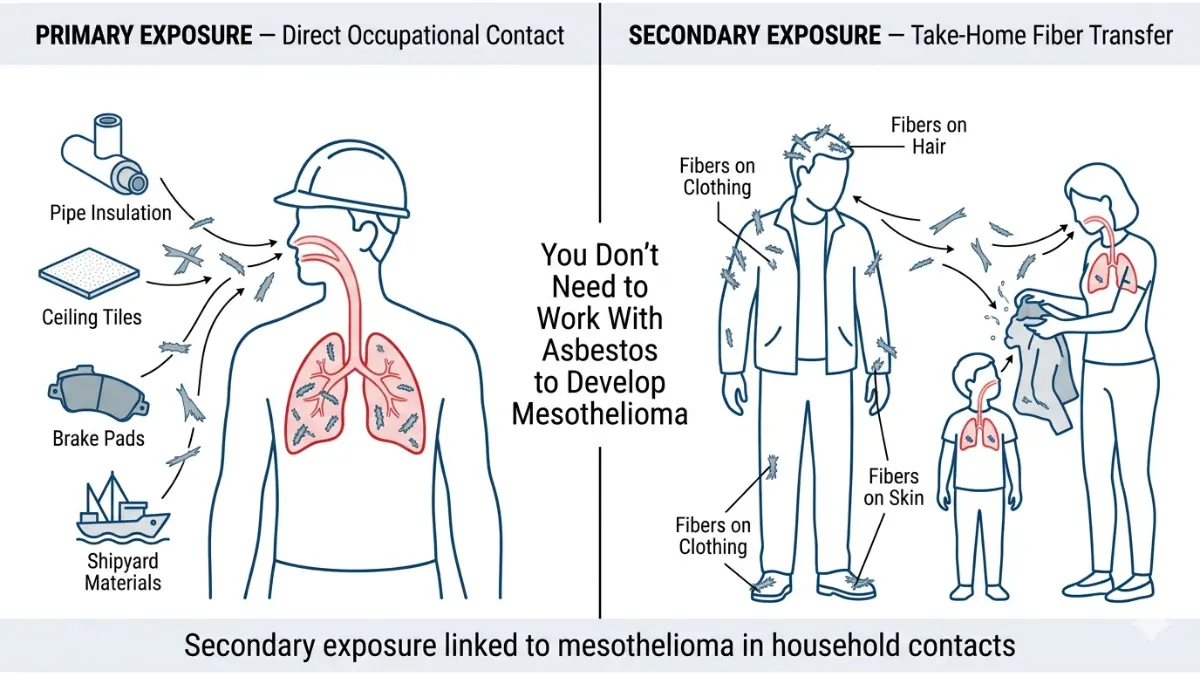
You do not need to work with asbestos to develop mesothelioma. Secondary (para-occupational) exposure is one of the fastest-growing risk pathways.
When an industrial worker returns home, asbestos fibers cling to their clothing, hair, skin, and work gear. Spouses who washed contaminated work clothes, children who hugged a parent before they changed — all faced repeated low-dose exposure. According to environmental asbestos research published in PMC, household members of heavily exposed workers carry significantly elevated mesothelioma risk.
This group is overwhelmingly female — and largely unaware of their exposure history.
Risk Group 5: Talc and Cosmetic Product Users — The 2026 Breaking Risk
This is the risk group that Healthline, WebMD, and Mayo Clinic are not adequately covering in 2026.
Talc and asbestos occur in the same geological formations. When talc is improperly sourced or tested, asbestos fibers contaminate the final product. The FDA tested 53 cosmetic talc products in 2020 — nearly 20% tested positive for asbestos.
The stakes in 2026 are enormous:
- In December 2025, a Maryland jury awarded $1.5 billion to a woman who developed peritoneal mesothelioma after daily use of talc-based baby powder
- A Minnesota jury awarded $65.5 million to a 37-year-old mother of three with pleural mesothelioma linked to talc
- The FDA withdrew its proposed talc testing rule in late 2025, leaving consumers without mandatory standardized safety testing
A landmark PMC case series of 166 talc mesothelioma patients found that in 122 cases, cosmetic talc was the only identified source of asbestos exposure. Products involved include Johnson’s Baby Powder, Gold Bond, and Shower to Shower.
What to do: Switch to certified talc-free cosmetics immediately. Document your history of talc use for both medical and potential legal purposes.
Risk Group 6: People Living Near Asbestos Sites or Demolition Zones
Environmental mesothelioma is a real and underreported threat. Risk is elevated for:
- Residents within 2 km of former asbestos mines or processing facilities
- Communities near ongoing demolition of pre-1980 buildings
- Areas with naturally occurring asbestos in soil (Northern California, certain regions of Wyoming and Montana)
The EPA’s asbestos guidance portal provides location-specific exposure alerts and guidance for homeowners in affected regions.
Risk Group 7: Young Adults with BAP1 or BRCA Gene Mutations — The 2026 Breakthrough Finding
This is the risk group that no competitor has covered yet.
A landmark study published on March 18, 2026, by Memorial Sloan Kettering Cancer Center — analyzed by the Mesothelioma Applied Research Foundation — reviewed 273 patients under age 50 over 30 years. The findings are alarming:
- A higher-than-expected proportion of female patients under 50
- 70% had family histories positive for breast, lung, or colon cancer
- Many had inherited mutations in BAP1, BRCA1, or BRCA2 genes
- Fewer cases linked to known occupational asbestos exposure
This means mesothelioma is no longer just a disease of older male industrial workers. Young people with genetic predispositions may develop it even from lower-level asbestos exposures.
If you have a family history of cancer, use our Genetic Risk Assessment Tool to evaluate your personal inherited risk profile.
Is Asbestos Still a Threat in 2026? Where Exposure Still Hides
Many Americans believe asbestos is banned. It is not fully banned in the United States.
Chrysotile asbestos remains legal in the chloralkali industry. In 2023 alone, the U.S. imported over 150 tons of asbestos, primarily for industrial chemical production, according to the U.S. Geological Survey. According to NIOSH’s asbestos health hazard guidelines, occupational asbestos exposure remains a live threat in dozens of industries.
High-Risk Occupations: 2026 Checklist
The following occupations carry documented elevated mesothelioma risk from asbestos exposure:
- ☑ Construction worker (especially pre-1980 buildings)
- ☑ Navy/military veteran
- ☑ Shipyard worker
- ☑ Boilermaker or pipefitter
- ☑ Auto mechanic (brake/clutch work)
- ☑ Firefighter (demolition response)
- ☑ Electrician or HVAC technician
- ☑ School maintenance worker
- ☑ Insulation installer or remover
- ☑ Power plant worker
Why Older Buildings Remain a Silent Threat
Millions of homes, schools, and commercial buildings in the U.S. still contain asbestos in floor tiles, ceiling panels, pipe insulation, and roof materials. Do not disturb suspect materials. Always hire a licensed asbestos abatement contractor — never a general handyman — for any renovation involving pre-1980 materials.
For a full breakdown of what pleural mesothelioma looks like once asbestos-related disease progresses, see our guide to pleural mesothelioma stages and types.
Warning Symptoms After Asbestos Exposure — Do Not Ignore These Signs
Most people diagnosed with mesothelioma initially believe they have pneumonia, a pulled muscle, or acid reflux. The symptoms overlap with dozens of other conditions — which is why the disease is so frequently caught at an advanced stage.
Pleural vs. Peritoneal Mesothelioma Symptoms: Side-by-Side
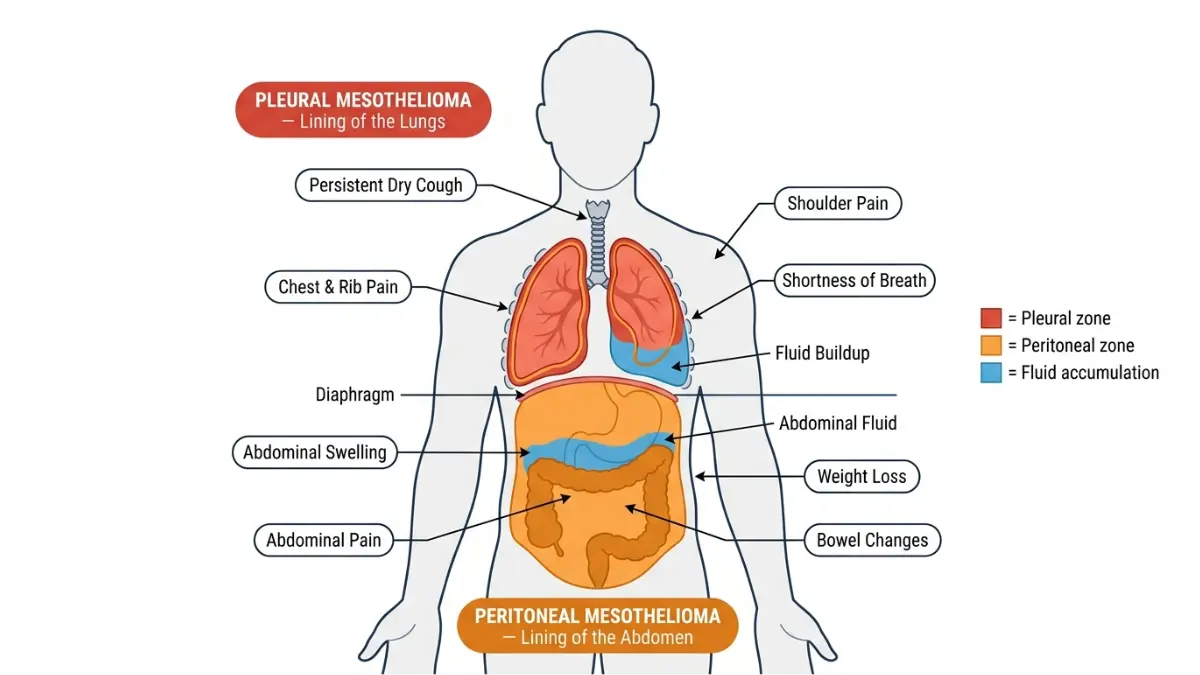
| Symptom | Pleural Mesothelioma (lungs) | Peritoneal Mesothelioma (abdomen) |
|---|---|---|
| Pain location | Chest, ribcage, shoulder | Abdomen, lower back |
| Breathing changes | Shortness of breath, dry cough | Rare in early stages |
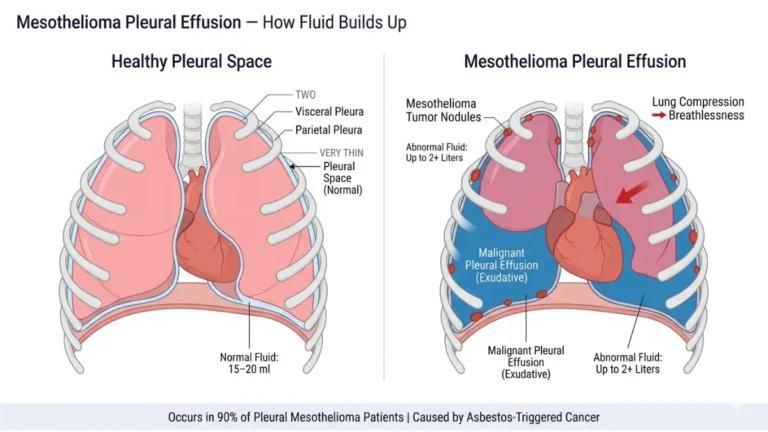
| Fluid buildup | Pleural effusion (around lungs) | Ascites (abdominal swelling) |
| Fatigue | Moderate to severe | Moderate to severe |
| Weight loss | Common | Common |
| Fever / night sweats | Occasional | Occasional |
🚨 Red Flag Symptoms Requiring Immediate Evaluation
Seek medical attention immediately if you have a known or suspected history of asbestos exposure AND you experience:
- Persistent chest pain that worsens over weeks
- New shortness of breath not explained by asthma or heart disease
- Unexplained abdominal swelling
- Unexplained weight loss of 10+ pounds in two months
- Blood in sputum
Critical step: Tell your doctor about every source of asbestos exposure you have ever had — including talc use, secondhand exposure from a family member’s job, or military service. Many physicians do not ask. You must volunteer this information.
For a complete breakdown of the earliest mesothelioma symptoms most people miss, including the subtle signs that appear years before diagnosis, see our dedicated guide.
How to Reduce Your Mesothelioma Risk from Asbestos Exposure — 8 Evidence-Based Steps
For Everyone
1. Never disturb suspected asbestos-containing materials (ACM) If your home was built before 1980, assume certain materials contain asbestos. Do not sand, drill, cut, or break them. Intact asbestos is less dangerous than disturbed asbestos.
2. Hire licensed asbestos abatement professionals only General contractors are not trained for asbestos removal. Always verify state licensing before any remediation work.
3. Switch to certified talc-free cosmetics Choose body powders, foundations, and baby care products explicitly labeled asbestos-tested or talc-free. Document what you have used historically.
For Workers
4. Know your OSHA rights Under federal law, employers must inform workers of asbestos risks, provide respiratory protection, and conduct air monitoring. Review your workplace rights at OSHA’s asbestos safety page.
5. Shower and change clothes before leaving work Workers in high-risk industries must not carry asbestos fibers home on their clothing. Federal law already mandates this in regulated industries — but compliance is not universal.
For Veterans
6. File for VA benefits if you served in an asbestos-heavy role Navy veterans, shipyard workers, and anyone who handled insulation materials during military service may qualify for VA disability compensation. Start the process at the VA’s asbestos disability benefits page.
For Those With Family History of Cancer
7. Consider BAP1 and BRCA genetic screening : If your family has a history of breast, ovarian, lung, or colon cancer — especially combined with any history of asbestos exposure — genetic testing for BAP1 mutations is increasingly recommended by oncologists. Use our Genetic Risk Assessment Tool as a first step.
For Smokers With Any Asbestos History
8. Quit smoking — this is non-negotiable Smokers with asbestos exposure face up to a 60-fold increased risk of developing non-small cell lung cancer compared to non-smokers with no asbestos history, according to NCI asbestos data. Smoking combined with asbestos exposure is among the most lethal combinations in oncology.
📌 What This Means For You: Your risk level is directly tied to three factors — how much asbestos you were exposed to, how long the exposure lasted, and your fiber type. But no amount of asbestos exposure is considered safe. If you belong to any of the seven risk groups above, proactive monitoring is your most powerful tool.
Diagnosis, Treatment, and Survival in 2026 — What Happens After Exposure
If you or a loved one receives a mesothelioma diagnosis after a history of asbestos exposure, here is what the evidence-based pathway looks like in 2026.
Diagnosis: The Essential Steps
Mesothelioma is typically diagnosed through:
- Imaging: Chest X-ray or CT scan identifies fluid buildup or thickening of the pleura
- PET scan: Confirms metabolic activity and helps stage the disease
- Biopsy: The only definitive confirmation — tissue sample analyzed by a pathologist
- Biomarker testing: Mesothelin and SMRP blood markers support diagnosis
For an in-depth breakdown of what to expect at each stage, see our peritoneal mesothelioma abdominal guide.
2026 Treatment Options: Beyond Standard Chemotherapy
| Treatment | Standard Use | 2026 Update |
|---|---|---|
| Cisplatin + Pemetrexed | First-line chemotherapy | Still gold standard |
| Immunotherapy (Nivolumab + Ipilimumab) | FDA-approved 2020 | Now used for unresectable pleural mesothelioma |
| Surgery (EPP or P/D) | Eligible early-stage patients | P/D (lung-sparing) increasingly preferred |
| BAP1-targeted therapy | Clinical trials | Active trials in 2026 — most promising for genetic-risk patients |
| Radiation (IMRT) | Post-surgical adjuvant | Combined trimodality approach improves outcomes |
For a complete guide to chemotherapy for mesothelioma including 2026 side effect management, review our clinical overview.
Survival Rates by Stage (2026 Data)
| Stage | Median Survival | 5-Year Survival Rate |
|---|---|---|
| Stage 1 | 21 months | ~20% |
| Stage 2 | 19 months | ~12% |
| Stage 3 | 16 months | ~8% |
| Stage 4 | 12 months | ~1% |
Source: SEER cancer registry data via NCI
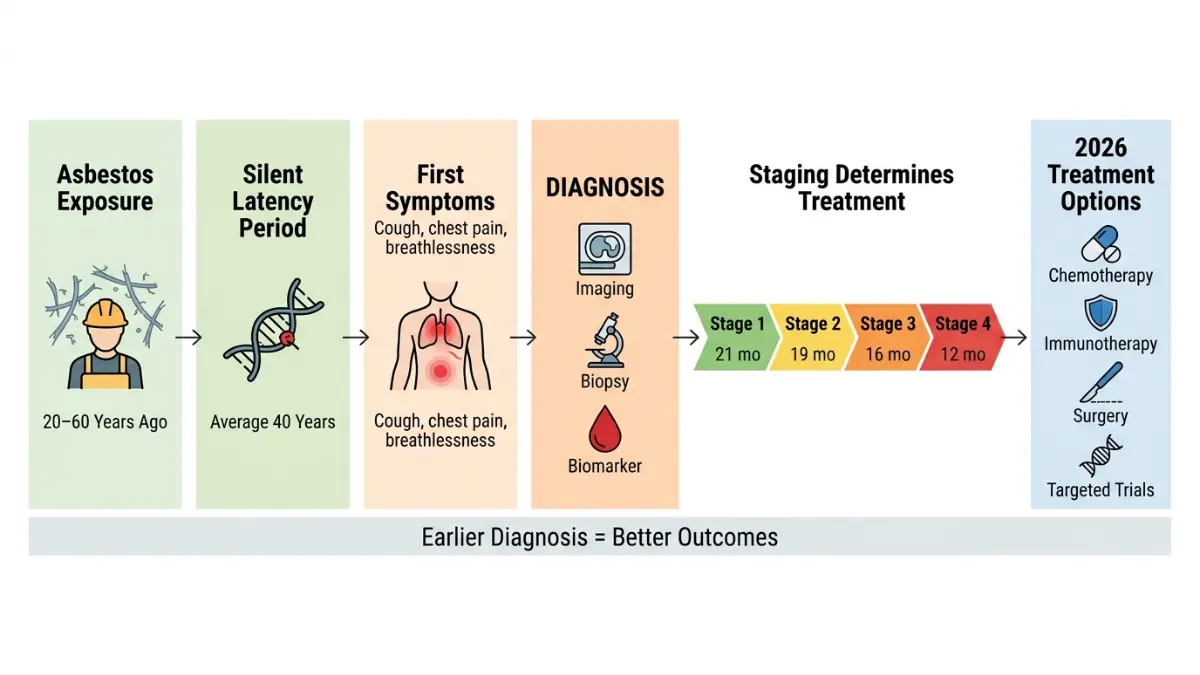
Early detection remains the single most powerful factor in improving survival. If you have a documented asbestos exposure history, discuss regular screening with your physician — especially if you are over 60.
For the most complete data on prognosis and expectations, read our pillar guide: Mesothelioma Survival Rates, Symptoms and What to Expect in 2026.
Most-Asked Questions About Asbestos Exposure and Mesothelioma Risk (2026)
Q1: Who is most at risk for mesothelioma from asbestos exposure?
Construction workers, Navy veterans, industrial workers, and family members of workers with take-home exposure carry the highest risk. In 2026, talc users and individuals with BAP1 gene mutations are emerging high-risk groups.
Q2: How many years after asbestos exposure does mesothelioma develop?
Most cases develop 20 to 60 years after first exposure. The average latency period is approximately 40 years, meaning exposures from the 1970s–1990s are driving diagnoses today.
Q3: Can family members get mesothelioma without direct asbestos exposure?
Yes. Secondary (para-occupational) exposure — inhaling fibers carried home on a worker’s clothing — is a documented and serious risk. Spouses and children of industrial workers are particularly vulnerable.
Q4: Is asbestos still used in the United States in 2026?
Asbestos is not fully banned in the U.S. Chrysotile asbestos remains legal for specific industrial uses. The U.S. imported over 150 tons in 2023 alone. Legacy asbestos in pre-1980 buildings remains the largest ongoing exposure source.
Q5: Does baby powder (talc) cause mesothelioma?
Asbestos-contaminated talc is linked to mesothelioma. In 122 of 166 documented cases studied in a PMC case series, cosmetic talc was the only identified asbestos source. Courts have awarded billions in verdicts, including a $1.5 billion Maryland award in December 2025.
Q6: What is the life expectancy after a mesothelioma diagnosis?
Median survival is 12–21 months depending on stage at diagnosis. Stage 1 patients who receive surgery and immunotherapy have the most favorable outcomes. Read our detailed mesothelioma life expectancy guide for stage-by-stage data.
Q7: Can Navy veterans get VA benefits for mesothelioma?
Yes. Veterans with a service-related mesothelioma diagnosis are eligible for VA disability compensation, healthcare benefits, and dependency and indemnity compensation for surviving family members. Apply through the VA’s official benefits program.
Q8: What are the first symptoms of mesothelioma after asbestos exposure?
The earliest symptoms include persistent dry cough, shortness of breath with mild exertion, and dull chest or abdominal aching. Because these mimic common conditions, they are frequently missed. Review early mesothelioma symptoms doctors and patients miss for a complete checklist.
Q9: Is there a genetic test to know if I’m at higher mesothelioma risk?
Yes. Testing for BAP1, BRCA1, and BRCA2 gene mutations can identify individuals with significantly elevated susceptibility to mesothelioma — especially when combined with any asbestos exposure history. A March 2026 MSKCC study confirmed that 70% of young mesothelioma patients had a family cancer history consistent with these mutations. Start with our Genetic Risk Assessment Tool.
Q10: What should I do if I think I was exposed to asbestos decades ago?
First, document your exposure history in detail — dates, employer, job type, and any products used. Inform your primary care physician. Request monitoring if you are over 60 with significant occupational history. Do not wait for symptoms — the latency period means early monitoring is your best defense.
Q11: Can you get mesothelioma from a single asbestos exposure?
Technically, no level of asbestos exposure is considered safe. However, risk is dose-dependent — a single brief exposure carries far lower risk than years of daily occupational exposure. Fiber type also matters: a single significant crocidolite (blue asbestos) exposure carries higher risk than repeated chrysotile exposures of equal duration.
⚠️ This article is for educational purposes only and does not constitute medical advice. If you have a history of asbestos exposure or are experiencing symptoms, consult a licensed physician immediately.
Medical disclaimer
The content on MyMedicineAdvisor is provided for general informational and educational purposes only and is not a substitute for professional medical advice, diagnosis, or treatment. Health information on this website should not be used to diagnose, treat, cure, or prevent any condition without guidance from a qualified healthcare professional. Always seek the advice of your doctor, physician, or another licensed healthcare provider with any questions you may have regarding a medical condition, symptoms, medications, or treatment decisions.