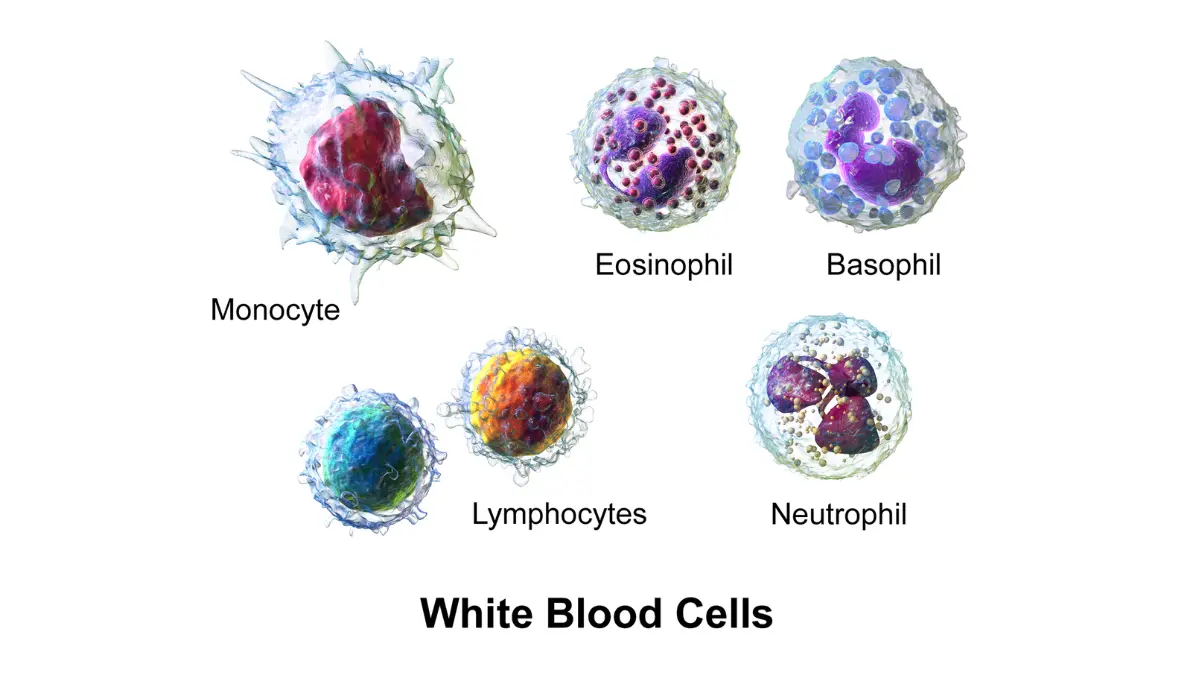
A Clear Guide to Your CBC Differential Results
Your CBC with differential sorts white blood cells into five types. Here's what a high or low neutrophil or lymphocyte result actually tells you.

Your CBC with differential sorts white blood cells into five types. Here's what a high or low neutrophil or lymphocyte result actually tells you.

Low neutrophils aren't all equal: mild neutropenia is common, but an ANC under 500 is severe. See what caused yours and the fever that can't wait.
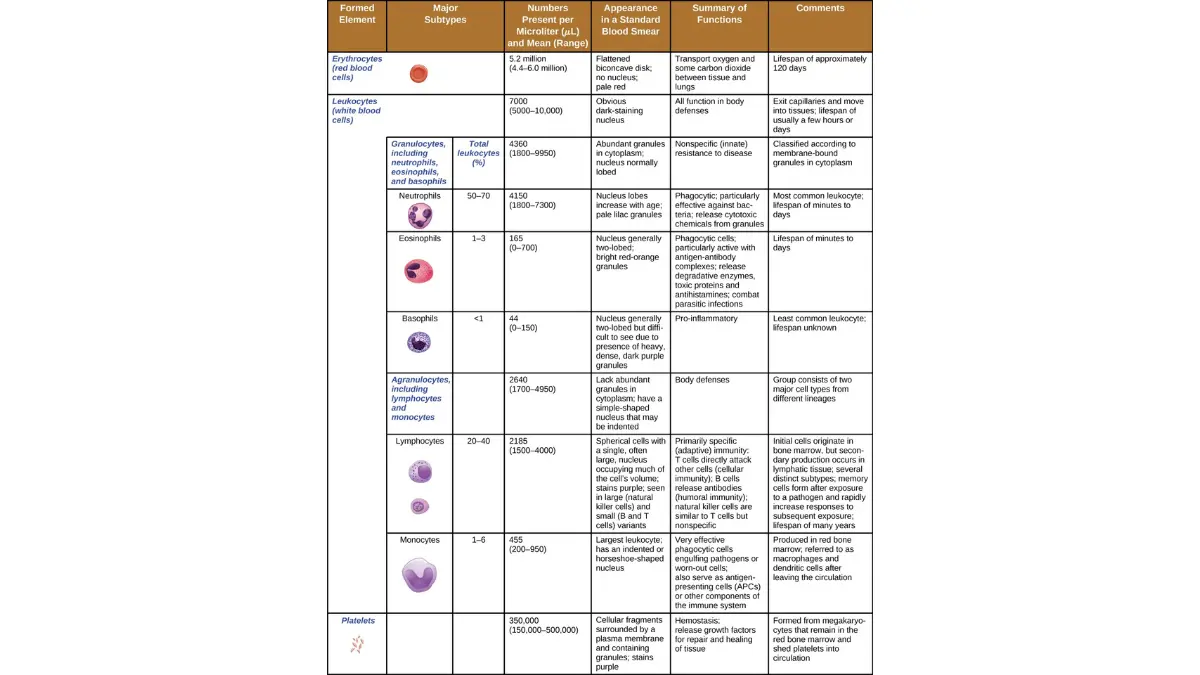
A low white blood cell count is often silent — many feel nothing until an infection appears. Here's what causes it and when the drop turns serious.
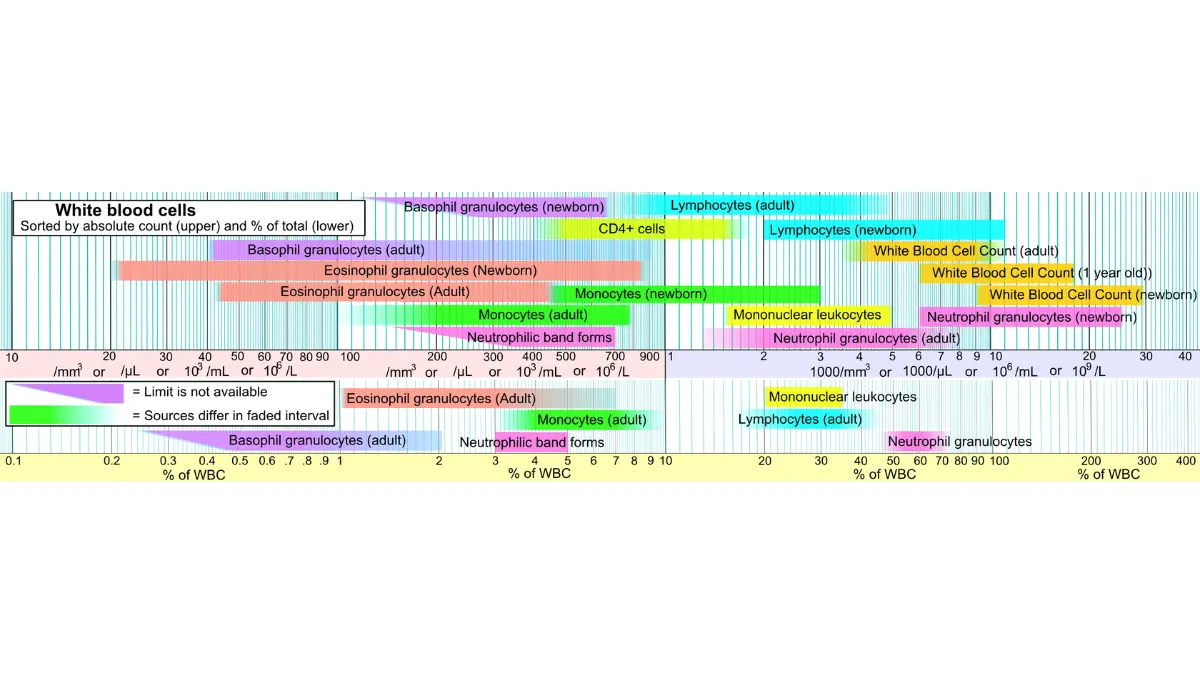
A high white blood cell count above 11,000 rarely means cancer — far more often it's your body responding to infection, inflammation, or stress.
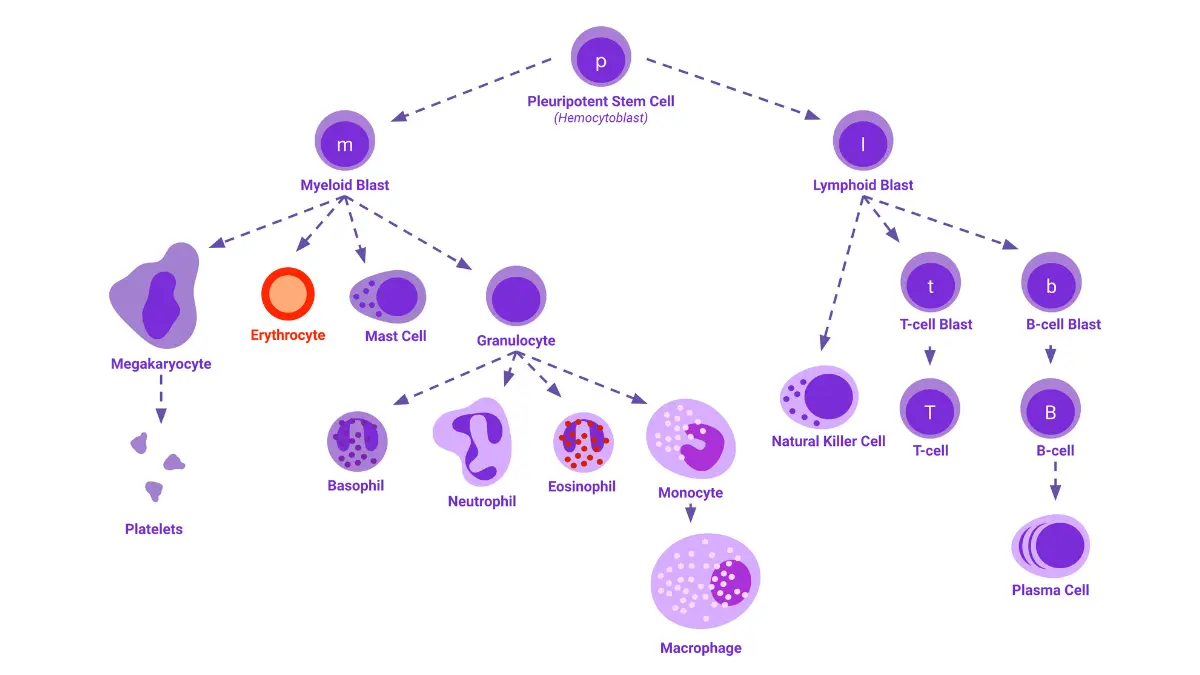
A flagged CBC differential rarely means what patients fear: a shifted percentage often reflects proportion, not a true excess of any one white cell.
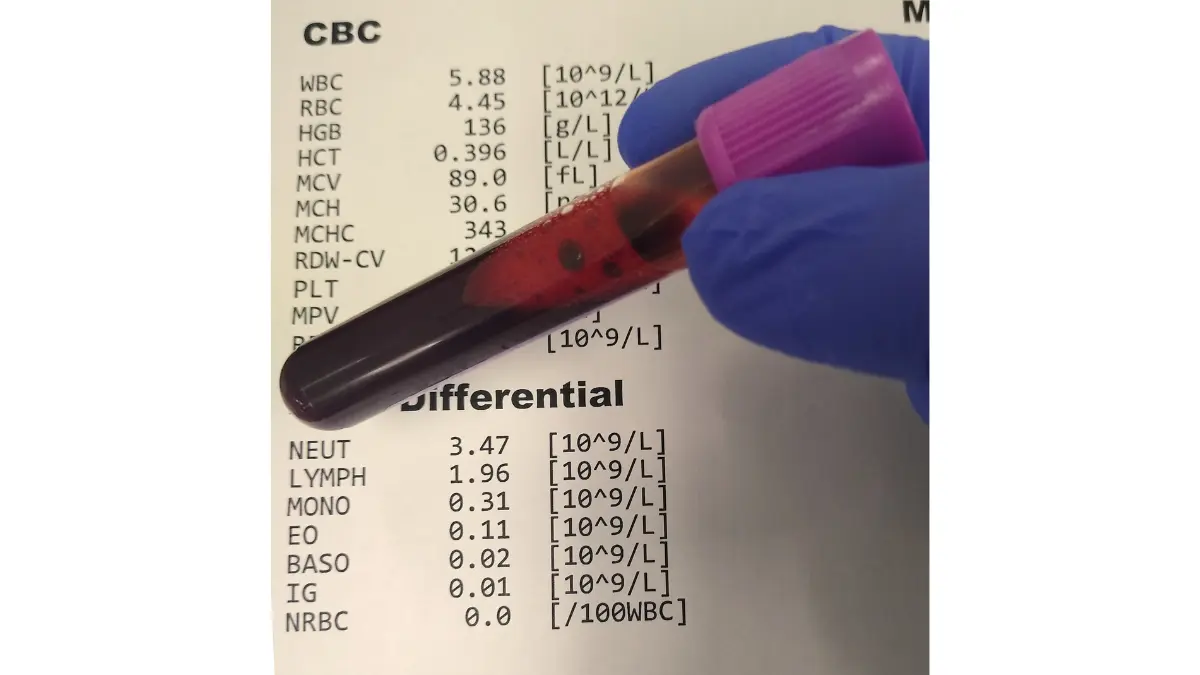
CBC normal range chart decoded: hemoglobin 12–16 g/dL for women, plus WBC and platelet ranges—and why your lab's 'normal' can differ.
How to read CBC results without panic—a flag isn't a diagnosis. See what each line means and why your lab's reference range is what counts.
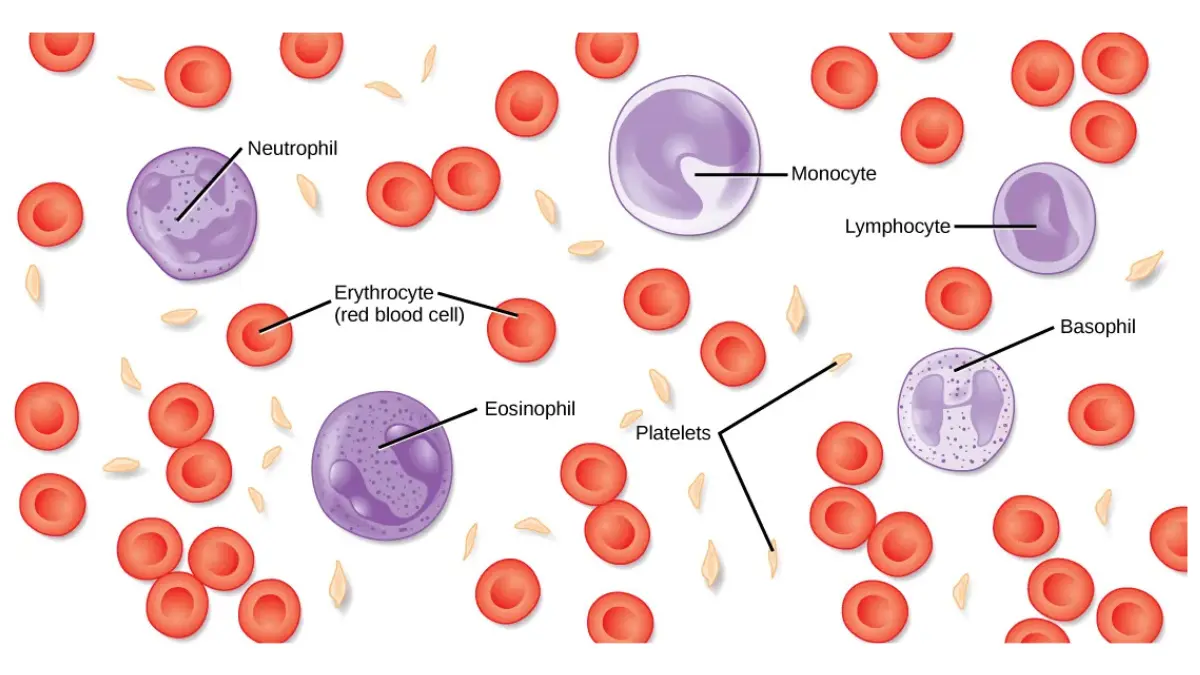
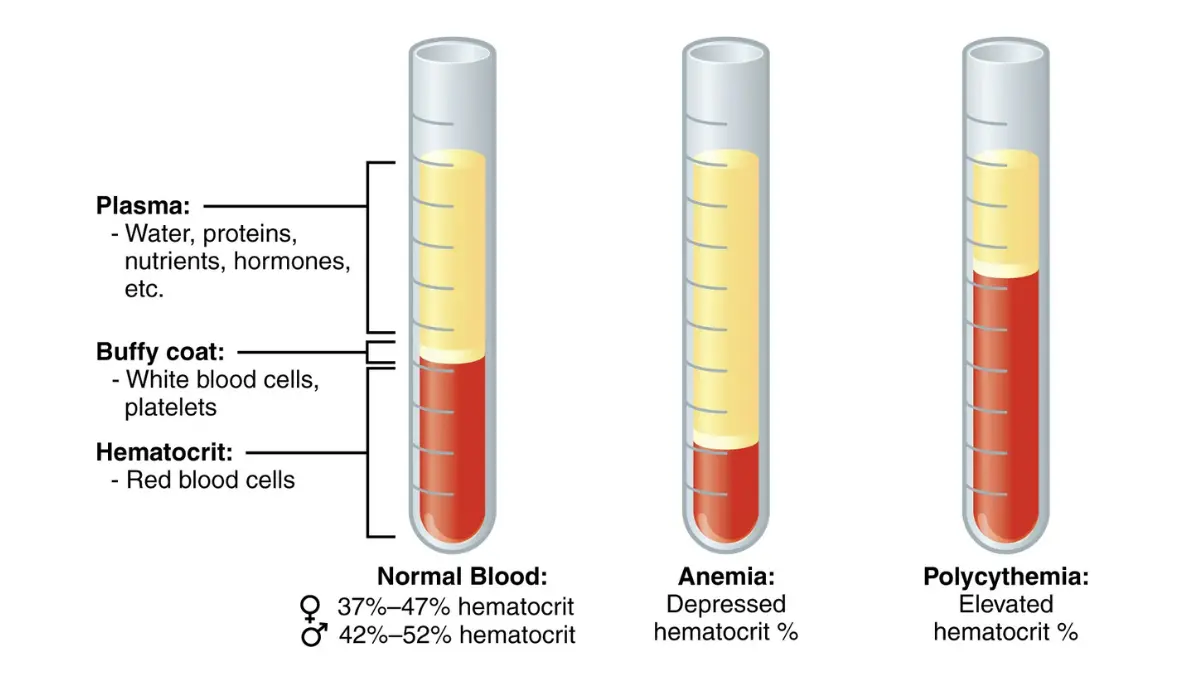
Your CBC counts red cells, white cells, and platelets and can flag anemia — but a normal result doesn't rule everything out. Here's what it really shows.
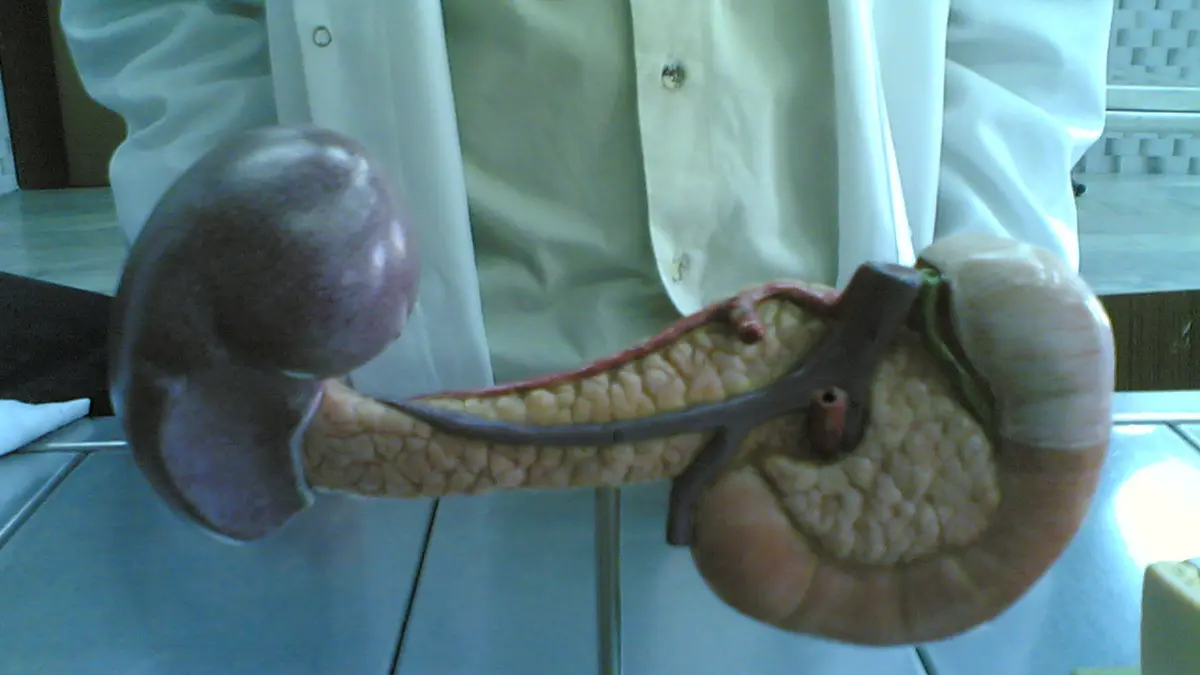
Choosing a pancreatic cancer treatment center? High-volume hospitals report far lower surgical mortality—here's how to find and vet the right one.

Pancreatic cancer treatment cost overwhelms many families. Medicare's $2,100 cap helps—but it won't cover infused chemo. Here's how to plan ahead.