
Knowing When an Abnormal CBC Needs Urgent Care
An abnormal CBC is rarely an emergency—but a neutrophil count under 500 with fever is one. Here's how to tell an urgent result from a harmless flag.

An abnormal CBC is rarely an emergency—but a neutrophil count under 500 with fever is one. Here's how to tell an urgent result from a harmless flag.

A wrong CBC result is more often a sample issue than a real one, and most lab errors happen before the blood is analyzed. Here's when to retest.

Ordering a CBC before surgery is routine—but for healthy adults having low-risk operations, guidelines advise against it. Here's when the test matters.
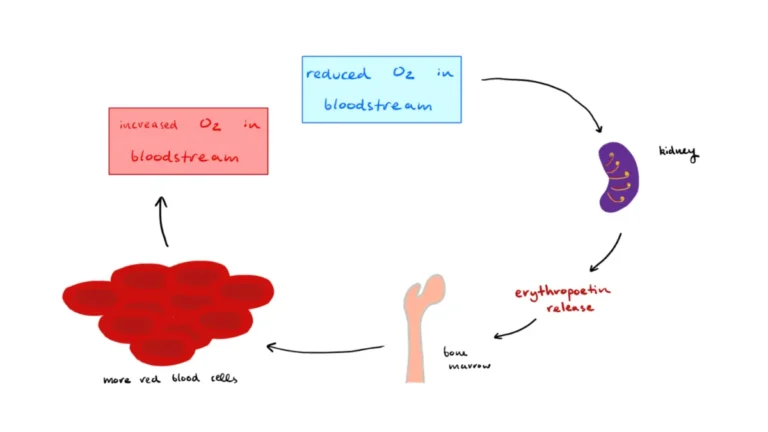
Normal CBC ranges for women run lower than men's — hemoglobin 12–16 g/dL. Anemia affects 14% of women aged 20–59. See what your results mean.
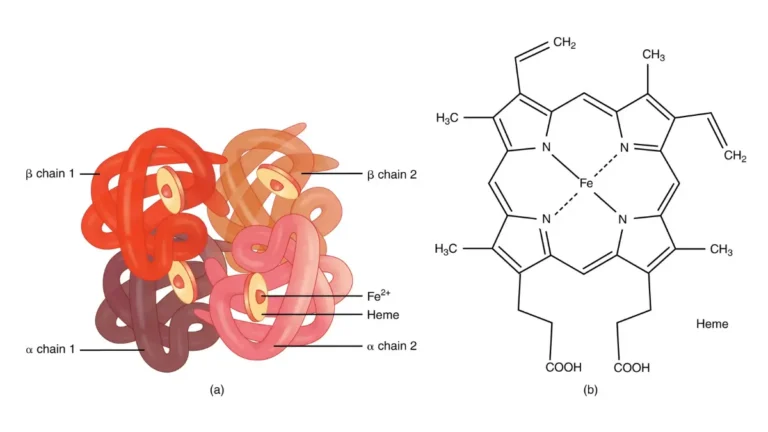
A child's normal CBC values shift with age—newborns run high, then hemoglobin dips around 2–3 months before climbing again. Here's the age-by-age picture.

CBC normal ranges in pregnancy sit lower by design: your blood volume rises faster than red cells. See what's normal by trimester and when to call.
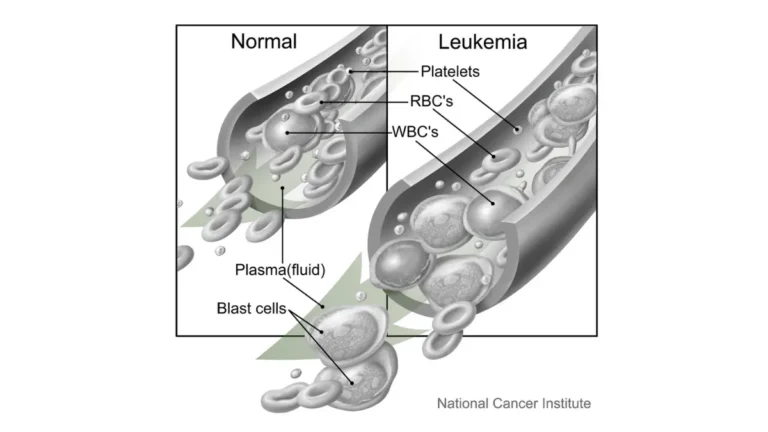
Where to get a CBC test near you—your doctor, LabCorp, Quest, urgent care, or online—plus what it costs and whether you can self-order.

A CBC test ranges from a $7.77 Medicare rate to $400+ at a hospital. Here's what you'll really pay — and how to spend less.

Is a CBC covered by insurance? Usually—but a routine CBC isn't a free preventive test, and cash can run just $10–$50. Here's how to pay less.

At-home CBC tests use a finger-prick sample mailed to a lab—fine for routine tracking, but a venous draw stays more precise for a diagnosis.

CBC vs BMP sound alike, but one counts your blood cells and the other measures 8 blood chemicals—here's how to tell which test you actually need.