
On This Page – Quick Medical Summary
A pancreatic cancer diagnosis carries enough fear on its own. Then the first estimate or bill arrives, and a second fear sets in: how will we pay for this? You are not alone in facing that question — an estimated 67,530 Americans will be diagnosed in 2026.
The pancreatic cancer treatment cost you’ll face depends on your situation, so start where you fit:
- Just diagnosed and insured? Begin with what drives the bill and what your plan covers — the first two sections below are your starting point, and our guide for the newly diagnosed with pancreatic cancer covers the wider first steps.
- On Medicare? The 2026 prescription-drug rules changed what you’ll owe. Go straight to the coverage section.
- Uninsured, underinsured, or a caregiver managing the money? The assistance and next-steps sections are built for you.
Real help exists, and this guide shows you where to start — beginning with a free resource inside your own cancer center. If the diagnosis itself is still new, our overview of pancreatic cancer symptoms and stages explains the clinical picture behind these costs.
ℹ️ Medical Disclaimer: This article is general educational information about the cost of pancreatic cancer care — not medical, insurance, legal, or financial advice. It cannot tell you what your specific treatment will cost or what your plan will pay. Coverage, out-of-pocket amounts, and assistance-program eligibility change often and vary by plan, state, and program. Confirm any treatment decision with your oncology team, any coverage question with your own insurer or a free State Health Insurance Assistance Program (SHIP) counselor, and any program’s current status with the program directly before acting.
What makes pancreatic cancer treatment so expensive
The bill for pancreatic cancer care is large because the disease usually requires several intensive treatments at once, often over many months. What you pay depends heavily on the stage at diagnosis and the plan your team builds.
Surgery, chemotherapy, and radiation — the big-ticket items
For cancer caught early enough to remove, surgery is the anchor — most often a Whipple procedure. Systemic treatment usually follows or precedes it, and for advanced disease it becomes the main approach. The standard pancreatic cancer treatments include surgery, chemotherapy, radiation, and, for some tumors, targeted therapy.
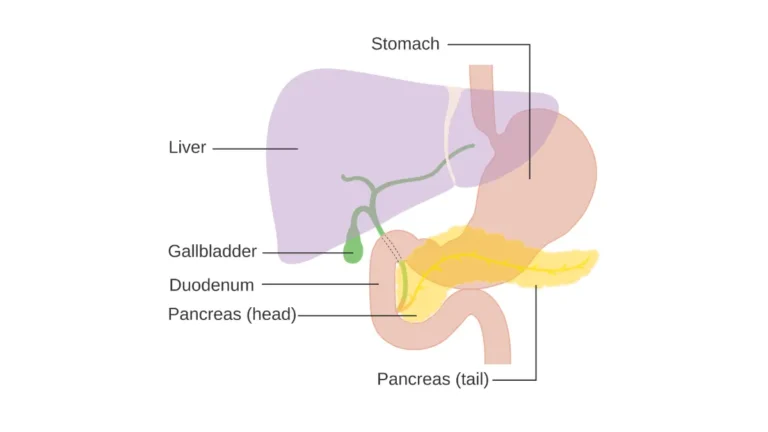
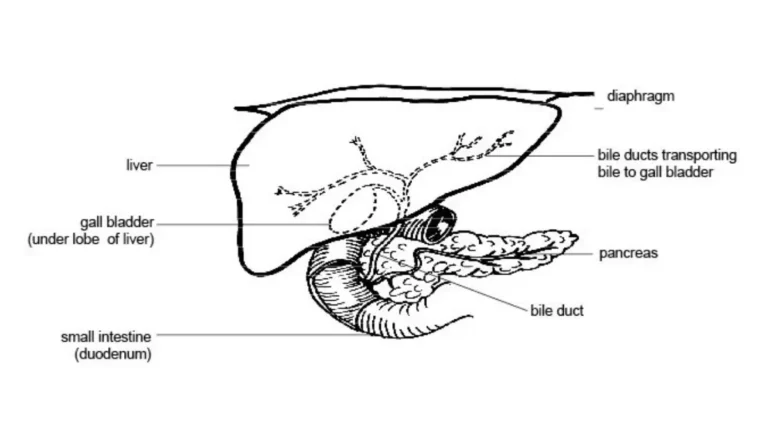
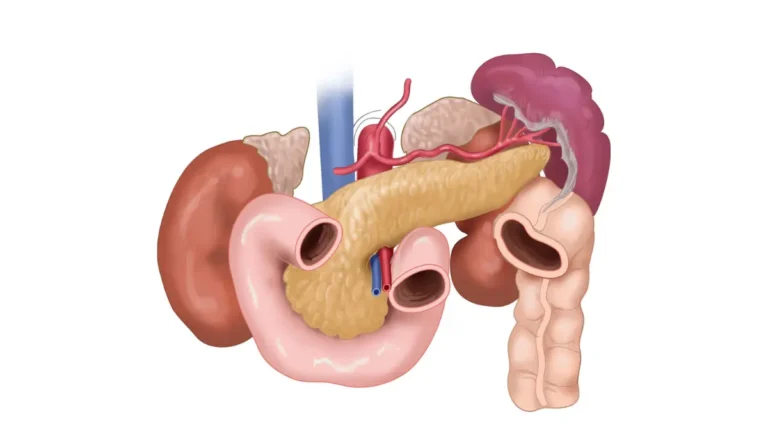
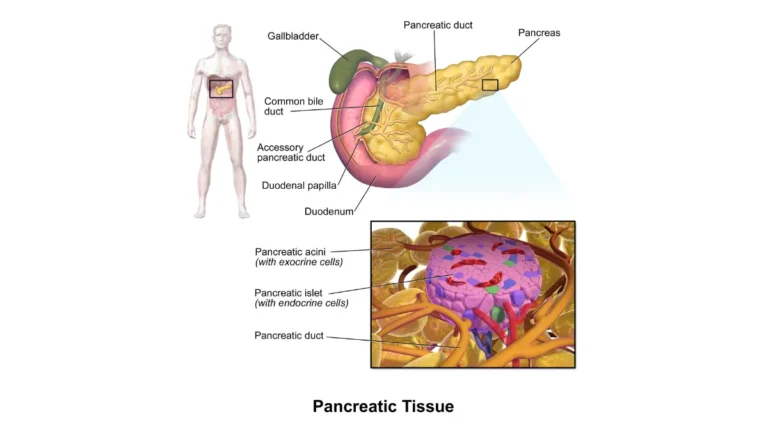
🔬 How It Works: A Whipple procedure (pancreaticoduodenectomy) removes the head of the pancreas along with parts of the small intestine and bile duct — and sometimes part of the stomach — then reconnects the digestive tract. It is major surgery with a multi-day hospital stay, which is why it sits at the costly end of care. You can read what recovery involves in our guide to the Whipple procedure and recovery.
The costs people forget: scans, enzymes, and supportive care
Beyond the headline treatments come repeated CT scans, blood work, anti-nausea medication, pancreatic enzyme replacement, and nutrition support — each adding to the total. There is no single “the cost” figure; totals can run into the tens or hundreds of thousands of dollars before insurance, driven by stage, treatment mix, hospital, and your plan. That variation is real, not evasive — which is why the sections below focus on what you can actually control.
📊 Clinical Data Point: About 51% of pancreatic cancers are diagnosed after they have already spread to distant parts of the body — Source: NCI SEER (2016–2022 data). This matters for cost because advanced disease shifts spending toward ongoing systemic treatment rather than one-time surgery.
You can compare the main pancreatic cancer treatment options to see which cost drivers may apply to your plan.
What your insurance and Medicare actually cover
In 2026, Medicare Part D caps your out-of-pocket cost for covered prescription drugs at $2,100; once you reach it, you pay $0 for covered drugs for the rest of the year. But the fuller picture — and the gap most people miss — depends on how each treatment is billed.
Private insurance: your deductible, coinsurance, and out-of-pocket max
With private insurance, you generally pay a deductible first, then coinsurance (a percentage of each service), until you hit your plan’s annual out-of-pocket maximum — after which the plan covers 100% of covered care. Knowing your specific deductible and out-of-pocket max is the single most useful number to find before treatment begins.
Medicare Parts A, B, and D — and why the difference matters
Under Medicare, different parts cover different pieces of pancreatic cancer care, and your share differs sharply between them.
| Medicare Part | What it helps cover | Your typical 2026 share | Key detail for pancreatic cancer |
|---|---|---|---|
| Part A | Inpatient hospital stays and surgery (e.g., Whipple) | A deductible per benefit period, then set covered days | Covers the hospital side of major surgery |
| Part B | Physician-administered (infused) chemotherapy, doctor visits, outpatient care | 20% coinsurance, no annual out-of-pocket cap under Original Medicare | Most pancreatic chemo (FOLFIRINOX, gemcitabine) is billed here |
| Part D | Self-administered and oral prescription drugs | Up to a $615 deductible, then coinsurance until the $2,100 cap, then $0 | The $2,100 cap applies here — not to Part B drugs |
| Medigap / Medicare Advantage | Wraparound coverage or a plan out-of-pocket max | Varies by plan | Can limit the otherwise-uncapped Part B exposure |
Coverage structure per CMS / Medicare 2026 rules; confirm your specific costs with your plan.

The 2026 drug cap — and what it doesn’t cover
🔬 How It Works: In 2026, Medicare Part D has three phases — you pay a deductible (up to $615), then coinsurance on covered drugs, and once your out-of-pocket spending reaches $2,100 you enter catastrophic coverage and pay $0 for covered drugs for the rest of the year.
🩺 Physician Note: A common point of confusion is assuming the $2,100 cap covers all cancer drugs. It applies to Part D (self-administered) drugs — not the Part B infusions that make up much of pancreatic cancer chemotherapy, which carry 20% coinsurance with no annual ceiling under Original Medicare unless you have Medigap or a Medicare Advantage plan with an out-of-pocket max.
Because the stage of the cancer shapes how many treatments you’ll need, it also shapes how quickly these costs add up.
✅ Patient Action: Ask your plan — or a free SHIP counselor — whether each prescribed drug is billed under Part B or Part D, and what your coinsurance will be for each.
How to get help paying for pancreatic cancer treatment
Start with your cancer center’s financial navigator or oncology social worker, then apply to disease-specific and copay-assistance programs. Help for financial assistance is more available than most newly diagnosed families realize.
Start here: your cancer center’s financial navigator
Nearly every cancer center employs financial navigators or oncology social workers whose entire job is helping patients afford care — and this help is free. They know which programs are open right now, can screen you for aid, and can handle much of the paperwork. This is the most useful and most overlooked first step.
Disease-specific and copay programs
Several nonprofits help specifically with pancreatic cancer costs:
- PanCAN Patient Services (Pancreatic Cancer Action Network) — free case managers who connect you to resources, support, and clinical-trial matching.
- PAN Foundation and HealthWell Foundation — grants that help eligible patients pay deductibles, copays, and coinsurance, generally for those with Medicare and income below a set limit.
- CancerCare Co-Payment Assistance Foundation and the Patient Advocate Foundation Co-Pay Relief program — additional copay funds by diagnosis.
One honest caveat: these copay funds open and close as their funding fluctuates, and the dollar amounts change. Do not assume a fund is available — call the program, or ask your social worker which are currently accepting pancreatic cancer applications. If you’re uninsured, the Health Insurance Marketplace at HealthCare.gov may offer a coverage option.
✅ Patient Action: Ask your care team’s social worker to help you apply — they do this daily and know which copay funds are open this week.
Lowering the cost of pancreatic cancer drugs
Drug spending has its own set of levers, and using them well can meaningfully reduce what you pay out of pocket over a year of treatment.
Spreading costs: the Medicare Prescription Payment Plan
Even with the $2,100 cap, you could owe a large amount early in the year if you fill an expensive prescription in January. The Medicare Prescription Payment Plan lets you spread your Part D out-of-pocket costs into monthly payments so you pay $0 at the pharmacy counter. It doesn’t lower your total — it prevents a lump-sum shock.
Extra Help and manufacturer programs (and their limits)
Medicare’s Extra Help program (the Low-Income Subsidy) lowers Part D premiums and drug costs for people with income up to 150% of the federal poverty level. Separately, many drug makers run patient assistance programs offering free or discounted medication to eligible patients.
There’s an important limit here: manufacturer copay coupons generally cannot be used by people on Medicare or Medicaid, which is precisely why the charitable copay foundations above exist for them. Whether a drug is infused or oral also determines whether it falls under Part B or Part D — you can compare two common regimens in our guide to FOLFIRINOX versus gemcitabine.
✅ Patient Action: Ask your pharmacist whether the Medicare Prescription Payment Plan and Extra Help fit your situation, and whether a manufacturer program covers your specific drug.
Clinical trials and the cost of treatment
In most clinical trials, the study sponsor provides the investigational treatment at no cost, and your insurance covers the routine care you would have received anyway. Cost should not, by itself, keep you from a trial that your team thinks is worth considering.

What the trial sponsor usually covers
The sponsor typically provides the study drug and any tests done specifically for the research. Cancer trials do not pay you to participate, but they can lower your treatment costs by covering the investigational therapy. You can learn more about how clinical-trial costs are covered from the National Cancer Institute.
What your insurance still pays for
The Affordable Care Act requires most insurers — and Medicare and Medicaid — to cover the routine patient-care costs of an approved cancer trial, meaning the care you’d need regardless. Some trial-specific extra tests may not be covered, so get the details in writing. Our overview of pancreatic cancer clinical trials explains how to find and evaluate them.
✅ Patient Action: Ask the trial coordinator, in writing, exactly what the study covers and what will be billed to your insurance before you enroll.
Protecting your finances during treatment
High out-of-pocket costs during cancer treatment are common, and many patients never learn what care will cost before it begins. A few early moves protect both your finances and your peace of mind.
Your first week: three moves that help
- Ask your care team to connect you with a financial navigator or oncology social worker.
- Request a written cost estimate before each phase of treatment, and ask about payment plans.
- Confirm your coverage and start assistance applications early — before the bills arrive. Caregivers often absorb costs too, so our pancreatic cancer caregiver guide covers managing the logistics and money together.
Watch out for offers that prey on cancer patients
A serious diagnosis attracts predatory offers. Be cautious of pressure to sell a life-insurance policy or take a “life settlement,” upfront-fee medical-bill “negotiation” services, and cancer-specific insurance upsells pitched right after diagnosis. None of these should replace the free help inside your cancer center.
✅ Patient Action: Before signing anything that trades away your care or your finances, run it past your oncology social worker first.
Frequently asked questions about pancreatic cancer treatment costs
1. How much does pancreatic cancer treatment cost?
There is no single price. The pancreatic cancer treatment cost you face depends on the stage, which treatments your plan involves (surgery, chemotherapy, radiation), the hospital, and your insurance. Totals can reach tens or hundreds of thousands of dollars before coverage. Ask your oncology team for a written cost estimate before each phase of treatment.
2. Does Medicare cover pancreatic cancer treatment?
Yes. Medicare Part A helps cover hospital stays and surgery, Part B covers physician-administered chemotherapy and doctor visits, and Part D covers many oral drugs. You still owe deductibles and coinsurance, and Part B has no annual out-of-pocket cap under Original Medicare. Confirm your specific costs with your plan or a free SHIP counselor.
3. What is the 2026 out-of-pocket cap for cancer drugs?
In 2026, Medicare Part D caps your out-of-pocket cost for covered prescription drugs at $2,100; after that, you pay $0 for covered drugs for the rest of the year. Importantly, this cap does not apply to Part B drugs such as infused chemotherapy. Ask your plan which of your drugs fall under Part D.
4. Does insurance cover a Whipple procedure?
Generally yes — private insurance and Medicare cover medically necessary surgery, including a Whipple procedure. You are still responsible for your deductible and coinsurance, and an inpatient surgery can leave a significant bill even when covered. Ask your hospital’s financial counselor for an estimate and whether payment plans are available before your surgery date.
5. How can I get help paying for treatment?
Start with your cancer center’s financial navigator or oncology social worker — this help is free and often overlooked. Then contact disease-specific programs like PanCAN Patient Services and copay-assistance foundations. Because these funds open and close with funding, ask your social worker which are currently accepting applications for pancreatic cancer treatment cost support.
6. Are chemo drugs covered by Part B or Part D?
It depends on how the drug is given. Infused chemotherapy (such as FOLFIRINOX or gemcitabine given in a clinic) is usually billed under Medicare Part B at 20% coinsurance with no annual cap; some oral drugs fall under Part D and its $2,100 cap. Confirm each drug’s category with your plan.
7. What financial assistance programs exist for pancreatic cancer?
Several nonprofits help with pancreatic cancer treatment cost: PanCAN Patient Services offers free case management and trial matching, while the PAN Foundation, HealthWell Foundation, CancerCare, and the Patient Advocate Foundation run copay funds for eligible patients. Eligibility and fund availability change often, so call each program or ask your social worker to confirm.
8. Do clinical trials cost money?
Usually the trial sponsor provides the investigational treatment at no cost, and the Affordable Care Act requires most insurers — and Medicare and Medicaid — to cover the routine care you would have received anyway. Some trial-specific tests may not be covered. Ask the trial coordinator, in writing, what will be billed to you.
9. Can I get free cancer drugs from the manufacturer?
Possibly. Many drug makers run patient assistance programs that provide free or discounted medication to eligible patients. However, manufacturer copay coupons generally cannot be used by people on Medicare or Medicaid, which is why the charitable copay foundations exist for them. Ask your pharmacist whether a program covers your specific drug.
10. What if I don’t have health insurance?
You can still be treated. Start with your cancer center’s social worker, who can screen you for Medicaid, hospital charity care, and assistance funds. The Health Insurance Marketplace at HealthCare.gov may offer coverage, and PanCAN can connect you to resources. Clinical trials are another route, since sponsors often provide the investigational treatment.
11. Is genetic testing for pancreatic cancer covered?
Often, yes. When you have a family history or meet clinical criteria, insurers and Medicare frequently cover genetic testing for pancreatic cancer, though coverage varies. Testing can affect treatment options and alert relatives to their own risk. Confirm coverage with your plan first, and you can assess hereditary risk factors with our tool.
Where to start today
The cost of pancreatic cancer care is frightening, but you do not have to navigate it alone or in the dark. The most powerful first step is also the simplest: call your cancer center and ask to speak with a financial navigator or oncology social worker. They can screen you for assistance, tell you which programs are open, and help you understand what your plan covers — before the bills start arriving. Real help is closer than it feels right now.
About this content
How this article was put together: researched from recognised health sources, drafted with the help of AI tools, and edited by hand, with sources linked throughout.

Sameer Patel is the founder and editor of My Medicine Advisor. He is not a doctor or medical professional — before starting this site he worked in banking,…
Medical disclaimer
The content on MyMedicineAdvisor is provided for general informational and educational purposes only and is not a substitute for professional medical advice, diagnosis, or treatment. Health information on this website should not be used to diagnose, treat, cure, or prevent any condition without guidance from a qualified healthcare professional. Always seek the advice of your doctor, physician, or another licensed healthcare provider with any questions you may have regarding a medical condition, symptoms, medications, or treatment decisions.