
On This Page – Quick Medical Summary
A pancreatic cancer diagnosis often changes how your body handles food long before you expect it to. Weight starts dropping, meals lose their appeal, and digestion turns unpredictable — and that can feel frightening on top of everything else. A good pancreatic cancer diet won’t cure the disease, but it can help you stay strong enough to get through treatment and recover from it.
This guide is built so you can go straight to what you need. If you were recently diagnosed and want the big picture, start with our overview of pancreatic cancer from first signs to treatment or our guide for the newly diagnosed. If you’re losing weight and want to know why, the next section explains it. If you’re in active treatment and just need to know what to put on your plate today, skip to what to eat. If you’re caring for someone who isn’t eating, the side-effect and warning-sign sections are written with you in mind.
ℹ️ Medical Disclaimer: This article is general health information, not medical advice, and it does not replace care from your treatment team. Decisions about your diet, pancreatic enzyme medication, blood sugar, treatment, and any procedure depend on your specific diagnosis and overall health. Work with your oncologist and a registered dietitian (ideally one board-certified in oncology nutrition, RD, CSO) before changing how you eat or starting any supplement, and take any prescribed medication exactly as directed.
Why pancreatic cancer makes you lose weight
Unintended weight loss is one of the most common experiences in pancreatic cancer, and it usually has more than one cause working at once. Understanding those causes can take some of the self-blame out of it — this is the disease, not a lack of effort.
The pancreas has two jobs: digestion and blood sugar
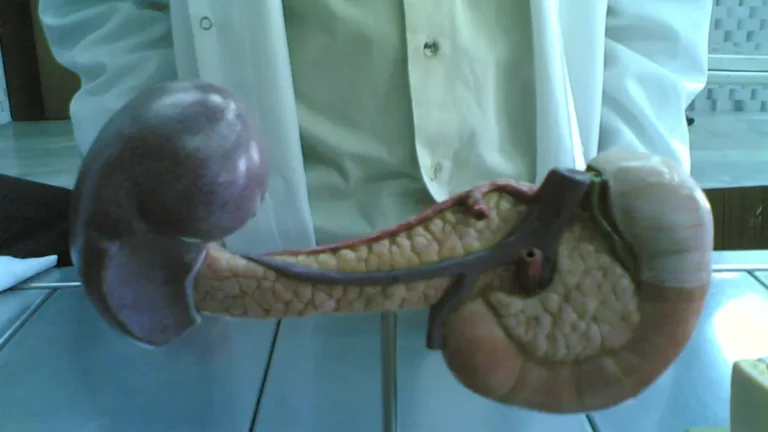
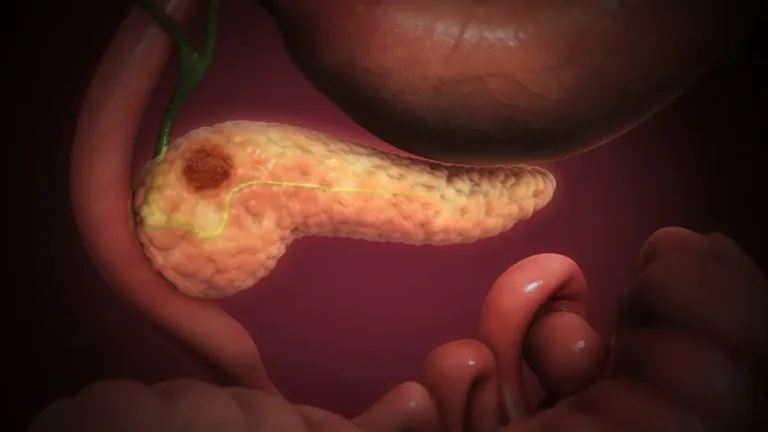
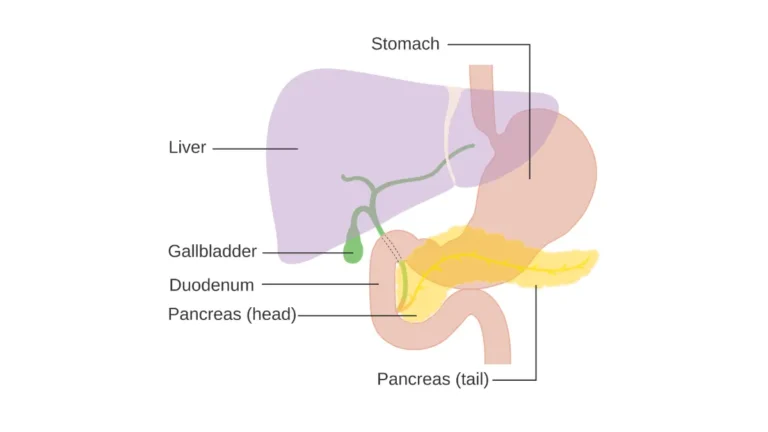
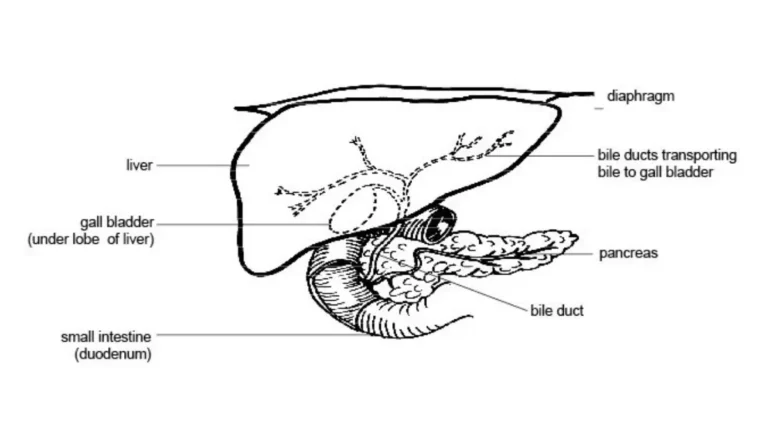
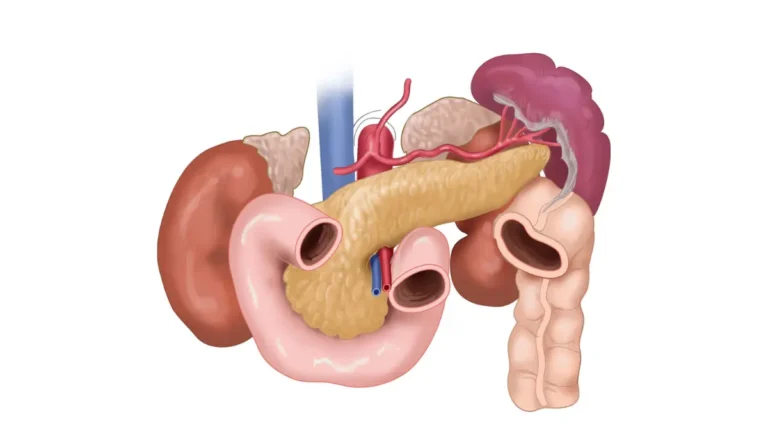
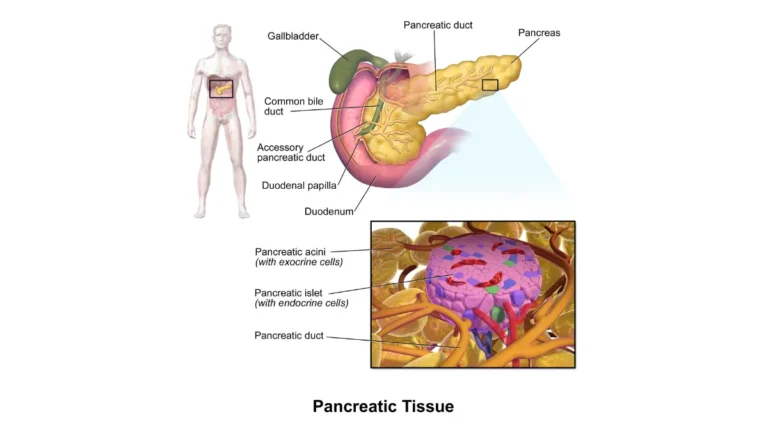
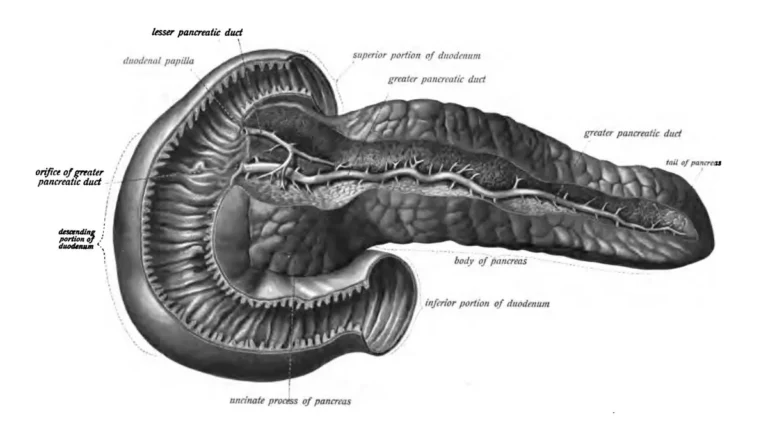
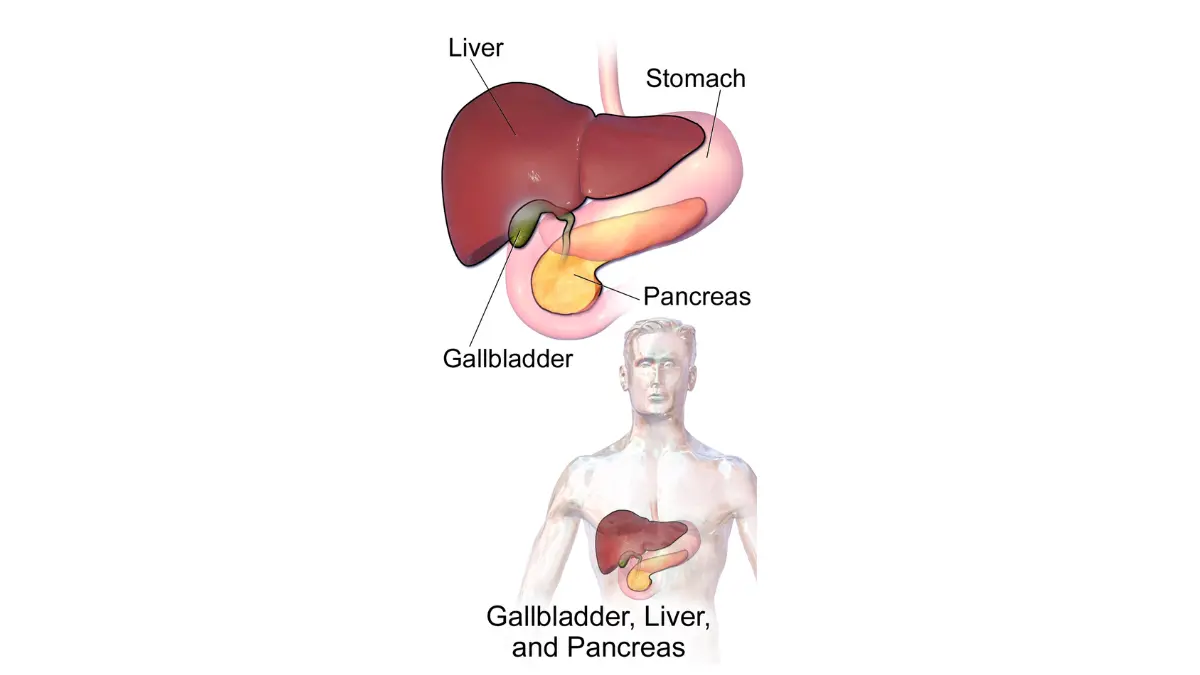
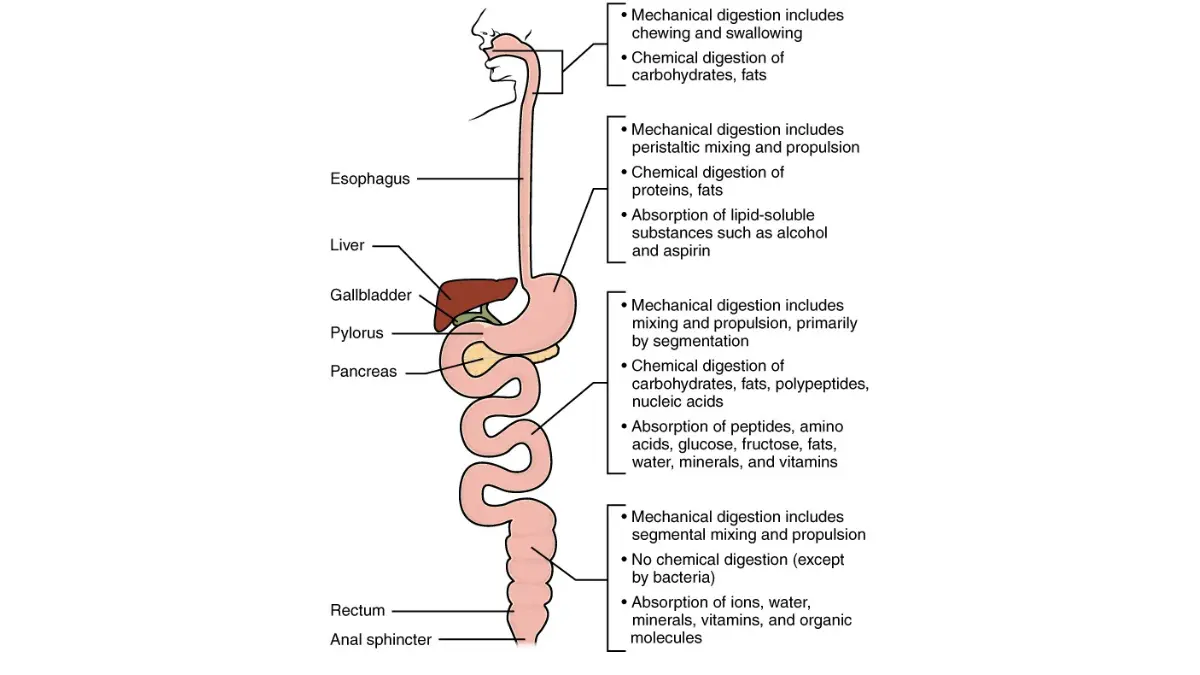
Your pancreas does double duty. Its exocrine function releases enzymes that break down fat, protein, and carbohydrate so your body can absorb them, while its endocrine function makes insulin to control blood sugar.
When a tumor interferes with either function, food may pass through without being fully digested, and blood sugar can swing in ways it never did before. Both make it harder to hold weight and energy.
Cachexia: losing weight even when you eat
🔬 How It Works: Pancreatic cancer can release substances that drive ongoing inflammation, prompting the body to break down its own muscle and fat for fuel. This is called cachexia, and it’s why some people keep losing weight even when they manage to eat.
📊 Clinical Data Point: Substantial weight loss is already present in roughly 71.5% of people at the time of pancreatic cancer diagnosis — Source: Hendifar et al., Pancreas (2018). Across studies, a majority also meet the clinical definition of cachexia. Weight loss this common is exactly why nutrition becomes part of the plan early.
Eating more is necessary, but on its own it doesn’t always reverse the trend — which is why the rest of this guide focuses on eating strategically. For a closer look at the mechanisms and what helps, see why pancreatic cancer causes weight loss.
What to eat during treatment
During treatment, the goal shifts from “eating healthy” in the usual sense to eating in a way that protects your weight, muscle, and strength. In practice, that means three priorities: enough protein, enough calories, and small meals you can actually tolerate.
Build every meal around protein and calories
Protein repairs tissue and supports your immune system, and during cancer treatment your needs run higher than usual. Pair it with enough calories so your body uses that protein for healing rather than burning it for energy.
Good, approachable choices include:
- Eggs, Greek yogurt, cheese, milk, and cottage cheese
- Fish, chicken, and lean meats
- Beans, lentils, nut butters, and tofu
- Calorie-dense add-ins like olive oil, avocado, and full-fat dairy when weight is hard to keep on
The National Cancer Institute’s nutrition-during-treatment guidance is a reliable, plain-language reference for this approach.
Small, frequent meals beat three big ones
When appetite is low or nausea hits, large meals can feel impossible. Eating smaller amounts more often — many people aim for five to six small meals or snacks across the day — tends to be easier to tolerate and lets you take in more overall.
Carbohydrates, sugar, and blood sugar
Because pancreatic cancer can affect insulin, some people find high-sugar foods harder to handle and notice blood-sugar swings. Choosing whole grains, fruit, and vegetables over sweets — and pairing carbohydrates with protein or healthy fat — helps steady things. If you’ve developed blood-sugar problems, see new-onset diabetes and pancreatic cancer and ask your team how to adjust.
How much protein and how many calories you need
Putting numbers to “eat more protein” makes it easier to act on. The exact targets are individual, but published nutrition guidance gives a useful starting range.
Your protein target
📊 Clinical Data Point: Healthy adults need roughly 0.8 grams of protein per kilogram of body weight daily, but cancer nutrition guidance recommends more — generally at least 1.2 grams per kilogram, and sometimes higher — to limit muscle loss during treatment. Source: ESPEN/ESMO clinical nutrition in cancer guidance; American Cancer Society. For someone weighing 70 kg, at least 1.2 g/kg works out to about 84 grams of protein a day or more.
Estimate your own starting point with our protein intake calculator and your daily energy needs with the BMR calculator, then bring those numbers to your dietitian to personalize. The American Cancer Society’s guidance on nutrition during treatment explains why protein and calories matter so much right now.
When food isn’t enough: nutrition supplements
If you can’t meet your needs through food alone, oral nutrition supplement drinks and high-protein shakes can help close the gap.
Weigh yourself weekly
Tracking your weight once a week catches problems while they’re still easy to manage.
✅ Patient Action: Weigh yourself weekly, and if you’re losing more than 1–2 pounds per week, contact your care team. Ask: “Can you refer me to an oncology dietitian, and do I need to adjust my calorie and protein targets?”
Pancreatic enzymes and changes in digestion
If you’re eating but still losing weight, passing greasy or loose stools, or feeling bloated after meals, the problem may be digestion rather than appetite. This is common in pancreatic cancer and often treatable.
What is exocrine pancreatic insufficiency?
🔬 How It Works: When the pancreas can’t release enough digestive enzymes — a condition called exocrine pancreatic insufficiency (EPI) — food, especially fat, isn’t fully broken down and absorbed. The undigested fat is what causes pale, greasy, foul-smelling stools that may float.
📊 Clinical Data Point: EPI is reported in roughly 50% to 90% of people with advanced pancreatic cancer, and it’s more common when the tumor sits in the head of the pancreas. Source: peer-reviewed pancreatic cancer research indexed at the National Library of Medicine. Because it’s so common, it’s worth raising even if no one has mentioned it.
How enzyme replacement (PERT) helps
The standard treatment for EPI is pancreatic enzyme replacement therapy (PERT) — prescription enzyme capsules taken with meals and snacks that do the digesting the pancreas can’t. Used as prescribed, it can improve nutrient absorption and help slow weight loss. You can read more about how exocrine insufficiency is managed in this pancreatic cancer research summarized at the National Library of Medicine.
⚠️ Clinical Warning: Enzyme capsules are prescription medication, and the right dose varies from person to person. Don’t start, stop, or change a dose on your own — greasy stools or continued weight loss despite enzymes is a signal to call your team, not to self-adjust.
✅ Patient Action: Ask your gastroenterologist or oncologist: “Should I be tested for exocrine pancreatic insufficiency, and would pancreatic enzymes help me absorb more from my food?”
Eating through nausea, taste changes, and low appetite
Treatment side effects are often the real obstacle to eating well, and small adjustments can make a meaningful difference. Many of these effects come from chemotherapy — see pancreatic cancer chemo side effects for the bigger picture.
Nausea and low appetite
When nausea or appetite loss takes over, eat your highest-protein foods first, keep cool or bland foods on hand, and sip fluids between meals rather than during them so you don’t fill up too fast. Eating by the clock — small amounts every couple of hours — works better than waiting to feel hungry.
Taste changes and mouth soreness
Chemo can make food taste metallic or flat. Plastic utensils, marinated or seasoned foods, cold dishes, and tart flavors can help — though if your mouth is sore, choose soft, moist foods and skip acidic or spicy items.
Diarrhea, bloating, and gas
These are common and worth reporting, since they may respond to diet changes or to enzymes. The American Cancer Society’s nutrition and side-effect guidance offers practical, symptom-specific tips. If you’re a caregiver managing all of this, our pancreatic cancer caregiver guide can help you support eating without turning every meal into a standoff.
When to call your care team
Some changes are worth a same-day call rather than waiting for your next appointment. Knowing the signs ahead of time means you can act early, while problems are easier to manage.
Weight, hydration, and blood-sugar warning signs
Contact your care team promptly if you notice:
- Losing more than 1–2 pounds in a week, or rapid ongoing weight loss
- Being unable to keep fluids down, or signs of dehydration like dizziness and very dark urine
- Blood sugar running very high or very low, if you’re monitoring it
- Greasy, frequent, or worsening stools despite eating carefully
- New or worsening pain that makes eating difficult
These aren’t reasons to panic, but they are reasons to pick up the phone.
Ask for an oncology dietitian
A registered dietitian who specializes in cancer can tailor all of this to you, yet many people are never offered a referral.
✅ Patient Action: At your next visit, ask: “Can you refer me to an oncology dietitian (RD, CSO), and which of my symptoms should prompt me to call you rather than wait?”
Pancreatic cancer diet: common questions
1. What can I eat during pancreatic cancer treatment?
A pancreatic cancer diet during treatment centers on protein, calories, and small, frequent meals you can tolerate. Build each meal or snack around a protein source — eggs, dairy, fish, beans, or nut butter — and add calorie-dense foods like olive oil or avocado when weight is hard to keep on. Eating smaller amounts more often usually beats three large meals.
2. Why am I losing weight if I’m still eating?
Weight loss in pancreatic cancer often happens even when you eat, because the disease can drive inflammation that breaks down muscle and fat, a process called cachexia. The pancreas may also struggle to digest food fully. Eating more helps but doesn’t always reverse it alone, which is why strategic nutrition and enzyme support both matter.
3. How much protein do I need with pancreatic cancer?
Cancer nutrition guidance generally recommends at least 1.2 grams of protein per kilogram of body weight daily — more than the 0.8 grams healthy adults need — to help limit muscle loss during treatment. For a 70 kg person, that’s roughly 84 grams or more per day. A registered dietitian can set the right target for you.
4. What foods should I avoid with pancreatic cancer?
There’s no single banned list, but during treatment many people do better limiting sugary foods and drinks, very greasy or fried foods, and alcohol, which offer little nutrition and can worsen blood-sugar swings or digestion. Focus less on cutting foods out and more on adding protein and calories you can absorb and tolerate.
5. What are pancreatic enzymes and do I need them?
Pancreatic enzymes (PERT) are prescription capsules taken with meals that replace the digestive enzymes the pancreas can’t make, a problem common in pancreatic cancer. Signs you may need them include greasy, floating stools and weight loss despite eating. Only a clinician can diagnose exocrine insufficiency and prescribe enzymes, so ask your team if this fits you.
6. Can I eat sugar if I have pancreatic cancer?
You don’t have to eliminate sugar, but because pancreatic cancer can affect insulin, high-sugar foods may be harder to handle and can spike blood sugar. Pair carbohydrates with protein or healthy fat, choose whole grains and fruit over sweets, and keep portions steady. If you’ve developed diabetes, ask your team how to adjust.
7. How do I eat when I have no appetite or feel nauseous?
When appetite is low or nausea hits, eat high-protein foods first, keep cool or bland options handy, and take small amounts every couple of hours rather than waiting to feel hungry. Sip fluids between meals instead of during them so you don’t fill up too quickly. Persistent nausea is worth reporting to your team.
8. Are nutritional supplement drinks like Ensure or Boost helpful?
Oral nutrition supplement drinks and high-protein shakes can help when food alone isn’t meeting your needs during pancreatic cancer treatment. They’re a convenient way to add protein and calories, especially on low-appetite days. They work best alongside food rather than as a full replacement, so check with your dietitian about which type fits your situation.
9. What should I eat after Whipple or pancreatic surgery?
After the Whipple procedure or other pancreatic surgery, your body is relearning how to digest, so small, frequent meals and extra protein for healing usually work best at first. Many people need pancreatic enzymes during this time. Our guide to recovering from the Whipple procedure covers what to expect, and your surgical team will guide your specific plan.
10. How much water should I drink during treatment?
Staying hydrated supports energy and helps your body handle treatment. A common general target is around 64 ounces of fluid daily, adjusted for your situation, and drinking most of it between meals helps you avoid filling up before you’ve eaten. Too much caffeine can be dehydrating, so balance it with water.
11. When should I call my care team about eating or weight?
Call your care team if you’re losing more than 1–2 pounds a week, can’t keep fluids down, have signs of dehydration, notice very high or low blood sugar, or have greasy or worsening stools despite eating carefully. These changes are easier to manage when caught early, so it’s better to call than to wait.
Bringing it together
Nutrition is one of the few parts of pancreatic cancer you can act on directly, day to day. The core of it stays simple even when eating feels hard: prioritize protein and calories, eat small and often, ask whether pancreatic enzymes could help you absorb more, and get a registered dietitian on your team. None of this replaces your treatment, but it can help you stay strong enough to get through it and recover. And if you’re doing this for someone you love, your steadiness at the table matters more than perfection — and asking for that dietitian referral is the single most useful next step.
About this content
How this article was put together: researched from recognised health sources, drafted with the help of AI tools, and edited by hand, with sources linked throughout.

Sameer Patel is the founder and editor of My Medicine Advisor. He is not a doctor or medical professional — before starting this site he worked in banking,…
Medical disclaimer
The content on MyMedicineAdvisor is provided for general informational and educational purposes only and is not a substitute for professional medical advice, diagnosis, or treatment. Health information on this website should not be used to diagnose, treat, cure, or prevent any condition without guidance from a qualified healthcare professional. Always seek the advice of your doctor, physician, or another licensed healthcare provider with any questions you may have regarding a medical condition, symptoms, medications, or treatment decisions.