
On This Page – Quick Medical Summary
If someone you love was just told they have pancreatic cancer, you may be reading this on one of the hardest days you have known. You did not train for this, and the first weeks can feel like too much arriving at once — appointments, decisions, and fear all together.
This guide is for the caregiver in those first weeks. Use the part that matches where you are right now:
- Diagnosed in the last few days? Start with understanding the diagnosis (Section 2) and getting organized (Section 3).
- Treatment already underway? Move to food and weight (Section 4) and knowing when to call the team (Section 5).
- Facing advanced or late-stage disease? Sections 5 and 7 cover urgent symptoms and supportive care.
You will not do this perfectly, and you do not have to. What follows is a calm, ordered way to take the next steps — and to look after yourself while you do.
ℹ️ Medical Disclaimer: This article is general education, not medical advice, and does not replace care from your loved one’s medical team. It discusses diagnosis, treatment, medication, nutrition, and emergency symptoms in general terms only. Specific decisions about staging, drugs, enzyme dosing, and when to seek emergency care must come from a board-certified oncologist and the treating care team. Always follow the instructions your care team gives for your loved one’s situation.
Understanding what your loved one is facing
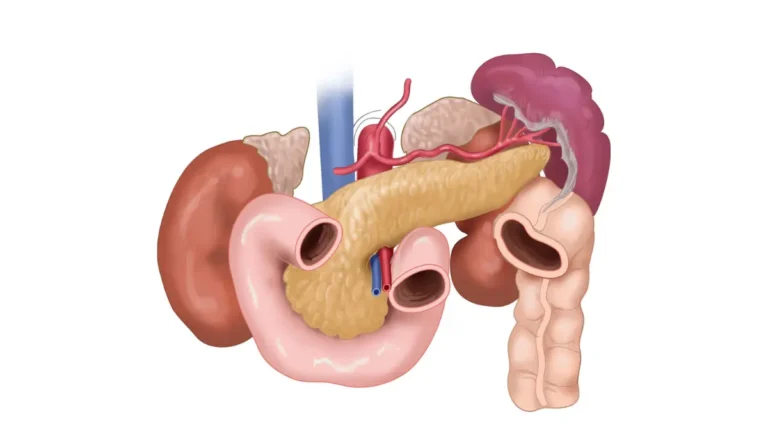
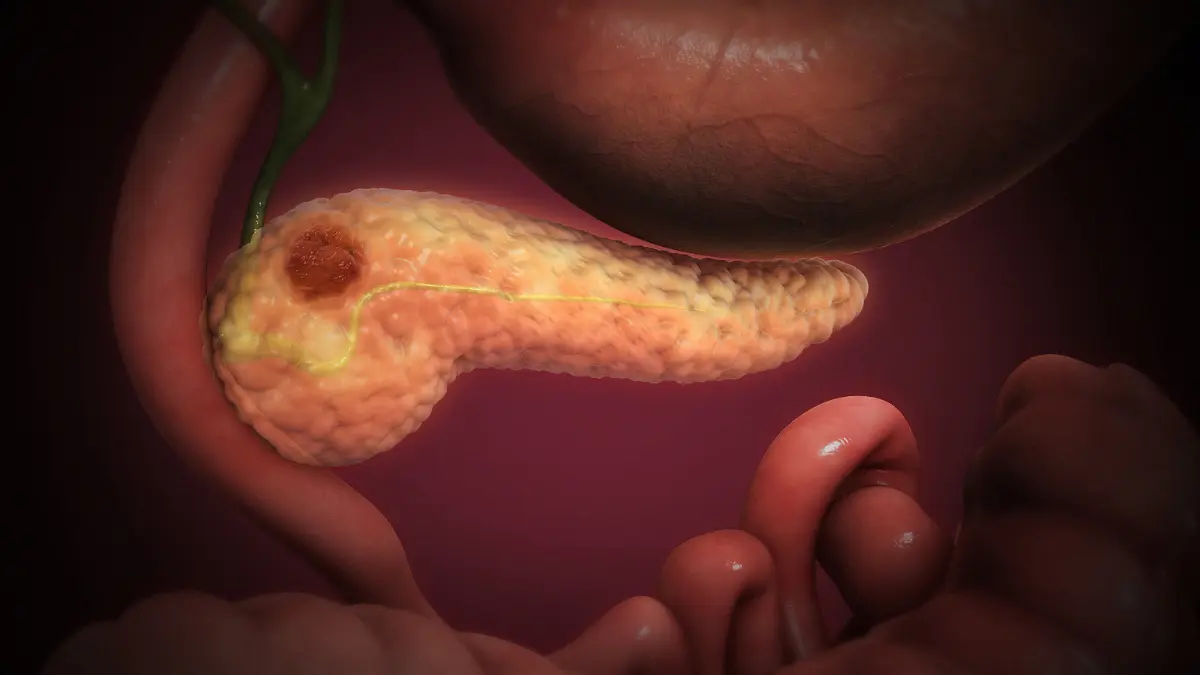
A clear picture of the diagnosis makes the first decisions less frightening. Pancreatic cancer begins when cells in the pancreas grow out of control and form a tumor that can interfere with digestion and blood sugar.
What the pancreas does, in plain terms
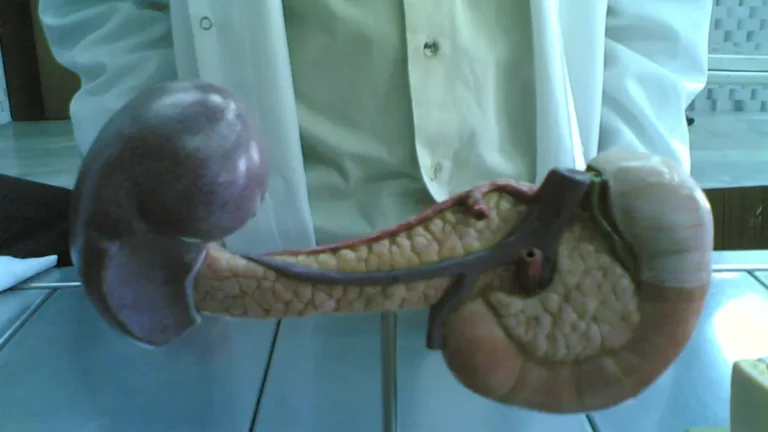
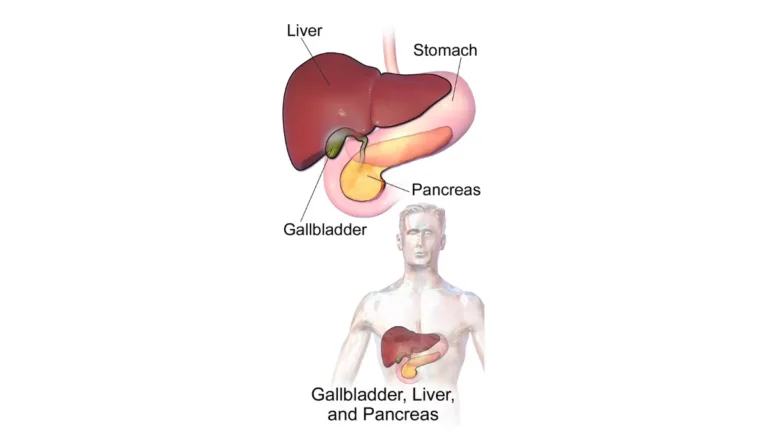
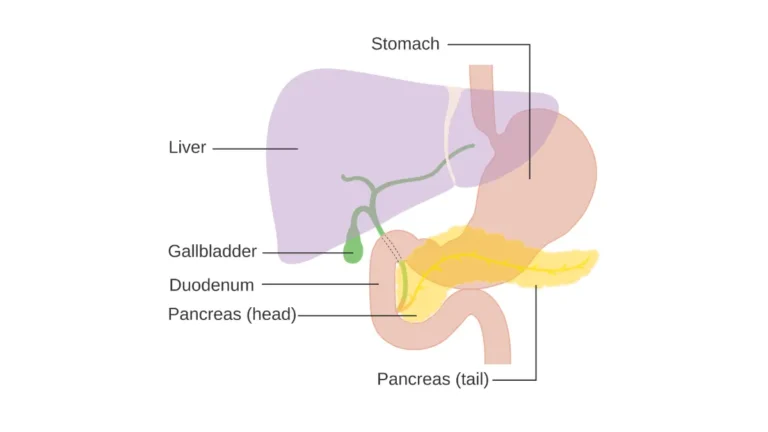
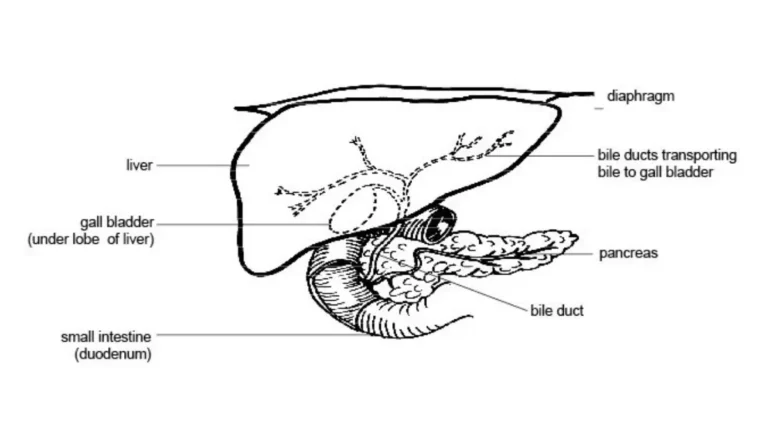
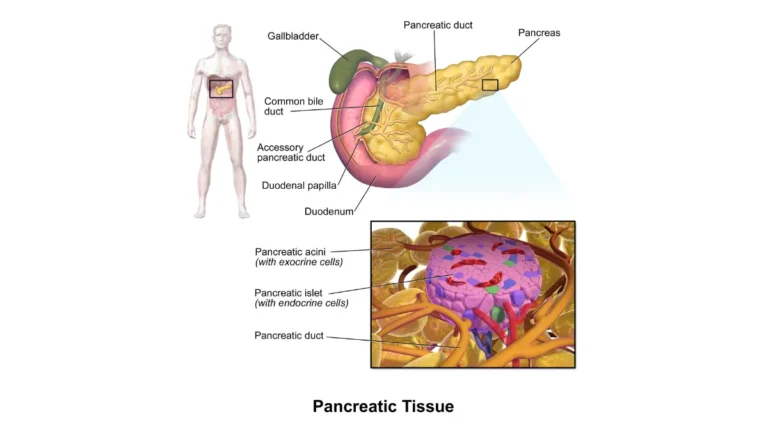
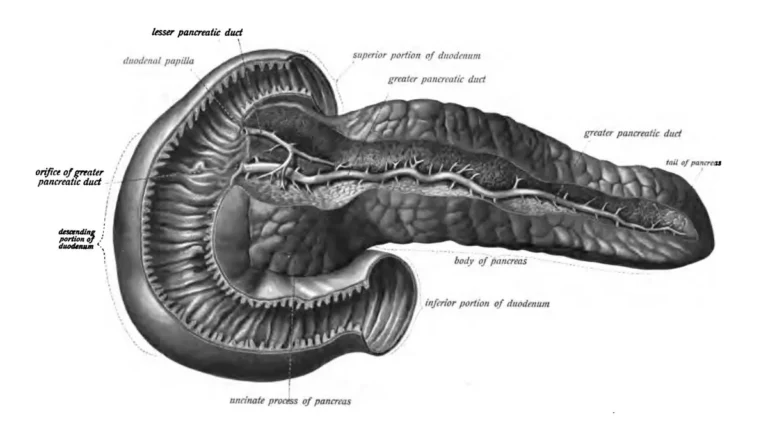
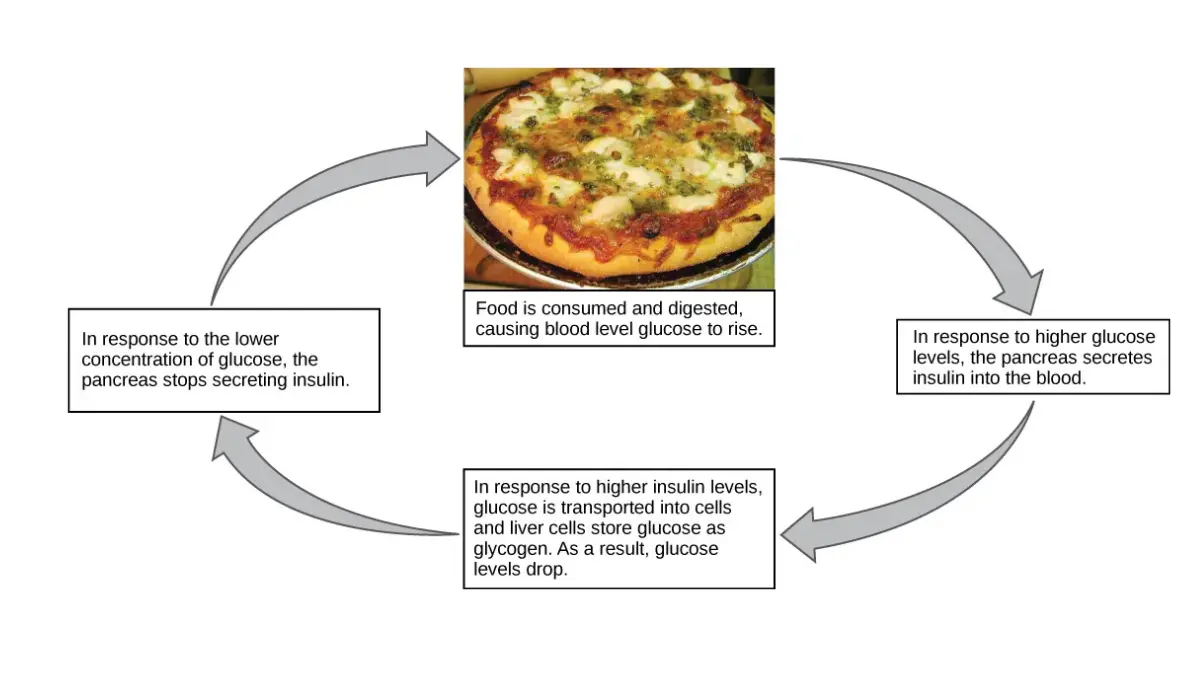
🔬 How It Works: The pancreas sits deep in the abdomen and does two jobs — it makes enzymes that digest food and hormones like insulin that manage blood sugar. When a tumor disrupts those jobs, it can affect digestion, weight, and blood sugar, which is why those problems often show up first.
Why it is often found late — and what the numbers mean
Pancreatic cancer frequently causes few clear symptoms until it has grown or spread, so it is often diagnosed at a later stage.
📊 Clinical Data Point: About 51% of pancreatic cancers are diagnosed only after they have already spread to distant parts of the body — Source: NCI SEER Cancer Stat Facts (SEER 21, 2016–2022).
You may have already seen survival statistics, and they are sobering — but they describe large groups of people, not your specific person. Across all stages, the five-year relative survival is about 13.7%; it is 43.6% when the cancer is still localized, 17.0% when it has reached nearby lymph nodes, and 3.4% once it has spread to distant organs. These are historical averages that cannot predict one individual’s outcome, and survival has been slowly improving as treatments advance.
Your loved one’s age, overall health, tumor details, and response to treatment all shape their actual path. For the fuller clinical picture, see our guide to understanding pancreatic cancer and its stages and how pancreatic cancer is staged.
✅ Patient Action: At the first oncology visit, ask the medical oncologist: “What stage is the cancer, and what do those options mean for us specifically?”
Getting organized in the first weeks
Turning overwhelm into a system is the single most useful thing you can do early. A little structure now saves hours and reduces missed information later.
Build a care binder
Keep one place — a binder or a phone note — that holds the diagnosis, the care team’s contacts, every medication and dose, appointment dates, test results, and questions as they come up. Bring it to every visit. This becomes your shared memory on days when both of you are exhausted.
Assemble the care team — and consider a second opinion
Pancreatic cancer is usually managed by a team, not one doctor. That team often includes a medical oncologist, a surgical oncologist, a registered oncology dietitian, and an oncology social worker, with palliative care added early. If your loved one was just diagnosed, our guide for the newly diagnosed with pancreatic cancer walks through these first steps, and our overview of pancreatic cancer treatment options explains what the team may propose.
A second opinion at an NCI-designated cancer center is a normal, expected part of cancer care, not a sign of distrust.
✅ Patient Action: Ask the team: “Who is our single point of contact, and what is the best number to reach a nurse after hours?”
Helping with food, weight, and digestion
Eating becomes one of the most practical battles of daily care, and it is rarely as simple as “eat more.” Weight loss and appetite changes are common with pancreatic cancer, and there are real reasons behind them.
Why appetite and weight change
Most people with pancreatic cancer experience significant weight loss, sometimes before diagnosis. The cancer, the treatments, and changes in digestion can all reduce appetite or make food harder to absorb. Our detailed guide on pancreatic cancer and weight loss covers this in depth.
Pancreatic enzymes, explained
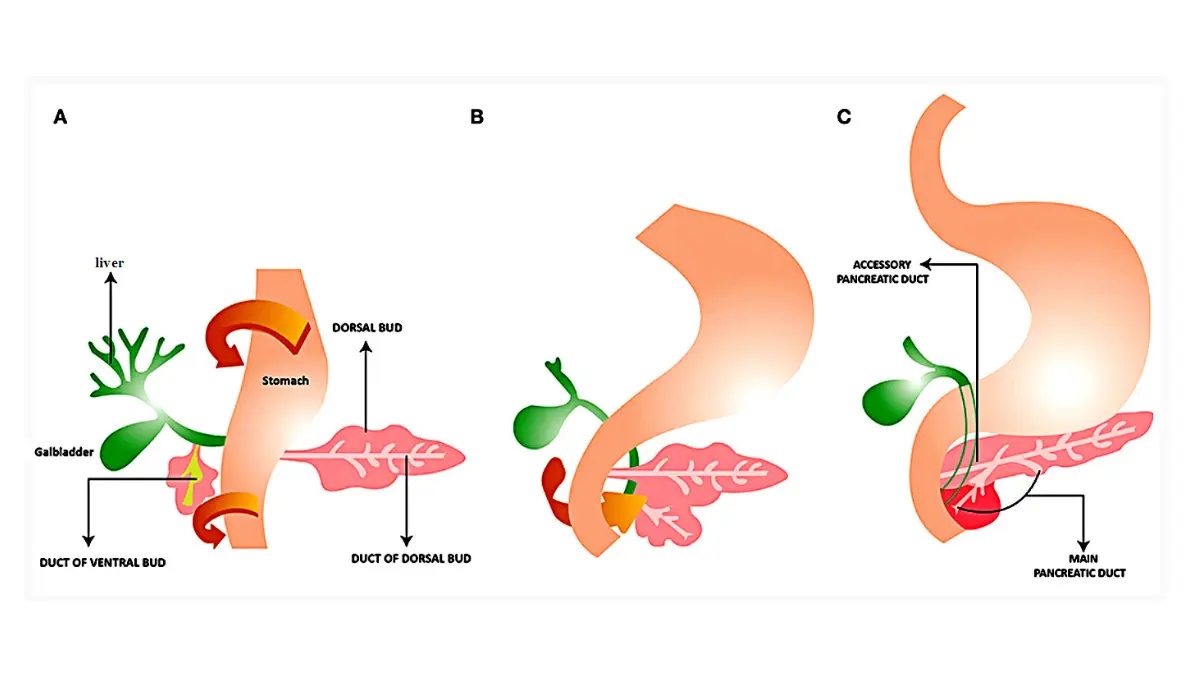
🔬 How It Works: A damaged or blocked pancreas may not release enough digestive enzymes, so food — especially fat — is not fully broken down or absorbed. That can cause weight loss and loose, oily stools. Pancreatic enzymes, taken as capsules with food, replace what the pancreas is not making.
The NCI notes that doctors may prescribe these enzymes to help prevent malnutrition. The dose and timing are individualized and set by the prescriber — they are not something to estimate at home.
Gentle ways to help with eating
Small, frequent, calorie-dense meals are often easier to manage than three large ones, and keeping favorite foods on hand helps on low-appetite days. Because nutrition needs here are specialized, a registered oncology dietitian should set the actual targets. Our protein intake calculator can give a general reference point, but it is a starting place only — your dietitian sets the real goals.
✅ Patient Action: Ask for a referral to a registered oncology dietitian, and ask the prescriber exactly how and when to take any enzymes.
Symptoms to watch and when to call for help
Knowing the difference between a hard day and an emergency is one of a caregiver’s most important skills. Use this as a general guide, and always defer to the instructions your care team gives you.
⚠️ Clinical Warning: Pancreatic cancer raises the risk of serious blood clots, and problems like infection, worsening jaundice, and bowel blockage can become urgent quickly. When a symptom comes on fast or feels severe, do not wait it out — call for help.
Track and report these day to day
Watch for changes in appetite, pain, energy, skin or eye color, stool changes, and mood, and note them in your binder. New or worsening yellowing of the skin or eyes deserves prompt attention — see our guide to jaundice in pancreatic cancer. Pain that is not controlled should be reported too; our guide to managing pancreatic cancer pain explains the options.
Call the care team promptly if
- Fever or other signs of infection appear
- Jaundice is new or getting worse
- Pain or vomiting is not controlled by the current plan
- There are signs of dehydration, or your loved one cannot keep fluids down
- Anything changes in a way that worries you
Seek emergency care or call 911 if
- Pain becomes sudden and severe, or breathing becomes difficult
- There is chest pain, sudden swelling or pain in one leg, or sudden confusion — possible signs of a blood clot
- There are signs of a bowel obstruction, such as severe abdominal swelling with vomiting and no bowel movement
✅ Patient Action: Ask the team directly: “What is your ‘call us now’ list, and when should we go straight to the emergency room?” Every team has one.
Taking care of yourself while caring for them
You cannot pour from an empty cup, and your health matters to this effort as much as anyone’s. Caregiver strain is real and well documented.
Caregiver strain is real
The NCI describes caregiver burden as the stress felt when the demands of caregiving outpace the resources available, and it notes that caregivers who neglect their own health face both physical and emotional effects. Recognizing the strain is not weakness — it is part of doing this well.
Accept help and protect your own health
Protect your sleep and meals, and say yes to specific offers of help rather than waiting until you are depleted. Stay connected to people outside the situation, and consider a support group or a counselor when the load feels heavy. An oncology social worker on the care team can point you to both.
✅ Patient Action: Tell the oncology social worker: “I need help organizing support for myself as a caregiver — what is available?”
Building support and thinking about what’s ahead
A support system around both of you makes the road ahead steadier. Part of that is understanding the kinds of care available, including some that are widely misunderstood.
Palliative care is not giving up
🩺 Physician Note: Current guidance emphasizes that palliative care — specialized support that eases symptoms and improves quality of life — can begin at diagnosis and run alongside active treatment. It is not the same as hospice, which focuses on comfort at the end of life. Asking for it early is associated with better quality of life, not with giving up.
Support, financial help, and clinical trials
Pancreatic-specific organizations such as the Pancreatic Cancer Action Network (PanCAN) and CancerCare offer patient services, case managers, and help navigating costs, and an oncology social worker can connect you to local financial aid and transportation. If your loved one wants to explore newer treatments, our guide to pancreatic cancer clinical trials explains how trials work, and the NCI’s free caregiver self-care guide is a practical resource for you.
✅ Patient Action: Ask the oncologist for a palliative care referral now, and ask the social worker which financial-aid programs your loved one may qualify for.
Pancreatic cancer caregiver questions, answered
1. What does a pancreatic cancer caregiver do in the first weeks?
A pancreatic cancer caregiver helps organize medical information, coordinates appointments, supports nutrition, watches for warning symptoms, and offers steady emotional presence. In the first weeks, the most useful steps are building a care binder, helping assemble the care team, learning which symptoms need a call, and arranging support — for your loved one and for yourself.
2. How long do people live after a pancreatic cancer diagnosis?
Survival varies widely by stage. Across all stages the five-year relative survival is about 13.7%, but it is 43.6% when the cancer is still localized and 3.4% once it has spread to distant organs. These are population averages from past data and cannot predict one person’s outcome. Ask your loved one’s oncologist what their specific stage means.
3. What should someone with pancreatic cancer eat?
There is no single diet, but small, frequent, calorie-dense meals are often easier than three large ones. Because the pancreas may not make enough digestive enzymes, eating well can be harder than it looks. A registered oncology dietitian should set specific targets and review whether pancreatic enzymes are needed — ask the care team for a referral.
4. What are pancreatic enzymes and why are they prescribed?
Pancreatic enzymes are capsules that replace the digestive enzymes a damaged or blocked pancreas may not make. Without enough of them, food is not fully absorbed, which can cause weight loss and oily, loose stools. The NCI notes doctors may prescribe these to help prevent malnutrition. Your prescriber decides the dose and timing — follow their instructions.
5. When should a caregiver call the cancer care team?
Call promptly for new or worsening jaundice, fever or signs of infection, uncontrolled pain or vomiting, signs of dehydration, or any symptom that worries you. Every team has its own “call us now” list and an after-hours number — ask for both. When you are unsure whether something is serious, calling is always the right choice.
6. What counts as a medical emergency in pancreatic cancer?
Seek emergency care or call 911 for sudden severe pain, trouble breathing, chest pain, sudden leg swelling, confusion, a high fever, or signs of a serious bleed or bowel blockage. Pancreatic cancer raises the risk of blood clots, which can be life-threatening. When symptoms come on fast or feel severe, do not wait — get emergency help.
7. How do I keep track of appointments and medications?
Keep one place — a binder or a phone note — with the diagnosis, the care team’s contacts, every medication and dose, appointment dates, and questions as they arise. Bring it to every visit and take notes, or record with permission. A single point of contact, usually an oncology nurse, can help you reach the right person quickly.
8. What is palliative care and when should it start?
Palliative care is specialized support that eases symptoms and improves quality of life, and it can run alongside active treatment from the time of diagnosis — it does not mean giving up. It is different from hospice, which focuses on comfort at the end of life. Ask the oncologist for a palliative care referral early.
9. How does a pancreatic cancer caregiver avoid burnout?
Caregiver strain is real, and neglecting your own health makes it harder to help. Protect your sleep and meals, accept specific offers of help, and stay connected to people outside the situation. The NCI encourages caregivers to share their feelings, join a support group, or talk with a counselor or oncology social worker when the load feels heavy.
10. Should we get a second opinion?
A second opinion is a normal, expected part of cancer care, not a sign of distrust. Many people seek one at an NCI-designated cancer center, where pancreatic cancer is treated often. It can confirm the plan or surface options you had not heard about. Most teams support this, and the timing rarely changes the plan in the first weeks.
11. Where can pancreatic cancer caregivers find support and financial help?
Support exists for both of you. The NCI offers free caregiver guides, and pancreatic-specific organizations such as the Pancreatic Cancer Action Network and CancerCare provide patient services, case managers, and help navigating costs. An oncology social worker on the care team can connect you to local financial aid, transportation, and counseling resources.
Taking the next step
The first weeks of caring for someone with pancreatic cancer ask a great deal of you, all at once. You do not have to hold it alone, and you do not have to get everything right.
A workable order helps: understand the diagnosis, get organized, support eating, learn the warning signs, care for yourself, and build support around you both. Take it one appointment and one day at a time.
Download our First-Weeks Caregiver Checklist to keep these steps in one place, and lean on your loved one’s care team — they expect your questions and are there to help you both.
About this content
How this article was put together: researched from recognised health sources, drafted with the help of AI tools, and edited by hand, with sources linked throughout.

Sameer Patel is the founder and editor of My Medicine Advisor. He is not a doctor or medical professional — before starting this site he worked in banking,…
Medical disclaimer
The content on MyMedicineAdvisor is provided for general informational and educational purposes only and is not a substitute for professional medical advice, diagnosis, or treatment. Health information on this website should not be used to diagnose, treat, cure, or prevent any condition without guidance from a qualified healthcare professional. Always seek the advice of your doctor, physician, or another licensed healthcare provider with any questions you may have regarding a medical condition, symptoms, medications, or treatment decisions.