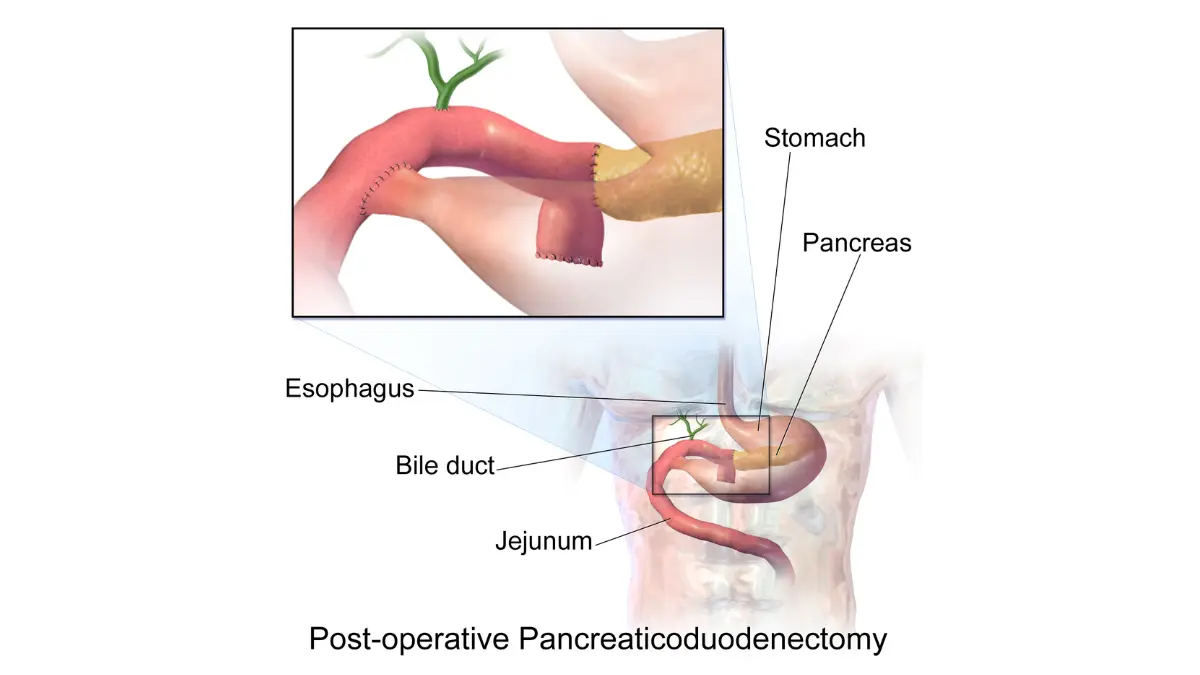
What Makes Pancreatic Cancer Resectable or Unresectable
Resectable or unresectable pancreatic cancer isn't about spread alone—it's whether the tumor encases key vessels. Only 15–20% are operable.

Resectable or unresectable pancreatic cancer isn't about spread alone—it's whether the tumor encases key vessels. Only 15–20% are operable.

Heat exhaustion and heat stroke can look alike in the first minutes — but one becomes a life-threatening emergency.
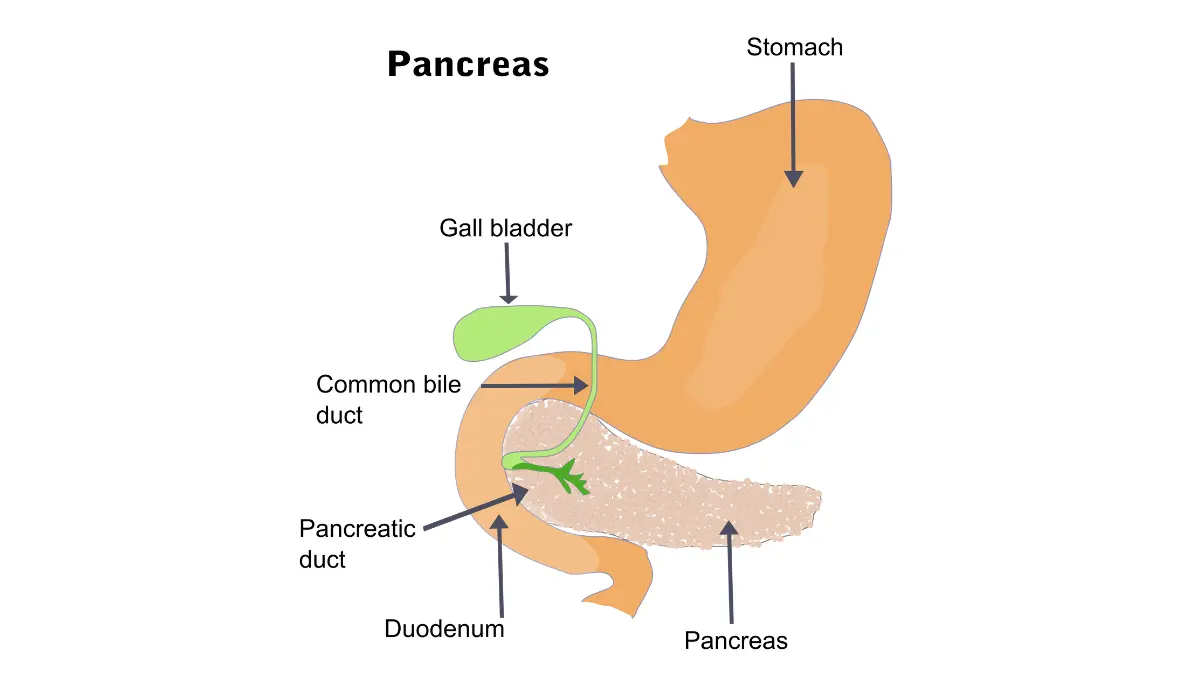
Stage 4 pancreatic cancer life expectancy is sobering, but the numbers are averages, not your future — and new RAS-targeted drugs are shifting it.
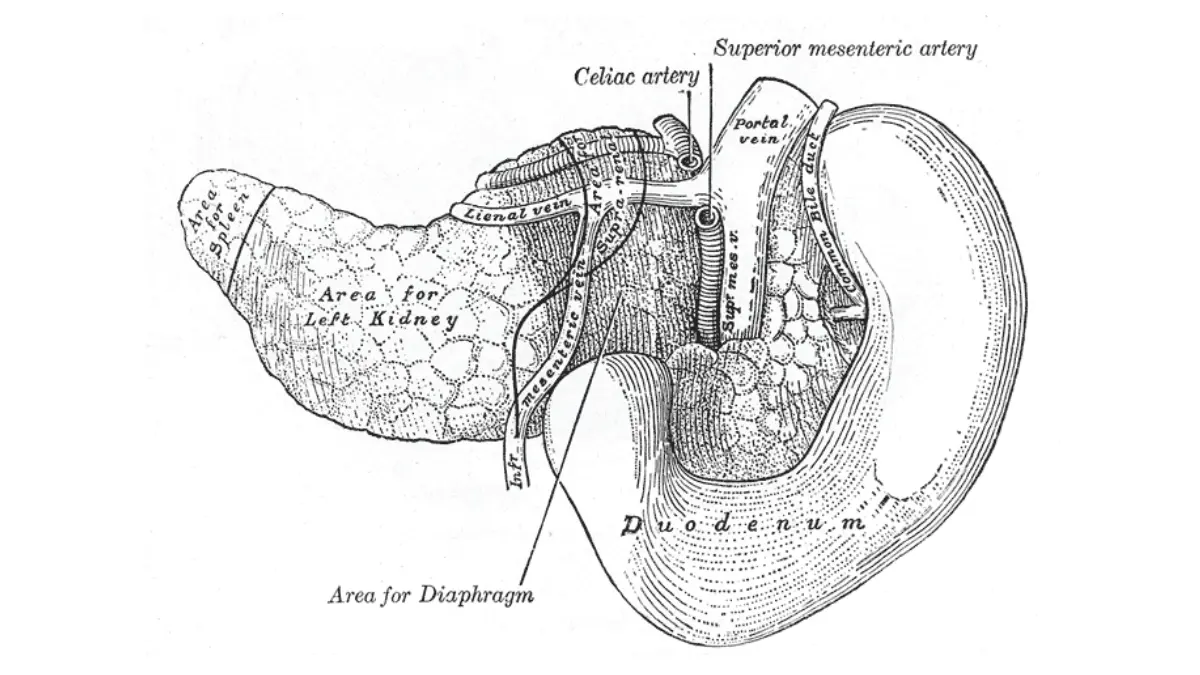
Pancreatic cancer stages run 0 to IV, but the number alone doesn't decide treatment—resectability does. What each stage really means for your options.
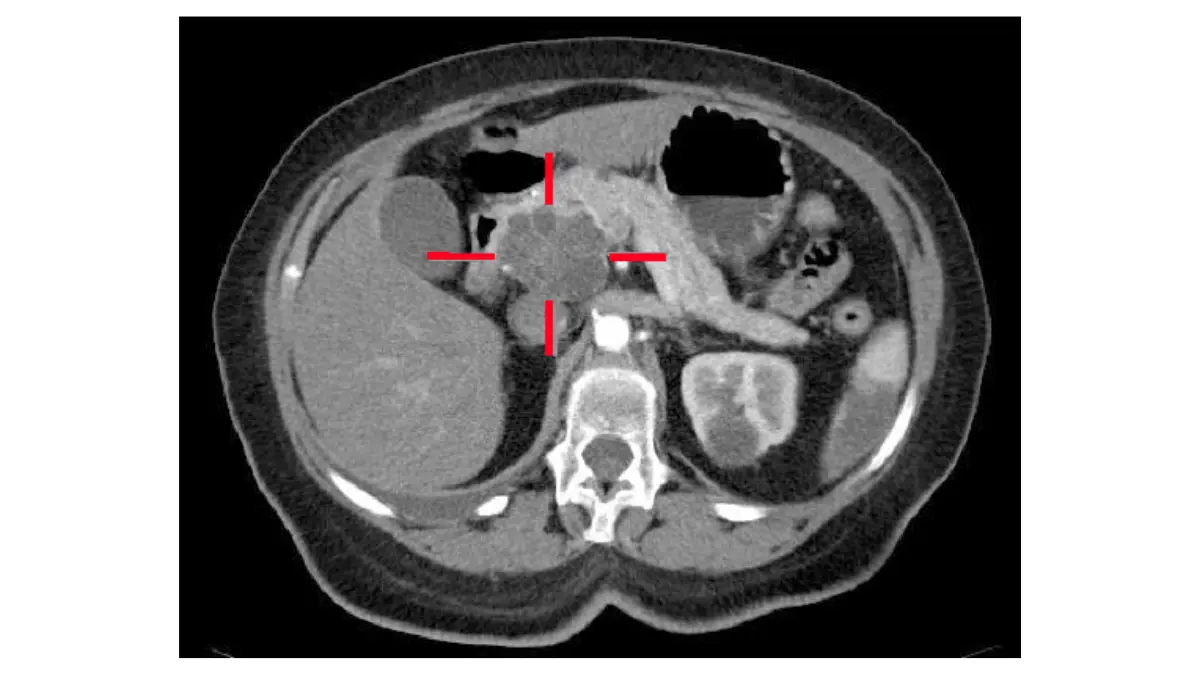
Pancreatitis and pancreatic cancer share symptoms, but only one is a tumor—and one can mimic the other on a scan. Here's how doctors tell them apart.
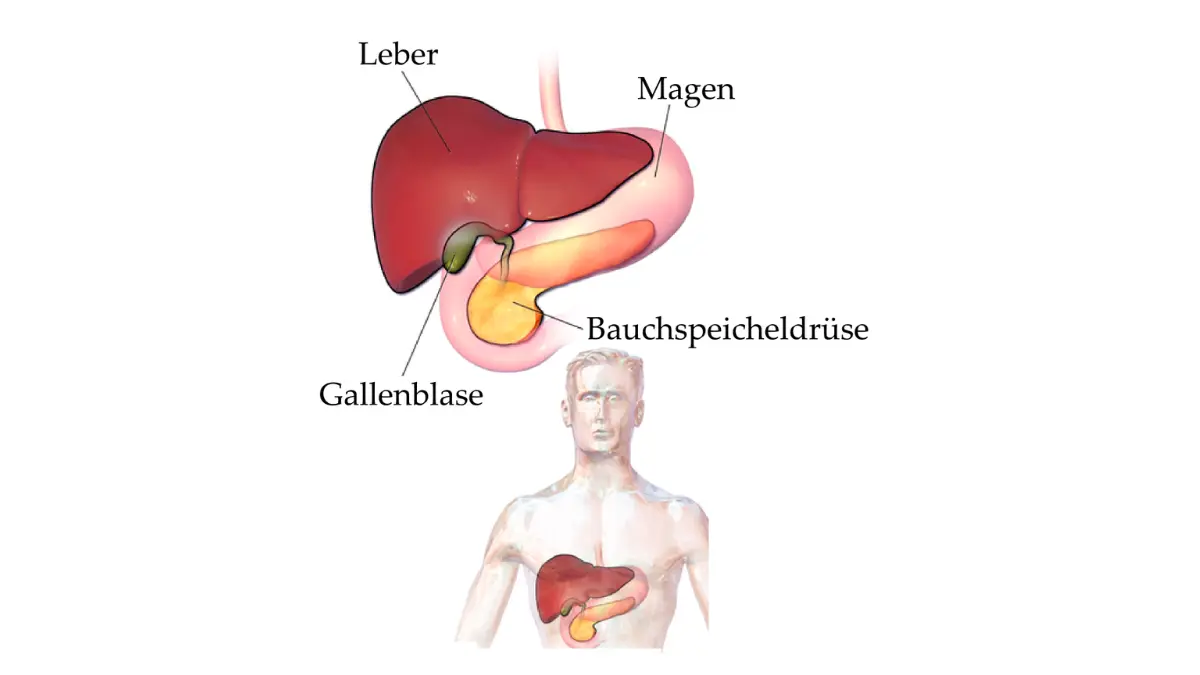
CA 19-9 isn't a yes-or-no cancer test. A high level often has a harmless cause, and 5–10% of people don't produce it at all—here's how to read yours.
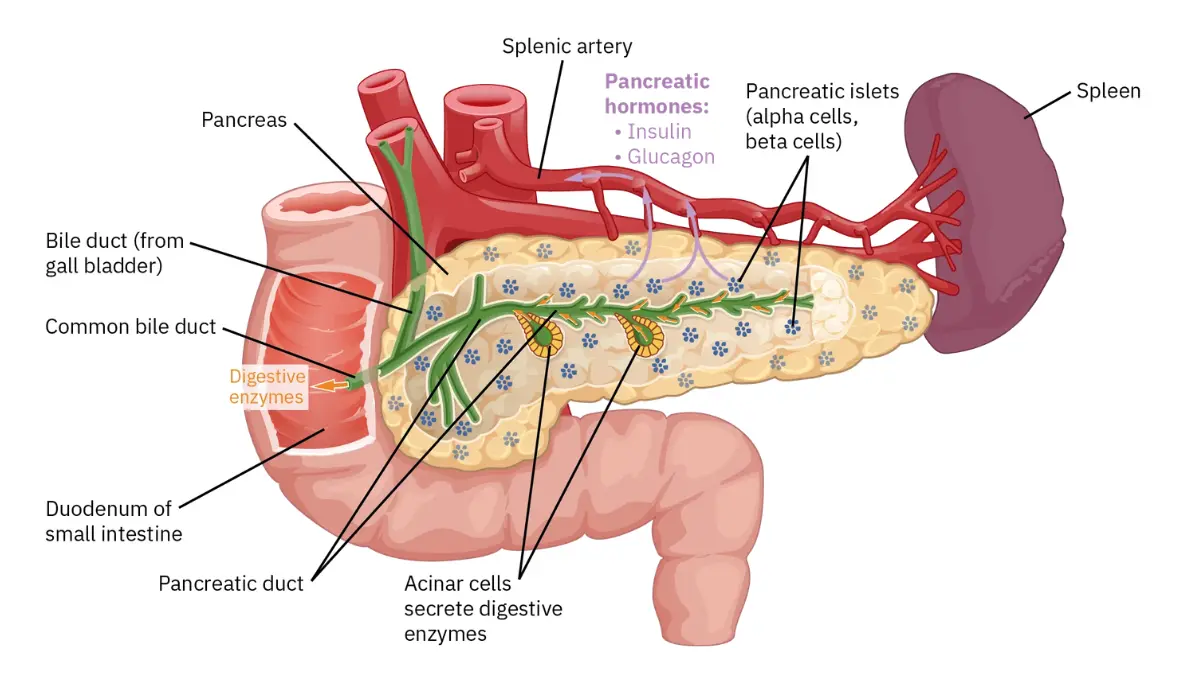
How is pancreatic cancer diagnosed? Rarely with one test: imaging, the CA 19-9 marker, and a biopsy work together to confirm it and guide care.
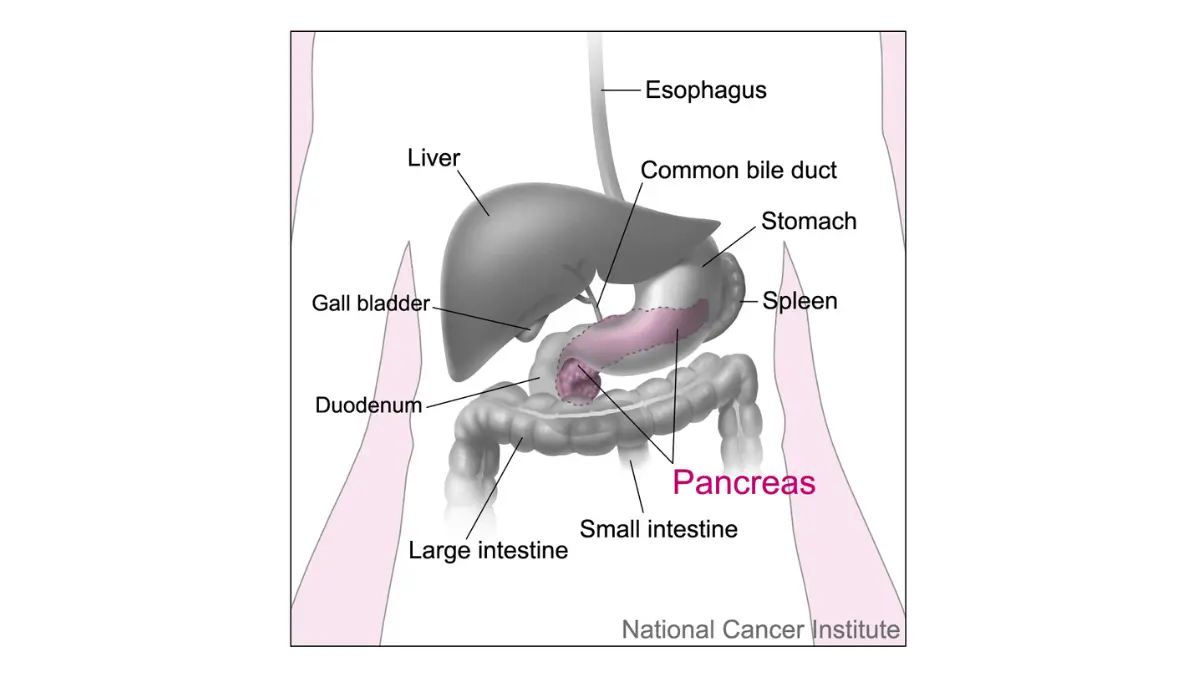
Pancreatic cancer weight loss isn't a willpower problem—it's driven by cachexia and lost digestive enzymes, which is why eating more rarely reverses it.
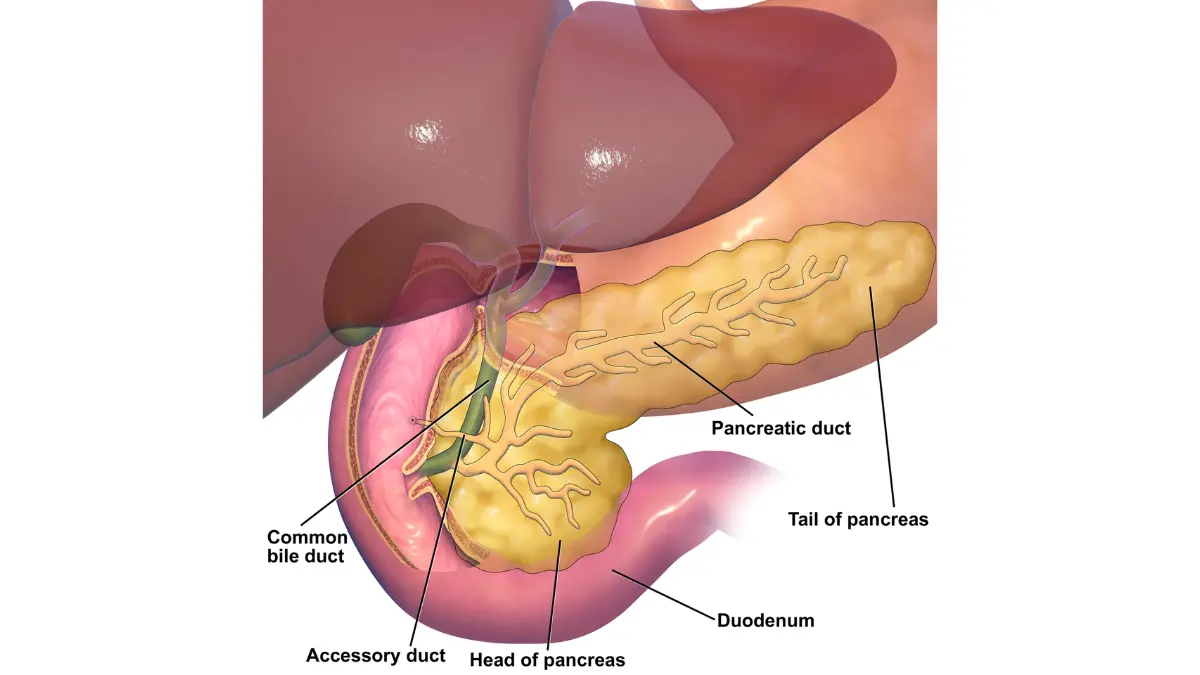
New-onset diabetes after 50 is rarely pancreatic cancer—about 99 in 100 are not. The combination to check is new diabetes plus weight loss.
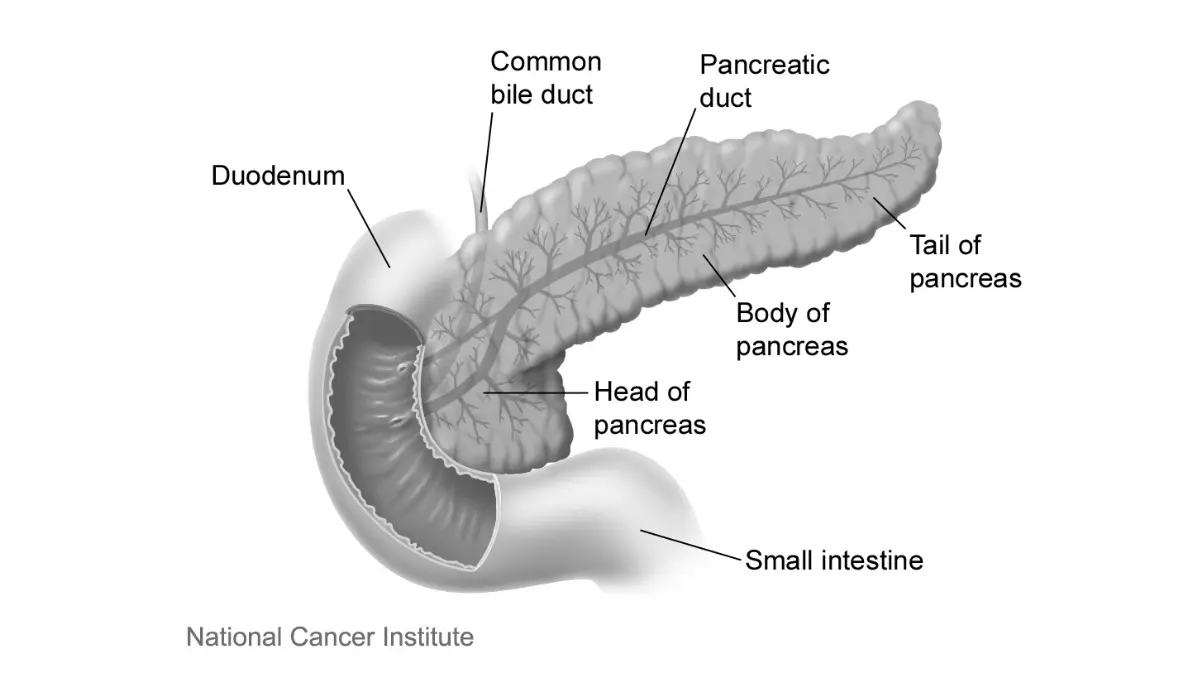
Jaundice and pancreatic cancer are often linked, but most jaundice isn't cancer. Learn the painless warning sign — and which symptoms mean the ER now.