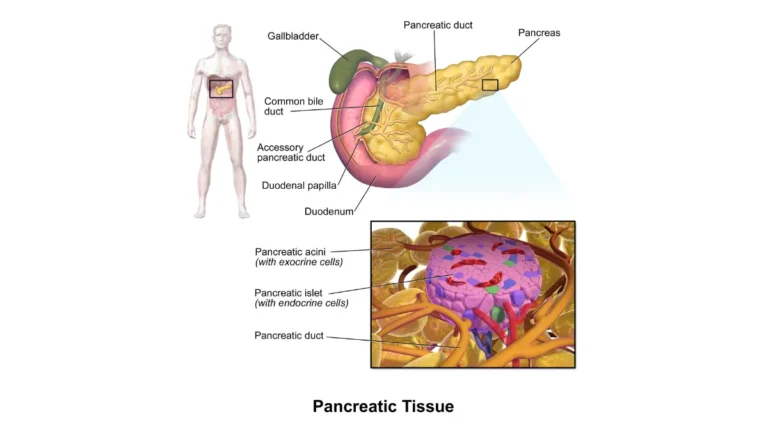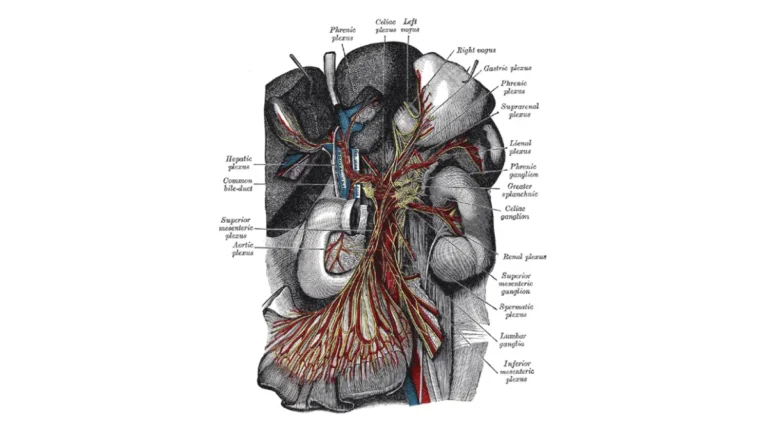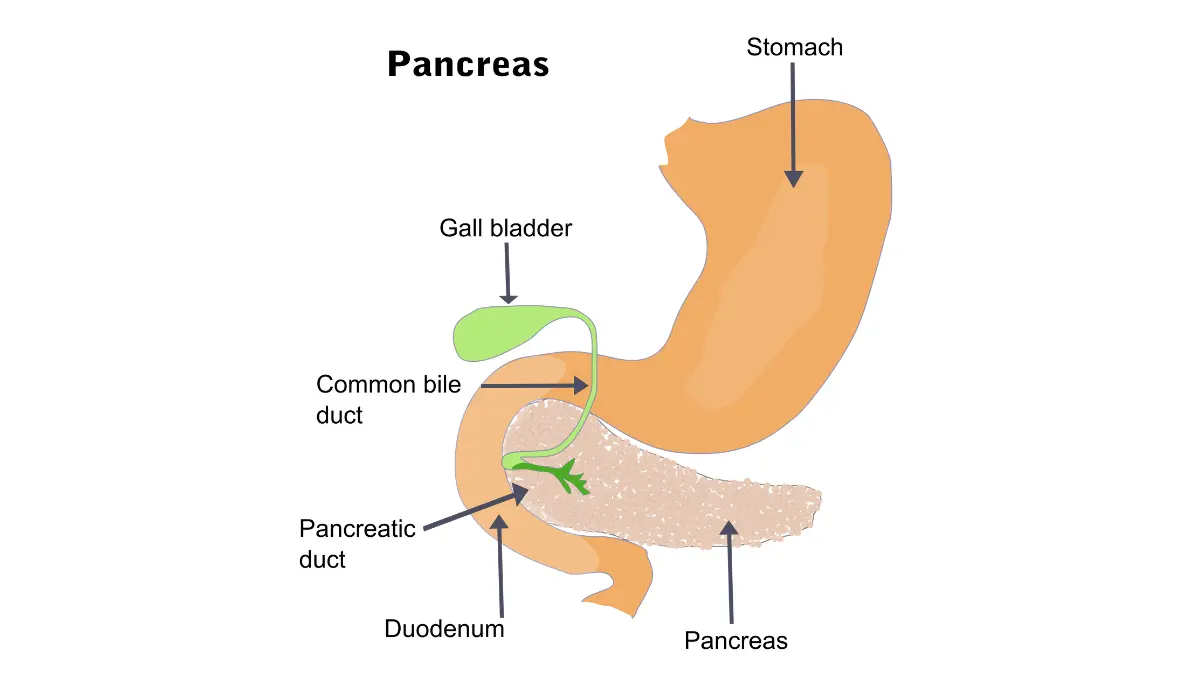

On This Page – Quick Medical Summary
If you or someone you love was just told the words stage 4 pancreatic cancer, you are likely frightened and searching for one honest answer: how much time is there? This guide gives that answer plainly, then shows what can change it and what real care looks like now.
Read the part that fits where you are. If you were newly diagnosed, start with what stage 4 means and the survival numbers below. If you are a caregiver or family member, the sections on treatment, quality of life, and urgent warning signs are written for you. If you are comparing treatments or weighing a clinical trial, jump ahead to treatment options. Wherever you start, every figure here is tied to a named source, and nothing here replaces your own oncology team.
ℹ️ Medical Disclaimer: This article is general health education, not medical advice, and does not diagnose disease, recommend a treatment or medication, or guide any procedure or insurance decision. Survival statistics describe groups of people, not any one person, and cannot predict an individual outcome. Decisions about diagnosis, chemotherapy, targeted therapy, clinical trials, palliative care, and end-of-life care should be made with a board-certified medical oncologist who knows your full situation.
What does stage 4 pancreatic cancer mean?
Stage 4 is the most advanced stage, and it means the cancer has spread beyond the pancreas to distant organs — a process called metastasis.
Where pancreatic cancer spreads
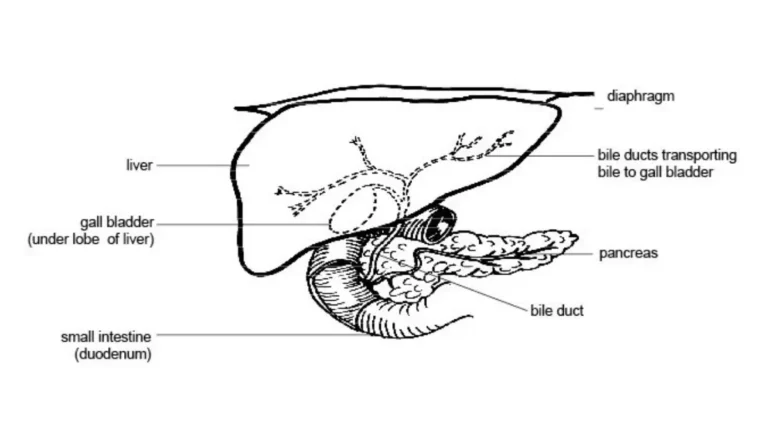
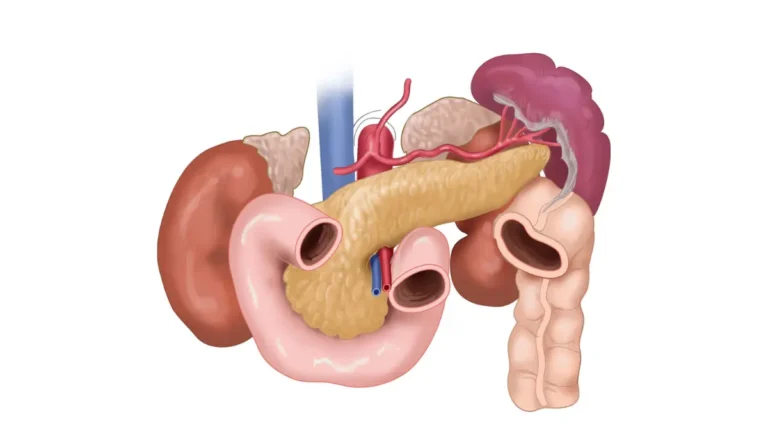
Pancreatic cancer most often spreads to the liver, and can also reach the lungs, the lining of the abdomen (the peritoneum), and distant lymph nodes. This distant metastasis is what defines stage 4, regardless of how large the original tumor is. Most pancreatic cancers are a type called pancreatic adenocarcinoma.
🔬 How It Works: Cancer cells break away from the original tumor, travel through the bloodstream or lymph system, and settle in a new organ, where they grow into new tumors. Because these cells are still pancreatic cancer cells, a liver tumor that came from pancreatic cancer is treated as pancreatic cancer, not liver cancer.
Stage 4 versus earlier stages
Doctors and cancer registries often group pancreatic cancer as localized, regional, or distant rather than by number. Our related guides explain how pancreatic cancer is staged and how pancreatic cancer is diagnosed in more detail.
Is stage 4 the same as terminal?
Not exactly. Stage 4 pancreatic cancer is generally not curable, but “incurable” is not the same as “untreatable” — treatment can still slow the cancer, ease symptoms, and extend life. Many people live meaningful time with focused care.
What is the life expectancy for stage 4 pancreatic cancer?
Here is the honest answer, followed immediately by what it does and does not mean for one person. For pancreatic cancer that has spread to distant organs, the 5-year relative survival rate is about 3%, compared with roughly 13% for all stages combined and about 44% when the cancer is still confined to the pancreas.
| SEER stage | 5-year relative survival | Key clinical detail |
|---|---|---|
| Localized (within the pancreas) | ~44% | Only about 15% are found this early |
| Regional (nearby spread) | ~16–17% | Reached nearby tissue or lymph nodes |
| Distant (stage 4) | ~3% | Spread to distant organs; the most common stage at diagnosis |
Source: American Cancer Society and NCI SEER (people diagnosed 2015–2021).
These figures come from the NCI’s SEER cancer statistics and the American Cancer Society’s stage-by-stage survival data.
What these numbers actually mean
A relative survival rate compares people with this cancer to people without it, and it is an average across thousands of patients — not a personal prediction. Median survival for metastatic disease has historically been under a year, but individual outcomes vary widely with health, treatment, and tumor biology.
Why the numbers may understate today’s outlook
Survival statistics reflect people diagnosed at least five years ago, under older treatments. Newer therapies — including the targeted drugs covered below — are beginning to extend survival for some patients, so a person diagnosed today may do better than these figures suggest.
✅ Patient Action: Ask your medical oncologist what these statistics mean for your specific situation, given your overall health and where the cancer has spread — a population average should not be read as a personal timeline.
What affects how long someone lives with stage 4 pancreatic cancer?
A single number hides how much individual factors change the outlook. Several measurable factors influence prognosis:
- Performance status — how well a person can carry out daily activities. People who are stronger and more active at diagnosis generally tolerate treatment better.
- Where and how far the cancer has spread — the number and location of metastases can affect both symptoms and which treatments are options.
- Tumor biomarkers — genetic features of the tumor, including KRAS and inherited BRCA changes, can open the door to targeted treatments and trials.
- Response to treatment — how the cancer responds to first-line therapy is one of the strongest signals of what comes next.
Doctors also track the CA 19-9 tumor marker over time; our guide explains the CA 19-9 tumor marker in depth. A rising or falling trend can help show how treatment is working, though it is read alongside scans, not on its own.
🩺 Physician Note: A common point of confusion is treating any single number — a survival statistic, or one CA 19-9 result — as a verdict. Current cancer care weighs performance status, imaging, biomarkers, and treatment response together, which is why two people with the same stage can have very different paths.
✅ Patient Action: Ask your oncologist whether your tumor has had biomarker testing, including KRAS and BRCA, since the result can determine eligibility for targeted therapy and clinical trials.
Treatment options for stage 4 pancreatic cancer
Treatment for stage 4 disease aims to slow the cancer, control symptoms, and extend life. The main options are chemotherapy, targeted therapy, clinical trials, and palliative care.
Chemotherapy: the main treatment
Chemotherapy is the backbone of treatment for most people with metastatic pancreatic cancer. The most common first-line regimens are FOLFIRINOX (fluorouracil, leucovorin, irinotecan, and oxaliplatin), gemcitabine combined with nab-paclitaxel, and NALIRIFOX. Which regimen an oncologist suggests depends heavily on a person’s performance status, because the stronger combinations are also harder on the body.
Targeted therapy and clinical trials
For tumors with specific genetic features, targeted therapy may be an option — for example, PARP inhibitors for some inherited BRCA mutations, or immunotherapy for the small share of tumors that are MSI-high. A newer RAS inhibitor, daraxonrasib, roughly doubled median overall survival versus chemotherapy in a phase 3 trial of previously treated metastatic disease; it is not yet FDA-approved but is available through an expanded-access program while under FDA review. You can review the NCI’s treatment overview for pancreatic cancer and the FDA’s announcement on expanded access to this investigational drug.
📊 Clinical Data Point: In the phase 3 RASolute 302 trial, the RAS inhibitor daraxonrasib reduced the risk of death by about 60% compared with chemotherapy in previously treated metastatic pancreatic cancer — Source: Revolution Medicines / Dana-Farber Cancer Institute, presented at ASCO and published in the New England Journal of Medicine, 2026 (investigational; not yet FDA-approved).
✅ Patient Action: Ask your oncologist whether you are eligible for a clinical trial or an expanded-access program, and whether biomarker testing has been completed — trials are a mainstream option in pancreatic cancer, not a last resort.
Palliative care alongside treatment
Palliative care — specialized support for symptoms and quality of life — can run alongside active treatment from the start and is associated with better quality of life. It is not the same as hospice, a distinction the next section explains.
Quality of life, comfort, and supportive care
Living as well as possible matters as much as treating the cancer, and good supportive care addresses both.
Managing pain, digestion, and nutrition
Pancreatic cancer can cause pain, digestive problems, appetite loss, and weight loss, and each can be managed. Pancreatic enzyme replacement, nutrition support, and pain specialists all help; our guides cover where pancreatic cancer pain is felt and managing cancer-related weight loss in more detail.
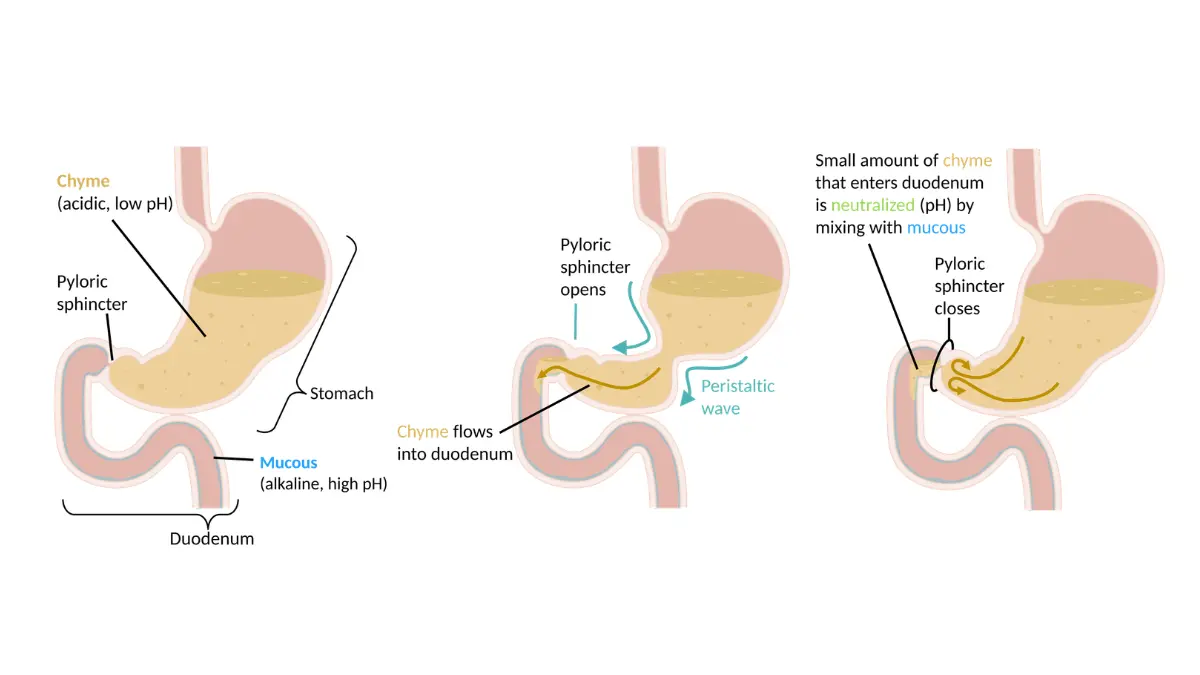
Adapted from Wikimedia Commons Stomach emptying into duodenum.svg, licensed under CC BY-SA 4.0.
Palliative care versus hospice
Palliative care focuses on comfort and quality of life and can be given at any stage, alongside treatment meant to extend life. Hospice is comfort-focused care for when treatment aimed at controlling the cancer is no longer being pursued, often when life expectancy is measured in months. Knowing the difference helps families ask for the right support at the right time.
Emotional support for patients and families
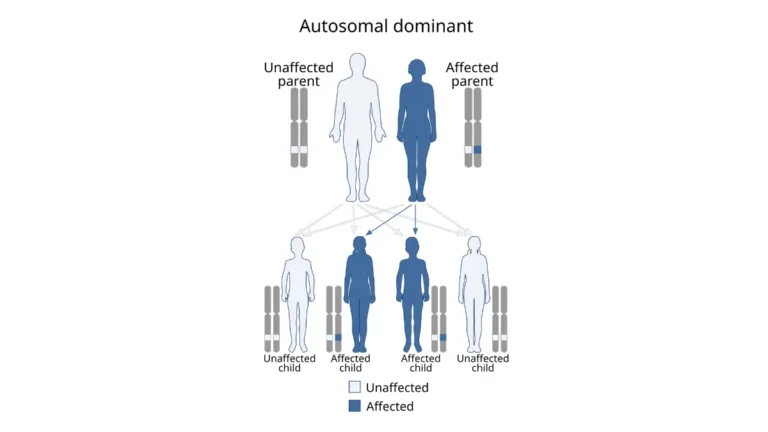
A stage 4 diagnosis affects the whole family, and emotional support is part of real care. Counseling, support groups, and patient-advocacy services help both patients and caregivers cope. Relatives sometimes worry about their own inherited risk; our hereditary cancer risk tool is a starting point for that separate conversation with a doctor.
When to seek urgent help and what to ask your care team
Knowing what warrants an urgent call — and what to ask — puts some control back in a frightening situation.
Signs that warrant urgent medical contact
Contact your care team right away, or seek urgent care, for warning signs such as new or worsening jaundice (yellow skin or eyes), a fever during chemotherapy, uncontrolled pain, persistent vomiting, or signs of a bowel blockage. These can signal complications that are more treatable when caught early.
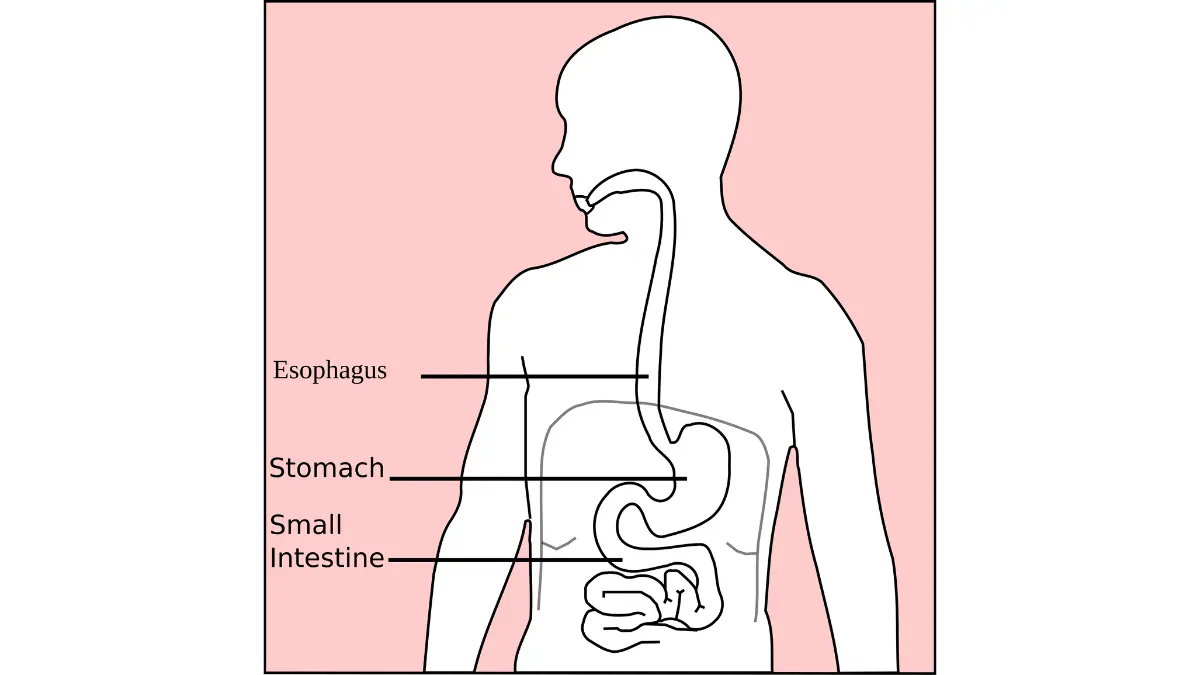
Adapted from Wikimedia Commons Stomach diagram.svg, licensed under public domain.
⚠️ Clinical Warning: A fever during chemotherapy can be a medical emergency, because chemo can lower white blood cells and let infections become dangerous quickly. Do not wait it out — contact your oncology team or seek urgent care the same day.
Questions to ask, and getting a second opinion
A second opinion, ideally at a high-volume pancreatic cancer center, is reasonable and common — it does not offend your team. Strong questions include which treatment fits your health, whether biomarker testing is complete, and whether a clinical trial is available. Patient-advocacy organizations can help; the Pancreatic Cancer Action Network’s patient resources offer free, personalized support and help finding trials.
✅ Patient Action: Before your next appointment, write down your top three questions, and ask whether a referral to a high-volume pancreatic cancer center or to a palliative care specialist would help.
Frequently asked questions about stage 4 pancreatic cancer
1. How long can you live with stage 4 pancreatic cancer?
The life expectancy for stage 4 pancreatic cancer varies widely. The 5-year relative survival rate is about 3%, and median survival has historically been under a year, but individual factors and newer treatments can change this. Ask your oncologist what applies to your situation.
2. Can stage 4 pancreatic cancer be cured?
Stage 4 pancreatic cancer is generally not curable, because it has spread to distant organs. However, “incurable” is not “untreatable” — treatment can slow the cancer, ease symptoms, and extend life. Discuss realistic goals with your medical oncologist.
3. What is the survival rate for stage 4 pancreatic cancer?
The 5-year relative survival rate for stage 4 (distant) pancreatic cancer is about 3%, compared with roughly 13% for all stages combined. This is a population average from people diagnosed years ago, not a personal prediction, and newer therapies may improve it.
4. Is stage 4 pancreatic cancer always terminal?
Stage 4 pancreatic cancer is serious and usually not curable, but it is not an immediate death sentence. Many people live meaningful time with treatment that controls the cancer and its symptoms. Outcomes depend on health, tumor biology, and treatment response.
5. What are the treatment options for stage 4 pancreatic cancer?
The main treatment options for stage 4 pancreatic cancer are chemotherapy (such as FOLFIRINOX or gemcitabine with nab-paclitaxel), targeted therapy for certain mutations, clinical trials, and palliative care. The right choice depends on your health and tumor biomarkers — decide with your oncologist.
6. Can chemotherapy help stage 4 pancreatic cancer?
Yes. Chemotherapy is the main treatment for stage 4 pancreatic cancer and can shrink or slow tumors, ease symptoms, and extend life, though responses vary from person to person. Your oncologist matches the regimen to your performance status and goals.
7. What are the symptoms of end-stage pancreatic cancer?
Late-stage pancreatic cancer can bring increasing pain, fatigue, appetite and weight loss, jaundice, and digestive problems. A palliative care or hospice team can manage these symptoms and keep a person comfortable. Reaching out to them early gives families more support.
8. Should you get a second opinion for stage 4 pancreatic cancer?
Yes — a second opinion is reasonable and common, especially at a high-volume pancreatic cancer center. It can confirm the plan, surface clinical trials, and ensure biomarker testing is complete. Seeking one does not offend your current care team.
9. What is the difference between palliative care and hospice?
Palliative care eases symptoms and improves quality of life and can be given alongside active treatment at any stage. Hospice is comfort-focused care for when treatment to control the cancer is no longer pursued, usually when life expectancy is measured in months.
10. Do clinical trials help stage 4 pancreatic cancer?
Clinical trials are a mainstream option in stage 4 pancreatic cancer, not a last resort, and can provide access to newer therapies such as RAS inhibitors. Biomarker testing can help match you to a trial. Ask your oncologist about eligibility.
11. What factors affect life expectancy in stage 4 pancreatic cancer?
Life expectancy in stage 4 pancreatic cancer is shaped by performance status, where the cancer has spread, tumor biomarkers such as KRAS and BRCA, and how well the cancer responds to treatment. These vary by individual, which is why outlooks differ so much.
The bottom line and your next steps
Stage 4 pancreatic cancer is serious, and the survival statistics are sobering — but they describe groups, not your future, and they predate today’s treatments. The outlook depends on your health, your tumor’s biology, and how it responds to care, all of which are worth discussing in detail.
Concrete next steps can restore a sense of control: confirm biomarker testing, ask about clinical trials and expanded-access options, request a second opinion at a high-volume center, and bring in palliative care early. Your oncology team leads every decision, and you do not have to face any of this alone.
About this content
How this article was put together: researched from recognised health sources, drafted with the help of AI tools, and edited by hand, with sources linked throughout.

Sameer Patel is the founder and editor of My Medicine Advisor. He is not a doctor or medical professional — before starting this site he worked in banking,…
Medical disclaimer
The content on MyMedicineAdvisor is provided for general informational and educational purposes only and is not a substitute for professional medical advice, diagnosis, or treatment. Health information on this website should not be used to diagnose, treat, cure, or prevent any condition without guidance from a qualified healthcare professional. Always seek the advice of your doctor, physician, or another licensed healthcare provider with any questions you may have regarding a medical condition, symptoms, medications, or treatment decisions.