
On This Page – Quick Medical Summary
If you feel fine, no single expert rule says you need a TSH test. Major medical groups actually disagree about routine thyroid screening. The right answer depends on your situation:
- No symptoms and no risk factors: Screening is a shared decision with your clinician. See why guidelines disagree below.
- Tiredness, feeling cold, or a racing heart: That’s diagnostic testing, not screening.
- Pregnant or planning a pregnancy: New 2026 guidelines apply to you.
- Over 60, or caring for a newborn: Go to the older-adult and newborn sections.
ℹ️ Medical Disclaimer: This article explains thyroid screening guidelines for general education. It does not diagnose thyroid disease, recommend starting, stopping, or changing medication, or replace prenatal care. Before acting on a TSH result or deciding about testing, consult a board-certified primary care physician, endocrinologist, or obstetrician-gynecologist.
Should you get a TSH test if you have no symptoms?
The U.S. Preventive Services Task Force (USPSTF) says there isn’t enough evidence to judge whether routine thyroid screening helps or harms nonpregnant adults without symptoms. That 2015 “I statement” is often misreported as a recommendation against screening. It isn’t one.
Screening vs. testing: why the label matters
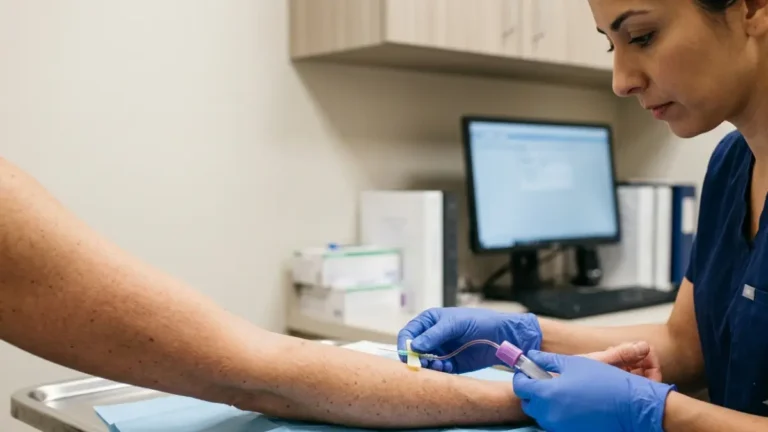
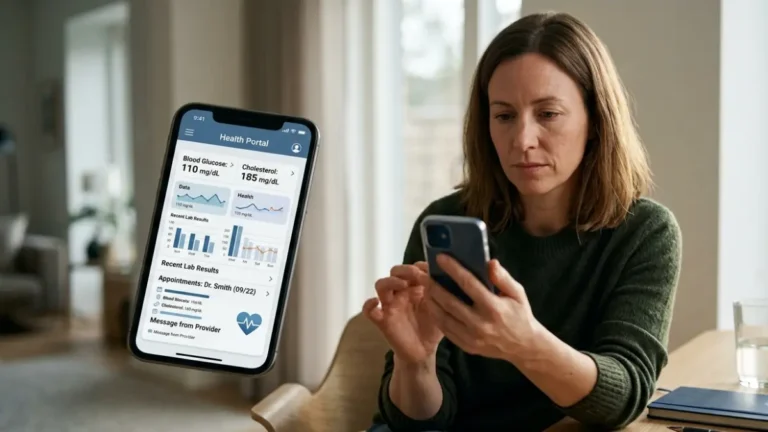
Screening means checking people who have no symptoms. If you do have symptoms, a TSH blood test is diagnostic, and the USPSTF’s 2015 recommendation statement doesn’t apply to you. Either way, serum TSH is the primary test.
How common thyroid problems are
📊 Clinical Data Point: In national survey data, 4.6% of the U.S. population had hypothyroidism (mostly subclinical) and 1.3% had hyperthyroidism. Source: NHANES III (1988–1994), Journal of Clinical Endocrinology & Metabolism, 2002.
These national survey data are older, but they remain the most cited U.S. baseline. Treat them as a reference point, not today’s exact rate.
Why thyroid screening guidelines disagree
Expert groups read the same limited evidence but weigh early detection differently against the harm of labeling healthy people.
What each group recommends
| Organization | Year | Position (adults without symptoms) | Key Clinical Detail |
|---|---|---|---|
| USPSTF | 2015 | Insufficient evidence (I statement) | Nonpregnant adults only |
| AACE / American Thyroid Association | 2012 | Consider screening after age 60 | Aggressive case finding for higher-risk people |
| American Academy of Family Physicians | 2015 | Endorsed the USPSTF statement | Follows USPSTF |
| American Thyroid Association (pregnancy) | 2026 | No universal testing; test by risk factors | Preconception through postpartum |
Sources: USPSTF recommendation statement (2015); AACE/ATA hypothyroidism guideline (2012); ATA pregnancy guideline (2026).
Is there a “right” age to start?
No universal starting age exists. The USPSTF sets none, while the 2012 AACE/ATA guideline suggests considering screening after 60.
Who is more likely to need a TSH check
Testing is easier to justify when your risk of thyroid disease is higher. Risk factors named by the USPSTF and the 2026 ATA guideline include:
- A family history of thyroid disease
- Another autoimmune disorder
- Chromosomal conditions such as Down or Turner syndrome
- Past neck radiation or thyroid surgery
Autoimmune and family history
Thyroid antibodies, a marker of autoimmune thyroid disease, are more common in women and become more common with age.
Past thyroid treatment, radiation, and medications
If you’ve had thyroid surgery or neck radiation, or you take a medication that can affect the thyroid, ask whether periodic checks make sense. Results can go either way, so it helps to know what a low TSH result can mean.
✅ Patient Action: Ask your primary care physician: “Given my family or autoimmune history, is a TSH test reasonable for me now?”
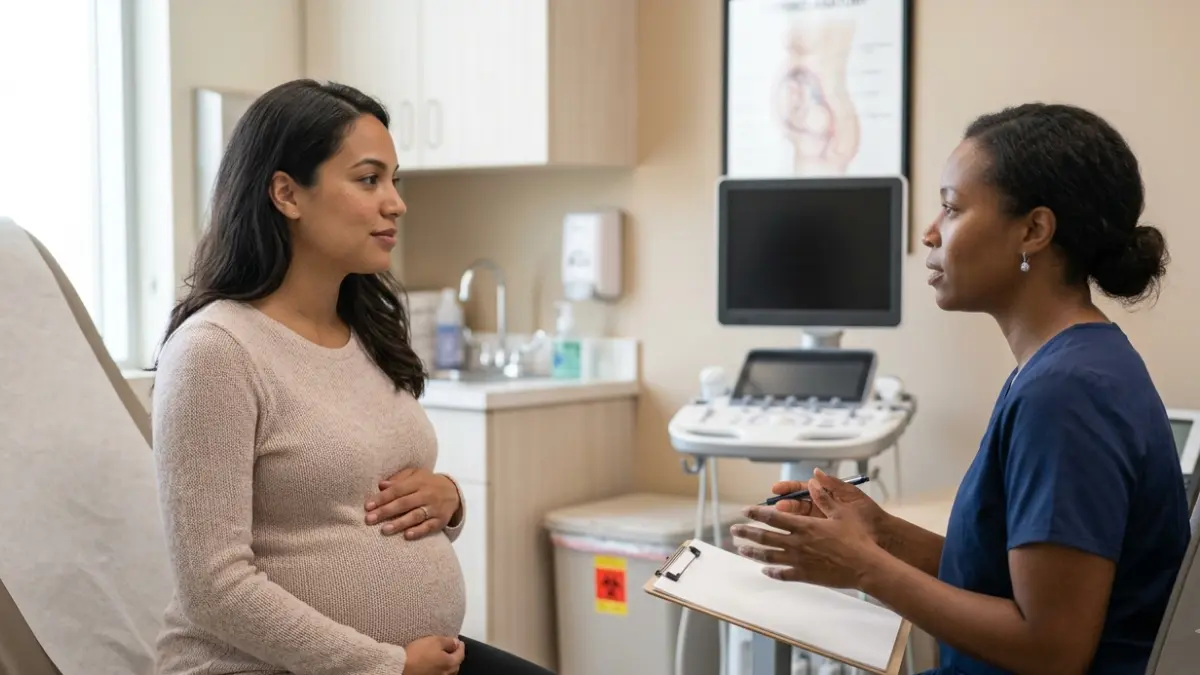
Thyroid testing before and during pregnancy
Pregnancy is the one life stage with its own, newly updated thyroid guideline.
Why pregnancy changes TSH
🔬 How It Works: Human chorionic gonadotropin (hCG), the pregnancy hormone, stimulates the thyroid to make more hormone. In response, TSH naturally falls, most noticeably near the end of the first trimester. That’s why clinicians use trimester-specific TSH ranges instead of standard ones.
Risk-based testing, not universal screening
The American Thyroid Association’s 2026 pregnancy guidelines, endorsed by groups including the American College of Obstetricians and Gynecologists, found insufficient evidence to test every woman. Clinicians use risk factors instead. Earlier risk lists would have flagged 55–78% of pregnant women, so the panel re-examined which factors truly matter.
✅ Patient Action: At your first prenatal visit, ask your obstetrician-gynecologist: “Do I have thyroid risk factors that mean I should be tested this trimester?” If you already take thyroid medication, tell the clinician who manages it as soon as your pregnancy test is positive.
Over 60 with a borderline TSH? What the evidence shows
A mildly abnormal TSH in an older adult often isn’t a lasting diagnosis.
Why many mild elevations go away on retesting
The USPSTF warns that screening often leads to false-positive results, anxiety from being labeled, and overdiagnosis, especially when TSH is below 10 mIU/L. For that reason, many groups repeat an abnormal result over 3–6 months before diagnosing anything. The exception is a TSH above 10.0 or below 0.1 mIU/L.
In older adults, up to 80% of mildly raised TSH values return to normal on a second test. Normal ranges also shift as you age.
Does treatment help older adults?
📊 Clinical Data Point: In the TRUST trial of 737 adults aged 65+ with subclinical hypothyroidism, levothyroxine showed no apparent benefit over placebo. Source: New England Journal of Medicine, 2017.
That large randomized trial in adults 65 and older studied mild (subclinical) disease, not overt hypothyroidism or younger adults. Here’s more on when a mildly high TSH is treated.
✅ Patient Action: Ask your primary care physician or endocrinologist: “Should we repeat this TSH before discussing treatment?” If you already take levothyroxine, don’t stop it without talking to your prescriber.
When a thyroid test isn’t a screening question
Some situations call for testing regardless of the screening debate.
Symptoms that call for testing
Hyperthyroidism can cause a rapid heartbeat, feeling hot, anxiety, shakiness, and weight loss. Hypothyroidism can cause tiredness, feeling cold, constipation, and weight gain. If these sound familiar, check your symptoms first, then ask your primary care physician: “Could this be my thyroid?”
Every newborn is already tested
All U.S. hospitals test newborns for congenital hypothyroidism, which affects about 1 in 2,000 to 4,000 babies. The MedlinePlus congenital hypothyroidism overview explains the causes.
Frequently asked questions about thyroid screening
1. Should healthy adults get routine TSH screening?
The USPSTF found insufficient evidence to weigh benefits against harms of routine TSH screening in nonpregnant adults without symptoms. Decide together with your clinician.
2. What age should thyroid screening start?
No universal age exists for thyroid screening. The 2012 AACE/ATA guideline suggests considering it after 60; the USPSTF sets no starting age.
3. Is a thyroid test different if I have symptoms?
Yes. Screening guidance covers people without symptoms, so tiredness, feeling cold, or a racing heart calls for diagnostic testing with your clinician.
4. Should all pregnant women get a TSH test?
The 2026 ATA guidelines found insufficient evidence for universal TSH testing in pregnancy and use risk factors instead. Ask your obstetrician-gynecologist.
5. Are newborns screened for thyroid problems?
Yes. U.S. hospitals screen all newborns for congenital hypothyroidism, which affects roughly 1 in 2,000 to 4,000 babies.
6. How common is thyroid dysfunction?
National NHANES III data found hypothyroidism in 4.6% and hyperthyroidism in 1.3% of the U.S. population studied.
7. What if my screening TSH is slightly high?
A slightly high TSH often returns to normal, so repeat testing over 3–6 months is common before diagnosis. Discuss retesting with your clinician.
8. When isn’t retesting a TSH the first step?
Many groups act sooner when TSH is above 10.0 or below 0.1 mIU/L. Your clinician should interpret your specific result.
9. Does treating subclinical hypothyroidism help older adults?
In the TRUST trial of 737 adults 65 and older, levothyroxine showed no apparent benefit. Make treatment decisions with your clinician.
10. What are the harms of thyroid screening?
The USPSTF cites false positives, labeling anxiety, and overdiagnosis from thyroid screening, especially when TSH is under 10 mIU/L.
11. Who is at higher risk of thyroid disease?
People with a family history of thyroid disease, autoimmune disorders, Down or Turner syndrome, or past neck radiation or thyroid surgery.
What to do next
If you feel well and have no risk factors, thyroid screening is a genuine judgment call, and no major group requires it for you. Risk factors, pregnancy, or symptoms shift the answer toward testing, and newborns are already covered. Bring your history and one specific question to your next primary care visit.
About this content
How this article was put together: researched from recognised health sources, drafted with the help of AI tools, and edited by hand, with sources linked throughout.

Sameer Patel is the founder and editor of My Medicine Advisor. He is not a doctor or medical professional — before starting this site he worked in banking,…
Medical disclaimer
The content on MyMedicineAdvisor is provided for general informational and educational purposes only and is not a substitute for professional medical advice, diagnosis, or treatment. Health information on this website should not be used to diagnose, treat, cure, or prevent any condition without guidance from a qualified healthcare professional. Always seek the advice of your doctor, physician, or another licensed healthcare provider with any questions you may have regarding a medical condition, symptoms, medications, or treatment decisions.