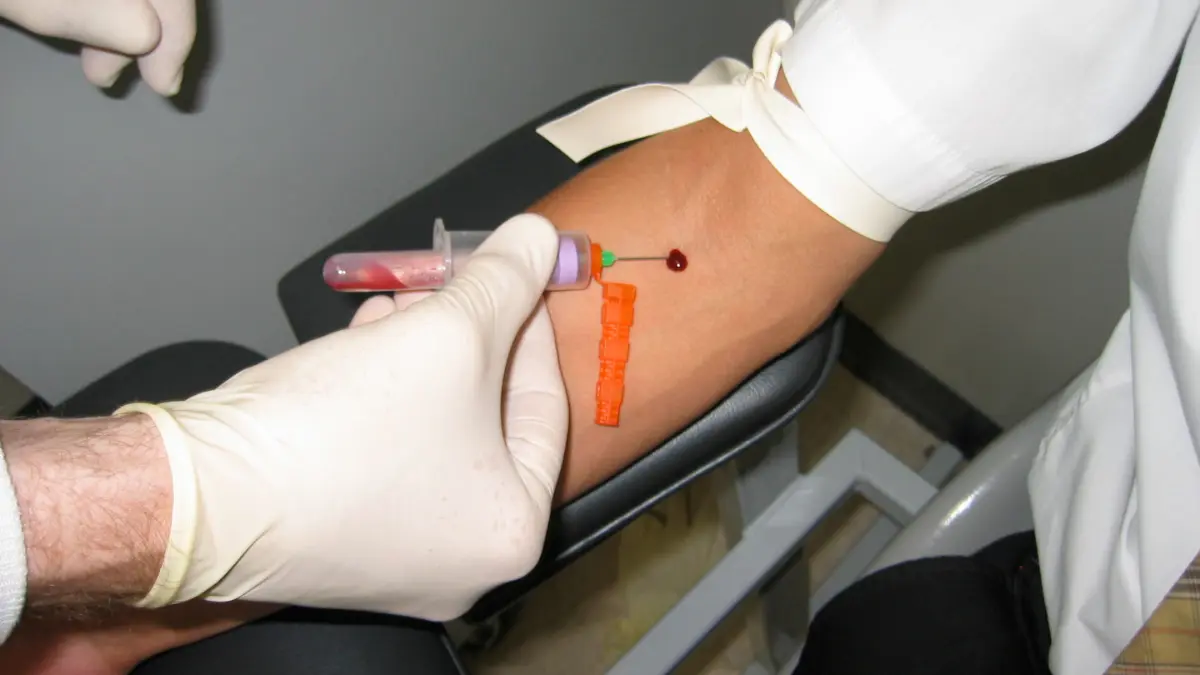
Getting Ready to Fast for Your CMP Blood Test
Fasting for a CMP usually means 8 to 12 hours without food, mainly to protect your glucose reading. Here's when it's required—and when it's not.

Fasting for a CMP usually means 8 to 12 hours without food, mainly to protect your glucose reading. Here's when it's required—and when it's not.
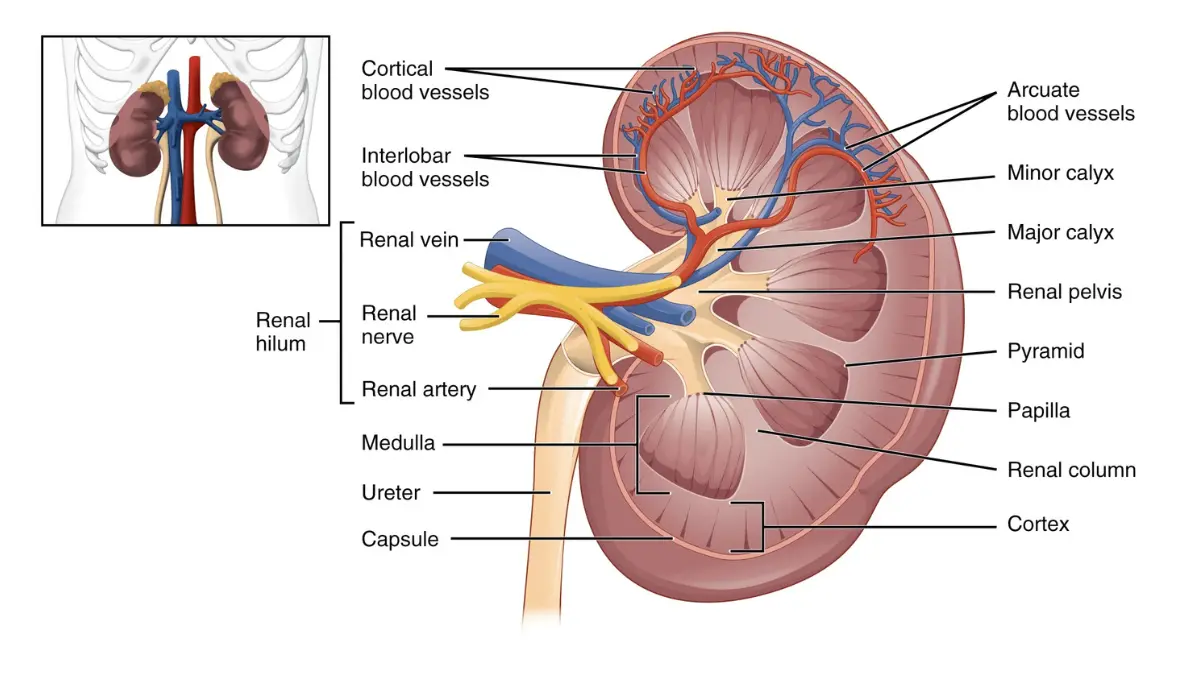
CMP components fall into four groups—blood sugar, kidneys, liver, and electrolytes. Here's what all 14 values mean and why your lab's ranges may differ.
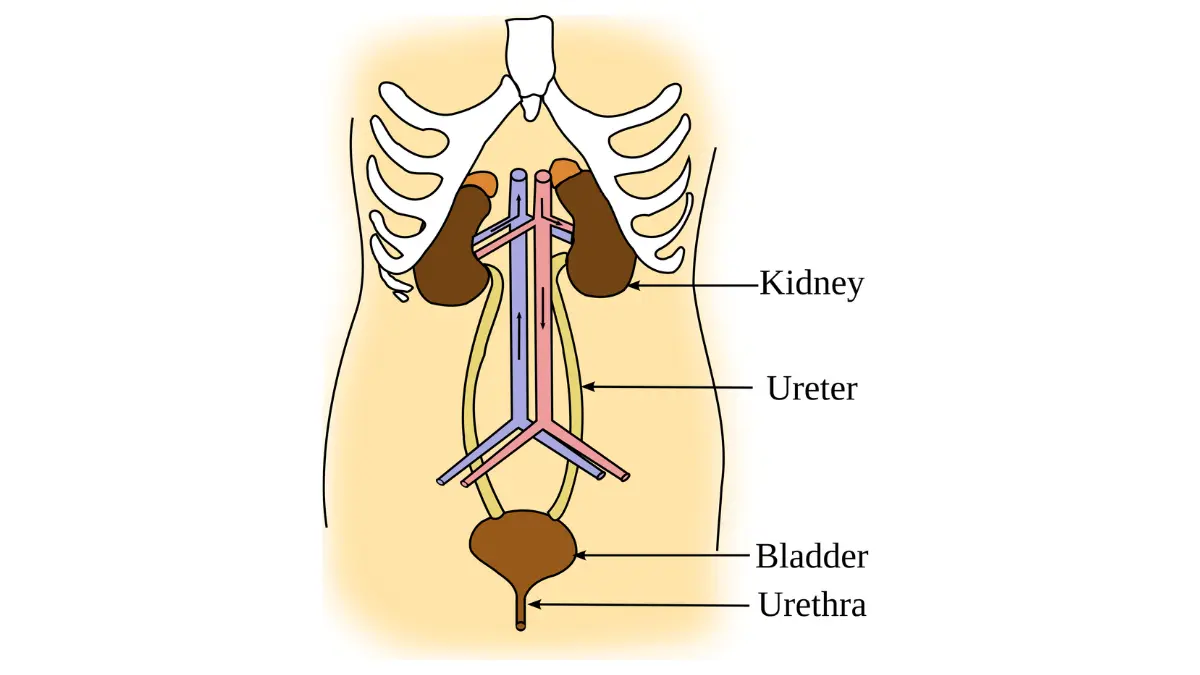
Your comprehensive metabolic panel measures 14 substances. See what each result means when it runs high or low — and what to ask your provider.
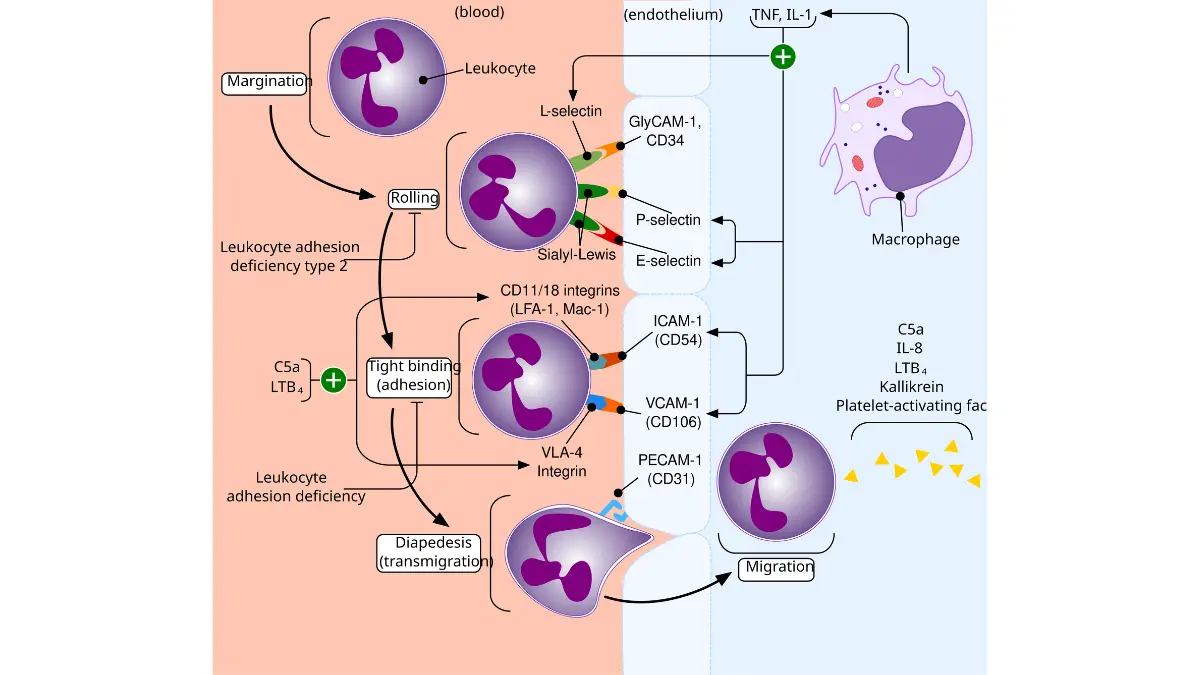
An abnormal CBC is rarely an emergency—but a neutrophil count under 500 with fever is one. Here's how to tell an urgent result from a harmless flag.
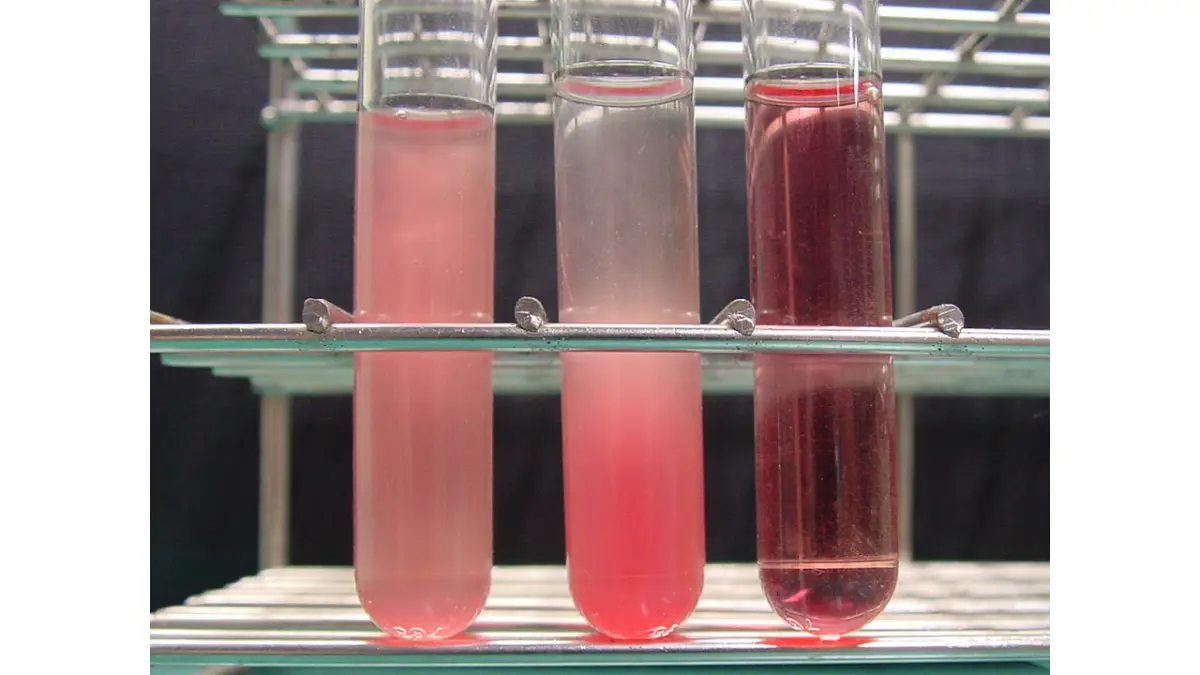
A wrong CBC result is more often a sample issue than a real one, and most lab errors happen before the blood is analyzed. Here's when to retest.
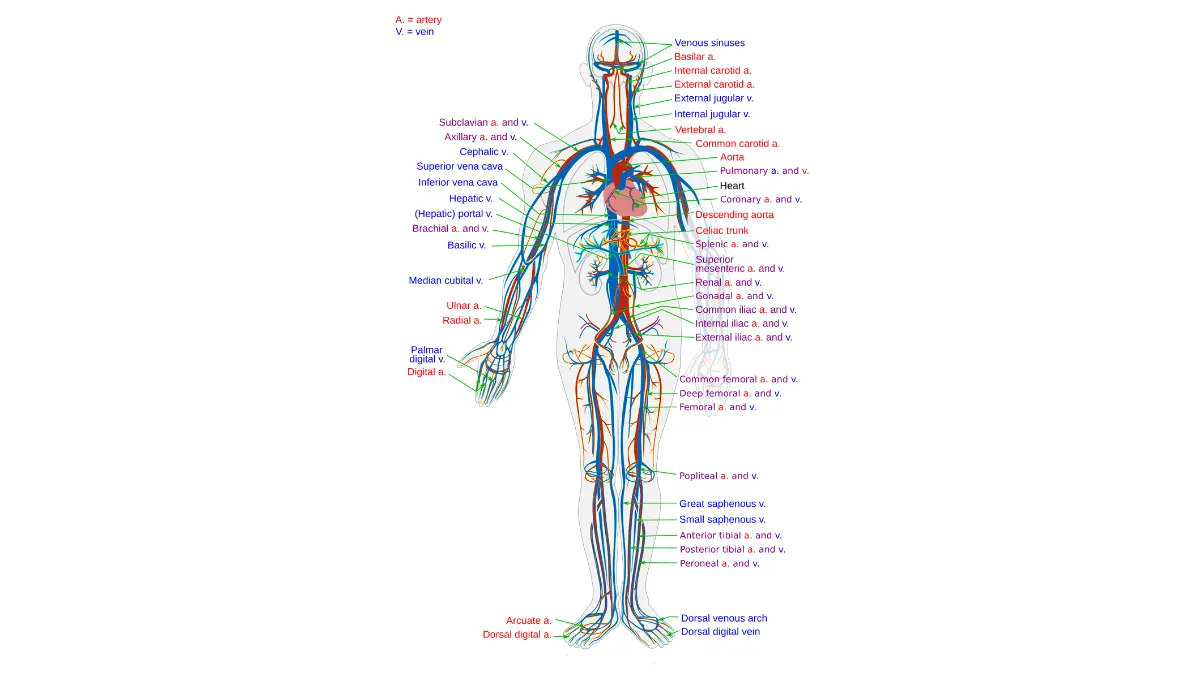
Ordering a CBC before surgery is routine—but for healthy adults having low-risk operations, guidelines advise against it. Here's when the test matters.
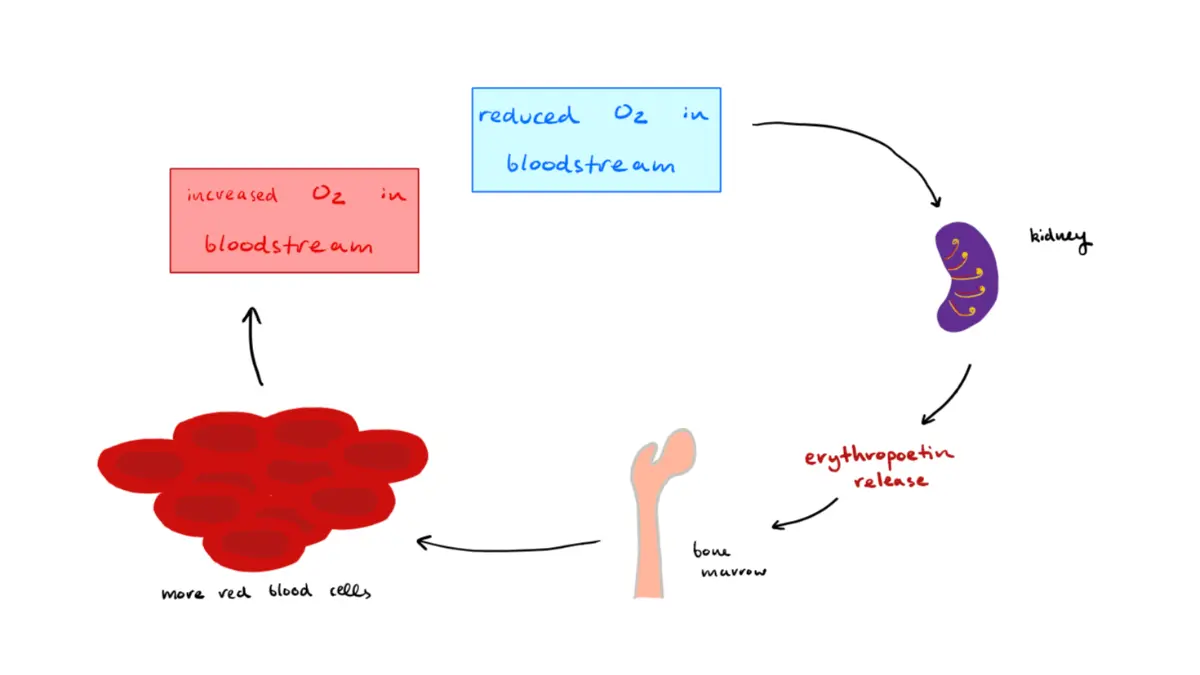
Normal CBC ranges for women run lower than men's — hemoglobin 12–16 g/dL. Anemia affects 14% of women aged 20–59. See what your results mean.
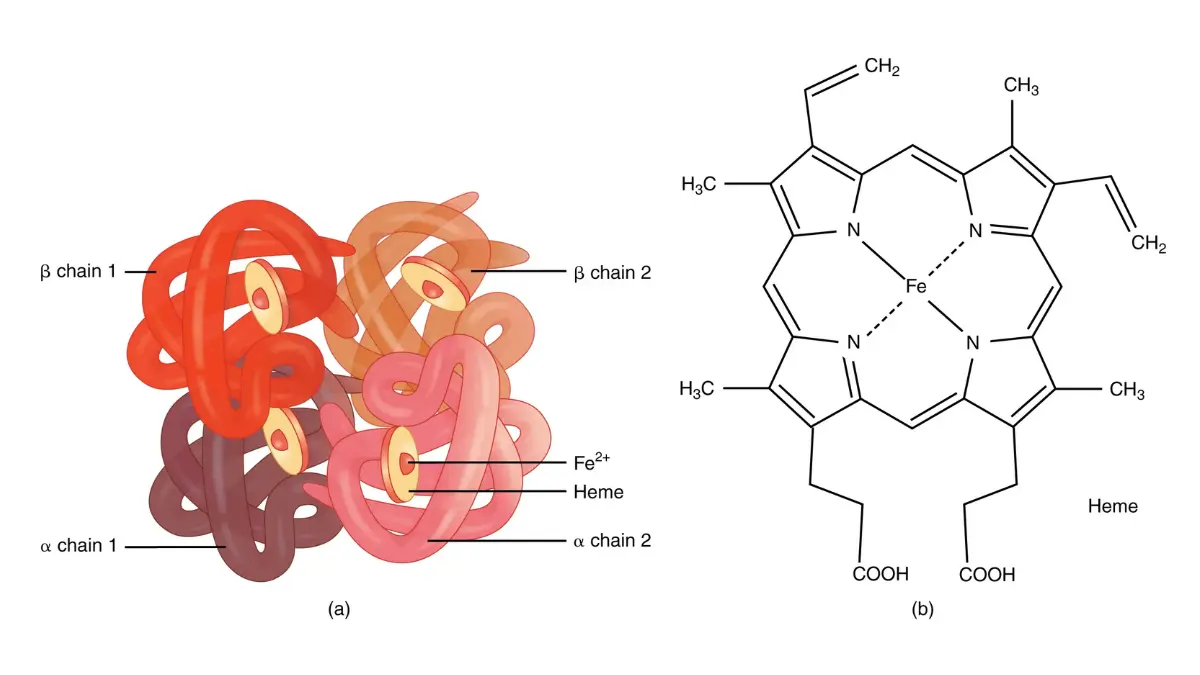
A child's normal CBC values shift with age—newborns run high, then hemoglobin dips around 2–3 months before climbing again. Here's the age-by-age picture.
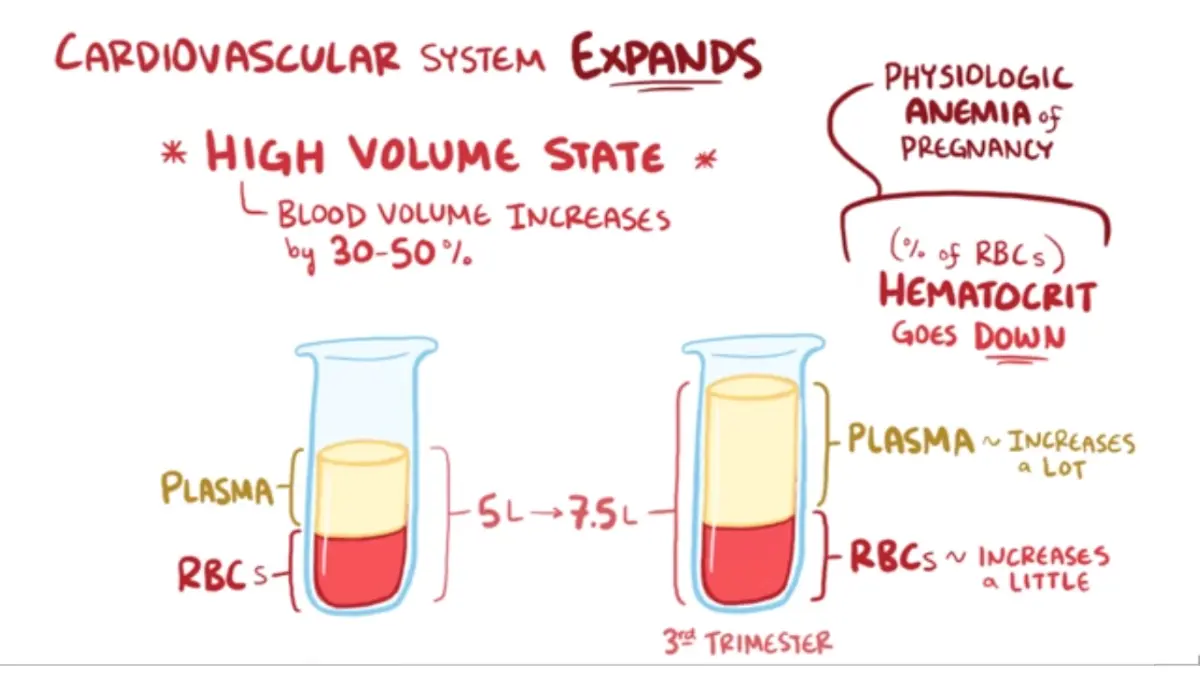
CBC normal ranges in pregnancy sit lower by design: your blood volume rises faster than red cells. See what's normal by trimester and when to call.
Where to get a CBC test near you—your doctor, LabCorp, Quest, urgent care, or online—plus what it costs and whether you can self-order.