
On This Page – Quick Medical Summary
What does MCV mean on a blood test?
MCV (mean corpuscular volume) measures the average size of your red blood cells. It appears on your complete blood count (CBC) as one of several red cell indices, reported in units called femtoliters. If a number on your results was flagged, here is how to find your place quickly:
- MCV below 80: your red cells are smaller than average (microcytosis) — see what a low MCV can mean.
- MCV above 100: your red cells are larger than average (macrocytosis) — see what a high MCV can mean.
- MCV of 80–100 but you still feel unwell: a normal MCV does not rule out a problem — see anemia with a normal MCV.
- Caregiver or preparing for an appointment: the section on when to see a doctor lists the specific questions to ask.
One reassurance before the detail: MCV is a single measurement, and on its own it does not diagnose any condition. Your clinician reads it alongside your hemoglobin, your symptoms, and the rest of your CBC.
ℹ️ Medical Disclaimer: This article explains what an MCV result means as general health education; it does not diagnose any condition, recommend treatment, or replace testing and advice from a qualified professional. Your MCV must be interpreted by a licensed clinician alongside your full CBC, your symptoms, and your history. Do not start, stop, or change any supplement, medication, or treatment based on this page. If you have severe symptoms such as chest pain, fainting, or serious shortness of breath, seek urgent medical care. For interpretation of your results, consult your primary care physician or a board-certified hematologist.
What your MCV number actually measures
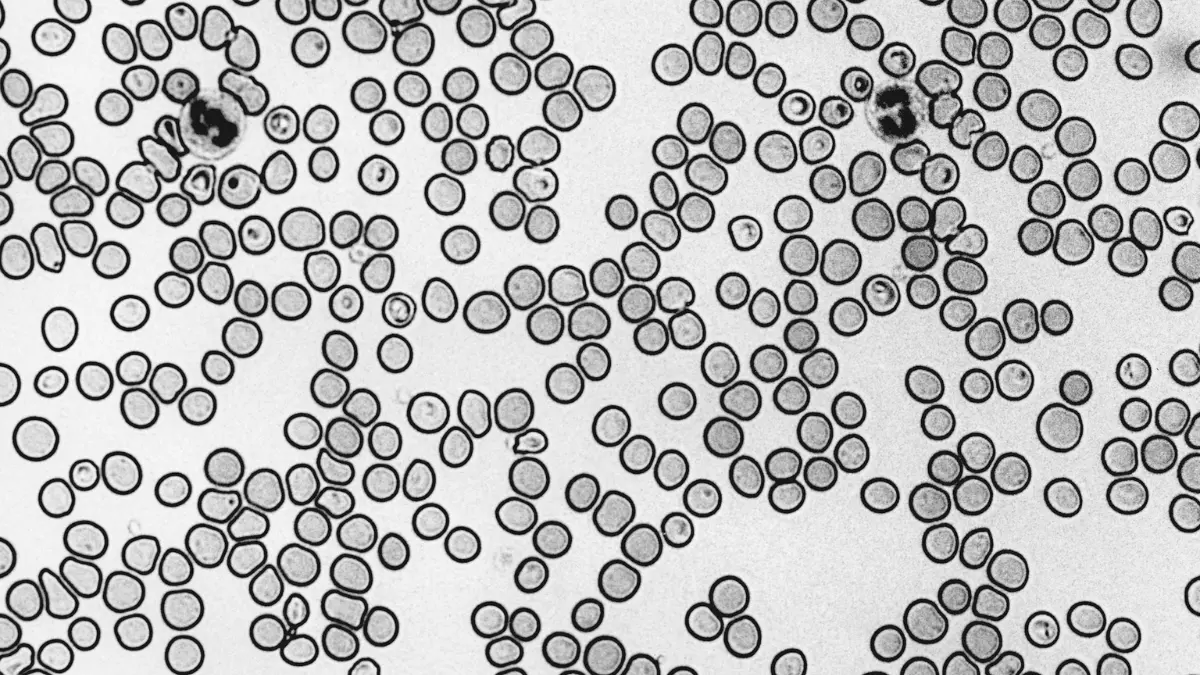
Your MCV reflects the average volume of a single red blood cell, expressed in femtoliters — one femtoliter is a quadrillionth of a liter, so these are vanishingly small measurements. Because MCV is an average across millions of cells, it describes the typical cell size, not the size of every individual cell. That distinction matters later.
MCV is one of the red blood cell indices on your CBC, alongside mean corpuscular hemoglobin (MCH), MCH concentration (MCHC), and red cell distribution width (RDW). These indices describe the size and hemoglobin content of your red cells, and your clinician reads them together with your hemoglobin level and hematocrit. You can read the plain-language basics on the National Library of Medicine’s overview of the MCV test.
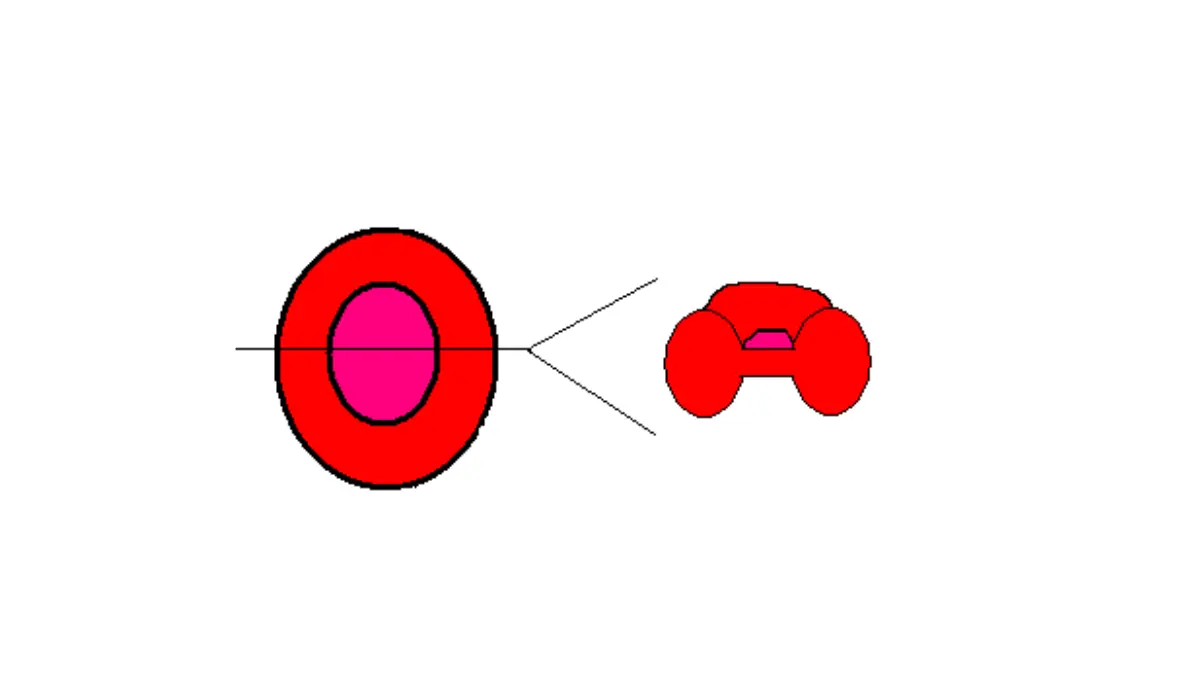
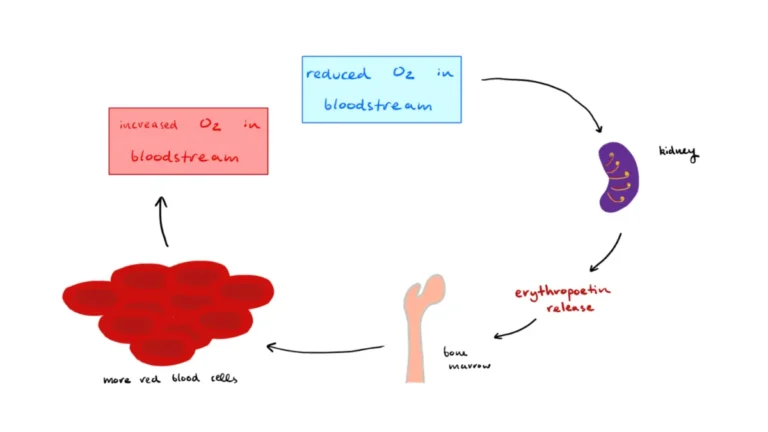
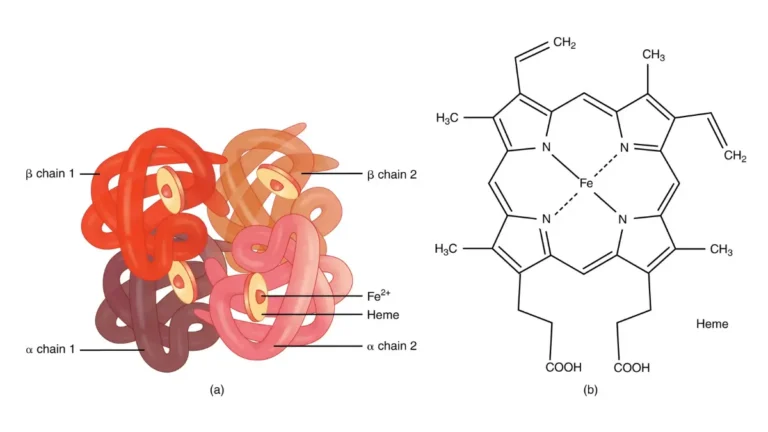
🔬 How It Works: Red blood cells carry oxygen from your lungs to the rest of your body using a protein called hemoglobin. The size of a red cell reflects how it was made in your bone marrow — problems with the raw materials (like iron) or the assembly process (like DNA building blocks) change the size. That is why MCV offers a clue to the underlying cause.
The normal MCV range and how labs calculate it
A normal MCV for adults runs from 80 to 100 femtoliters (fL), though the exact reference range varies slightly between laboratories — always read your result against the range printed on your own report. Values a point or two outside the range are common and often less meaningful when the rest of your CBC is normal.
Labs get the number one of two ways: an automated analyzer sizes the red cells directly, or MCV is calculated by dividing the hematocrit by the red blood cell count and multiplying by 10. Reference ranges also shift with age — newborns and young children normally run higher than adults. For the wider picture, see a full CBC normal range chart, and for the clinical detail, the StatPearls reference on MCV.
Your MCV sorts anemia into three categories, which is the single most useful thing it does:
| MCV range | Category | Key clinical detail |
|---|---|---|
| Below 80 fL | Microcytic (small cells) | Often iron deficiency or thalassemia |
| 80–100 fL | Normocytic (normal size) | Can still be anemia — see below |
| Above 100 fL | Macrocytic (large cells) | Often B12/folate deficiency, alcohol, thyroid or liver issues |
Source: MedlinePlus (National Library of Medicine) and StatPearls (NIH), last updated 2024; thresholds and categories verified against both.
What a low MCV (below 80) can mean
A low MCV — called microcytosis — means your red blood cells are smaller than average, and it usually points toward a problem with hemoglobin production. Iron-deficiency anemia is the most common cause, and the most common form of anemia overall, per the NHLBI’s overview of iron-deficiency anemia.
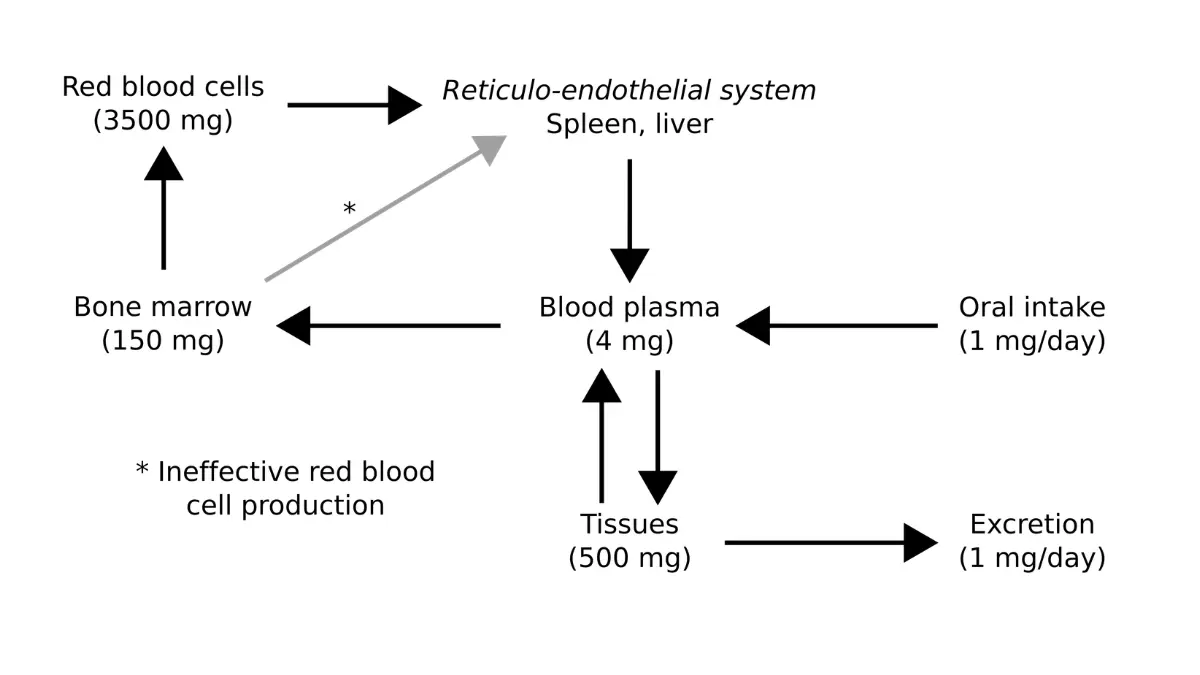
🔬 How It Works: Iron is a core building block of hemoglobin, the oxygen-carrying protein inside red cells. When iron runs low — from inadequate intake, poor absorption, or blood loss through the gastrointestinal tract or heavy menstrual periods — the bone marrow makes red cells with less hemoglobin, and those cells come out smaller. That is what drives the MCV down.
Other causes of a low MCV include thalassemia and related inherited hemoglobin disorders, anemia of chronic disease, and sideroblastic anemia. Telling iron deficiency apart from thalassemia trait matters, because their treatments are completely different. One caveat keeps MCV honest: a normal MCV does not rule out iron deficiency.
📊 Clinical Data Point: Only about 65% of people with iron-deficiency anemia show a reduced MCV — Source: Mosby’s Diagnostic and Laboratory Test Reference (clinical laboratory reference), retrieved 2026. This is why iron studies and ferritin are more sensitive for early iron deficiency.
⚠️ Clinical Warning: Do not start iron supplements on your own because of a low MCV. Iron is generally not given to people who are not iron-deficient, because excess iron can build up and damage organs — testing should confirm deficiency first.
✅ Patient Action: If your MCV is low, ask your primary care clinician: “Should I have iron studies and a ferritin test, and could this be iron deficiency, thalassemia trait, or anemia from another condition?”
What a high MCV (above 100) can mean
A high MCV — called macrocytosis — means your red blood cells are larger than average. The most common causes are vitamin B12 deficiency and folate (folic acid) deficiency, which produce what is called megaloblastic anemia.
🔬 How It Works: Vitamin B12 and folate are essential for building the DNA inside developing red blood cells. When either is deficient, the cells cannot mature and divide properly, so they grow abnormally large before entering the bloodstream. That is why a shortage pushes the MCV up — and the more severe the deficiency, the larger the average cell, with the MCV sometimes climbing well above 120 fL.

Several conditions interfere with B12 specifically. Pernicious anemia — an autoimmune condition that stops the stomach from making intrinsic factor, a protein needed to absorb B12 — along with celiac disease, Crohn’s disease, and stomach or intestinal surgery can all lead to B12 deficiency. You can read more on what your vitamin B12 result means and on MedlinePlus’s overview of vitamin B12 deficiency anemia.
A high MCV also has non-nutritional causes: regular alcohol use, chronic liver disease, an underactive thyroid, certain medications (including some immune-suppressing, seizure, and HIV drugs), and — less commonly — a bone marrow disorder such as myelodysplastic syndrome.
🩺 Physician Note: A high MCV is often a clue rather than a diagnosis. Current clinical guidance emphasizes checking B12, folate, thyroid, and liver tests, and reviewing your medication list, before assuming any single cause — several of the common causes are reversible once identified.
✅ Patient Action: If your MCV is high, ask your primary care clinician: “Should I have B12, folate, thyroid, and liver testing, and could any medication I take be raising my MCV?”
Can you have anemia with a normal MCV?
Yes. Anemia with a normal MCV is called normocytic anemia, and it is a genuine and common situation. This is the heart of what MCV can and cannot tell you.
Normocytic anemia can occur with sudden blood loss, with the breakdown of red cells (hemolysis), and with chronic conditions such as kidney disease or ongoing inflammation. In these cases the red cells are normal-sized even though there are too few of them. There is a second way a normal MCV can mislead: because MCV is an average, a mix of small cells and large cells can average out to a normal number, masking two problems at once. This is where red cell distribution width (RDW) and a look at the cells under a microscope help, as covered in how to read the rest of your CBC.

🩺 Physician Note: A normal MCV does not close the door on a blood problem. If you have symptoms of anemia despite a normal MCV, a fuller evaluation — hemoglobin, ferritin, RDW, and sometimes a blood smear — can find what a single index misses.
When an abnormal MCV means you should see a doctor
Most mildly abnormal MCV results are not emergencies, especially when your hemoglobin and the rest of your CBC are normal. What matters more than a single value is the pattern over time and whether you have symptoms — unusual tiredness, shortness of breath, dizziness, a rapid heartbeat, or chest pain.
⚠️ Clinical Warning: Chest pain, severe shortness of breath, or fainting are not symptoms to watch at home — seek urgent medical care. These can signal that your body is not getting enough oxygen and needs evaluation right away.
A gradual upward or downward trend in your MCV across several tests can be more meaningful than one isolated result, so it is worth asking how your current number compares with past ones.
✅ Patient Action: Bring this to your primary care clinician, or a hematologist if you are referred: “Given my MCV and my symptoms, what follow-up testing do I need, and should I see a blood specialist?”
While waiting for an appointment, you can review general information on anemia symptoms — though only a clinician can interpret your specific results.
Frequently asked questions about MCV
1. What does MCV mean on a blood test?
MCV, or mean corpuscular volume, is the average size of your red blood cells, reported on a complete blood count in units called femtoliters. It is one of several red cell indices and helps classify anemia by cell size. On its own, MCV does not diagnose a condition — your clinician reads it with your full results.
2. What is a normal MCV level?
A normal MCV for adults is roughly 80 to 100 femtoliters, though the range varies slightly between laboratories, so check your own report. Newborns and young children normally run higher. A result a point or two outside the range is common and often less concerning when the rest of your CBC is normal.
3. What does a high MCV mean?
A high MCV (above 100) means your red blood cells are larger than average, a finding called macrocytosis. The most common causes are vitamin B12 or folate deficiency, along with alcohol use, liver disease, thyroid problems, and certain medications. A high MCV is a clue, not a diagnosis; discuss your specific result with your clinician.
4. What does a low MCV mean?
A low MCV (below 80) means your red blood cells are smaller than average, called microcytosis. The most common cause is iron-deficiency anemia, though thalassemia and other conditions can also lower it. Confirming the cause needs further testing such as iron studies. Discuss your result with your clinician before starting any treatment.
5. Should I worry about a high or low MCV?
A mildly abnormal MCV is often not serious, especially when your hemoglobin and the rest of your CBC are normal. What matters is your symptoms and the trend over time. A markedly abnormal value, or one with symptoms like breathlessness or chest pain, warrants prompt evaluation. Discuss your result with your clinician.
6. Can you have anemia with a normal MCV?
Yes. Anemia with a normal MCV is called normocytic anemia and can occur with blood loss, red-cell breakdown, or chronic disease. Because MCV is an average, a mix of small and large cells can also average to normal. A normal MCV does not rule out a blood problem if you have symptoms.
7. What is the most common cause of a low MCV?
Iron-deficiency anemia is the most common cause of a low MCV, and the most common form of anemia overall. It develops when the body lacks enough iron to make hemoglobin, so red cells form smaller. A normal MCV does not rule it out; iron studies confirm it. Discuss testing with your clinician.
8. What is the most common cause of a high MCV?
Vitamin B12 or folate deficiency is the most common cause of a high MCV, producing megaloblastic anemia because red cells cannot mature properly without these vitamins. Alcohol use, liver disease, thyroid issues, and some medications can also raise MCV. Discuss your specific result and testing with your clinician.
9. Does a slightly abnormal MCV matter?
A slightly abnormal MCV is common and often less meaningful when the rest of your CBC is normal and you feel well. The trend across several tests can matter more than one value just outside the range. Ask how your current MCV compares with previous results, and raise any symptoms with your clinician.
10. Can diet or dehydration change my MCV?
Diet can influence MCV over time, because low iron, vitamin B12, or folate affect red-cell size. Dehydration, however, has little effect on MCV, since it reflects the average size of individual red cells rather than blood concentration. Alcohol use and some medications can also change the number.
11. What tests come after an abnormal MCV?
Follow-up depends on the direction of the result. A low MCV often leads to iron studies and ferritin; a high MCV to vitamin B12, folate, thyroid, and liver tests, plus a medication review. Your clinician may also check red cell distribution width or a blood smear. Discuss the right next tests for you.
The bottom line on your MCV
Your MCV tells you the average size of your red blood cells — nothing more and nothing less. A number below 80 or above 100 is a starting point for a conversation, not a verdict, and its meaning depends on your hemoglobin, your symptoms, and the rest of your results. The most useful next step is to see how the rest of your CBC fits together and to bring your specific questions to your clinician.
About this content
How this article was put together: researched from recognised health sources, drafted with the help of AI tools, and edited by hand, with sources linked throughout.

Sameer Patel is the founder and editor of My Medicine Advisor. He is not a doctor or medical professional — before starting this site he worked in banking,…
Medical disclaimer
The content on MyMedicineAdvisor is provided for general informational and educational purposes only and is not a substitute for professional medical advice, diagnosis, or treatment. Health information on this website should not be used to diagnose, treat, cure, or prevent any condition without guidance from a qualified healthcare professional. Always seek the advice of your doctor, physician, or another licensed healthcare provider with any questions you may have regarding a medical condition, symptoms, medications, or treatment decisions.