
On This Page – Quick Medical Summary
What a comprehensive metabolic panel measures — and how to read this guide
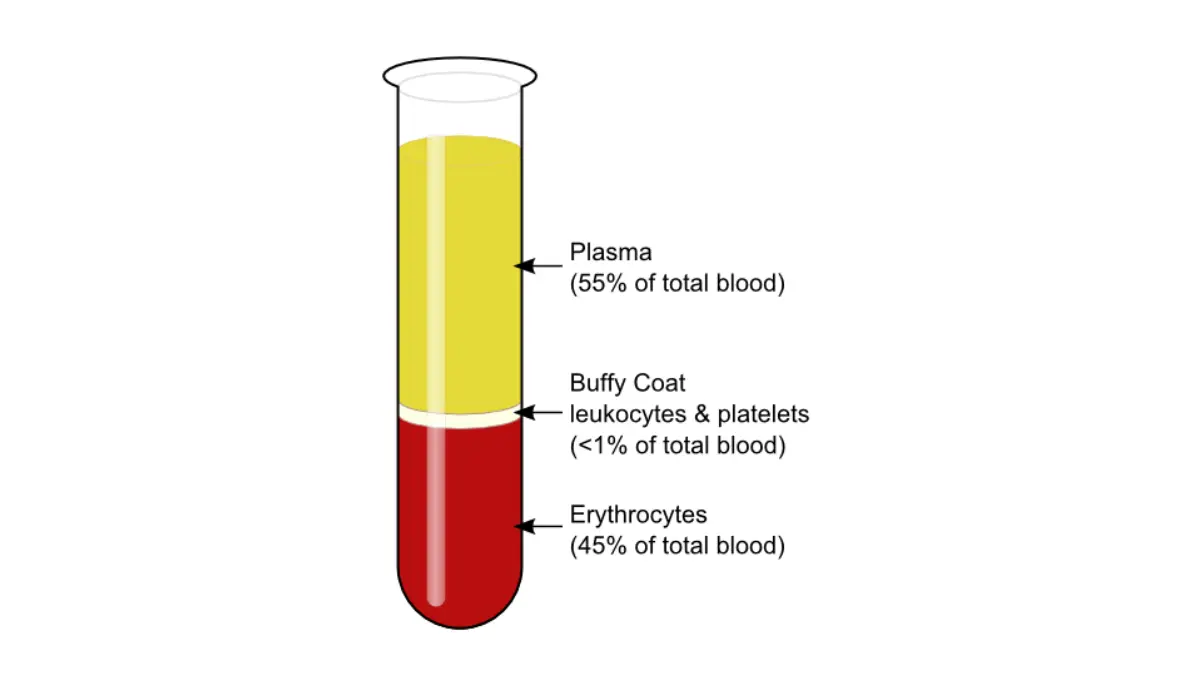
If your results just landed in your patient portal and one number is flagged, start with the chart in the next section, then come back for what it means. A comprehensive metabolic panel (CMP) is a routine blood test that measures 14 substances tied to your kidneys, liver, blood sugar, and electrolyte balance. This guide is built for three readers: someone holding results with an out-of-range value, someone about to take the test, and someone tracking a known condition like diabetes or kidney disease.
The panel groups into four areas: blood sugar (glucose), kidney markers (BUN and creatinine), electrolytes and minerals (sodium, potassium, chloride, carbon dioxide, and calcium), and liver and protein markers (ALT, AST, ALP, bilirubin, total protein, and albumin). For a plain-language tour of each one, see our closer look at each of the 14 CMP tests. This page focuses on one job: showing you the normal ranges and what falling outside them does, and doesn’t, mean.
Two things matter before you react to a single number. Reference ranges vary slightly between laboratories, so the only range that truly applies to you is the one printed on your own report. And one out-of-range value is common and rarely confirms a diagnosis on its own — context and repeat testing usually come first, as covered in our full guide to understanding your CMP results.
ℹ️ Medical Disclaimer: This article is general health education, not medical advice, diagnosis, or treatment. It does not interpret your specific results, diagnose any condition (including diabetes, kidney, or liver disease), or recommend treatment. Laboratory reference ranges vary by lab, method, age, and sex — compare your results only to the range on your own report, and discuss them with a board-certified physician such as your primary care provider. For urgent symptoms, contact your provider or emergency services.
Comprehensive metabolic panel normal ranges: all 14 values
Here are the typical adult reference ranges for all 14 CMP tests, grouped by what they check.
| Test | Typical adult range* | What it mainly reflects |
|---|---|---|
| Glucose (fasting) | 70–99 mg/dL | Blood sugar / diabetes screening |
| BUN (blood urea nitrogen) | 8–20 mg/dL | Kidney filtration |
| Creatinine | 0.7–1.3 mg/dL (men); 0.5–1.1 mg/dL (women) | Kidney filtration |
| Sodium | 136–145 mEq/L | Fluid and electrolyte balance |
| Potassium | 3.5–5.0 mEq/L | Nerve and heart function |
| Chloride | 98–106 mEq/L | Fluid and acid–base balance |
| Carbon dioxide (CO₂) | 23–30 mEq/L | Acid–base balance |
| Calcium | 8.6–10.2 mg/dL | Bone, nerve, and muscle function |
| Total protein | 5.5–9.0 g/dL | Overall protein status |
| Albumin | 3.5–5.5 g/dL | Liver and nutrition status |
| ALP (alkaline phosphatase) | 30–120 U/L | Liver, bile ducts, and bone |
| ALT | 10–40 U/L | Liver cell health |
| AST | 10–40 U/L | Liver cell health |
| Total bilirubin | 0.3–1.0 mg/dL | Liver and red blood cell breakdown |
*Reference ranges vary by lab, method, age, and sex — compare only to the range on your report. Adult values compiled from the ABIM Laboratory Reference Ranges (2026), with corroboration from MedlinePlus and the NIH reference-range table.
Two rows carry extra detail worth noting. Creatinine has different ranges for men and women because it reflects muscle mass, and it also shifts with age. Glucose here is a fasting value — eating beforehand raises it, so the number is interpreted differently after a meal.
Your lab’s ranges may not match this chart exactly, and that’s expected. Different analyzers and methods produce slightly different intervals, so each lab publishes its own. Both the National Library of Medicine’s overview of the CMP and an NIH-hosted reference-range table note the same value-by-value variation.
What your kidney markers, BUN and creatinine, mean
Two CMP values give a first read on how well your kidneys are filtering waste.
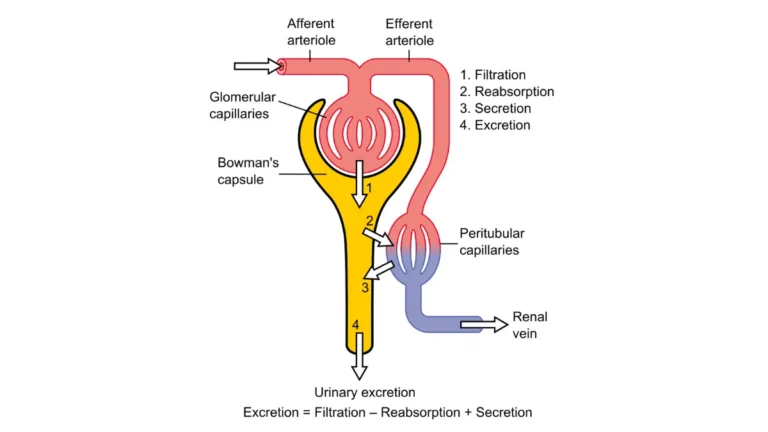
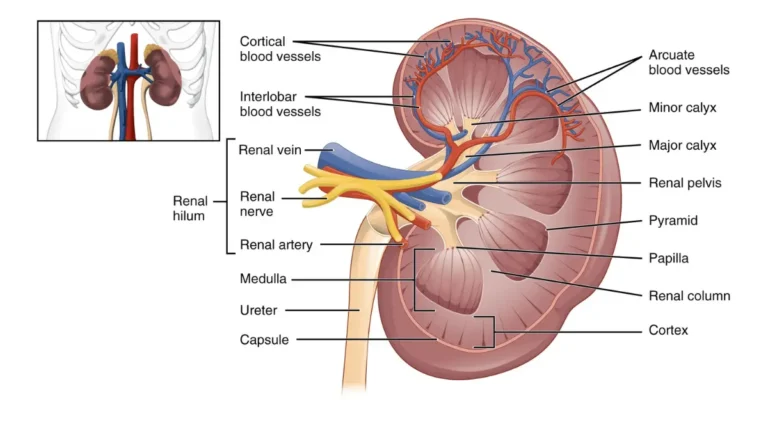
🔬 How It Works: BUN (blood urea nitrogen) and creatinine are waste products your body makes constantly — urea from protein breakdown, creatinine from normal muscle activity. Healthy kidneys filter both out of your blood and into your urine. When filtering slows, these wastes build up, so higher-than-normal levels can point toward reduced kidney function.
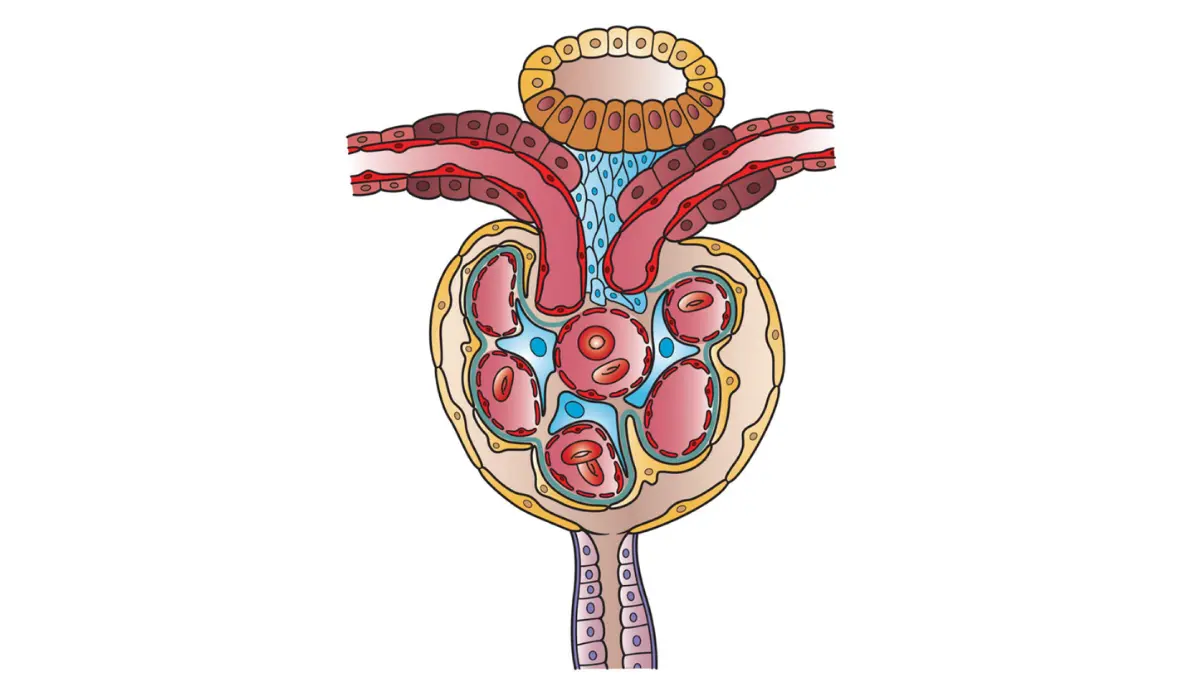
Labs often calculate an eGFR (estimated glomerular filtration rate) from your creatinine, age, and sex to express filtering capacity as a single number. A mildly elevated BUN or creatinine isn’t automatically kidney disease. Dehydration, a high-protein meal, or certain medications can nudge these values up temporarily.
🩺 Physician Note: Current guidance treats a single abnormal kidney value as a reason to look closer, not a diagnosis. Providers typically repeat the test, check the eGFR trend over time, and factor in hydration and medications before drawing conclusions.
✅ Patient Action: If your BUN or creatinine is flagged, ask your primary care provider: “What is my eGFR, and should we repeat this test to see if the change holds?”
Reading your liver enzymes and protein levels
Six CMP values track liver health and the proteins your liver helps make.
🔬 How It Works: ALT and AST are enzymes that live inside liver cells. When those cells are stressed or injured, the enzymes leak into the bloodstream — so elevated levels can reflect liver-cell irritation from many causes, not disease alone. ALP comes from the liver, bile ducts, and bone; bilirubin is a product of normal red blood cell breakdown that the liver clears.
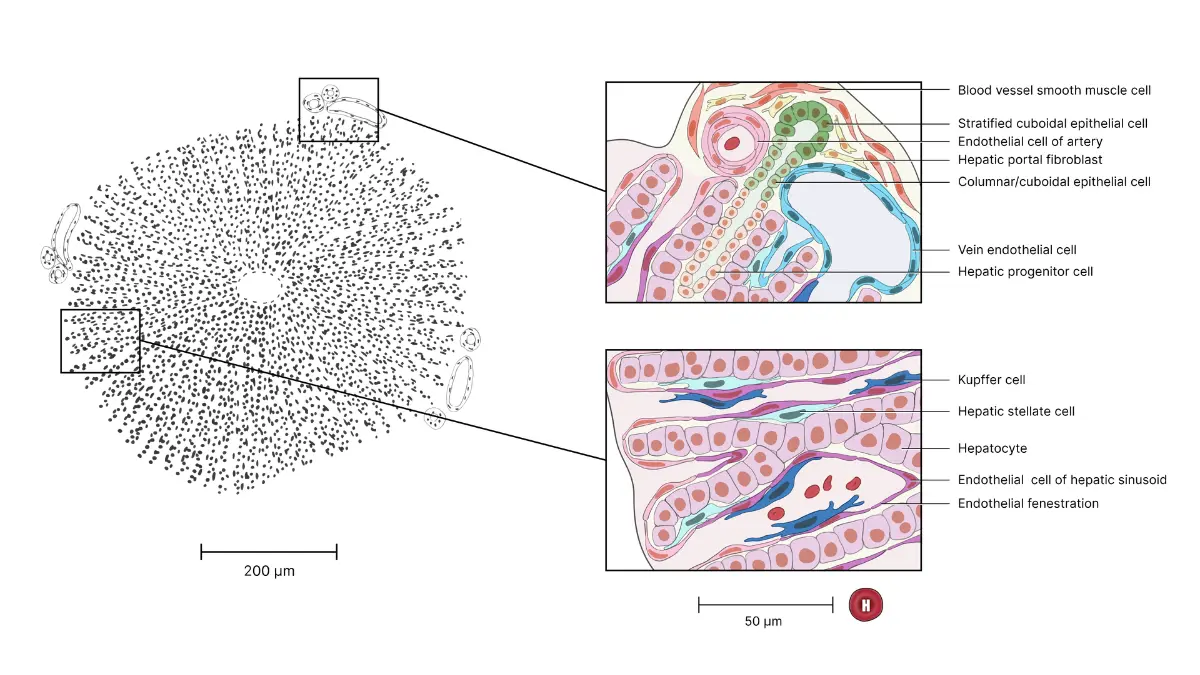
Albumin and total protein reflect how well your liver is making protein, along with your general nutrition status. A single mildly high ALT or AST is common and often temporary — intense exercise, some medications, or a recent illness can raise it.
What matters more is whether an elevation is marked, persistent across repeat tests, or paired with symptoms. For a value-by-value walkthrough, see our guide to decoding your liver function numbers.
✅ Patient Action: If your liver enzymes are elevated, ask your provider whether the level warrants a repeat test in a few weeks, and whether any medication you currently take could be the cause.
What your electrolytes, calcium, and glucose show
The remaining CMP values cover fluid balance, a key mineral, and the number many people watch most.
Sodium, potassium, chloride, and carbon dioxide work together to manage your fluid levels and acid–base balance. Potassium and sodium in particular affect nerve signaling and heart rhythm, which is why large swings draw attention. Calcium supports your bones, nerves, and muscles and is held in a tight range by your body.
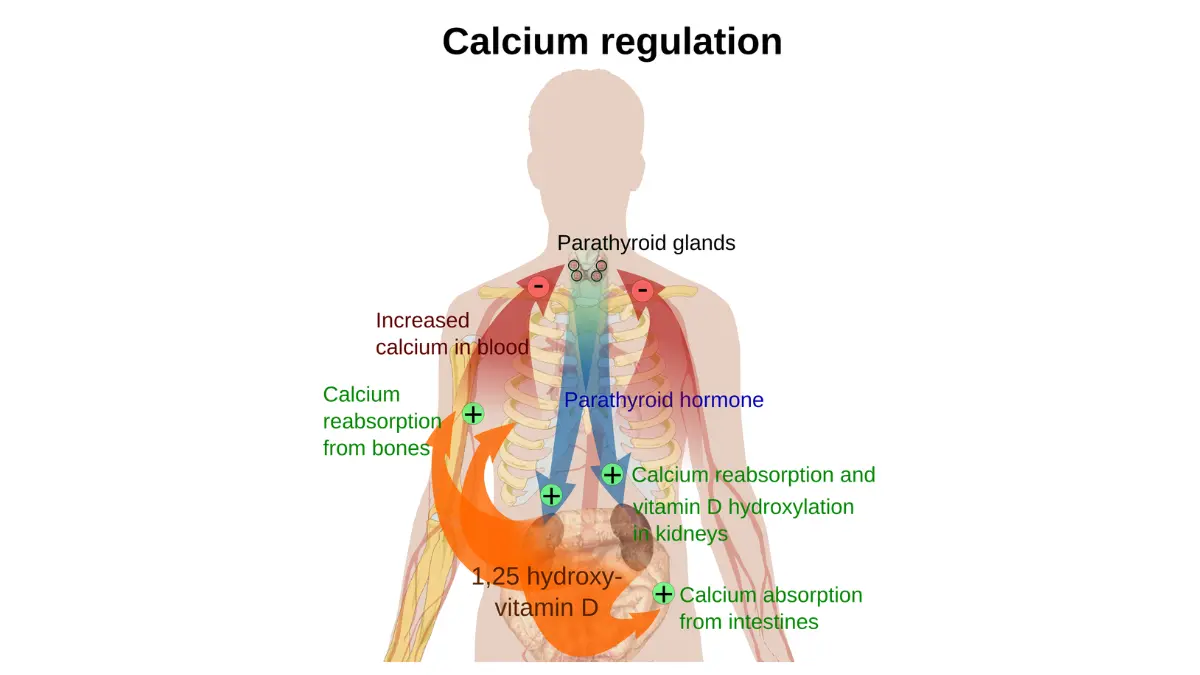
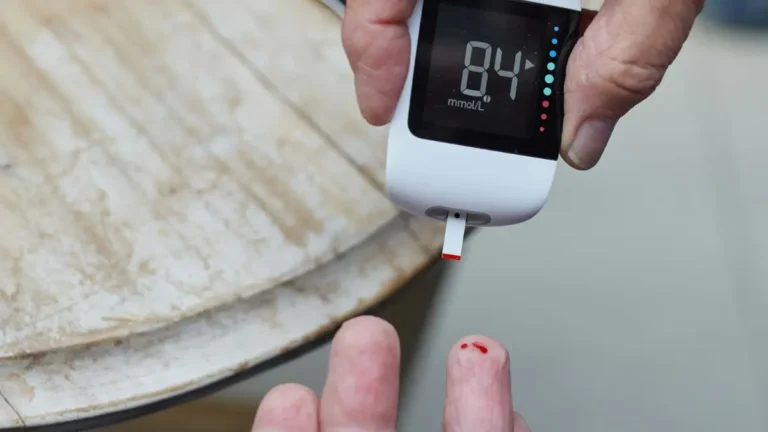
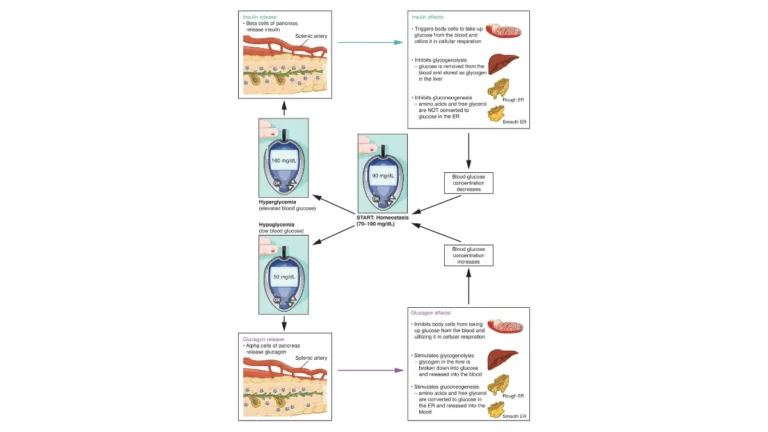
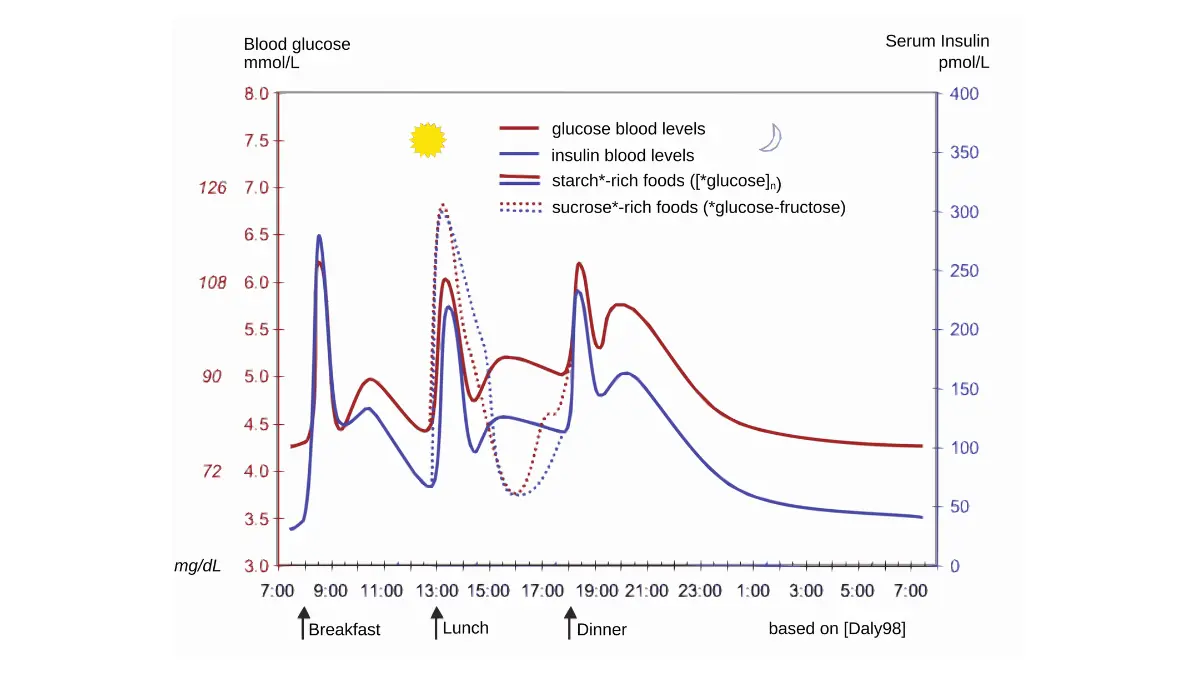
Glucose on a CMP is usually a fasting measurement, taken after not eating for at least 8 hours, because food raises blood sugar temporarily. A normal fasting result runs 70–99 mg/dL, and above that, standard screening thresholds apply.
📊 Clinical Data Point: Fasting blood sugar — Normal: 99 mg/dL or below; Prediabetes: 100–125 mg/dL; Diabetes: 126 mg/dL or above — Source: CDC, Diabetes Testing (2025). Only a provider can diagnose diabetes, and usually not from a single test.
If your fasting number sits just above range, see what a fasting result of 70–100 mg/dL actually means for next steps. Results outside the US may be reported in mmol/L — you can convert your glucose reading between units to compare against this chart. The CDC’s diabetes testing guide lays out how each screening test is interpreted.
✅ Patient Action: If your fasting glucose is 100 mg/dL or higher, ask your provider whether you should repeat the fasting test or add an A1C to check your average blood sugar.
What an out-of-range result actually means
One value outside the reference range is among the most common — and most misread — results on a CMP.
A single abnormal value usually doesn’t confirm disease. Labs flag anything outside a statistical range, and by design a share of healthy people fall just outside it. That’s why an out-of-range number is typically repeated or followed by more specific tests rather than treated as a diagnosis.
Everyday factors move these numbers. Diet, dehydration, recent exercise, pregnancy, certain medications, and even the time of day can push a value up or down. Our guide to what an abnormal CMP result can mean breaks down the common non-disease explanations.
A CMP is also not a cancer screening test. It’s a general chemistry panel, and no routine blood panel diagnoses cancer on its own — even dedicated tumor-marker tests can’t confirm cancer alone, and diagnosis relies on biopsy and imaging, as the National Cancer Institute explains.
🩺 Physician Note: What clinicians weigh most is the pattern and the trend, not one isolated reading. A value that’s mildly off once means something different from the same value drifting across several tests — which is why repeat testing, not panic, is the usual next step.
✅ Patient Action: If you have symptoms alongside an abnormal value, you can check whether they warrant a same-day call. Then ask your provider: “Given my symptoms and this result, do we repeat the test, watch it, or investigate now?”
When an abnormal CMP result needs prompt attention
Most abnormal CMP values can wait for a scheduled follow-up — but a smaller set of situations, especially with symptoms, deserve a faster call. The deciding factor is usually how you feel, not the number alone.
Markedly abnormal electrolytes or a very high glucose can occasionally cause symptoms that need prompt evaluation. This section is general guidance, not a way to judge severity from a number on your own.
⚠️ Clinical Warning: Seek prompt medical care if an abnormal result comes with red-flag symptoms such as severe weakness, confusion, an irregular or racing heartbeat, difficulty breathing, or fainting. These can accompany serious electrolyte or blood-sugar disturbances and shouldn’t wait for a routine appointment. When in doubt about severe symptoms, contact emergency services.
✅ Patient Action: If your portal shows a result the ordering clinician flagged as urgent, don’t wait for the next visit — call that office the same day and ask exactly what they’d like you to do.
Frequently asked questions about CMP results
1. What is a normal comprehensive metabolic panel result?
A normal comprehensive metabolic panel result means all 14 values fall within their reference ranges — for example, fasting glucose at 70–99 mg/dL and sodium at 136–145 mEq/L. Ranges vary slightly by lab, so compare each number only to the range printed on your own report rather than a general chart.
2. Do you need to fast for a CMP?
Usually yes. Most providers ask you to fast for at least 8 hours before a comprehensive metabolic panel, mainly so the glucose measurement is accurate — water is generally fine. Our guide on whether you need to fast for a CMP covers the details. Confirm timing with your provider or lab.
3. What’s the difference between a CMP and a BMP?
A basic metabolic panel (BMP) includes 8 of the 14 comprehensive metabolic panel tests. The CMP adds six liver and protein markers a BMP leaves out: ALT, AST, ALP, total bilirubin, total protein, and albumin. Your provider chooses between them based on whether liver information is needed.
4. Which CMP values relate to kidney function?
On a comprehensive metabolic panel, BUN and creatinine are the main kidney markers, and labs often calculate an eGFR from your creatinine. Higher-than-normal levels can point to reduced filtering, but dehydration and medications can also raise them. Discuss any flagged kidney value with your provider.
5. Which CMP values show liver problems?
Four comprehensive metabolic panel values track the liver: ALT and AST (enzymes inside liver cells), ALP (from liver, bile ducts, and bone), and bilirubin. Albumin and total protein reflect the liver’s protein-making role. A single mild elevation is common; persistent or marked changes deserve follow-up with your provider.
6. Does one out-of-range value mean I’m sick?
Not on its own. A comprehensive metabolic panel flags anything outside a statistical range, and some healthy people fall just outside it. A single abnormal value is usually repeated or followed by more specific tests before any diagnosis. Patterns across repeat tests matter more than one reading.
7. What does a high fasting glucose on a CMP mean?
On a comprehensive metabolic panel, a fasting glucose of 100–125 mg/dL falls in the prediabetes range and 126 mg/dL or above in the diabetes range, per the CDC. Only a provider can diagnose diabetes, usually with a repeat or additional test. Ask about a follow-up fasting glucose or an A1C.
8. Can a CMP detect cancer?
No. A comprehensive metabolic panel is a general chemistry test, not a cancer screen. No routine blood panel diagnoses cancer alone — even dedicated tumor-marker tests can’t confirm it, and diagnosis relies on biopsy and imaging. Abnormal CMP values have far more common, non-cancer explanations.
9. What can cause an abnormal CMP result besides disease?
Plenty of everyday factors. Diet, dehydration, recent exercise, pregnancy, certain medications, and the time of day can all shift comprehensive metabolic panel values. That’s why a single out-of-range number is often repeated before it’s acted on. Mention any of these to your provider when reviewing results.
10. Why is my normal range different from someone else’s?
Reference ranges on a comprehensive metabolic panel vary by laboratory, method, age, and sex. Creatinine, for instance, has different ranges for men and women. That’s why the only range that truly applies to you is the one printed on your own report, not a generic chart.
11. How often should I get a CMP?
It depends on your health. Many adults have a comprehensive metabolic panel as part of a routine yearly checkup, and more often if they take medications affecting the liver or kidneys or manage a chronic condition like diabetes. Your provider sets the right interval for you.
Your next step after reading your CMP
You now have the full comprehensive metabolic panel normal range for all 14 values, what each grouping checks, and the context that keeps a single flagged number in perspective. Two things carry the most weight: compare every value only to the range on your own report, and remember that one out-of-range result usually calls for a repeat test, not alarm. Bring your results — and any symptoms — to your provider, and use our full guide to reading your CMP results to see how the numbers fit together.
About this content
How this article was put together: researched from recognised health sources, drafted with the help of AI tools, and edited by hand, with sources linked throughout.

Sameer Patel is the founder and editor of My Medicine Advisor. He is not a doctor or medical professional — before starting this site he worked in banking,…
Medical disclaimer
The content on MyMedicineAdvisor is provided for general informational and educational purposes only and is not a substitute for professional medical advice, diagnosis, or treatment. Health information on this website should not be used to diagnose, treat, cure, or prevent any condition without guidance from a qualified healthcare professional. Always seek the advice of your doctor, physician, or another licensed healthcare provider with any questions you may have regarding a medical condition, symptoms, medications, or treatment decisions.